Why a Chow Chow’s Tongue Is Not Pink
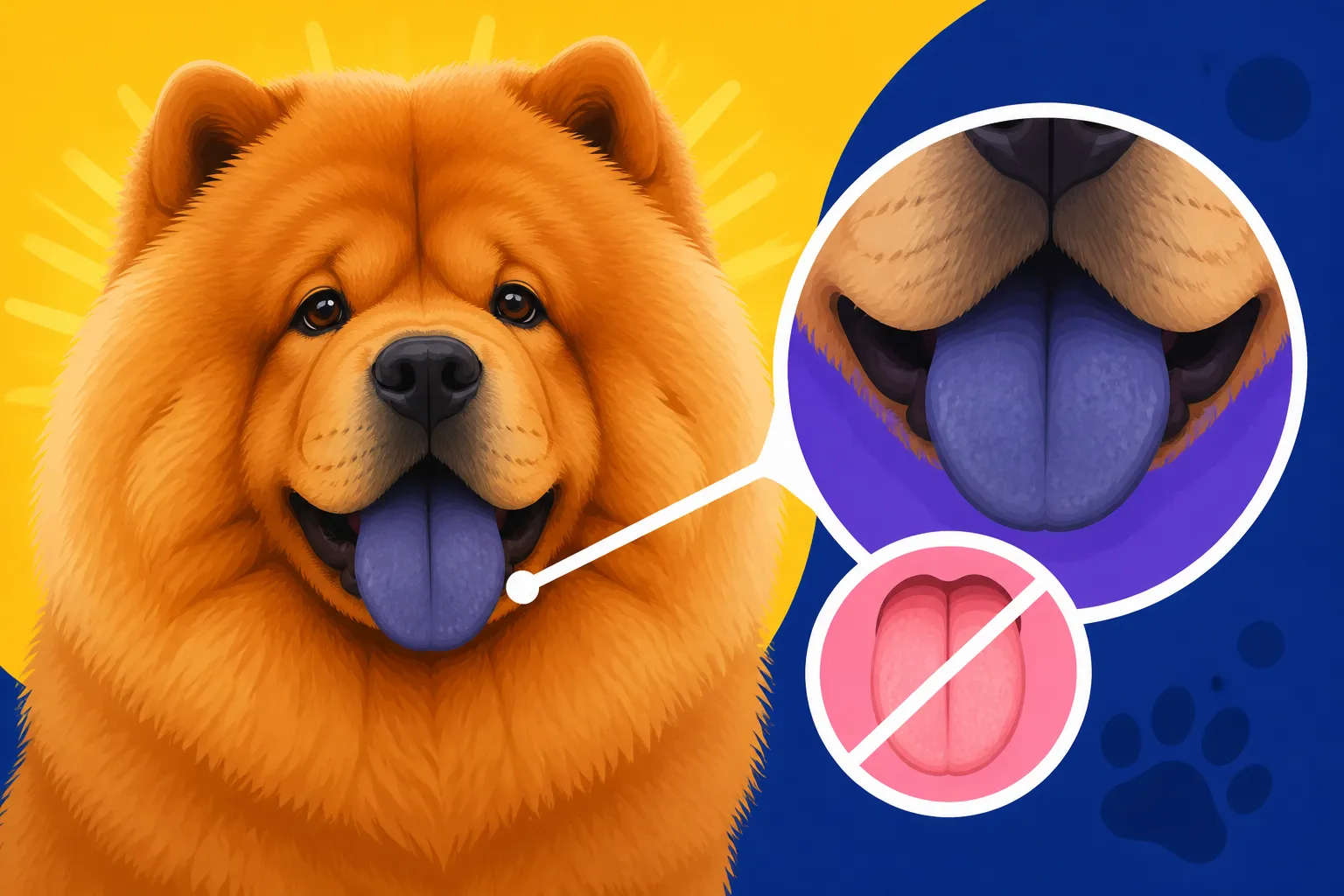
One of the most instantly recognizable, and often perplexing, features of a Chow Chow is its striking blue-black tongue. If you've ever seen a Chow Chow, you know it's not pink like most other dogs. This distinctive trait often sparks curiosity and even a bit of concern for new owners, who might wonder if something is amiss or if it’s a sign of a health issue. But rest assured, for a Chow Chow, that deep, often purplish-black tongue is not just normal; it's a hallmark of the breed, a vibrant splash of color that sets them apart.
The Unique Blue-Black Tongue: A Defining Feature
The blue-black tongue of a Chow Chow is a trait so iconic that it's often the first thing people notice, right after that magnificent lion's mane. It's truly one of those "wow" factors that make Chows so captivating, but it’s also one that generates endless questions from those unfamiliar with the breed. "Is it bruised?" "Did they eat something?" "Is it healthy?" These are all common reactions, and completely understandable if you're used to seeing dogs with varying shades of pink in their mouths.
What Gives a Chow Chow Its Distinctive Tongue Color?
The short answer to why a Chow Chow's tongue is blue-black comes down to pigment, specifically melanin. Just as some people have darker skin, hair, or eyes due to higher concentrations of melanin, Chow Chows have an abundance of this pigment in the cells of their tongues. This isn't a surface stain or something temporary; it's deeply ingrained cellular pigmentation. Think of it like a birthmark, but for the entire tongue. It’s simply how their bodies are wired to produce and distribute this particular color.
This isn't a fluke, either; it's a genetic trait that has been passed down through generations. The distribution of this melanin isn't always uniform, which is why you might see tongues that are solid blue-black, mottled with dark spots, or even predominantly blue with some persistent pink areas. It’s all part of the natural spectrum of this unique characteristic. The intensity of the color can also vary, from a deep, almost indigo hue to a slate gray-blue. Regardless of the exact shade or pattern, the presence of this dark pigmentation is what truly distinguishes their tongues from the common pink found in nearly all other dog breeds. The article What Pigment Makes a Chow Chow's Tongue Blue delves deeper into the science of this fascinating coloration.
A Historical Marker: Legends and Lore
The Chow Chow is an incredibly ancient breed, with a history stretching back thousands of years in China. And, as with many ancient things, there are often captivating legends associated with their unique features, including their blue-black tongues. While these stories aren't meant to be taken as scientific fact, they certainly add to the mystique and charm of the breed. One popular legend suggests that when the world was being created, a Chow Chow was allowed to lick up all the tiny pieces of blue sky that fell to Earth as the stars were being set in place. This celestial snack, so the story goes, permanently stained their tongues.
Another tale attributes the color to the Chow Chow being present when Buddha painted the sky blue. As Buddha worked, drops of the sacred paint fell, and the devoted Chow Chow, ever watchful, licked them clean. These narratives, while fanciful, underscore just how long this distinctive trait has been recognized and wondered at. They speak to a time when observation and storytelling were the primary ways to understand the natural world, giving a romanticized origin to a genetic reality. For many, these legends connect the Chow Chow to a rich cultural tapestry, transforming a biological quirk into a symbol of ancient wisdom and heavenly connection. You can learn more about the breed's deep roots in The Chow Chow Is One of the Oldest Breeds in the World.
Breeds That Share the Blue Tongue Trait
While the blue-black tongue is practically synonymous with the Chow Chow, they aren't actually the only dog breed to display this intriguing feature. The Chinese Shar-Pei, for instance, also famously sports a blue-black tongue. This shared trait often leads people to speculate about ancient common ancestry, and indeed, genetic studies confirm that both breeds are among the most ancient canine lineages. This suggests that the gene for this specific pigmentation likely emerged very early in canine history.
Beyond these two prominent breeds, you might occasionally find other dogs with tongues that aren't entirely pink. Sometimes, individual dogs of breeds like the Akita, Australian Cattle Dog, German Shepherd, or even Labrador Retrievers can have dark spots or patches on their tongues. These are usually just pigment spots, similar to freckles or birthmarks on humans, and don't typically cover the entire tongue as they do in Chow Chows and Shar-Peis. However, the consistent, widespread blue-black or purplish pigmentation of the Chow Chow's tongue remains a distinguishing characteristic, making it a reliable, though not exclusive, indicator of their unique genetic heritage. For more on similar characteristics, you might find Which Other Breed Has a Blue Tongue interesting.
The Developmental Journey of a Chow Chow's Tongue
Understanding the development of the Chow Chow's tongue color is crucial, especially for new puppy owners. It's natural to be a bit surprised or even concerned if your adorable Chow puppy doesn't immediately present with that signature blue-black hue. Rest assured, this is part of their natural growth process. The color isn't fixed from birth; it evolves over time, much like their coat can change density and texture as they mature. This developmental stage is a key part of their journey from tiny, fluffy bundles to majestic adults.
What Color a Chow Chow Puppy's Tongue Starts
When a Chow Chow puppy is first born, its tongue is typically pink, just like most other newborn puppies. This can be quite surprising for first-time Chow owners who expect to see the characteristic blue-black from day one. However, this initial pink is entirely normal and is simply the starting point for their unique pigmentation journey. The melanin that will eventually give the tongue its deep color hasn't fully developed or migrated to the tongue tissue yet.
This means that for the first few weeks of life, a Chow Chow puppy looks indistinguishable from many other breeds in terms of tongue color. This is a critical piece of information for anyone looking to purchase a Chow Chow puppy, as it helps to manage expectations and understand the natural progression of the breed's traits. There's no need for alarm if your little fluffball has a perfectly pink tongue; it's merely in its nascent stage, preparing for its grand reveal. The true spectacle of their unique coloration is still a few weeks away.
The Timeline: When Pigmentation Fully Develops
The transformation from a pink puppy tongue to the characteristic blue-black typically begins within the first few weeks of a Chow Chow's life. You’ll start to notice small dark spots or patches appearing, gradually spreading and deepening in color. This process isn't instant; it's a slow, steady progression that usually takes several weeks, sometimes even months, to complete. Generally, by the time a Chow Chow puppy is around 8 to 10 weeks old, the pigmentation should be well underway, with a noticeable blue-black or purplish hue covering most of the tongue.
However, it's important to remember that every puppy is an individual, and the exact timing can vary slightly. Some may develop their full color earlier, while for others, it might take a bit longer, sometimes up to six months, for the tongue to achieve its final, adult coloration. This gradual change is completely natural and part of the breed's genetic makeup. It's during this period that the melanin is actively being produced and deposited into the tongue tissue. If you're observing this transition, you're witnessing one of the most distinctive features of the breed come to life before your very eyes. For a detailed look at this specific development, check out When a Chow Chow Puppy's Tongue Turns Blue.
Understanding Tongue Pigmentation Variations
While the ideal Chow Chow tongue, according to breed standards, is a solid blue-black, it's important to understand that not all Chows will present with a perfectly uniform color. Just like people have different shades of hair or eye color, there can be natural variations in the intensity and distribution of the blue-black pigment in a Chow Chow's tongue. These variations are generally normal and don't necessarily indicate a health problem, but knowing what to look for can provide peace of mind and help you understand your individual dog better.
Why Some Chows Have Spotted Tongues
It’s quite common to encounter Chow Chows with spotted or mottled tongues, where areas of blue-black pigment are interspersed with patches of pink. This isn't usually a cause for concern and is simply a variation in how the melanin is distributed during the tongue's development. Think of it like a piebald pattern on a coat, but for the tongue instead. These pink spots often remain throughout the dog's life and are part of their individual charm.
Sometimes, the spots might be small and scattered, while in other Chows, larger sections of the tongue might remain pink. This can also extend to the gums and roof of the mouth; while many Chows have dark pigmentation throughout their oral cavity, some might have areas that are more pink. These variations are generally considered normal and healthy. It's important to distinguish these natural pigment variations from sudden changes in tongue color, which could signal a health issue. As long as the pink areas appear healthy and haven't suddenly appeared or changed in texture, your spotted-tongued Chow Chow is likely perfectly fine.
Does a Pink Spot Disqualify a Show Chow Chow?
For those involved in the world of dog shows, breed standards are incredibly important, and specific traits can indeed impact a dog's standing. When it comes to the Chow Chow's tongue, the standard typically calls for a solid blue-black tongue. Therefore, while a few small, unpigmented (pink) spots might be overlooked in some instances, a predominantly pink tongue or one with significant pink patches can indeed be considered a fault. In competitive showing, it's a trait that judges will notice and evaluate.
However, it's crucial to understand that "disqualification" in the show ring is very different from disqualification as a pet. A Chow Chow with pink spots on its tongue is no less healthy, loving, or magnificent as a companion animal. The breed standard focuses on aesthetic ideals and historical purity of traits, not on the dog's quality of life or its ability to be a wonderful family member. Many perfectly healthy and happy Chow Chows have some pink on their tongues and live full, vibrant lives, even if they aren't destined for the Westminster ring. So, while it might affect their show career, a pink spot on the tongue is usually nothing to worry about for the average pet owner. You can learn more about this in Whether a Pink Spotted Tongue Disqualifies a Chow Chow.
The Difference Between a Blue-Black Tongue and a Bluish-Gray Tongue
While the ideal Chow Chow tongue is described as blue-black, you might observe a range of shades in reality. Some Chows have tongues that lean more towards a deep indigo or true blue, while others present with a grayish-blue or even a mottled purplish hue. These variations in shade are generally considered within the normal spectrum of the breed's pigmentation. The key is the presence of this dark, non-pink pigment.
A truly blue-black tongue will be rich and deep, similar to a ripe blackberry or a very dark plum. A bluish-gray tongue, while still showing the characteristic dark pigment, might appear a bit lighter, perhaps more like slate or charcoal with a blue undertone. These differences are often due to the concentration of melanin and perhaps other subtle genetic factors that influence pigment expression. As long as the color is consistent for that individual dog and there are no signs of inflammation, soreness, or sudden changes, these variations in shade are typically just part of the Chow Chow's diverse beauty. It's more about the presence of the deep, non-pink color rather than an exact shade match across every single dog.
Health and the Chow Chow's Tongue
While the blue-black tongue is a healthy, normal characteristic for a Chow Chow, it's still an important part of their anatomy that warrants regular attention. Just like any other part of your dog's mouth, the tongue can be an indicator of overall health, and its unique pigmentation can sometimes make certain issues a little harder to spot. Being proactive and knowing what to look for can make a big difference in catching potential problems early.
When to Worry About Tongue Color Changes
Even though a Chow Chow's tongue is naturally dark, you should still pay attention to any sudden or significant changes in its appearance. A healthy Chow Chow's tongue should typically be moist and have a consistent color for that individual dog. If you notice it suddenly becoming unnaturally pale, nearly white, or even bluish-purple in a way that looks sickly, that's a red flag. A very pale tongue, for example, can be a sign of anemia, shock, or poor circulation, indicating a serious underlying health issue that requires immediate veterinary attention.
Similarly, if patches of bright red, yellow, or unusual dark spots appear suddenly on the tongue, it could signal infection, inflammation, or even a growth. Any signs of swelling, bleeding, ulcers, or discharge should also prompt a call to your vet. The key is sudden change from your dog's normal. While their tongues are dark, they shouldn't look bruised, jaundiced, or unnaturally pallid. Regular quick checks during brushing sessions, perhaps with a tasty treat from Chewy as a distraction, can help you notice subtle shifts.
Here's a quick comparison of normal vs. concerning tongue observations:
| Feature | Normal Chow Chow Tongue | Concerning Chow Chow Tongue |
|---|---|---|
| Color | Consistent blue-black, purplish, or bluish-gray; may have healthy pink spots. | Suddenly pale, white, bright red, yellowish, or unnaturally mottled. |
| Texture | Smooth, moist, no raised bumps or lesions. | Swollen, bleeding, ulcers, rough patches, persistent growths. |
| Moisture | Moist to the touch. | Excessively dry or sticky. |
| Odor | Neutral, no strong unpleasant smell. | Foul or unusual odor. |
| Dog's Behavior | No discomfort when mouth is handled (if accustomed). | Pawing at mouth, difficulty eating or drinking, excessive drooling. |
How the Pigmented Mouth Hides Health Issues
One of the less-talked-about challenges of the Chow Chow's unique blue-black tongue and often similarly pigmented gums is that it can make it harder to spot certain oral health issues that would be obvious in dogs with pink mouths. For instance, common indicators like pale gums, which signal anemia or shock, are obscured by the natural dark pigmentation. Similarly, inflammation, redness, or even certain types of growths can be camouflaged by the dark background, making them much less noticeable to the untrained eye.
This is why it's incredibly important for Chow Chow owners to be vigilant about regular oral examinations and to schedule routine veterinary check-ups. You'll need to develop a keen eye for subtle changes in texture, swelling, or any areas that appear unusually raised or different from your dog's normal mouth topography. For conditions like oral melanoma, which can manifest as dark spots or masses, the already pigmented mouth can be a significant hiding place. This makes early detection more difficult, highlighting the need for consistent diligence. How a Chow Chow's Pigmented Mouth Hides Melanoma offers more insight into this specific concern. Be sure to carefully examine your Chow Chow's mouth regularly, looking beyond just color for any anomalies.
The Blue Tongue as a Breed Identifier
It’s a common misconception that if a dog has a blue-black tongue, it must be part Chow Chow. While the Chow Chow's tongue is undoubtedly one of its most famous features, relying solely on tongue color as proof of ancestry can be misleading. Understanding the nuances of this trait is important, whether you're welcoming a new dog into your home or simply curious about genetics.
Does a Blue Tongue Prove a Dog Is Part Chow Chow?
While the blue-black tongue is a signature trait of the Chow Chow, it's a common myth that any dog with such a tongue must have Chow Chow in its lineage. This isn't entirely accurate. As mentioned earlier, the Chinese Shar-Pei also consistently has a blue-black tongue. Beyond these two breeds, a number of other breeds can occasionally exhibit dark spots or patches of pigmentation on their tongues, though usually not the solid blue-black coloration seen in Chows or Shar-Peis. These include breeds like the Australian Shepherd, Dalmatian, Rottweiler, and even some mixed breeds.
These pigment spots are often just melanin deposits, similar to birthmarks or freckles, and don't necessarily indicate any Chow Chow ancestry. In fact, relying solely on tongue color can lead to incorrect assumptions about a dog's genetic background. A DNA test is the only definitive way to confirm breed heritage. So, while a blue tongue might be a strong hint, it's not a foolproof genetic marker for a Chow Chow or a Chow mix. It’s simply one piece of a much larger, more complex puzzle of canine genetics. To dive deeper into this topic, consider reading Whether a Blue Tongue Proves a Dog Is Part Chow Chow.
The Importance of Breeder Verification
For anyone considering bringing a Chow Chow into their life, breeder verification is paramount, far more so than relying on a single physical trait like tongue color. A reputable breeder will not only be transparent about their dogs' health and lineage but will also provide documentation to back it up. This documentation includes health clearances for the parents, such as hip and elbow evaluations, eye certifications, and thyroid panels, which are crucial given the breed's predispositions to certain conditions. For instance, a responsible breeder will perform What a Chow Chow Breeder Should Have Tested to ensure the health of their lines.
Beyond health tests, good breeders will also be knowledgeable about the breed's temperament, which is just as vital as their physical characteristics. They will be able to discuss the dam and sire's personalities, how the puppies are socialized, and what you can expect in terms of behavior. They should also provide a clear contract, offer a health guarantee, and be available to answer your questions long after you've taken your puppy home. Focusing on these comprehensive aspects of breeder verification ensures you're getting a healthy, well-socialized puppy from ethical origins, rather than making assumptions based on a single, albeit striking, physical characteristic. When purchasing supplies for your new puppy, you might find a wide selection of reputable brands and products on platforms like Chewy, helping you prepare for your new companion.
Disclaimer
This article is for general informational purposes only and does not constitute professional advice. Laws, prices and regulations vary by location and change over time. Consult a qualified professional for guidance on your specific situation.