The Entropion Surgery Every Chow Chow Owner Should Budget For
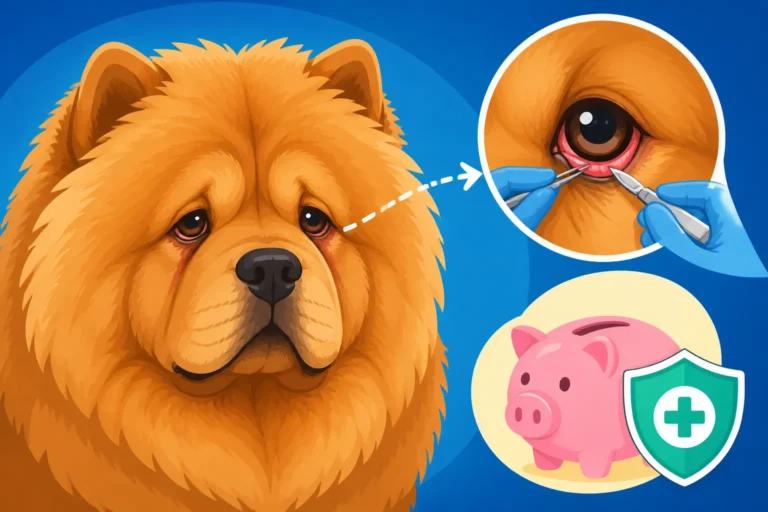
It’s truly heartbreaking to see your beloved Chow Chow squinting in discomfort, pawing at their eyes, or suffering from constant irritation and discharge. Many Chow Chow owners face the challenging reality of entropion, a condition where the eyelid rolls inward, causing eyelashes and fur to rub painfully against the delicate surface of the eye. This guide is here to walk you through the financial aspects of treating entropion, from initial diagnosis to post-operative care, helping you understand the full scope of what to budget for this essential surgery.
Understanding Entropion: More Than Just a Little Irritation
Before we dive into the numbers, it’s vital to grasp what entropion really means for your Chow Chow. This isn't just a minor cosmetic issue; it's a chronic, painful condition that can lead to severe eye problems if left unaddressed. The constant friction from the inward-rolling eyelid can scratch the cornea, leading to ulcers, infections, and potentially even permanent vision loss. The unique structure of the Chow Chow's face, with its deep-set eyes and prominent facial folds, unfortunately predisposes them to this particular struggle.
Why Chow Chows Are Prone to Entropion
Chow Chows, with their magnificent ruffs and soulful, deep-set eyes, are undeniably beautiful. However, these very traits that make them so distinctive also contribute to their susceptibility to entropion. The breed standard calls for a skull shape and eye placement that, in some individuals, can lead to the lower eyelid, and sometimes even the upper, rolling inwards. It's a structural issue, often hereditary, meaning it’s something responsible breeders screen for and something new owners should be aware of. You might notice the signs a Chow Chow puppy's eyes are sore even before they leave the breeder.
This isn't a fault of the dog or the owner; it’s a genetic predisposition that has unfortunately become quite common within the breed. The way a Chow Chow's face folds push the lid in is a key contributing factor. When a puppy is young, their facial structure is still developing, which is why the condition might not be immediately obvious, or it might appear intermittently. But as they grow, the problem can become more pronounced and persistent, demanding intervention.
The Impact of Untreated Entropion on Your Chow Chow
Ignoring entropion is not an option for a compassionate owner, as the suffering it causes is immense and ongoing. Imagine having grit constantly rubbing against your eyeball – that's what your Chow Chow endures. This chronic irritation can lead to painful corneal ulcers, which are open sores on the eye's surface. These ulcers are not only incredibly uncomfortable but can quickly become infected, threatening your dog’s vision. In severe cases, or if complications arise, whether entropion can blind a Chow Chow is a real concern.
Beyond the immediate pain and risk of infection, untreated entropion leads to permanent scarring of the cornea, which can impair vision even after the primary issue is resolved. The constant tearing and discharge also create a secondary problem: damp skin around the eyes, which can lead to skin fold infections and dermatitis. It's a cascade of problems stemming from that initial inward roll, making early intervention not just kind, but medically crucial.
Initial Veterinary Consultations and Diagnostic Steps
When you first suspect your Chow Chow has entropion, the first step is a trip to the veterinarian. This initial visit is crucial for diagnosis and for understanding the severity of the condition. It’s important to remember that these initial appointments and tests come with their own set of costs, separate from the surgery itself. These early expenses are a non-negotiable part of addressing the problem effectively.
General Vet Exam vs. Specialist Consultation
Your regular family veterinarian will likely be your first point of contact. They can perform a general examination, confirm the presence of entropion, and assess the immediate impact on your Chow Chow's eyes, such as identifying any corneal abrasions or ulcers. This initial consultation usually involves a standard exam fee. However, due to the specialized nature of eye conditions and surgery, your vet will often recommend a referral to a veterinary ophthalmologist.
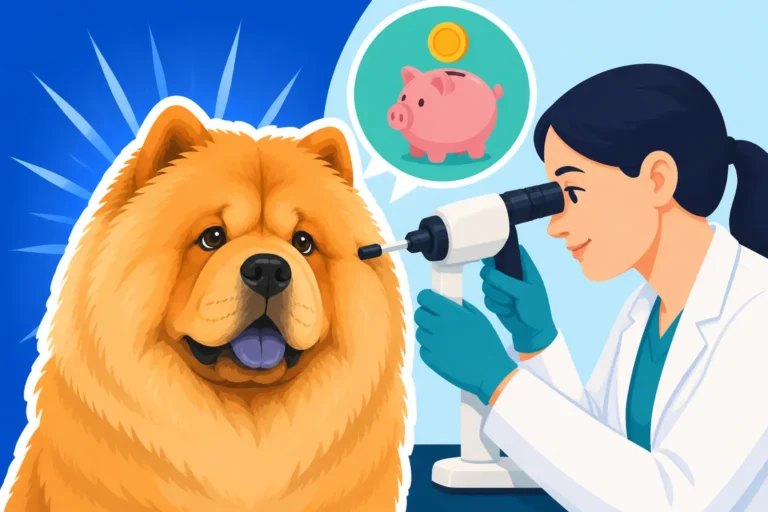
A veterinary ophthalmologist is a specialist with advanced training in diagnosing and treating eye diseases. Their examination will be far more detailed, often including specialized equipment to assess the cornea, tear production, and intraocular pressure. This specialist consultation will come at a higher cost than a general vet visit, but it’s an investment in getting the most accurate diagnosis and the best possible treatment plan. It's truly a different level of expertise, especially when dealing with something as delicate as a Chow Chow's eyes.
Diagnostic Tests and Assessments
To fully understand the extent of the entropion and its effect on your Chow Chow’s eyes, several diagnostic tests might be performed during these initial consultations. A common test is the fluorescein stain test, which involves placing a harmless orange dye into the eye. If there's an ulcer or abrasion on the cornea, the dye will stick to it, making the damage visible under a special light. This test is quick, generally well-tolerated, and relatively inexpensive, but it's vital for assessing corneal health.
Another common assessment involves measuring tear production, often done with a Schirmer tear test, which uses small strips of paper placed under the eyelid. The ophthalmologist might also perform tonometry to measure the eye’s internal pressure, especially if there’s any concern about glaucoma, which is another condition that can affect Chow Chows. All these tests contribute to a comprehensive picture, allowing the specialist to determine the most appropriate course of action, whether it's medical management or surgical intervention. These tests ensure that the entire health of the eye is considered, not just the visible lid problem.
Receiving Estimates and Treatment Plans
After a thorough examination and any necessary diagnostic tests, the veterinary ophthalmologist will discuss their findings and recommend a treatment plan. For entropion in Chow Chows, this almost always involves surgery to correct the eyelid’s position. At this point, you'll receive a detailed estimate for the recommended procedure. It's important to understand that this estimate will likely break down various costs, including the surgeon's fee, anesthesia, facility fees, pre-operative bloodwork, and post-operative medications.
Don't hesitate to ask for clarification on any line item you don't understand. Sometimes, they might offer a range of options, such as addressing one eye now and the other later if both are affected, or discussing the possibility of staged procedures for puppies. Always ask if the estimate includes follow-up visits, which are crucial for monitoring healing. This is your opportunity to understand the full financial commitment and ask about payment options or plans, as veterinary offices often work with financing companies to help families manage unexpected expenses.
Understanding the Procedure: Eyelid Tacking vs. Permanent Surgery
When it comes to correcting entropion in Chow Chows, there isn't a one-size-fits-all approach. The chosen method largely depends on the dog's age, the severity of the condition, and whether it's a temporary fix or a permanent solution. Knowing the differences and their associated costs can help you make informed decisions for your furry friend.
Eyelid Tacking for Puppies
For young Chow Chow puppies, especially those under 6-8 months of age, eyelid tacking is often the first line of defense. This is a temporary procedure where a few sutures are placed in the eyelid to pull it away from the eyeball, preventing the hair from rubbing against the cornea. The idea is that as the puppy grows and its facial structure matures, the entropion might self-correct, or at least become less severe. This approach is less invasive and less expensive than full surgical correction, as it often doesn't require general anesthesia; sometimes, light sedation is enough. The age a Chow Chow's entropion is repaired often starts with this less invasive method.
It's important to understand that eyelid tacking is precisely that—a tack. It's not a permanent solution, and it's quite common for puppies to need it more than once. Sometimes the sutures come out prematurely, or the entropion recurs as they continue to grow. This is why when a Chow Chow puppy gets eyelid tacking, owners need to be prepared for potential re-tacking or eventual permanent surgery. However, for a young pup whose eyes are constantly irritated, it offers immediate relief and a chance for the eye to heal without the stress and cost of a full surgical procedure right away.
Permanent Surgical Correction (Hotz-Celsus Procedure)
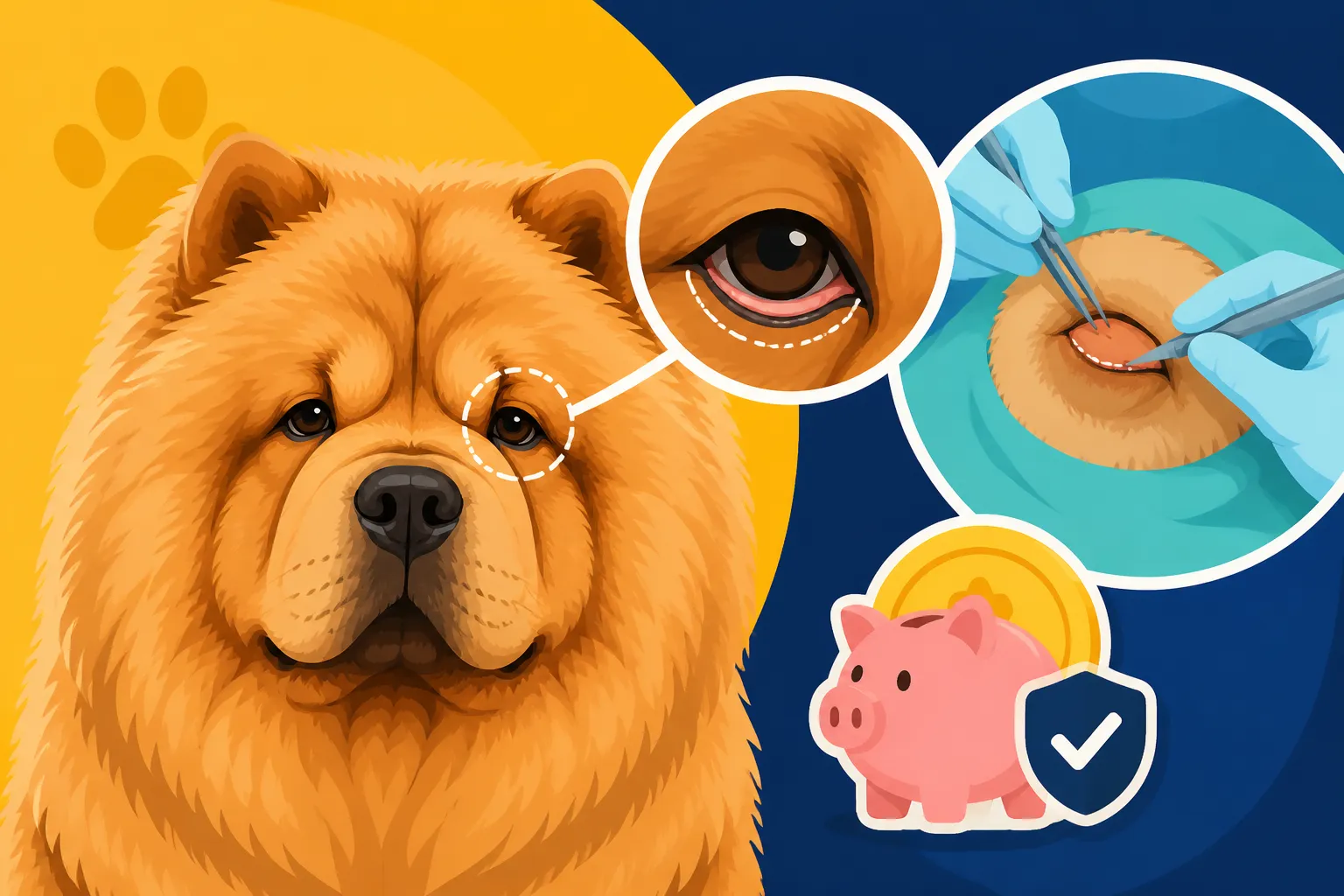
The definitive treatment for entropion in adult Chow Chows, or in puppies where tacking has failed or the condition is severe, is a permanent surgical correction. The most common procedure is called the modified Hotz-Celsus procedure. This surgery involves carefully removing a small, crescent-shaped piece of skin and muscle from the eyelid to permanently roll the eyelid margin outward. It's a delicate surgery, requiring precision to ensure the eyelid is corrected enough to stop the rubbing, but not so much that it causes ectropion (the eyelid rolling outward).
This procedure typically requires general anesthesia, making it a more complex and costly undertaking than tacking. The skill of the veterinary ophthalmologist is paramount here, as over-correction or under-correction can lead to ongoing issues or the need for revision surgery. The goal is to reshape the eyelid in a way that provides lasting relief and protects the eye for the rest of your Chow Chow's life. This is how entropion is repaired in a Chow Chow, offering a permanent solution to a persistent problem.
Breaking Down the Costs of Entropion Surgery Itself
When you receive an estimate for entropion surgery, it’s not just one big lump sum. It's a collection of individual charges that collectively make up the total cost. Understanding these components can help you decipher the bill and appreciate where your money is going to ensure your Chow Chow receives the best care.
Anesthesia and Monitoring Fees
One of the significant components of entropion surgery cost is anesthesia. Since it’s a delicate procedure requiring your Chow Chow to be completely still and pain-free, general anesthesia is mandatory for permanent correction. The cost of anesthesia isn't just for the drugs themselves; it includes the expertise of the veterinary staff to administer and monitor your dog throughout the procedure. This often involves a dedicated veterinary technician who monitors vital signs like heart rate, breathing, blood pressure, and oxygen saturation.
Pre-anesthetic bloodwork is also typically required to ensure your Chow Chow is healthy enough for anesthesia, checking for any underlying issues with organs like the kidneys or liver. This adds another layer of cost but is absolutely crucial for minimizing anesthetic risks. Given that whether a Chow Chow tolerates anesthesia can be a concern for owners, comprehensive monitoring provides peace of mind and ensures their safety throughout the surgery.
Surgeon's Fees and Facility Charges
The surgeon's fee is the cost associated with the veterinary ophthalmologist's expertise, time, and skill in performing the intricate eyelid surgery. This fee can vary significantly based on the specialist's experience, their geographic location, and the complexity of your dog's individual case. Performing the Hotz-Celsus procedure requires a very steady hand and an understanding of canine ocular anatomy, which is why specialists command higher fees. This is a critical investment, as the success of the surgery largely depends on the surgeon's precision.
In addition to the surgeon's fee, there will be facility charges. These cover the use of the veterinary clinic or hospital's surgical suite, specialized equipment, sterile supplies, and the general overhead associated with maintaining a clean, safe, and fully equipped surgical environment. These fees contribute to providing a sterile field for the surgery, proper lighting, and the instruments necessary for such a delicate operation. You might also find that if the Chow Chow's entropion affects both eyes, the cost will naturally be higher, often reflecting the need for more anesthetic time and surgical resources.
Medications and Supplies for Surgery
The cost of surgery also includes various medications and supplies used during and immediately after the procedure. This encompasses pain medications administered during recovery, antibiotics to prevent infection, and often anti-inflammatory drugs to reduce swelling. These are critical for your Chow Chow's comfort and successful healing. Beyond the drugs, sterile drapes, sutures, specialized surgical blades, and other disposable materials are all part of the operational cost.
Sometimes, after the surgery, your Chow Chow will need to wear an Elizabethan collar (e-collar), often called the "cone of shame," to prevent them from rubbing or scratching at their incision sites. This collar might be included in the total cost or might be a separate purchase. While not glamorous, the e-collar is absolutely vital to protect the delicate surgery site and prevent your dog from undoing the veterinarian's careful work. These items ensure the surgical site remains protected and clean during the initial recovery phase.
| Cost Component | Description | Typical Payment Point |
|---|---|---|
| Initial Exam & Diagnosis | General vet visit, specialist consultation, fluorescein stain, tear test, tonometry. | Before surgery |
| Pre-Anesthetic Workup | Blood tests (CBC, chemistry panel) to assess organ function for anesthesia. | Before surgery |
| Anesthesia Fees | Anesthetic drugs, monitoring equipment, veterinary staff for administration and observation. | Day of surgery |
| Surgeon's Fee | Cost for the veterinary ophthalmologist's expertise and time for the procedure. | Day of surgery |
| Facility/Hospital Fees | Use of surgical suite, sterile supplies, post-op recovery area. | Day of surgery |
| Post-Operative Medications | Pain relief, antibiotics, anti-inflammatories to be given at home. | Day of surgery/Discharge |
| E-collar / Protective Gear | Elizabethan collar to prevent rubbing or scratching surgical site. | Day of surgery/Discharge |
| Follow-up Appointments | Re-checks to monitor healing, suture removal. | After surgery |
Post-Operative Care and Potential Complications
The surgery itself is only part of the journey. The post-operative period is equally crucial for a successful outcome and will incur additional costs, from medications to follow-up visits. It's also important to be aware of potential complications, which, while rare with skilled surgeons, can arise and may require further intervention and expense.
At-Home Care and Medication
Once your Chow Chow is home from surgery, your primary responsibility shifts to diligent at-home care. This usually involves administering prescribed eye drops or ointments multiple times a day to prevent infection and reduce inflammation. These medications are not included in the surgery fee and will be an additional expense. You'll also need to keep the incision site clean and dry, which might involve gentle wiping with a sterile saline solution, as recommended by your vet.
The e-collar is another non-negotiable part of at-home care. It must be worn constantly to prevent your Chow Chow from rubbing or pawing at their eyes, which could tear open sutures or introduce infection. While many vets provide an e-collar, if it gets damaged or lost, you might need to purchase a replacement. Companies like Chewy offer a wide variety of e-collars, including softer, more comfortable options, which can make the recovery period a little less stressful for your dog. Your Chow Chow will be recovering for a few weeks, so patience and consistent care are key.
Follow-Up Appointments and Suture Removal
Regular follow-up appointments with your veterinarian or ophthalmologist are essential to monitor the healing process. Typically, there will be one or two check-ups in the weeks following the surgery. During these visits, the vet will assess the incision sites, ensure there’s no infection, and check that the eyelids are healing in the correct position. If non-dissolving sutures were used, these appointments would also be when they are carefully removed.
Each of these follow-up visits will incur consultation fees. While some clinics might include the first post-op check in the surgical package, subsequent visits often have their own charges. These appointments are vital for catching any potential issues early, ensuring the surgery has been successful, and giving you the opportunity to ask any questions you have about your Chow Chow's recovery. This is a critical period, ensuring that the initial investment in surgery truly pays off with a lasting solution.
Addressing Potential Complications
While entropion surgery has a high success rate, complications can occasionally occur, and it's responsible to budget for these possibilities. The most common complications include infection at the surgical site, which might require additional antibiotics or topical treatments. Another possibility is under-correction, meaning the eyelid still rolls inward too much, or over-correction, where the eyelid rolls outward (ectropion). Both can cause continued irritation and might necessitate a second, revision surgery. Whether a Chow Chow's entropion comes back is a concern for some owners, especially if the initial correction was not quite sufficient.
Dealing with complications naturally adds to the overall cost. This could mean more medications, additional vet visits, or in the worst-case scenario, another surgical procedure, which would come with its own set of anesthesia, surgeon, and facility fees. While no one wants to think about complications, understanding that they are a possibility allows you to be financially and emotionally prepared, ensuring your Chow Chow gets whatever care they need to fully recover.
How Pet Insurance Can Help with Entropion Costs
The cost of entropion surgery can be a significant financial burden for many families, often ranging into thousands of dollars. This is where pet insurance can become an invaluable asset, transforming an overwhelming expense into a manageable one. It's not just about the surgery; it's about covering the diagnostics, follow-up care, and any potential complications.
Understanding Pet Insurance Coverage
Pet insurance plans vary widely, but most comprehensive policies are designed to cover unexpected illnesses and accidents. Entropion surgery typically falls under this category, as it's a medical necessity to alleviate pain and prevent further damage to the eye. However, it's crucial to understand how pre-existing conditions are handled. If your Chow Chow showed signs of entropion before you enrolled in an insurance policy or during the waiting period, it would likely be considered a pre-existing condition and therefore excluded from coverage. This is why it's so important to insure your pet early, ideally as a puppy.
When looking at policies, pay attention to the deductible (the amount you pay before coverage kicks in), the reimbursement percentage (how much of the vet bill the insurer pays), and the annual limits. Some policies might have specific limits for specialist care or certain conditions. Providers like Healthy Paws are known for their comprehensive coverage for accidents and illnesses, which can be a lifeline for conditions like entropion.
Choosing the Right Plan and Provider
Selecting the right pet insurance plan for your Chow Chow involves a bit of research. Consider your budget, the typical veterinary costs in your area, and your dog’s specific breed predispositions. Knowing that your Chow Chow is prone to conditions like entropion, elbow dysplasia, and other issues can help you choose a plan with robust coverage for hereditary conditions. Don't be afraid to compare quotes and policy details from several providers.
When reviewing options, look for clarity on how hereditary conditions are covered, and what the waiting periods are. For example, some plans might have longer waiting periods for orthopedic or eye conditions. Brands like Chewy, beyond offering pet supplies, also have pet insurance options, allowing you to bundle services. It's often beneficial to speak directly with an insurance representative to clarify any questions you have about entropion coverage specifically. Taking the time to select the right plan upfront can save you considerable stress and expense down the line.
Maxing Out Your Policy Benefits
Once you have pet insurance, understanding how to best utilize its benefits can maximize your reimbursement. Keep meticulous records of all veterinary visits, diagnoses, and treatments related to your Chow Chow's entropion. Submit claims promptly with all required documentation, including itemized invoices and medical records. Many pet insurance companies offer online portals or apps to simplify the claims process.
If your Chow Chow requires multiple procedures, such as eyelid tacking as a puppy followed by permanent surgery as an adult, ensure you understand how your annual limits or per-condition limits apply. While insurance might not cover 100% of the costs, it can significantly reduce your out-of-pocket expenses, making essential care like entropion surgery much more accessible. Even for routine check-ups, having a plan that covers aspects of a Chow Chow's yearly eye exam can add up to considerable savings over their lifetime.
Budgeting for Entropion: A Long-Term View
Entropion isn't just a single event; for many Chow Chow owners, it's a condition that might require ongoing attention, especially if multiple surgeries are needed or if complications arise. Thinking about the costs in a long-term context is essential for responsible pet ownership.
Estimating Lifetime Costs
When you commit to a Chow Chow, you're not just buying a puppy; you're signing up for a potential lifetime of care, and for many, that includes addressing breed-specific health challenges like entropion. The cost of entropion surgery per eye on a Chow Chow can be substantial, and if both eyes are affected, or if revision surgery is needed, these costs can quickly multiply. It’s not uncommon for a Chow Chow's lifetime eye bill to reach several thousand dollars when factoring in diagnostics, surgeries, medications, and follow-up care.
Beyond the surgery itself, there are ongoing costs for managing chronic eye conditions if any residual irritation or dryness persists. This might include daily lubricating eye drops or occasional antibiotic courses. While a successful surgery should eliminate most of these issues, it’s wise to keep a contingency fund. Consider setting aside a dedicated "Chow Chow eye fund" or ensuring your general emergency fund can comfortably cover these expenses.
Preparing for Future Ophthalmic Needs
Even after successful entropion surgery, it’s a good idea to maintain regular eye check-ups for your Chow Chow. The breed's deep-set eyes can make them prone to other issues like glaucoma, which can blind a Chow Chow in days if not caught early. Regular examinations by your vet can help monitor the overall health of their eyes and detect any new or developing conditions. This proactive approach can potentially save you from larger, emergency expenses down the road.
If your Chow Chow has had entropion, they might also be more prone to related eye issues, or simply require closer monitoring due to the anatomical predispositions of the breed. Understanding the full spectrum of Why a Chow Chow's Deep Set Eye Causes Trouble can help you stay vigilant. Always discuss with your veterinarian the recommended frequency for eye exams, especially as your Chow Chow ages, to stay ahead of any potential problems.
Finding a Qualified Veterinary Ophthalmologist
The success of entropion surgery hinges significantly on the skill and experience of the surgeon. Choosing a board-certified veterinary ophthalmologist is one of the most important decisions you'll make when faced with your Chow Chow's entropion diagnosis. This isn't a procedure you want a general practitioner to undertake unless they have significant, specialized surgical experience.
Importance of Board Certification
A board-certified veterinary ophthalmologist has undergone extensive additional training beyond veterinary school, including an internship and a multi-year residency program specifically focused on animal eye diseases and surgery. They have also passed rigorous examinations to earn their certification. This level of specialization means they possess the most current knowledge, advanced surgical techniques, and specialized equipment necessary for delicate procedures like entropion repair.
For a breed like the Chow Chow, where the ocular anatomy can be complex due to their unique facial structure, having a specialist perform the surgery dramatically increases the likelihood of a successful outcome and minimizes the risk of complications like under- or over-correction. They understand the nuances of a Chow Chow's eye and how to best address the specific challenges presented by the breed. This expertise directly impacts the long-term health and comfort of your dog.
How to Find a Reputable Specialist
Your primary veterinarian is usually the best source for a referral to a qualified veterinary ophthalmologist in your area. They often have established relationships with specialists and can recommend someone they trust. You can also search online directories provided by professional organizations, such as the American College of Veterinary Ophthalmologists (ACVO) or regional veterinary specialty groups. These directories typically list board-certified ophthalmologists by location.
When contacting a specialist, don’t hesitate to ask questions about their experience with entropion surgery in Chow Chows specifically. Inquire about their success rates, what kind of follow-up care is included, and their fee structure. Sometimes, a consultation fee might be required for an initial assessment, but it's well worth the investment to ensure you are comfortable with the specialist and their proposed treatment plan. Finding the right professional is an investment in your Chow Chow's well-being and a crucial step in alleviating their pain.
Final Thoughts on Chow Chow Entropion and Your Budget
Facing the news that your beloved Chow Chow needs surgery can be daunting, especially when thinking about the financial implications. Entropion surgery, while a significant expense, is a necessary one to ensure your dog lives a comfortable, pain-free life without the constant irritation and potential for vision-threatening complications. It's a testament to your love and commitment that you're seeking to understand and prepare for these costs.
Remember, early diagnosis and intervention can often prevent more severe and potentially even more expensive problems down the line. Whether your Chow Chow needs eyelid tacking as a puppy or a permanent surgical correction as an adult, being prepared for the associated costs – from consultations and diagnostics to surgery and post-operative care – will make the process smoother for both you and your furry companion. Proactive planning, leveraging pet insurance, and choosing a skilled veterinary ophthalmologist are your best tools in managing this common Chow Chow health challenge.
Disclaimer
This article is for general informational purposes only and does not constitute professional advice. Laws, prices and regulations vary by location and change over time. Consult a qualified professional for guidance on your specific situation.