Why a Tested Chow Chow Litter Costs More
When you’re dreaming of bringing a fluffy Chow Chow puppy into your home, the price tag can sometimes be a bit of a shock, especially when you compare breeders. You might wonder why some litters cost significantly more, and often, that difference comes down to something critical: health testing. This guide will help you understand precisely why a responsible breeder’s investment in health testing impacts the final price of a Chow Chow puppy and, more importantly, protects you from potential heartache and astronomical vet bills down the line.
What Health Testing Means for a Chow Chow
Health testing in Chow Chows isn't just a generic vet check-up; it's a series of specific screenings designed to identify genetic predispositions to common and often debilitating conditions within the breed. A truly responsible breeder doesn't just breed two healthy-looking dogs; they delve deep into their lineage and perform physical and genetic tests to ensure they are not passing on inheritable diseases to their puppies. This proactive approach significantly reduces the risk of future health problems for your furry family member.
Why Specific Tests Are Crucial for the Breed
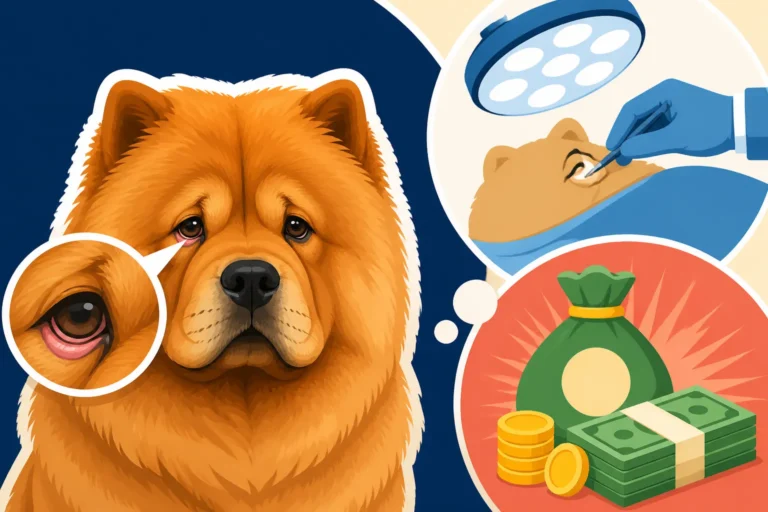
Chow Chows, like many purebred dogs, have certain health vulnerabilities that breeders must address. One of the most well-known concerns is entropion, where the eyelid rolls inward, causing eyelashes to rub against the cornea. It's a painful condition and a major reason why many Chow Chows end up needing surgery. A reputable breeder will screen their breeding stock for this, often having their eyes examined by a veterinary ophthalmologist who can detect subtle signs even before they become overtly problematic. You can learn more about this specific issue in Entropion Is the Chow Chow's Signature Problem and Why a Chow Chow's Deep Set Eye Causes Trouble.
Beyond eye issues, skeletal problems like hip and elbow dysplasia are unfortunately common. These conditions involve malformations of the joints, leading to arthritis, pain, and lameness. The Orthopedic Foundation for Animals (OFA) provides standardized evaluations for these joints, giving breeders an objective score of their dogs' orthopedic health. It's a sad reality, but Elbow Dysplasia Ranks the Chow Chow Near the Top for this ailment, making proper screening non-negotiable for ethical breeders. Another urgent eye condition, glaucoma, can also suddenly impact Chow Chows, causing blindness in a very short time if not treated. Understanding Glaucoma Can Blind a Chow Chow in Days highlights another critical area for breeder awareness.
Understanding Different Certifications and Registries
When a breeder talks about "health testing," they should be able to provide specific documentation from recognized registries. For hips and elbows, this usually means an OFA certificate, which will show a rating like "Excellent," "Good," "Fair," or "Dysplastic." For eyes, the Canine Eye Registry Foundation (CERF), now part of the Orthopedic Foundation for Animals (OFA) Eye Certification Registry (CAER), issues certificates following examination by a board-certified veterinary ophthalmologist. These certifications are generally issued annually because some eye conditions can develop over time.
Additionally, certain breeders might test for other conditions, depending on specific lines or known issues. For example, some may screen for patellar luxation (slipping kneecaps) or even cardiac issues. While less common in Chows, some breeders might also use genetic tests for conditions like Myotonia Congenita, although this is more prevalent in other breeds. However, the principle remains: these tests are not cheap, and they contribute to the higher, but justified, price of a well-bred puppy. A good breeder will freely share all these certificates and explain what they mean. In fact, you should insist on seeing Which Health Results a Chow Chow Breeder Must Show before committing to a puppy.
The Investment Behind Those Health Test Results
It's easy to look at a puppy's price and just see a number, but for a responsible breeder, that number reflects significant financial and personal investment. The cost of health testing is not a minor expense; it's a substantial part of their overall breeding program budget, demonstrating a deep commitment to the welfare of their dogs and the future of the breed.
The Veterinary Expertise and Diagnostics Involved
Think about the sheer logistics and cost involved in getting these tests done. First, a breeder often travels to a veterinary specialist, like a board-certified orthopedic veterinarian for OFA hip and elbow evaluations, or a veterinary ophthalmologist for eye certifications. These aren't your routine vet visits. An OFA elbow certification, for instance, requires specific radiographic views, often under sedation to ensure proper positioning and comfort for the dog. The X-rays are then sent to the OFA, where a panel of three independent radiologists reviews them. This entire process, from the specialist visit to the sedation and the OFA fees, adds up considerably. You can get a sense of specific costs in What OFA Elbow Certification Costs a Chow Chow Breeder.
Similarly, eye certifications involve a thorough examination by an ophthalmologist, who will check for a wide array of conditions, not just entropion. The examination itself, plus any necessary follow-up or retesting, carries a professional fee. Again, if you're curious about the specifics, What an Eye Certification Costs on a Chow Chow breaks it down. When you consider that a breeder is doing this for both the dam (mother) and the sire (father) of a litter, and potentially for several dogs in their breeding program over multiple years, these expenses quickly multiply. These are specialized veterinary services that command specialist prices, ensuring the highest level of diagnostic accuracy.
Breeder's Commitment Beyond the Obvious Costs
The financial outlay for health testing is just one piece of the puzzle. Responsible breeding is a labor of love that involves immense time and dedication. Breeders meticulously research pedigrees, often traveling long distances to find a suitable mate for their dam, one whose health clearances complement their own dog's. This might mean importing semen, or transporting their dog across state lines, incurring travel and stud fees that are far from trivial.
Beyond the initial testing, breeders also commit to ongoing care. They ensure their dogs are in peak physical condition, with excellent nutrition – often premium brands like Ollie or Chewy-supplied foods – and regular veterinary care, all of which contribute to the health and vitality of the breeding stock. They spend countless hours socializing puppies, introducing them to various sights, sounds, and experiences, which helps them become well-adjusted adults. A breeder's commitment extends to being available for questions and support for the lifetime of the puppy, offering a level of guidance that no casual seller can match.
The breeder's reputation is built on the health and temperament of the dogs they produce. They are invested in the long-term well-being of every puppy that leaves their home, which means they are selecting for traits that will provide a long, healthy life for your Chow Chow. This often includes carefully planned breeding schedules, ensuring the dam is not bred too frequently, and retiring dogs when they are no longer in their prime, even if they are still capable of having litters. This responsible stewardship of the breed itself comes at a cost, both in terms of direct expenses and the limiting of potential profits. To get a full picture of the expenses a breeder might undertake, look at What a Chow Chow's Health Testing Should Have Cost the Breeder.
The Hidden Value of a Health-Tested Chow Chow Puppy
While the upfront cost of a health-tested Chow Chow puppy may seem higher, it's truly an investment in your future and the well-being of your companion. The "hidden value" of this initial expenditure becomes incredibly clear when you consider the potential alternatives: unforeseen medical crises, emotional distress, and significant financial drains that can accompany a puppy from untested lines.
Minimizing Future Heartbreak and Vet Bills
No breeder can guarantee a puppy will never have any health issues; dogs are living beings, after all. However, responsible health testing dramatically reduces the likelihood of your Chow Chow developing serious genetic conditions. Imagine bringing home an adorable Chow Chow puppy, only to discover at six months old that it has severe hip dysplasia, requiring expensive surgeries, ongoing pain medication, or even considering quality-of-life decisions. Or perhaps your sweet pup starts squinting and tearing, and the vet confirms it's severe entropion, leading to multiple eye surgeries. What a Chow Chow's Corneal Ulcer Costs to Treat or What Entropion Surgery Costs on a Chow Chow can give you a stark financial perspective on these situations.
These kinds of health crises don't just cost money; they are emotionally devastating. The stress of watching your beloved pet suffer, managing complex medical treatments, and the constant worry can take a huge toll. A health-tested puppy from a reputable breeder offers a much greater chance of a healthy, active life, free from the most common breed-specific ailments. This means fewer unexpected vet visits, fewer specialist consultations, and less need for costly medications or surgeries. While pet insurance, like a plan from Healthy Paws, is always a wise investment for any pet owner to cover unforeseen accidents or illnesses, thorough health testing reduces the chances you'll be dealing with predictable genetic conditions that could have been screened out. This gives you greater peace of mind knowing you've started with the healthiest possible foundation for your new family member. This upfront cost can save you thousands of dollars and countless tears over The Eight to Twelve Years a Chow Chow Gets.
Ethical Peace of Mind and Breed Preservation
Choosing a puppy from a health-tested litter isn't just about protecting your own wallet and emotions; it's also about supporting ethical breeding practices and contributing to the long-term health and preservation of the Chow Chow breed. When you buy a puppy from a breeder who cuts corners on health testing, you're inadvertently supporting practices that can perpetuate genetic diseases within the breed, leading to more suffering dogs and more heartache for future owners.
A breeder who invests in health testing is demonstrating a deep respect for the breed, acknowledging its vulnerabilities, and actively working to improve its genetic health. They are prioritizing the welfare of their animals over profit. This ethical approach creates a positive feedback loop: as more buyers demand health-tested puppies, more breeders will adopt these standards, slowly but surely making the entire breed healthier. It's a way of voting with your dollars for responsible animal husbandry. Your choice helps to ensure that future generations of Chow Chows are robust and healthy.
Verifying a Breeder's Health Testing Claims
It’s one thing for a breeder to say their dogs are health tested, and another entirely to provide concrete proof. When you're making such a significant investment in a new family member, it’s absolutely vital to do your due diligence and verify all claims. A truly transparent and ethical breeder will welcome your questions and be eager to share documentation.
Asking the Right Questions and Reviewing Paperwork
When you first connect with a breeder, don't be shy about asking specific questions about their health testing protocols. Inquire about the parents of the litter: "Have both the dam and sire had their hips and elbows OFA certified? What were their scores?" "When was their last eye exam by a board-certified veterinary ophthalmologist, and what were the results?" Ask for the registered names or registration numbers of the parent dogs so you can look them up yourself. A good breeder will have these documents readily available and be happy to walk you through them.
Be wary of vague answers like "Our vet checked them and said they're fine" or "They passed all their tests." While a general vet check-up is important for overall health, it's not the same as the specialized, standardized evaluations performed by OFA or certified ophthalmologists. These specific certifications provide objective, third-party verification that is crucial for assessing genetic health. If a breeder is hesitant or defensive when you ask for this paperwork, it should be a significant red flag. They should provide a health guarantee that outlines what happens if a genetic health issue arises that was supposed to have been screened for.
Utilizing Public Databases for Verification
One of the best tools at your disposal is the public databases provided by organizations like the OFA. With the registered name or registration number of a parent dog, you can often search the OFA website to confirm their hip, elbow, and eye certifications. This allows you to independently verify the scores and dates of the tests, giving you complete confidence in the breeder's claims. For eyes, a breeder should be able to provide a CAER (formerly CERF) exam form, signed by a veterinary ophthalmologist, which is valid for one year. This helps ensure that the tests are current.
Here's a quick guide to what to look for:
| Health Test | What to Ask For | Where to Verify (Example) | What to Look For |
|---|---|---|---|
| Hips & Elbows | OFA Certificate (with scores) | OFA Public Database | "Good" or "Excellent" for Hips; "Normal" for Elbows |
| Eyes (CAER/CERF) | Eye Exam Form (Vet Ophthalmologist) | OFA Public Database (CAER) | "Normal" / No genetic abnormalities noted |
| Thyroid | OFA Thyroid Certification | OFA Public Database | "Normal" results |
| Patellas | OFA Patella Certification | OFA Public Database | "Normal" / Grade 0 |
This table demonstrates the kind of specific, verifiable information you should be seeking. Don't underestimate the power of these public registries. They exist precisely to help prospective puppy owners make informed decisions and to hold breeders accountable. Utilizing these resources is a critical step in ensuring you bring home a healthy, well-bred Chow Chow, rather than a puppy whose initial lower price might cost you far more in veterinary bills and heartache down the road.
Disclaimer
This article is for general informational purposes only and does not constitute professional advice. Laws, prices and regulations vary by location and change over time. Consult a qualified professional for guidance on your specific situation.