What Songshi Quan Means
It's incredibly frustrating when you hear a beautiful, ancient name for your beloved breed, like "Songshi Quan" for the Chow Chow, but the meaning feels lost in translation, or you only get a vague idea of its significance. You want to understand the history and cultural depth behind your dog's heritage, not just a simple dictionary definition. This guide will dive deep into what "Songshi Quan" truly means, exploring its literal translation, historical context, and the rich cultural symbolism that cemented it as one of the Chow Chow's most evocative traditional names.
Unpacking the Name: "Songshi Quan" Defined
To truly grasp the essence of "Songshi Quan," we have to break it down, character by character, and understand not just the direct translation, but also the nuance and imagery each part conjures. This isn't just a label; it's a description deeply rooted in the Chow Chow's distinctive appearance and the reverence it held in its homeland.
The Literal Translation of "Songshi Quan"
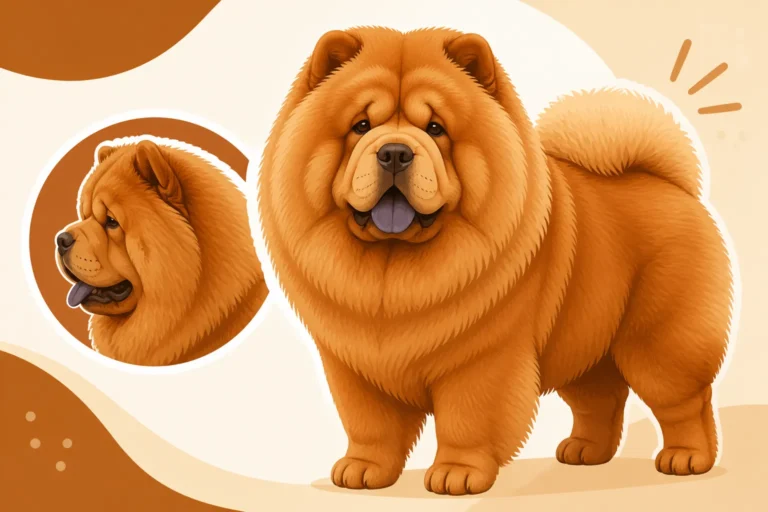
At its heart, "Songshi Quan" (鬆獅犬) translates quite directly from Chinese characters into "Puffy-Lion Dog." Doesn't that just immediately paint a picture in your mind? It's far more poetic and descriptive than simply "Chow Chow," isn't it? This name speaks volumes about the breed's imposing presence and that characteristic cloud of fur that surrounds them, making them look almost regal, like a miniature lion. It captures both their physical grandeur and their slightly aloof, dignified demeanor. When you look at a well-groomed Chow, especially one with a magnificent ruff, it’s hard not to see the "puffy lion" staring back at you.
This name has been used for centuries, demonstrating how consistently the breed's appearance has been perceived. It's not a fleeting nickname but a testament to how the Chinese people viewed these dogs: powerful, majestic, and a little bit mysterious, like the mythical lions often depicted in their art and culture. The "puffy" part specifically points to their incredibly dense double coat and the way it stands off their body, creating that unmistakable silhouette. It’s a coat that takes a lot of care, by the way, and a big reason why owners often rely on quality grooming tools, perhaps even finding them on sites like Chewy.
Breaking Down Each Character
Let's dissect "Songshi Quan" even further to appreciate the depth packed into these three simple characters.
The first character, 鬆 (sōng), literally means "loose," "fluffy," or "puffy." Think of a cloud, or soft, well-fluffed cotton. This perfectly describes the Chow Chow’s dense, abundant double coat. Unlike many other breeds where the coat might lie flat or be wavy, a Chow Chow's fur, especially around its head and neck, stands out, creating that iconic ruff. It gives them a teddy bear-like quality, but with a powerful underlying structure. This fluffiness isn't just for show; it's a vital part of their adaptation to colder climates, providing insulation against the harsh winters of their native China.
Next, we have 獅 (shī), which means "lion." This character is crucial because it speaks to the majestic and formidable appearance of the Chow Chow. With their deep-set eyes, broad head, and that incredible mane of fur, Chows truly embody a lion-like dignity. They possess a certain gravitas, often moving with a measured, ponderous gait that further enhances this regal image. The lion, a symbol of power, protection, and nobility in many cultures, including Chinese, instantly elevates the Chow Chow from a mere dog to something more significant. It suggests a guardian, a protector, rather than just a companion.
Finally, 犬 (quǎn) simply means "dog." This character grounds the poetic description back to reality, confirming that despite their lion-like appearance and fluffy grandeur, they are, at their core, dogs. It’s a straightforward descriptor that leaves no ambiguity about their species. Together, these characters form a complete and evocative name that beautifully encapsulates the Chow Chow's most striking physical attributes and the reverence in which it was held for centuries. It's a name that truly honors the breed's unique blend of strength and softness.
Historical Context: When "Songshi Quan" Was Used
Understanding the historical backdrop is key to appreciating why the name "Songshi Quan" became so prominent. These dogs weren't just pets; they played crucial roles in ancient Chinese society, and their names reflected their perceived value and purpose. The history of the Chow Chow stretches back millennia, woven into the very fabric of Chinese culture.
Ancient Origins of the Chow Chow in China
The Chow Chow is one of the most ancient dog breeds in the world, with its lineage traceable back thousands of years. We're talking about a history that predates many modern nations and empires. Evidence suggests that dogs resembling the Chow Chow have existed in China for at least 2,000 years, if not more. The Chow Chow Is One of the Oldest Breeds in the World delves deeper into this incredible timeline. These dogs are truly living history, walking among us with an ancestry that connects them directly to some of the earliest domesticated canines. Their origins are rooted in the northern regions of China, a land of vast plains and harsh winters, which undoubtedly influenced their development.
Archeological findings, such as pottery and bas-reliefs from the Han Dynasty (206 BC – 220 AD), often depict dogs with characteristics strikingly similar to the modern Chow Chow. These early representations showcase a robust build, dense coat, and a curled tail, all hallmarks of the breed. This long presence means that names like "Songshi Quan" weren't just recent inventions but evolved over generations, solidifying as the breed's features became well-established and recognized. To call them "Puffy-Lion Dogs" during such ancient times indicates a long-standing appreciation for their distinctive look and perhaps their perceived spiritual or protective qualities.
The Role of the Breed in Historical China
In ancient China, the Chow Chow was a versatile and highly valued animal, fulfilling a variety of roles that went far beyond mere companionship. They were not just fluffy faces; they were integral to the survival and livelihoods of the people who kept them. They served as temple guardians, watchdogs, hunting partners, and even helped with herding. This adaptability speaks volumes about their intelligence and physical prowess. For example, records suggest that they were used by emperors for grand hunting expeditions, demonstrating their capability and strength. What the Chow Chow Did for a Chinese Emperor provides more fascinating details on their royal connections.
Their protective nature made them excellent watchdogs, guarding homes, temples, and even caravans. Their imposing appearance, bolstered by the "puffy-lion" imagery, would have been a significant deterrent to intruders. Imagine encountering a dog that looks like a miniature lion, standing guard with an unblinking gaze; it would certainly give one pause. This guarding instinct is still very much a part of the breed's temperament today, something modern owners often experience. The name "Songshi Quan," therefore, didn't just describe their looks, but subtly hinted at their function: a noble, powerful guardian, much like a lion guarding its territory. This combination of ancient lineage and practical utility made them deeply respected, and their traditional names served to honor that status.
The Symbolism and Significance of "Songshi Quan"
Beyond the literal translation and historical usage, "Songshi Quan" carries a profound symbolism that speaks to the Chow Chow's unique place in Chinese culture. The name isn't merely descriptive; it imbues the breed with certain qualities and a certain mystique that have endured through the centuries.
Why "Puffy-Lion Dog" Resonates with the Chow Chow's Appearance
It's truly remarkable how perfectly "Puffy-Lion Dog" encapsulates the Chow Chow's visual appeal. Think about that magnificent ruff around their head and neck – it's often likened to a lion's mane, giving them a dignified, almost aloof expression. Then there's their dense, standing-off coat, which adds volume and creates that signature "puffy" silhouette. Whether they have the long, luxurious "rough" coat or the shorter, plush "smooth" coat, the overall impression is one of solid, plush grandeur. You can learn more about their specific coat types in What a Rough Coated Chow Chow Looks Like. This visual connection to a lion isn't accidental; it's deeply ingrained in their genetics and appearance standard.
The "lion" aspect of their name also aligns with the strong, sturdy build of the Chow Chow. They aren't delicate dogs; they are powerful and compact, with a distinctive straight rear leg that contributes to their unique, stilted gait. Their broad skull and deep-set eyes contribute to that famous "scowl" that many find so intriguing. What Gives a Chow Chow Its Scowl can tell you more about that captivating expression. All these physical traits combine to create an animal that, despite its domesticity, retains an air of the wild and majestic, much like the king of the jungle. It’s a powerful image, one that has captivated people for centuries and certainly influenced their traditional naming conventions.
The Implied Traits of a "Songshi Quan"
The name "Puffy-Lion Dog" implies more than just physical appearance; it also hints at the inherent character and temperament expected of the breed. Lions are known for their strength, courage, independence, and territorial nature. These are all traits that resonate strongly with the Chow Chow. They are famously independent, often described as "cat-like" in their aloofness and self-sufficiency. They are incredibly loyal to their chosen person or family, but often reserved, if not outright wary, of strangers. This protective instinct aligns perfectly with the lion's role as a guardian.
Furthermore, the "lion" aspect suggests a certain fearlessness and formidable presence. A Chow Chow, with its serious demeanor and imposing physical attributes, certainly commands respect. They are not dogs that easily back down, and their protective instincts mean they are always aware of their surroundings. This inner strength, coupled with their outward majesty, is a core part of what it means to be a "Songshi Quan." The name paints a picture of a dog that is noble, watchful, and steadfast – a true guardian with a heart as brave as a lion, all wrapped up in a wonderfully fluffy package. This deep symbolism is a huge part of Where the Chow Chow Comes From and its cultural identity.
Other Traditional Chinese Names for the Chow Chow
While "Songshi Quan" is perhaps the most famous and poetic traditional name, the Chow Chow was known by several other descriptive names in its homeland. Each of these names offers a slightly different insight into how the breed was perceived and valued at various points in its long history. It’s fascinating how different aspects of the dog were highlighted.
"Tang Quan": The Dog of the Tang Dynasty
Another significant traditional name for the Chow Chow is "Tang Quan" (唐犬), which directly translates to "Tang Dog" or "Dog of the Tang Dynasty." This name points to a very specific and celebrated period in Chinese history, the Tang Dynasty (618–907 AD), widely considered a golden age of imperial China. During this era, art, culture, and power flourished, and the Chow Chow evidently held a prominent place within society, especially among the aristocracy and in imperial courts. To be associated with such a prestigious dynasty speaks volumes about the breed's status and desirability at the time.
The name "Tang Quan" suggests that these dogs were not just common village dogs but were esteemed animals, perhaps even symbols of wealth and status. They might have been kept by emperors and noblemen, valued for their unique appearance and guarding abilities. This historical connection lends an even greater air of nobility to the breed, reinforcing its image as an ancient, regal canine. When you hear "Tang Quan," you're not just hearing a name; you're hearing an echo of an entire golden era in Chinese history, linking the Chow Chow directly to the splendor of the past. Which Chinese Names the Chow Chow Has Carried further explores these historical designations.
"Hei She Tou": The Black-Tongued Dog
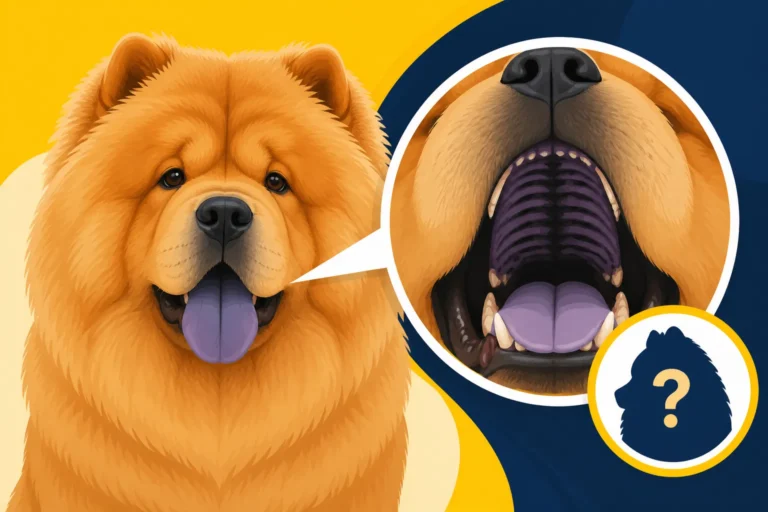
Perhaps the most straightforwardly descriptive of the traditional names is "Hei She Tou" (黑舌頭), meaning "Black-Tongued Dog." This name highlights one of the Chow Chow's most distinctive and enigmatic physical characteristics: its unique blue-black tongue. This isn't just a quirky trait; it's a breed hallmark, one of the first things people notice and remember about a Chow. No other common breed consistently possesses this darkly pigmented tongue, making it a truly defining feature.
The blue-black tongue is so integral to the Chow Chow's identity that it was a natural choice for a descriptive name. It's a genetic trait, and Chow Chow puppies are born with pink tongues that gradually darken to the characteristic blue-black as they mature. You can find more information about this fascinating trait in Why a Chow Chow's Tongue Is Not Pink. This name, "Hei She Tou," cuts right to the chase, making it easy for anyone to identify and recall the breed simply by this striking feature. It demonstrates that even the most direct observations were incorporated into their traditional nomenclature, reflecting what made them visually stand out from other dogs.
Regional Variations and Descriptive Naming
Beyond these widely recognized names, it's highly probable that in different regions of China, or even within specific communities, Chow Chows were known by various other descriptive terms. Historically, without widespread communication and standardized breed registries, local names often arose based on function, appearance, or temperament. For instance, they might have been called "bear dogs" due to their dense coats and stout build, or "wolf dogs" in areas where they were still used for hunting.
These regional or colloquial names would have been organic, reflecting the direct experiences people had with these dogs. Perhaps a Chow used primarily for guarding would have a name emphasizing its vigilance, while one known for its quiet demeanor might be called something else entirely. This mosaic of names paints a picture of a breed deeply integrated into diverse aspects of Chinese life, valued for different qualities depending on the local needs and perceptions. While "Songshi Quan" captures the aesthetic and regal ideal, these more varied names hint at the practical, day-to-day realities of living with these remarkable dogs.
Here's a quick comparison of some of the traditional Chinese names for the Chow Chow:
| Traditional Name | Chinese Characters | Literal Translation | Primary Implication/Focus |
|---|---|---|---|
| Songshi Quan | 鬆獅犬 | Puffy-Lion Dog | Majestic appearance, dense coat, regal bearing |
| Tang Quan | 唐犬 | Tang Dog | Historical association with the Tang Dynasty, high status |
| Hei She Tou | 黑舌頭 | Black-Tongued Dog | Unique physical trait (blue-black tongue) |
The Journey to "Chow Chow": How Names Evolved
It's clear that the Chow Chow has a rich naming history in its native China. But how did we get from "Songshi Quan" and "Tang Quan" to the relatively simple, and somewhat peculiar, English name "Chow Chow"? This transition marks the breed's journey from an Eastern treasure to a globally recognized companion, a journey that involved trade, exploration, and a bit of linguistic mystery.
How the Breed Arrived in the West
The Chow Chow first made its way to the Western world, specifically Europe, largely through maritime trade routes. European merchants and explorers, particularly from Great Britain, began to take an interest in the exotic goods and animals of China in the 17th and 18th centuries. While not initially brought over as esteemed purebred dogs, they were often part of diverse cargo brought back from the Far East. These early imports were curiosities, sometimes displayed in zoos before their true potential as domestic animals was widely recognized.
It wasn't until the late 18th century, and more significantly in the 19th century, that Chow Chows started gaining a foothold as unique and desirable pets among the European elite. Queen Victoria, with her interest in exotic dog breeds, notably acquired a Chow Chow in the 1800s, which significantly boosted the breed's profile and popularity. This royal endorsement transformed them from mere curiosities into fashionable companions. How the Chow Chow Reached England provides a wonderful account of this fascinating journey, marking the true beginning of their Western story.
The Genesis of the English Name "Chow Chow"
Now, for the really interesting part: where did "Chow Chow" come from? This is where the story gets a little less clear and a lot more charmingly ambiguous. Unlike the descriptive Chinese names, "Chow Chow" doesn't have a direct, elegant translation. The prevailing theory suggests that the name originated from the pidgin English used by traders in the 18th century, referring to miscellaneous cargo or "chattels" on ships. These ships would often list various items in their manifests under the general term "chow chow," which essentially meant "odds and ends" or "curiosities."
When these unique dogs arrived in Europe, they might have simply been lumped into this "chow chow" category of unusual imports. Over time, the generic cargo term stuck to the dog breed itself, evolving into its official English name. This is purely speculative, of course, but it’s a widely accepted and rather endearing origin story. It highlights how, for a time, these magnificent "Puffy-Lion Dogs" were simply another exotic item among many. Regardless of its precise etymology, the name "Chow Chow" became firmly established, eventually gaining official recognition by kennel clubs. It’s a testament to the breed's enduring appeal that even a somewhat accidental name couldn't diminish its charm. You can find more detail on this topic in Where the Name Chow Chow Came From.
Modern Recognition and Global Adoption
Today, the Chow Chow is recognized by major kennel clubs worldwide, from the American Kennel Club (AKC) to the Fédération Cynologique Internationale (FCI). While "Songshi Quan" and other traditional Chinese names remain important parts of its cultural heritage, "Chow Chow" is the universally accepted English designation. This global recognition means that owners across continents share a common name for their beloved breed, even if they sometimes lovingly refer to their furry friends as their own "little lions."
The journey from "Puffy-Lion Dog" in ancient China to "Chow Chow" in modern Western homes is a fascinating testament to how breeds travel across cultures and how language adapts. Despite the name change, the core essence of the Chow Chow – its majestic appearance, independent spirit, and deep loyalty – remains unchanged. Whether you call your companion a "Songshi Quan" or a "Chow Chow," you are part of a long, rich history of appreciation for this truly unique and ancient breed. And no matter their name, ensuring they have the best food and supplies, whether from a local store or online at Chewy, remains a constant for dedicated owners.
Disclaimer
This article is for general informational purposes only and does not constitute professional advice. Laws, prices and regulations vary by location and change over time. Consult a qualified professional for guidance on your specific situation.