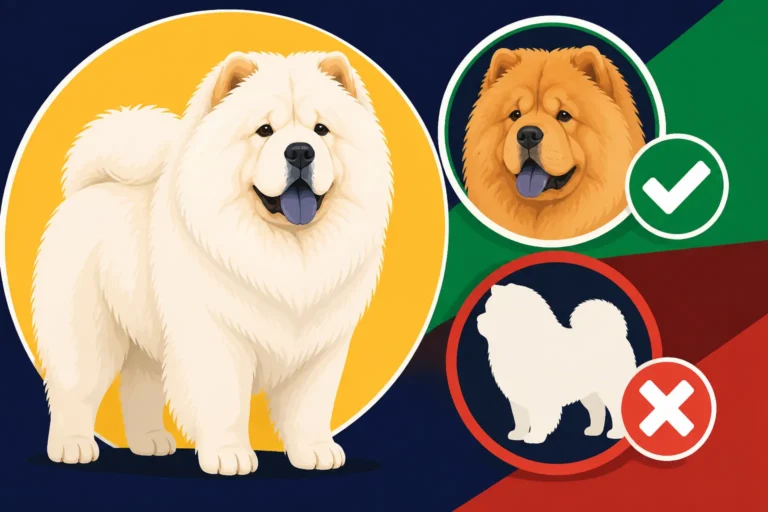
Where the Name Chow Chow Came From
It’s a funny thing, isn't it? We talk about "Chow Chows," and everyone instantly pictures that magnificent, lion-maned dog with the unique blue-black tongue and dignified scowl. But have you ever stopped to wonder where on earth that name actually came from? It’s not a Chinese word, and it certainly doesn’t sound like a typical canine moniker. This guide dives deep into the fascinating history behind the quirky name of one of the world's most ancient and enigmatic breeds, helping you understand the cultural journey this dog took from the East to the West.
The Far East Origins and Western Introduction
Before these magnificent dogs ever became known as "Chow Chows" in the Western world, they had a rich history and a variety of names in their homeland of China. Their journey from being revered companions and working dogs in ancient Asia to becoming a curiosity in European ports is a tale that perfectly illustrates the cultural exchange of centuries past. It’s important to remember that for thousands of years, the people who bred and lived with these dogs had their own ways of describing them, long before any English sailor set eyes on one.
The Ancient Chinese Names for the Breed
In China, these dogs were known by several descriptive names, each offering a glimpse into their roles and characteristics. They weren't just "dogs"; they were specific types of canines valued for particular traits. One of the most common ancient names was Songshi Quan, which translates beautifully to "puffy-lion dog." Can you imagine a more fitting description for a Chow Chow with its dense mane and majestic presence? This name perfectly captures their regal appearance and distinctive silhouette. What Songshi Quan Means gives even more insight into this beautiful description.
Another historical name was Tang Quan, or "Dog of the Tang Dynasty." This name links the breed directly to one of China's most prosperous and culturally rich periods, highlighting their long and esteemed presence within Chinese society. It suggests that these dogs were significant companions, perhaps even symbols of status, during a powerful imperial era. Such a connection underscores the deep roots of the breed in Chinese history and culture, far beyond being mere pets. The names given to them weren't arbitrary; they were reflections of their importance and how they were perceived by the people who shared their lives with them.
The British East India Company's Role
The eventual journey of these dogs to the West is inextricably linked to the age of exploration and trade, particularly the activities of the British East India Company. In the late 18th century, these trading vessels were the primary link between East Asia and Europe, carrying all manner of goods – and sometimes, living cargo – across vast oceans. It was on these ships that the dogs we now know as Chow Chows made their way to distant shores, not yet with their modern name, but as exotic imports.
Sailors and traders on these ships would pick up various items from their voyages in China, and these dogs were among the more unusual "souvenirs" or curiosities brought back to England. They were often listed on manifests not by specific breed names, but rather under general terms that encompassed a wide array of miscellaneous cargo. Imagine the bustling ports, the strange sights and sounds, and these stoic, lion-like dogs being unloaded alongside porcelain, tea, and silks. This pivotal era marks the true beginning of the breed's Western story, even if their naming was still a work in progress. How the Chow Chow Reached England provides more details on this historic journey.
From Cargo Manifest to Canine Identity
The most widely accepted theory regarding the origin of the "Chow Chow" name points directly to the language of international trade and the practicalities of shipping in the 18th century. It’s less about a poetic description of the dog and more about a simple, functional label used for miscellaneous items. This might seem a bit unglamorous for such a noble breed, but it speaks volumes about how goods, and even animals, were categorized during that period.
"Chow Chow" as a Pidgin English Term
The term "chow chow" itself is believed to derive from a pidgin English phrase used by sailors and traders. "Pidgin" refers to a simplified language used between groups who do not share a common language, typically for trade purposes. In this context, "chow chow" was a generic term applied to various items of merchandise from the Far East that didn't fit neatly into established categories. Think of it as the "miscellaneous" box on a customs form. If it wasn't tea, silk, or porcelain, it might just be grouped under "chow chow."
So, when these unique dogs were loaded onto British East India Company ships in China, they were often simply listed as "chow chow" alongside other exotic odds and ends. It wasn't a specific breed name at all, but a catch-all designation for sundry goods. The dogs were unusual enough that they didn't have a ready English name, and so they fell under this general classification. This is why the name feels so distinct and almost whimsical; it wasn't born out of canine nomenclature, but out of cargo management.
Broader Use of "Chow Chow"
It's fascinating to consider just how broadly this "chow chow" label was applied. It wasn't exclusively for dogs. You might find "chow chow" on a manifest referring to anything from trinkets, ornaments, small pieces of furniture, or even food items. This broad application reinforces the idea that it was a utilitarian term, a descriptor for anything that was exotic, foreign, and didn't have an easily recognized English name in the trading context.
Imagine the surprise of a European customs official encountering these peculiar dogs, unlike any they had ever seen, and seeing them labeled simply as "chow chow" on a manifest. The label stuck because it was a convenient way to refer to these imported animals, which were initially considered novelties rather than established breeds with formal names. Over time, as more of these dogs arrived and their unique characteristics became known, the informal cargo term gradually became formally associated with the breed itself. This linguistic evolution from a general term for "stuff" to the specific name of a dog breed is quite a unique story. If you're looking for unique items, you might even find some "chow chow" inspired dog accessories on sites like Chewy today!
Popularization and Official Recognition
The journey from a cargo manifest label to a recognized breed name wasn't instantaneous. It took a combination of royal endorsement and the diligent efforts of early dog fanciers to solidify "Chow Chow" as the breed's official moniker. This period marked the transition of these dogs from curiosities to cherished members of the canine world, complete with their own dedicated enthusiasts and standards.
The Victorian Era's Influence
The mid-to-late 19th century, particularly the Victorian era in Britain, played a crucial role in popularizing the Chow Chow and cementing its name. Queen Victoria herself was known for her love of dogs, and she acquired a Chow Chow in the 1880s. This royal endorsement provided an immense boost to the breed's profile. When royalty takes an interest, others quickly follow suit. The Chow Chow became fashionable, a symbol of exotic taste and refinement among the British elite.
With this newfound popularity, people needed a consistent way to refer to these dogs. The "chow chow" label, already informally attached from shipping, became the natural choice. It was distinct, memorable, and had a certain exotic flair that appealed to the Victorian fascination with all things Oriental. The breed's unique appearance—its lion's mane, blue-black tongue, and dignified aloofness—only added to its mystique, making the somewhat unusual name seem perfectly fitting for such an extraordinary creature. When Queen Victoria Got a Chow Chow delves deeper into her influence on the breed's popularity.
Formalizing the Name
As the breed's popularity grew, so did the desire among dog enthusiasts to establish formal breed standards and clubs. This was a critical step in transitioning the Chow Chow from a mere "exotic dog from China" to a recognized breed within the burgeoning world of dog shows and pedigree registration. The first Chow Chow Club was established in England in 1895, and its formation was pivotal in standardizing the breed's name and characteristics.
With the creation of the club, the name "Chow Chow" was officially adopted, solidifying its place in canine nomenclature. This formal recognition by breed clubs and kennel associations like the Kennel Club (UK) and later the American Kennel Club (AKC) in 1903, meant that the name was no longer just a casual label; it was the definitive identity of the breed. This standardization allowed for the consistent tracking of pedigrees, the development of breed standards, and the organization of dog shows, all under the banner of "Chow Chow." When the AKC Recognized the Chow Chow offers more context on this important milestone.
Why the Name Stuck
The staying power of the name "Chow Chow" is quite remarkable, especially given its rather unconventional origins. It's a testament to a combination of historical accident, practical expediency, and perhaps a touch of exotic appeal. There are several reasons why this particular, non-traditional name became so deeply ingrained in the global consciousness of dog breeds.
Simplicity and Exoticism
One of the key reasons the name stuck is its inherent simplicity and, ironically, its exotic sound to Western ears. While it didn't mean "dog" in Chinese, it sounded distinct and unfamiliar enough to conjure images of distant lands. In an era when anything from the "Orient" was seen as mysterious and intriguing, a name that was clearly not English added to the allure of the breed. It was easy to say, easy to remember, and had a certain charm that differentiated it from more common European dog names.
Furthermore, by the time the breed gained significant traction in the West, the name "Chow Chow" had already been in use for decades in trade and shipping contexts. It had a head start, so to speak, over any attempt to introduce a more 'authentic' Chinese name. People were already accustomed to it, and trying to change it would have been an uphill battle. The combination of easy pronunciation and an air of exotic mystery made "Chow Chow" an enduring and surprisingly fitting name for this unique animal.
Dispelling Myths and Legends
Over the years, various myths and fanciful legends have sprung up trying to explain the "Chow Chow" name, many of which are far more poetic than the reality of a cargo manifest. Some popular, though inaccurate, stories include the idea that "chow chow" comes from a Chinese term meaning "food dog" or "eating dog," referencing a darker aspect of the breed's historical use. Others have suggested it might relate to the breed's distinctive tongue color, perhaps "black tongue dog."
| Theory of Name Origin | Description | Accuracy |
|---|---|---|
| Pidgin English Cargo Term | A general term for miscellaneous goods from the Far East on ship manifests. | Widely accepted historical consensus. |
| "Food Dog" | Belief it comes from a Chinese term related to eating the dogs. | Debunked; no linguistic basis. |
| "Black Tongue Dog" | Suggests a link to the Chow Chow's unique blue-black tongue. | Fanciful; no direct linguistic evidence. |
| Onomatopoeia | Speculation it mimics a dog's bark or growl. | Unlikely; lacks historical support. |
| Regional Dialect | Hypothesis that it's a specific Chinese dialect term. | Not supported by linguistic experts. |
However, linguistic experts and breed historians generally agree that these are romanticized inventions rather than accurate derivations. As discussed, the most credible origin remains the pidgin English trade term. It’s a classic example of how a practical, rather mundane historical fact can be replaced by more appealing stories over time. While the legends add a certain mystique, understanding the true origin gives us a clearer picture of the breed's journey and how it integrated into Western culture. It also helps to appreciate the careful research that goes into understanding the true history of ancient breeds.
Linguistic Nuances and Cultural Context
Understanding the name "Chow Chow" requires us to step back and look at the broader picture of how different cultures name and categorize their animals. The discrepancy between the breed's Chinese names and its Western name highlights fascinating differences in linguistic approaches and cultural priorities.
Differences in Naming Across Cultures
In its native China, as we've explored, the dogs were given names like Songshi Quan (puffy-lion dog) or Tang Quan (Dog of the Tang Dynasty). These names are rich in description, linking the dog to its appearance, historical context, or perceived qualities. They reflect a deep, intrinsic understanding and appreciation for the animal within its own cultural framework. These names were often poetic, respectful, and highly descriptive, painting a vivid picture of the animal.
In contrast, the adoption of "Chow Chow" in the West was, in essence, an accidental mislabeling that became permanent. It wasn't a choice based on aesthetic appreciation of the dog's characteristics or its historical significance. Instead, it was born out of the utilitarian language of commerce and the simple need for a placeholder term. This difference speaks volumes about how information and goods were transferred between vastly different cultures during an era of nascent global trade. For more about their physical characteristics, you can read How Much a Chow Chow Weighs or Which Colors a Chow Chow Comes In.
The Enduring Charm of "Chow Chow"
Despite its unromantic origin, the name "Chow Chow" has developed an undeniable charm and recognition around the world. It is now synonymous with the breed's distinctive look and reserved personality. The name has transcended its humble beginnings as a shipping term to become a beloved identifier for one of the most unique dogs on the planet. For many, the name itself carries a hint of exoticism and a touch of the breed's enigmatic nature.
Today, whether you’re ordering dog food from Chewy or discussing breeds with a fellow dog lover, "Chow Chow" is instantly understood. It's a name that has carved out its own place in the lexicon, a linguistic artifact of a bygone era of trade and exploration. It stands as a curious reminder of the unpredictable ways in which language evolves and how a simple label can become the enduring identity of something truly magnificent. It's a reminder that sometimes, the most peculiar names hold the richest stories.
Disclaimer
This article is for general informational purposes only and does not constitute professional advice. Laws, prices and regulations vary by location and change over time. Consult a qualified professional for guidance on your specific situation.