Whether a Muzzle Trained Chow Chow Costs Less at the Vet
It's a frustrating reality for many Chow Chow owners: a routine vet visit can quickly escalate into a stressful ordeal, not just for your beloved companion, but for your wallet too. The unique nature of our Chows often means extra time, extra hands, and sometimes, extra measures are needed in the examination room, all of which can add unexpected costs. This guide will explore how proactively muzzle training your Chow Chow can not only make vet visits smoother and less anxious for everyone involved but can also lead to tangible savings on your veterinary bills over their lifetime.
The Unique Challenges of Vet Visits for Your Chow Chow (And Why It Costs More)
Let's be honest, our Chows are special. They're independent, often aloof, and possess a guarded nature that, while endearing to their chosen few, can be misunderstood and challenging in a high-stress environment like a veterinary clinic. This isn't just a personality quirk; it has real implications for their health care and your budget.
The Chow Chow Temperament in a Clinical Setting
Chow Chows are known for their strong opinions and dignified reserve. They're not typically the "throw themselves at strangers" type of dog. This inherent aloofness, combined with their deep-set eyes that limit their peripheral vision, can make them easily startled or uncomfortable when approached by unfamiliar people, especially from behind or the side. A vet tech reaching for a paw or an assistant trying to lift them onto an examination table can quickly trigger a defensive reaction, not out of malice, but from a place of feeling vulnerable or threatened. They are masters at hiding pain, which means a vet needs to be able to thoroughly examine them to catch subtle issues. This stoicism, combined with their sometimes strong guarding tendencies, means that what might seem like a simple check-up can become a delicate dance requiring significant patience and careful handling. Why a Chow Chow is Hard to Examine at the Vet explains more about these challenges.
How Fear and Stress Drive Up Vet Bills
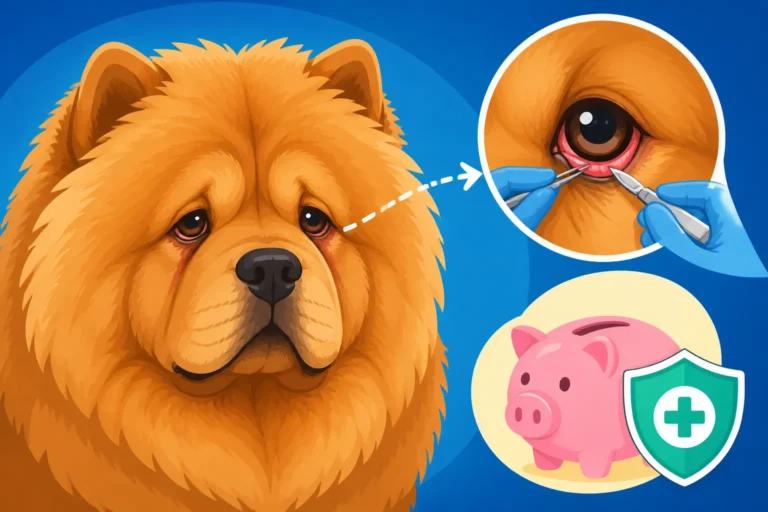
When a Chow Chow is fearful or reactive at the vet, it rarely just results in a slightly longer appointment. Instead, it often leads to a cascade of interventions, each with its own price tag. The veterinary team might need to assign additional staff members just to manage and hold your dog safely, leading to "handling fees." If your Chow Chow is simply too stressed or defensive to be examined thoroughly, the vet might recommend sedatives administered orally before the visit or, more commonly, injectable tranquilizers given at the clinic. These medications add to the bill, and often require pre-anesthetic bloodwork to ensure your Chow can safely metabolize them, which is yet another cost. Prolonged appointments, multiple attempts at examinations, or even needing to reschedule due to reactivity all eat into the clinic's time and resources, which inevitably gets passed on to the owner. It’s not uncommon for a routine wellness check-up for a challenging Chow to cost significantly more than for a dog that calmly accepts handling.
Muzzle Training: A Smart Investment for Both Your Wallet and Your Dog's Well-being
Given the potential for stress and added costs, muzzle training might seem like an extreme step to some, but for a Chow Chow, it's truly an act of responsible pet ownership. It’s about prioritizing safety and comfort, which, as it turns out, can save you money in the long run.
What Proper Muzzle Training Means
Let's clear up a common misconception: muzzle training is not about punishment or signifying a "bad" dog. It's about creating a positive association with a piece of equipment that allows for safe handling during necessary procedures. Proper muzzle training involves a gradual, positive reinforcement process where your Chow Chow learns to willingly put their nose into a comfortable, well-fitting basket muzzle for high-value treats. The goal is for them to see the muzzle as a predictor of good things, rather than a scary restraint. This process should happen long before a stressful event, building a solid foundation of acceptance. Brands like Chewy offer a wide variety of basket muzzles, and you can find great treats from brands like Ollie that your Chow will work hard for. This foundational work ensures that when your Chow does need to wear it at the vet, it's a neutral or even pleasant experience, rather than a terrifying one. Learning Teaching a Chow Chow to Wear a Muzzle is a critical first step.
Reducing the Need for Costly Sedation
One of the most significant financial benefits of a muzzle-trained Chow Chow at the vet is the reduced reliance on chemical restraint. Sedation, whether oral or injectable, carries a cost for the drugs themselves, the time it takes to administer them, and any monitoring or pre-tests required. For a Chow Chow who may be difficult to handle, vets are often quick to recommend sedation to ensure the safety of both the staff and the dog. If your Chow is comfortable and calm wearing a muzzle, it can often allow the veterinary team to perform necessary examinations, vaccinations, or minor procedures without needing to sedate them at all. Imagine skipping the cost of pre-visit sedatives, the additional fee for injecting tranquilizers, and the bloodwork that often accompanies it. These savings can quickly add up over a Chow Chow's lifespan, especially if they have chronic conditions requiring frequent vet visits. Knowing What a Chow Chow's Sedated Exam Costs can really put this into perspective.
Avoiding Extra Handling Fees and Prolonged Appointments
Veterinary clinics, like any business, charge for their time and resources. When a dog is exceptionally challenging, requiring multiple staff members, extended time slots, or special equipment, it often results in additional "difficulty" or "handling" fees being added to your bill. A Chow Chow that is calmly wearing a muzzle and tolerates basic handling (even if still reserved) is far less likely to incur these extra charges. The muzzle provides a crucial safety net, allowing the vet and technicians to work more efficiently and confidently. Instead of struggling to get a temperature or draw blood, a muzzle-trained Chow makes these tasks quicker and less stressful for everyone. This efficiency means your appointment might stay within its allotted time, preventing charges for prolonged visits or the need for a follow-up appointment to complete what couldn't be done initially.
The Hidden Value: Beyond Immediate Financial Savings
While the direct cost savings on sedation and handling fees are clear, the benefits of muzzle training extend far beyond the immediate vet bill. This proactive measure invests in your Chow Chow's overall health, your peace of mind, and the relationship you build with your veterinary care team.
Catching Health Issues Earlier for Better Outcomes
When a Chow Chow can be examined thoroughly without extreme measures, vets are more likely to catch subtle health issues that might otherwise go unnoticed. A fully sedated exam might allow for a thorough physical, but it doesn't give the vet a complete picture of your dog's conscious reactions or discomfort. For instance, if your Chow is showing a slight limp, a vet can manipulate their leg carefully with the dog awake (and safely muzzled) to pinpoint the exact source of pain. If your Chow is too reactive for this, the vet might be forced to sedate them for a full orthopedic exam, or worse, miss a subtle sign entirely. How a Chow Chow Hides Pain makes early detection even more crucial. Early detection of conditions like elbow dysplasia, developing cataracts, or even early signs of an autoimmune skin issue means that treatment can begin sooner, often less invasively, and potentially prevent more severe, expensive complications down the road. An ounce of prevention (and a calm exam) is truly worth a pound of cure.
Building a Positive Relationship with Your Vet Team
Think about it from the veterinary staff's perspective. Working with a consistently difficult or aggressive dog is stressful and can be dangerous. A Chow Chow owner who has proactively muzzle trained their dog and arrives prepared signals a commitment to safety and a cooperative spirit. This builds immense goodwill and trust with your veterinary team. They'll appreciate your efforts, feel more comfortable working with your dog, and be more inclined to see you as a partner in your Chow's care. This improved relationship can lead to better communication, more personalized advice, and a generally more positive experience every time you step into the clinic. Knowing that your vet team feels secure and supported makes everyone's experience better.
The Upfront and Ongoing Investment in Muzzle Training
While muzzle training ultimately saves money, it does require an initial investment. You'll need to purchase a high-quality, comfortable basket muzzle. Don't skimp here; a cheap, ill-fitting muzzle will only make the experience worse for your Chow. Retailers like Chewy offer many reputable brands. You'll also need a supply of incredibly delicious, high-value treats for positive reinforcement during training sessions. Brands like Ollie specialize in fresh, appealing dog food that can be used as training bait.
However, the biggest investment isn't monetary; it's time and consistency. Muzzle training isn't a quick fix you do the day before a vet appointment. It's a gradual process that requires patience, short daily sessions, and a positive attitude from you. The payoff, though, is immense: a less stressed Chow, safer vet visits, and potentially thousands of dollars saved on sedatives and specialized handling over their lifetime. While pet insurance companies like Healthy Paws won't cover the cost of a muzzle or training treats, the reduction in sedation-related vet bills might indirectly make your overall insurance claims lower, or help you avoid claims entirely for injuries that could occur from reactive behavior.
Here's a look at how costs can stack up, illustrating the potential savings:
| Item/Scenario | Vet Visit with Untrained Chow Chow (Potential) | Vet Visit with Muzzle-Trained Chow Chow (Likely) |
|---|---|---|
| Routine Exam Cost | Base fee + handling fee | Base fee only |
| Sedation/Anesthesia | Oral sedatives, injectable tranquilizers, monitoring, pre-anesthetic bloodwork | None or minimal oral sedatives (less frequent) |
| Additional Staff | Required for restraint/safety (may incur handling fee) | Fewer staff needed, greater efficiency |
| Time in Clinic | Longer, potentially needing multiple attempts/reschedules | Efficient, often quicker completion |
| Diagnostic Quality | Limited by reactivity, potential for missed issues | Thorough examination, better early detection |
| Emergency Treatment | Higher risk for injuries due to reactivity | Lower risk, calmer environment |
| Owner Stress Level | High, anxious | Significantly lower, more confident |
Disclaimer
This article is for general informational purposes only and does not constitute professional advice. Laws, prices and regulations vary by location and change over time. Consult a qualified professional for guidance on your specific situation.