Teaching a Chow Chow to Wear a Muzzle
One of the biggest anxieties many Chow Chow owners face is the potential for their beloved, but sometimes reserved, companion to react unexpectedly, especially in new or stressful environments like the vet's office or during grooming. Learning how to properly and positively teach your Chow Chow to wear a muzzle isn't about anticipating aggression; it's about responsible ownership, ensuring safety, and building confidence for both you and your dog in situations where a little extra precaution makes all the difference. This guide will walk you through making muzzle wearing a comfortable, even enjoyable, part of your Chow Chow's routine.
Why Muzzle Training a Chow Chow Is So Important
Let's be honest, Chow Chows have a reputation. They're often described as aloof, independent, and sometimes wary of strangers. While we, as their dedicated owners, understand the depth of their loyalty and affection, the general public (and even some veterinary or grooming professionals) might not. This perception, combined with their strong guarding instincts and a tendency to give little warning before reacting, means that muzzle training isn't just a good idea – it's often a vital tool for ensuring everyone's safety and reducing stress for your dog.
Safety for Veterinary and Grooming Care
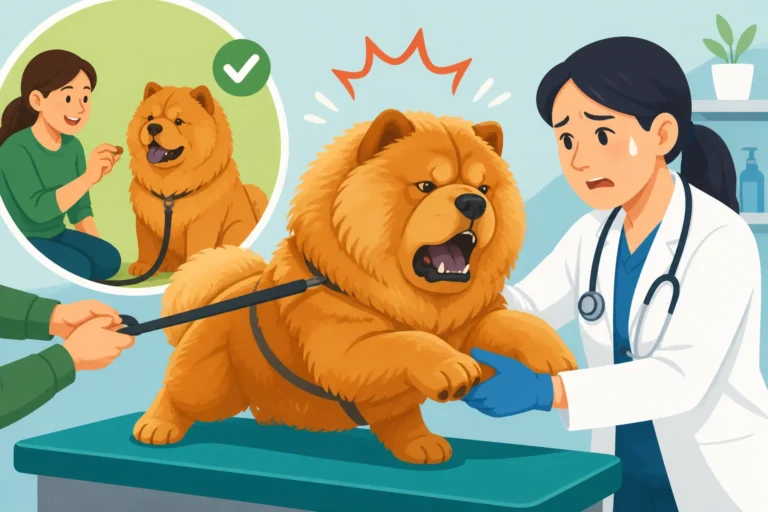
Imagine trying to trim your Chow Chow's nails when they're already stressed by the vet clinic environment, or having a new groomer attempt to detangle a mat near their sensitive ears. Chow Chows are notoriously stoic and can be resistant to handling by people they don't know intimately. They often don't appreciate being held down or manipulated, and their patience can wear thin quickly. A routine examination or a necessary grooming session can quickly escalate into a tense standoff, potentially resulting in a bite.
This isn't to say your Chow Chow is "mean"; it's simply their natural defense mechanism when feeling vulnerable or cornered. By introducing a muzzle in a positive way, you create a safety net. It means your vet can perform necessary procedures, like giving vaccinations, checking ears, or even drawing blood, without fear of being bitten. Similarly, a groomer can work more confidently, knowing they are protected, which in turn leads to a more relaxed and efficient session for your Chow Chow. Think of it as a seatbelt for their mouth – you hope you never need it, but you're profoundly glad it's there if things get bumpy. This proactive approach can make all the difference between a smooth vet visit and one filled with anxiety and potential injury. Many Chows do better with Whether a Chow Chow Needs Sedation for a Checkup, but even then, a muzzle can be a crucial part of the process.
Managing Anxiety and Reactivity
For some Chow Chows, certain situations trigger anxiety or reactivity. This might be a bustling park where too many unknown dogs get too close, a family gathering with boisterous children, or simply a new person trying to pet them unexpectedly. Because Chows have limited peripheral vision due to their deep-set eyes and broad skull, they can be easily startled by approaches from behind or the side. This can lead to a quick, defensive snap, even if it's not malicious.
A muzzle, when introduced correctly, can actually reduce your Chow Chow's anxiety in these situations. It removes the pressure of needing to defend themselves. They learn that even if something unexpected happens, they cannot cause harm, and often, this realization can help them relax a little. It's a management tool, not a cure for reactivity, but it gives you precious breathing room to work on behavioral modification with a trainer. It also prevents negative experiences that can deepen fear and reactivity. Imagine taking your Chow Chow on a walk where you might encounter a loose dog or an overly enthusiastic child; knowing they are safely muzzled can ease your anxiety, which in turn helps your dog stay calmer.
Legal and Public Perception Aspects
Let's face it, breed stereotypes are a real thing, and the Chow Chow, with its bear-like appearance and sometimes stern expression, can unfortunately be subject to negative assumptions. In some communities or apartment complexes, certain breeds are on restricted lists, and while a muzzle might not change a landlord's policy, it certainly presents an image of a responsible owner. If your Chow Chow is ever involved in an incident, however minor, prior muzzle training and use can demonstrate that you are a conscientious owner taking all necessary precautions.
Beyond legal implications, there's the simple matter of public perception. When your Chow Chow is comfortably wearing a muzzle, it can send a clear message: "My dog is safely managed." This can deter strangers from rushing up without permission, and it can reduce fear in others who might otherwise cross the street to avoid your dog. It allows you to take your Chow Chow to more places, participate in more activities, and generally live a fuller life together, because you've taken the steps to ensure everyone's safety and comfort. It's an investment in your dog's future, allowing them to participate in the world without undue stress or risk. Understanding How to Introduce a Chow Chow to a Stranger is key, and a muzzle can be a part of that strategy.
Choosing the Right Muzzle for Your Chow Chow
Selecting the correct muzzle isn't just about grabbing the first one you see; it's about ensuring your Chow Chow is safe, comfortable, and able to perform essential functions like panting and drinking. A poorly chosen muzzle can do more harm than good, causing discomfort, chafing, or even overheating. Given the Chow Chow's dense coat and proneness to overheating, this choice becomes even more critical.
Basket Muzzles vs. Fabric Muzzles
There are primarily two types of muzzles you'll encounter: basket muzzles and fabric (or 'grooming') muzzles. For long-term wear or any situation where your dog will be exercising or might need to pant to cool down, a basket muzzle is the only safe option.
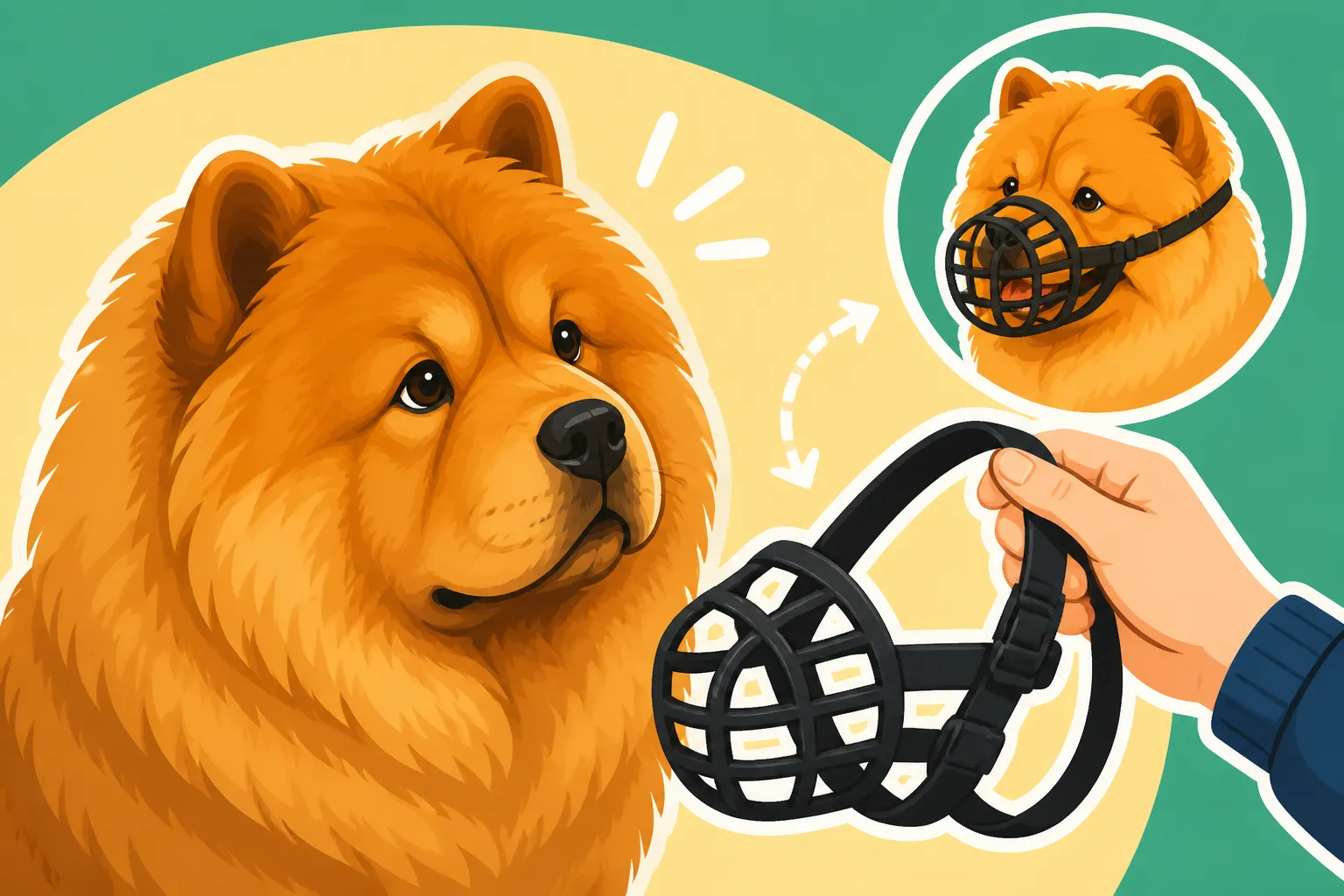
- Basket Muzzles: These muzzles, typically made of plastic, wire, or sometimes even rubber, fit over your Chow Chow's snout like a cage or basket. The key advantage is that they allow your dog to fully open their mouth to pant, drink water, and even take treats. This is crucial for a Chow Chow, which can overheat rapidly. Basket muzzles prevent bites effectively while still allowing for normal bodily functions. They are the go-to for training, walks in public, vet visits, or any extended period where a muzzle might be needed. They can look intimidating, but their design prioritizes your dog's comfort and safety.
- Fabric Muzzles: These are typically made of nylon or mesh and wrap tightly around your dog's snout, holding their mouth closed. While they might seem less intimidating to some, they severely restrict your Chow Chow's ability to pant. Panting is how dogs cool themselves, and restricting it can quickly lead to overheating and heatstroke, especially in a double-coated breed like the Chow Chow. Fabric muzzles should only be used for very brief periods under direct supervision, such as a quick nail trim at the vet, and never for walks, prolonged grooming, or in warm weather. They are more a restraint for emergencies than a training tool.
Here's a quick comparison:
| Feature | Basket Muzzle | Fabric Muzzle |
|---|---|---|
| Bite Prevention | Highly effective | Highly effective, but risk if dog overheats |
| Panting | Allows full panting – essential for cooling | Severely restricts panting – high risk of overheating |
| Drinking | Allows drinking (if bucket is wide enough) | Restricts drinking |
| Treats | Allows taking small treats (for positive reinforcement) | Restricts treats |
| Comfort | Generally comfortable for extended wear if fitted correctly | Uncomfortable for extended wear, causes distress |
| Use Cases | Training, walks, vet visits, grooming, reactivity management | Very brief restraint (e.g., quick injection) under direct supervision |
Proper Sizing and Fit
Once you’ve decided on a basket muzzle, getting the right size is paramount. A muzzle that's too small will rub, pinch, and restrict panting even within a basket design. One that's too large can easily be pulled off, rendering it useless. For your Chow Chow, you'll need two main measurements:
- Snout Length: Measure from just below your Chow Chow's eyes (where the muzzle will sit) to the tip of their nose. The muzzle should be long enough to cover their entire snout, but not so long that it pokes into their eyes or restricts their ability to pick up items from the ground.
- Snout Circumference: Measure the widest part of your Chow Chow's snout, usually about an inch or so below their eyes. Crucially, when measuring, make sure your Chow Chow's mouth is slightly open, as if panting. Then add at least 1-2 inches to this measurement to ensure they have enough room to pant freely within the basket. Without this extra room, even a basket muzzle can become dangerous.
The straps of the muzzle should fit snugly but not tightly, allowing two fingers to comfortably slip underneath. They should not rub behind the ears or along the jawline. Ensure the muzzle stays put when your Chow Chow tries to shake it off or rub it against the floor. Some muzzles come with an overhead strap that helps prevent it from being removed, which can be particularly useful for a determined Chow Chow. Don't forget that a Chow Chow's "lion's mane" of fur can make fitting tricky; ensure you measure down to the skin, not just the fluff.
Recommended Muzzle Brands
When it comes to sourcing a quality basket muzzle, you'll find a wide variety of options available from online retailers. You can find many reputable brands on platforms like Amazon, offering different materials, colors, and designs. Look for brands that specifically market their muzzles for breeds with similar head shapes or those that offer extensive sizing guides. Durability and ease of cleaning are also important factors, as your Chow Chow's muzzle will likely see regular use.
While finding the physical muzzle is one step, the other crucial part is the training. For guidance and positive reinforcement training techniques, resources like BAXTER & Bella offer invaluable support. They provide online courses and tools that can help you systematically introduce the muzzle to your Chow Chow in a fear-free way, ensuring that the experience is as positive as possible. Remember, a muzzle is only as good as the training that goes with it. Investing in both a well-fitting muzzle and proper training resources will yield the best results for your Chow Chow's comfort and your peace of mind.
Step-by-Step Muzzle Training a Chow Chow
Muzzle training your Chow Chow needs to be a slow, positive, and patient process. Rushing it or forcing the muzzle on will almost certainly create a negative association, making future use even more challenging. Remember, Chows are intelligent and often quite sensitive; they respond far better to cooperation and reward than to force. We want them to choose to put their nose in the muzzle, associating it with good things, rather than enduring it.
Making the Muzzle a Positive Experience
The absolute first step is to associate the muzzle with incredible things – we're talking high-value, delicious treats that your Chow Chow rarely gets. Forget about putting it on for now; the goal is simply for them to see it as a "treat dispenser" or a "happy object."
- Introduce the muzzle visually: Just place the muzzle on the floor near your Chow Chow. Don't push it towards them, just let it be there. Every time they glance at it, drop a high-value treat near it. Do this for a few minutes, several times a day, over a day or two. The goal is to build curiosity and positive emotion.
- Lure with treats: Hold the muzzle in one hand, and a treat in the other. Place the treat inside the basket muzzle, so your Chow Chow has to stick their nose in just a little to get it. As soon as their nose touches the muzzle, even for a split second, say "yes!" or click (if you use a clicker) and let them have the treat. Repeat this many times. Don't try to fasten it or hold their nose in. The moment their nose goes in, they get the treat and can pull away.
- Gradually increase duration (still no straps): Once your Chow Chow is happily pushing their nose into the muzzle to get the treat, start to delay the treat slightly. Their nose goes in, then you count "one mississippi," then "yes!" and treat. Slowly increase this duration to a few seconds. If they pull away before you treat, that's okay. Just reset and try again. This builds their comfort with having their nose in the muzzle.
Consistency is key here. Keep sessions short (2-5 minutes) and always end on a positive note. You want your Chow Chow to think, "Oh, goodie! The muzzle is out, treats are coming!" not "Ugh, here we go again." This early stage is crucial for setting a positive foundation. This kind of desensitization is vital for many aspects of Chow Chow care, including Teaching a Chow Chow to Be Brushed.
Gradual Introduction and Short Durations
Once your Chow Chow is comfortably putting their nose into the muzzle for several seconds, it’s time to introduce the straps. This is where patience really pays off.
- Fasten the buckle briefly: Lure your Chow Chow's nose into the muzzle with a treat, just like before. This time, as they're eating the treat, quickly (and gently!) fasten the buckle behind their head. Immediately unbuckle it and give another treat. The muzzle should only be on for a second or two, just long enough for the buckle to click. You're teaching them that the buckle isn't scary and that it immediately leads to rewards.
- Increase time with straps on: Slowly increase the duration that the muzzle stays buckled. Start with 2-3 seconds, then 5 seconds, then 10 seconds. Each time, distract them with treats while the muzzle is on. Talk to them, praise them, and feed them continuous small treats. The moment you unbuckle it, give a jackpot treat. This reinforces the idea that good things happen while the muzzle is on.
- Practice putting it on and taking it off: Repeat the buckling and unbuckling process. Aim for your Chow Chow to tolerate the muzzle for 30 seconds to a minute, calmly, with treats flowing. If they start to paw at it or seem uncomfortable, go back a step. It's better to progress slowly than to rush and create a negative experience. Always ensure you are using a basket muzzle that allows them to pant freely throughout this process.
Remember that Chow Chows often show little outward sign of distress until they've had enough. Watch for subtle cues like freezing, lip licking, turning their head away, or a sudden stillness in their body. These are signs to ease off and take a break. Understanding How to Read a Chow Chow's Face will be incredibly helpful here.
Increasing Wear Time and Distractions
After your Chow Chow is relaxed with the muzzle on for a minute or so, you can start to incorporate it into everyday activities and increase the duration.
- Integrate into short, positive activities: Put the muzzle on for a few minutes while you engage in something your Chow Chow loves. Maybe it's a short training session with easy cues, a puzzle toy, or a brief grooming session where you're gently brushing their favorite spots. Again, treat generously while the muzzle is on. When the activity is over, take the muzzle off and give a final big treat.
- Practice in different environments: Once they're comfortable at home, introduce the muzzle in new, low-stress environments. Start in your yard, then maybe a quiet part of the park. The change in environment can be a distraction, so be prepared to go back to shorter durations and higher-value treats if needed. The goal is to generalize the positive association across various settings.
- Introduce mild distractions: While wearing the muzzle, introduce very mild distractions – someone walking past at a distance, a soft noise, another calm dog across the street. Reward your Chow Chow for remaining calm and focused on you. This helps them learn that even with distractions, the muzzle is nothing to worry about.
- Gradually extend wear time: Over days and weeks, slowly build up the duration. Aim for 5 minutes, then 10, then 15, and so on. Always ensure they can pant and drink while wearing it. Never leave your Chow Chow unsupervised with a muzzle on, especially during the training phase.
If at any point your Chow Chow shows significant distress or tries to remove the muzzle forcefully, it's a sign you've moved too fast. Go back to a step where they were comfortable and reinforce that. It’s a marathon, not a sprint, particularly with a breed as discerning as the Chow Chow. For Chows who are wary of new experiences, resources from places like BAXTER & Bella can offer tailored guidance and support, emphasizing positive reinforcement.
Common Challenges and Troubleshooting
Even with the most meticulous step-by-step training, your Chow Chow might still present some unique challenges when it comes to muzzle training. This is entirely normal! Their independent nature and sometimes stubborn streak mean you'll need an extra dose of patience and creativity. Understanding Why Harsh Correction Backfires on a Chow Chow is especially critical here, as negative experiences will only make training harder.
Resistance and Pawing at the Muzzle
It's very common for dogs, especially in the early stages, to try and paw the muzzle off their face. For a Chow Chow, who might be less inclined to just "go with the flow," this can be a persistent behavior.
- Go back a step (or two): If your Chow Chow is pawing, it means they're uncomfortable or the muzzle has been on for too long. Immediately reduce the duration. Go back to simply luring their nose in for a treat without buckling, or buckling for just a second. Re-establish that positive association with very short durations and high rewards.
- Ensure perfect fit: Double-check the muzzle's fit. Is it rubbing anywhere? Is there enough pant room? Even a slight discomfort can trigger pawing. Sometimes, trying a different brand or style of basket muzzle can make a difference. What feels comfortable to you might not be comfortable for them.
- Distraction is your friend: When the muzzle is on, keep your Chow Chow engaged with continuous, high-value treats or a very appealing toy they can still manipulate. The goal is to keep their mind so occupied with the reward that they forget the muzzle is even there. For example, a lick mat slathered with peanut butter or a Kong toy filled with a favorite treat can work wonders.
- Don't reinforce the pawing: If they paw and you immediately remove the muzzle, you're inadvertently teaching them that pawing works to make it disappear. Instead, try to wait for a brief moment when they aren't pawing (even a split second of stillness), then remove the muzzle. This might be tricky, but it's important for consistent messaging. If they are constantly pawing, it truly means you've moved too fast.
Patience is paramount. Your Chow Chow needs to learn that the muzzle isn't a nuisance, but a normal part of life that leads to good things. If you force it, you risk creating a lasting aversion, and How Long a Chow Chow Remembers a Bad Session can be a surprisingly long time.
Fear or Anxiety Towards the Muzzle
Some Chow Chows, particularly those who haven't had much exposure to novel objects or handling, might display genuine fear or anxiety towards the muzzle itself. This is different from simple resistance; it might look like backing away, hiding, freezing, or even growling.
- Start even smaller: If your Chow Chow is fearful, you need to break down the steps into even tinier increments. Start by just placing the muzzle on the floor and rewarding them for simply looking at it, then for taking a step towards it, then for touching it with their nose (not in, just touching). The muzzle should always predict something wonderful.
- "Muzzle party" association: Leave the muzzle out and accessible (but not where they can chew it). When you're having a fun play session, or giving them their dinner, or doing anything positive, just have the muzzle in sight. This helps desensitize them to its presence without any pressure.
- Pair with highly rewarding activities: Instead of just treats, think about what your Chow Chow absolutely loves. Does a particular person give the best belly rubs? Does a specific game get them excited? Only bring out the muzzle when that super-special thing is happening. For instance, the muzzle appears just before the best game of tug, and disappears when the game ends.
- Consider a different muzzle: Sometimes, the material, smell, or even the sound of a particular muzzle can be off-putting. If you've been using a plastic one, try a different brand or even a silicone basket muzzle, which can be softer and more flexible.
- Seek professional guidance: If your Chow Chow displays significant fear (e.g., trembling, trying to bite when the muzzle is simply present), it's highly recommended to consult with a certified professional dog trainer or a veterinary behaviorist. They can assess the underlying cause of the fear and provide a tailored desensitization and counter-conditioning plan. This kind of professional input is often necessary when dealing with deep-seated anxieties in Chows. Services like BAXTER & Bella can connect you with resources for this specialized training.
Maintaining Muzzle Training Over Time
You’ve put in all the hard work, and your Chow Chow is now comfortable wearing their muzzle. Fantastic! But the job isn't quite done. Just like any learned behavior, muzzle acceptance can fade if not maintained.
- Regular, short practice sessions: Even if your Chow Chow doesn't need to wear the muzzle regularly, commit to short, weekly (or even bi-weekly) practice sessions. These can be as simple as putting the muzzle on for a minute or two while they eat a special treat or engage in a quick game. This keeps the positive association fresh and the skill sharp.
- Vary the context: Don't just practice in the same spot. Occasionally put the muzzle on before a short walk, a car ride, or just sitting quietly with you. This ensures they generalize the comfort to different situations.
- Don't only use it for "bad" things: If the muzzle only comes out for vet visits or stressful grooming appointments, your Chow Chow will quickly associate it with negative experiences. Make sure to use it for neutral or even fun occasions too, reinforcing its role as just "a thing they wear sometimes."
- Continue with positive reinforcement: Never assume your Chow Chow is "over it" and stop rewarding them. Continue to use treats and praise generously whenever the muzzle is put on and while it's being worn. This keeps the experience pleasant and reinforces their cooperation.
Muzzle training is an ongoing journey, but one that empowers you to keep your Chow Chow safe and give them a richer, less restricted life. It’s a testament to responsible dog ownership and a crucial part of managing a breed as unique as the Chow Chow. It can also assist in scenarios where Why a Chow Chow Is Hard to Examine at the Vet becomes a significant challenge.
Integrating Muzzle Use into Your Chow Chow's Life
Successfully training your Chow Chow to wear a muzzle is a significant achievement. Now, it's about confidently and responsibly integrating this tool into their daily life, ensuring it enhances their safety and your peace of mind, rather than becoming a source of stress. This approach not only benefits your dog but also helps challenge misconceptions about the breed.
Situations Where a Muzzle Can Be Beneficial
Having a Chow Chow that is comfortable with a muzzle opens up a world of possibilities and reduces stress in numerous situations. It transforms what could be a difficult or dangerous encounter into a manageable one.
- Veterinary Visits: This is perhaps the most common and crucial application. For routine exams, vaccinations, blood draws, or any procedure that involves handling by a stranger, a muzzle ensures that your vet and their staff can work safely and efficiently. Your Chow Chow, even if uncomfortable, can't bite, which means the vet can focus on their health rather than managing a reactive dog. This is especially useful if your Chow Chow needs What a Chow Chow's Sedated Dental Costs or other procedures where a bit of extra security is needed.
- Grooming Appointments: Chows require regular grooming, and some procedures, like nail trims, ear cleaning, or dealing with mats, can be sensitive. A muzzle provides essential protection for the groomer, allowing them to focus on their work. This is particularly true if you need to Finding a Groomer Who Will Take a Chow Chow since many groomers appreciate owners who proactive about safety.
- New Introductions: Whether it's a new person coming into your home, a child visiting, or an unfamiliar dog you might encounter on a walk, a muzzle provides a safety buffer. It allows for controlled, supervised introductions without the risk of an accidental snap, especially given Why a Chow Chow Snaps at Someone It Did Not See.
- Crowded Public Places: If you want to take your Chow Chow to a farmer's market, a pet-friendly store, or a busy park, a muzzle can be invaluable. It manages the risk of accidental nips if someone steps on their tail or a child unexpectedly lunges at them. It also makes others feel more at ease around your powerful, sometimes intimidating-looking dog.
- Emergency Situations: In an emergency, such as if your Chow Chow is injured, in pain, or needs immediate first aid, even the sweetest dog can lash out defensively. Having a muzzle on hand and a dog trained to accept it can be critical for safely handling and transporting them to get help.
- Reactivity Management: If your Chow Chow struggles with leash reactivity towards other dogs or people, a muzzle allows you to continue walks and training sessions safely while working on behavioral modification. It prevents the problem from getting worse by preventing negative incidents.
In all these scenarios, the muzzle is a tool for safety and stress reduction, not a punishment. It allows your Chow Chow to experience more of the world safely.
Public Perception and Advocacy
Let's address the elephant in the room: muzzles can carry a stigma. Many people assume a muzzled dog is an aggressive dog. As a responsible Chow Chow owner, you have an opportunity to change this narrative.
- Educate and inform: When someone asks about the muzzle, calmly explain that it's a tool for safety, not a sign of a "bad" dog. Explain that it allows your Chow Chow to safely navigate new environments or receive necessary care. Frame it as responsible ownership, akin to wearing a seatbelt.
- Project confidence: Your demeanor is key. If you are stressed or apologetic about the muzzle, your Chow Chow will pick up on that. Instead, be confident and matter-of-fact. A calm owner communicates to the dog that everything is okay.
- Positive interactions: While muzzled, encourage positive interactions if your Chow Chow is comfortable. For example, if you meet a calm adult who asks to pet your dog, supervise a gentle interaction, explaining that the muzzle is for "just in case." This helps people see the dog, not just the muzzle.
- Advocate for positive muzzle training: Share your positive experiences with other dog owners. Normalize muzzle training as a vital part of responsible pet ownership, particularly for breeds like the Chow Chow that might be misunderstood. The more open we are about it, the less stigma it carries.
By using the muzzle responsibly and advocating for its positive role, you can help shift public perception and create a safer, more accepting environment for all dogs, especially those that benefit most from this important tool.
Seeking Professional Help
While this guide provides a thorough roadmap, there might be times when you need to call in the experts. Muzzle training, especially if your Chow Chow has a history of reactivity, fear, or aggression, can be complex.
- When to consult a professional trainer: If you're consistently encountering strong resistance, fear, or aggression during muzzle training, a certified professional dog trainer (CPDT-KA or similar) can offer invaluable hands-on guidance. They can observe your Chow Chow's body language, identify specific triggers, and tailor a training plan to their individual needs. They can also help you understand Signs a Chow Chow Is Uncomfortable that you might be missing.
- When to consider a veterinary behaviorist: For severe cases of fear, anxiety disorders, or significant aggression that make muzzle training extremely difficult, a veterinary behaviorist (DACVB) is the appropriate specialist. These are veterinarians with advanced training in animal behavior, who can diagnose and treat underlying medical or behavioral conditions, and prescribe medication if necessary, alongside a behavior modification plan.
- The benefit of professional insight: A professional can help you navigate complex scenarios, such as Whether an Adult Rescue Chow Chow Can Change their perception of muzzles, or Whether a Chow Chow Can Be Socialized After a Year with added tools like a muzzle. They can ensure that the training is not only effective but also humane and stress-free for your Chow Chow. Remember, seeking help is a sign of a responsible owner dedicated to their dog's well-being and safety. Platforms like BAXTER & Bella often have resources and referrals to help you find qualified professionals in your area.
Disclaimer
This article is for general informational purposes only and does not constitute professional advice. Laws, prices and regulations vary by location and change over time. Consult a qualified professional for guidance on your specific situation.