How Often a Chow Chow Actually Smells
One of the most common worries I hear from prospective Chow Chow owners, or even those just admiring the breed from afar, is whether these magnificent lions of the dog world come with a distinct "Chow Chow smell." It's a valid concern! Nobody wants a perpetually stinky companion. This guide aims to clear up the mystery of Chow Chow odor, exploring the factors that contribute to it (or prevent it) and providing practical, real-world advice to keep your furry friend smelling as fresh as their fluffy appearance suggests.
The Truth About Chow Chow Odor: Are They Really Stinky?
Let's address the elephant in the room – or rather, the lion-dog in the living room. Do Chow Chows inherently smell more than other dogs? The short answer is no, not typically. A well-cared-for Chow Chow should not have an overwhelming or offensive odor. However, their unique physical characteristics and dense double coat can certainly make them prone to developing odors if not managed correctly. It's less about the breed producing a unique bad smell and more about how their coat can trap and amplify common doggy odors when maintenance is lacking.
The Double Coat: Myth vs. Reality of Smell
The Chow Chow's most defining feature, beyond that stoic expression and blue-black tongue, is their incredible double coat. Whether you have a rough-coated Chow, with its magnificent mane, or a smooth-coated variety, both possess a dense, harsh outer coat and a soft, woolly undercoat. This setup is fantastic for insulation against harsh weather, but it's also a double-edged sword when it comes to scent.
The myth often perpetuated is that the coat itself is inherently smelly. This isn't true. The coat is just hair. The reality is that this dense layering can easily trap moisture, dirt, dead skin cells, and environmental allergens deep within its structure. Imagine wearing several thick sweaters in humid weather – any dampness or debris gets held close to your skin. The same principle applies here. If these elements aren't regularly removed through diligent grooming, they can become a breeding ground for bacteria and yeast, leading to that distinct "doggy" smell that can turn truly unpleasant. It’s not the Chow Chow’s fault, it’s the lack of regular maintenance allowing these things to build up. To really understand their coat, take a look at What a Chow Chow's Double Coat Is Made Of.
Breed-Specific Odors vs. General Doggy Smell
Every dog has a natural scent, and a healthy dog's scent is usually mild and inoffensive. Chow Chows are no different. What can sometimes be perceived as a "breed-specific odor" is often just an intensified version of common doggy smells due to the factors mentioned above. For instance, if a Chow Chow gets wet and isn't thoroughly dried to the skin, that dampness can linger for a long time within their thick coat, leading to a musky, mildew-like smell.
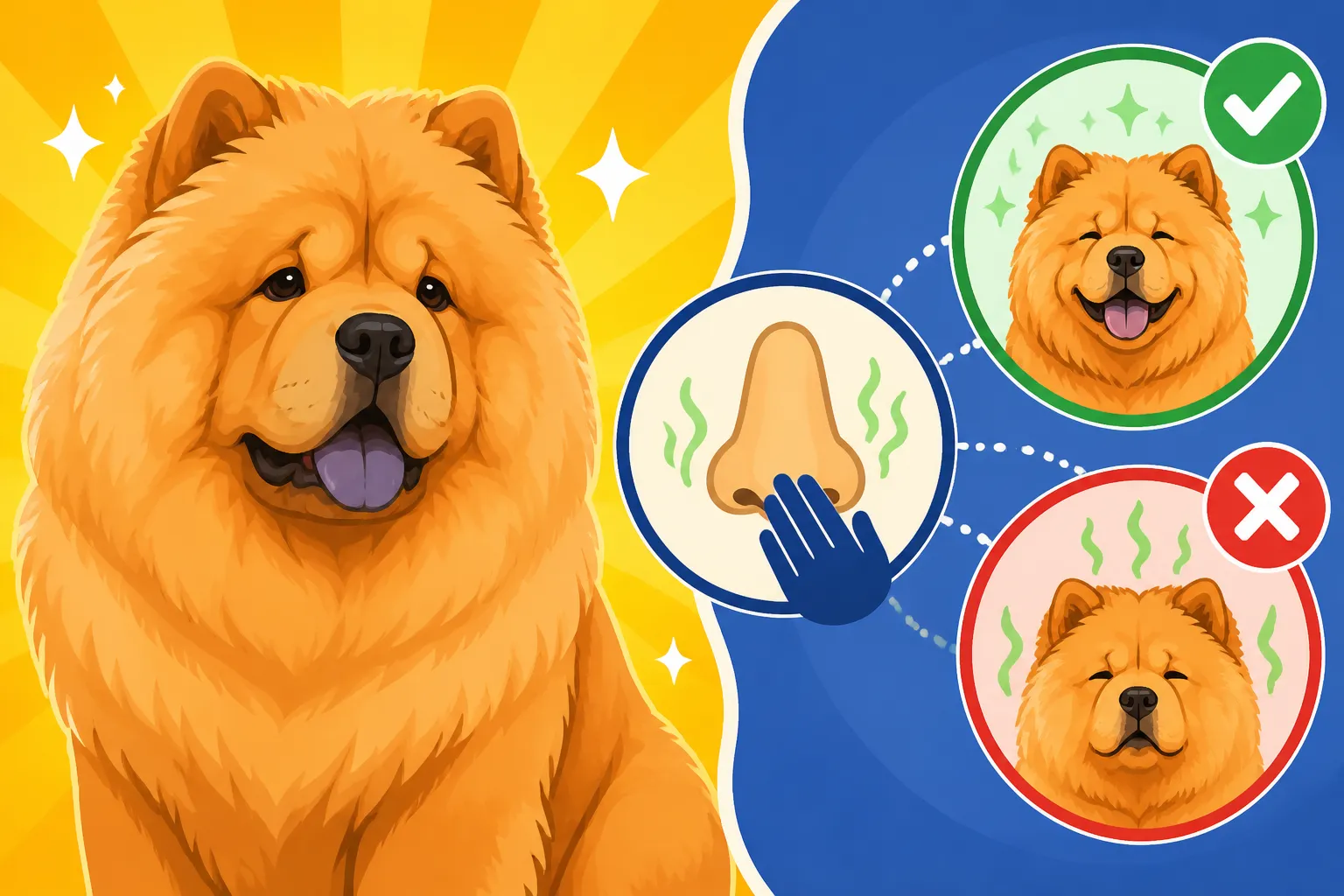
Consider a hot summer day after a brisk walk. A short-haired dog might air-dry quickly. A Chow Chow, however, with its profound insulation, will retain moisture and heat, creating a perfect environment for microbial growth if not managed. It's about how the breed's physical attributes interact with the environment and care routine, rather than an inherent biological predisposition to being stinky. Your nose is a powerful tool here; learn to distinguish between a healthy, mild dog smell and something more potent that signals a need for intervention.
Common Culprits Behind a Chow Chow's Unpleasant Scent
If your Chow Chow starts to emit a less-than-pleasant aroma, it's usually a clear signal that something needs attention. Pinpointing the source is the first step towards rectifying the issue. Oftentimes, the culprit isn't mysterious but rather a common oversight in care that becomes amplified by the Chow Chow's specific physiology.
Coat Neglect and Matting
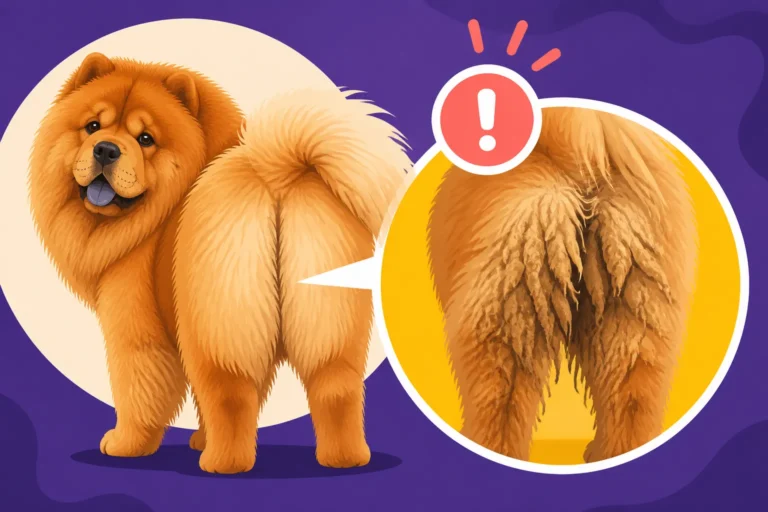
This is, by far, the most frequent reason a Chow Chow develops an undesirable smell. That gorgeous, fluffy coat is a commitment, not a decoration. When brushing is insufficient, the undercoat can mat, especially in areas like behind the ears, in the armpits, or around the britches. These mats act like sponges, trapping dirt, debris, urine, feces, and moisture. They also prevent air circulation to the skin, creating a warm, damp environment perfect for bacterial and yeast overgrowth.
A matted coat isn't just smelly; it's painful for your dog and can lead to serious skin infections. Imagine having your hair constantly pulling at your skin while dirt and dampness are held captive against it. It's truly miserable. A robust grooming schedule is non-negotiable for a Chow Chow. You might be surprised to learn How to Line Brush a Chow Chow correctly to prevent these issues. Without proper brushing, mats form quickly, leading to the dreaded "damp towel" smell. Regular, thorough brushing is the cornerstone of a fresh-smelling Chow Chow.
Skin Issues and Infections
Beneath that formidable coat, your Chow Chow's skin can be harboring issues that lead to odor. Their thick fur can easily conceal problems that might be obvious on a short-haired breed. Skin allergies, for instance, can cause excessive scratching, inflammation, and secondary bacterial or yeast infections, which produce a distinct, often sweet or yeasty odor. Hot spots, which are acute moist dermatitis, can flare up rapidly and become intensely odorous as the skin breaks down and becomes infected.
Chow Chows also have distinct facial folds, which, while giving them that wonderful scowl, can also trap moisture and debris. If these folds aren't cleaned regularly, they can become irritated and infected, leading to a pungent smell. Whether a Chow Chow's Skin Fold Gets Infected is a real concern, and it's essential to be vigilant. Autoimmune diseases, such as Pemphigus Foliaceus, can also manifest as skin lesions, crusting, and infections that contribute to a strong, abnormal smell. If you suspect a skin issue, especially with accompanying redness, itching, or oozing, a veterinary visit is crucial. Don't let their dense coat hide vital clues about their health; this is why Why a Chow Chow's Dense Coat Hides Skin Disease is a crucial piece of knowledge.
Ear Infections and Dental Woes
Sometimes, the source of an unpleasant smell isn't from the main body but from specific areas. Ear infections are a common culprit for a foul odor. Chow Chows have relatively small, rounded ears that lie flat, which can sometimes limit air circulation within the ear canal. This, combined with potential allergies or excessive ear wax, can lead to yeast or bacterial infections. A yeasty ear infection often has a sweet, bread-like smell, while bacterial infections can be more pungent. How Often a Chow Chow's Ears Should Be Checked is a good guideline to follow.
Similarly, poor dental hygiene can lead to severely bad breath, which can permeate their entire being, especially when they pant or are close to you. Plaque and tartar buildup can harbor bacteria that not only cause halitosis but can also lead to painful gum disease and systemic health issues. While bad breath from dental issues is usually localized to the mouth, if it's severe enough, it can make your whole dog smell unpleasant. Regular dental care, including brushing and professional cleanings as needed, is vital.
Diet and Digestive Health
Believe it or not, your Chow Chow's diet can influence their overall scent. A diet that doesn't agree with them can manifest in several ways: excessive gas, loose stools, or even skin issues (as mentioned above). Some dogs develop a subtle, "off" smell if their digestive system isn't happy. Low-quality foods or ingredients your dog is sensitive to can cause inflammation throughout their body, potentially affecting skin health and leading to a less-than-fresh scent.
Ensuring your Chow Chow is on a high-quality, balanced diet, appropriate for their age and activity level, is an important part of overall health and can contribute to a neutral body odor. If you've changed their food recently and noticed a smell, or if they're experiencing digestive upset, it might be worth consulting your vet or a canine nutritionist. Brands like Ollie often offer tailored nutrition plans that can be beneficial for sensitive stomachs. It's not just about How Much an Adult Chow Chow Eats, but what they eat.
Strategies to Keep Your Chow Chow Smelling Fresh
Keeping a Chow Chow smelling delightful isn't a secret art; it's a consistent routine of care and attention. It requires understanding their unique needs and being proactive rather than reactive.
Regular, Thorough Grooming is Non-Negotiable
This cannot be stressed enough: grooming is paramount. For a rough-coated Chow Chow, daily or at least every-other-day brushing is ideal to prevent mats and remove loose undercoat and debris. Even smooth-coated Chows benefit from frequent brushing. A good line-brushing technique, getting right down to the skin, is essential. For brushes, you'll want a sturdy slicker brush and a long-toothed metal comb to check for tangles deep in the coat. Many owners find a high-velocity dog dryer, readily available on Amazon, to be invaluable not only for drying after baths but also for blowing out loose undercoat during shedding seasons, which happen twice a year.
Bathing frequency can vary, but generally, a Chow Chow needs a bath every 4-8 weeks, or more often if they get particularly dirty. However, the bath is only half the battle. Why a Chow Chow Must Be Dried to the Skin is critical. Their dense coat can take hours to dry properly. If even a small patch remains damp, it creates a perfect environment for bacterial and yeast growth, leading to that notorious "wet dog" smell that persists. Investing in a good quality dog shampoo, perhaps one designed for sensitive skin or deep cleansing, can make a significant difference. Chewy offers a wide selection of grooming products, including shampoos and conditioners that can help maintain coat health and freshness.
Attending to Face Folds and Ears
Those adorable wrinkles on a Chow Chow's face require special attention. They can easily trap food particles, moisture from drinking, and tears, leading to irritation and odor. Gently wipe these folds daily with a soft, damp cloth or a pet-safe facial wipe. Ensure they are completely dry afterwards. This simple routine can prevent much discomfort and smell. For eyes, if you notice excessive tearing, clean gently around them with a soft cloth. Check How Often a Chow Chow's Face Folds Need Cleaning for a detailed schedule.
Ears also need regular inspection. Lift the ear flap and look inside for redness, discharge, or any unusual odor. A healthy ear canal should be clean and odorless. If you see dirt or a small amount of wax, you can gently clean it with a vet-recommended ear cleaner on a cotton ball. Never insert anything into the ear canal. If you detect a strong smell, excessive debris, or redness, it's time for a vet visit to rule out an infection. Understanding How Often a Chow Chow's Ears Should Be Checked is key to early detection.
Quality Diet and Hydration
A balanced diet is foundational for skin and coat health, which in turn impacts odor. High-quality dog food provides the necessary nutrients to keep their skin barrier strong and their coat healthy, reducing dryness, flakiness, or excessive oiliness that can contribute to smell. If your Chow Chow has a sensitive stomach or skin allergies, a limited ingredient diet or a fresh food option like Ollie might be beneficial. Many Chow owners find that grain-free or novel protein diets help alleviate allergy symptoms that can lead to skin issues and odor. Always consult with your veterinarian before making significant dietary changes. Ensuring your Chow Chow has constant access to fresh, clean water is also important for overall health and hydration.
Environmental Factors
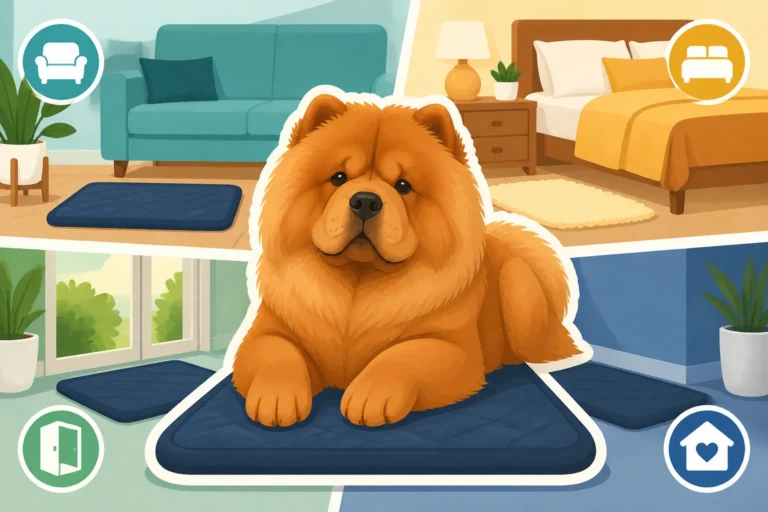
Your Chow Chow's living environment also plays a role in how they smell. Regularly wash their bedding, blankets, and any dog toys they chew on. These items can absorb oils and odors from your dog, recirculating them back onto their coat. Just like you wouldn't want to sleep on dirty sheets, your Chow Chow appreciates a clean sleeping area. Ensure their outdoor space is also clean, minimizing exposure to stagnant water or overly damp areas where they might roll. A clean dog in a dirty environment will quickly become a dirty dog again.
When to Seek Veterinary Advice for Persistent Odor
While many Chow Chow odors can be managed with diligent home care, there are times when a persistent or unusual smell signals an underlying health problem that requires professional attention. Trust your nose; if something smells "off" despite your best grooming efforts, it's always wise to consult your veterinarian.
Identifying Red Flag Smells
Not all doggy smells are created equal. You should learn to distinguish between a general, mild doggy odor (which is normal) and a specific, concerning scent. Here are a few "red flag" smells that warrant a vet visit:
- Yeasty/Sweet Smell: Often indicative of a yeast infection, particularly common in ears, skin folds, or paws. It can sometimes smell a bit like bread or corn chips.
- Foul/Pungent Odor: This can point to a bacterial skin infection, severe ear infection, or even issues with anal glands. A truly rotten smell is a sign of infection.
- Fishy Smell: The classic sign of impacted or infected anal glands. This smell is unmistakable and usually means your dog needs their glands expressed.
- Sickly Sweet or Fruity Smell: In rare cases, this could indicate a serious metabolic issue like uncontrolled diabetes, though this is less common as a primary odor complaint.
- Persistent Bad Breath: While some doggy breath is normal, truly foul breath, especially with visible plaque, redness, or bleeding gums, indicates dental disease that needs professional cleaning and possibly extractions.
If you notice any of these distinct odors, or if your Chow Chow's general smell intensifies despite proper bathing and brushing, it's time to call the vet.
Common Medical Conditions Causing Odor
A veterinary examination can uncover the root cause of persistent odors, which might include:
- Skin Infections (Bacterial or Fungal): As mentioned earlier, these are common under a thick coat. The vet can diagnose the type of infection and prescribe appropriate antibiotics, antifungals, or medicated shampoos. Sometimes, a skin scraping or culture is needed.
- Allergies: Environmental or food allergies often lead to itchy, inflamed skin, which can then become secondary infected and odorous. Identifying and managing allergies is key.
- Ear Infections: Whether bacterial, yeast, or mite-related, ear infections are a frequent cause of head odor. The vet can clean the ears and prescribe drops or oral medication.
- Anal Gland Issues: The anal glands, located on either side of the rectum, can become full, impacted, or infected. This is a common cause of a strong, fishy smell. They often need to be expressed by a professional.
- Dental Disease: Beyond bad breath, severe dental disease can lead to abscesses, pain, and systemic infections, all contributing to an unhealthy smell.
- Urinary Tract Infections (UTIs): A UTI can sometimes cause a dog's urine to smell unusually strong, and if they dribble or lick themselves, this odor can transfer to their coat.
Remember, your Chow Chow relies on you to notice when something isn't right. Their dense coat and stoic nature can sometimes mask symptoms, so paying attention to their smell is one way to monitor their health. Don't hesitate to seek professional advice; early intervention can prevent minor issues from becoming major problems for both your Chow Chow and your nose!
Disclaimer
This article is for general informational purposes only and does not constitute professional advice. Laws, prices and regulations vary by location and change over time. Consult a qualified professional for guidance on your specific situation.