Whether a Chow Chow’s Face Stains From Tears
Anyone who shares their life with a magnificent Chow Chow knows that their deep-set eyes and glorious lion's mane are part of their charm. But this unique facial structure also comes with a common, often frustrating, problem: tear stains. Those reddish-brown streaks marring your Chow's beautiful coat aren't just an aesthetic annoyance; they can signal underlying issues and require consistent care to manage, which is exactly what this guide will help you navigate.
Understanding Tear Stains: More Than Just a Cosmetic Issue
It’s easy to look at those rust-colored streaks on your Chow Chow’s face and dismiss them as simply "dirty eyes." However, tear stains are often a symptom of something deeper, and understanding their cause is the first step toward clearer eyes and a happier pup. Ignoring them can lead to skin irritation, infections, and even more serious eye problems down the road.
The Science Behind the Stains: What Causes Them?
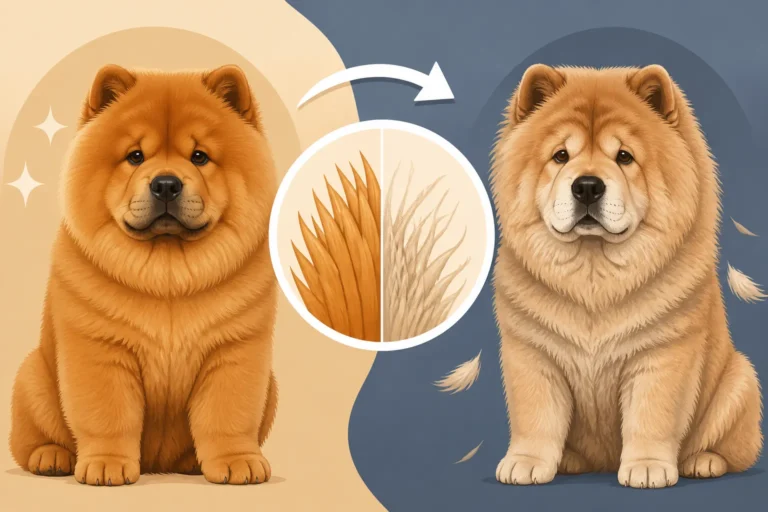
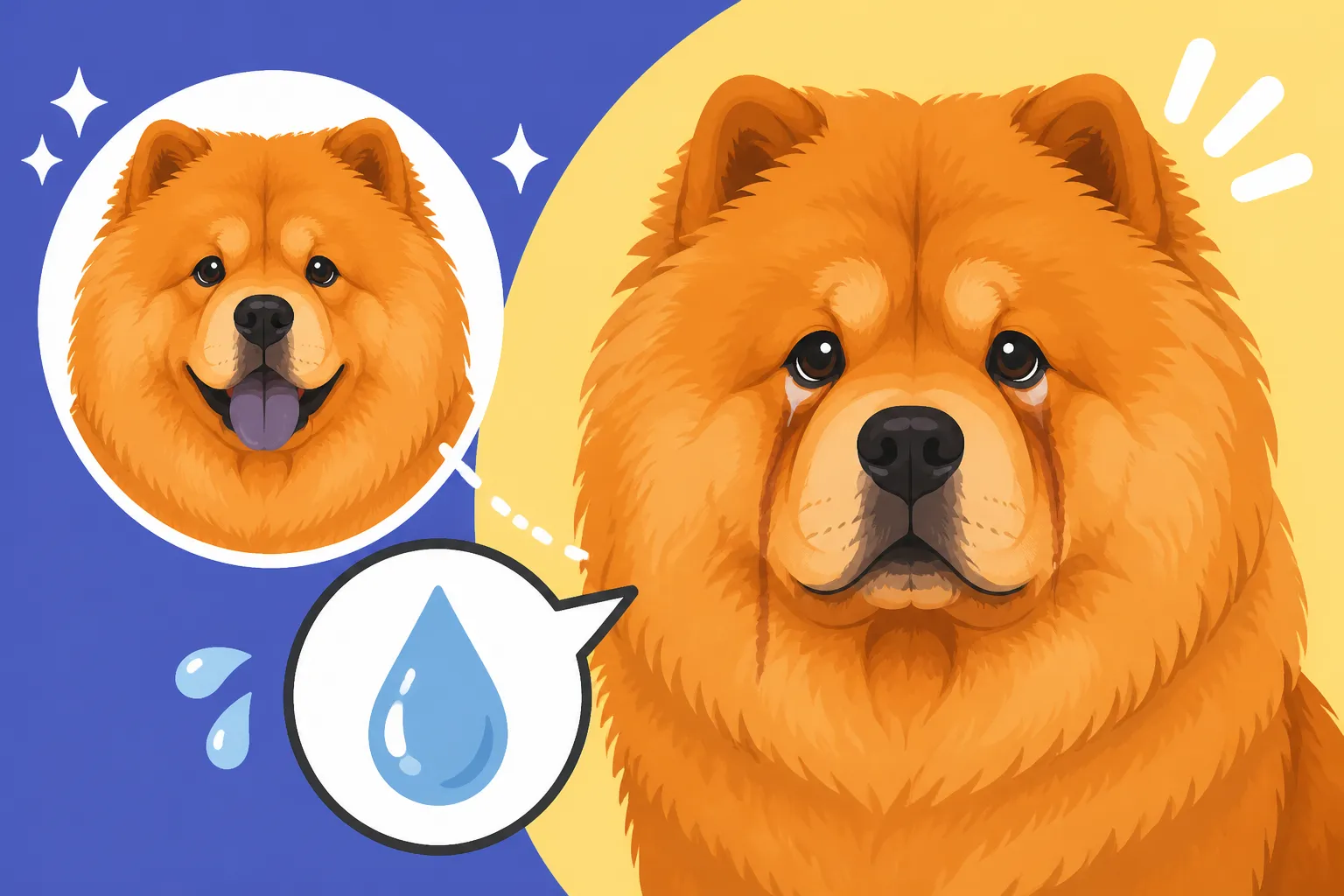
The primary culprits behind tear stains are organic molecules called porphyrins. These are iron-containing waste products, naturally excreted through tears, urine, and saliva. When porphyrins are exposed to sunlight, they oxidize and turn a reddish-brown color, creating those tell-tale stains you see. It's not unlike how an apple browns after being cut and exposed to air. Beyond porphyrins, the consistently damp environment created by excessive tearing can become a breeding ground for yeast and bacteria. Specifically, a type of red yeast called Malassezia can thrive in this moist, warm area, contributing to a darker, sometimes even pinkish-red, staining and an unpleasant odor.
It's a combination of these factors – the natural bodily excretion, oxidation, and opportunistic microorganisms – that results in the stubborn discoloration many Chow Chow owners battle. Knowing this helps us understand why simple wiping might not be enough and why a multi-pronged approach is often necessary.
Why Chow Chows Are Prone to Tear Stains
If you've noticed tear stains more frequently on your Chow Chow than on, say, a Labrador Retriever, you're not imagining things. Chow Chows possess several breed-specific characteristics that unfortunately predispose them to tear staining. Their iconic deep-set eyes, combined with abundant facial folds and a dense double coat, create a perfect storm for persistent moisture around the eyes.
The structure of a Chow Chow's face means that tears often don't drain efficiently through the tear ducts. Instead, they tend to spill over the lower eyelid and onto the surrounding fur. This constant dampness, nestled within those adorable facial wrinkles and the thick undercoat, is an ideal humid environment for bacteria and yeast to flourish. Think of it like a perpetually damp sponge – not exactly hygienic. While all dogs produce tears, it's this anatomical predisposition that makes managing tear stains a continuous part of Chow Chow care. If you want to dive deeper into this, you might find our article Why a Chow Chow's Deep Set Eye Causes Trouble enlightening.
Differentiating Stains from Other Eye Issues
It's crucial to distinguish between cosmetic tear staining and signs of more serious eye problems. While tear stains are generally harmless in themselves, sudden or excessive tearing, especially if accompanied by other symptoms, warrants a vet visit. How do you know if it's just a stain or something more concerning?
Look for changes in the consistency, color, or quantity of the discharge. Clear, watery tears that lead to staining are usually benign. However, if the discharge becomes thick, yellowish-green, or takes on a pus-like consistency, it suggests an infection. Other red flags include squinting, pawing at the face, redness of the eye itself, cloudiness, or sensitivity to light. These are all signs your Chow Chow is in discomfort and needs professional veterinary attention.
Sometimes, what looks like staining could actually be an indicator of an underlying issue like entropion, where the eyelid rolls inward, causing eyelashes to rub against the cornea. Entropion Is the Chow Chow's Signature Problem is a common concern for Chow Chows, and it definitely requires a veterinarian's diagnosis and treatment. If you notice any of these more serious signs, don't delay in contacting your vet.
Common Causes of Excessive Tearing in Chow Chows
Understanding the general science of tear stains is one thing, but pinpointing the specific reasons your individual Chow Chow might be tearing excessively is key to finding a solution. There's often more than one factor at play, and it can take a bit of detective work to uncover them all.
Anatomical Factors and Breed Predispositions
As we touched on, the Chow Chow's unique facial structure is a major contributor. Their deep-set eyes, often framed by a significant amount of loose skin and facial folds, make it challenging for tears to properly drain into the nasolacrimal ducts (tear ducts) that lead to the nose. Instead, tears often well up and overflow. This is often exacerbated by How a Chow Chow's Face Folds Push the Lid In, creating a physical barrier to drainage.
Beyond the folds, structural issues within the eye itself can cause excessive tearing. This includes conditions like entropion, where the eyelid margins roll inward, causing irritation from the lashes rubbing against the cornea. Even subtle cases can lead to constant tearing and irritation. Another less common, but possible, issue is distichiasis, where extra eyelashes grow from the eyelid margin and can irritate the eye. Blocked tear ducts, though less common as a primary cause in Chows, can also prevent proper drainage. A vet can perform a simple dye test to check if your dog's tear ducts are clear. Any persistent irritation will cause tears, and tears cause stains.
Environmental Irritants and Allergens
Just like us, dogs can react to their environment. Dust, pollen, smoke, or even household cleaning products can act as irritants, causing your Chow Chow's eyes to water as a protective mechanism. If you notice staining worsens after a dusty day, during allergy season, or after you've used a strong cleaner, environmental factors might be at play.
Consider your home environment:
- Dust and Dander: A dusty home or excessive pet dander (from other animals) can irritate sensitive eyes. Regular vacuuming and air purifiers can help.
- Pollen: During peak allergy seasons, pollen can cause watery eyes, itching, and redness. Wiping your Chow's face after outdoor excursions can reduce exposure.
- Smoke: Whether from cigarettes, fireplaces, or even cooking, smoke is a significant irritant.
- Chemicals: Strong scents from cleaning supplies, air fresheners, or perfumes can be irritating. Opt for pet-safe, unscented products where possible.
- Wind: For dogs with eyes that naturally water, even a breezy walk can cause increased tearing, pushing more porphyrins onto the fur.
Paying attention to when the tearing is worse can give you valuable clues. You might notice that Signs a Chow Chow Puppy's Eyes Are Sore often include excessive tearing and rubbing, indicating irritation.
Dietary Considerations and Water Quality
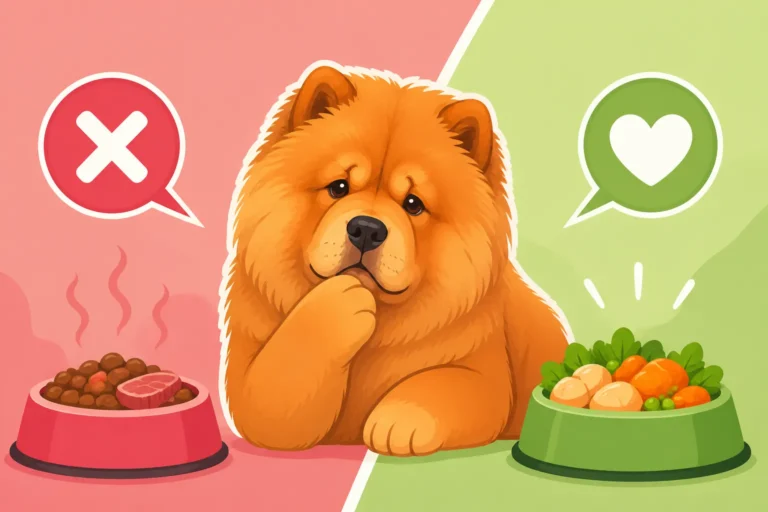
Believe it or not, what your Chow Chow eats and drinks can also play a significant role in tear staining. Some dogs develop sensitivities or allergies to certain ingredients in their food, which can manifest as skin issues, gastrointestinal upset, and yes, excessive tearing. Common culprits include certain proteins (like chicken or beef) or grains.
If you suspect a food sensitivity, discussing an elimination diet with your vet might be beneficial. Switching to a limited ingredient diet or a novel protein source (like venison or duck) can sometimes reduce allergic reactions and, consequently, tearing. Brands like Ollie offer fresh, customized meal plans that some owners find helpful for managing sensitivities. You can also explore options on Chewy for sensitive stomach or limited ingredient formulas.
Furthermore, the quality of your dog's drinking water matters. Tap water, especially in areas with hard water, can contain high levels of minerals like iron and magnesium. While these are not inherently harmful, some theories suggest that these minerals can contribute to the porphyrin load in tears, exacerbating staining. Switching to filtered or distilled water for your Chow Chow can sometimes make a noticeable difference in the severity of tear stains over time.
Practical Steps for Cleaning and Managing Tear Stains
Once you understand why your Chow Chow gets tear stains, the next step is implementing a consistent routine for cleaning and managing them. This isn't a one-and-done solution but a regular commitment that will keep your Chow looking and feeling their best.
Daily Cleaning Routine for Chow Chows
Consistency is truly the secret weapon when it comes to managing tear stains. Daily cleaning prevents the porphyrins from setting deeply into the fur and minimizes the buildup of yeast and bacteria.
Here’s a simple routine you can adopt:
- Gather Your Supplies: You'll need soft, lint-free cloths or cotton pads, and a gentle, pet-safe tear stain remover or saline solution. Avoid harsh chemicals or anything designed for human use, as your Chow's eyes are very sensitive. Many excellent options are available from retailers like Amazon or Chewy, often labeled specifically for tear stains.
- Gentle Wiping: Gently wipe the stained area around your Chow Chow's eyes. Start from the inner corner and wipe outwards, using a fresh part of the cloth for each eye to prevent cross-contamination. Focus on removing any crusts or dampness. Be particularly mindful of the deeper facial folds where moisture can easily get trapped. We have a helpful guide on How to Clean Around a Chow Chow's Eyes that offers more detailed techniques.
- Drying: After cleaning, gently pat the area dry. Moisture is the enemy here! A dry environment discourages yeast and bacterial growth.
- Consider a Stain Remover Product: For stubborn stains, specialized tear stain remover solutions or wipes can be very effective. Look for products that are alcohol-free and free of harsh chemicals. Some contain natural enzymes or mild cleansers to break down the porphyrins. Always follow the product's instructions carefully.
Remember, patience is key. Stubborn stains may take several weeks of consistent daily treatment to lighten significantly.
Addressing Underlying Causes Through Diet and Environment
Beyond topical cleaning, proactively addressing the root causes of excessive tearing can lead to long-term improvement.
- Dietary Adjustments: If you suspect food allergies or sensitivities are contributing, working with your vet on a dietary change is crucial. Many Chow Chow owners find success with hypoallergenic diets, or those featuring novel proteins and limited ingredients. Some even opt for a raw diet, believing it reduces inflammation and allergic responses. Regularly checking what your Chow Chow eats (How Much an Adult Chow Chow Eats) and how it might impact tear staining can be very insightful.
- Water Quality: As mentioned, switching to filtered or distilled water for your Chow Chow to drink can reduce mineral intake that might contribute to staining. A simple water filter pitcher for their drinking bowl can make a difference.
- Environmental Control: Minimize irritants in your home. Use an air purifier, especially in rooms where your Chow Chow spends a lot of time. Dust and vacuum regularly. Choose pet-safe cleaning products and avoid strong air fresheners. If your Chow is sensitive to outdoor allergens, wipe down their face after walks, particularly during high pollen seasons. These simple changes can make a big impact on overall eye irritation.
When to Seek Veterinary Advice
While tear stains are often managed at home, there are definite times when you absolutely need to consult your veterinarian. Don't hesitate if you observe any of the following:
- Sudden Onset or Worsening: If tear staining suddenly appears or becomes much worse without an obvious reason, it could signal a new underlying issue.
- Eye Pain or Discomfort: Squinting, rubbing, pawing at the eye, sensitivity to light, or keeping one eye partially closed are all signs of pain. Signs a Chow Chow Puppy's Eyes Are Sore can manifest as such behaviors, indicating something more serious than just aesthetic staining.
- Abnormal Discharge: Any discharge that is thick, yellow, green, or pus-like, rather than clear and watery, indicates an infection that requires medication.
- Redness or Swelling: If the white part of the eye (sclera) is red, or the eyelids are swollen, it's a sign of inflammation or infection.
- Change in Eye Appearance: Cloudiness in the eye, a visible scratch on the cornea, or anything that looks different about the eye itself warrants immediate veterinary attention.
- Ineffective Home Treatment: If you've been diligently cleaning and addressing environmental/dietary factors for several weeks and see no improvement, or the stains are getting worse, it's time for professional guidance.
Your vet can perform a thorough eye exam to rule out conditions like entropion, blocked tear ducts, corneal ulcers, or other medical issues. Sometimes, minor surgical correction might be recommended for anatomical problems like severe entropion or problematic eyelashes. Early intervention can prevent more serious complications.
Prevention Strategies to Minimize Future Stains
While some degree of tearing is natural, and Chow Chows are predisposed to stains, there are proactive steps you can take to minimize their appearance and keep your dog's face clean and healthy. It's all about consistent care and creating an optimal environment for your beloved companion.
Proactive Grooming and Hygiene
Regular, thorough grooming is your first line of defense against stubborn tear stains. Their luxurious double coat and facial structure demand it.
- Regular Face Wiping: Make wiping your Chow's face a daily habit, even if stains aren't obvious. This removes tears before they have a chance to oxidize and set. You can use plain warm water on a soft cloth or specialized pet-safe wipes available from Chewy or Amazon. Pay close attention to the area around the eyes and any deep folds. Our article How Often a Chow Chow's Face Folds Need Cleaning provides a great routine.
- Keeping Fur Trimmed: For rough-coated Chows, the fur around their eyes can become quite long, trapping moisture and acting as a wick for tears. Gently trimming this fur with blunt-nosed scissors (or having a professional groomer do it) can significantly reduce moisture accumulation. Be extremely careful when doing this yourself, or better yet, trust a professional groomer who understands the Chow Chow's specific needs.
- Maintaining Face Folds: Chow Chows often have charming facial folds, which, unfortunately, can trap moisture, food debris, and tears, leading to irritation and staining. Regularly lifting these folds and cleaning the skin underneath with a gentle, pet-safe wipe and then drying thoroughly is vital. You can learn more about this in Whether a Chow Chow's Face Fold Traps Moisture.
- Regular Brushing: While not directly related to eye stains, a clean, well-maintained coat overall contributes to better hygiene. Plus, during a regular brushing session, you're more likely to notice early signs of staining or irritation.
Environmental Controls and Allergen Reduction
Managing your Chow Chow's environment can go a long way in reducing irritants that cause excessive tearing.
- Dust Control: Keep your home as dust-free as possible. Regular vacuuming (with a HEPA filter, if possible) and dusting can reduce airborne irritants. Consider washing your Chow's bedding frequently.
- Air Quality: An air purifier in your home can remove allergens like pollen, dust mites, and dander, leading to less eye irritation.
- Avoid Irritants: Steer clear of strong-smelling cleaning products, perfumes, or air fresheners in your Chow's immediate vicinity. If you smoke, ensure your dog is not exposed to secondhand smoke.
- Outdoor Care: After outdoor play or walks, especially in dusty or pollen-heavy areas, gently wipe your Chow's face with a damp cloth to remove any environmental allergens or irritants. This can be particularly important if you suspect your Chow Chow suffers from What a Chow Chow Is Most Often Allergic To.
Nutritional Support and Supplements
A healthy dog from the inside out is often less prone to minor health issues, including stubborn tear stains.
- High-Quality Diet: Feeding a high-quality, balanced diet without unnecessary fillers or artificial ingredients can support overall health and potentially reduce allergic responses that cause tearing. If you've identified food sensitivities, sticking to an appropriate diet is paramount. Brands like Ollie, known for fresh ingredients, or premium kibbles found on Chewy, are often recommended by owners seeking to reduce allergen exposure.
- Filtered Water: Continue to offer filtered or distilled water. This simple change eliminates minerals that might contribute to the chemical composition of tears and, subsequently, to staining.
- Supplements: While not a magic bullet, certain supplements can support skin and eye health. Probiotics can help balance gut flora, which can, in turn, reduce allergic reactions. Omega-3 fatty acids (fish oil) are excellent for overall skin and coat health, and some owners report they help with reducing inflammation that might contribute to tearing. Always consult your vet before adding any new supplements to your Chow Chow's routine to ensure they are safe and appropriate.
By combining consistent cleaning with proactive environmental management and a supportive diet, you can significantly reduce the appearance of tear stains on your beautiful Chow Chow and ensure their eyes stay healthy and comfortable.
Disclaimer
This article is for general informational purposes only and does not constitute professional advice. Laws, prices and regulations vary by location and change over time. Consult a qualified professional for guidance on your specific situation.