How Often a Chow Chow’s Face Folds Need Cleaning
Anyone who's ever lived with a majestic Chow Chow knows that their incredible lion-like ruff and deep, soulful eyes come with a unique set of care requirements. One of the most common, and frankly, often overlooked, challenges is keeping those adorable facial folds clean and healthy. It's a real frustration when you see redness, notice an unpleasant odor, or your beloved Chow Chow starts rubbing their face constantly, signaling discomfort lurking within those charming wrinkles. This guide is here to walk you through exactly why those folds need attention, how often to clean them, and the most effective ways to prevent common issues, ensuring your Chow Chow remains happy and irritation-free.
Understanding Your Chow Chow's Unique Face Folds
The Chow Chow is a truly distinctive breed, known for its proud demeanor, dense double coat, and unmistakable facial structure. While these features contribute to their unique beauty, they also create specific care needs that owners must be aware of. Neglecting these areas can lead to significant discomfort and health problems for your furry friend.
The Anatomy of a Chow Chow's Wrinkles
Imagine looking at your Chow Chow's face; you'll notice a characteristic "scowl" or slightly furrowed brow. This isn't just an expression; it's a result of the breed's natural skin folds and structure. These folds typically appear around the muzzle, under the eyes, and sometimes across the forehead. They are often quite deep and can become even more pronounced as the dog matures or if they carry a bit more weight.
These skin folds, while part of the breed standard and undeniably charming, create tiny, warm, and often moist environments. Think of it like a miniature, perfectly insulated pocket on your dog's face. Within these pockets, debris, tears, saliva, and even food particles can easily get trapped. Unlike other breeds with flatter faces, a Chow Chow’s deep-set eyes and surrounding skin push against each other, exacerbating the issue. This intricate anatomy is a key reason Why a Chow Chow's Face Folds Need Wiping regularly, far more than you might initially assume.
Why These Folds Are Prone to Problems
The very characteristics that make a Chow Chow so endearing – their dense coat and unique facial structure – are precisely what predispose them to issues within their skin folds. The thickness of their fur, particularly around the face, often traps moisture and air, creating a humid microclimate in these crevices. This warm, moist environment is, unfortunately, a breeding ground for bacteria and yeast, which naturally live on a dog's skin but can overgrow when conditions are right.
Furthermore, the deep-set eyes, a hallmark of the breed, can lead to tear overflow, especially if your Chow Chow has a mild case of entropion or simply more tear production than average. These tears can wick directly into the surrounding skin folds, adding to the moisture problem. Likewise, after eating or drinking, saliva and bits of food can get tucked into the folds around the muzzle. It's not just about what goes in, either; the constant friction of skin rubbing against skin within these folds can also cause irritation and inflammation, even before any infection takes hold. This combination of trapped moisture, debris, and friction creates a perfect storm for skin irritation and infection.
The Dangers of Neglected Face Folds
It's easy to assume that a little dampness or a bit of redness in a skin fold isn't a big deal, especially when your Chow Chow's dense fur can often obscure the problem. However, ignoring these signs can lead to escalating health issues that cause significant pain and require veterinary intervention. The discomfort isn't just superficial; it can impact your Chow Chow's overall well-being and temperament.
Skin Fold Dermatitis: A Common Culprit
The primary problem arising from neglected face folds is a condition known as skin fold dermatitis, or intertrigo. This isn't just a minor rash; it's a painful inflammation of the skin caused by moisture, friction, and the proliferation of bacteria and yeast. When these folds are constantly damp and don't get proper airflow, the skin breaks down, becoming raw and itchy.
You might first notice a faint, sour odor, which is often the earliest giveaway. As the condition progresses, the skin within the folds becomes red, inflamed, and can even develop pustules or oozing sores. Imagine having a persistent, itchy rash that never quite heals because the area stays perpetually moist and rubbed raw. That's what your Chow Chow is experiencing. This inflammation can be incredibly uncomfortable, leading your dog to rub their face against furniture or paw at the affected area, which only makes the irritation worse and can introduce more bacteria. The dense fur of a Chow Chow can easily hide these initial stages, making it crucial for owners to be proactive in their checks and cleaning.
Yeast and Bacterial Infections
Once skin fold dermatitis sets in, it creates an open invitation for opportunistic infections. The warm, moist environment, coupled with compromised skin barriers, is ideal for the overgrowth of yeast (Malassezia) and various bacteria (often Staphylococcus). These infections don't just add to the discomfort; they can become quite severe and require targeted medical treatment.
A yeast infection, often characterized by a strong, sweetish-musty odor and greasy, brownish discharge, is incredibly itchy. Bacterial infections, on the other hand, can manifest as red, pus-filled bumps, scabs, and even hair loss in the affected area. Both types of infections make the skin intensely sore and sensitive to the touch. Your Chow Chow might become withdrawn, lethargic, or even show signs of aggression if you try to touch their face because of the pain. Left untreated, these infections can spread beyond the folds, leading to more generalized skin problems and a much longer, more involved recovery process. This is particularly important to monitor around the eyes, as problems there can sometimes indicate underlying issues like entropion, where the eyelid rolls inward, causing irritation and excessive tearing. Whether a Chow Chow's Skin Fold Gets Infected is a concern you should always be vigilant about.
Pain, Irritation, and Beyond
Beyond the immediate physical symptoms, neglected face folds can have a broader impact on your Chow Chow's quality of life. Constant itching and pain can lead to changes in behavior, making an otherwise calm Chow Chow irritable or withdrawn. They might become reluctant to be petted on the head or have their face touched, making grooming and veterinary exams much more difficult.
Chronic inflammation can also lead to hyperpigmentation, where the skin in the folds permanently darkens and thickens. In severe, long-standing cases, deep infections can even lead to cellulitis, a serious bacterial infection of the deeper layers of skin, which can spread rapidly and pose a systemic health risk. The sheer discomfort can also disrupt sleep and appetite. Moreover, the presence of untreated skin issues can mask other potential problems. For example, persistent eye discharge might be dismissed as a fold issue when it could actually be a sign of What a Corneal Ulcer Does to a Chow Chow or other ocular concerns. Proactive care isn't just about hygiene; it's about safeguarding your Chow Chow's comfort, health, and overall happiness.
Establishing a Regular Cleaning Routine
You've heard the saying "an ounce of prevention is worth a pound of cure," and nowhere is that more true than with your Chow Chow's face folds. Establishing a consistent cleaning routine is the single most effective way to prevent the painful and often costly issues associated with neglected skin folds. It doesn't have to be a major chore, but it does need to be part of your regular interaction with your dog.
How Often Is "Often Enough"?
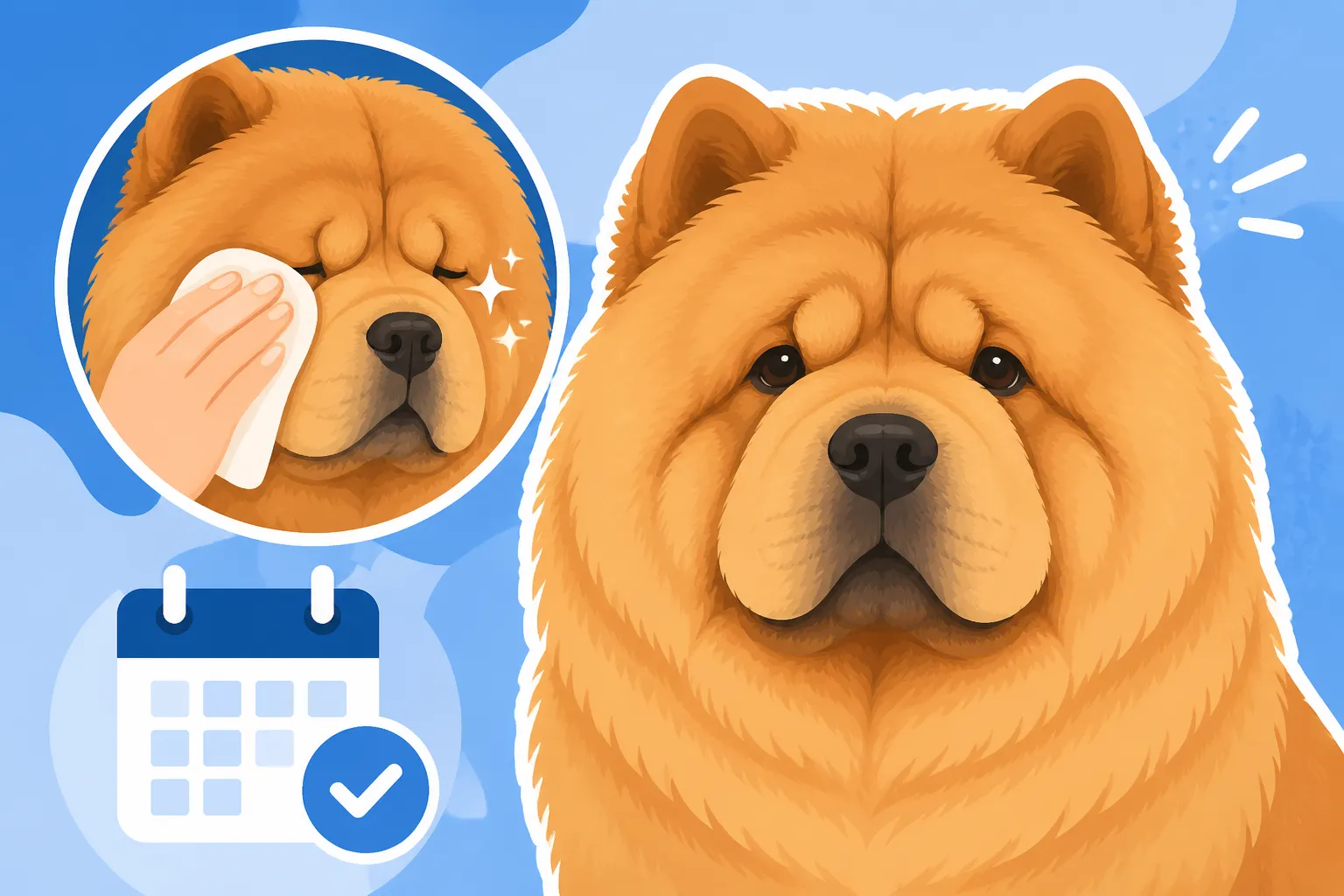
The truth is, there's no universal "right" answer for every Chow Chow. Just like people, some dogs are a bit more prone to skin irritation than others. However, a good baseline recommendation is to check the face folds daily and perform a thorough cleaning at least 2-3 times a week. For some Chow Chows, especially those with very deep folds, prone to excessive tearing, or living in humid climates, daily cleaning might be necessary.
Think of it like brushing your own teeth – you do it every day, but sometimes you might need a deeper clean or have specific concerns addressed. The goal is to prevent moisture and debris from accumulating to the point where they can cause irritation. If you're seeing persistent dampness, redness, or odor even with daily checks, it's a clear sign that your current routine isn't enough, or an underlying issue needs veterinary attention. Consistency is far more important than intensity; gentle, regular care will yield better results than sporadic, aggressive scrubbing.
Daily Checks and Weekly Deep Cleans
Incorporating face fold checks into your daily routine can be surprisingly easy. Make it part of your morning greetings or evening cuddle time. Gently lift the folds around their muzzle and under their eyes. Look for any signs of redness, dampness, discharge, or an unusual odor. If you spot anything, a quick, gentle wipe with a dog-safe facial wipe can often suffice for a daily touch-up.
For the more thorough, weekly cleaning sessions, you'll want to dedicate a bit more time. This is when you'll use a specific cleanser designed for skin folds and ensure you dry the area completely. These deeper cleans allow you to get into the crevices more effectively, removing any buildup that might have started to form. It’s also a great opportunity to really bond with your Chow Chow and get them accustomed to handling, which is invaluable for other grooming tasks like Teaching a Chow Chow to Have Its Eyes Wiped or general brushing. The more relaxed your Chow Chow is during these sessions, the easier and more effective the cleaning will be for everyone involved.
Factors That Influence Cleaning Frequency
Several factors can impact how often your individual Chow Chow's face folds need cleaning. Understanding these can help you tailor a routine that truly fits your dog.
- Individual Anatomy: Chows with very pronounced, deep folds will naturally require more frequent attention than those with shallower wrinkles. The deeper the fold, the less airflow, and the more likely moisture and debris will get trapped.
- Tear Production: If your Chow Chow experiences excessive tearing, perhaps due to allergies, dust, or even simply their eye structure (like a tendency for Entropion Is the Chow Chow's Signature Problem), this added moisture will necessitate more frequent cleaning around the eye folds.
- Climate: Dogs living in humid environments are more susceptible to moisture-related skin issues. If you live in a hot, muggy area, you might need to increase cleaning frequency, especially during the summer months. Whether a Chow Chow's Face Fold Traps Moisture is significantly influenced by ambient humidity.
- Diet and Allergies: Sometimes, dietary sensitivities or environmental allergies can manifest as skin irritation or excessive tearing, which can indirectly contribute to issues in the face folds. If you suspect allergies, consult your vet. Brands like Chewy often carry a wide range of limited-ingredient diets and hypoallergenic wipes that might be helpful in managing such sensitivities.
- Activity Level and Environment: A Chow Chow that spends more time outdoors, rooting around in the garden, or rolling in dusty areas might accumulate more debris in their folds, requiring more frequent spot cleaning.
- Overall Health: Any underlying health issues that weaken the immune system or affect skin health can make your Chow Chow more prone to skin fold infections. Always discuss persistent or worsening issues with your veterinarian.
By considering these factors, you can create a customized cleaning schedule that keeps your Chow Chow's face folds healthy and comfortable.
| Factor | Impact on Cleaning Frequency | Example |
|---|---|---|
| Deepness of Folds | More pronounced folds require more frequent and thorough cleaning. | A Chow Chow with very deep wrinkles around the muzzle might need daily attention. |
| Tear Staining/Production | Excessive tearing adds moisture, increasing the risk of infection. | A Chow Chow with tear overflow needs daily wiping, focusing on the folds under the eyes. |
| Climate | High humidity promotes bacterial and yeast growth. | Dogs in tropical climates might need daily cleaning, while those in dry climates might manage with 2-3 times a week. |
| Allergies | Can cause increased skin irritation or discharge, exacerbating problems. | If seasonal allergies cause more eye discharge, increase cleaning during those months. |
| Diet | Can contribute to skin issues or inflammation in sensitive dogs. | While not directly cleaning, a diet change might reduce irritation, making cleaning more effective. |
| Outdoor Activity | More exposure to dirt, pollen, and environmental irritants. | A Chow Chow who loves to roll in the dirt might need quick spot cleans after outdoor play. |
Step-by-Step Guide to Cleaning Chow Chow Face Folds
Cleaning your Chow Chow's face folds might sound intimidating, especially given their sometimes aloof nature. However, with the right approach and supplies, it can become a calm, routine part of your grooming schedule. The key is to be gentle, consistent, and to ensure your dog associates the process with positive experiences.
Gathering Your Supplies
Before you even approach your Chow Chow, have everything you need laid out and ready. This minimizes fumbling and keeps the process smooth and quick, which is always a bonus when dealing with a dog who might prefer to be doing something else.
Here’s what you’ll need:
- Dog-Specific Facial Wipes or Cleansing Solution: Look for products specifically formulated for pet use, ideally non-irritating, alcohol-free, and fragrance-free. Many brands offer wipes designed for tear stains and skin folds. You can find a good selection of these at retailers like Amazon or Chewy.
- Soft Cotton Pads or Gauze Squares: These are gentler and more absorbent than regular cotton balls, which can sometimes leave fibers behind.
- Drying Agent (Optional but Recommended): A small amount of cornstarch or a veterinary-approved medicated drying powder can be invaluable, especially for very moist folds. Always check with your vet before using medicated powders.
- Treats: Crucial for positive reinforcement! Make these cleaning sessions a positive experience for your Chow Chow.
- Clean Towel: For general clean-up and hand wiping.
Avoid using human baby wipes, hydrogen peroxide, or harsh cleansers, as these can irritate your dog’s sensitive skin. Remember, the skin in those folds is delicate, and you want to soothe, not sting.
The Gentle Cleaning Process
Now that you have your supplies, let's get to the actual cleaning. Find a calm, well-lit area where both you and your Chow Chow are comfortable.
- Positioning: Have your Chow Chow either stand or sit comfortably. If they're a puppy, you might be able to hold them on your lap. For adults, a non-slip mat on a table or even the floor works well. Speak in a calm, reassuring voice throughout the process.
- Lift and Expose: Gently, yet firmly, use one hand to lift and spread open the skin folds. You want to expose the deepest parts of the fold without stretching the skin uncomfortably. This might take a bit of practice, especially with the ruff of a Rough or Smooth: the Two Chow Chow Coats and What Each Needs.
- Wipe Away Debris: Take a fresh facial wipe or a cotton pad dampened with your chosen cleansing solution. Carefully wipe away any visible debris, discharge, or moisture from the fold. Start from the inner part of the fold and work outwards. Use a new wipe or cotton pad for each fold to avoid spreading bacteria. Be very gentle around the eyes. If you see signs a Chow Chow puppy's eyes are sore, be extra careful, as this could indicate a deeper problem.
- Repeat as Necessary: Continue wiping until the fold appears clean and free of visible grime. You might be surprised by how much accumulates even after just a day or two!
Remember, the goal is to clean within the folds, not just the surface. Patience is key, especially if your Chow Chow isn't used to this routine. Reward calm behavior with praise and treats after each fold is cleaned.
Crucial Drying Techniques
This step is arguably the most critical for preventing skin fold dermatitis. A clean but still damp fold is an invitation for infection. You absolutely must ensure the area is thoroughly dry.
- Pat Dry: After cleaning, take a clean, dry cotton pad or a soft corner of your towel. Gently pat the inside of each fold until it feels completely dry. Don't rub vigorously, as this can cause friction and irritation on already sensitive skin.
- Air Dry (if possible): For a few minutes after patting, you can encourage some air circulation by holding the fold open or having your Chow Chow sit in a well-ventilated area. Just ensure they don't roll in anything dirty during this time!
- Apply Drying Agent (if using): If you're using a drying powder (like cornstarch or a vet-recommended product), apply a very small, thin layer directly into the dry fold. This acts as an absorbent barrier, helping to keep the area dry between cleanings. A little goes a long way – you don't want a thick paste. Just a light dusting is enough.
- Final Inspection: Once you're confident the folds are clean and dry, give your Chow Chow a final treat and plenty of praise. Take a moment to check that no product residue is left behind and that the folds look healthy.
Consistent and thorough drying will make all the difference in preventing irritation and keeping those beautiful Chow Chow face folds in tip-top shape. Whether a Chow Chow's Wrinkles Need Drying isn't a question, it's a necessity!
Products and Tools for Effective Face Fold Care
When it comes to keeping your Chow Chow's face folds pristine, having the right arsenal of products and tools can make a significant difference. It's not just about what you use, but how appropriate it is for your dog's sensitive skin and the specific challenges presented by their unique anatomy. Choosing wisely can prevent irritation and ensure effective hygiene.
Choosing the Right Cleansers and Wipes
The market is flooded with pet care products, but for delicate areas like face folds, you need to be particularly discerning. The ideal cleanser or wipe should be gentle, effective at removing debris, and designed to not irritate sensitive skin.
- Dog-Specific Facial Wipes: These are often the easiest and most convenient option for daily checks and light cleaning. Look for wipes that are specifically marketed for "tear stains" or "facial folds" and explicitly state they are safe for use around eyes and sensitive skin. Ingredients to look for might include witch hazel, boric acid (in small, safe concentrations), or soothing aloe vera. Critically, ensure they are alcohol-free and fragrance-free, as both can cause severe irritation. Brands like Petkin, Earthbath, or even store-brand pet wipes from large retailers like Chewy often have suitable options.
- Topical Cleansing Solutions: For deeper cleaning or if you prefer using cotton pads, a liquid cleansing solution can be effective. Again, opt for veterinary-formulated solutions that are non-stinging and safe if licked. Chlorhexidine wipes or solutions (diluted appropriately if it's a concentrate) are often recommended by vets for their antiseptic properties, but always follow professional advice on concentration and usage. Always discuss medicated options with your vet first.
- Hypoallergenic Options: If your Chow Chow has particularly sensitive skin or known allergies, seeking out hypoallergenic, veterinary-grade cleansers is paramount. These often have a shorter ingredient list and avoid common irritants. Some premium brands available through Chewy or Amazon might offer specialized formulations.
Remember, the goal is to gently clean without stripping natural oils or causing further inflammation. Always do a patch test on a small area first if you're introducing a new product, just to ensure there's no adverse reaction.
The Importance of Drying Agents
While thorough manual drying is essential, sometimes an extra layer of protection can prevent moisture from pooling in deep folds. Drying agents create a barrier and absorb excess humidity, further reducing the risk of bacterial and yeast overgrowth.
- Cornstarch: This common pantry item is a surprisingly effective and gentle drying agent. A small pinch of plain, unscented cornstarch can be dusted into a completely dry fold. It helps absorb residual moisture and reduce friction. Make sure it's pure cornstarch and not a product with added scents or talc, which can be irritating or harmful if inhaled.
- Veterinary Drying Powders: Your veterinarian might recommend specific medicated powders, especially if your Chow Chow has a history of yeast infections or severe skin fold dermatitis. These powders often contain ingredients like zinc oxide, which has mild antiseptic and astringent properties, or antifungals. Never use medicated powders without veterinary guidance, as incorrect use can worsen problems or delay proper diagnosis.
- Pet-Specific Drying Gels/Creams: Some products come in a gel or cream form that creates a protective, moisture-repelling barrier. These can be particularly useful in very deep or challenging folds. Look for formulations that are non-toxic if ingested, as your Chow Chow will inevitably try to lick their face.
The key with any drying agent is moderation. A light dusting or a thin layer is all that's needed. Too much can clump and itself become a source of irritation.
Grooming Tools and Their Role
While most of the cleaning for face folds can be done with simple wipes or cotton pads, other grooming tools play an indirect but important role in overall facial hygiene and making the process easier.
- Fine-Tooth Comb or Flea Comb: While not for cleaning the folds themselves, a small, fine-tooth comb can be useful for gently removing dried crust or debris from the fur immediately surrounding the folds before cleaning. This prevents dragging larger pieces into the sensitive skin.
- High-Velocity Dryer (Indirect Use): This isn't for blasting directly into the folds, but a high-velocity dryer (like those found on Amazon or Chewy) can be excellent for thoroughly drying the dense fur around your Chow Chow's face after a bath. By ensuring the surrounding coat is bone dry, you reduce the overall humidity around the face, indirectly benefiting the folds. Always use on a cool or low-heat setting and keep it moving to avoid skin irritation. How Long a Chow Chow Takes to Dry after a bath is significant, and a good dryer makes a world of difference.
- Grooming Table: While not strictly a "tool," a grooming table can elevate your Chow Chow to a comfortable working height, making it easier for you to access their face folds and for them to stand still. This can reduce strain on your back and make the whole process more efficient. What a Grooming Table Costs for a Chow Chow can be a consideration, but it's an investment in comfort and control for many aspects of grooming.
By combining the right cleansers, appropriate drying agents, and thoughtful use of grooming tools, you can establish a comprehensive and effective routine that keeps your Chow Chow's face folds healthy and happy.
When to Seek Veterinary Help
As diligent as you might be with your cleaning routine, there will be times when a professional eye is necessary. Recognizing when a problem has escalated beyond home care is crucial for your Chow Chow's health and comfort. Ignoring persistent or worsening symptoms can lead to more severe conditions and prolonged suffering.
Recognizing Signs of Infection
You're already checking your Chow Chow's face folds regularly, so you're in the best position to spot early warning signs. However, some indicators unequivocally point to a deeper problem that requires veterinary attention.
- Strong, Foul Odor: A mild, sour smell might indicate it’s time for a cleaning, but a truly foul, pungent, or putrid odor suggests a significant bacterial or yeast overgrowth. This isn't just "dog smell"; it's a sign of infection.
- Excessive Redness and Swelling: While a little pinkness after cleaning is normal, intense redness, heat, or noticeable swelling of the skin in or around the folds indicates acute inflammation or infection.
- Discharge and Oozing: Any yellow, green, or thick pus-like discharge, especially if it's persistent, is a clear sign of a bacterial infection. Greasy, brownish discharge is often indicative of yeast.
- Pain or Sensitivity: If your Chow Chow recoils, cries out, or shows aggression when you try to touch their face or folds, they are in pain. This level of discomfort usually means an infection is present.
- Bleeding or Open Sores: Raw, bleeding areas or open ulcers are serious and need immediate veterinary care. These are vulnerable to deeper infections.
- Lethargy or Loss of Appetite: If your Chow Chow seems generally unwell, less active, or is refusing food in conjunction with facial irritation, it suggests the infection might be causing systemic issues.
- Persistent Rubbing or Pawing: While some irritation might cause scratching, persistent, intense rubbing of the face against furniture or constant pawing at the eyes or muzzle often means the discomfort is significant and not being alleviated by simple cleaning.
Remember, Why a Chow Chow's Dense Coat Hides Skin Disease is a real challenge for owners. You have to be proactive in your examination, parting the fur and really looking into those folds. Don't wait if you see these signs.
When Professional Cleaning or Treatment Is Needed
If you've identified any of the severe signs of infection, or if your regular cleaning routine simply isn't keeping the folds healthy, it's time for a visit to the veterinarian. Don't try to self-diagnose or treat severe infections with over-the-counter products, as this can often make matters worse.
Your vet will thoroughly examine the affected folds, often needing to part or even gently trim some fur to get a clear view. They might take samples (cytology) from the discharge to identify whether bacteria, yeast, or both are present, which guides the most effective treatment plan.
Treatment for infected face folds often includes:
- Prescription Topical Medications: These could be medicated wipes, ointments, or creams with antibiotics, antifungals, or anti-inflammatory ingredients, designed to target the specific type of infection.
- Oral Medications: For more severe or widespread infections, oral antibiotics or antifungals may be necessary to clear the infection from the inside out. Anti-inflammatory medications might also be prescribed to reduce pain and swelling.
- Pain Management: If your Chow Chow is in significant pain, your vet might prescribe pain relief to keep them comfortable during recovery.
- Professional Cleaning/Flushing: In some cases, your vet may perform a more thorough, sterile cleaning or flushing of the folds under sedation, especially if the dog is very painful or uncooperative due to discomfort.
- Surgical Intervention (Cheiloplasty): In rare, chronic, or severe cases where folds are excessively deep and prone to recurring infections, your vet might discuss a surgical procedure called cheiloplasty. This involves surgically removing a small amount of skin to reduce the depth of the folds, thus improving airflow and reducing moisture retention. This is typically a last resort but can offer a permanent solution for dogs suffering from relentless skin fold issues.
Being proactive about your Chow Chow's face fold health means being attentive to their needs and knowing when to call in the professionals. Your vet is your best partner in ensuring your beloved Chow Chow lives a comfortable and healthy life, free from the discomfort of neglected skin folds.
Disclaimer
This article is for general informational purposes only and does not constitute professional advice. Laws, prices and regulations vary by location and change over time. Consult a qualified professional for guidance on your specific situation.