Familial Renal Dysplasia Kills Young Chow Chows
There's nothing quite as heartbreaking as watching a vibrant, playful Chow Chow puppy suddenly begin to fail, baffling you and often even your vet with vague symptoms that don't seem to add up. You've brought home this magnificent fluffball, full of life and promise, only for its health to inexplicably decline before it even reaches adulthood. This guide is here to shed light on Familial Renal Dysplasia (FRD), a devastating genetic kidney disease that tragically affects young Chow Chows, helping you understand its mechanisms, recognize its subtle signs, and navigate the challenging path of diagnosis and care.
Understanding Familial Renal Dysplasia (FRD) in Chow Chows
It’s a truly frightening experience to learn that your young Chow Chow is suffering from a condition that attacks its most vital organs, especially when it’s something you might not have even heard of. Familial Renal Dysplasia is one such silent predator, a hereditary kidney disease that can be incredibly hard to wrap your head around, let alone detect in its early stages.
What Exactly is FRD?
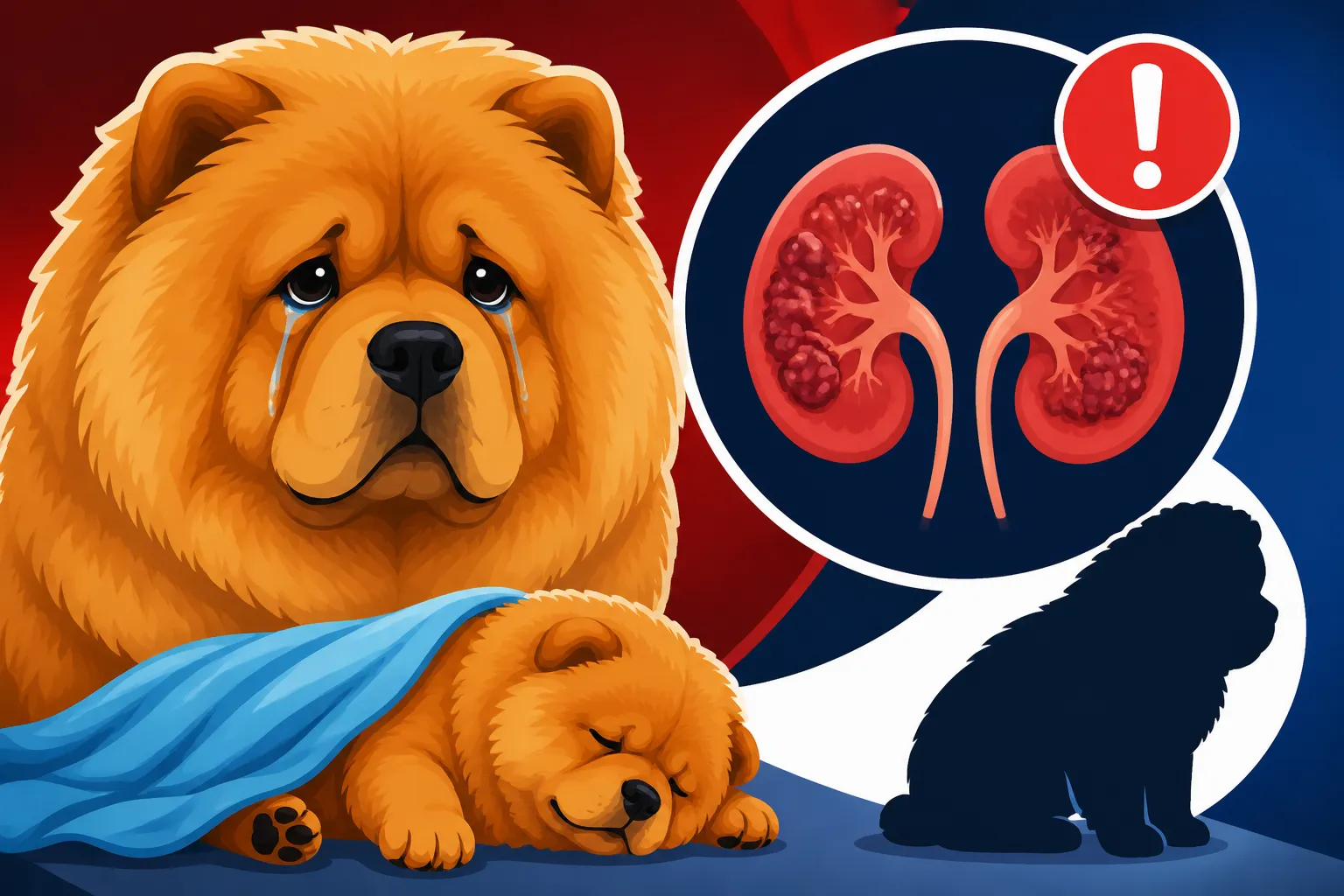
At its core, Familial Renal Dysplasia is a congenital defect where the kidneys don't develop properly. Think of it like a blueprint error in the body's filtration system. Instead of forming fully mature, functional nephrons (the tiny filtering units of the kidney), affected Chow Chows are born with kidneys that contain immature, disorganized structures. These kidneys might be abnormally small, misshapen, or have cysts. The critical issue is that these underdeveloped structures simply can't do the job of filtering waste products from the blood and concentrating urine effectively. Over time, as these compromised nephrons struggle and fail, they are replaced by scar tissue, a process called fibrosis. This progressive scarring leads to chronic kidney disease, ultimately resulting in kidney failure. It’s a relentless march that, sadly, often begins very early in life.
The Genetic Link: Why Chows Are Prone
You might wonder why this particular breed seems to carry such a heavy burden when it comes to kidney issues. The clue is right there in the name: "Familial" renal dysplasia. This isn't just a random occurrence; it's a genetic condition passed down through generations. While the exact mode of inheritance is still being researched, it's believed to be an autosomal recessive trait in some breeds, meaning a puppy must inherit two copies of the faulty gene (one from each parent) to develop the disease. If a dog inherits only one copy, they are a carrier and won't show symptoms but can pass the gene to their offspring. This makes identifying carriers and affected individuals incredibly important for responsible breeding programs. Without careful screening, the disease can silently spread through a breed's gene pool, leaving unsuspecting owners heartbroken when their beloved puppies succumb to it. This genetic predisposition means that even seemingly healthy parents could be carriers, unknowingly contributing to the problem.
How FRD Differs from Other Kidney Diseases
When you hear "kidney disease," your mind might jump to older dogs, gradual decline, or perhaps an acute injury. But FRD is distinct, and understanding these differences is crucial. Most commonly, chronic kidney disease (CKD) in older dogs is a result of years of wear and tear, age-related decline, or other underlying health conditions like dental disease or high blood pressure. Their kidneys slowly lose function over time, but they were initially developed correctly. Acute kidney injury (AKI), on the other hand, is a sudden, severe insult to the kidneys, often caused by toxins, infections, or severe dehydration, and sometimes reversible if caught quickly. FRD stands apart because the kidneys are never fully functional from the start. They are born with inherent structural defects, a fundamental flaw in development. This means that a young Chow Chow with FRD isn't getting "old dog kidney disease" prematurely; they're dealing with a deeply rooted developmental problem that predates even their birth. The progression, while also leading to kidney failure, typically manifests much earlier and often more aggressively than the more common forms of kidney disease seen in the general canine population.
The Silent Threat: How FRD Progresses in Young Chow Chows
The insidious nature of Familial Renal Dysplasia is how quietly it can advance, often masking its severity until it’s too late. As owners, we pour our hearts into our puppies, meticulously watching for any sign of trouble, but FRD can be particularly deceptive.
The Early Stages: When Symptoms are Subtle
One of the most frustrating aspects of FRD is that the early symptoms are incredibly subtle, often indistinguishable from normal puppy behavior or minor ailments. A puppy might seem a bit smaller than its littermates, or perhaps not quite as robust. They might seem a little less energetic after playtime, or their coat might not have that lustrous shine you expect from a healthy Chow. These are the kinds of things you might brush off as just individual variations or a slight "off" day. The problem is that while you're attributing these signs to normal puppy quirks, the kidneys are already struggling. The immature nephrons are slowly failing, and the body's compensatory mechanisms are working overtime to maintain balance. Because dogs, like people, are masters at hiding pain and illness, especially in their early stages, it can be weeks or even months before the true severity of the problem becomes undeniable. This makes early detection a monumental challenge for even the most vigilant owners and experienced veterinarians.
What Renal Dysplasia Does to a Chow Chow Puppy's Kidneys
To truly grasp the gravity of FRD, it helps to visualize what's happening internally. When a Chow Chow puppy has FRD, its kidneys aren't just "weak"; they are fundamentally malformed. Instead of having millions of perfectly formed, tiny filtering units (nephrons), their kidneys possess a reduced number of these units, and those that exist are often underdeveloped, immature, or disorganized. They might lack proper tubules, or the filtering glomeruli might be shrunken or scarred. This means the kidneys cannot efficiently remove waste products like urea and creatinine from the blood. Even more critically for a young pup, they cannot properly concentrate urine, leading to excessive water loss. You can learn more about this specific process in our guide, What Renal Dysplasia Does to a Chow Chow Puppy. As these malformed structures attempt to function, they become damaged, leading to progressive scarring (fibrosis). This fibrosis further diminishes the kidney's capacity, turning what should be a robust pair of organs into inefficient, shrunken, and ultimately failing filtration systems. The impact on a growing puppy, whose body demands peak kidney performance, is catastrophic.
Signs a Chow Chow Puppy Is Drinking Too Much
While many initial signs are vague, one symptom that often becomes more noticeable as FRD progresses is increased thirst and urination – what vets call polydipsia and polyuria. You might find yourself refilling the water bowl more frequently than seems normal for a puppy, or noticing that your Chow Chow puppy is having accidents indoors despite being mostly housetrained. They might even try to drink from unusual sources, like puddles outside or even the toilet. This isn't just a quirky habit; it’s a critical red flag. Because their kidneys can’t concentrate urine, they excrete a large volume of dilute urine, which in turn makes the puppy constantly dehydrated and thirsty. It's a vicious cycle: they drink more, so they urinate more, further stressing the already compromised kidneys. If you've ever wondered, Signs a Chow Chow Puppy Is Drinking Too Much can give you more specific behaviors to look out for. This increased water consumption often happens before other, more severe symptoms become apparent, making it one of the earliest concrete indicators that something might be seriously wrong with your Chow's kidney health.
Recognizing the Red Flags: Clinical Signs and Diagnosis
By the time the symptoms of Familial Renal Dysplasia become undeniable, many owners are already frantic, knowing something is deeply wrong but struggling to pinpoint what. The challenge is immense, particularly because Chow Chows are known for their stoic nature and ability to hide discomfort.
Beyond Thirst: Other Common Symptoms to Watch For
While increased thirst and urination are significant indicators, they are rarely the only signs. As the kidney failure progresses, waste products that should be filtered out begin to accumulate in the bloodstream, leading to a cascade of other issues. You might notice your Chow Chow puppy is lethargic, showing less interest in play or walks, and generally seeming subdued. Their growth might be stunted, lagging behind what's expected for their age and breed, even if they're eating reasonably well. Vomiting is also common, especially after eating, as the toxins build up and irritate the gastrointestinal tract. Weight loss, a dull, unkempt coat despite regular grooming, and even mouth ulcers or a distinct "uremic" breath (a chemical smell) can appear. Some puppies may also show a reluctance to eat, or have very finicky appetites, which further complicates their growth and overall health. Remember, Chow Chows can be quite reserved, making it even harder to spot subtle signs of discomfort. It's important to be extra vigilant and know How a Chow Chow Hides Pain when you’re observing these indicators.
When a Chow Chow Puppy Needs Kidney Bloodwork
If you observe any combination of these symptoms – excessive thirst, frequent urination, lethargy, poor appetite, or weight loss – it's absolutely critical to get your Chow Chow puppy to the vet for a thorough examination and, importantly, bloodwork. Your vet will likely want to run a complete blood count (CBC) and a biochemistry panel. Key indicators on the biochemistry panel to watch for include elevated blood urea nitrogen (BUN) and creatinine, which are waste products that healthy kidneys filter out. Elevated phosphorus levels are also common in kidney disease. A urinalysis will assess urine concentration (specific gravity), looking for abnormally dilute urine, and check for protein or other abnormalities. Additionally, a relatively new test called SDMA (Symmetric Dimethylarginine) can sometimes detect kidney disease earlier than traditional BUN and creatinine tests, though its interpretation in rapidly progressing congenital conditions like FRD in puppies is still being refined. Our guide, When a Chow Chow Puppy Needs Kidney Bloodwork, provides further detail on these critical tests. If initial bloodwork raises concerns, your vet might recommend additional diagnostics like abdominal ultrasound to evaluate kidney size and architecture.
The Definitive Diagnosis: Biopsy and Genetic Testing
While blood and urine tests can strongly suggest kidney disease, a definitive diagnosis of Familial Renal Dysplasia often requires a renal biopsy. This involves taking a small tissue sample from the kidney and examining it under a microscope to look for the characteristic immature nephrons and fibrosis. It's an invasive procedure, and vets must weigh the risks against the benefits, especially in a young, compromised puppy. Biopsies can provide crucial information for prognosis and guiding treatment, but they are not without complications.
Looking ahead, the holy grail for FRD prevention is a genetic test. Currently, for most breeds affected by FRD, there isn't a universally available, reliable DNA test that can definitively identify carriers or affected individuals. This is a significant hurdle for breeders trying to eliminate the disease from their lines. However, research is ongoing, and as canine genetics advances, there's hope that such tests will become available in the future. You might be asking, Whether Renal Dysplasia Has a DNA Test – and unfortunately, for the Chow Chow and many other breeds, the answer is still largely no for a direct, breed-specific FRD gene, making biopsy the current gold standard for definitive diagnosis in a living animal. This absence of a simple genetic test emphasizes why responsible breeding practices, including careful pedigree research and health screening of parent dogs, are so vital.
The Grim Reality: The Age Renal Dysplasia Kills a Chow Chow
Facing a diagnosis of Familial Renal Dysplasia in your young Chow Chow is devastating. The most painful question for any owner is always "How long?" and with FRD, the answer is often brutally swift and incredibly challenging to hear.
The Typical Onset and Progression
Familial Renal Dysplasia is characterized by its early onset. Symptoms typically manifest in puppies or young adult Chow Chows, often between 3 months and 2 years of age. While some might show subtle signs earlier, it's usually in this window that the disease progresses to a point where clinical signs become undeniable. The progression can vary. Some puppies experience a rapid, acute decline, seemingly going from healthy to critically ill in a matter of weeks. Their underdeveloped kidneys simply can't keep up with the demands of a growing body, leading to a swift accumulation of toxins and organ failure. Others might have a slightly more protracted course, with owners managing symptoms for several months, but the underlying kidney damage is always irreversible and progressive. This unpredictable timeline, combined with the youth of the affected dogs, makes it particularly heartbreaking. Our related article, The Age Renal Dysplasia Kills a Chow Chow, offers more detailed information on typical age ranges and outcomes, underscoring the severe nature of this condition.
Why Early Intervention is Crucial
Given the dire prognosis, it might seem counterintuitive to emphasize early intervention. However, while FRD is not curable, aggressive supportive care can sometimes buy a little more time and significantly improve the quality of life for a period. Catching the signs early, like the increased thirst or subtle lethargy, allows your veterinarian to start managing the symptoms before the kidneys are completely overwhelmed. This might involve dietary changes, medications to control phosphorus levels, or even fluid therapy to help flush toxins. The goal is to reduce the workload on the failing kidneys and alleviate the symptoms that cause discomfort. While it won't reverse the damage, it can make the puppy more comfortable, maintain their appetite, and potentially extend their time with you, even if only for a few precious months. Without early recognition and intervention, the decline is often much faster and more distressing for both the dog and its family.
Understanding the Prognosis and Quality of Life
The prognosis for Familial Renal Dysplasia is, unfortunately, poor. Because the kidney damage is congenital and progressive, affected Chow Chows rarely live to a normal lifespan. Many succumb to kidney failure before reaching two years of age, and some even earlier. The disease often leads to a severely compromised quality of life as toxins build up, causing nausea, weakness, and overall malaise. This is where the heartbreaking decisions often come into play for owners. You'll need to work closely with your veterinarian to assess your Chow's day-to-day comfort. Are they still enjoying food? Do they have any energy for short walks? Are they free from pain and constant nausea?
It’s an immensely difficult road, and focusing on quality of life becomes paramount. This might involve palliative care, which is about making your Chow Chow as comfortable as possible, even if a cure isn't an option. Having an open, honest conversation with your vet about your Chow's comfort levels and future outlook is essential. Some owners may choose to continue with supportive care for as long as their dog maintains a reasonable quality of life, while others may opt for humane euthanasia when suffering becomes apparent and unavoidable. There's no right or wrong answer here; it’s a deeply personal decision guided by love and compassion for your pet.
Living with FRD: Management and Supportive Care
Discovering your Chow Chow has Familial Renal Dysplasia means shifting gears from prevention to management. While there's no cure, thoughtful care can significantly impact your dog's comfort and potentially extend their good days. It's about working hand-in-hand with your vet to create a tailored plan.
Dietary Management: Supporting Failing Kidneys
The cornerstone of managing kidney disease, including FRD, is diet. When kidneys aren't filtering efficiently, certain nutrients can become problematic. Specifically, diets designed for kidney patients are typically lower in protein, but crucially, the protein included must be of high quality and highly digestible. This helps reduce the amount of nitrogenous waste products the struggling kidneys have to process. Furthermore, these diets are usually restricted in phosphorus, as diseased kidneys struggle to excrete it, leading to harmful buildup in the blood. They often have controlled levels of sodium and sometimes are supplemented with Omega-3 fatty acids, which can help reduce inflammation in the kidneys.
Brands like Royal Canin, Hill's Prescription Diet, Purina Pro Plan Veterinary Diets, and Healthy Paws (which isn't a food brand but often covers veterinary diet costs if you have insurance) offer prescription kidney diets that your vet can recommend. It's not about starving your dog of protein, but rather providing the right kind and amount of protein that is easiest on their system. Encouraging water intake is also vital to help flush toxins, so ensuring fresh, abundant water is always available is key. Sometimes, simply mixing a little warm water into their kibble can encourage them to drink more during mealtime.
Medication and Symptomatic Treatment
Beyond diet, your vet will likely prescribe medications to manage the specific symptoms of kidney failure. One of the most common issues is elevated phosphorus, which can lead to bone problems and further kidney damage. Phosphorus binders, taken with meals, help prevent the absorption of phosphorus from food. If your Chow Chow is experiencing nausea or vomiting, anti-nausea medications can make a huge difference in their comfort and willingness to eat. Appetite stimulants may also be used if your dog is refusing food, helping them maintain crucial calorie intake.
In more advanced stages, fluid therapy might be recommended. This can involve subcutaneous fluids (fluids given under the skin at home) to help rehydrate your dog and flush out toxins, giving their kidneys a bit of a break. Your vet will guide you on appropriate medications and dosages, continually adjusting the treatment plan as your Chow's condition changes. For instance, if you have pet insurance like Healthy Paws, it's worth checking if these ongoing prescription medications and treatments are covered, as kidney disease management can be quite costly over time. This proactive approach to medication is about managing the consequences of the kidney's dysfunction and improving day-to-day well-being.
Creating a Comfortable Environment
Managing FRD isn't just about medical interventions; it’s also about creating an environment that supports your Chow Chow's declining health. Easy and constant access to fresh water is non-negotiable. Place multiple water bowls around the house and ensure they are always full and clean. Because energy levels will likely be lower, adjust exercise routines. Short, gentle walks are usually preferable to strenuous activity.
Maintaining a comfortable temperature is also important. As their body struggles, Chows can be sensitive to extremes. A warm, soft, comfortable bed in a quiet area where they can rest undisturbed is essential. Remember, their immune system might also be compromised, making them more susceptible to infections, so maintain a clean living space. While a Chow Chow is typically aloof, they will still benefit immensely from your calm presence and gentle affection. Reducing stress in their environment can also help, as stress can impact overall health. Every little bit of comfort you can provide makes a world of difference during such a challenging time.
Preventing FRD: Responsible Breeding Practices
The heartbreaking reality of Familial Renal Dysplasia in Chow Chows puts a massive spotlight on the importance of responsible breeding. If we want to safeguard the future of this magnificent breed, understanding and implementing preventative measures at the breeding level is absolutely critical.
Whether Renal Dysplasia Runs in Chow Chow Lines
The very term "Familial Renal Dysplasia" tells us that this disease is hereditary, meaning it absolutely runs in certain Chow Chow lines. This isn't a random mutation in every litter; it's a genetic fault that is passed down from parent to offspring. This makes tracking pedigrees and understanding the health history of a dog's ancestors paramount. If FRD has been diagnosed in a particular line, even if it's several generations back, that line carries the risk. The genetic nature means that even if a parent dog appears perfectly healthy, they could be a carrier of the gene. This is why transparency and honesty from breeders are so vital. When considering a Chow Chow puppy, it's not enough to just see the parents; you need to investigate the health of their siblings, grandparents, and even great-grandparents if possible. For more information on this crucial aspect, you can refer to Whether Renal Dysplasia Runs in Chow Chow Lines. The goal is to avoid breeding dogs that are known carriers or have a history of FRD in their immediate lineage, thereby slowly but surely reducing the incidence of this devastating condition.
The Breeder's Role: Health Testing and Pedigree Review
A truly responsible Chow Chow breeder takes their role as guardians of the breed's health incredibly seriously. Their commitment goes far beyond just producing cute puppies. It involves extensive health testing of potential parent dogs before they are ever bred. While a direct genetic test for FRD is not widely available, breeders should still perform regular health screenings on their breeding stock, including comprehensive bloodwork and urinalysis. Annual or biannual kidney panels can help detect early signs of kidney issues, even if they aren't definitive for FRD itself.
Crucially, responsible breeders are meticulous in reviewing pedigrees. They should be able to discuss the health history of their dogs' ancestors, including any instances of FRD or other significant genetic health issues. They should be transparent about any known cases in their lines and actively work to breed away from them. This might mean making difficult decisions not to breed a particular dog, even if it's otherwise exceptional, if it carries too much risk for passing on FRD. A reputable breeder will also be part of breed clubs and networks, allowing them to gain wider knowledge about lines and health concerns within the breed.
What a Chow Chow Breeder Should Have Tested
When you're looking for a Chow Chow puppy, the breeder should be proactive in providing verifiable health clearances for the parents. Beyond general veterinary check-ups, there are specific health tests that any responsible Chow Chow breeder should run. For overall health, this usually includes certifications from the Orthopedic Foundation for Animals (OFA) for hips and elbows, given the breed's predisposition to joint issues like Elbow Dysplasia Ranks the Chow Chow Near the Top. Eye certifications from the Canine Eye Registry Foundation (CERF), or more recently, the OFA Eye Certification Registry (OFA-EYE), are also essential, as Chows are prone to eye conditions like entropion and glaucoma. Thyroid panels are also important, as autoimmune thyroiditis can affect the breed.
While there isn't a specific genetic test for FRD, a good breeder will regularly run comprehensive kidney function tests on their breeding dogs and scrutinize the health of past litters. They should have a clear understanding of the kidney health in their breeding lines. Our comprehensive guide, What a Chow Chow Breeder Should Have Tested, delves into all the necessary screenings, ensuring you know what to expect and what questions to ask when seeking a puppy. It's not just about what tests are run, but also the breeder's willingness to openly discuss results and their commitment to long-term breed health.
| Type of Test | What It Checks For | Relevance to FRD Prevention |
|---|---|---|
| Blood Chemistry | BUN, Creatinine, Phosphorus (kidney function) | Early detection of kidney compromise in parents |
| Urinalysis | Urine Specific Gravity, Protein, Glucose | Kidney's ability to concentrate urine and filter protein |
| OFA Hips/Elbows | Hip and Elbow Dysplasia | General skeletal health for breeding suitability |
| OFA Eye Cert. | Hereditary eye diseases (e.g., entropion, glaucoma) | Overall breed health; not directly FRD-related but shows commitment to health |
| Thyroid Panel | Autoimmune Thyroiditis | Screens for another common Chow Chow health issue |
| Pedigree Review | Health history of ancestors | Crucial for identifying lines with FRD |
Support for Owners: Navigating a Difficult Journey
When your beloved Chow Chow puppy is diagnosed with Familial Renal Dysplasia, the emotional and practical toll can be immense. It's a journey filled with uncertainty, sadness, and often, significant financial strain. Knowing where to turn for support is crucial.
Emotional Support and Resources
It's absolutely normal to feel overwhelmed, heartbroken, and even guilty when your puppy receives such a devastating diagnosis. You might question if you missed signs, or if there was something more you could have done. It's vital to remember that FRD is a genetic condition, and often, early signs are so subtle that they are incredibly easy to overlook. Don't carry that burden of guilt alone. Connecting with others who have gone through similar experiences can be incredibly validating and helpful. Online forums dedicated to Chow Chows, breed-specific kidney disease support groups on social media, or even general pet loss and chronic illness support communities can provide a safe space to share your feelings, ask questions, and gain insights from those who truly understand. Your veterinary team can also be a source of emotional support, providing compassionate guidance through this challenging time. Many veterinary clinics have staff trained in grief counseling, or can refer you to pet bereavement services.
Financial Considerations: Costs of Care
Let's be realistic: managing a chronic, progressive illness like FRD is expensive. The ongoing costs can quickly add up, from frequent vet visits and diagnostic tests (like repeat bloodwork, urinalysis, and potentially ultrasounds) to prescription diets, medications, and fluid therapy. A single month could easily run into hundreds of dollars, and over the course of the disease, these costs can become substantial. This is where pet insurance can be an absolute lifesaver. Companies like Healthy Paws offer comprehensive plans that, if enrolled before diagnosis, could cover a significant portion of these ongoing veterinary bills. It’s a stark reminder of Whether a Chow Chow Is Expensive to Own when faced with a serious health condition. Without insurance, owners might find themselves having to make heartbreaking decisions based on financial limitations, which adds another layer of stress to an already difficult situation. It's always wise to consider pet insurance early in your dog's life, especially for breeds known to have certain predispositions.
Advocating for Your Chow Chow
As an owner of a Chow Chow with FRD, you become your dog's strongest advocate. This means being informed, asking questions, and feeling empowered to seek clarification or even second opinions. Don't hesitate to ask your veterinarian to explain test results, treatment options, and the prognosis in detail. Keep a journal of your Chow's symptoms, medication schedule, and any changes in their behavior or appetite. This detailed information can be invaluable to your vet in adjusting the treatment plan.
If you ever feel uncertain about a diagnosis or treatment path, politely asking for a referral to a veterinary internal medicine specialist can provide additional expertise and peace of mind. These specialists have advanced training in diagnosing and managing complex internal diseases, including kidney conditions. Being an advocate means ensuring your Chow Chow receives the best possible care, tailored to their individual needs, and that you understand every step of the journey you're on together.
Disclaimer
The information provided in this article is for general informational purposes only and is not intended as a substitute for professional veterinary advice, diagnosis, or treatment. Always seek the advice of your veterinarian or other qualified animal health provider with any questions you may have regarding a medical condition. Never disregard professional veterinary advice or delay in seeking it because of something you have read in this article.