Whether a Chow Chow Is Expensive to Own
Bringing a Chow Chow into your life is an incredibly rewarding experience, but many prospective owners often wonder about the financial commitment involved. It's a fair question, and one that deserves a realistic, in-depth look beyond just the initial purchase price. Owning a Chow Chow is certainly not for the faint of heart, or the light of wallet, and this guide will break down the true expenses you can expect throughout their lifetime, from puppyhood to their senior years.
The Initial Investment: Puppy Price and Adoption Fees
The journey of Chow Chow ownership often begins with acquiring your furry companion, and this first step can vary significantly in cost depending on whether you choose to buy from a reputable breeder or adopt from a rescue organization. Understanding these initial outlays is crucial for setting realistic expectations.
Breeder Costs: The Price of a Well-Bred Puppy
When you look at puppies from a dedicated, responsible Chow Chow breeder, you'll quickly notice that prices aren't always low. There's a very good reason for this: quality breeding is expensive. A reputable breeder invests a tremendous amount of time, effort, and money into their dogs. This includes extensive health testing on the parent dogs for genetic conditions common in the breed, such as hip and elbow dysplasia, eye certifications, and thyroid panels. These tests alone can run into hundreds or even thousands of dollars per dog, and they're crucial for ensuring you bring home the healthiest puppy possible.
Beyond health clearances, breeders provide excellent prenatal and postnatal care for the mother and puppies. This means high-quality food, vet check-ups, necessary vaccinations, deworming, and meticulous socialization during those critical early weeks. They also often provide microchipping, initial vet checks for the puppies, and even a puppy starter pack with food, toys, and helpful information. All of these factors contribute to the price tag of a well-bred Chow Chow puppy. Skipping these steps to find a "bargain" puppy often means inheriting a host of potential health and behavioral issues down the line, which can end up costing you far more in vet bills and training efforts than any initial savings. You can delve deeper into this topic in What a Chow Chow Puppy Costs From a Breeder and Why Chow Chow Prices Range So Widely.
Adoption: A More Affordable Path?
For many, adoption offers a wonderful and often more budget-friendly alternative to purchasing from a breeder. Chow Chow rescue organizations work tirelessly to rehome Chows that, through no fault of their own, find themselves without a family. The adoption fees charged by these rescues are typically much lower than breeder prices, but they are not free. These fees help cover a portion of the significant expenses the rescue incurs, such as veterinary care (including spay/neuter surgery, vaccinations, microchipping, and any necessary treatments for existing health issues), food, shelter, and behavioral evaluations.
While adoption fees might seem like a straightforward cost, it's important to remember that a rescue Chow Chow may come with an unknown history. They might have ongoing health issues that require management or behavioral quirks that need patience and professional training. Many rescues do an incredible job of assessing these needs and providing initial care, but owners must be prepared for potential follow-up expenses. However, the emotional reward of giving a deserving Chow Chow a second chance at a loving home is priceless. Learn more about the costs involved in What Adopting a Chow Chow Costs and the common reasons these beautiful dogs end up needing a new home in Why Chow Chows Come Into Rescue.
Essential Recurring Costs: Food, Grooming, and Supplies
Once your Chow Chow is home, the regular, ongoing expenses truly begin. These are the costs you'll face month after month, year after year, and they form the backbone of your ownership budget.
Feeding Your Chow Chow: Quality Over Quantity
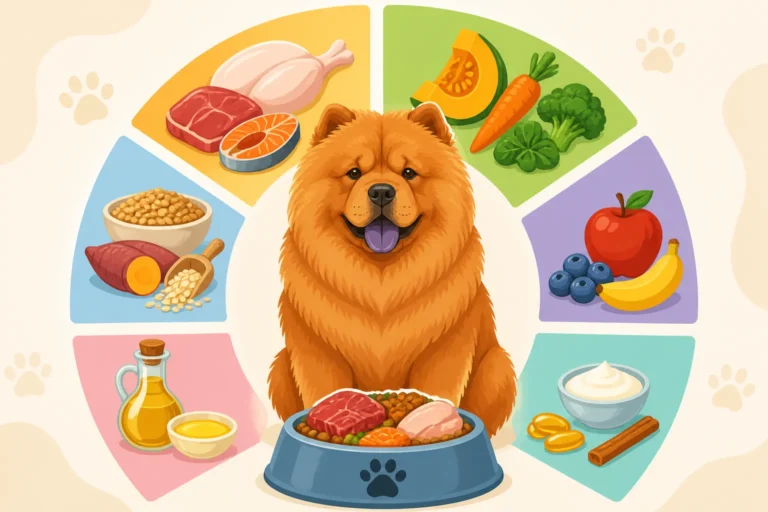
Chow Chows, despite their substantial build, aren't necessarily voracious eaters. They tend to have a more moderate appetite compared to some other large breeds, which can sometimes be a pleasant surprise for new owners. However, the cost of feeding a Chow Chow isn't just about the volume of food; it's crucially about the quality. A high-quality kibble or fresh food diet is paramount for their overall health, coat condition, and managing potential sensitivities. Look for foods with real meat as the first ingredient and avoid excessive fillers.
Choosing a premium diet might mean a higher price per bag or per serving, but it can pay dividends in the long run by supporting better digestion, a healthier coat, and potentially reducing vet visits for diet-related issues. Brands like Ollie, known for their fresh, human-grade food delivery, can be an excellent option for Chows, though they represent a higher price point than traditional kibble. Don't be surprised if your Chow Chow skips a meal now and then; they are notorious for being somewhat particular about their food. Understanding How Much an Adult Chow Chow Eats and Whether a Chow Chow Is a Fussy Eater can help you budget accurately.
The Realities of Chow Chow Grooming
If there's one area where Chow Chow owners often underestimate expenses, it's grooming. Whether you have a rough-coated Chow Chow with its magnificent lion-like mane or a smooth-coated one, both require consistent and thorough grooming to prevent matting, skin issues, and excessive shedding. The dense double coat sheds seasonally, or "blows" its coat, requiring even more intensive brushing during those times.
Many owners opt for professional grooming, and for a Chow Chow, this is a significant expense. Groomers who specialize in double-coated breeds and understand the Chow Chow's temperament often charge a premium due to the time and effort involved. It's not just a quick bath; it's meticulous line brushing, de-shedding treatments, and thorough drying to prevent skin problems. If you choose to groom at home, you'll need to invest in quality tools like slicker brushes, undercoat rakes, and a high-velocity dryer. Even with home grooming, occasional professional help for a full bath and blow-out during coat changes can be invaluable. Get a sense of the costs by exploring What Professional Grooming Costs for a Chow Chow and How Often a Chow Chow Needs a Groomer.
General Supplies and Everyday Needs
Beyond food and grooming, there's a myriad of everyday supplies that contribute to the cost of Chow Chow ownership. This includes basics like sturdy collars and leashes – Chows are strong dogs, so cheap gear won't cut it – and a comfortable, appropriately sized dog bed. Because Chows can run warm, especially in summer, you might also consider a cooling mat or a cooling vest to help keep them comfortable, which adds to the initial setup cost.
Toys are another ongoing expense, though Chows aren't always the most toy-driven dogs. Durable chew toys are a good investment to help with dental health and prevent boredom. Don't forget treats for training and enrichment, waste bags, and cleaning supplies for those inevitable accidents. Factor in things like sturdy food and water bowls, and a large crate if you plan on crate training. These items might seem small individually, but they certainly add up over time.
Health and Veterinary Care: Where the Real Costs Can Pile Up
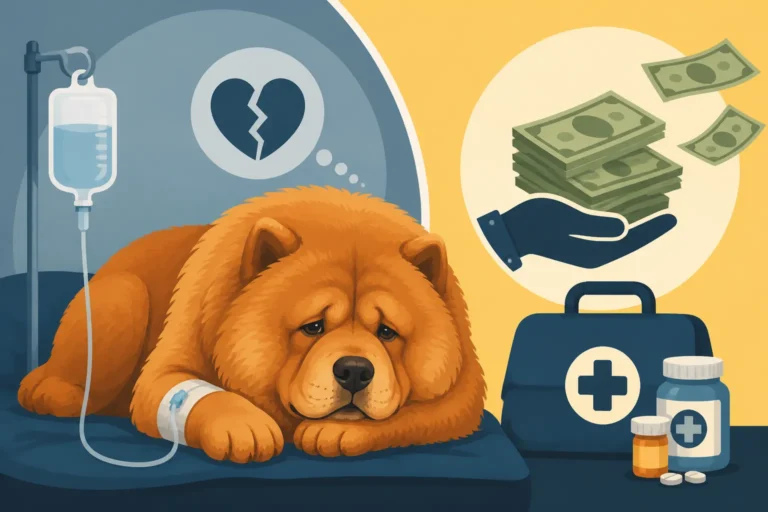
Perhaps the most unpredictable, and potentially highest, area of expense for any dog owner is veterinary care. While responsible breeding aims to reduce the incidence of genetic diseases, no dog is immune to illness or injury, and Chow Chows have particular health considerations.
Routine Vet Visits and Preventative Care
Even the healthiest Chow Chow needs regular preventative care. This includes annual wellness exams, which are crucial for catching potential issues early. During these visits, your vet will conduct a thorough physical examination, ensuring your Chow's eyes, ears, teeth, and joints are in good order. Vaccinations are another critical part of routine care, protecting your Chow Chow from common and dangerous diseases. Depending on your region and lifestyle, you'll also need to budget for monthly parasite prevention for fleas, ticks, and heartworm.
Beyond these basics, many vets recommend annual bloodwork for adult Chows, especially as they approach their senior years, to monitor organ function and detect underlying conditions. Dental care, which often involves professional cleanings under anesthesia, is also a significant expense that arises every few years for many dogs. Being diligent with routine care helps maintain their overall health and can actually prevent more costly emergencies down the road. You can learn more about What a Chow Chow's Yearly Exam Costs and What a Chow Chow's Vaccinations Cost.
Common Chow Chow Health Issues and Their Treatment
Chow Chows are unfortunately predisposed to several health conditions that can lead to substantial veterinary bills. One of the most common is entropion, where the eyelid rolls inward, causing eyelashes to rub against the cornea. This condition often requires corrective surgery, and sometimes more than one procedure. The cost of entropion surgery can be significant, especially if both eyes are affected or if complications like corneal ulcers arise. It's a key reason why many potential Chow Chow owners are advised to budget specifically for this possibility, as detailed in The Entropion Surgery Every Chow Chow Owner Should Budget For.
Another concern is elbow and hip dysplasia, painful joint conditions that can develop during growth. Severe cases might necessitate surgical intervention to improve quality of life, with costs easily reaching into the thousands. While responsible breeders screen for these, they can still occur. Glaucoma, a condition causing increased pressure within the eye, can lead to blindness if not treated rapidly. This is a veterinary emergency that can result in ongoing medication costs or even eye removal. Understanding What Elbow Dysplasia Does to a Chow Chow and knowing that Glaucoma Can Blind a Chow Chow in Days highlights the importance of financial preparedness for these serious issues.
Pet Insurance: A Financial Lifeline?
Given the potential for high veterinary costs, pet insurance is an investment many Chow Chow owners find invaluable. While it's an added monthly premium, it can provide significant peace of mind and prevent devastating financial strain in the event of an unexpected illness or injury. Policies vary widely, covering everything from accidents and illnesses to wellness plans that help with routine care. It's crucial to enroll your Chow Chow when they are young and healthy, as pre-existing conditions are typically not covered.
Some insurers, however, may list Chow Chows as a restricted breed or charge higher premiums due to their breed-specific health predispositions. It's important to research different providers like Healthy Paws and compare plans carefully. While pet insurance won't cover everything, it can make serious medical situations far more manageable. Consider looking into Insuring a Chow Chow When Carriers Say No and What Pet Insurance Costs on a Chow Chow at Eight to understand the financial implications as your Chow Chow ages.
Training, Socialization, and Behavioral Investment
Chow Chows are known for their independent and sometimes stubborn nature, which means that early and consistent training and socialization are not just beneficial, but absolutely essential. This proactive investment can prevent costly behavioral problems down the line.
The Importance of Early Training and Socialization
A Chow Chow puppy's formative weeks are critical for developing a well-adjusted adult dog. Without proper socialization, Chow Chows can become overly reserved, fearful, or even reactive towards strangers, other dogs, or unfamiliar situations. Puppy classes, supervised exposure to new sights and sounds, and positive interactions with various people and animals are vital. While you can do much of this yourself, professional puppy socialization classes or private training sessions can provide invaluable guidance and a structured environment.
These training expenses, whether for group classes or one-on-one sessions, are an investment in your Chow's future temperament and your peace of mind. A well-socialized Chow Chow is far less likely to develop behavioral issues that might require costly intervention from a veterinary behaviorist later on. It truly makes a world of difference. To understand the profound impact, read more about Why Early Socialization Decides What a Chow Chow Becomes and consider Whether a Chow Chow Needs a Professional Trainer Early.
Managing Unique Chow Chow Behaviors
Chow Chows have certain breed-specific traits that owners need to understand and manage. Their deep-set eyes limit their peripheral vision, making them prone to startling if approached unexpectedly from the side or behind. Their natural aloofness means they aren't typically "everyone's friend" and often bond strongly with one primary person while tolerating others. They also possess a strong guarding instinct, often becoming territorial over their home, yard, or even their people and possessions.
These traits, while part of the breed's charm, can become problematic without proper management. If not addressed through consistent training and clear boundaries, guarding behaviors or reactivity can lead to situations that require specialized training or even costly legal advice if an incident occurs. Understanding How Aloof a Chow Chow Really Is and What a Chow Chow Guards and Why is key to proactive management and responsible ownership. Investing in secure fencing and clear communication with guests is also part of managing these behaviors effectively.
Hidden and Unexpected Costs of Chow Chow Ownership
Beyond the obvious expenses, there are often hidden or unexpected costs that can quickly add up, especially for a breed with the Chow Chow's unique needs and characteristics.
Home Modifications and Environmental Needs
Given the Chow Chow's dense double coat and often brachycephalic (short-nosed) features, they are highly susceptible to overheating. This means that if you live in a warm or humid climate, maintaining a cool indoor environment isn't a luxury; it's a necessity. Running air conditioning for extended periods, especially during summer months, will significantly impact your electricity bills. Some owners also invest in dedicated fans, cooling mats, or even kiddie pools for outdoor supervised cool-down sessions. These aren't just comfort items; they are essential for your Chow Chow's safety and health.
Furthermore, Chow Chows have a strong guarding instinct and can be protective of their territory. A secure, well-fenced yard is crucial, not just for their safety, but also to prevent them from roaming or interacting negatively with passersby. Investing in robust fencing or regular maintenance of existing barriers adds to the overall cost of ownership. These environmental adjustments are important considerations often overlooked by new owners. You can learn more about What Fencing a Chow Chow Requires and What Air Conditioning Costs a Chow Chow Owner in Summer.
Emergency Situations and Senior Care
No matter how careful you are, unexpected emergencies can happen. An accidental injury, a sudden illness, or even an acute case of bloat (a life-threatening condition for large, deep-chested breeds, though less common in Chows than some) can result in an emergency vet visit that costs thousands of dollars. Having an emergency fund or robust pet insurance is vital for these unforeseen circumstances.
As your Chow Chow ages, their health needs often become more complex. Senior Chows may develop arthritis, requiring joint supplements or pain medication. They might experience declining vision or hearing, or develop age-related conditions like kidney disease, heart problems, or cancer. Caring for an aging Chow Chow often involves more frequent vet visits, specialized diets, ongoing medications, and potentially costly diagnostic tests. These costs can quickly escalate during their twilight years. For a realistic look at these later-life expenses, read about What a Chow Chow's Final Illness Costs and Caring for an Old Chow Chow.
A Lifetime Financial Commitment: The Long-Term View
When considering whether a Chow Chow is expensive to own, it’s important to look beyond just a single year and grasp the full financial commitment across their entire lifespan, which typically ranges from eight to twelve years.
Annual Breakdown: What to Expect Year After Year
While the initial puppy purchase or adoption fee is a one-time cost, most other expenses are recurring. Food, grooming (whether professional or home-based with tool investments), routine veterinary care, and pet insurance premiums are monthly or annual commitments. Training might be more front-loaded in puppyhood but can resurface if behavioral issues develop or if you pursue advanced obedience.
The table below provides a generalized overview of potential annual costs, acknowledging that these figures can fluctuate based on location, choices (e.g., premium food vs. budget kibble, professional grooming vs. DIY), and your dog's individual health needs. It's a spectrum, not a fixed sum.
| Category | Estimated Annual Cost Range (USD) | Notes |
|---|---|---|
| Food | 500 – 1,000 | Varies with diet quality (kibble vs. fresh food like Ollie), dog's size, and activity level. |
| Grooming (Professional) | 600 – 1,800 | 4-6 professional grooms for a rough coat; home grooming saves money but requires tool investment. |
| Routine Vet Care | 300 – 800 | Annual exams, vaccinations, deworming, flea/tick/heartworm prevention. |
| Pet Insurance | 600 – 1,200 | Premiums vary by age, location, and coverage level (e.g., Healthy Paws). |
| Supplies (Toys, Treats) | 200 – 500 | Bowls, leashes, beds, waste bags, cleaning supplies, and recurring toy/treat purchases (e.g., from Chewy). |
| Training/Behavior | 0 – 600 | Puppy classes, advanced obedience, or addressing specific issues. Highly variable. |
| Miscellaneous/Emergency | 300 – 1,000 | Unexpected vet visits, emergency fund contributions, home cooling costs. |
| Total Annual Estimate | 2,500 – 6,000+ | Does not include initial purchase price or major surgeries/chronic illness management. |
This table highlights that ownership is a continuous financial commitment. Remember, these are estimates, and unforeseen circumstances can push these figures higher.
Is a Chow Chow Right for Your Budget?
Ultimately, a Chow Chow is generally considered an expensive breed to own, not just because of their initial purchase price, but due to their specific grooming needs, potential health predispositions, and the necessity of investing in robust training and socialization. The average Chow Chow lifespan of eight to twelve years means you're looking at a multi-decade financial commitment. From the cost of a healthy puppy to managing senior care, every stage comes with its unique expenses.
It's vital for prospective owners to be realistic about their financial capacity. Can you afford quality food, regular professional grooming, and comprehensive veterinary care? Do you have an emergency fund, or robust pet insurance, to cover unexpected illnesses or injuries? These are not luxuries; they are fundamental requirements for providing a Chow Chow with a happy, healthy life. Choosing a Chow Chow should be a decision based on a deep understanding of their unique personality, care requirements, and the significant financial responsibility they entail. Thinking through Whether a Chow Chow Suits a First Time Owner's Budget and contemplating What a Chow Chow Costs Over Its Lifetime will give you the clearest picture. They are magnificent dogs, but they deserve an owner who is prepared for every aspect of their care.
Disclaimer
This article is for general informational purposes only and does not constitute professional advice. Laws, prices and regulations vary by location and change over time. Consult a qualified professional for guidance on your specific situation.