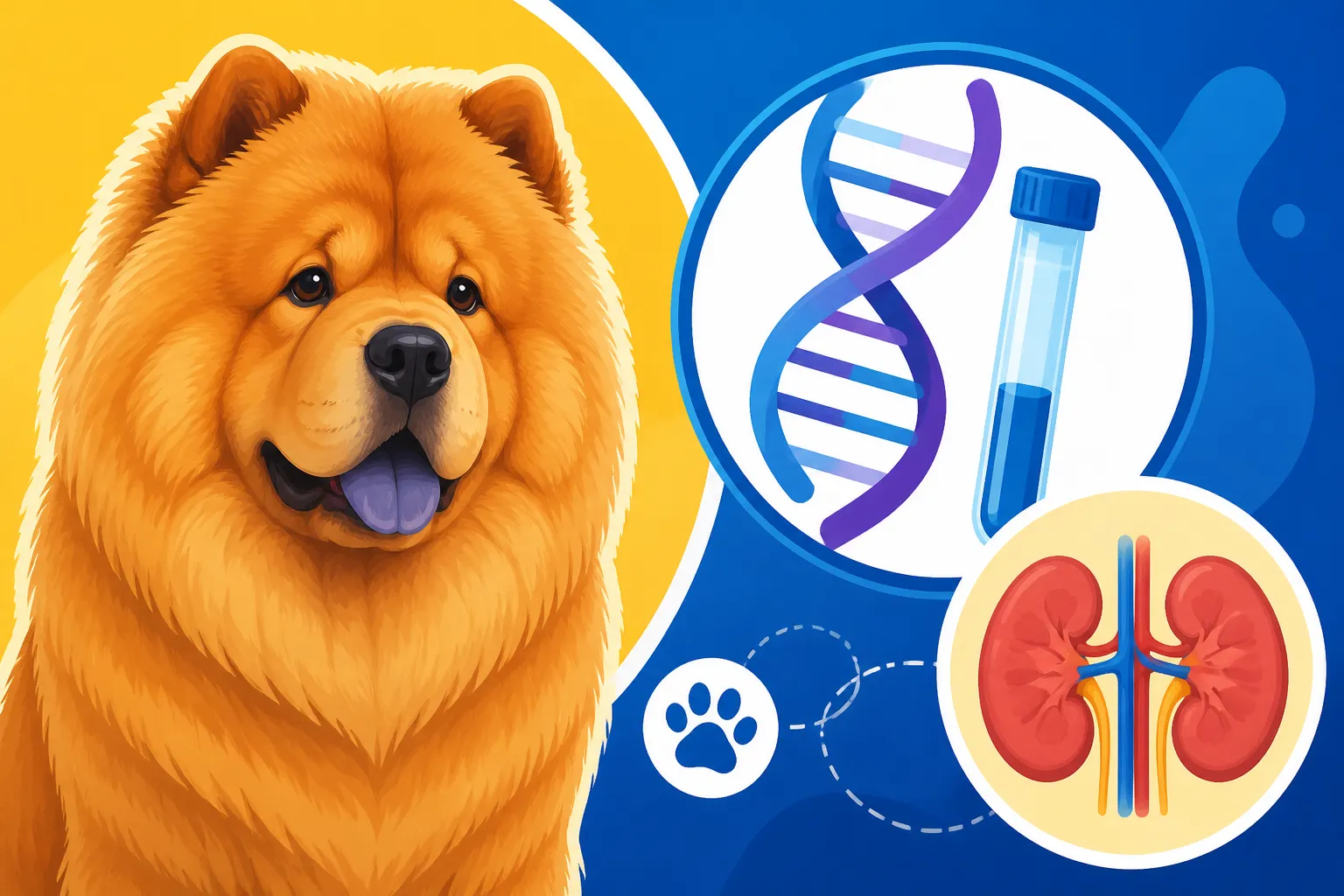
Whether Renal Dysplasia Has a DNA Test
It’s truly heart-wrenching when you learn about the potential health challenges your beloved Chow Chow might face, and kidney issues, especially something as serious as renal dysplasia, can be particularly terrifying. Many of us hope for a simple genetic test to rule out these conditions, offering peace of mind or a clear path forward. This guide aims to clarify whether a specific DNA test exists for renal dysplasia in Chow Chows and what steps responsible owners and breeders can take.
The Truth About DNA Testing for Renal Dysplasia in Chow Chows
The quest for a definitive DNA test for every inherited condition in our dogs is a natural one, born out of a desire to prevent suffering and make informed decisions. When it comes to familial renal dysplasia in Chow Chows, the situation isn't as straightforward as many might hope. You might search high and low for a simple cheek swab test, only to find frustratingly little specific information. This often leaves owners feeling confused and helpless, wondering if they missed something crucial.
Why a Direct DNA Test Isn't Widely Available
Currently, there isn't a universally recognized, commercially available DNA test specifically for familial renal dysplasia in Chow Chows that can identify affected dogs or carriers with a simple genetic marker. This isn't for lack of scientific effort, but rather reflects the complex nature of the disease. Renal dysplasia, like many inherited conditions, can be polygenic, meaning it involves multiple genes working in concert, potentially alongside environmental factors. Pinpointing a single or even a few specific genetic mutations responsible for all cases within a breed can be incredibly challenging. Researchers might identify markers associated with an increased risk, but these aren't always definitive predictive tests.
The absence of a direct DNA test also means that breeders cannot simply test their breeding stock to ensure they are clear of the gene before mating. This makes the breeding process for Chows a nuanced ethical challenge, where careful pedigree research and veterinary screening become paramount. While a DNA test would be a game-changer, the reality is that the scientific community is still working to unravel the intricate genetic pathways involved in many complex diseases, and renal dysplasia in Chow Chows is one such example where a clear genetic blueprint remains elusive.
The Complex Genetics of Kidney Disease
Kidney diseases, including renal dysplasia, are often incredibly complex from a genetic standpoint. While we know that familial renal dysplasia is definitely an inherited condition in Chow Chows, the exact mode of inheritance and the specific genes involved are still areas of ongoing research. It’s not like a simple dominant or recessive trait where one gene pair dictates everything. Instead, multiple genes might contribute to the development of abnormal kidney tissue, and some of these genes might have varying penetrance, meaning not every dog with the genetic predisposition will develop the disease to the same severity.
This complexity is what makes developing a definitive DNA test so difficult. Imagine trying to isolate a single thread from a massive, intricately woven tapestry – it's a monumental task. This is why veterinarians and breed clubs rely on a combination of clinical evaluations, historical data, and careful pedigree analysis to manage and reduce the incidence of such diseases. The genetic puzzle is being worked on by dedicated researchers, but until those pieces fully fall into place, we must rely on other, albeit less direct, methods of identification and prevention.
Understanding Familial Renal Dysplasia in Our Beloved Chows
Familial renal dysplasia is a truly devastating condition that affects Chow Chows, often with tragic consequences for young puppies. It’s not just a minor issue; it’s a severe developmental abnormality of the kidneys. The frustration for owners comes from its insidious nature – it can be present from birth, but the signs might not be obvious until the kidneys are significantly compromised. This makes early detection incredibly difficult, and by the time symptoms appear, the damage is often irreversible.
What Renal Dysplasia Does to a Chow Chow Puppy
In simple terms, renal dysplasia means the kidneys haven't developed properly. Instead of forming healthy, functional kidney tissue, parts of the kidney are immature, disorganized, or contain cysts. These abnormal areas can't do the vital work of filtering waste products from the blood and maintaining fluid balance. For a growing Chow Chow puppy, this means their tiny kidneys are essentially failing to keep up with the demands of their body. As the condition progresses, the remaining healthy kidney tissue becomes overworked, eventually leading to kidney failure. This is why the disease is so often diagnosed in young dogs, leading to heartbreak for families. You can learn more about What Renal Dysplasia Does to a Chow Chow Puppy by exploring further resources.
The impact is profound and widespread. Puppies with severe renal dysplasia may never thrive, showing signs of poor growth, a dull coat, and general weakness. As the kidneys struggle, toxins build up in the blood, affecting nearly every organ system. It's a progressive disease, meaning it generally worsens over time, and sadly, in many severe cases, it can lead to premature death. Understanding The Age Renal Dysplasia Kills a Chow Chow highlights just how quickly this can unfold, leaving little time for intervention once significant symptoms appear.
Recognizing the Subtle Signs of Kidney Trouble
One of the most challenging aspects of renal dysplasia is how subtle its initial signs can be, especially in a stoic breed like the Chow Chow. Puppies are often good at masking discomfort, and their dense coats can hide weight loss or poor body condition. However, there are warning signs that responsible owners and breeders should be acutely aware of. One of the earliest and most common indicators of kidney dysfunction is an increase in thirst and urination. You might notice your puppy drinking excessively and having more accidents in the house than expected. Recognizing Signs a Chow Chow Puppy Is Drinking Too Much is crucial for early intervention.
Other symptoms can include a lack of appetite, lethargy, vomiting, or a dull, unthrifty appearance. Some puppies may seem to have chronic urinary tract infections. As the disease progresses, you might observe weight loss, poor growth compared to littermates, and an overall decline in vitality. It's easy to dismiss some of these as "just a puppy thing" or a minor upset stomach, but with a breed known for familial renal dysplasia, any persistent combination of these signs warrants immediate veterinary attention. Don't hesitate to seek a vet's opinion, even if you just have a nagging feeling something isn't quite right.
Essential Screening and Responsible Breeding Practices
Given the lack of a direct DNA test, breeders and owners must rely on other crucial tools to screen for and manage familial renal dysplasia. This involves a multi-pronged approach combining veterinary diagnostics with rigorous ethical breeding practices. It's a commitment that ultimately helps safeguard the future health of the breed and prevents immense heartache for countless families.
Veterinary Diagnostics Beyond DNA
Since we don't have a simple DNA test, veterinarians use a combination of methods to diagnose renal dysplasia. These typically include blood tests, urinalysis, and imaging. Regular blood work, especially checking kidney values like BUN (Blood Urea Nitrogen) and creatinine, can indicate how well the kidneys are functioning. However, these values often don't elevate significantly until a substantial portion of kidney function is already lost. That's why When a Chow Chow Puppy Needs Kidney Bloodwork is so important—early screening can catch issues before they become critical.
Urinalysis is also vital, looking for abnormalities like dilute urine (meaning the kidneys aren't concentrating it properly), protein in the urine, or signs of infection. The most definitive diagnostic tool is often a kidney biopsy, where a small tissue sample is taken and examined under a microscope. This can confirm the presence of dysplastic tissue. While a biopsy is invasive, it provides a clear diagnosis. Ultrasound imaging can also reveal abnormal kidney size, shape, and architecture, offering clues to the underlying problem. It's these diagnostic steps that help confirm How Renal Dysplasia Shrinks a Chow Chow's Kidneys over time.
For breeders, proactive screening of potential breeding animals is paramount, even if a direct DNA test isn't available. This often includes regular kidney function tests and potentially renal ultrasounds before breeding. This practice, while not foolproof, can help identify animals that may be silently affected or at higher risk of producing affected offspring.
Here’s a look at common diagnostic approaches:
| Diagnostic Test | What it Measures/Reveals | Timing/Frequency | Significance for Renal Dysplasia |
|---|---|---|---|
| Urinalysis | Urine specific gravity, protein, presence of cells/casts | Yearly, or with symptoms | Low specific gravity (dilute urine) and proteinuria can indicate poor kidney function. |
| Blood Chemistry | BUN, Creatinine, Phosphorus | Yearly, or with symptoms | Elevated levels indicate reduced kidney function, often when 75% or more is lost. |
| Abdominal Ultrasound | Kidney size, shape, architecture, presence of cysts | Recommended for breeding stock, with symptoms | Can reveal abnormal kidney structure, small kidneys, or cysts characteristic of dysplasia. |
| Kidney Biopsy | Microscopic examination of kidney tissue | When other tests are suggestive | Definitive diagnosis by identifying immature or disorganized kidney tissue. |
Protecting Future Generations Through Ethical Breeding
Responsible breeding is the cornerstone of combating inherited diseases like renal dysplasia, especially when a DNA test isn't available. This means meticulous research into pedigrees, understanding the health history of not just the sire and dam, but also their siblings, parents, and even grandparents. Breeders should be transparent about any known cases of renal dysplasia in their lines and actively work to reduce its incidence. This practice goes hand-in-hand with the comprehensive health testing discussed above. Ensuring What a Chow Chow Breeder Should Have Tested involves a broad spectrum of screenings, and kidney evaluations should certainly be on that list.
A truly ethical breeder will conduct annual wellness exams for their breeding dogs, including kidney panels and regular urinalyses, and potentially ultrasounds, to ensure their health. They should also be willing to discuss the health of the entire pedigree, going back several generations. If a breeder is evasive or dismisses concerns about inherited conditions, it's a major red flag. By carefully screening breeding stock and making informed decisions, breeders can significantly reduce the risk of producing puppies afflicted with this devastating condition. You should always inquire about Which Health Tests a Chow Chow Breeder Should Run before committing to a puppy.
It's also essential to consider the financial commitment involved in proactive health screening. Owners should understand that supporting a breeder who invests in thorough health testing might mean a higher initial puppy cost, but this investment often pays dividends in the long run by reducing the likelihood of expensive health issues later. Pet insurance providers like Healthy Paws can offer crucial support for unexpected veterinary bills, but prevention through responsible breeding remains the best first line of defense.
Living with a Chow Chow Diagnosed with Renal Dysplasia
Receiving a diagnosis of renal dysplasia for your Chow Chow is devastating. It's a heavy blow, and the path forward can feel overwhelming. However, a diagnosis doesn't mean giving up. Instead, it shifts the focus to providing the best possible quality of life through careful management and unwavering support. It's a testament to the deep bond we share with our Chows that we commit to their well-being, even in the face of such challenges.
Managing Symptoms and Supporting Kidney Health
While renal dysplasia is not curable, its progression can often be slowed and symptoms managed with dedicated veterinary care. The primary goals are to support the remaining kidney function, prevent further damage, and maintain the dog's comfort and quality of life. This typically involves several key strategies. Dietary management is paramount; your veterinarian will likely recommend a prescription kidney diet, which is typically lower in protein, phosphorus, and sodium. These diets are specifically formulated to reduce the workload on the kidneys and minimize the buildup of waste products.
Fluid management is also critical. Ensuring your Chow Chow always has access to fresh water is essential, and your vet might even suggest methods to encourage increased water intake, such as adding water to food or offering a pet fountain. In some cases, subcutaneous fluids might be administered at home to help flush toxins and maintain hydration. Medications might also be prescribed to control symptoms like nausea, vomiting, or high blood pressure, which often accompany kidney disease. Regular veterinary check-ups, including blood work and urinalysis, will be necessary to monitor the disease's progression and adjust treatments as needed. Remember, an aging Chow Chow will have unique needs, and for more general information on their senior years, consider reading about Caring for a Chow Chow Past Eight.
The Emotional Toll on Chow Chow Owners
Living with a dog diagnosed with a chronic, life-limiting condition like renal dysplasia takes an immense emotional toll on owners. The constant worry, the meticulous medication schedules, the special diets, and the frequent vet visits can be exhausting, both emotionally and financially. It’s okay to feel overwhelmed, sad, and even angry. These feelings are a natural part of caring for a beloved pet through a serious illness. The bond with a Chow Chow is incredibly strong, and watching them struggle is incredibly difficult.
It's important to build a strong support system – your veterinarian, veterinary technicians, and even online communities of Chow Chow owners can provide invaluable emotional support and practical advice. Don't be afraid to ask questions, voice your concerns, and seek help. Companies like Healthy Paws, which provide pet insurance, can help alleviate some of the financial stress associated with long-term chronic care, allowing you to focus more on your dog's comfort and less on the rising costs. While the average lifespan of a Chow Chow is generally between The Eight to Twelve Years a Chow Chow Gets, a renal dysplasia diagnosis can tragically shorten this, making every moment even more precious. Focusing on quality of life and cherishing the time you have together becomes the most important aspect of care.
Disclaimer
Please remember that the information provided in this guide is for educational purposes only and should not replace professional veterinary advice. Always consult with a qualified veterinarian for any health concerns or before making any decisions about your Chow Chow's care.