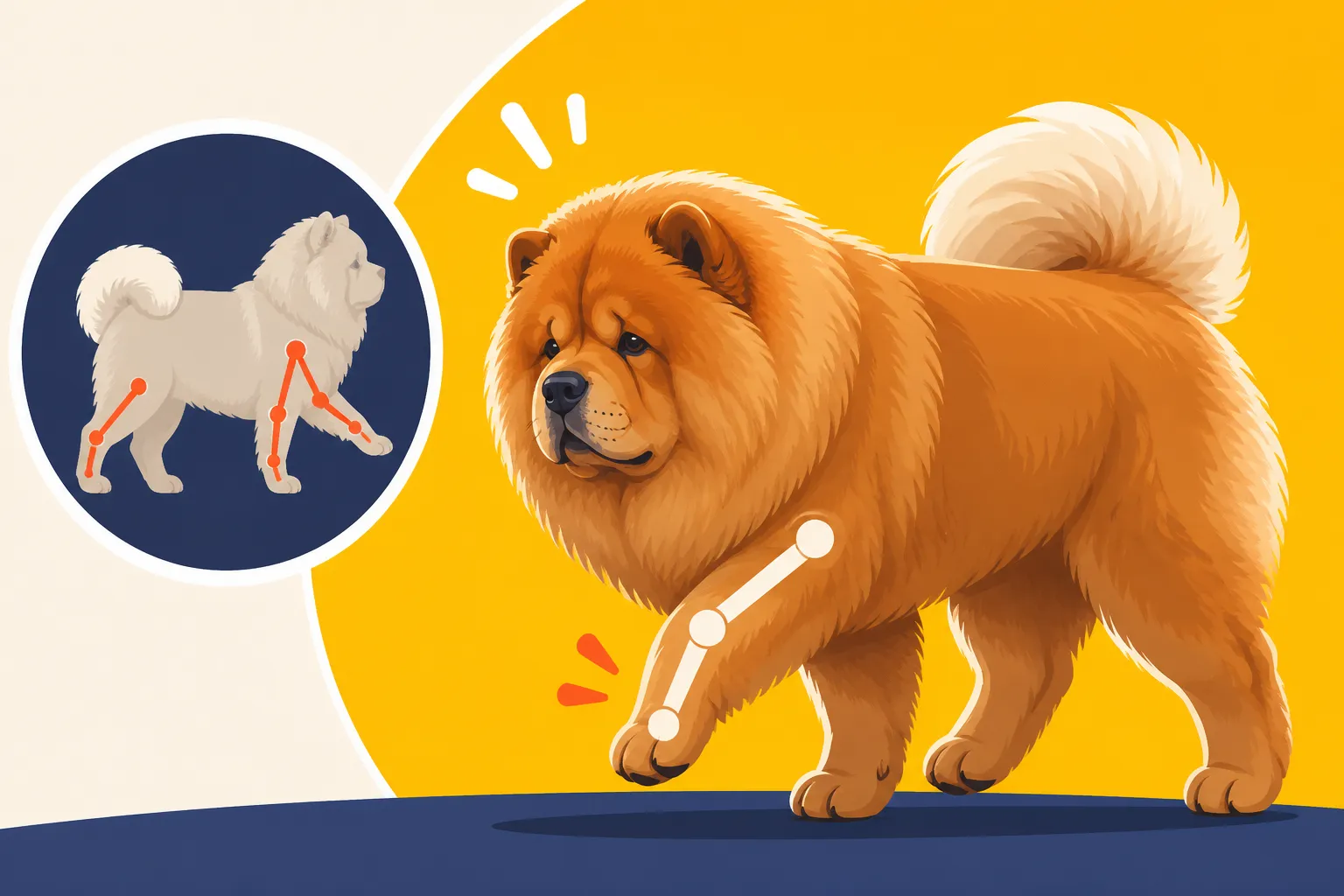
Why a Chow Chow Moves With a Stilted Gait
It’s a common sight for Chow Chow owners and a point of fascination, or sometimes concern, for others: the distinctive way these majestic dogs carry themselves. If you’ve ever watched a Chow Chow move, you’ve probably noticed that their stride isn’t like most other breeds. They often appear to have a rather stiff, deliberate, almost "stilted" gait, which can look a little awkward or even painful if you don’t understand the underlying reasons. This unique way of walking is actually quite normal for the breed and is deeply rooted in their ancient origins and specific physical conformation. This guide will delve into the fascinating anatomy and history behind the Chow Chow's signature movement, helping you understand why your fluffy companion moves the way they do and when to distinguish normal breed traits from potential health concerns.
Understanding the Chow Chow's Unique Anatomy
The Chow Chow’s distinctive movement isn't a random quirk; it's a direct consequence of their specific skeletal and muscular structure, which differs significantly from many other dog breeds. Their unique conformation is a hallmark of the breed, contributing to both their powerful appearance and their characteristic gait.
The Straight Rear Leg Conformation
One of the most defining features of a Chow Chow's skeletal structure, and the primary driver of their stilted gait, is their remarkably straight rear leg assembly. Unlike many breeds that have angulated stifles (knees) and hocks (ankles) designed for powerful propulsion and flexibility, a Chow Chow's rear legs are much straighter. This means their stifle and hock joints have less bend, resulting in a more upright stance when standing and a very particular motion when walking.
When a Chow Chow moves, their hind legs swing forward almost like pendulums rather than bending and extending with significant flexion and drive. This lack of deep angulation prevents the powerful spring and reach seen in, say, a German Shepherd or a Labrador. Instead, each step is shorter, more deliberate, and less ground-covering, leading to that distinct "stilted" appearance. Think of it less as a fluid, springy movement and more as a stately, marching stride. This unique conformation is so characteristic that it's often referred to as "the straight rear leg no other breed has" in breed standards. It's not a flaw, but an intrinsic and defining trait. While it may look unusual to the uninitiated, for a healthy Chow Chow, this is their natural, efficient way of getting around.
Deep-Set Eyes and Restricted Peripheral Vision
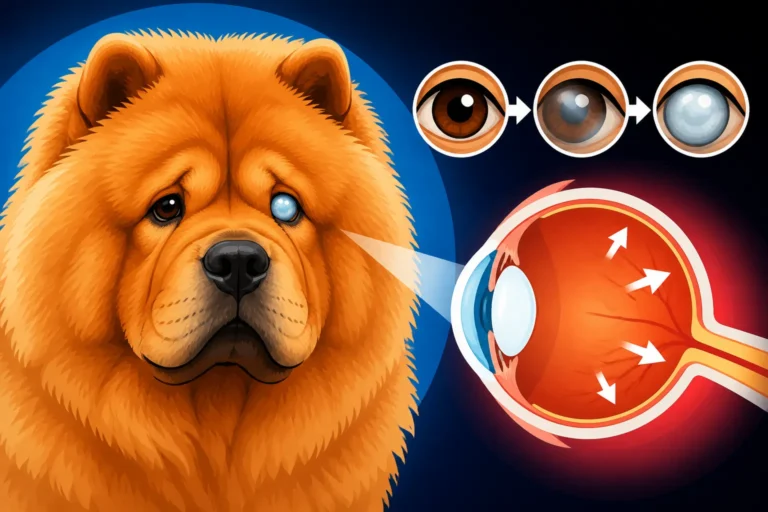
Beyond their legs, another anatomical feature that subtly influences a Chow Chow's perceived movement and interaction with their environment is their deep-set eyes. Their beautiful, often dark eyes are deeply recessed within their skull, often partially obscured by their broad muzzle and substantial "ruff" or mane. While contributing to their majestic, lion-like expression, this eye placement also has a practical consequence: limited peripheral vision.
A Chow Chow cannot easily see things directly to their sides or behind them without turning their entire head or even their whole body. This limited field of vision means they tend to be more cautious in unfamiliar environments and can be easily startled by unexpected movements from their blind spots. This can make their movements appear more deliberate, less spontaneous, and sometimes contributes to the overall impression of a "stilted" or measured gait, as they are constantly assessing their immediate forward environment. If you’ve ever wondered why a Chow Chow snaps at someone it did not see, this anatomical feature plays a significant role. They compensate for this visual limitation by relying more on their hearing and sense of smell, but it invariably means their physical interactions with the world are more controlled and less reactive than dogs with broader fields of vision.
The Functional Purpose Behind the Stilted Gait
The Chow Chow's unique anatomy, particularly its straight rear legs and deep-set eyes, isn't just an accident of genetics. These traits evolved over centuries to serve specific functions, shaping the breed into the robust and independent companion we know today. Their distinctive gait, far from being a disadvantage in their historical role, was actually quite efficient for their intended purpose.
A Legacy of Endurance and Guarding
Imagine the ancient origins of the Chow Chow in China – a breed utilized for everything from guarding temples and livestock to hunting and even pulling light carts. These tasks didn't require lightning-fast sprints or agile maneuvers. Instead, they demanded steady endurance, resilience, and a formidable presence. The stilted gait, born from their straight rear leg conformation, is incredibly efficient for conserving energy over long periods.
Unlike dogs bred for explosive speed or agility, whose angulated joints absorb impact and provide powerful bursts, the Chow Chow's stiff, methodical stride minimizes energy expenditure. Each step is controlled, reducing the strain on joints over extended periods of walking or standing guard. This energy-saving mechanism was perfect for a dog whose role involved patiently observing, guarding property, and traveling long distances at a moderate pace. Their gait reflects a working heritage focused on steadfastness rather than athleticism, allowing them to remain vigilant and ready without quickly tiring. The breed's ancient lineage, making it one of the oldest breeds in the world, certainly contributed to the refinement of these traits.
Stability and Power Over Agility
The Chow Chow's compact, powerful build and unique gait speak to a design that prioritizes stability and strength over nimble agility. Their deep chest, dense bone structure, and well-muscled body are all anchored by those straight rear legs, providing a low center of gravity and excellent balance. This conformation makes them incredibly stable, whether navigating uneven terrain or standing firm against a perceived threat.
While they might not excel at jumping hurdles or performing tight turns, their build allows for surprising bursts of power when needed. A Chow Chow can deliver a powerful, direct charge if provoked, using their robust frame to good effect. Their stilted gait, therefore, isn't just about endurance; it's about a solid, unwavering foundation. This characteristic movement, combined with their naturally aloof and watchful temperament, paints a picture of a dog that is always composed, self-reliant, and strong. They were bred to be formidable, dependable companions and guardians, and every aspect of their physical design, including their gait, reflects this purpose.
Differentiating Normal Stilted Gait from Potential Health Issues
While a stilted gait is perfectly normal for a Chow Chow, it's crucial for owners to learn to differentiate their breed's characteristic movement from signs of pain or underlying health problems. Their stoic nature and dense coat can sometimes mask discomfort, making careful observation even more important.
Signs of a Healthy Stilted Gait
A healthy Chow Chow with a normal stilted gait will move with an even, balanced stride. While it might look stiff, it should be fluid in its own way – consistent, purposeful, and without any obvious signs of pain or hesitation. You'll typically see them moving with their characteristic "choppy" steps, but they should still be able to get around without difficulty, climb stairs (though careful management is needed, especially for puppies, to prevent stressing their developing joints), and enjoy their daily walks. Their tail, which curls tightly over their back, might wag gently, and their ears will be alert.
When they get up from a rest, they might take a moment to stretch, which is normal for any dog, but they shouldn't show obvious stiffness that lasts or worsens with activity. Their general demeanor should be bright and engaged, even with their naturally reserved personality. They'll still want to participate in family activities, even if it's just observing from a comfortable spot. Learning what their "normal" looks like is your first and most important tool in identifying when something might be amiss.
Recognizing When the Gait Signals a Problem
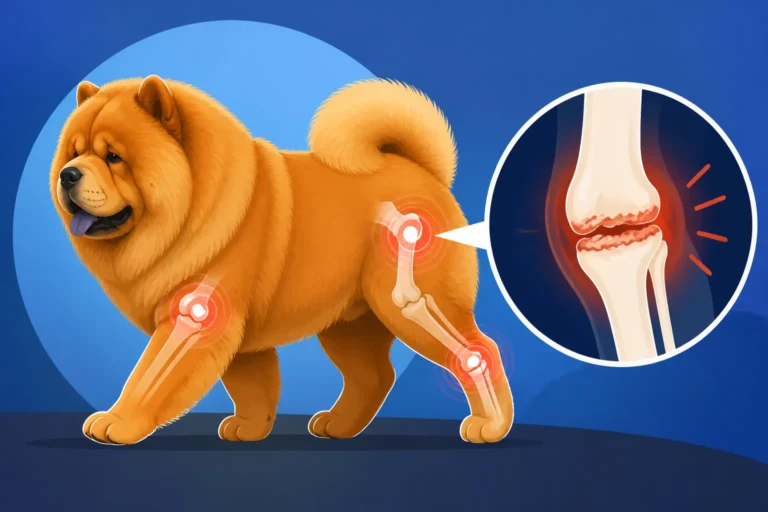
The challenge lies in knowing when that stilted gait is no longer just a breed characteristic but a signal of discomfort or pain. Chow Chows, like many ancient breeds, can be prone to certain orthopedic issues that might worsen or alter their natural movement. Conditions like hip dysplasia in a Chow Chow, elbow dysplasia, patellar luxation, and even arthritis as they age can all manifest as changes in gait.
Watch for specific red flags:
- Limping or favoring a leg: Any consistent lameness, even subtle, needs attention.
- Increased stiffness after rest: If your Chow Chow is significantly more stiff after lying down or sleeping, and it takes them a long time to "warm up," this could indicate joint pain.
- Reluctance to move: If they're hesitant to jump into the car, climb stairs, or even go for a walk, it's a sign something might be hurting.
- Changes in activity level: A sudden decrease in their usual playfulness or a general slowdown can be indicative of pain.
- Vocalization or guarding: If they yelp when touched in certain areas, or guard a limb, pain is almost certainly present.
- Muscle loss: Atrophy in a leg can indicate they are not using it properly due to pain.
Elbow dysplasia ranks the Chow Chow near the top of breeds affected, and hip dysplasia is also a concern. These genetic conditions, often exacerbated by rapid growth in puppies, can cause significant pain and mobility issues. It's not uncommon for a Chow Chow to develop arthritis as they age, with the age a Chow Chow gets arthritis varying, but often becoming noticeable in their senior years. Any sudden or gradual change in their movement warrants a call to your veterinarian.
The Role of Veterinary Care and Proactive Management
If you notice any concerning changes in your Chow Chow's gait, don't hesitate to seek veterinary attention. Early diagnosis and intervention can significantly improve their quality of life. Your vet will conduct a thorough physical examination, and likely recommend diagnostic imaging such as X-rays to assess the condition of their hips, elbows, or other joints. They may also discuss blood tests to rule out other issues.
Proactive management is key, especially if your Chow Chow is predisposed to joint problems. Maintaining a healthy weight is paramount, as extra pounds put immense strain on their joints. Your vet might suggest joint supplements containing glucosamine, chondroitin, or omega-3 fatty acids. Pain management, which could include anti-inflammatory medications or other therapies, may be necessary for dogs experiencing chronic discomfort. Physical therapy, hydrotherapy, or even acupuncture can also be beneficial in some cases.
When considering the long-term health of your Chow Chow, it’s worth thinking about pet insurance. Companies like Healthy Paws can provide crucial financial support for unexpected veterinary costs, especially for chronic conditions like dysplasia or arthritis that require ongoing treatment. Having a good policy in place early can help ensure you can afford the best care for your furry family member without financial stress.
Living with a Chow Chow and Their Unique Movement
Understanding and accommodating your Chow Chow's unique movement patterns is an essential part of responsible ownership. Their stilted gait, coupled with their dense build and potential for joint issues, means that general "dog care" advice might need a few Chow-specific adjustments.
Exercise Considerations for the Stilted Walker
Because of their straight rear leg conformation and potential for orthopedic issues, high-impact activities are generally not suited for Chow Chows. Forget long-distance running, intense agility courses, or excessive jumping. These activities put undue stress on their joints and could exacerbate underlying conditions like elbow dysplasia or accelerate the onset of arthritis.
Instead, focus on low-impact, moderate exercise. Shorter, frequent walks on soft, even surfaces are ideal. Two to three 15-20 minute walks a day are often more beneficial than one long, strenuous outing. These shorter excursions help maintain muscle tone, keep joints mobile, and provide mental stimulation without overexertion. Always pay attention to the weather, as their dense double coat makes them highly susceptible to overheating. Knowing what temperature is too hot for a Chow Chow is critical for their safety, especially during warmer months. Early morning or late evening walks are often best in summer. Swimming, if introduced gently and they enjoy it, can also be a fantastic low-impact exercise that supports joint health without concussive forces. Remember that while they are sturdy, they are not built for speed or sustained running. How much exercise a Chow Chow actually needs is often less than new owners might assume.
Training and Handling to Accommodate Their Vision and Movement
A Chow Chow's restricted peripheral vision means they can be easily startled if approached unexpectedly from the side or behind. This isn't aggression; it's a natural reaction to not seeing something coming. Therefore, always approach your Chow Chow from the front, speaking to them calmly as you do so. This allows them to see you clearly and process your approach, preventing any startling reactions. Teaching children to always respect this space and approach slowly is paramount.
When handling your Chow Chow, particularly for grooming or vet visits, patience is key. Their stoic nature can sometimes be misinterpreted as stubbornness, but it's often a reflection of their measured temperament. Positive reinforcement training, using high-value treats and short, engaging sessions, works best for Chows. Forcing or rushing them can lead to resistance or even defensiveness. Regarding their movement, avoid pulling on the leash or trying to rush them. Allow them to set a reasonable pace. Teaching a Chow Chow to stand for an exam can be incredibly helpful for vet visits, but it takes time and positive association.
Creating a Safe Environment
Creating a safe and comfortable home environment is especially important for a Chow Chow, particularly as they age or if they have known orthopedic challenges.
- Flooring: Slippery floors can be treacherous. Consider runners or rugs on hard surfaces to provide traction, especially in high-traffic areas. This reduces the risk of slips and falls that could injure their joints.
- Stairs: While some Chows navigate stairs fine, continuous use, especially going down, can be hard on their forelegs and shoulders. For puppies, excessive stair climbing should be limited to protect developing joints. Whether a Chow Chow puppy should climb stairs is a common concern, and many vets advise limiting it. For older or arthritic Chows, consider ramps or helping them up and down, or restricting access to certain floors.
- Ramps: Ramps can be invaluable for accessing elevated surfaces like cars or furniture, eliminating the need for jarring jumps.
- Bedding: Provide soft, orthopedic bedding that supports their joints and allows them to rest comfortably. This is particularly important for seniors or those with arthritis, helping to ease stiffness and pain.
- Temperature Management: Always ensure they have access to cool, shaded areas and plenty of fresh water, especially in warm climates. Air conditioning or cooling mats can be lifesavers during hot weather.
By being mindful of their physical capabilities and limitations, you can ensure your Chow Chow lives a comfortable, healthy, and happy life, moving with the characteristic, dignified gait that makes them so unique.
Normal vs. Concerning Stilted Gait: A Quick Reference
Understanding the nuances of your Chow Chow's movement is critical for their well-being. Here's a table to help distinguish a normal, healthy stilted gait from one that might indicate a problem.
| Characteristic | Normal, Healthy Stilted Gait | Concerning Stilted Gait (Seek Vet Attention) |
|---|---|---|
| Overall Movement | Balanced, even, deliberate steps; consistent pace. | Uneven, choppy, or hesitant steps; noticeable limping or favoring. |
| Energy Level | Eager for walks, active in play (within breed limits). | Reluctance to move, reduced play, general lethargy. |
| Stiffness | Mild, momentary stiffness after prolonged rest (quickly resolves). | Significant, lasting stiffness after rest; difficulty getting up. |
| Weight Bearing | Bears weight evenly on all four legs. | Shifting weight, toe-touching, reluctance to bear weight on a limb. |
| Posture | Alert, head held high; body appears strong and compact. | Hunched back, lowered head, trembling, or abnormal body carriage. |
| Pain Signals | No yelping, whining, or guarding of body parts. | Yips, growls, or flinches when touched; guarding a leg or back. |
| Muscle Condition | Well-muscled limbs, symmetrical. | Noticeable muscle atrophy (wasting) in one or more limbs. |
| Joint Swelling | Joints appear normal, no visible swelling. | Visible swelling, heat, or tenderness around joints. |
| Sound | Quiet movement. | Clicking, popping, or grinding sounds from joints. |
Always err on the side of caution. If you're ever unsure about your Chow Chow's movement, a veterinary check-up is the best course of action. This proactive approach, potentially supported by pet insurance from providers like Healthy Paws, ensures any issues are caught and addressed promptly.
Disclaimer
This article is intended for informational purposes only and does not constitute professional veterinary advice. Always consult with a qualified veterinarian for any health concerns or before making any decisions about your pet's medical care.