How Fast Glaucoma Blinds a Chow Chow
The sudden onset of blindness in your beloved Chow Chow is one of the most terrifying health crises an owner can face, often leaving you feeling helpless and frantic as their world rapidly darkens. This comprehensive guide will meticulously break down the frightening speed at which glaucoma can steal your Chow Chow's sight, what to look for, and the urgent steps you need to take to protect their vision.
Understanding Glaucoma's Ferocious Speed in Chow Chows
Glaucoma isn't just a serious eye condition for Chow Chows; it's a relentless race against time. Unlike some other breeds where the progression might be slow and insidious, a Chow Chow can experience a rapid, devastating loss of sight in a matter of hours or days due to their unique genetic predispositions and specific ocular anatomy. This isn't just a concern; it's a critical vulnerability that every Chow Chow owner needs to understand intimately.
Why Chow Chows Are Uniquely Vulnerable to Glaucoma
Chow Chows, unfortunately, are genetically predisposed to a particularly aggressive form of glaucoma known as primary closed-angle glaucoma. This isn't some random occurrence; it's deeply rooted in their breed-specific eye structure. Think of their eye as a sink with a drain. In a healthy eye, the aqueous humor (the fluid inside the eye) is constantly produced and drained, maintaining a stable pressure. In Chow Chows, this "drainage angle" is often abnormally narrow or malformed, making them inherently inefficient at expelling fluid.
When this already compromised drainage system suddenly malfunctions, the fluid accumulates rapidly, causing the intraocular pressure (IOP) to skyrocket. This is what makes the condition so acutely dangerous. Their deep-set eyes, while contributing to their distinctive scowling expression, also complicate matters, as they can sometimes make it harder for owners to spot early changes. To truly grasp this genetic challenge, it helps to understand why a Chow Chow's deep set eye causes trouble and why the Chow Chow is a Closed Angle Glaucoma Breed. It’s a combination of genetics and anatomy that sets them up for this specific, urgent problem.
The Silent Progression: When Early Signs Are Missed
One of the most heartbreaking aspects of glaucoma in Chow Chows is their stoic nature. They are masters at hiding pain and discomfort, which means by the time you notice obvious signs, the damage may already be severe. You might observe subtle cues initially, such as your Chow blinking a little more frequently, pawing at their eye, or perhaps being a bit more withdrawn or reluctant to play. These signs are often dismissed as minor irritations, a piece of dust, or just "being a Chow."
However, these seemingly minor changes can be the precursor to an acute crisis. Because the pain escalates rapidly with increasing pressure, your dog might suddenly appear lethargic, lose their appetite, or become unusually quiet. Their natural inclination to internalize discomfort means that the external presentation of "Signs a Chow Chow Has Glaucoma" might only become undeniable when the internal pressure has reached critical, damaging levels. By then, time is already running out, and every minute counts.
The Race Against Time: The Acute Glaucoma Episode
When glaucoma strikes acutely in a Chow Chow, it's not a slow burn; it's a firestorm. The speed at which vision can be lost is truly astonishing and deeply unsettling for any owner. This rapid progression is what makes immediate recognition and intervention absolutely critical.
From Normal to Blind: The Hours That Matter
Imagine this scenario: your Chow Chow seems perfectly fine at breakfast, maybe a little sleepy, but otherwise normal. You head off to work, thinking nothing of it. By the time you return home for dinner, you might find them bumping into furniture, disoriented, or with an obviously cloudy eye. This isn't an exaggeration; for many Chow Chows, a normal eye can become blind in a single, terrifying day, or even within just 12-24 hours. The intraocular pressure can jump from a healthy range (typically 10-20 mmHg) to over 60 mmHg in an alarmingly short period.
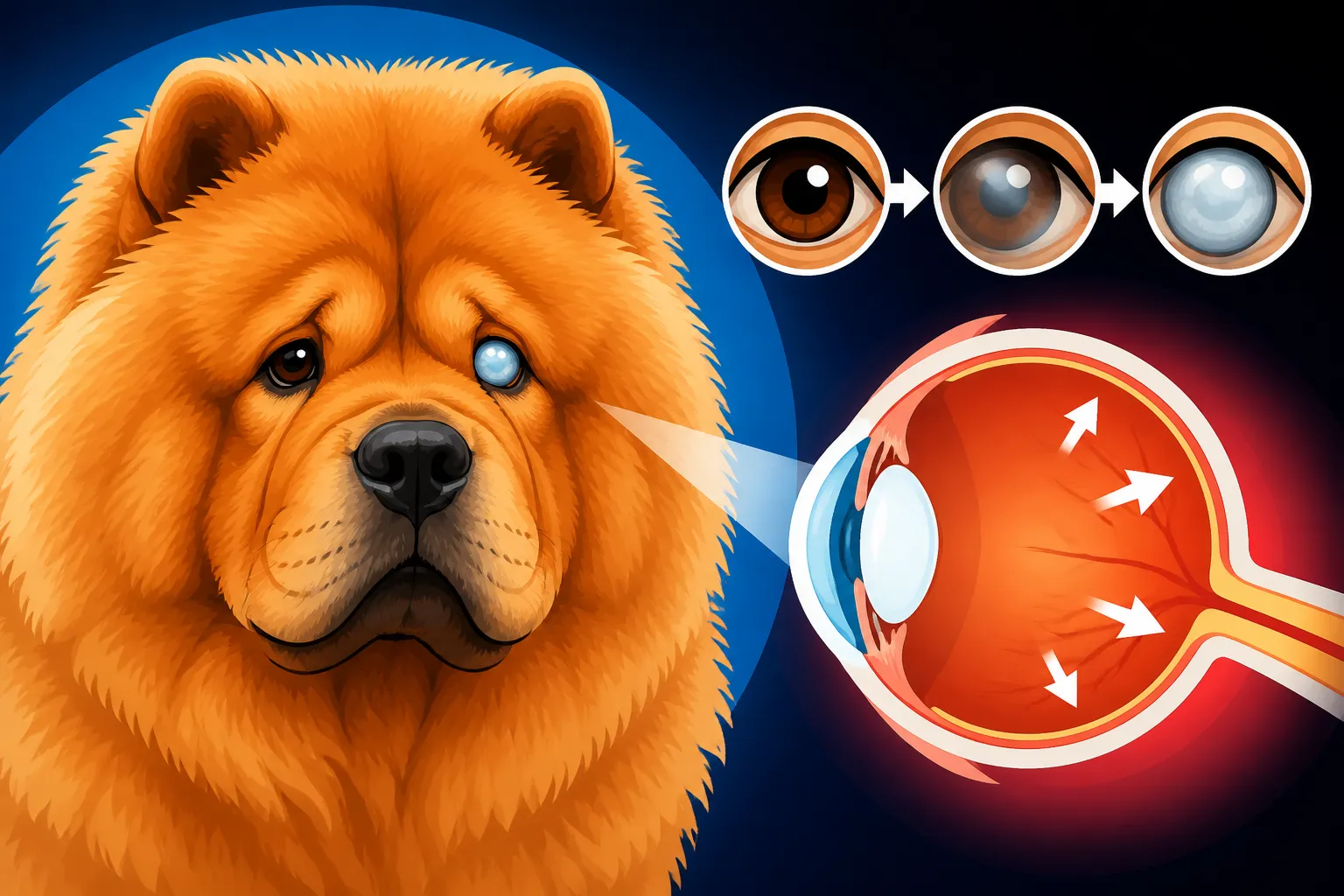
This rapid spike in pressure compresses the delicate structures within the eye, especially the optic nerve. The optic nerve is essentially the cable connecting the eye to the brain, transmitting visual information. When it's subjected to such extreme pressure, its blood supply is cut off, and the nerve fibers begin to die almost immediately. This is why "Glaucoma Can Blind a Chow Chow in Days" – sometimes even hours. The speed is brutal, leaving little room for error or delay.
The Irreversible Damage: What Happens Inside the Eye
When intraocular pressure remains elevated, the damage is not just painful; it's permanent. The sustained high pressure causes a cascade of destructive events inside the eye. The delicate cells of the retina, which are responsible for detecting light and color, are starved of oxygen and nutrients. The optic nerve, already under immense strain from the physical compression, begins to atrophy. This means the nerve fibers simply die off.
Once these nerve cells and retinal cells are damaged or destroyed, they cannot be regenerated. The vision loss is irreversible. It's a cruel truth: even if the pressure is eventually lowered, the vision lost during that acute phase often cannot be restored. This is why vigilance and rapid action are so paramount. Understanding what glaucoma does to a Chow Chow's eye helps underscore the urgency, as the physical damage to these intricate structures occurs at a microscopic level, long before you might see external changes.
Recognizing the Red Flags and Seeking Immediate Help
Knowing how fast glaucoma blinds a Chow Chow isn't enough; you also need to know what to look for and what to do when you see it. This is not a condition where you can afford to "wait and see." It is always an emergency.
Critical Signs That Demand Emergency Vet Care
If you notice any of the following signs in your Chow Chow, it's time to drop everything and head straight to an emergency veterinary clinic or a veterinary ophthalmologist:
- A cloudy or bluish appearance to the cornea: This is often called corneal edema, and it looks like a fog or haze has descended over the clear front part of the eye.
- A dilated pupil that doesn't react to light: The pupil will appear large and fixed, not constricting in bright light as it normally would.
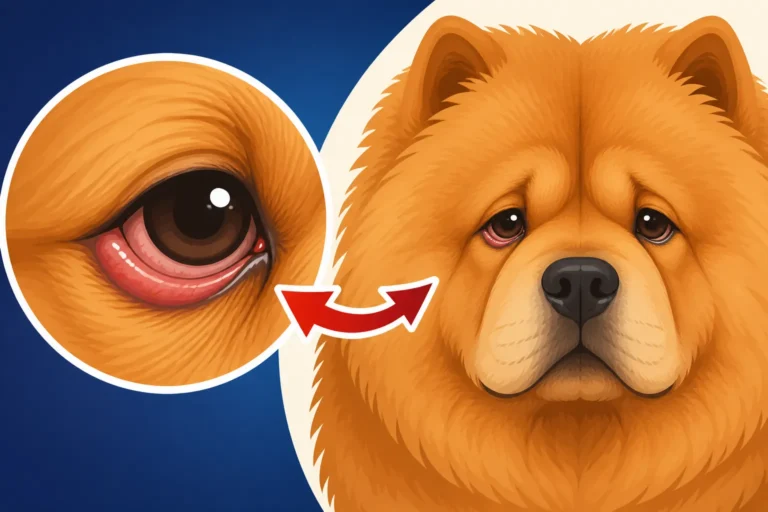
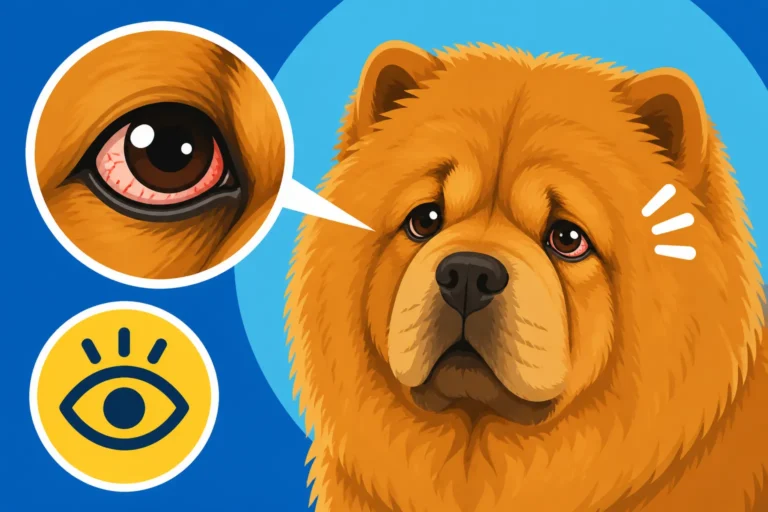
- A visibly red eye: The whites of the eye may appear bloodshot, indicating inflammation and irritation.
- Severe pain: Your Chow Chow might be pawing at their eye, rubbing their face on furniture, squinting heavily, crying out, or showing unusual lethargy and withdrawal. Remember, Chow Chows are experts at How a Chow Chow Hides Pain, so even subtle changes are significant.
- Sudden vision loss: Bumping into familiar objects, hesitation to jump up or down, or general disorientation.
These are not symptoms to monitor; these are sirens blaring, demanding immediate action. Any delay can mean the difference between saving some vision and complete, irreversible blindness. Every hour that passes with elevated intraocular pressure increases the likelihood of permanent damage. Familiarize yourself with these "Signs a Chow Chow's Eye Pressure Is Rising" because early detection is your Chow's only hope for retaining sight.
The Importance of Rapid Diagnosis and Intervention
Once you arrive at the veterinary clinic, the priority will be to measure your Chow Chow's intraocular pressure (IOP) using a tonometry device. This quick, painless procedure provides a direct measurement of the pressure inside the eye. If the pressure is significantly elevated, immediate medical intervention is critical. This usually involves administering powerful eye drops, such as those containing dorzolamide or timolol, which work to reduce the production of aqueous humor. In very acute cases, an osmotic diuretic like mannitol might be given intravenously to rapidly pull fluid out of the eye, providing swift, albeit temporary, relief from the pressure.
The goal of this initial treatment is to reduce the IOP as quickly as possible to prevent further damage to the optic nerve and retina. While these medications can bring the pressure down, they don't address the underlying anatomical issue. They are buying precious time until more definitive treatments can be considered. The costs associated with such emergency care can be substantial, and this is where having pet insurance, such as through Healthy Paws, can be an absolute lifesaver. It allows you to focus on your Chow's urgent needs without the added stress of crushing veterinary bills. Knowing "What Glaucoma Treatment Costs a Chow Chow Owner" can help you prepare for such a possibility, but immediate action should never be delayed due to financial concerns.
Treatment Options and the Battle to Save Vision (or Comfort)
Dealing with glaucoma in a Chow Chow is a long-term commitment, often involving a combination of medical and potentially surgical approaches. The battle isn't just about saving vision, but ensuring your beloved companion remains comfortable, even if vision cannot be fully restored.
Medical Management for the Short Term
Once the immediate crisis of high intraocular pressure is under control, your veterinarian or ophthalmologist will devise a plan for ongoing medical management. This typically involves a regimen of eye drops, sometimes multiple types, administered several times a day. These drops work in different ways: some decrease fluid production (like beta-blockers or carbonic anhydrase inhibitors), while others increase fluid drainage (like prostaglandins).
The challenge with medical management, especially in primary closed-angle glaucoma, is that it often serves as a temporary measure. While it can successfully manage pressure for a period, the underlying anatomical defect remains. Over time, the eye may become refractory to the medications, meaning they stop working as effectively. This often leads to a gradual re-escalation of pressure, or another acute spike. It's a constant juggling act, and vigilance in administering medications precisely as prescribed is crucial. This constant need for medication and regular check-ups can also add up, making a robust pet insurance plan like those offered by Healthy Paws incredibly beneficial for managing these ongoing expenses.
Surgical Interventions: When Medications Aren't Enough
When medical management alone can no longer control the intraocular pressure, or if vision has already been lost due to an acute attack, surgical options become necessary. These procedures aim either to reduce the production of fluid or improve its drainage. One common approach is laser cyclophotocoagulation, where a laser is used to destroy some of the fluid-producing cells in the eye, thereby lowering pressure. Another option might involve the placement of a shunt (gonioimplantation) to create an artificial drainage pathway.
However, it's important to understand that even with successful surgery, the long-term prognosis for preserving vision in eyes affected by primary closed-angle glaucoma can be guarded. For eyes that have already lost vision and are causing chronic pain, the most humane option is often enucleation, which is the surgical removal of the eye. While this sounds drastic, it eliminates the source of pain and allows your Chow Chow to live a comfortable, pain-free life. Many dogs adjust remarkably well to living with one eye or even being fully blind. It’s a tough decision, but one made for the dog's well-being. Understanding "What Removing a Chow Chow's Eye Costs" can help you be prepared for this significant procedure, should it become necessary.
The Second Eye: A Common and Heartbreaking Reality
One of the most devastating aspects of primary glaucoma in Chow Chows is the high likelihood of the condition developing in the other eye. It's not a question of if, but often when. Studies show that a significant percentage of dogs with primary closed-angle glaucoma in one eye will develop it in the second eye, often within 6 to 24 months. This is because the anatomical predisposition is bilateral, meaning both eyes share the same underlying risk.
Veterinarians will typically recommend prophylactic (preventative) treatment for the healthy eye, usually with daily eye drops, to try and delay the onset of glaucoma. While these treatments can buy time, they rarely prevent it entirely. This is why continuous monitoring of both eyes is essential, even if one eye has already been lost or is undergoing treatment. Owners must remain vigilant for any "Signs a Chow Chow Has Glaucoma" in the unaffected eye. It’s a harsh reality that owners must prepare for, highlighting the importance of ongoing communication with your vet and understanding "How Often a Chow Chow Loses the Second Eye."
Living with a Glaucoma-Affected Chow Chow
Discovering your Chow Chow has glaucoma is a life-altering diagnosis. It means embracing a new normal, adjusting your routines, and providing dedicated care to ensure their continued happiness and well-being.
Adjusting to Vision Loss: Supporting Your Companion
If your Chow Chow experiences vision loss, whether in one eye or both, it's a profound change for them, and by extension, for you. However, dogs are incredibly adaptable, and with your help, they can lead full and happy lives. The key is to provide a consistent and safe environment. Try not to rearrange furniture frequently, as they rely on memory and scent maps of their home. Use verbal cues more often, alerting them when you enter a room or approach them. Child gates can be invaluable for blocking off stairs or dangerous areas.
Consider adding tactile markers, like different textured mats, to signal changes in elevation or approaching obstacles. Most importantly, speak to them reassuringly and maintain physical contact as much as they tolerate, allowing them to rely on their other senses. A Chow Chow will adjust to one eye or even full blindness with remarkable resilience, often learning to navigate their world by sound and smell with surprising proficiency. It's a journey of adaptation, but one that strengthens the bond between you and your loyal companion.
Ongoing Monitoring and Proactive Care
Living with a Chow Chow prone to or affected by glaucoma means committing to proactive and consistent veterinary care. Regular check-ups with a veterinary ophthalmologist are non-negotiable. These specialists have the advanced equipment and expertise to monitor eye pressure, assess the health of the optic nerve, and adjust treatment plans as needed. Even if an eye has been removed, the remaining eye needs diligent monitoring, and continued pain management for the enucleated socket might be necessary.
These ongoing visits, medications, and potential future interventions can accumulate significant costs over your Chow Chow's lifespan. This is where comprehensive pet insurance like Healthy Paws truly makes a difference, covering a substantial portion of these expenses and allowing you to prioritize your Chow Chow's health without financial strain. Ensuring your Chow Chow receives a yearly eye exam and adheres to all recommended follow-up appointments is the cornerstone of managing this challenging condition. Proactive monitoring isn't just about treatment; it's about maintaining their quality of life.
| Feature | Acute Glaucoma (Chow Chows Often) | Chronic Glaucoma (Less Common in Chows) |
|---|---|---|
| Onset Speed | Hours to days | Weeks to months to years |
| Pain Level | Severe, excruciating | Mild to moderate, often subtle |
| Vision Loss | Rapid, often complete | Gradual, progressive |
| Cornea Appearance | Cloudy, bluish, hazy (edema) | Clear or mildly cloudy |
| Pupil Size | Dilated, fixed | Varies, often dilated or slow to react |
| Redness | Marked, bloodshot | Mild to moderate |
| Urgency of Care | IMMEDIATE EMERGENCY | Urgent, but not always an emergency |
| Prognosis for Vision | Poor, even with treatment | Better chance of preservation if caught early |
Disclaimer
The information provided in this guide is intended for educational purposes only and should not be considered a substitute for professional veterinary advice. Always consult with a qualified veterinarian or a board-certified veterinary ophthalmologist for any health concerns or before making any decisions about your Chow Chow's care.