How a Chow Chow’s Gait Wears Its Joints
It's heartbreaking to see your usually dignified Chow Chow start to slow down, struggle with stairs, or even just hesitate before jumping onto their favorite spot on the sofa. Many of us find ourselves asking, "Why is my Chow Chow stiffening up so quickly?" The truth is, while age plays a part, the breed's very structure, particularly their unique gait, puts specific stress on their joints from an early age. This comprehensive guide will explore the biomechanics of the Chow Chow's distinctive movement and how it contributes to wear and tear, offering practical advice to help your furry companion stay comfortable and mobile for as long as possible.
The Biomechanics of the Chow Chow's Unique Movement
The Chow Chow's silhouette is instantly recognizable, from their lion-like mane to their distinctive, almost stiff way of moving. This "stilted" gait isn't just a quirk; it's a direct result of their unique skeletal structure, especially in their hindquarters. Understanding this is the first step to truly appreciating the challenges their joints face.
The Straight Rear Leg Conformation
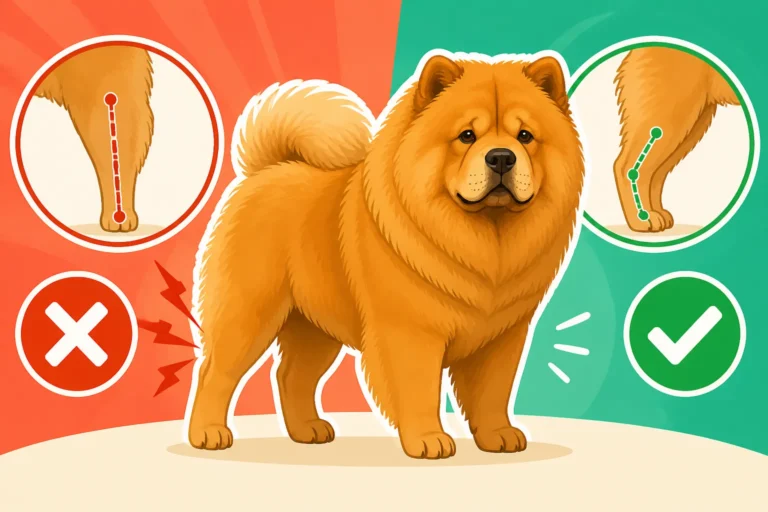
Unlike most dog breeds, which have pronounced angulation in their rear legs, Chow Chows possess what is known as a "straight rear." This means the angles at their stifle (knee) and hock (ankle) joints are much less acute, often appearing almost upright when viewed from the side. Imagine a typical dog's rear leg as a spring, designed to compress and extend, absorbing the impact of movement. Now, picture a Chow Chow's leg as a much straighter, more rigid strut.
This straightened conformation dramatically reduces the natural shock-absorbing capacity that a more angled leg would provide. When a Chow Chow moves, instead of the joints flexing deeply to cushion each step, the impact forces are transmitted more directly up the limb and into the body. It's like walking on rigid stilts rather than cushioned athletic shoes. While this characteristic is part of the breed standard and gives the Chow Chow its proud, distinctive appearance in the show ring, it unfortunately comes with significant long-term implications for joint health. If you're curious about the mechanics, a deeper dive into Why a Chow Chow's Straight Rear Leg Causes Problems can really shed light on this structural difference.
The "Stilted" or "Staccato" Gait
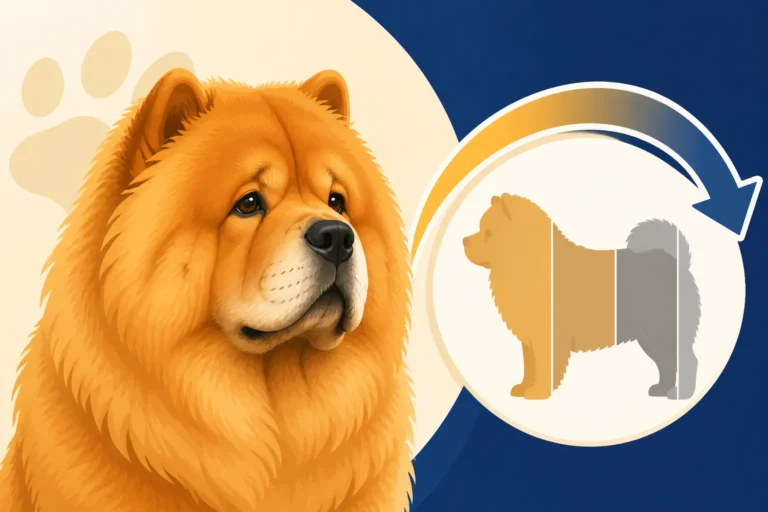
The straight rear angulation directly dictates the Chow Chow's famous "stilted" or "staccato" gait. When you watch a Chow Chow walk or trot, you'll notice their steps are often shorter, choppier, and less fluid than other breeds. There's a distinct lack of "reach" from the front legs and "drive" from the rear. Their hind legs move almost as if they're pivoting from the hips with minimal bending at the knee and hock.
This unique movement pattern means that the joints, particularly in the hindquarters, undergo less flexion and extension with each stride. Instead of a smooth, energy-efficient pendulum-like swing, the motion is more rigid and deliberate. This constant, repetitive jarring, without the benefit of natural shock absorption, means that the cartilage within the joints is subjected to higher impact forces over time. Think of it as hundreds of thousands of tiny, repetitive traumas building up, slowly eroding the smooth surfaces that allow joints to glide effortlessly. It's truly eye-opening when you observe Why a Chow Chow Moves With a Stilted Gait and realize the mechanics behind it.
Specific Joints Affected by This Unique Gait
Because of their particular way of moving, certain joints in a Chow Chow's body are especially vulnerable to accelerated wear and tear. It's not just about what you see on the outside; it's about the internal stresses that accumulate over their lifetime.
Hips and Lumbar Spine
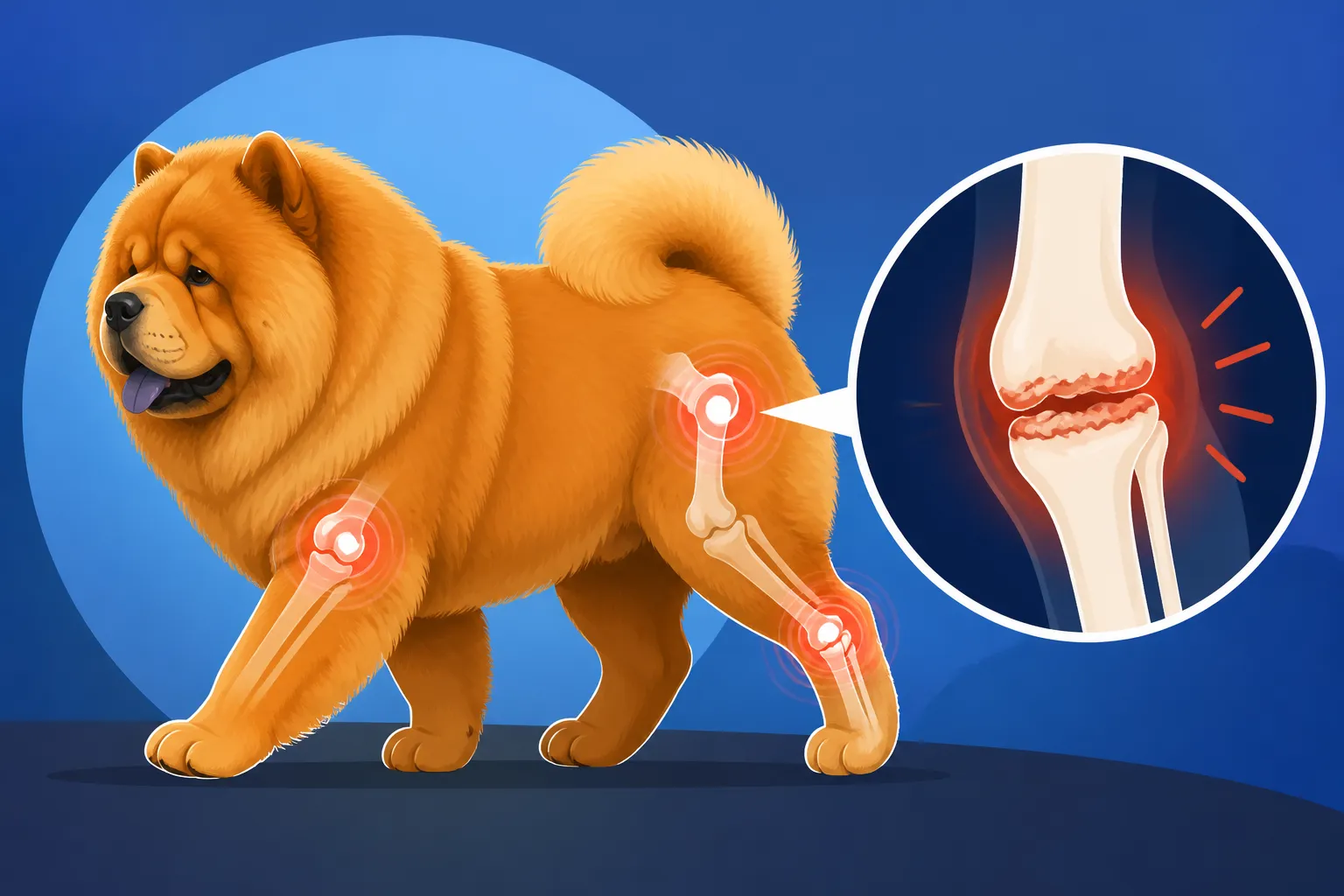
The hip joints are at the forefront of the impact zone for a Chow Chow's straight rear leg. When the rear legs are straighter, the natural spring action that typically disperses impact force is diminished. This means the force from each step is driven more directly into the hip sockets. Over years of walking, running (even their limited version), and simply moving around, this constant, less-cushioned impact can lead to gradual degeneration of the hip cartilage and bone. This increased mechanical stress significantly heightens their predisposition to conditions like Hip Dysplasia in a Chow Chow, a painful genetic condition where the hip joint doesn't form correctly. Even in Chows without severe dysplasia, the continuous stress can accelerate the onset of osteoarthritis in the hips.
Furthermore, the rigid, stilted movement doesn't just affect the hips; it translates stress up the entire kinetic chain to the lumbar (lower) spine. A dog with good angulation and a fluid gait uses its entire back and abdominal muscles to power movement and absorb shock. In a Chow Chow, with less flexibility and shock absorption in the hind limbs, the lower back often has to compensate, enduring more twisting and jarring forces. This can contribute to early spinal stiffness, discomfort, and even degenerative changes in the intervertebral discs over time.
Stifles (Knees) and Hocks (Ankles)
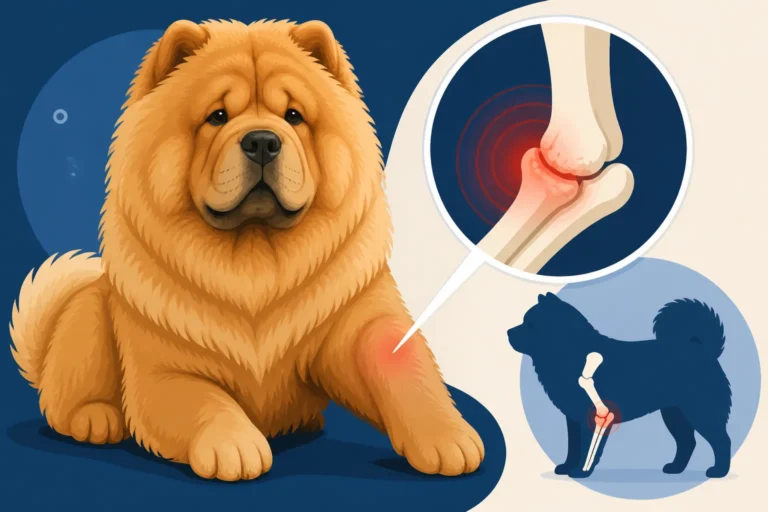
While the Chow Chow's stifle (knee) joint is straighter than in many breeds, it still bears considerable weight and experiences significant stress. The repetitive, less fluid motion inherent to their gait leads to constant friction and wear on the cartilage surfaces within the knee. Think of it as a poorly aligned machine part constantly grinding. This persistent stress can contribute to the development of osteoarthritis in the stifle, causing pain, swelling, and reduced range of motion. Though less common than in some other breeds, conditions like patellar luxation (where the kneecap slips out of place) can also be exacerbated by the constant strain on the surrounding ligaments and tendons.
Similarly, the hock (ankle) joints, which also exhibit limited angulation, become less effective shock absorbers. With each step, the hocks are subjected to jarring forces rather than smooth, cushioned movements. This steady stream of microtrauma can lead to inflammation and degenerative changes in the small bones and cartilage of the hocks, resulting in stiffness and pain. The cumulative effect of these forces on both the stifles and hocks is a significant factor in how The Age a Chow Chow Gets Arthritis often seems to creep up sooner than expected for these stoic dogs.
Elbows and Shoulders
While the rear legs take the direct brunt of the stilted gait's impact, the front assembly is not immune to the consequences. In fact, the front legs often act as a compensatory mechanism. When the hindquarters aren't efficiently absorbing shock, the forelegs might take on an increased load during ambulation, running (briefly, in a Chow Chow's case), and particularly during activities like going up or down stairs, or even just sitting and rising.
This increased burden on the front end can exacerbate any pre-existing genetic predispositions to conditions like elbow dysplasia. Indeed, Elbow Dysplasia Ranks the Chow Chow Near the Top among breeds affected by this complex developmental condition. The constant, unnatural stress from compensating for the rear's limitations can accelerate the progression of elbow arthritis, leading to pain, lameness, and reduced mobility in the front limbs. Furthermore, the shoulders, which are crucial for front leg movement, can stiffen and develop arthritic changes from carrying this increased load or from an altered posture adopted to relieve hindquarter discomfort. It's a chain reaction that affects the entire musculoskeletal system.
Here's a table to visualize the stark differences and their impact:
| Feature | Typical Dog Gait | Chow Chow Gait (Stilted) | Impact on Joints |
|---|---|---|---|
| Rear Angulation | Moderate to pronounced bend in stifle and hock | Straighter stifle and hock angles | Reduced natural shock absorption, increased direct impact on hips and knees. |
| Foot Placement | Smooth, reaching stride, paw lands heel-to-toe | Short, choppy steps, less forward reach | More jarring, less distribution of force, increased pressure on paw pads and lower joints. |
| Spine Movement | Flexible, undulatory motion, absorbs shock | More rigid, less flexion in lumbar spine | Increased transmission of impact forces up the spine, potential for early lower back issues. |
| Joint Flexion | Full range of motion in hips, knees, hocks | Limited flexion and extension, especially in hindquarters | Less natural cushioning over a lifetime, higher cumulative stress on cartilage leading to faster wear. |
| Energy Transfer | Efficient, elastic energy return from muscles/tendons | Less efficient, more direct bone-on-bone (cartilage) force | Accelerated wear and tear, significantly higher risk of degenerative joint disease. |
Mitigating Joint Wear and Supporting Long-Term Mobility
Recognizing the inherent challenges of the Chow Chow's gait doesn't mean you're helpless. There are many proactive steps you can take to support their joint health and ensure they lead a comfortable life, even as they age.
Controlled Exercise and Weight Management
Exercise is vital for any dog, including the Chow Chow, but for this breed, it needs to be carefully managed. High-impact activities like aggressive fetch, competitive agility, or long, strenuous jogs on hard surfaces should generally be avoided. These types of movements put excessive jarring forces on already stressed joints, accelerating wear. Instead, focus on gentle, consistent exercise. Daily walks on soft surfaces like grass, dirt trails, or even sand can provide adequate physical activity without undue stress. Swimming, if your Chow enjoys it, is an excellent low-impact exercise that builds muscle without joint impact.
Perhaps even more critical than exercise type is maintaining a lean body weight. For a Chow Chow, every extra pound is a significant burden on their hips, knees, and elbows. Their dense double coat can often mask weight gain, so it's essential to regularly feel for their ribs and spine. You should be able to feel their ribs easily without seeing them, and there should be a discernible waist tuck. Discuss your Chow's ideal weight with your vet and adjust their diet and exercise accordingly. This often ties into Keeping a Chow Chow at the Weight Its Elbows Can Carry as a cornerstone of long-term joint care.
Nutritional Support and Supplements
A high-quality, balanced diet forms the foundation of good health, including joint health. Look for dog foods that include sources of omega-3 fatty acids (like fish oil), which have natural anti-inflammatory properties that can help reduce joint pain and inflammation.
Beyond a good diet, many Chow Chow owners turn to joint supplements. Common ingredients include:
- Glucosamine and Chondroitin: These are natural components of cartilage and are thought to help repair and maintain cartilage and improve joint lubrication.
- MSM (Methylsulfonylmethane): A sulfur compound believed to have anti-inflammatory and pain-relieving effects.
- Green-Lipped Mussel: A natural source of omega-3s, glucosamine, and chondroitin, with research supporting its anti-inflammatory benefits.
While supplements are not a cure-all, they can provide valuable support for joint health, especially when started proactively. Always consult your veterinarian before adding any supplements to your Chow's regimen, as they can recommend the most appropriate products and dosages for your individual dog's needs. There are also veterinary-prescribed therapeutic diets specifically formulated to support joint health, which can be highly beneficial.
Veterinary Care and Early Intervention
Regular veterinary check-ups are absolutely paramount for Chow Chows, particularly as they mature. Your vet can monitor their gait, check for signs of pain or stiffness, assess joint swelling, and evaluate their range of motion. Don't underestimate the importance of these routine visits, as Chows are notoriously stoic and can hide pain very well.
If your vet suspects joint issues, they might recommend diagnostic tools such as X-rays to assess the condition of the hips, elbows, and other major joints. Catching problems early, even subtle ones like Signs a Chow Chow Puppy's Eyes Are Sore, can lead to more effective management. Treatments can range from anti-inflammatory medications (NSAIDs) to newer injectables like Librela or Adequan, which can significantly improve comfort and mobility. Physical therapy, including hydrotherapy (underwater treadmill), therapeutic exercises, and laser therapy, can also be incredibly beneficial for strengthening muscles, improving flexibility, and reducing pain.
Caring for a Chow Chow is a commitment, and anticipating potential health challenges, like joint issues, is part of being a responsible owner. Many proactive Chow Chow parents look into pet insurance early, and companies like Healthy Paws are often discussed for their comprehensive coverage options. Having a plan can really ease the financial burden when those joint-related vet bills start rolling in, allowing you to focus on your Chow's comfort. Considering that What a Chow Chow Costs Over Its Lifetime can be substantial, especially with breed-specific health concerns, investigating pet insurance becomes a wise decision for many. Plans from providers like Healthy Paws can offer a safety net, potentially covering a good portion of diagnostic tests, medications, and even alternative therapies that can improve your Chow Chow's quality of life as they age.
Lifestyle Adjustments for a Comfortable Life
Beyond medical interventions, there are numerous practical adjustments you can make at home to create a more joint-friendly environment for your Chow Chow, reducing strain and improving their quality of life.
Creating a Joint-Friendly Home Environment
Your home environment can play a significant role in minimizing joint stress. If you have hard, slippery floors (like hardwood, tile, or laminate), consider placing non-slip rugs or runners, especially in high-traffic areas and where your Chow gets up and down. This provides better traction, preventing potentially painful slips and falls that can exacerbate existing joint issues or cause new ones.
For furniture access, or even getting into and out of the car, consider ramps or pet steps. Allowing your Chow Chow to jump repeatedly, especially off high surfaces, puts immense, jarring pressure on their joints. Ramps eliminate this impact, preserving their mobility. An orthopedic dog bed, particularly one made with memory foam, can also provide superior support and pressure relief compared to standard dog beds, offering crucial comfort for stiff or aching joints during rest. Elevated food and water bowls can also reduce the strain on their neck and front limbs, making meal times more comfortable. As your Chow begins to experience How an Aging Chow Chow Stiffens, these small adjustments make a huge difference.
Regular Grooming and Physical Comfort
Regular grooming is often seen as purely aesthetic, but for a Chow Chow, it's deeply tied to physical comfort and joint health. A thick, matted coat can restrict movement, pull on the skin, and cause discomfort, making it harder for your dog to move freely. Consistent brushing, as discussed in Caring for a Chow Chow Past Eight, helps prevent matting and allows you to inspect their body for any lumps, bumps, or signs of discomfort.
Another critical, yet often overlooked, aspect of physical comfort is regular nail trims. Overgrown nails change the natural posture of a dog's paw, forcing their toes upwards and putting abnormal stress on the small joints within the paws and further up the leg. This seemingly minor issue can contribute significantly to overall joint discomfort and uneven wear. If your Chow is uncomfortable with nail trims, work with a professional groomer or your vet to make it a positive experience, perhaps even practicing with a dremel at home.
Lastly, gentle massage or applying warm compresses to particularly stiff areas can sometimes provide temporary relief for aching muscles surrounding tired joints. Always approach this gently and observe your Chow's reaction, stopping if they show any signs of discomfort. Remember, investing in their long-term health means considering every aspect of their life, and pet insurance can certainly help with the costs that arise as your Chow Chow gets older. Many dog owners are glad they planned ahead with a provider like Healthy Paws to cover the unexpected, especially when considering What an Aging Chow Chow's Bills Look Like.
Disclaimer
This article is intended for informational purposes only and does not constitute veterinary advice. Always consult with a qualified veterinarian for any health concerns or before making any decisions about your pet's health or treatment plan.