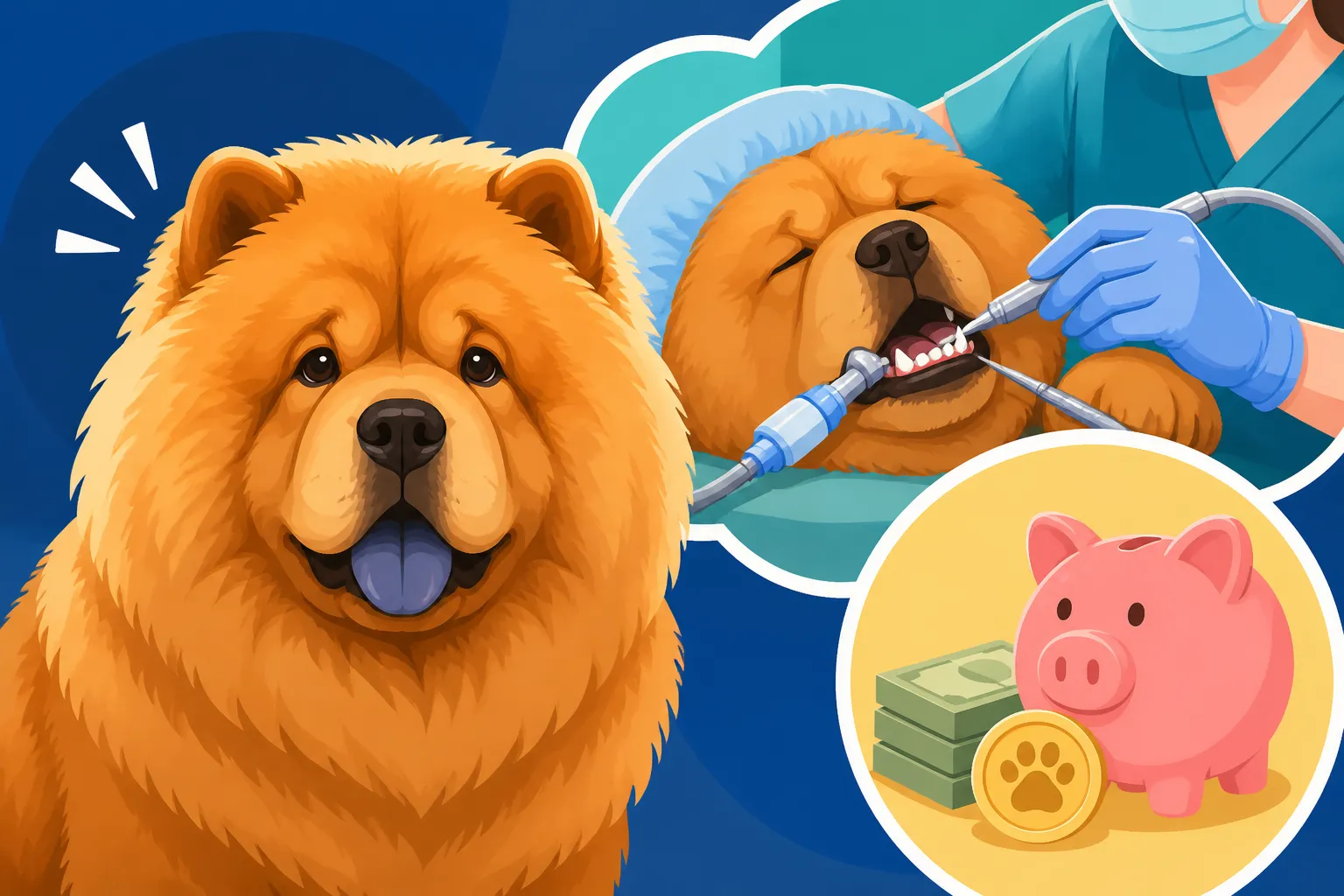
What a Chow Chow’s Sedated Dental Costs
Oh, the infamous "dental dilemma" for our beloved Chows! It’s a situation many of us Chow Chow parents face with a mix of dread and resignation. You know that feeling when your vet says, "It's time for a dental," and your heart sinks a little, not just because of the procedure itself, but because you know it's not going to be a small bill. It's truly frustrating because dental health is so important, yet the costs can feel overwhelming, especially for a breed that often requires a bit more specialized care. This guide is here to unravel the complexities and costs associated with a sedated dental procedure for your Chow Chow, helping you understand every component and what to expect financially.
Why a Sedated Dental Is Absolutely Necessary for a Chow Chow
You might wonder why your Chow Chow can’t just have a quick scrape and polish like some other dogs. The truth is, for a thorough, safe, and truly effective dental cleaning, sedation is not just recommended, it's virtually non-negotiable for most Chows. Their unique physical characteristics and temperament present specific challenges that make awake procedures impossible or even dangerous.
The Chow Chow's Unique Dental Challenges
Let's be honest, Chows aren't exactly known for their willingness to sit still and say "ahh" for an extended period, especially with a stranger poking around their mouth. Their dignified, often aloof nature means that they often don't tolerate extensive oral examinations or cleanings while awake. Beyond their personality, the very structure of a Chow Chow's mouth can make dental care tricky. They often have rather crowded mouths, with teeth packed in tightly, which can lead to areas where plaque and tartar accumulate much more rapidly and are harder to reach with brushing. The famous blue-black tongue, while beautiful and characteristic, can also sometimes make it harder for a vet to get a clear view of all surfaces without the dog being completely still.
Imagine trying to thoroughly clean every surface, including below the gumline, of 42 teeth in a dog who might not appreciate the intrusion. It’s simply not feasible to do a comprehensive job on an awake Chow Chow, and anything less means you're not addressing the root of the problem. Plaque turns into tartar, which is a hard, mineralized substance that can’t be brushed away. This tartar provides a perfect breeding ground for bacteria, leading to gingivitis, periodontal disease, and potentially much more serious health issues if left untreated.
Understanding Anesthesia Risks and Pre-Dental Work-Up
Of course, the word "anesthesia" often makes us Chow parents a little nervous. It’s a completely valid concern, as any anesthetic procedure carries some inherent risks. However, for a Chow Chow, these risks are typically minimized through a thorough pre-anesthetic work-up. This isn't just an arbitrary add-on by your vet; it’s a critical step to ensure your dog is as safe as possible during the procedure.
Before any sedation even begins, your Chow Chow will undergo a comprehensive physical examination. The vet will listen to their heart and lungs, check their hydration levels, and look for any signs of illness. This initial assessment helps flag potential issues that might increase anesthetic risk. Beyond that, a series of pre-anesthetic blood tests are almost always performed. These tests give your vet a crucial snapshot of your Chow Chow's internal organ function, specifically looking at kidney and liver values, which are vital for processing and eliminating anesthetic drugs. They also check red and white blood cell counts, which can indicate anemia or infection. For some Chows, especially older ones or those with suspected heart issues, an electrocardiogram (ECG) might be recommended to assess heart rhythm. Understanding Whether a Chow Chow Tolerates Anesthesia is key here – while no dog is completely risk-free, these preliminary steps significantly reduce the chances of complications. Ignoring these steps to save a little money upfront could lead to much larger problems down the line.
The Difference Between a "Dental Cleaning" and a "Full Dental Procedure"
It’s easy to think of a dental as just a "cleaning," but for a Chow Chow, especially one who hasn't had regular professional care, it’s usually a much more involved "full dental procedure." A cleaning on an awake dog, sometimes offered by groomers or mobile services, typically involves only superficial scraping of visible tartar on the crowns of the teeth. This is purely cosmetic and does nothing to address the critical areas beneath the gumline where periodontal disease really takes hold.
A true veterinary dental procedure, performed under anesthesia, is a medical intervention designed to diagnose and treat dental disease comprehensively. This involves far more than just surface cleaning. It includes:
- Complete Oral Examination: A thorough inspection of every tooth, gum, and oral cavity structure, often aided by dental probes to check for pockets under the gumline.
- Full Mouth Dental Radiographs (X-rays): This is absolutely crucial. A staggering percentage of dental disease lies beneath the gumline, invisible to the naked eye. We'll delve into this more, but without X-rays, you're only seeing the tip of the iceberg.
- Ultrasonic Scaling: Using specialized tools to remove plaque and tartar not just from the visible surfaces but, more importantly, from below the gumline. This is where the dangerous bacteria hide.
- Hand Scaling: Fine-tuning the removal of tartar in difficult-to-reach areas.
- Polishing: Smoothing the tooth surfaces after scaling to deter future plaque accumulation.
- Fluoride Treatment: Strengthening enamel and reducing tooth sensitivity.
- Extractions and Oral Surgery: When teeth are too far gone, or there's underlying disease like abscesses or bone loss, extractions become necessary. This is where the procedure can get significantly more complex and costly.
So, while you might hear the term "dental cleaning," understand that for your Chow Chow's long-term health, you're signing up for a comprehensive dental procedure.
Components of a Chow Chow Dental Cost
Now, let's break down where your money actually goes when your Chow Chow undergoes a sedated dental. It’s not just one lump sum for "teeth cleaning"; it's a culmination of several distinct and equally important services.
Pre-Anesthetic Bloodwork and Diagnostics
As mentioned, this initial screening is paramount for your Chow Chow's safety. The cost for these tests typically includes a complete blood count (CBC), which checks for infection, inflammation, and anemia, and a chemistry panel, which evaluates organ function (kidneys, liver, pancreas) and electrolyte balance. These are usually routine.
However, sometimes the initial bloodwork might raise a red flag, or your vet might recommend additional diagnostics based on your Chow Chow's age or medical history. This could include a urinalysis, a thyroid panel, or more advanced cardiac screening. Each of these adds to the overall diagnostic bill but provides your vet with vital information to tailor the safest anesthetic protocol for your individual Chow. Think of it as investing in a safety net; you wouldn't want to skip it for your furry family member. You can expect to see this itemized on your bill, and it’s a non-negotiable part of responsible veterinary care before anesthesia. Understanding What a Chow Chow's Anesthesia Panel Costs can help you budget for this essential step.
Anesthesia and Monitoring Fees
This is another significant portion of the bill and rightly so. Anesthesia for pets is not a one-size-fits-all approach, especially for a breed like the Chow Chow, which can sometimes be more challenging to handle even under light sedation. The cost here covers several aspects:
- Anesthetic Drugs: Modern veterinary anesthesia uses a combination of drugs to induce, maintain, and recover your pet smoothly and safely. These drugs are chosen specifically for your Chow Chow's health profile.
- Anesthesia Time: The longer your Chow Chow is under anesthesia, the more the cost accumulates. A simple cleaning might take less time than a procedure involving multiple extractions.
- Monitoring Equipment: During the entire procedure, your Chow Chow will be hooked up to sophisticated monitoring equipment that tracks their heart rate, respiratory rate, blood pressure, oxygen saturation, and body temperature. This equipment helps the veterinary team react immediately to any changes.
- Dedicated Veterinary Technician: Crucially, a highly trained veterinary technician or assistant is dedicated solely to monitoring your Chow Chow's vital signs from induction through recovery. They adjust anesthetic levels, ensure warmth, and provide hands-on care. This human expertise is invaluable and a significant part of the cost. They are literally your Chow Chow's guardian angel during the procedure.
The Dental Procedure Itself
Once your Chow Chow is safely under anesthesia, the actual dental work begins. This is where the bulk of the "cleaning" happens, but it's far more intricate than what you might imagine.
- Supra- and Subgingival Scaling: Using an ultrasonic scaler, the veterinary team removes plaque and tartar from above the gumline (supragingival) and, most importantly, below the gumline (subgingival). The subgingival cleaning is critical because this is where the bacteria that cause periodontal disease do the most damage, hidden from view.
- Probing and Charting: Each tooth is carefully probed with a special instrument to measure the depth of the gingival sulcus (the space between the tooth and gum). Deeper pockets indicate periodontal disease. All findings are charted in your Chow Chow's dental record, providing a comprehensive map of their oral health.
- Polishing: After scaling, the teeth are polished with a paste that smooths the enamel. This is important because scaling can create microscopic scratches on the tooth surface, which would otherwise attract plaque and tartar even faster. Polishing helps create a smooth barrier.
- Fluoride Treatment: Many clinics apply a fluoride treatment after polishing to strengthen enamel and reduce sensitivity.
The complexity of these steps, the specialized tools, and the training of the veterinary staff all contribute to this portion of the cost. Some clinics may also offer additional treatments, such as sealants or advanced periodontal therapies, which would be discussed and added to the estimate if deemed necessary.
Dental Radiographs (X-rays)
Let's talk about dental X-rays – a non-negotiable part of a thorough dental for your Chow Chow. Just like in human dentistry, a significant amount of dental pathology in dogs lies below the gumline, hidden from view. Without X-rays, your vet is literally working blind on up to 60% of potential dental problems.
Dental X-rays can reveal:
- Bone Loss: Indicating advanced periodontal disease.
- Tooth Root Abscesses: Painful infections at the root of a tooth.
- Impacted or Unerupted Teeth: Teeth that haven't emerged properly.
- Resorptive Lesions: Painful destruction of the tooth structure.
- Fractured Tooth Roots: Often invisible on the surface.
- Foreign Objects: Things that might be lodged in the gums or bone.
Because X-rays are taken while your Chow Chow is under anesthesia, they require specialized equipment and expertise. Most veterinary clinics offering comprehensive dental care have digital dental radiography units, which provide immediate, high-quality images. The cost reflects the equipment, the training of the technicians to capture these precise images, and the veterinarian's time to interpret them. Skipping dental X-rays to save money is a false economy; it means potential pain and serious issues could be missed, only to surface later as a much more expensive emergency.
Extractions and Oral Surgery
This is often the wildcard in your dental bill. If your Chow Chow has significant dental disease, extractions might be necessary. This is where the costs can climb rapidly because extractions are considered oral surgery and require additional time, expertise, and resources.
Factors that influence extraction costs include:
- Number of Teeth: More extractions naturally mean a higher cost.
- Type of Tooth: Removing a small incisor is far simpler and quicker than extracting a multi-rooted molar or a deeply embedded canine tooth.
- Complexity: Some extractions require surgical flaps, bone removal, and sutures, making them more intricate and time-consuming.
- Pain Management: Extensive extractions necessitate more robust pain management strategies, including local nerve blocks administered during the procedure and post-operative pain medications to send home.
- Additional Anesthesia Time: Each extraction adds to the overall time your Chow Chow spends under anesthesia, directly impacting the monitoring and drug costs.
It’s completely normal for a vet to provide a range for extractions on the initial estimate, as the full extent of the damage (and thus the number and complexity of extractions) often isn't known until they can perform a thorough examination and review X-rays while your Chow Chow is anesthetized. They will often call you during the procedure if significant extractions are needed to get your approval.
Factors Influencing the Total Cost of a Chow Chow Dental
Beyond the itemized list of services, several external and internal factors can significantly sway the final bill for your Chow Chow's dental work. Understanding these can help you anticipate the range of potential costs.
Geographic Location and Clinic Type
Where you live can have a massive impact on veterinary costs. Just like human medical care, prices tend to be higher in major metropolitan areas compared to more rural or suburban locations. This is often due to higher overhead costs for clinics in urban centers, including rent, staff salaries, and specialized equipment.
Furthermore, the type of veterinary clinic you choose can affect the price. A general practice veterinary clinic will typically have different pricing than a specialty veterinary dental clinic. While a general practice vet is perfectly capable of performing routine dentals and many extractions, a board-certified veterinary dentist in a specialty clinic might be recommended for very complex cases, advanced periodontal disease, or intricate oral surgery. Their specialized expertise and advanced equipment will naturally come with a higher price tag, but for specific challenging cases, it can be well worth the investment. It’s always wise to get an estimate from your primary vet and discuss if a referral to a specialist might be beneficial for your Chow Chow’s specific needs.
Severity of Dental Disease
This is perhaps the most direct factor influencing the cost. A Chow Chow who receives regular home dental care and has annual dentals might only need a straightforward cleaning with no extractions, resulting in a lower bill. On the other hand, a Chow Chow who hasn't had dental care in years and presents with severe periodontal disease, multiple infected teeth, and bone loss will inevitably have a much more extensive and costly procedure.
Think of it like this: catching a small cavity in a human is much cheaper than needing a root canal and a crown. The same principle applies to your Chow Chow. The longer dental issues are neglected, the more deeply rooted the problems become, requiring more intensive and invasive interventions, additional anesthesia time, and potentially more post-operative care. This is a strong argument for proactive, preventative dental care, even if it feels like an expense you could put off.
Pre-Existing Health Conditions
Your Chow Chow’s overall health status plays a crucial role in the complexity and cost of any anesthetic procedure, including a dental. If your Chow Chow has underlying health conditions, such as heart disease, kidney disease, liver issues, or even severe allergies, the veterinary team will need to take extra precautions.
For example, a Chow Chow with a known heart murmur might require a consultation with a veterinary cardiologist before anesthesia, or more intensive cardiac monitoring during the procedure. A dog with kidney disease might need specific anesthetic drugs that are metabolized differently and intravenous fluids administered more carefully. All these extra steps—consultations, specialized drugs, more frequent monitoring, longer recovery in the clinic—are designed to keep your Chow Chow safe, but they also contribute to the final cost. This highlights why your vet will ask for a thorough medical history and perform those pre-anesthetic diagnostics. Why a Chow Chow Is Hard to Examine at the Vet also means they might need slightly longer to get a baseline on them.
Medications and Post-Procedure Care
The dental procedure doesn't end when your Chow Chow wakes up. Post-operative care is vital for a smooth recovery and to manage any discomfort. The cost of this care will also be added to your bill.
Typically, this includes:
- Pain Medication: Even for routine cleanings, your Chow Chow will likely go home with pain medication for a few days, especially if extractions were performed. This ensures they are comfortable during their recovery.
- Antibiotics: If there was significant infection or extractions, antibiotics might be prescribed to prevent post-operative complications.
- Anti-inflammatories: To reduce swelling and discomfort.
- Special Diet: Sometimes, a temporary soft food diet is recommended after extensive extractions.
- Follow-up Appointments: Depending on the complexity of the procedure, you might need a follow-up visit to ensure proper healing, especially if sutures were placed or complicated extractions performed. These check-ups might be included in the original cost or billed separately.
It's important to factor these post-procedure costs into your budget, as they are integral to your Chow Chow's well-being and recovery.
Managing the Cost: Tips and Considerations
Facing a potentially large vet bill for your Chow Chow's dental can be stressful, but there are strategies you can employ to manage these costs and ensure your furry friend gets the care they need.
Pet Insurance: A Lifesaver for Major Procedures
This is perhaps one of the most proactive steps you can take as a Chow Chow owner. Pet insurance can be an absolute lifesaver when it comes to unexpected illnesses, accidents, and even comprehensive procedures like a sedated dental. Companies like Healthy Paws offer various plans that can reimburse a significant percentage of your veterinary bills.
However, it's crucial to understand the specifics of your policy. Most pet insurance plans will cover necessary dental procedures to treat periodontal disease, tooth extractions, and other oral surgeries if they are related to an illness or injury. Routine dental cleanings (without pre-existing disease) might be covered under wellness add-ons, which aren't always part of a standard accident and illness policy. Be sure to check with your provider directly about what their dental coverage entails, including waiting periods and any exclusions for pre-existing conditions. Enrolling your Chow Chow in pet insurance when they are young and healthy is usually the most beneficial approach, as it helps avoid pre-existing condition clauses that might exclude coverage later on. It’s also important to consider if Whether Insurance Covers a Chow Chow's Entropion or other breed-specific issues are covered, as these often have high costs.
Preventative Home Care
While home care can never replace a professional veterinary dental cleaning, it can significantly extend the time between procedures and reduce the severity of disease when a dental is eventually needed. This, in turn, can lower the overall cost of the professional procedure.
- Daily Brushing: This is the gold standard of home dental care. Getting your Chow Chow accustomed to brushing from a young age can make a huge difference. Use a pet-specific toothpaste (never human toothpaste!) and a soft-bristled brush. Even a few minutes a day can combat plaque buildup. For tips, you can check out Whether a Chow Chow Needs Its Teeth Brushed.
- Dental Chews and Treats: Products designed to reduce plaque and tartar can be a helpful supplement. Look for veterinary-approved dental chews that carry the VOHC (Veterinary Oral Health Council) seal, indicating they meet standards for effectiveness. Many brands available through retailers like Chewy offer these.
- Dental Diets: Certain prescription dental diets are formulated with kibble that helps mechanically scrub teeth as your Chow Chow eats, or with ingredients that prevent plaque mineralization. Your vet can recommend if one of these is appropriate for your Chow Chow. Ollie also focuses on fresh, healthy food which can contribute to overall wellness, including oral health.
- Oral Rinses and Water Additives: These can also help reduce bacteria in the mouth and improve breath, though their effectiveness varies.
Consistency is key with home care. Even if your Chow Chow resists at first, gentle persistence with positive reinforcement can go a long way.
Payment Plans and Veterinary Credit Options
If the cost of a dental procedure is a significant barrier, don't despair. Many veterinary clinics understand that these bills can be substantial and are willing to work with you.
- In-House Payment Plans: Some clinics offer their own payment plans, allowing you to pay the total cost over several months. These arrangements are usually decided on a case-by-case basis, so it's always worth having an open conversation with your vet's office manager.
- Veterinary Credit Cards: Options like CareCredit are widely accepted in veterinary practices. These are credit cards specifically designed for healthcare expenses, often offering promotional periods with no interest if the balance is paid within a certain timeframe. Be sure to read the terms and conditions carefully.
- Local Pet Charities/Assistance Programs: In some areas, there are local organizations or charities that offer financial assistance for veterinary care to qualifying pet owners. It might require some research, but these resources can be invaluable.
Never hesitate to discuss financial concerns with your veterinary team. They are there to help you find solutions that allow your Chow Chow to receive the necessary care without breaking the bank.
Routine Check-ups
This might seem counterintuitive, but regular annual (or even semi-annual for older Chows) wellness exams can actually save you money on dental care in the long run. During these visits, your vet will perform a basic oral examination. Catching signs of gingivitis or early periodontal disease means you can intervene sooner, potentially with simpler (and less expensive) cleanings, rather than waiting until the disease is advanced and requires complex extractions.
Think of it as preventive maintenance for your car. Regular oil changes prevent major engine problems. Similarly, consistent vet check-ups for your Chow Chow, including a peek in their mouth, can help keep their dental health in check and avoid those big, shocking bills down the road. Understanding How Often a Chow Chow Needs a Wellness Exam is fundamental to proactive health management.
| Component of Dental Care | Description | Cost Impact |
|---|---|---|
| Pre-anesthetic Exam | Physical check-up, listening to heart/lungs, assessing overall health before anesthesia. | Relatively low, often included in exam fee or minimal standalone. |
| Bloodwork/Diagnostics | CBC, chemistry panel, sometimes urinalysis or ECG to check organ function and anesthetic readiness. | Moderate, can increase if additional tests are needed due to health concerns. |
| Anesthesia/Monitoring | Drugs, IV fluids, dedicated tech monitoring vitals (heart rate, respiration, blood pressure, temperature) during procedure and recovery. | High, directly proportional to duration of anesthesia and level of monitoring required. |
| Scaling & Polishing | Removal of plaque/tartar above and below gumline with ultrasonic and hand tools, followed by polishing and fluoride. | Moderate, baseline cost for any professional dental; increases with severity of tartar. |
| Dental Radiographs | Full mouth X-rays to visualize tooth roots, bone, and hidden pathology below the gumline. | Moderate, typically a fixed fee for a full set; crucial for comprehensive care. |
| Extractions/Surgery | Surgical removal of diseased teeth, including local nerve blocks, sutures, and specialized instruments. | Highly variable, can be the largest cost factor. Depends on number, type, and complexity of teeth extracted. |
| Medications | Pain relief, antibiotics, anti-inflammatories sent home for post-operative comfort and infection prevention. | Low to moderate, depends on the number and type of medications prescribed. |
| Post-Op Follow-up | Recheck appointments to ensure healing, remove sutures, or address any concerns. | Often included in initial cost or a minimal exam fee, but can be higher if complications arise. |
Ultimately, while the cost of a sedated dental for your Chow Chow can seem daunting, it's a vital investment in their health, comfort, and longevity. By understanding the components of the cost, taking preventive measures, and exploring financial options, you can ensure your furry companion receives the best possible care for their magnificent smile.
Disclaimer
This article is for general informational purposes only and does not constitute professional advice. Laws, prices and regulations vary by location and change over time. Consult a qualified professional for guidance on your specific situation.