How Often a Chow Chow Needs a Wellness Exam
It's a common worry for Chow Chow parents: you adore your fluffy companion, and you want to do everything right for their health, but how often should they really be seeing the vet? Between their stoic nature and unique breed-specific concerns, figuring out the ideal wellness exam schedule can feel like a guessing game. This guide is here to clarify exactly when and why your Chow Chow needs those vital check-ups, ensuring they stay as healthy and happy as possible throughout their life.
Why Routine Vet Checks are Non-Negotiable for Your Chow Chow
Chow Chows, with their majestic lion's mane and distinctive scowl, are undeniably captivating. But beneath that plush coat and calm demeanor lies a breed with certain predispositions that make regular veterinary oversight absolutely essential. These aren't just "nice-to-have" appointments; they are cornerstones of preventative care that can catch small issues before they become big, expensive problems.
Hidden Health Issues that Benefit from Early Detection
One of the biggest challenges with Chow Chows is their incredible ability to hide discomfort or illness. They are not typically a dramatic breed that will whine or limp conspicuously at the first sign of pain. This stoicism, while part of their charm, can mean that by the time you notice something is truly wrong, an underlying condition might already be quite advanced. This is why those regular, professional examinations are so crucial. Your veterinarian knows what subtle signs to look for that you might easily miss at home.
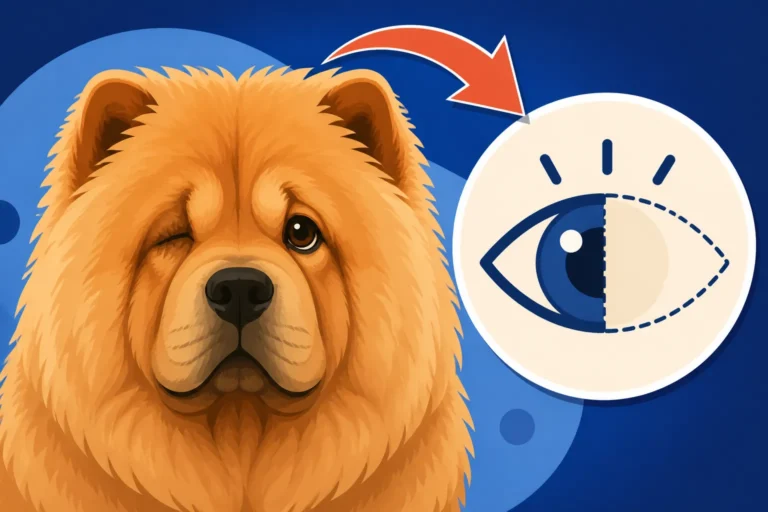
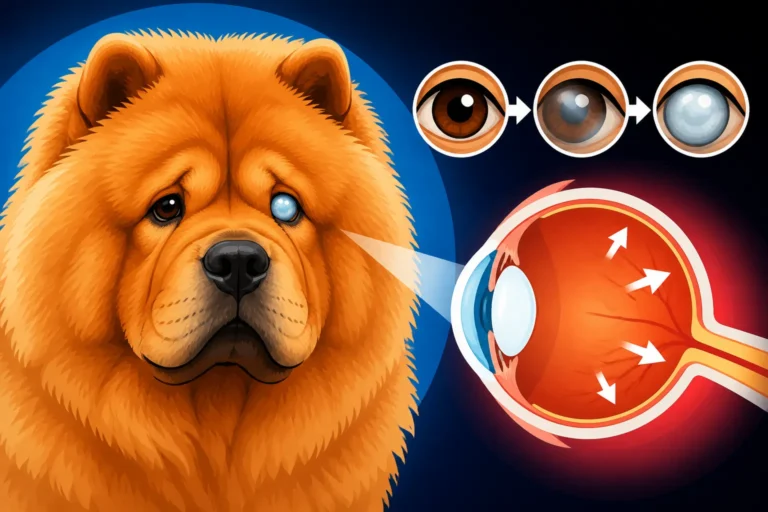
For instance, many Chow Chows are prone to eye conditions. Why a Chow Chow's Deep Set Eye Causes Trouble describes how their eye structure can lead to problems. Entropion, where the eyelid rolls inward, is a signature problem for the breed, and sometimes the early signs are just a slight increase in tearing or blinking. A vet can spot this much earlier than an owner, potentially leading to interventions like Eyelid Tacking Does for a Chow Chow Puppy before permanent damage occurs. Similarly, joint issues like elbow dysplasia can be quietly progressing. Your vet can feel for subtle changes in gait or joint mobility long before your Chow Chow starts limping noticeably, giving you a chance to discuss management options. The truth is, sometimes the answer to Whether the Chow Chow Is a Healthy Breed depends heavily on how proactive an owner is.
Proactive Care: Catching Problems Before They Escalate
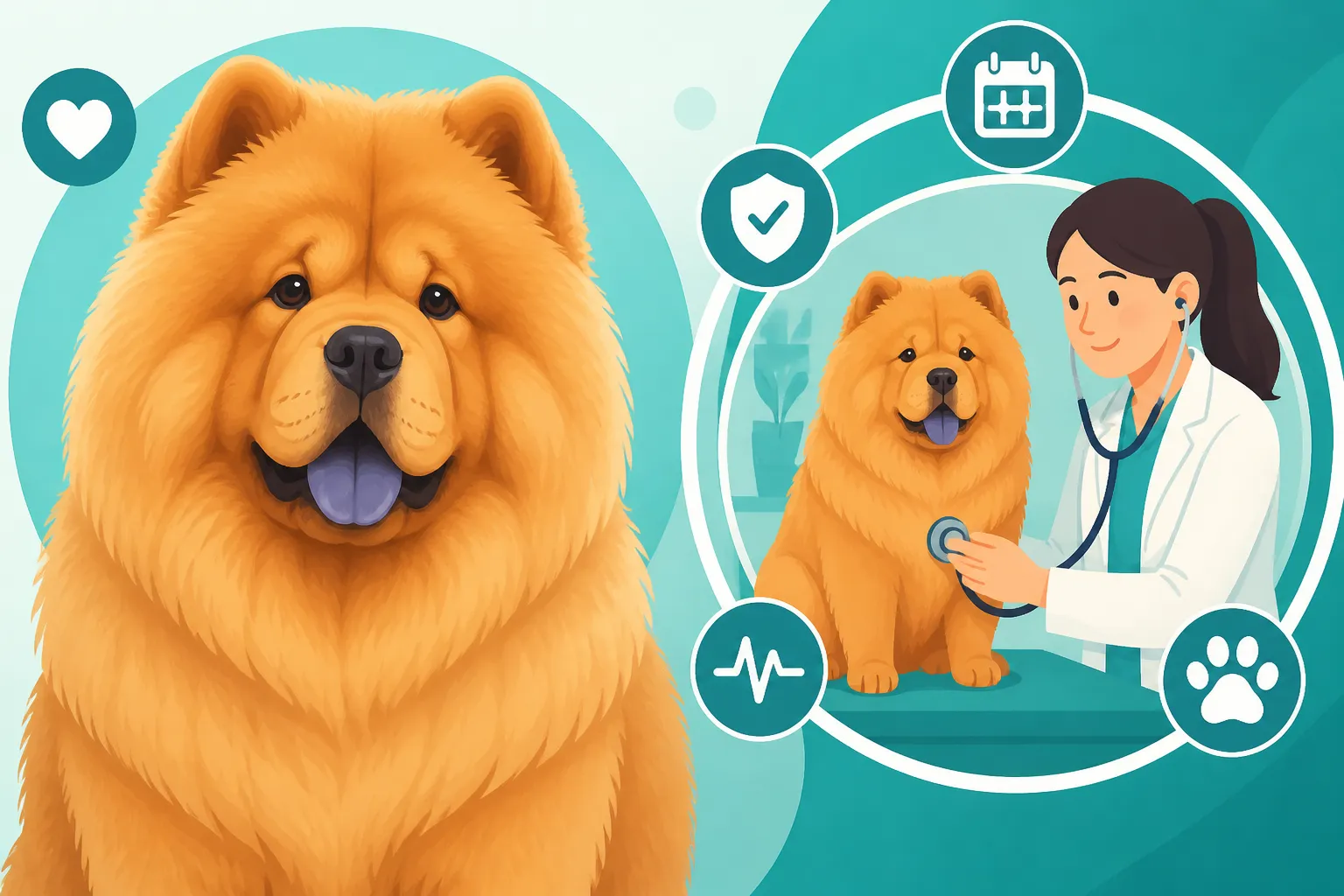
Think of wellness exams as your Chow Chow's personal health detective work. Instead of waiting for a full-blown crisis, these visits allow your vet to establish a baseline of health for your individual dog. They track weight, listen to heart and lung sounds, check lymph nodes, and palpate the abdomen, noting any deviations from the norm. This proactive approach is invaluable, especially as your Chow Chow ages.
Catching something early can make a world of difference, not just for your dog's comfort and prognosis, but for your wallet too. Treating advanced diseases often involves more complex and costly procedures. Investing in regular check-ups, and perhaps considering a robust pet insurance plan like those offered by Healthy Paws, can provide peace of mind and help cover the costs of these crucial preventative measures, ensuring you can always afford to do what’s best for your furry family member. It truly shifts the paradigm from reactive, emergency-driven care to a much more manageable and effective preventative strategy.
Tailoring Wellness Exams to Your Chow Chow's Life Stage
Just like with people, a Chow Chow's veterinary needs change significantly as they move through different life stages. A puppy needs a different schedule than a spry adult, and a wise senior Chow has concerns all their own. Understanding these differences helps you ensure your Chow Chow receives the most appropriate care at every point in their journey.
The Puppy's First Year: A Critical Period of Growth and Protection
The first year of a Chow Chow's life is a whirlwind of growth, learning, and developing immunity. Puppies need a series of veterinary visits, typically starting around 8 weeks of age, and continuing every 3-4 weeks until they are about 16 weeks old. These initial appointments are vital for:
- Vaccinations: Protecting your puppy from common, often deadly, diseases like distemper, parvovirus, and rabies.
- Parasite Control: Checking for and treating intestinal worms, fleas, ticks, and beginning heartworm prevention.
- Physical Exams: Monitoring growth and development, checking for congenital issues, and ensuring everything is progressing normally. This is often when a vet might first notice signs of Entropion Is the Chow Chow's Signature Problem.
- Nutrition and Behavior Advice: Your vet can offer guidance on appropriate feeding for slow, healthy growth, which is critical for breeds prone to joint issues, and discuss early socialization strategies.
After their initial vaccine series is complete, a Chow Chow puppy will typically need one more wellness check around 6 months of age, often coinciding with their spay or neuter surgery. This visit allows the vet to assess their development post-vaccination series and address any emerging adolescent behaviors or physical changes.
Adult Chow Chows (1-7 Years): Maintaining Peak Health
Once your Chow Chow reaches about one year of age, and is fully vaccinated and spayed/neutered, the frequency of wellness exams typically settles into a routine of once a year. For most adult Chow Chows, an annual check-up is sufficient to:
- Monitor Overall Health: A yearly physical exam allows your vet to catch subtle changes in weight, coat condition, teeth, eyes, ears, and joint mobility that might indicate a developing issue.
- Update Vaccinations: Many core vaccines require boosters every one or three years, depending on the vaccine and your vet's protocol.
- Parasite Prevention: Ensuring your Chow Chow remains protected from heartworms, fleas, and ticks year-round.
- Dental Health: Assessing the condition of their teeth and gums, which is often an overlooked aspect of overall health. Dental disease can lead to serious systemic problems if left untreated.
- Behavioral Discussions: Addressing any behavioral changes or concerns you might have noticed over the past year.
While once a year is standard, if your adult Chow Chow has a known chronic condition, such as allergies or mild joint stiffness, your vet might recommend more frequent visits to manage and monitor that specific issue. This is where having a good pet insurance plan, like those from Healthy Paws, can really shine, as it helps cover the ongoing costs of managing chronic conditions.
Senior Chow Chows (8+ Years): Proactive Care for Golden Years
As your Chow Chow enters their golden years – typically starting around 8 years old, which is The Age a Chow Chow Is Considered Senior – their veterinary needs become more intensive. Just like people, aging dogs are more susceptible to a range of health issues, including arthritis, kidney disease, heart conditions, and certain cancers. For senior Chow Chows, it's generally recommended to schedule wellness exams every six months.
These biannual visits are critical because:
- Accelerated Aging: Dogs age much faster than humans, so a lot can change in six months. More frequent checks allow for earlier detection of age-related diseases.
- Comprehensive Diagnostics: Senior exams often include more extensive bloodwork and urinalysis. This helps monitor organ function, detect early signs of kidney or liver disease, diabetes, or thyroid issues. What a Chow Chow's Yearly Bloodwork Should Cover provides more insight into these tests.
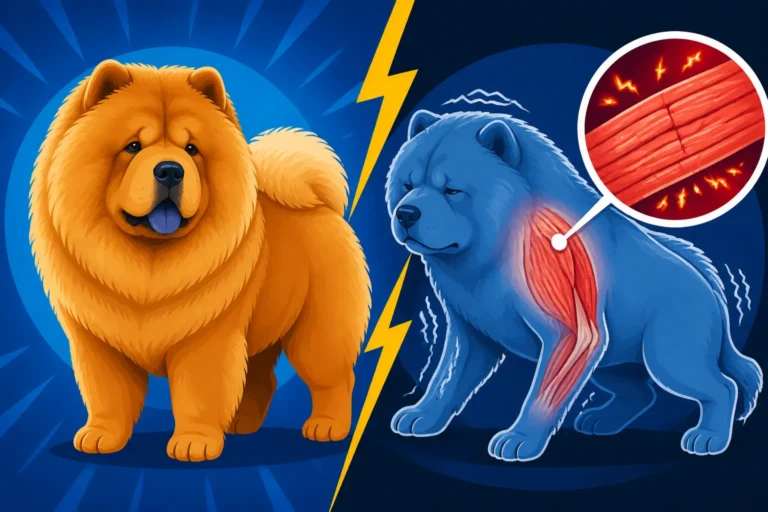
- Arthritis Management: Many senior Chow Chows will develop arthritis, especially considering their unique gait and bone structure. Regular checks allow your vet to assess pain levels and adjust medication or physical therapy as needed to maintain their quality of life.
- Cognitive Function: Discussing any changes in behavior, sleep patterns, or cognitive function can help address potential canine cognitive dysfunction.
- Weight Management: Keeping a healthy weight is even more important for senior Chows to reduce strain on aging joints.
These more frequent visits, combined with a willingness to openly discuss any changes you've observed, are key to Caring for an Old Chow Chow and helping them enjoy their later years comfortably.
Here's a quick overview of the recommended wellness exam frequency by age:
| Age Group | Recommended Visit Frequency | Key Focus Areas |
|---|---|---|
| Puppy (0-4 months) | Every 3-4 weeks | Initial health checks, vaccination series, deworming, parasite prevention, growth monitoring, early socialization and training advice. |
| Adolescent (4-12 months) | Around 6 months | Final vaccinations (if needed), spay/neuter discussion/surgery, continued growth monitoring, dental development, addressing emerging behavioral traits. |
| Adult (1-7 years) | Once a year | Comprehensive physical exam, booster vaccinations, ongoing parasite prevention, dental health assessment, weight management, early detection of common adult diseases. |
| Senior (8+ years) | Every 6 months | Thorough physical exam, biannual bloodwork/urinalysis, arthritis assessment and management, monitoring organ function, cancer screening, cognitive health, tailored nutritional and lifestyle adjustments. |
What to Expect During Your Chow Chow's Wellness Exam
So, what actually happens during these visits? It's more than just a quick peek. A comprehensive wellness exam for your Chow Chow is a systematic process designed to evaluate every aspect of their physical health.
The Head-to-Tail Physical Examination
Your vet will start with a thorough "head-to-tail" physical examination. This is often the most important part of the visit, especially for a breed like the Chow Chow who can be tricky to handle. They'll methodically check:
- Eyes: Looking for any signs of irritation, discharge, redness, or conditions like entropion. They'll also check pupil response and overall clarity.
- Ears: Checking for cleanliness, signs of infection, mites, or excessive hair.
- Nose and Mouth: Inspecting the nose for discharge and the mouth for healthy gums, clean teeth, and any lesions on their distinctive blue-black tongue.
- Coat and Skin: Parting the dense fur to look for parasites, skin irritations, lumps, bumps, or dry patches. This can be challenging with a Chow Chow's thick coat, making it a critical part of the exam.
- Lymph Nodes: Feeling for any enlargement, which could indicate infection or other issues.
- Cardiovascular System: Listening to the heart for murmurs or arrhythmias, and checking pulse quality.
- Respiratory System: Listening to lung sounds to detect any abnormalities.
- Abdomen: Gently palpating the abdomen to check organ size and identify any tenderness or masses.
- Musculoskeletal System: Assessing gait, checking joint range of motion, and feeling for any signs of pain or stiffness, particularly in the hips and elbows which are prone to dysplasia. What Elbow Dysplasia Does to a Chow Chow is a serious concern.
- Weight and Body Condition Score: Weighing your Chow Chow and assessing their body condition (too thin, ideal, or overweight) to guide nutritional recommendations. Given their thick coats, it can be hard to tell if a Chow is overweight at home, so this objective assessment is key.
Diagnostic Testing and Vaccinations
Beyond the physical exam, your vet may recommend additional diagnostics, especially for senior Chow Chows or those with specific concerns.
- Bloodwork: A complete blood count (CBC) checks for anemia, infection, and inflammation, while a biochemistry panel assesses organ function (kidneys, liver) and screens for conditions like diabetes. This provides valuable insights into what's happening internally.
- Urinalysis: Examining urine can detect kidney problems, urinary tract infections, and other metabolic issues.
- Fecal Exam: Checking a stool sample for intestinal parasites that might not be visible to the naked eye.
- Heartworm Test: A simple blood test to ensure your Chow Chow isn't infected with heartworms, which are transmitted by mosquitoes and can be deadly.
Vaccinations will be updated according to your Chow Chow's age, lifestyle, and local regulations. Your vet will discuss which vaccines are core (recommended for all dogs) and which are non-core (recommended based on risk of exposure, like kennel cough if your Chow goes to boarding or daycare).
Making Vet Visits a Smoother Experience for Your Chow Chow (and You!)
We all know Chow Chows can be, shall we say, particular. Their independent nature and sometimes wary disposition can make vet visits a source of stress for both them and their owners. But with a little planning and consistent effort, you can make these essential appointments much more manageable. Why a Chow Chow Is Hard to Examine at the Vet is a common frustration, but it doesn't have to be.
Behavioral Considerations and Preparation
The key to a successful vet visit with a Chow Chow often lies in early and consistent positive reinforcement.
- Early Socialization: If you have a puppy, expose them to various sights, sounds, people, and gentle handling from a young age. Practice touching their paws, ears, mouth, and tail regularly at home, associating it with treats and praise. This makes them more tolerant of being examined.
- "Happy Visits": Take your Chow Chow to the vet's office for short, non-medical visits. Just pop in, get some treats from the reception staff, get on the scale, and leave. This helps them associate the clinic with positive experiences rather than just pokes and prods.
- Muzzle Training: This is a non-negotiable for many Chow Chow owners. Training your Chow Chow to comfortably wear a muzzle, using positive reinforcement, is a responsible and humane way to ensure safety for both your dog and the veterinary staff, especially if your Chow Chow tends to be defensive. It's not a punishment; it's a safety tool.
- Communicating with Your Vet: Be upfront with your vet and their staff about your Chow Chow's temperament and any anxieties they have. They can adapt their approach, such as doing parts of the exam on the floor, using calming techniques, or even having a "Fear Free" certified professional handle them. Sometimes, a Chow Chow needs gentle handling and a quiet environment to feel safe.
If your Chow Chow is highly stressed or aggressive at the vet, discuss sedation options with your veterinarian beforehand. Whether a Chow Chow Needs Sedation for a Checkup is a valid question, and sometimes, a mild sedative administered at home before the appointment can make a world of difference, allowing for a more thorough and less traumatic exam. It's better for everyone involved to have a calm patient.
Financial Planning for Wellness Care
Let's be realistic: owning a Chow Chow, like any pet, comes with financial responsibilities, and vet visits are a significant part of that. Understanding the costs involved and planning for them can alleviate a lot of stress.
- Budgeting for Routine Care: Factor in the cost of annual or biannual wellness exams, vaccinations, and parasite preventatives when you budget for your Chow Chow's care. If you're wondering about upfront costs, consider looking into What a Chow Chow Costs to Buy in 2026 for a broad picture.
- Pet Insurance: This is where pet insurance, like the plans offered by Healthy Paws, can be a game-changer. While many plans focus on accidents and illnesses, some also offer wellness add-ons that can help cover the costs of routine exams, vaccinations, and even dental cleanings. This can make proactive care much more accessible and reduce the shock of unexpected veterinary bills.
- Health Guarantees from Breeders: If you got your Chow Chow from a reputable breeder, check your contract. Some breeders offer health guarantees that might cover initial costs for certain congenital issues, like severe entropion, if discovered early. Whether a Health Guarantee Covers Chow Chow Entropion is an important question to ask.
- Emergency Fund: Even with excellent preventative care, unexpected accidents or illnesses can happen. Having a dedicated emergency fund for your Chow Chow's medical needs is always a wise decision.
Regular wellness exams are truly an investment in your Chow Chow's longevity and quality of life. They are your best defense against the silent progression of disease, allowing you to enjoy many happy years with your unique and beloved companion. Don't underestimate the power of these routine visits to keep your Chow Chow thriving.
Disclaimer
This article is for general informational purposes only and does not constitute professional advice. Laws, prices and regulations vary by location and change over time. Consult a qualified professional for guidance on your specific situation.