Whether a Chow Chow Needs Its Teeth Brushed
One of the trickiest parts of sharing your life with a Chow Chow is their often stoic, independent nature, which can make regular handling a challenge, especially when it comes to something as invasive as brushing their teeth. Many owners struggle with this essential part of their dog's health, wondering if it's truly necessary or even possible with such a reserved breed. This guide will walk you through why dental care is non-negotiable for your furry lion dog, how to spot the silent signs of trouble, and practical, empathetic strategies to make brushing a more positive experience for both of you.
The Silent Threat of Dental Disease in Chow Chows
It’s easy to overlook what you can’t readily see, and dental health in a Chow Chow often falls into that category. With their dense coats and often reserved demeanor, it can be hard to tell if something is amiss until a problem becomes severe. However, neglecting their oral hygiene can lead to a cascade of painful and costly issues, impacting not just their mouth but their entire body.
Why Chow Chows Are Prone to Dental Issues
Chow Chows, like many purebred dogs, can be predisposed to dental problems due to a combination of genetics, diet, and their unique mouth structure. Their brachycephalic (short-nosed) tendencies, though not as pronounced as some other breeds, can sometimes lead to crowded teeth, creating more nooks and crannies where plaque and tartar can accumulate. When teeth are packed too closely together, food particles and bacteria get trapped easily, making it a breeding ground for plaque. If not removed, plaque hardens into tartar, which is impossible to brush off at home and requires professional veterinary intervention. Furthermore, some Chows can have slightly undershot or overshot jaws, which also impacts how their teeth align and wear, potentially exacerbating dental issues. Their diet, especially if it consists primarily of soft, canned food without abrasive qualities, also plays a significant role in plaque buildup.
Beyond their physical traits, the sheer independence and stoicism of a Chow Chow means they are masters at hiding discomfort. A dog in pain often doesn't whine or limp visibly, especially a Chow. They might simply become a bit more withdrawn, eat a little slower, or avoid certain chews, signs that can be easily missed or attributed to their natural temperament. This means that by the time you notice something wrong, the dental disease might already be quite advanced, leading to more painful and complex treatments. Understanding these predispositions is the first step in taking proactive measures to safeguard their oral health.
The Systemic Impact of Poor Oral Health
Dental disease isn't just about bad breath or ugly teeth; it's a gateway to serious systemic health problems. The mouth is teeming with bacteria, and when gum disease (periodontal disease) sets in, these bacteria can enter your Chow Chow's bloodstream through compromised gum tissue. Once in the bloodstream, they can travel to vital organs, causing inflammation and infection elsewhere in the body. Common targets include the heart, kidneys, and liver. For instance, chronic inflammation from advanced periodontal disease has been linked to heart conditions, as bacteria can colonize heart valves. Kidney and liver function can also be compromised over time as these organs work harder to filter out bacterial toxins.
Imagine your Chow Chow silently battling an infection that constantly taxes their internal organs, day in and day out. This constant low-grade inflammation can significantly impact their quality of life and even shorten their lifespan. They might feel generally unwell, have less energy, or exhibit subtle behavioral changes that are difficult to pinpoint without a thorough veterinary examination. The pain from infected gums or abscessed teeth can also make eating uncomfortable, leading to weight loss or reluctance to chew. It's a cruel irony that a breed so adept at hiding pain often suffers in silence from something so preventable. Investing in good oral hygiene is not just about a healthy smile; it's about protecting their entire body and ensuring they live as long and comfortable a life as possible. The Eight to Twelve Years a Chow Chow Gets can be significantly impacted by preventable conditions like dental disease.
Recognizing the Signs of Dental Trouble
One of the biggest frustrations for Chow Chow owners is their dog's incredible ability to mask pain. Their aloof nature can make it difficult to distinguish between their usual reserved behavior and actual discomfort. However, knowing what to look for can help you catch dental problems before they escalate into major health crises.
Visible Cues and Hidden Dangers
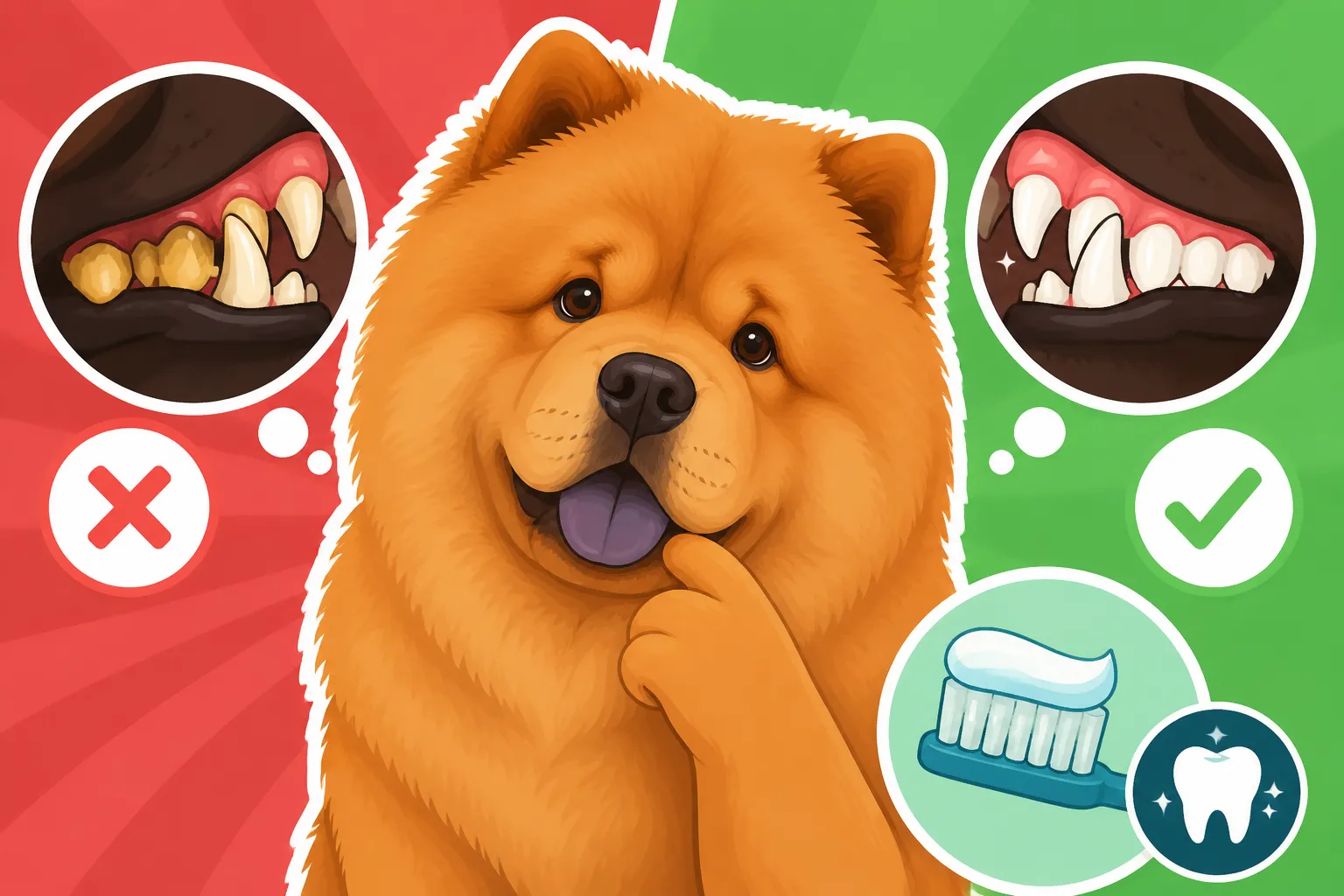
While a Chow Chow might not cry out, there are visual cues that can signal dental distress if you know where to look. The most obvious, yet often overlooked, sign is persistent bad breath. This isn't just "dog breath"—it's a foul, sometimes pungent odor that indicates a bacterial overgrowth in their mouth. Dark yellow or brown buildup on their teeth, especially along the gumline, is tartar. Red, swollen, or bleeding gums are clear indicators of gingivitis, the first stage of periodontal disease. You might notice your Chow Chow’s gums receding, exposing the roots of their teeth, which is incredibly painful and a sign of advanced disease.
Less obvious, but equally concerning, are changes you might see when they eat or play. Are they dropping food more often? Chewing only on one side of their mouth? Or perhaps showing less interest in their favorite hard chew toys? These subtle shifts in behavior can point to pain. Sometimes, a discharge from the nose or swelling on one side of the face can indicate an abscessed tooth that has infected the surrounding bone or sinuses. Because their deep ruff can hide facial swelling, you might need to feel their jawline gently to detect any lumps or tenderness. Regular, gentle checks, even if met with a typical Chow reluctance, are vital. How a Chow Chow Hides Pain is a critical factor here, requiring owners to be extra vigilant.
Behavioral Changes That Signal Pain
Beyond the visible signs, your Chow Chow might display subtle behavioral shifts that indicate they're in pain. These are often easy to dismiss as "just being a Chow," but when combined with other cues, they paint a clearer picture. For instance, a dog with a sore mouth might become more irritable or less tolerant of being touched around their head, even by their bonded person. They might pull away sharply if you try to inspect their mouth or even snap, which is highly unusual for a Chow unless provoked. This isn't aggression for aggression's sake; it's a protective mechanism due to severe discomfort.
You might observe changes in their eating habits: a reluctance to eat kibble, preferring softer foods, or taking longer to finish a meal. They might drop pieces of food as they try to chew, or even let saliva or food dribble from their mouth more than usual. Sometimes, excessive drooling or pawing at their mouth can also be a sign of dental pain. While a Chow Chow is known for its independence, a sudden increase in withdrawal or a decrease in interaction, even subtle, could be a sign they're not feeling well. It’s crucial to pay close attention to these small deviations from their normal routine. If you notice any combination of these signs, a vet visit is absolutely in order. Why a Chow Chow Is Hard to Examine at the Vet makes a thorough dental check-up even more challenging, often necessitating sedation for a proper assessment.
The Best Tools for Brushing a Chow Chow's Teeth
Alright, so you're convinced that brushing your Chow Chow's teeth is important. Now comes the practical part: what do you actually use? Navigating the sheer volume of dental products out there can feel overwhelming, but a few key items are essential for effective home care.
Choosing the Right Toothbrush and Toothpaste
When it comes to toothbrushes, you're not going to be using your own. Human toothbrushes are too large and the bristles are too stiff for a dog's sensitive gums. For a Chow Chow, you'll want to look for brushes specifically designed for dogs. These often come in a few forms:
- Finger brushes: These slip over your finger and have soft rubber or silicone bristles. They're great for puppies or Chows new to brushing, as they allow for a more direct, tactile feel and less intimidating approach. However, they might not reach all areas effectively in a larger adult mouth.
- Long-handled dog toothbrushes: These look more like human toothbrushes but have softer bristles and an angled head designed to reach those tricky back teeth. Look for ones with two heads (one small, one large) or an ergonomic handle.
- Three-sided toothbrushes: These brilliant tools clean three surfaces of the tooth at once, which can dramatically cut down on brushing time and improve efficiency, especially for a dog who isn't keen on a prolonged session. They're a fantastic option for a Chow who gives you limited access.
As for toothpaste, this is absolutely critical: never use human toothpaste on your Chow Chow. Our toothpaste contains fluoride and xylitol, which are toxic to dogs if swallowed. Dog toothpastes are specially formulated to be safe for ingestion and come in flavors dogs usually enjoy, like poultry, beef, or peanut butter. These enzymatic toothpastes contain enzymes that help break down plaque, adding an extra layer of cleaning power even if your brushing technique isn't perfect. Brands like Virbac C.E.T. or Petrodex are popular and widely available on platforms like Chewy or Amazon. Start with a flavor your Chow seems to enjoy; sometimes, the taste alone can make them more receptive to the process.
Alternative Dental Care Products
Even with the best intentions and the right tools, some Chow Chows will simply never tolerate a full brushing routine. For these independent spirits, or as supplementary care, there are other products that can help maintain oral hygiene.
- Dental Chews: These are specially designed treats with an abrasive texture and sometimes added enzymes that help scrape plaque off teeth as your dog chews. Look for brands that have the Veterinary Oral Health Council (VOHC) seal of acceptance, as this indicates they have been proven effective in reducing plaque and/or tartar. Daily dental chews can be a good addition, but remember, they are not a substitute for brushing. They mostly clean the tips of the teeth they chew with, not necessarily the gumline or all surfaces. Popular VOHC-approved chews can be found on Chewy or Amazon.
- Water Additives: These are liquid solutions that you add to your Chow Chow's drinking water. They contain ingredients that help reduce bacteria in the mouth and can inhibit plaque formation. While they are incredibly easy to use – just pour and serve – their effectiveness can vary. They are best used as part of a multi-faceted approach, not as a standalone solution, and some Chows might detect a slight taste change and be hesitant to drink.
- Dental Sprays/Gels: These products are applied directly to your dog's teeth and gums. Some contain antiseptics to kill bacteria, while others have enzymes to break down plaque. They can be easier to apply than brushing for some Chows, especially if you can get them to tolerate a quick lift of the lip. However, they still require some level of cooperation.
- Diet: Feeding a high-quality kibble can offer some abrasive action, but specific "dental diets" are formulated with larger, unique kibble shapes that physically scrub the teeth as the dog crunches. These prescription diets can be very effective for plaque control and are something to discuss with your vet if home brushing is truly impossible. Companies like Purina Veterinary Diets or Hill's Prescription Diet offer such options.
- Raw Bones/Recreational Chews: While some advocates swear by raw bones for dental health, there are significant risks involved, including fractured teeth, choking hazards, and bacterial contamination. If you choose this route, always supervise your Chow Chow closely and opt for appropriately sized, non-weight-bearing bones that are less likely to splinter. Consulting your veterinarian before introducing raw bones is highly recommended. For safe chewing, look for durable, veterinary-approved chew toys on Amazon that can help scrape teeth without the risks.
A combination of approaches is often the most successful. For example, daily dental chews combined with a water additive and regular professional cleanings might be the best route for a Chow Chow who absolutely refuses brushing.
| Dental Care Method | Pros | Cons | Best Use For |
|---|---|---|---|
| Brushing | Most effective for plaque/tartar removal, reaches gumline and all surfaces | Requires cooperation, can be time-consuming, specific tools needed | Primary home care, ideal for all Chows willing to tolerate it |
| Dental Chews | Easy to administer, dogs often enjoy them, VOHC-approved options available | Only cleans surfaces it touches, not a substitute for brushing, calorie content, potential for choking or upset stomach | Supplementary care, Chows who chew diligently |
| Water Additives | Very easy to use, minimal effort required, continuous action | Variable effectiveness, some Chows dislike taste, not a standalone solution, does not remove existing tartar | Supplementary care, Chows resistant to other methods |
| Dental Sprays/Gels | Easier to apply than brushing for some, targeted action, freshens breath | Requires some cooperation (lifting lip), effectiveness varies, not as thorough as brushing | Supplementary care, Chows with mild aversion to brushing |
| Veterinary Cleanings | Most thorough and effective, removes hardened tartar, addresses underlying issues | Requires general anesthesia, higher cost, periodic (not daily) | Essential for all Chows, especially those with advanced disease |
Making Brushing a Positive Experience
Let's be real: convincing an independent Chow Chow that having their teeth brushed is a grand idea can feel like trying to herd cats. They are not typically a breed that easily submits to what they perceive as unnecessary handling. However, with patience, positive reinforcement, and a realistic approach, you can turn this daunting task into a manageable routine.
Starting Early and Building Tolerance
The absolute best time to start any grooming or handling routine with a Chow Chow is when they are a young puppy. Their socialization window is crucial, and introducing novel experiences in a positive way during this time can set them up for a lifetime of tolerance, if not enthusiasm. Even if you have an adult Chow Chow, don't despair – it just means you'll need a bit more patience.
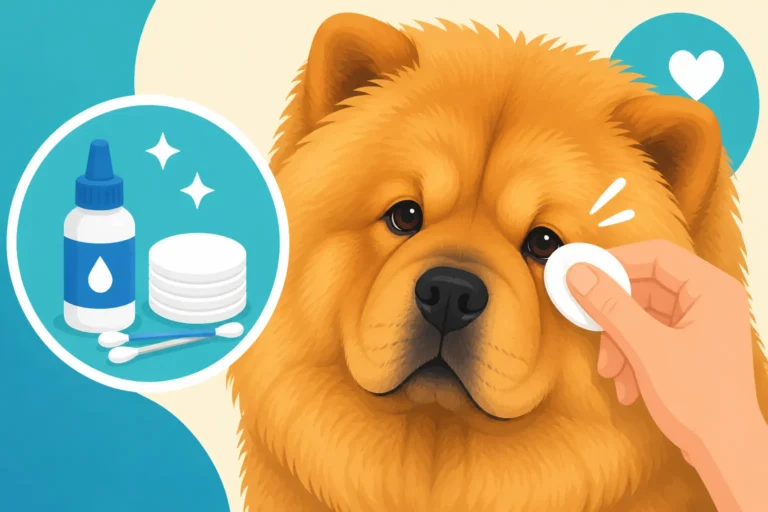
Start by simply getting your Chow Chow comfortable with having their mouth and muzzle handled. Don't even introduce the toothbrush or toothpaste yet. Gently touch their face, then their lips, then slowly lift their lip to briefly expose their teeth. Immediately follow this with a high-value treat and verbal praise. Think small steps: one touch, one treat. Repeat this many times a day for short sessions (think 30 seconds to a minute). Once they tolerate that, introduce the dog-specific toothpaste. Let them lick a tiny bit off your finger. Many Chows love the poultry or beef flavor, which can be a huge win. The goal is to associate positive experiences (tasty treats!) with the handling. Build up to gently rubbing a small amount of toothpaste on their gums with your finger. This is building their foundation for what's to come. Patience is key; don't rush the process, or you'll risk creating a negative association that will be hard to undo. Teaching a Chow Chow to Have Its Ears Checked and Teaching a Chow Chow to Have Its Eyes Wiped involve similar desensitization techniques and positive reinforcement for handling the head area.
Techniques for Brushing a Resistant Chow Chow
Even with the best preparation, you might find your Chow Chow still resistant to the actual brushing motion. This is where strategy and persistence come in.
First, choose your moment wisely. Don't try to brush their teeth when they're tired, grumpy, or overly excited. A calm time, perhaps after a short walk or a quiet snuggle, might be best. Ensure you are in a quiet environment with no distractions.
Second, position yourself comfortably and safely. Sitting on the floor with your Chow Chow can sometimes be less confrontational than standing over them. Some owners find success with their Chow Chow lying on their lap or next to them. If you have a particularly squirmy Chow, you might consider having a second person gently hold them, but only if this doesn't cause more stress. Remember, the goal is not to restrain them forcefully but to encourage cooperation.
Third, keep sessions short and positive. Initially, you might only get a few teeth brushed. That's okay! Focus on the outside surfaces of the upper teeth, as these are most prone to tartar buildup and are generally easier to access. Angle the bristles toward the gumline at a 45-degree angle, using small, gentle circles. Then move onto the lower teeth. Don't worry about the inside surfaces too much; their tongue often provides some cleaning action there. After a few successful strokes, stop, praise, and offer a truly high-value treat. End on a good note, even if it feels like you barely did anything. Gradually increase the duration and the number of teeth you brush over days and weeks. Consistency is more important than perfection in the beginning.
If your Chow Chow absolutely refuses the brush, consider a dental wipe, a dental spray, or even just finger-brushing with toothpaste initially. The act of getting something on their teeth and gums is better than nothing. You might also want to try different types of toothbrushes, like the three-sided version mentioned earlier, which can be more efficient. For Chows that are truly independent, using a "fear-free" approach is vital. This means recognizing their comfort level, backing off if they show signs of stress (lip licking, yawning, turning head away), and always ensuring the experience is associated with good things. Remember, you're not trying to win a fight; you're trying to build a routine based on trust and positive reinforcement. If you're really struggling, a professional dog trainer or a "Fear Free" certified veterinary technician might be able to offer hands-on guidance.
Beyond the Brush: Professional Dental Care
Even with a diligent home brushing routine, professional veterinary dental cleanings are often a necessary part of a Chow Chow's long-term oral health plan. Some things just can't be tackled with a toothbrush and paste, no matter how hard you try.
The Importance of Veterinary Dental Cleanings
Think of veterinary dental cleanings as the deeper, more comprehensive care that complements your efforts at home. Your veterinarian has specialized tools that can remove hardened tartar (which brushing cannot do) and can reach areas of the mouth that are impossible for you to access. These procedures are performed under general anesthesia, which sounds daunting but is crucial for a thorough and safe cleaning. Anesthesia allows the vet to do a complete oral examination, probing for gum pockets, checking for loose teeth, and taking dental X-rays to assess the health of the tooth roots and jawbone beneath the gumline. This is vital because much of periodontal disease occurs below the gumline, invisible to the naked eye.
During the cleaning, specialized ultrasonic scalers are used to remove tartar from all tooth surfaces, including below the gumline. After scaling, the teeth are polished to smooth out any microscopic etches where plaque could easily adhere, making it harder for new tartar to form. This comprehensive approach not only cleans the teeth but also addresses underlying issues like gingivitis and even identifies teeth that might need extraction due to severe disease or fracture. Without these regular professional cleanings, plaque and tartar will inevitably build up, leading to painful infections, tooth loss, and potential systemic health issues. While the cost of a sedated dental cleaning might seem high, it pales in comparison to the expenses and pain associated with treating advanced dental disease or related organ damage. What a Chow Chow's Sedated Dental Costs gives you an idea of the investment involved.
Understanding Sedation for Dental Procedures
The word "anesthesia" often makes Chow Chow owners anxious, and rightly so. There are always risks with any anesthetic procedure. However, modern veterinary anesthesia protocols are incredibly safe, especially for routine procedures like dental cleanings. Before any dental procedure, your Chow Chow will undergo a thorough pre-anesthetic workup, which typically includes blood tests to check organ function (especially liver and kidneys) and sometimes an ECG to assess heart health. This helps the veterinary team identify any underlying conditions that might increase anesthetic risk.
During the procedure, your Chow Chow will be closely monitored by a trained veterinary technician using advanced equipment that tracks heart rate, respiratory rate, blood pressure, oxygen saturation, and body temperature. Intravenous fluids are often administered to maintain hydration and blood pressure. The anesthesia itself is carefully controlled and adjusted based on your dog's needs. The reason for anesthesia is not just for your Chow Chow's comfort but for the safety and thoroughness of the procedure. Imagine trying to perform a detailed scaling and probing on a conscious dog, especially a Chow Chow known for its independent nature and potential wariness of strangers. It would be impossible to be thorough, and it would be incredibly stressful and potentially dangerous for both the dog and the veterinary staff.
For Chow Chows specifically, their inherent wariness and tendency to be less outwardly expressive about discomfort mean that a calm, controlled environment under anesthesia is essential for a complete examination. It allows the vet to assess all areas of the mouth without causing undue stress or pain. While it's a significant consideration, delaying necessary dental care due to fear of anesthesia often leads to much more severe and painful problems down the line, ultimately requiring more extensive and riskier procedures. Discussing any concerns you have about anesthesia with your veterinarian is vital; they can explain their protocols and address your specific worries about Whether a Chow Chow Tolerates Anesthesia. A proactive approach to dental health, including routine brushing and periodic professional cleanings, is a foundational part of caring for your beloved Chow Chow.
Disclaimer
This article is for general informational purposes only and does not constitute professional advice. Laws, prices and regulations vary by location and change over time. Consult a qualified professional for guidance on your specific situation.