Whether a Chow Chow Needs a Yearly Eye Exam
It's incredibly easy to fall into the trap of thinking a healthy-looking Chow Chow doesn't need much fuss beyond their regular vaccinations. However, many Chow Chow owners later face the distressing reality that serious eye conditions can develop silently and progress rapidly, often requiring expensive, urgent care. This comprehensive guide will explore why yearly eye exams are not just recommended, but truly essential for the lifelong well-being of your Chow Chow, helping you catch potential problems early.
The Unique Eye Challenges of the Chow Chow Breed
Chow Chows are majestic, beautiful dogs, but their distinctive appearance, particularly their deep-set eyes and abundant facial folds, unfortunately predisposes them to a host of ocular issues. Understanding these inherent breed characteristics is the first step in proactive care. It’s not about finding fault with their looks, but acknowledging the specific vulnerabilities that come with them.
Why Their Deep-Set Eyes Are a Double-Edged Sword
That characteristic "scowl" and profound expression that makes a Chow Chow so captivating is a direct result of their deep-set eyes and the heavy brows and surrounding facial structure. While visually striking, this anatomical feature can restrict their peripheral vision. Imagine always having a bit of a tunnel vision – it’s a constant reality for many Chows. This reduced field of vision means they can be easily startled if approached from the side or behind, which can, in turn, influence their behavior and how they react to unexpected movements. Moreover, the deep setting often means their eyes aren't as openly exposed, which can sometimes make it harder for owners to spot subtle changes or irritations without a closer inspection. It's a key reason why regular, professional examination is so important; a quick glance might miss something significant.
The Ever-Present Threat of Entropion
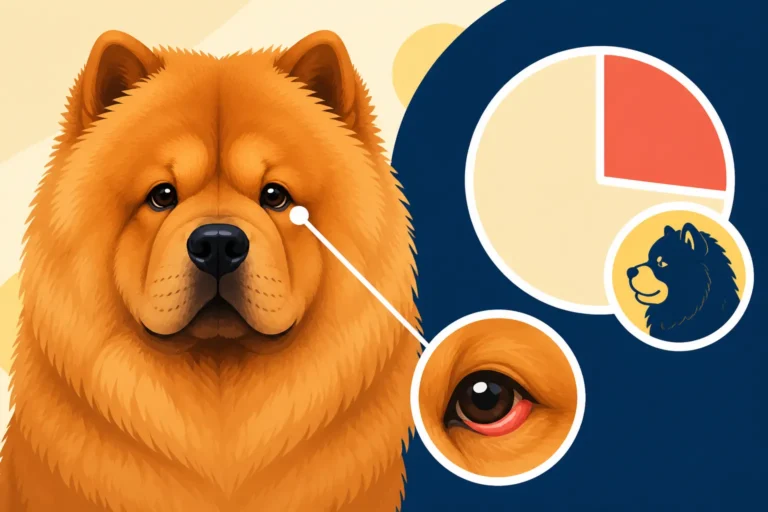
One of the most notorious and common eye problems in the breed is entropion. This condition is where a portion of the eyelid, usually the lower one, rolls inward, causing the eyelashes and fur to rub constantly against the surface of the eye. If you’ve ever had an eyelash in your eye, multiply that discomfort by a thousand and imagine it never going away. It's a source of chronic irritation and pain. Initially, you might just notice your Chow Chow squinting more often, or perhaps an increase in tear production or discharge. Over time, this constant rubbing can lead to serious complications such as corneal abrasions, ulcers, and even scarring, which can permanently impair vision.
The signs a Chow Chow has entropion often start subtly, making it easy to overlook for an inexperienced owner. Persistent tearing, red and inflamed eyes, pawing at the face, or keeping one eye partially closed are all red flags. If left unaddressed, the damage can become irreversible. The good news is that when detected early, entropion can often be corrected. You might be surprised to learn that in many cases, a veterinarian will recommend a surgical procedure known as how entropion is repaired in a Chow Chow, which involves removing a small piece of skin from the eyelid to allow it to roll back out to its normal position. Sometimes, temporary eyelid tacking is done in puppies to allow them to grow without irritation until they are old enough for a more permanent solution.
Glaucoma's Silent and Swift Attack
Another severe and often devastating condition prevalent in Chow Chows is glaucoma. This isn't just about high eye pressure; it's a disease that can literally blind a dog in days if not hours. Chow Chows are particularly prone to a form called primary closed-angle glaucoma because of their unique eye anatomy, specifically their naturally narrow drainage angle. This narrow angle obstructs the outflow of fluid within the eye, leading to a rapid and dangerous buildup of intraocular pressure. This increased pressure damages the optic nerve and retina, resulting in irreversible vision loss.
What makes glaucoma so terrifying is its speed. Unlike some chronic conditions that progress slowly, signs a Chow Chow has glaucoma can appear suddenly. One moment your dog seems fine, the next they are in extreme pain, with a cloudy eye, dilated pupil, and possibly rubbing their face vigorously. This condition is a true veterinary emergency. Understanding why a Chow Chow's drainage angle is narrow highlights the importance of proactive screening. While there's no cure for primary glaucoma, early detection and aggressive treatment can sometimes save the vision in the affected eye, and often buy time for the other eye. However, the prognosis is often guarded, and many Chow Chows unfortunately lose their vision in the affected eye, and sometimes in the other eye shortly after. This emphasizes the critical role of monitoring and rapid intervention.
Understanding the Value of Annual Ocular Check-ups
Given the specific predispositions of the Chow Chow breed to these potentially debilitating eye conditions, annual eye exams are far more than a routine inconvenience. They are a crucial component of preventative care, offering invaluable benefits that can save your dog's sight, prevent suffering, and even save you significant financial strain in the long run.
Early Detection Saves Sight and Money
Imagine catching a problem like entropion when it's just starting to cause irritation, before it leads to a painful corneal ulcer that requires extensive medication and potentially more complex surgery. That's the power of early detection through yearly eye exams. During these routine visits, a veterinary ophthalmologist or even your general practitioner vet specifically trained in ocular health can spot subtle changes that you, as a loving owner, might not notice until the condition has progressed. For example, a minor eyelid deviation might be caught and addressed with a relatively simple procedure, rather than waiting until the entire eyelid rolls inward, causing a large corneal ulcer.
This proactive approach isn't just about comfort; it's also about managing costs. Elective surgeries for conditions like entropion, when scheduled, can often be less expensive than emergency surgeries or treatments for severe, acute problems like advanced glaucoma or deep corneal ulcers. Furthermore, many pet insurance providers, such as Healthy Paws, emphasize the importance of preventative care. While they won't cover pre-existing conditions, being enrolled before an issue arises means a higher likelihood of coverage for diagnostics and treatments. Thinking ahead and budgeting for a potential entropion surgery every Chow Chow owner should budget for is a smart move.
What a Vet Looks For During a Chow Chow Eye Exam
A comprehensive yearly eye exam for your Chow Chow goes far beyond just a quick glance. It's a systematic evaluation designed to assess every aspect of their ocular health. The vet will start with a thorough visual inspection of your dog's eyes, looking for any redness, swelling, discharge, or signs of pain. They'll also carefully examine the eyelids, paying close attention to how they sit against the eyeball, especially crucial for a breed prone to entropion and distichiasis in a Chow Chow, which is extra eyelashes growing in problematic spots.
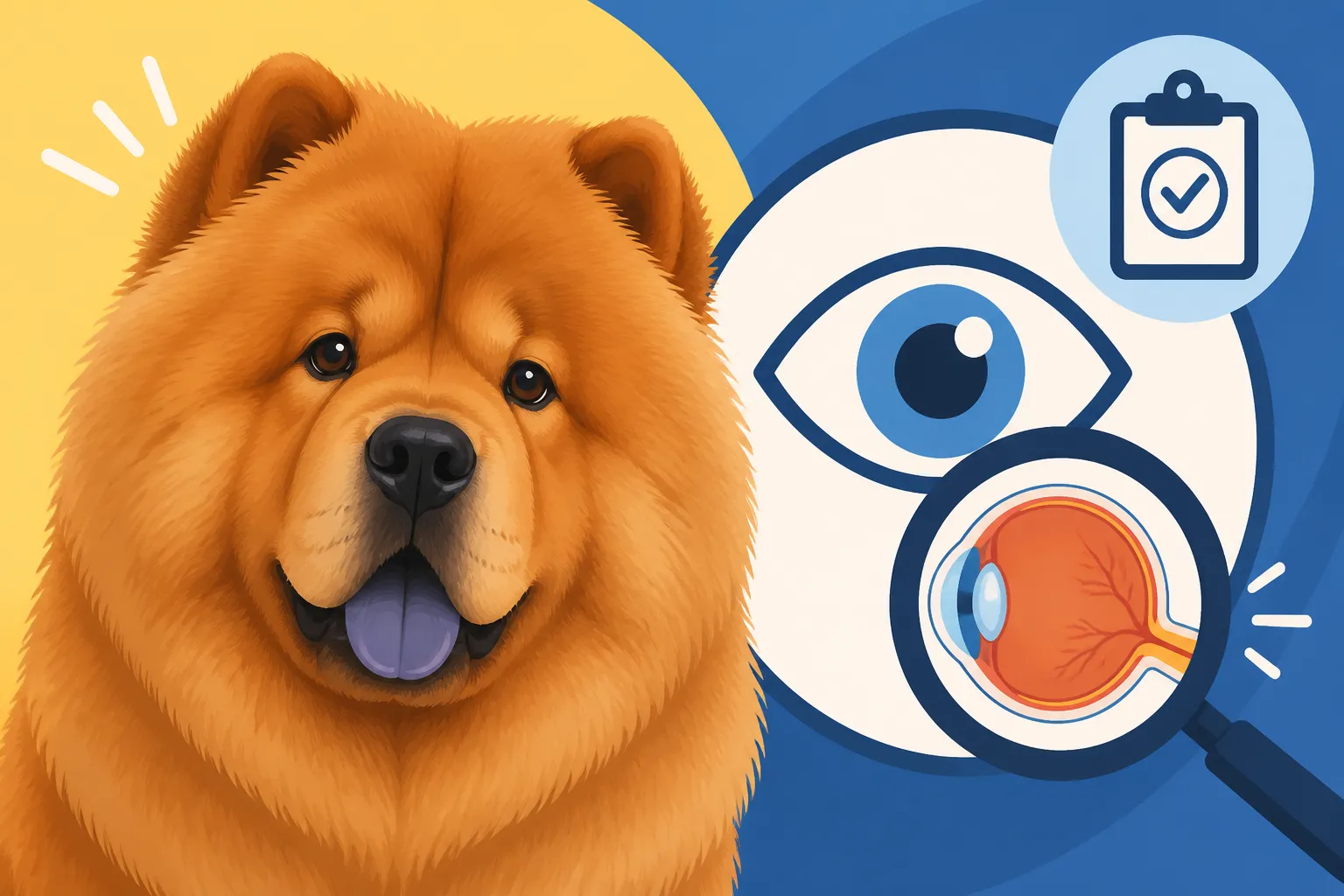
Next, a critical component is checking the intraocular pressure, which is how a Chow Chow's eye pressure is measured. This is done with a special device called a tonometer, which gently touches the surface of the eye. It's a quick, painless procedure that can detect glaucoma long before overt symptoms appear. The vet will also perform a Schirmer Tear Test to measure tear production, ensuring your Chow's eyes are adequately lubricated. They may also use a fluorescein stain to check for corneal ulcers or abrasions, as the stain will adhere to any damaged areas, making them visible under a special light. Finally, a thorough internal examination of the eye will be performed, often with an ophthalmoscope, to check the retina, optic nerve, and lens for conditions like cataracts in a Chow Chow or other abnormalities.
Beyond the Obvious: Catching Hidden Problems
The real expertise a veterinary professional brings to a yearly eye exam is their ability to see beyond what's immediately obvious to the untrained eye. Chow Chows are masters at hiding pain and discomfort, a trait rooted in their stoic nature. This means an owner might not realize something is wrong until a condition is quite advanced. A vet, however, is trained to look for subtle cues – a slight change in the reflection of the eye, minimal redness that indicates early inflammation, or even a nuanced difference in eye pressure that could signal the very beginning of glaucoma.
For example, catching early stages of glaucoma, when pressure might be only mildly elevated but already causing damage, can give you precious time to start preventative medications or explore surgical options to preserve vision. Similarly, identifying a very mild case of entropion before the eyelashes have caused significant corneal damage can lead to a simpler, less invasive corrective procedure and a faster recovery for your dog. These hidden problems, if left unchecked, can escalate into painful, vision-threatening emergencies that require immediate and costly interventions. This is especially pertinent for a breed like the Chow Chow, where conditions can progress quickly and devastatingly.
Practical Advice for Chow Chow Eye Health
Taking a proactive stance on your Chow Chow's eye health involves more than just scheduling appointments. It requires preparing your dog for these visits, vigilant at-home monitoring, and understanding the financial aspects of specialized veterinary care. By integrating these practices, you can give your Chow the best chance at a lifetime of clear vision and comfort.
Preparing Your Chow for Their Eye Visit
Chow Chows, with their naturally reserved and sometimes wary temperament, can be a challenge at the vet's office. Their protective nature and the inherent need for careful handling mean that preparing them for any examination, especially one involving sensitive areas like their eyes, is paramount. One key strategy is to start early with positive reinforcement training around handling. Gently touch their face, lift their eyelids, and peer into their eyes for very brief periods, always pairing it with high-value treats and praise. This desensitization can make a world of difference when a vet needs to get up close and personal.
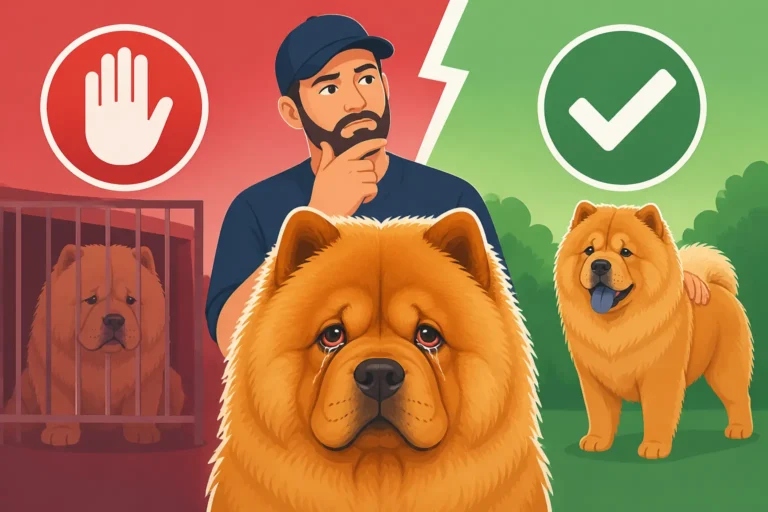
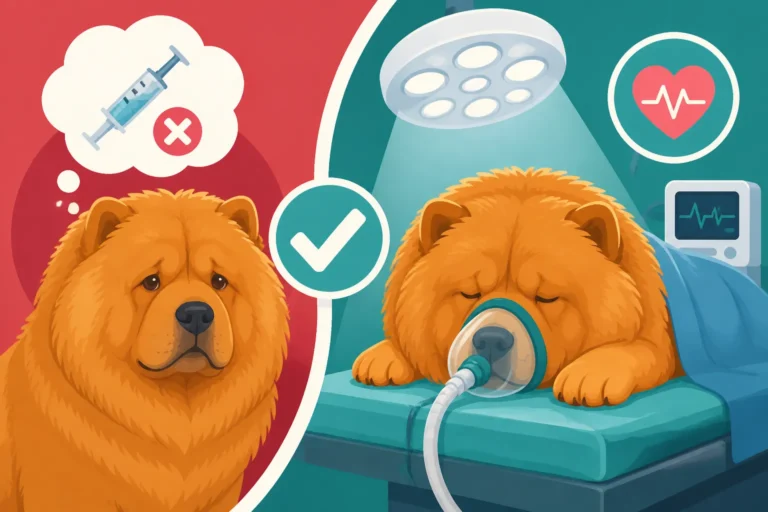
Muzzle training is another incredibly useful tool. For many Chow Chows, the stress of a vet visit, combined with unfamiliar handling, can lead to anxiety. A well-fitting, comfortable muzzle, introduced positively, can ensure the safety of both your dog and the veterinary staff, making the examination process smoother for everyone. It's not a punishment; it's a responsible safety measure. If your Chow Chow is particularly anxious, discuss this with your vet beforehand. They may suggest calming supplements or even a mild sedative to administer before your appointment to reduce stress. Remember, a Chow Chow is hard to examine at the vet, so any steps you take to ease their anxiety will contribute to a more thorough and accurate examination.
At-Home Eye Monitoring: What to Watch For
While annual professional exams are non-negotiable, your daily observations are also critical. You spend the most time with your Chow Chow and are best positioned to notice subtle changes. Make it a habit to routinely examine their eyes in good light. Look for excessive tearing or discharge; healthy eyes should be clear and bright with minimal moisture. Redness in the white of the eye or around the eyelids is a definite warning sign. Check for cloudiness or any changes in the color of the cornea, which might indicate a corneal ulcer or early cataracts.
Squinting, pawing at their face, sensitivity to light, or keeping one eye partially closed are all signs of discomfort or pain that warrant immediate veterinary attention. Don't dismiss these behaviors as just "being a Chow Chow." Even slight changes in how they blink or the symmetry of their eyes can be important clues. If you notice any of these symptoms, don't wait for your annual appointment; contact your vet right away. Remember, conditions like glaucoma can progress rapidly, and timely intervention is often the difference between saving and losing sight.
Financial Considerations and Pet Insurance
Let's be realistic: specialized veterinary care, especially for chronic or acute eye conditions, can be expensive. Diagnosing issues like glaucoma or severe entropion often involves consultations with veterinary ophthalmologists, advanced diagnostics, and potentially ongoing medication or surgery. For instance, the cost of glaucoma treatment costs a Chow Chow owner can range from hundreds to thousands of dollars, depending on the severity and required interventions, which might include daily eye drops, laser surgery, or even removal of the eye. Similarly, repeated entropion surgery costs on a Chow Chow can add up.
This is where pet insurance becomes invaluable. A good pet insurance plan, such as those offered by Healthy Paws, can significantly alleviate the financial burden of unexpected health issues. It's crucial to enroll your Chow Chow in a policy before any symptoms of eye conditions appear, as most plans do not cover pre-existing conditions. While policies vary, many will cover a significant percentage of eligible veterinary bills, including emergency visits, diagnostics, medications, and surgeries for new conditions. When considering a Chow Chow, budgeting for both routine care and the potential for specialized eye treatments, perhaps with the aid of pet insurance, is a responsible and caring decision. This foresight can prevent you from having to make difficult choices based solely on financial constraints when your beloved companion needs critical care.
| Eye Condition | Common Symptoms | Why Annual Exams Help | Potential Consequences Without Exams |
|---|---|---|---|
| Entropion | Squinting, excessive tearing, redness, thick discharge, pawing at eyes. | Early detection of eyelid inversion or irritation, allowing for timely surgical correction before severe damage. | Chronic pain, corneal ulcers, infection, scarring, permanent vision impairment, or blindness in one or both eyes. |
| Glaucoma | Red, cloudy eye, dilated pupil, pain (rubbing face), bulging eye, sudden vision loss. | Measurement of intraocular pressure can detect rising pressure before irreversible optic nerve damage. | Rapid and irreversible blindness (often within days or hours), severe pain, potential need for eye removal. |
| Cataracts | Cloudiness in the lens, reduced vision (bumping into objects), changes in eye color. | Identification of early lens opacity, allowing for monitoring or surgical intervention if progression impacts quality of life. | Progressive vision loss, potential for secondary inflammation (uveitis), discomfort, complete blindness. |
| Distichiasis | Chronic irritation, tearing, redness, corneal ulcers from abnormal eyelashes. | Visual inspection can identify errant eyelashes before they cause significant corneal abrasion. | Chronic discomfort, recurrent corneal ulcers, infection, scarring, and irritation. |
Disclaimer
Please remember that the information provided in this article is intended for general guidance and informational purposes only. It is not a substitute for professional veterinary advice, diagnosis, or treatment. Always seek the advice of your veterinarian or other qualified animal health provider with any questions you may have regarding a medical condition or the health and welfare of your pet. Never disregard professional veterinary advice or delay in seeking it because of something you have read here.