When a Chow Chow’s Thyroid Should Be Tested
It’s a common scenario for Chow Chow owners: you notice your majestic lion-dog seems a little… off. Maybe they're moving slower, gaining weight despite no extra treats, or their once-glorious coat is looking dull and sparse. The challenge is, Chow Chows are notoriously stoic, and their dense coats and aloof personalities can make subtle health changes incredibly hard to spot. This guide is here to help you navigate those tricky waters, giving you a clear understanding of when it's time to get your Chow Chow's thyroid checked.
Understanding Hypothyroidism in Chow Chows
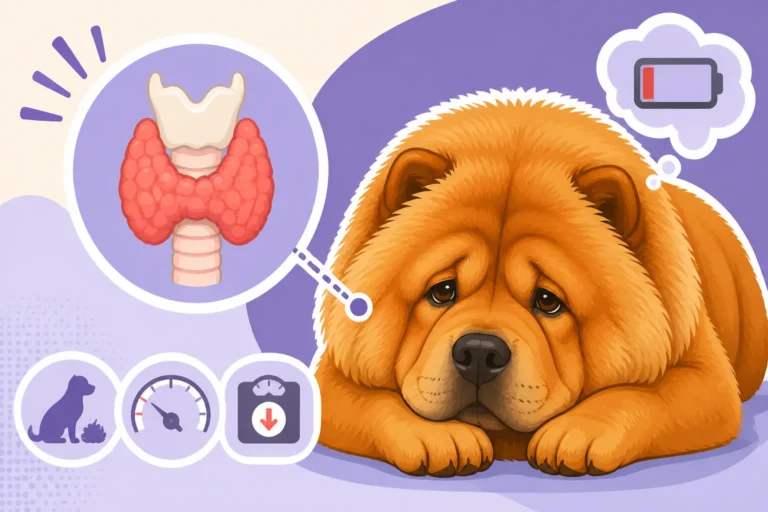
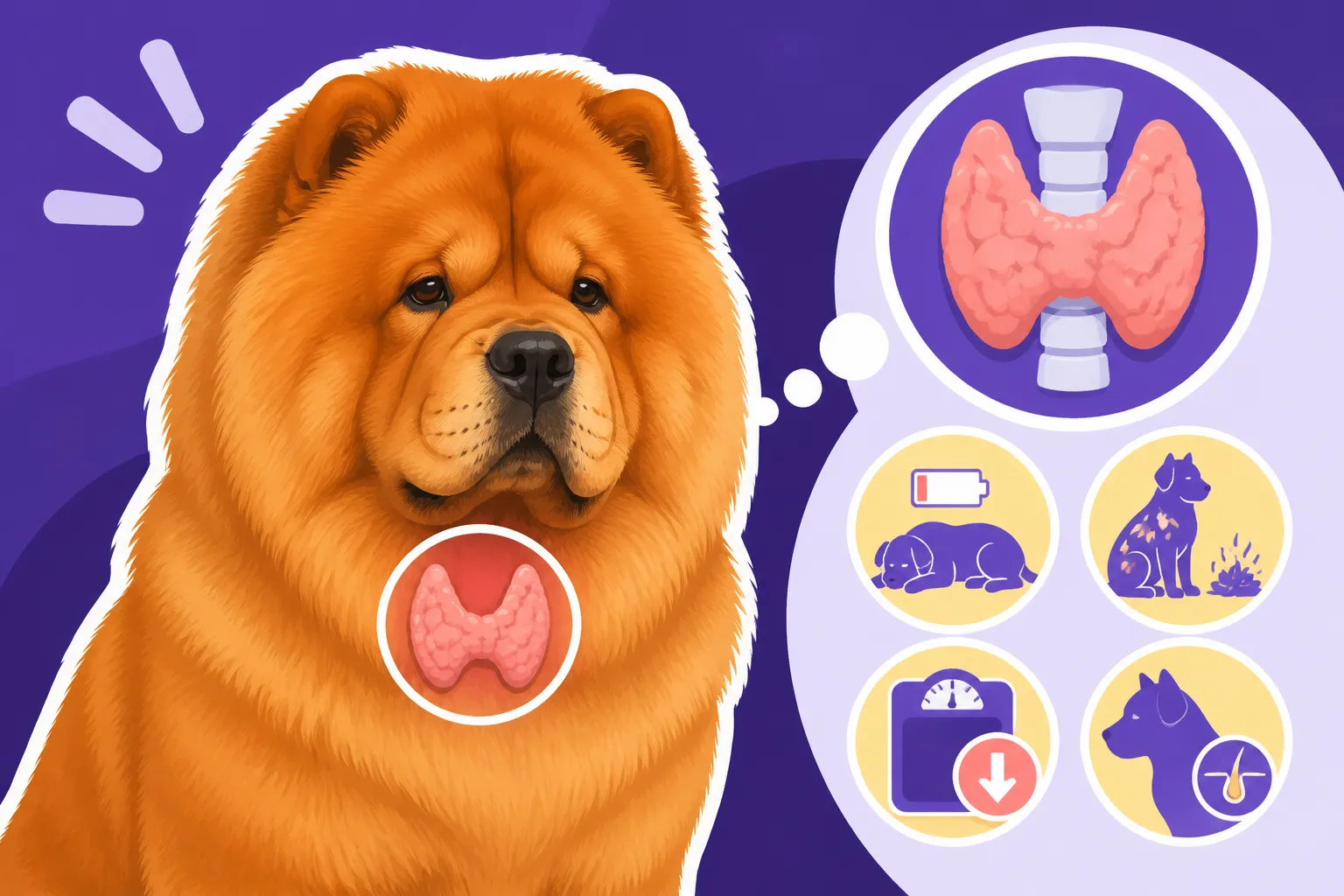
Hypothyroidism is a condition where the thyroid gland doesn't produce enough thyroid hormone, which is crucial for regulating metabolism. Think of thyroid hormones as the master switch for your dog's internal engine; if they're not there in sufficient quantities, everything slows down. While any dog can develop hypothyroidism, Chow Chows are, unfortunately, on the list of breeds with a higher predisposition to this particular endocrine disorder. It's often an autoimmune condition, meaning the body's own immune system mistakenly attacks and destroys the thyroid gland.
This genetic vulnerability means that what might be a rare occurrence in some breeds is a much more significant consideration for Chow Chow owners. The insidious nature of the disease often means symptoms develop gradually, making them easy to miss or attribute to aging or just "Chow Chow quirks." It's not like they wake up one day drastically different; it's a slow, creeping change that can leave you wondering if you're just imagining things. Understanding this predisposition is the first step in being a proactive owner, especially when you consider that What Autoimmune Thyroiditis Does to a Chow Chow can affect more than just their energy levels.
The Insidious Nature of Thyroid Symptoms
One of the biggest frustrations for Chow Chow owners dealing with hypothyroidism is how slowly and subtly the symptoms can manifest. It’s rarely a sudden, dramatic decline. Instead, you might notice a gradual decrease in energy, a bit more sleeping, or a slight reluctance to go for walks that you initially put down to them just being a "lazy Chow" or the weather. Perhaps their beautiful coat doesn't quite have the same luster, or they seem a little more sensitive to the cold than usual. These small shifts are easily dismissed, especially because Chows are already known for their calm, independent, and sometimes standoffish nature. They aren't usually dogs that bounce off the walls, so a slight drop in vitality can fly under the radar for quite some time.
The problem is, by the time these subtle signs become more obvious, the disease might have progressed further, potentially impacting their overall health and quality of life more significantly. That's why being vigilant about even minor, persistent changes is so important. It's about recognizing that what seems like a minor annoyance could actually be a significant clue to an underlying health issue that deserves attention from your veterinarian.
Breed-Specific Challenges in Diagnosis
Chow Chows present a unique set of challenges when it comes to diagnosing hypothyroidism, primarily due to their breed characteristics. Their magnificent double coat, for instance, can effectively hide skin and coat issues like thinning hair, dryness, or recurrent infections that are classic signs of a low thyroid. You might only notice these problems when giving them a thorough brushing, or during their twice-yearly "coat blow." Furthermore, their stoic and often reserved temperament means they're less likely to openly communicate discomfort or lethargy in the same way a more expressive breed might. A Chow Chow might simply lie down more, or seem less engaged, rather than whine or become restless.
Their natural aloofness can also make it difficult to gauge changes in their social interaction or mood. Are they truly becoming more withdrawn due to a hormonal imbalance, or are they just being their typical Chow self? This ambiguity places a greater burden on owners to be acutely aware of their dog's baseline behavior and physical condition. It requires a keen eye and a deep understanding of your individual dog to differentiate a normal Chow Chow trait from a potential symptom of illness. This is where truly knowing your dog inside and out becomes invaluable.
Recognizing the Subtle Signs Your Chow Chow's Thyroid Might Be Low
Spotting the signs of hypothyroidism in a Chow Chow can feel like trying to find a needle in a haystack, thanks to their dense fur and often reserved demeanor. However, there are a handful of indicators that, when taken together, should definitely raise a red flag. These aren't always glaringly obvious, but if you start seeing a pattern, it's worth investigating. Remember, early detection can make a world of difference in managing this condition and ensuring your Chow Chow feels their best. It's not just about looking for one big symptom, but rather a collection of smaller, persistent changes. You can dive deeper into these specific indicators by reading Signs a Chow Chow Has Glaucoma, but for thyroid issues, we’ll focus on different aspects.
Coat and Skin Changes
One of the most common groups of symptoms associated with hypothyroidism revolves around your Chow Chow's magnificent coat and skin. Owners often report a dull, dry, or brittle coat that lacks its usual sheen. You might notice that shedding seems excessive, or that the coat appears generally thinner, particularly along the flanks or tail. Sometimes, the tail can even become completely bald, earning the unfortunate nickname "rat tail." Another tell-tale sign is hair that doesn't grow back quickly after being clipped, such as for a veterinary procedure or if they get a small wound.
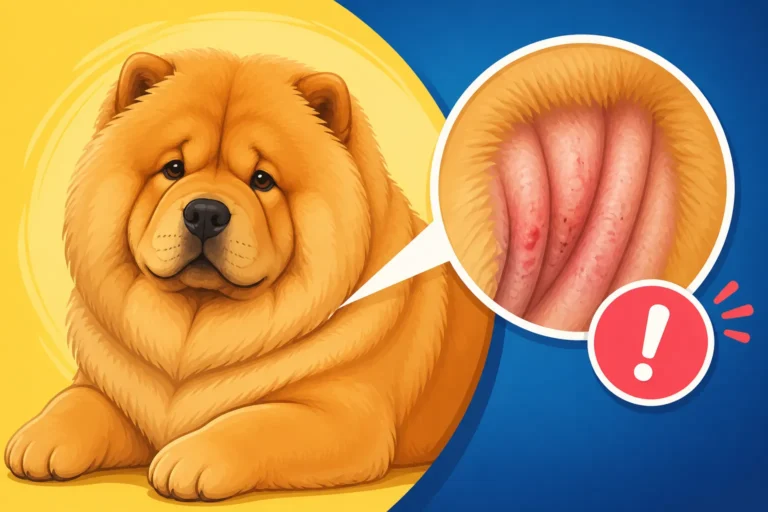
Beyond just the hair itself, the skin can also be affected. It might become dry, flaky, or even excessively oily in some cases, leading to a condition called seborrhea. This can predispose your Chow Chow to secondary skin infections, which manifest as redness, itching, or even small bumps and sores that are difficult to clear up. These skin issues, often hidden beneath layers of fur, can make your Chow Chow uncomfortable, leading to increased scratching or rubbing. If you're noticing Whether a Hypothyroid Chow Chow Loses Coat or if their skin seems off despite regular grooming, it's definitely something to discuss with your vet.
Energy and Behavioral Shifts
Perhaps the most common, yet easily overlooked, symptom of a low thyroid is a noticeable drop in your Chow Chow's energy levels. They might seem more lethargic, sleeping more than usual, or showing less enthusiasm for walks, playtime, or even greeting you at the door. While Chow Chows are not typically high-energy dogs, a significant increase in their "couch potato" tendencies should be observed closely. They might also become less tolerant of cold temperatures, seeking out warm spots in the house or shivering more often, even indoors.
Behaviorally, some owners report a subtle shift towards increased irritability, dullness, or even unusual aggression in an otherwise stable dog. It's important to differentiate this from typical Chow Chow reserve or protectiveness. This might manifest as less engagement with family members or a general disinterest in activities they once enjoyed. These changes, combined with physical symptoms, paint a more complete picture. Keep an eye on When a Chow Chow's Weight Gain Is Thyroid as well, as these behavioral changes often go hand-in-hand with metabolic shifts.
Weight Management Woes
Another frustrating symptom that often brings owners to the vet is unexplained weight gain. Despite maintaining the same diet and exercise routine, your Chow Chow might start to pack on the pounds. This is a classic sign of a slowed metabolism, where the body isn't burning calories as efficiently as it should be. It’s easy to blame this on too many treats or not enough walks, but if you’re consistent with their food and activity, and they’re still gaining weight, it’s a strong indicator that something internal is at play.
This weight gain isn't just cosmetic; it puts extra strain on their joints, especially in a breed already prone to issues like elbow dysplasia. Monitoring your Chow Chow's weight closely and noting any unexplained increases is a crucial part of identifying potential thyroid problems. If you find yourself cutting back on food or increasing exercise without seeing results, it’s definitely time for a veterinary check-up, as their metabolism might need a boost that only proper thyroid function can provide.
When to Schedule That Thyroid Test: Practical Scenarios and Timelines
Knowing when to test your Chow Chow's thyroid is just as important as knowing what to look for. Proactive testing and early intervention can prevent the progression of symptoms and ensure your dog maintains a good quality of life. There are several key situations and timelines where a thyroid test should absolutely be on your radar. Whether it's part of a routine wellness check, prompted by specific symptoms, or necessary before a big medical procedure, staying informed helps you advocate for your Chow Chow's health.
Routine Wellness and Senior Check-ups
Just like humans, dogs benefit immensely from regular health screenings, and Chow Chows are no exception. For adult Chow Chows, a comprehensive thyroid panel should ideally be part of their annual or biennial wellness exam, especially as they enter their senior years, typically around eight years old and beyond. While some vets might only run a basic T4 as part of general bloodwork, it’s often advisable to request a full thyroid panel for a Chow Chow, given their breed predisposition. This allows for a more complete picture of their thyroid function. Think of it as preventative maintenance; catching a problem early can often make it easier to manage.
For younger Chow Chows, if there are no symptoms, yearly testing might not be strictly necessary, but a baseline around two to three years of age can be beneficial. However, once they hit middle age, around 5-7 years, annual or even bi-annual testing becomes increasingly important. Early diagnosis means starting treatment before symptoms become severe, which can significantly improve their comfort and overall health. Don't forget, What a Chow Chow's Yearly Bloodwork Should Cover often includes general health markers, but make sure thyroid is specifically addressed. Pet insurance providers like Healthy Paws often cover these routine screenings if they lead to a diagnosis of a covered condition.
Symptom-Driven Testing
This is perhaps the most common reason for a thyroid test. If you've observed any of the subtle or more overt symptoms we discussed – coat changes, lethargy, unexplained weight gain, intolerance to cold, or behavioral shifts – it's time to call your veterinarian. Don't wait for multiple symptoms to stack up or for them to become severe. Even one or two persistent, mild symptoms warrant a conversation and likely a test. Your Chow Chow might be adept at hiding discomfort, so any indication of change should be taken seriously.
It's easy to dismiss a single symptom, but if you notice your Chow Chow becoming a bit more sluggish and their coat isn't quite right, or if they've gained a few pounds and seem to be shedding more, these combinations are strong indicators. Trust your gut instinct as an owner; you know your dog best. When you bring your concerns to your vet, be prepared to detail all the changes you've noticed, even if they seem minor or unrelated. This comprehensive information helps your vet build a complete clinical picture, leading to a more accurate diagnosis. Understanding What a Full Chow Chow Health Panel Costs can help you budget for these necessary diagnostic steps.
Pre-Surgical Screening
Any time your Chow Chow is scheduled for surgery requiring general anesthesia, a pre-anesthetic blood panel is standard practice. This panel should include a thyroid check. Dogs with untreated hypothyroidism can be more sensitive to anesthetic agents, have slower recovery times, and be at a higher risk of complications. A properly functioning thyroid is crucial for maintaining stable body temperature, heart rate, and overall metabolic function during and after surgery.
Even if your Chow Chow has never shown symptoms, discovering a low thyroid before an elective procedure like a spay/neuter or a dental cleaning allows your vet to address it. They might opt to postpone surgery until thyroid levels are stabilized with medication, ensuring a safer procedure and a smoother recovery. This preventative measure is a vital part of responsible pet care. If you're wondering Whether a Chow Chow Tolerates Anesthesia, knowing their thyroid status beforehand is a major factor in that success. Responsible breeders, too, understand the importance of comprehensive health testing, and What a Chow Chow Breeder Should Have Tested certainly includes thyroid function for breeding dogs.
The Testing Process and What the Results Mean
So, you've decided it's time to get your Chow Chow's thyroid checked. What can you expect at the vet's office, and more importantly, how do you make sense of the results? The process is relatively straightforward, but understanding the nuances of thyroid testing, especially for a breed like the Chow Chow, is crucial for accurate diagnosis and effective treatment. Don't hesitate to ask your veterinarian plenty of questions; this is your dog's health we're talking about!
Understanding the Thyroid Panel
A basic thyroid test usually starts with a measurement of total T4 (thyroxine). However, for a breed with a predisposition to hypothyroidism like the Chow Chow, a more comprehensive thyroid panel is almost always recommended. This typically includes:
- Total T4 (TT4): This measures the total amount of thyroxine circulating in the blood, both bound and unbound to proteins. It's a good initial screening tool but can be influenced by other illnesses or medications.
- Free T4 (FT4): This measures only the unbound (active) form of thyroxine. It's considered a more accurate indicator of thyroid function than TT4, as it's less affected by non-thyroidal factors.
- Thyroid-Stimulating Hormone (TSH): Produced by the pituitary gland, TSH stimulates the thyroid to produce hormones. In primary hypothyroidism, the thyroid isn't responding, so the pituitary ramps up TSH production, resulting in high TSH levels.
- Thyroglobulin Autoantibodies (TgAA): This test checks for antibodies that attack the thyroid gland. A positive result indicates autoimmune thyroiditis, a common cause of hypothyroidism in Chow Chows. It confirms the autoimmune component and can even be positive before a dog shows clinical signs of low thyroid.
Your vet might send these samples to a specialized veterinary diagnostic lab, such as Michigan State University's Animal Health Diagnostic Laboratory, which has extensive experience in canine thyroid testing and specific reference ranges for various breeds. This ensures the most accurate and reliable results for your Chow Chow. Being thorough with the testing process might seem like a lot, but understanding What a Chow Chow's Thyroid Panel Costs upfront can help you prepare for the financial aspect. This is where having pet insurance, such as Healthy Paws, can really provide peace of mind, potentially covering a significant portion of diagnostic and treatment costs for chronic conditions like hypothyroidism.
Interpreting the Numbers
Interpreting thyroid test results isn't always as simple as "normal" or "abnormal." For Chow Chows, vets often consider breed-specific reference ranges and look at the whole picture, not just individual numbers. For example, a T4 level that might be considered low-normal in some breeds could actually be indicative of subclinical hypothyroidism in a Chow Chow, especially if accompanied by elevated TSH or positive TgAA. Low T4 and FT4 combined with high TSH are strong indicators of primary hypothyroidism. If TgAA is also positive, it confirms an autoimmune basis for the condition.
Sometimes, a Chow Chow might have low-normal thyroid levels due to another non-thyroidal illness ("euthyroid sick syndrome") or certain medications like steroids. This is why a full panel and clinical symptoms are so important. Your vet will evaluate all these factors, alongside your dog's age, overall health, and the symptoms you've reported, to make an accurate diagnosis. It's a puzzle, and each piece of information, from the blood work to your observations, helps complete the picture.
The Path Forward After Diagnosis
If your Chow Chow is diagnosed with hypothyroidism, the good news is that it's a very manageable condition. Treatment typically involves daily oral thyroid hormone replacement medication, usually levothyroxine. Your vet will determine the appropriate starting dose, and then your Chow Chow will need follow-up blood tests (typically 4-8 weeks after starting medication and after any dose changes) to ensure the medication is at the correct therapeutic level. These re-checks are crucial to fine-tune the dosage.
Once stable, many Chow Chows with hypothyroidism lead perfectly normal, happy lives. They often show remarkable improvement in their energy levels, coat quality, and overall demeanor within weeks of starting treatment. Ongoing management usually involves routine medication and yearly or bi-yearly monitoring of their thyroid levels, depending on their stability and any other health conditions. Remember, hypothyroidism is a lifelong condition, so consistent medication and veterinary care are key. Again, a robust pet insurance plan like those offered by Healthy Paws can be a tremendous asset for managing the ongoing costs of medication and monitoring for a chronic condition like hypothyroidism.
| Symptom Category | Specific Signs to Watch For | When to Consider Testing |
|---|---|---|
| Coat & Skin | Dull, dry, brittle coat; excessive shedding; thinning hair (flanks/tail) | Persistent changes, slow hair regrowth after clipping |
| Recurrent skin infections; dry, flaky, or excessively oily skin | If typical treatments aren't effective | |
| Energy & Behavior | Lethargy, increased sleeping; decreased enthusiasm for walks/playtime | Sustained changes from your Chow Chow's normal activity |
| Intolerance to cold; seeking warmth; shivering | If they seem unusually cold or sensitive to temperature | |
| Subtle irritability; dullness; less engagement | Any unexplained, consistent shifts in temperament | |
| Weight | Unexplained weight gain despite consistent diet/exercise | If diet adjustments don't result in weight loss |
| Routine Care | Annual senior wellness exams (from 7-8 years old) | As part of comprehensive yearly bloodwork |
| Before any surgery requiring general anesthesia | Always request pre-anesthetic blood panel including thyroid | |
| Breeding Animals | As part of pre-breeding health screenings for potential parents | Annually for breeding dogs, as part of responsible breeding |
Disclaimer
This guide is intended for informational purposes only and does not constitute veterinary advice. The information provided here is not a substitute for professional medical care. Always consult with a qualified veterinarian for any health concerns or before making any decisions related to your Chow Chow's health and treatment.