Whether a Breeder Should Sell an Entropion Chow Chow
It’s a truly heartbreaking situation when you’re eagerly anticipating bringing home a fluffy Chow Chow puppy, only to learn that it might have a painful eye condition like entropion. This isn’t just about aesthetics; it’s about a puppy’s quality of life and the immense responsibility a breeder carries. Deciding whether a breeder should sell a Chow Chow with entropion is complex, touching on ethics, breed health, and the welfare of these magnificent dogs.
The Uncomfortable Truth About Entropion in Chow Chow Puppies
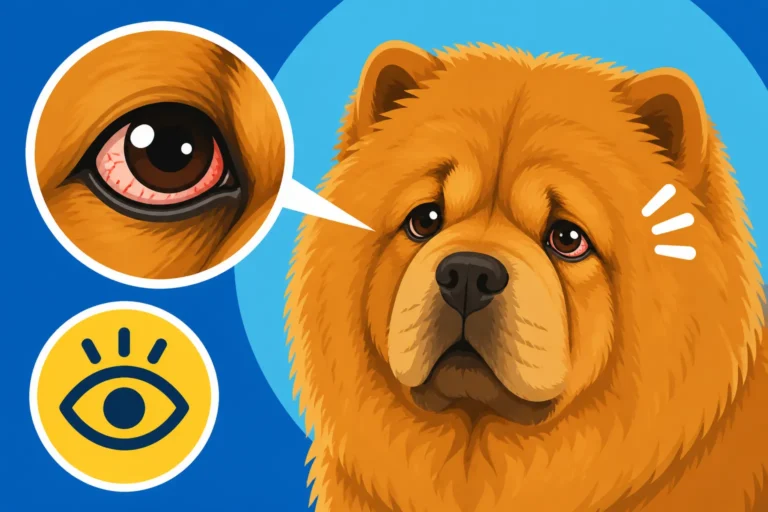
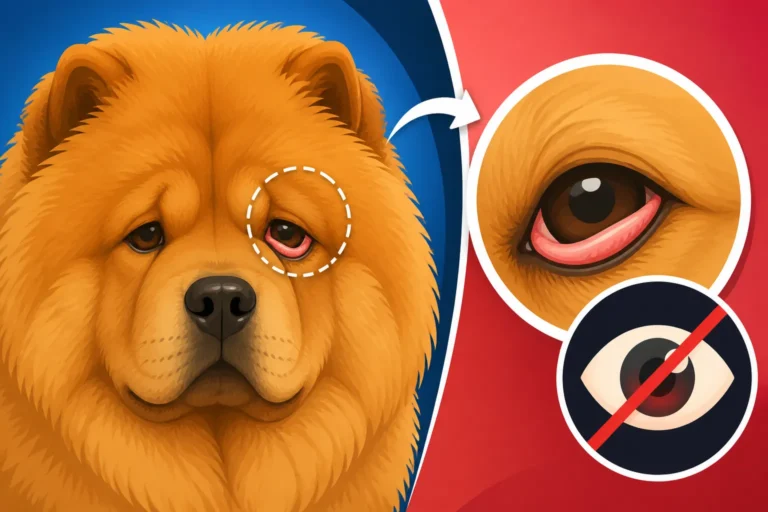
Entropion is one of those words that many new Chow Chow owners unfortunately become all too familiar with. It's a condition where a portion of the eyelid, usually the lower one, rolls inward, causing the eyelashes and fur to constantly rub against the sensitive surface of the eye. Imagine having a piece of sand in your eye all the time, or worse, coarse hairs constantly scraping your cornea. It’s painful, irritating, and can lead to serious complications if not addressed.
Why Entropion Is a Common Concern for Chow Chows
The Chow Chow’s distinctive and beloved appearance, with its deep-set eyes and a profuse mane of fur, sometimes comes with a genetic predisposition to certain health issues. Their unique facial structure, characterized by heavy brows and often abundant facial folds, can literally push the eyelids inward. It's not always a defect in the eyelid itself but rather a consequence of the surrounding skin and tissue. This is why you often hear that Entropion Is the Chow Chow's Signature Problem. It’s a breed trait that, while contributing to their charming "scowl," can also create significant problems.
Furthermore, there's a strong genetic component to entropion in Chow Chows. It’s not a random occurrence; it often runs in lines. This means that if one or both parents have a history of entropion, or their close relatives do, their puppies are at a much higher risk of developing the condition. A responsible breeder will be keenly aware of this genetic predisposition and strive to breed away from it, rather than perpetuate it. Unfortunately, due to its prevalence, it’s a condition breeders must actively screen for and discuss.
The condition often becomes apparent as the puppy grows, typically between a few weeks and a few months old. It's during this crucial developmental period that puppies' facial structures mature, and the full extent of the eyelid issue can become visible. For some, it might be subtle, causing mild irritation, but for others, the inward rolling is pronounced, leading to immediate and severe discomfort. Understanding The Age Entropion Shows in a Chow Chow Puppy is critical for both breeders and prospective owners.
Understanding the Impact of Entropion on a Puppy's Health
The impact of entropion on a young Chow Chow can be quite devastating if left untreated. Initially, you might notice your puppy squinting, tearing excessively, or rubbing their eyes. This is their way of trying to alleviate the constant irritation caused by the inward-rolling eyelid. The continuous rubbing of fur and eyelashes against the cornea can lead to conjunctivitis, inflammation, and chronic pain.
More seriously, this constant abrasion can cause What a Corneal Ulcer Does to a Chow Chow. A corneal ulcer is an open sore on the surface of the eye, which is not only incredibly painful but can also become infected. If an ulcer deepens or becomes infected, it can lead to permanent scarring, vision impairment, or, in the most severe cases, even loss of the eye. The thought of a puppy enduring such pain and potential blindness is a grim reality for owners who acquire a dog with unaddressed entropion.
It's also important to recognize that a puppy in constant pain isn't just suffering physically. Their development, socialization, and overall demeanor can be affected. A puppy that is always uncomfortable might be more withdrawn, irritable, or less playful. This isn't just a physical ailment; it affects their entire well-being. Therefore, early detection and intervention are paramount to ensuring a healthy, happy start to life for these puppies, preventing long-term suffering and complications that can easily be avoided.
Ethical Breeding Practices and the Entropion Dilemma
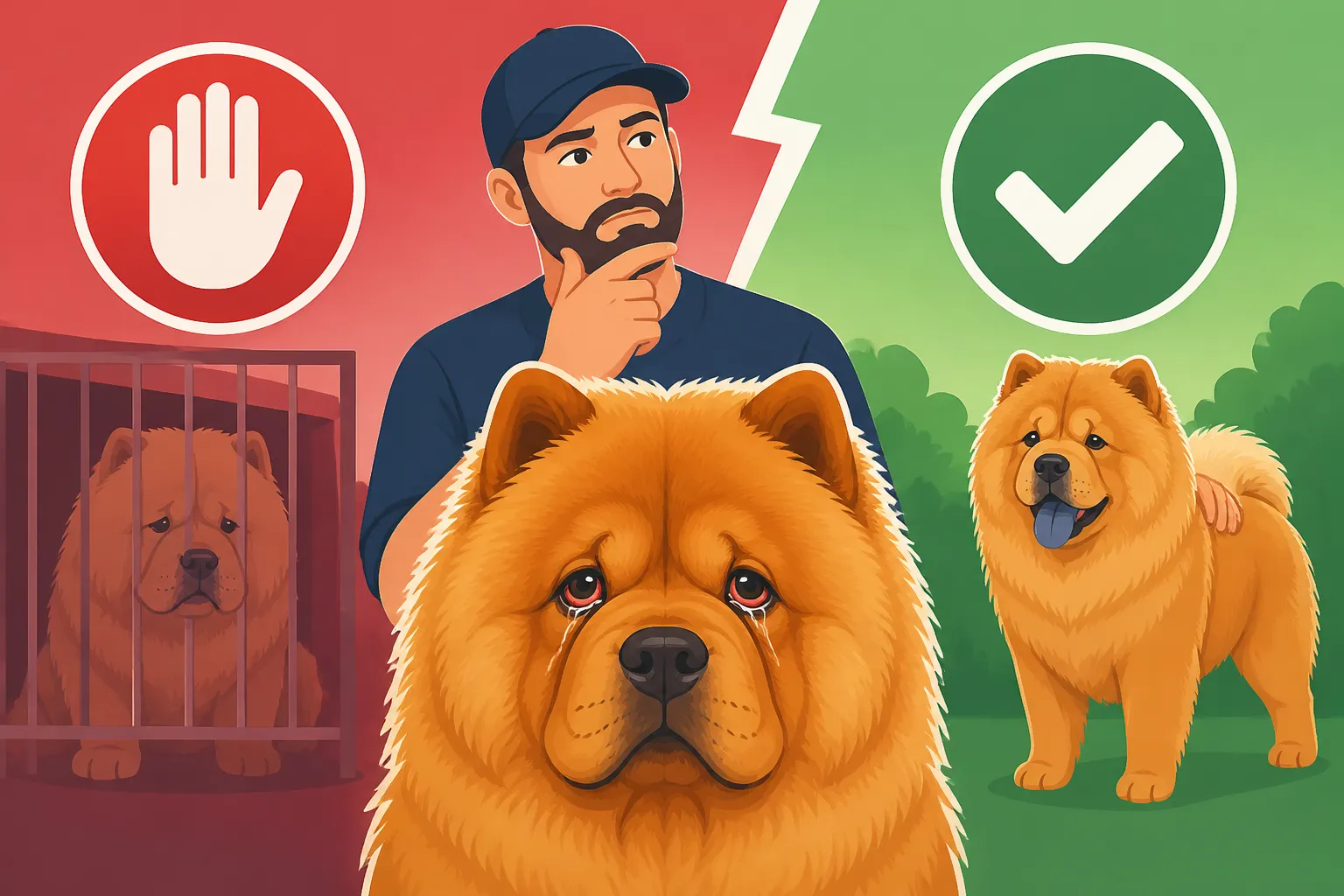
This brings us to the core question: should a breeder sell a Chow Chow with entropion? From an ethical standpoint, it’s a resounding "no" if the condition is left untreated and the buyer is not fully informed and supported. A truly ethical breeder prioritizes the health and welfare of their dogs above all else, including profit. This means being transparent, proactive, and responsible when a genetic issue like entropion arises.
What an Ethical Breeder Should Do When Entropion Appears
An ethical breeder, upon identifying signs of entropion in a puppy, will take immediate steps to address it. This typically starts with a veterinary examination by a qualified veterinarian or a veterinary ophthalmologist to confirm the diagnosis and assess the severity. Early intervention, such as temporary eyelid tacking, can be performed on young puppies. This involves placing temporary sutures to evert the eyelid, providing relief and allowing the puppy to grow without constant irritation while awaiting permanent correction. This temporary solution is often successful in puppies as their facial structure continues to develop, sometimes preventing the need for further surgery. What Eyelid Tacking Does for a Chow Chow Puppy is a vital step in their early care.
Crucially, an ethical breeder will be completely transparent with potential buyers. They won't hide the condition or downplay its severity. Instead, they will openly discuss the diagnosis, the treatment options available, and the potential costs involved. They should provide full veterinary records pertaining to the entropion, including the initial diagnosis and any temporary procedures performed. This transparency builds trust and allows prospective owners to make an informed decision, rather than facing an unexpected, expensive, and distressing problem down the line.
Furthermore, a responsible breeder will often cover the cost of corrective surgery for any puppy born with entropion that they sell. This might involve reimbursing the new owner for surgical expenses or performing the surgery themselves before the puppy goes to its new home. They understand that this is a genetic issue they are responsible for, and they wouldn't want to pass that financial and emotional burden onto a new family. They are invested in the lifelong health of their puppies, even if it means incurring significant veterinary expenses themselves. If they are selling a puppy that might need surgery later, they should clearly state that Whether a Health Guarantee Covers Chow Chow Entropion is something they stand by.
Why Selling a Puppy with Untreated Entropion is Problematic
Selling a puppy with untreated entropion, or without full disclosure and financial support for corrective surgery, is deeply problematic and unethical. It essentially transfers a significant health burden and financial cost directly onto unsuspecting new owners. Many new puppy owners are not prepared for the potentially high cost of specialty veterinary care, especially if it requires a board-certified veterinary ophthalmologist. What Entropion Surgery Costs on a Chow Chow can be substantial, easily running into thousands of dollars per eye.
Beyond the financial strain, there's the emotional toll. Discovering your beloved new puppy is in constant pain and requires surgery shortly after arriving home can be incredibly distressing. It changes the initial joyful experience of bringing home a new family member into one of worry, vet visits, and recovery. This can sour the entire experience and even impact the bonding process with the puppy. No new owner should be put in this position without prior knowledge and proper support.
Moreover, allowing entropion to go untreated or ignoring the genetic component in breeding perpetuates the problem within the breed. A breeder who knowingly sells affected puppies without addressing the issue is contributing to the spread of a genetic defect that causes pain and suffering. This undermines the efforts of responsible breeders who work hard to improve the health of the Chow Chow breed and ensures that future generations will continue to face this unnecessary challenge. It’s a practice that ultimately harms the dogs and devalues the breed itself.
Navigating the Purchase: What Prospective Owners Need to Know
For those dreaming of adding a Chow Chow to their family, it’s vital to be informed and vigilant. You have a crucial role in ensuring you bring home a healthy puppy and support ethical breeding practices. Don't be shy about asking tough questions and observing carefully.
Identifying Signs of Entropion in a Young Chow Chow
When you visit a breeder, or even if you’re looking at photos or videos of a puppy, pay very close attention to their eyes. Look for any signs that the eyelids are rolling inward, particularly the lower lids. Signs a Chow Chow Has Entropion include excessive tearing, a dull or cloudy appearance to the eye, squinting, or an unusual amount of discharge. The puppy might also seem hesitant to open its eyes fully or rub at its face frequently. Sometimes, the fur around the eye might appear matted or damp from constant tearing.
Don't just observe the puppy for a few minutes; spend time with it. Watch how it blinks, how it reacts to light, and whether it seems comfortable. Ask the breeder if the puppy has had any eye issues or has seen a vet for an eye check. A reputable breeder will have no problem providing records of health checks and will likely have already performed temporary tacking if needed. It’s also crucial to ask about the eye health of the puppy’s parents and even grandparents. Have they had entropion? Have they passed their eye certifications with organizations like the Orthopedic Foundation for Animals (OFA) or the Canine Eye Registration Foundation (CERF)? These are critical questions for evaluating a breeder's commitment to eye health.
Financial and Emotional Realities for an Entropion Puppy
If you do decide to proceed with adopting a Chow Chow puppy that has been diagnosed with entropion, even with the breeder's support, it's crucial to understand the full scope of what you're undertaking. Beyond the initial surgery costs, which a good breeder might cover, there are follow-up appointments, potential medications, and the recovery period. Your puppy will need special care during this time, which might include wearing an Elizabethan collar, administering eye drops, and restricting activity.
This is where pet insurance can be an absolute lifesaver. Companies like Healthy Paws are often recommended for their comprehensive coverage, but it's vital to enroll your puppy before any conditions are diagnosed to ensure pre-existing conditions aren't excluded. While some insurances might not cover congenital conditions diagnosed before enrollment, a comprehensive plan from Healthy Paws could help with future complications or a second surgery if needed, as Whether a Chow Chow Needs Entropion Surgery Twice is a possibility. The peace of mind knowing that significant veterinary bills could be covered allows you to focus on your puppy's recovery rather than financial stress.
The emotional reality is also significant. Watching your new puppy go through surgery and recovery, even if it's a routine procedure, can be stressful. You'll need patience, compassion, and a strong commitment to their care. It’s a lot to take on, especially for first-time dog owners. While the outcome of entropion surgery is typically very good, it’s a journey that requires dedication and understanding. Being fully prepared for both the financial and emotional commitment is essential.
Support and Solutions for Chow Chows with Entropion
While the discussion of breeders and ethics is paramount, it's also important to focus on the positive steps that can be taken to help a Chow Chow with entropion. Thankfully, effective treatments are available, and with proper care, these dogs can lead perfectly comfortable lives.
Options for Treating Entropion in Chow Chows
The primary treatment for entropion is surgical correction. For young puppies, as mentioned, temporary eyelid tacking is often performed. This simple procedure involves placing a few sutures in the eyelid to pull it outward, preventing the lashes from irritating the eye. It's minimally invasive and usually done with light sedation. Often, by the time the puppy grows and the sutures dissolve or are removed, the eyelids have matured into a more normal position, and further surgery isn't needed.
For older puppies or adult Chow Chows where the condition is persistent or severe, a more definitive corrective surgery is performed. This involves removing a small, crescent-shaped piece of skin and muscle from the affected eyelid to permanently evert it. The goal is to reshape the eyelid so it no longer rolls inward, and the eyelashes no longer rub the cornea. This surgery is highly effective, and the prognosis for a full recovery and comfortable, pain-free vision is excellent. The procedure is usually performed by a general veterinarian with surgical experience or, for more complex cases, by a veterinary ophthalmologist. Recovering from this surgery generally takes a few weeks, with careful monitoring and medication administration. This is particularly important because What Entropion Does to a Chow Chow's Eye can be severe without intervention.
Post-operative care is crucial for successful recovery. This typically includes pain management, anti-inflammatory medications, and antibiotic eye drops to prevent infection. An Elizabethan collar (e-collar) is usually required to prevent the dog from rubbing or scratching at the surgical site. Regular check-ups with the vet are essential to ensure the healing process is on track and to remove any remaining sutures. With diligent care, most Chow Chows recover beautifully and experience a dramatic improvement in their quality of life.
The Importance of a Responsible Health Guarantee
A strong, clear health guarantee from a breeder is not just a piece of paper; it’s a testament to their ethical commitment and confidence in the health of their puppies. When it comes to entropion, a responsible breeder’s health guarantee should explicitly address inherited conditions, including eye issues. This might mean offering financial assistance for corrective surgery, a partial refund, or, in rare cases, offering to take the puppy back and provide a replacement.
Before committing to a puppy, carefully read and understand the breeder's health guarantee. Ask specific questions about what happens if entropion develops after you take the puppy home. Does it cover the cost of a specialist, or just a general vet? Is there a time limit on the guarantee for such conditions? A good health guarantee typically covers inherited conditions for at least the first year or two of the dog’s life, reflecting the period when many genetic issues, like entropion, would become apparent. This assurance can provide significant peace of mind, knowing that the breeder stands behind their puppies even after they leave their care.
Furthermore, a responsible breeder will also include a clause about spaying or neutering puppies with entropion to prevent the perpetuation of the genetic trait. Whether an Entropion Chow Chow Can Be Bred is a serious ethical question, and responsible breeders will always say no. Their commitment extends beyond the immediate sale, focusing on the long-term health of the breed. This comprehensive approach ensures that you, as a new owner, are supported, and the breed's health is prioritized for generations to come.
| Breeder Type | Approach to Entropion | Transparency | Financial Responsibility | Long-Term Impact |
|---|---|---|---|---|
| Ethical Breeder | Proactive diagnosis & early treatment (tacking/surgery) | Full disclosure of condition & vet records | Covers surgical costs / offers support | Improves breed health, supports owners |
| Problematic Breeder | May hide, ignore, or downplay condition | Minimal or no disclosure, evasive | Transfers all costs to new owner | Perpetuates genetic issues, harms dogs |
Disclaimer
Please remember that this information is for educational purposes only and is not a substitute for professional veterinary advice. Always consult with a qualified veterinarian or a board-certified veterinary ophthalmologist regarding any health concerns for your Chow Chow.