Whether a Smooth Chow Chow Still Has an Undercoat
Many prospective Chow Chow owners, or even those just admiring the breed, see a smooth-coated Chow and instinctively think it means less shedding and easier grooming. It’s a common misconception that often leads to a bit of a surprise when they discover that a smooth Chow Chow, despite its sleeker appearance, still boasts a full, dense undercoat. This guide is here to clear up that confusion, explaining exactly what a smooth Chow Chow's undercoat entails, its crucial functions, and how to best care for it, ensuring your fluffy (or smoothly fluffy!) companion remains happy and healthy.
Understanding the Smooth Coat: More Than Just Short Hair
When you picture a Chow Chow, you likely envision that magnificent lion's mane, the dense ruff, and the abundant feathering – the hallmark of the rough-coated variety. However, the breed also comes in a smooth coat, which, while visually distinct, shares a fundamental characteristic with its rough-coated counterpart: a double coat.
The Chow Chow's Signature Double Coat
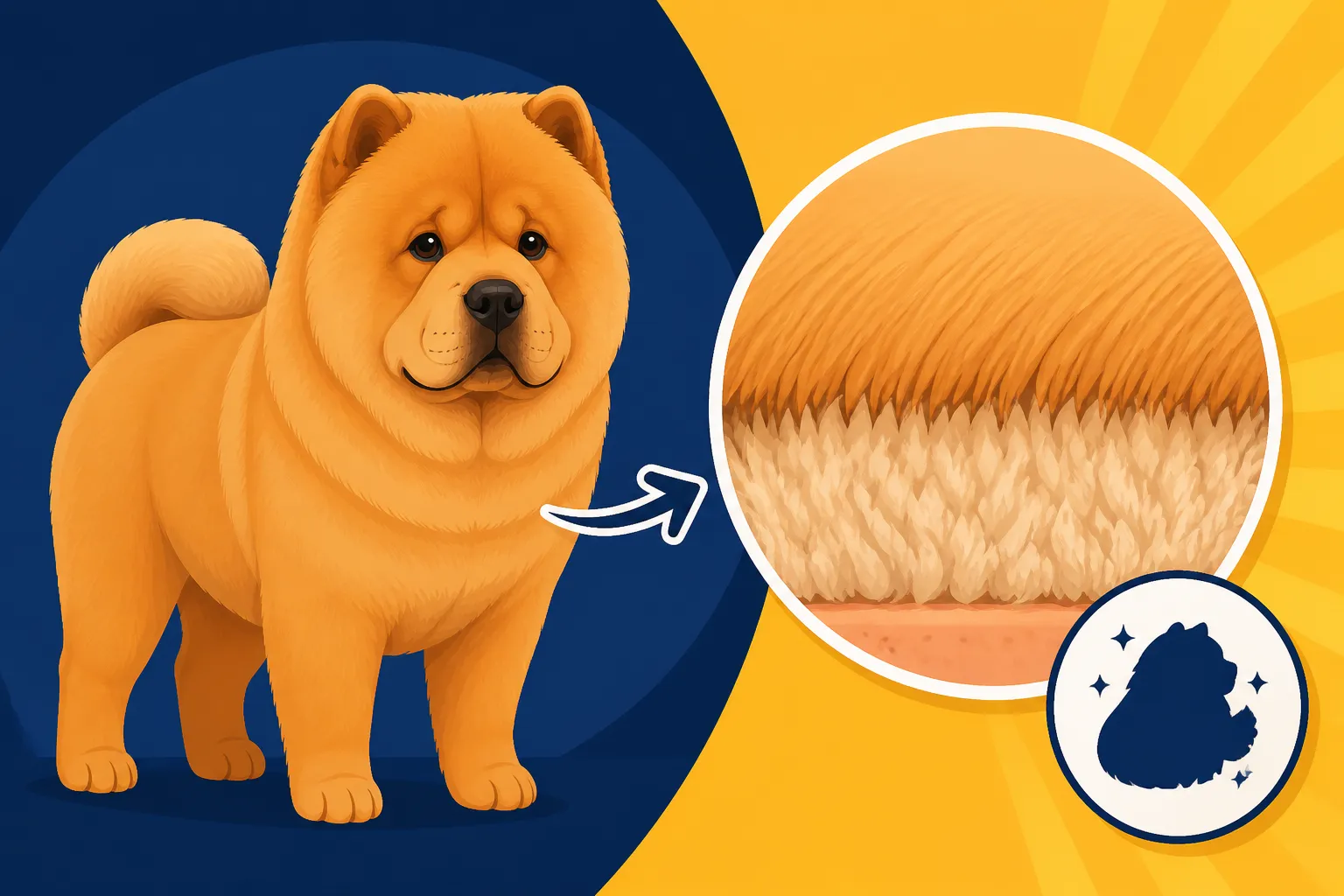
Even though it looks less voluminous than its "rough" relative, the smooth Chow Chow still boasts a double coat, a defining characteristic of the breed. This isn't just a matter of aesthetics; it's a vital part of their genetic makeup, primarily designed to protect them from the elements. Many folks assume "smooth" means single-coated, like a Boxer or a Doberman, but that's simply not the case for our beloved Chows. The smooth coat is often described as feeling like velvet – dense and soft, but not lacking in insulation or substance.
This double-coat system consists of two distinct layers: a coarse, straight outer guard coat and a soft, dense undercoat. The outer coat acts as a protective shield, repelling dirt, moisture, and even some external parasites. It's what gives them their sleek, almost polished appearance, lying close to their body. Meanwhile, the undercoat is the real workhorse when it comes to temperature regulation, providing that essential layer of insulation.
It's easy to look at a smooth Chow Chow and think they must be so much less maintenance than a rough-coated one, whose glorious mane and britches seem to demand constant attention. While there are certainly differences in grooming needs, dismissing the smooth coat as simple because of its shorter length would be a mistake. It's a fundamental part of What a Chow Chow's Double Coat Is Made Of, regardless of the outer coat's length.
Distinguishing Smooth from Rough: The Undercoat Factor
The primary difference between a rough and a smooth Chow Chow lies in the length and texture of their outer guard hairs, not the presence or absence of an undercoat. A rough-coated Chow Chow has long, abundant hair, especially noticeable in its distinctive ruff around the neck, feathering on the legs, and pantaloons on the hindquarters. This gives them that iconic "lion-like" appearance that demands regular, thorough brushing.
A smooth Chow Chow, on the other hand, has a much shorter, harder, and denser outer coat. It lies flat against the body, giving them a more streamlined, almost bear-like silhouette. Despite this difference in outer appearance, both varieties still possess that crucial, insulating undercoat. It might not be as visibly prominent or voluminous as in a rough coat, but it's unequivocally there, doing its job beneath the surface.
Think of it like this: both types of Chows wear a winter coat, but the rough coat is a big, shaggy parka, while the smooth coat is a sleek, high-tech performance jacket. Both have insulation (the undercoat), but the outer shell (guard hairs) is different. This distinction is important for owners because it influences everything from shedding patterns to how they handle temperature extremes and, of course, their specific grooming requirements. Understanding whether a smooth-coated Chow Chow still has an undercoat is key to proper care.
The Purpose and Presence of the Smooth Chow Chow's Undercoat
The existence of an undercoat in a smooth Chow Chow isn't just a genetic leftover; it's vital for their health and comfort. This dense, fluffy layer performs several critical functions that are essential to the breed's well-being.
Insulation and Protection: Why the Undercoat is Essential
The undercoat in a smooth Chow Chow serves the same vital purposes as it does in a rough Chow Chow: insulation and protection. In colder climates, this dense layer traps a layer of warm air close to the dog's body, preventing heat loss. It's like having their own built-in thermal underwear, allowing them to thrive in chilly conditions where other breeds might shiver. This protective layer is essential for their overall well-being, keeping them comfortable when the temperatures drop.
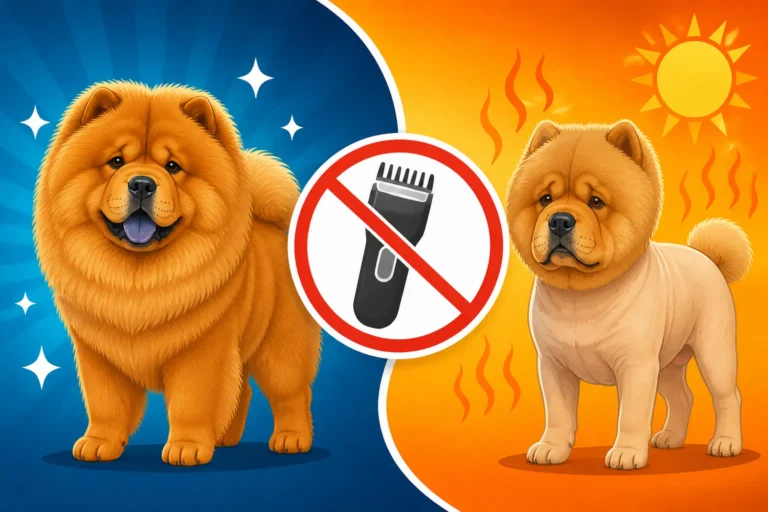
Conversely, in warmer weather, the undercoat helps to regulate body temperature by preventing direct sunlight from reaching the skin, acting as a barrier against heat absorption. This might sound counterintuitive to some, who think a shorter coat equals cooler, but it's the loft and insulation of the undercoat that truly matters. Removing it entirely (which is why Why Shaving Does Not Cool a Chow Chow is so important to understand) can actually make them less efficient at cooling themselves, exposing their sensitive skin to the sun and heat.
This natural design is a testament to the breed's origins in colder, high-altitude regions. Their coats are magnificently engineered to handle fluctuating temperatures, providing optimal comfort in a range of environments. Even if your smooth Chow Chow spends most of its time indoors, this ancestral trait remains, ensuring they're well-equipped for whatever climate they find themselves in.
Shedding Patterns of the Smooth Undercoat
Just like their rough-coated cousins, smooth Chow Chows shed. And yes, much of that shedding comes from the undercoat. They experience what's commonly known as a "coat blow" twice a year, typically in spring and autumn, where they shed a significant amount of their old, dead undercoat to make way for a new, healthy one. During these periods, you'll find clouds of soft, fluffy hair around your home, reminding you that even a smooth coat means shedding season.
Even outside of these major coat blows, smooth Chow Chows will shed moderately year-round. This is normal and to be expected with any double-coated breed. It's this continuous shedding of the undercoat that keeps it healthy and prevents matting, though matting is far less common in smooth coats due to the shorter guard hairs. Regular grooming helps manage this shedding and keeps the coat in prime condition. Understanding Whether a Smooth Chow Chow Sheds Less is key to setting expectations.
Many owners find that a good quality deshedding tool and a strong vacuum cleaner become essential household items. Products like undercoat rakes and specialized brushes, readily available from retailers like Amazon or Chewy, can make managing shedding much easier, helping you keep your home tidier and your Chow more comfortable during these periods. Don't be fooled by the smooth appearance; there's still plenty of fluff to go around!
Grooming a Smooth Chow Chow's Undercoat
While a smooth Chow Chow might seem less daunting to groom than a rough-coated one, understanding the unique needs of their undercoat is crucial for maintaining their health and comfort. Skipping regular grooming can lead to skin issues and discomfort, even with a shorter coat.
Essential Tools and Techniques
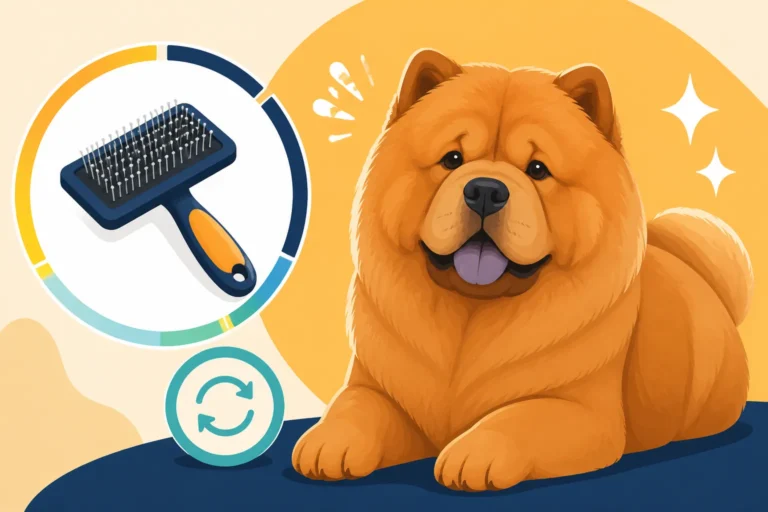
While a smooth Chow Chow requires less intensive grooming than a rough one, consistent care for their undercoat is still paramount. You'll want to invest in a few key tools. A good quality slicker brush, a sturdy metal comb, and an undercoat rake are your best friends. The slicker brush helps remove loose hair from the top layers and stimulates the skin, while the undercoat rake gently pulls out dead undercoat without damaging the guard hairs. For specific recommendations, Which Brush a Chow Chow Needs can guide your choices.
Start grooming sessions with a general brush-through to remove surface dirt and loose hairs. Then, use the undercoat rake in short, gentle strokes, working through sections of the coat, making sure to reach down to the skin. Pay particular attention to areas where the undercoat might be thicker, such as around the neck, chest, and hindquarters. Even though mats are rare, removing dead undercoat prevents skin issues, reduces shedding around the house, and helps with temperature regulation. Learning How to Line Brush a Chow Chow can be beneficial even for smooth coats to ensure you reach the undercoat.
For some Chows, especially during a heavy coat blow, a high-velocity dryer can be an absolute game-changer. After a bath, not only does it dry their dense coat much faster, but the force of the air also helps to "blow out" loose undercoat, significantly reducing shedding around the house. You can find excellent options on Amazon or at specialty pet supply stores.
Bathing and Drying Considerations
Bathing a smooth Chow Chow is generally easier than bathing a rough one, simply because there's less hair to soak and rinse. However, the density of their undercoat still means you need to ensure the water and shampoo penetrate all the way to the skin. Use a good quality dog shampoo and conditioner, working it in thoroughly, then rinsing until the water runs completely clear. Leftover shampoo can irritate the skin and lead to dryness or itching.
Drying is where patience is still very much required. Even with a smooth coat, air-drying is not recommended, especially for the undercoat. A damp undercoat can lead to skin issues, including hot spots or fungal infections, because it traps moisture against the skin. Use towels to absorb as much water as possible, then finish with a pet dryer or a human hairdryer on a cool setting. Ensure the coat, particularly the undercoat, is thoroughly dry right down to the skin. You might be surprised by How Long a Chow Chow Takes to Dry even with a smooth coat, reinforcing why a thorough dry is essential and why Why a Chow Chow Must Be Dried to the Skin is a critical piece of advice.
During these sessions, take the opportunity to check their skin for any irritations, bumps, or dry patches. The smooth coat makes it a bit easier to inspect the skin, but their dense undercoat can still conceal issues if you're not diligent. Regular handling during grooming also reinforces a positive association with being touched, which is always a good thing for a Chow Chow's overall temperament and vet visits.
Maintaining Healthy Skin and Coat
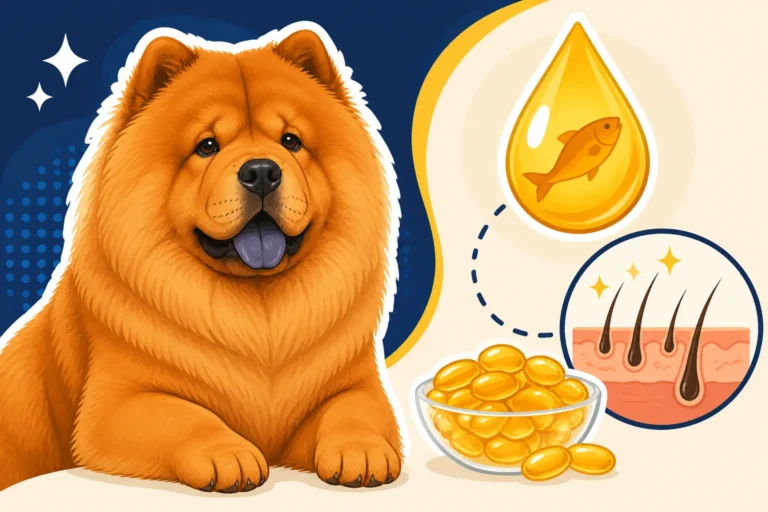
Beyond brushing and bathing, a healthy coat starts from within. Providing a high-quality diet, rich in essential fatty acids, can significantly contribute to coat health, reducing excessive shedding and improving skin condition. Many premium dog foods, like those offered by Ollie, focus on balanced nutrition that supports a lustrous coat and healthy skin. A well-fed Chow Chow will naturally have a healthier, shinier coat, whether rough or smooth.
Regular veterinary check-ups are also crucial. Sometimes, changes in coat quality or shedding patterns can indicate underlying health issues, such as thyroid problems (which Chows can be prone to) or allergies. Your vet can advise on the best nutritional supplements or treatments if needed, helping you address any internal factors affecting their coat.
Finally, don't forget the importance of proper temperature management. While their undercoat helps with insulation, Chows, both rough and smooth, are susceptible to overheating in hot weather due to their dense coats and brachycephalic (short-nosed) structure. Ensure they always have access to shade and fresh water, and avoid strenuous exercise during the hottest parts of the day. Knowing What Temperature Is Too Hot for a Chow Chow is vital for their safety and comfort.
Smooth Coat vs. Rough Coat Undercoat & Grooming Overview
To help visualize the differences and similarities, here's a quick comparison of the smooth and rough Chow Chow coats, particularly regarding their undercoat and grooming needs.
| Feature | Smooth Coat Chow Chow | Rough Coat Chow Chow |
|---|---|---|
| Outer Coat | Short, hard, dense, lies flat against body | Long, abundant, coarser, forms ruff, feathering |
| Undercoat | Present, soft, dense, insulating | Present, soft, dense, insulating |
| Appearance | Streamlined, "bear-like" | Fluffy, "lion-like" |
| Grooming Effort | Moderate, regular brushing needed for undercoat | High, frequent brushing to prevent mats and shed |
| Shedding | Moderate year-round, heavy seasonal "coat blow" | Moderate year-round, heavy seasonal "coat blow" |
| Matting Risk | Low (due to shorter outer coat) | High (especially in ruff, britches, behind ears) |
| Drying Time | Moderate to long | Long to very long |
As you can see, the smooth Chow Chow absolutely still has that essential undercoat, and caring for it properly is a significant part of ensuring their comfort and well-being. Don't let the shorter outer coat deceive you into thinking they're a "wash and wear" kind of dog; they still require dedicated grooming to manage their impressive double coat.
Disclaimer
This article is for general informational purposes only and does not constitute professional advice. Laws, prices and regulations vary by location and change over time. Consult a qualified professional for guidance on your specific situation.