Whether a Chow Chow’s Feet Can Be Trimmed
One common frustration many Chow Chow owners face is figuring out how to manage that incredible, dense coat – and that includes the fur right down to their paws. It’s not just about looking tidy; untrimmed paw hair can lead to discomfort, slips, and even serious health issues for our furry lions. This guide is here to walk you through everything you need to know about whether a Chow Chow's feet can be trimmed, why it's important, and how to do it safely, or when to call in a professional.
Understanding the Chow Chow's Paw Structure and Coat
Before we even pick up a pair of scissors, it’s helpful to understand what makes a Chow Chow’s paws unique. Their entire build, from their thick double coat to their distinctive gait, influences how we approach grooming, especially in such a sensitive area.
The Dense Double Coat Around Their Paws
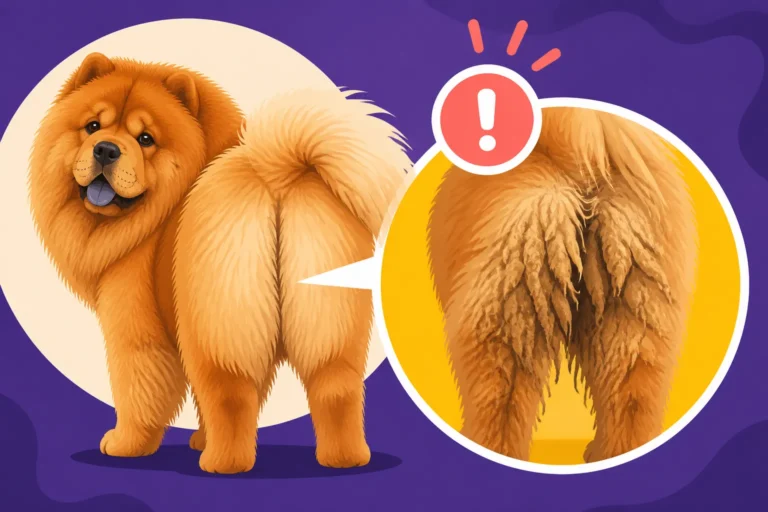
Chow Chows, whether they have the fluffy "rough" coat or the slightly shorter "smooth" coat, are renowned for their incredibly dense double coats. This isn't just a majestic mane; it's a protective layer designed to keep them warm in harsh climates. This double coat extends everywhere, including their feet. You'll notice thick tufts of hair growing not just on top of their paws, but also significantly between their paw pads. This seemingly innocuous hair can become a real problem if left unattended. It's often finer and softer than the outer coat, making it prone to matting and collecting all sorts of outdoor debris. Many new Chow owners, understandably, focus on the impressive ruff or the substantial body coat, sometimes overlooking the crucial care needed for the feet. What a Rough Coated Chow Chow Looks Like gives you a good idea of just how much fur we're talking about!
Why Their Feet Are Called "Cat Feet"
Chow Chows have what's often described as "cat feet." This isn't just a cute nickname; it refers to their compact, round, well-arched paws with short, tight toes. Unlike some breeds with longer, more open feet, the Chow Chow's "cat feet" are designed for endurance and sure-footedness across varied terrain. They provide excellent traction and support. However, this compact structure can also make the hair between the pads even more prone to becoming matted and compacted. The pads themselves are quite thick and tough, but the hair growing up from between them can become long enough to completely obscure the pads, making their "cat feet" less effective and more uncomfortable.
The Importance of the Hair Between Their Pads
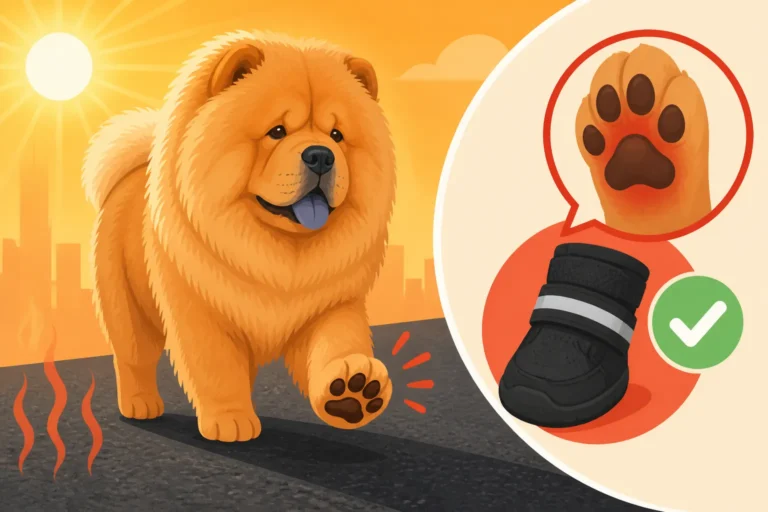
The hair between your Chow Chow's paw pads plays a role in protecting the sensitive skin there, much like nose hair protects our nostrils. However, when this hair grows too long, its protective function turns into a hindrance. Long hair between the pads can become a magnet for dirt, burrs, tiny pebbles, and even sticky sap from trees. In wet weather, it soaks up moisture like a sponge, leading to dampness and creating a perfect breeding ground for bacteria or yeast infections. In icy conditions, snow and ice can clump and freeze between the pads, causing painful ice balls. Furthermore, this excess hair can reduce their natural traction, making them more prone to slipping on smooth surfaces like hardwood floors or tile. It’s a delicate balance: enough hair for protection, but not so much that it causes problems.
The "Why" Behind Trimming a Chow Chow's Feet
Trimming the hair on a Chow Chow's feet isn't just for aesthetics; it's a vital part of their overall health and comfort. Neglecting this often-overlooked grooming task can lead to a cascade of issues that impact their mobility, hygiene, and even their temperament during handling.
Preventing Matting and Trapping Debris
One of the most immediate benefits of regularly trimming the hair between your Chow Chow's paw pads is preventing mats. As mentioned, the fine hair in this area is particularly prone to tangling, especially when it gets wet, or when your dog walks through mud, sand, or debris. Once mats form between the pads, they can be incredibly painful. They pull on the skin with every step, and if left long enough, they can become so tight they restrict blood flow. Imagine walking with a pebble constantly stuck in your shoe – that's what a mat can feel like. These mats also readily trap small stones, twigs, burrs, and even chewing gum, which can cause cuts, punctures, or irritation to the paw pads themselves. A good line brushing of their main coat is crucial, but don't forget the feet! Brushing a Chow Chow's Mane Down to the Skin is a good reminder of how thorough you need to be with their thick fur.
Improving Traction and Preventing Slips
Chow Chows are generally sturdy dogs, but slippery surfaces can be a real hazard, particularly as they get older. When the hair between their paw pads grows too long, it essentially creates a cushion between their pads and the ground. This significantly reduces their natural grip, making them less stable. Picture wearing socks on a polished floor – that’s similar to how an untrimmed Chow Chow might feel. This loss of traction can lead to slips, falls, and potential injuries, especially to their joints. Given that Chow Chows can be prone to orthopedic issues like Elbow Dysplasia Ranks the Chow Chow Near the Top and Hip Dysplasia in a Chow Chow, anything we can do to reduce strain on their joints is a huge win. Keeping the hair neatly trimmed ensures their paw pads can make direct contact with the ground, providing optimal grip and confidence in their movement.
Maintaining Hygiene and Preventing Infections
The Chow Chow's dense coat and deep wrinkles already make them susceptible to certain hygiene challenges, and their feet are no exception. Long hair on their paws can trap moisture, dirt, and bacteria, creating a warm, damp environment that is an ideal breeding ground for yeast and bacterial infections. This can lead to conditions like pododermatitis (inflammation of the paws), which is incredibly itchy and painful. If you notice your Chow Chow constantly licking or chewing their paws, or if there's a reddish discoloration or a cheesy smell, it could be a sign of an infection fueled by excess paw hair. Regular trimming, combined with thorough drying after baths or wet walks, is key to preventing these uncomfortable and often costly issues. Clean paws are healthy paws, and it directly contributes to their overall well-being.
How to Safely and Effectively Trim a Chow Chow's Feet
Trimming your Chow Chow's paw hair yourself can save you time and money, but it needs to be done correctly and with patience. Remember, a positive experience is paramount, especially with a breed that can be particular about handling. Teaching a Chow Chow to Have Its Feet Handled is a great resource to review before you even think about picking up tools.
Essential Tools for the Job
Having the right tools makes all the difference for a safe and efficient paw trim. Don't just grab any old scissors from the drawer!
- Small, blunt-nosed scissors: These are absolutely essential. Their rounded tips drastically reduce the risk of accidentally poking or cutting your dog's sensitive paw pads or webbing. Look for grooming scissors specifically designed for paw and face trimming. You can often find a good selection of these on sites like Amazon or Chewy.
- Electric clippers (optional, but highly recommended for beginners): Small, quiet cordless trimmers, sometimes called "paw trimmers" or "mini clippers," are fantastic for this task. They reduce the risk of nicks even further than blunt-nosed scissors and are less likely to cause anxiety due to their low vibration and noise. They make the job much faster and smoother for many dogs.
- A comb: A fine-toothed comb is invaluable for separating the hair and lifting it away from the pads, allowing you to see exactly what you're trimming.
- Treats: High-value treats are non-negotiable! Positive reinforcement makes the experience much more pleasant for your Chow Chow and increases their cooperation for future grooming sessions.
- Styptic powder or cornstarch: Just in case of an accidental nick (it happens to even the most careful groomers), having this on hand will quickly stop any bleeding.
Step-by-Step Guide to Trimming Paw Hair
Here's a breakdown of how to approach trimming your Chow Chow's paw hair:
- Preparation is Key: Find a quiet, well-lit area where both you and your Chow Chow can be comfortable. Lay down a non-slip mat if you're on a smooth surface. Have all your tools and treats ready.
- Start with a Clean, Dry Paw: If their paws are muddy or wet, clean and dry them thoroughly first. This makes the hair easier to see and trim.
- Position Your Chow Chow: Some Chows are fine lying down, others prefer to sit. Work with what's most comfortable for them. You might need a helper, especially if your Chow Chow is new to this. Gently hold their paw, supporting their leg, but don't force it.
- Comb and Lift: Using your comb, carefully comb the hair upward from between the paw pads. This makes the excess hair stand out, making it easier to see what needs to be trimmed.
- Trim the Excess:
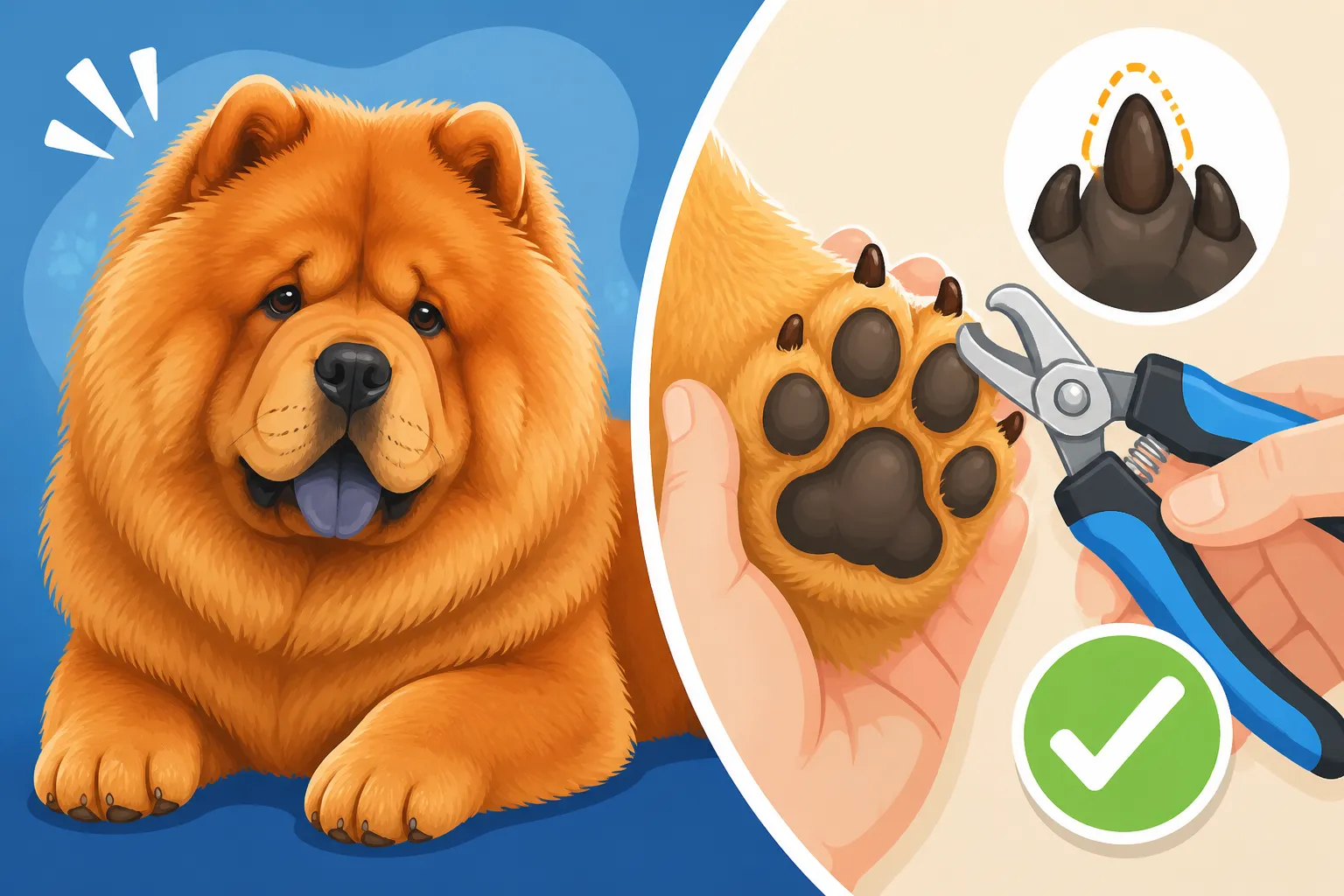
- With blunt-nosed scissors: Carefully trim only the hair that protrudes beyond the pads. Always point the scissors away from the pads and only cut the tips. Work slowly and in small snips. Be extra cautious around the webbing between the toes.
- With clippers: If using a small trimmer, gently press the blade against the paw pad and move it outwards, guiding the hair away. The guard on the clippers will prevent you from cutting too short. This method is often preferred for safety and efficiency.
- Check Around the Toes: Don't forget the hair around the perimeter of each toe, especially the long feathery bits that can get caught or accumulate debris. Trim these to be flush with the paw itself.
- Reward, Reward, Reward: After trimming each paw, or even after a few snips, offer a high-value treat and verbal praise. Make it a positive association.
- Repeat for All Paws: Take breaks if needed. Don't try to rush the process. It's better to do a little bit at a time over several days than to make it a stressful ordeal.
Regular maintenance is much easier than tackling severely matted feet. Aim to check and trim their paw hair every 4-6 weeks, or more frequently if your Chow Chow is very active outdoors.
Handling a Reluctant Chow Chow and Making It a Positive Experience
Chow Chows are known for their independent nature and can be quite particular about being handled, especially in sensitive areas like their feet. Why a Chow Chow Objects to Its Rear Being Touched explores some of these sensitivities. If your Chow Chow is resistant, patience and positive reinforcement are key.
- Start Early: If you have a puppy, begin desensitizing them to paw handling from day one. Gently touch their paws, massage their pads, and offer treats.
- Short, Frequent Sessions: Instead of one long, stressful session, do several short ones. Even just touching a paw and giving a treat can build a positive association.
- High-Value Rewards: Find what your Chow Chow absolutely loves – a special treat they only get during grooming. Ollie offers fresh, human-grade food that many dogs go wild for, which could be a great motivator!
- Calm Demeanor: Your Chow Chow will pick up on your stress. Stay calm, speak in a soothing voice, and avoid scolding.
- Introduce Tools Gradually: Let them see and sniff the clippers or scissors. Turn the clippers on briefly without touching them, give a treat, then turn them off. Build up to touching their paws with the tools.
- Take Breaks: If your Chow Chow starts to get agitated, stop. Resume later or the next day. Pushing them past their comfort level will only make future sessions harder.
- Never Punish: If they pull their paw away or growl, don't punish them. Simply remove the tools, wait for them to calm down, and then try again with a gentler approach and more treats. The goal is trust, not submission.
When to Seek Professional Help (and Why)
While trimming your Chow Chow’s feet at home is entirely doable for many owners, there are definitely times when calling in a professional groomer or even a vet is the smartest and safest option. Don't feel guilty if you need to; some dogs just aren't cut out for DIY grooming, and some mats are too severe to handle at home.
Recognizing Your Limits and Your Dog's Tolerance
It's crucial to be honest with yourself about your own skills and your Chow Chow's temperament. If you're nervous, clumsy with scissors, or find your dog is becoming excessively stressed or aggressive, it’s time to call in a pro. A bad experience can make all future grooming a nightmare, and an accidental cut can lead to infection or a trip to the emergency vet. Moreover, if your Chow Chow has severe mats packed tightly between the pads, attempting to cut them out with scissors at home is extremely risky. The skin can be pulled up into the mat, making it very easy to accidentally cut the paw pads or webbing. It’s also incredibly painful for the dog. How Many Times a Chow Chow Will Repeat a Cue is a good indicator that their patience might be limited.
What a Professional Groomer Offers for Difficult Feet
A professional groomer has the experience, tools, and often, a dedicated space (like a grooming table) to handle even the most reluctant Chow Chows.
- Expertise with Difficult Coats and Temperaments: Groomers are familiar with the Chow Chow's unique coat type and understand their sometimes-aloof nature. They know how to work quickly and efficiently while prioritizing the dog's comfort. Many groomers use high-velocity dryers not just for drying, but also to help blow out loose undercoat and even identify mats that might be hidden.
- Specialized Tools: They have professional-grade clippers and sharp, specialized shears that can make quick work of even thick paw hair without pulling. They also have a range of calming techniques and restraint options that can be used safely.
- Mat Removal: If your Chow Chow's feet are severely matted, a groomer can often safely shave out the mats. They're trained to do this without injuring the dog, which is a common danger for home groomers tackling severe matting. Remember, Why a Groomer Charges More for a Matted Chow Chow is because it's a difficult and time-consuming job that requires extreme care.
- Overall Grooming: While they're working on the feet, they can also handle other essential tasks like How Often a Chow Chow's Nails Need Trimming or a full brush-out, ensuring your Chow Chow is clean, comfortable, and looking their best.
- Building Positive Associations: A good groomer will use positive reinforcement, making the experience as pleasant as possible, which helps to build a more positive association with grooming for your Chow Chow. If you're looking for a groomer, check out Finding a Groomer Who Will Take a Chow Chow for tips on how to select the right professional for your specific needs. They can also advise you on home care between visits.
Ultimately, whether you choose to trim your Chow Chow's feet at home or use a professional, the key is consistency and ensuring their comfort and health.
Disclaimer
This article is for general informational purposes only and does not constitute professional advice. Laws, prices and regulations vary by location and change over time. Consult a qualified professional for guidance on your specific situation.