Why a Chow Chow Must Never Be Shaved
It's a common misconception, especially when the weather warms up or the shedding season hits full swing, to think that shaving your fluffy Chow Chow might offer them some relief. We've all seen dogs with short, clippered coats looking breezy, and it's natural to assume it would help our Chows. However, shaving a Chow Chow's magnificent double coat can actually do more harm than good, jeopardizing their natural defenses and long-term coat health. This guide will walk you through why putting clippers to your Chow's fur is never a good idea and what you should do instead to keep them comfortable, cool, and shed-free.
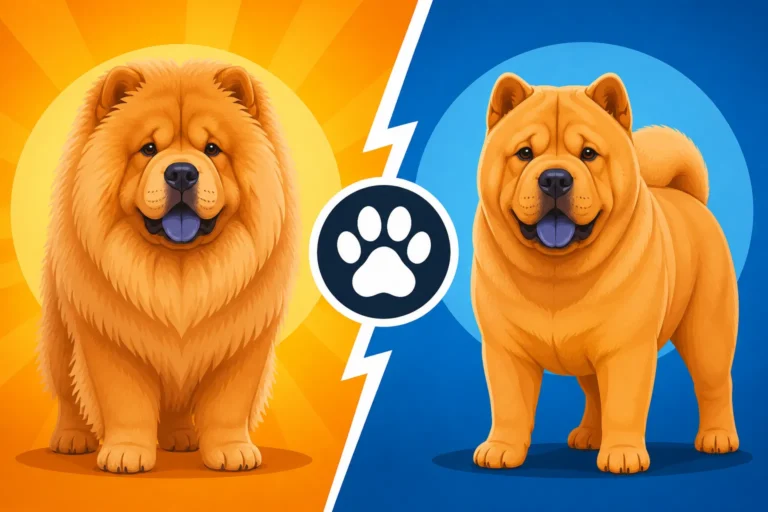
Understanding the Chow Chow's Unique Double Coat
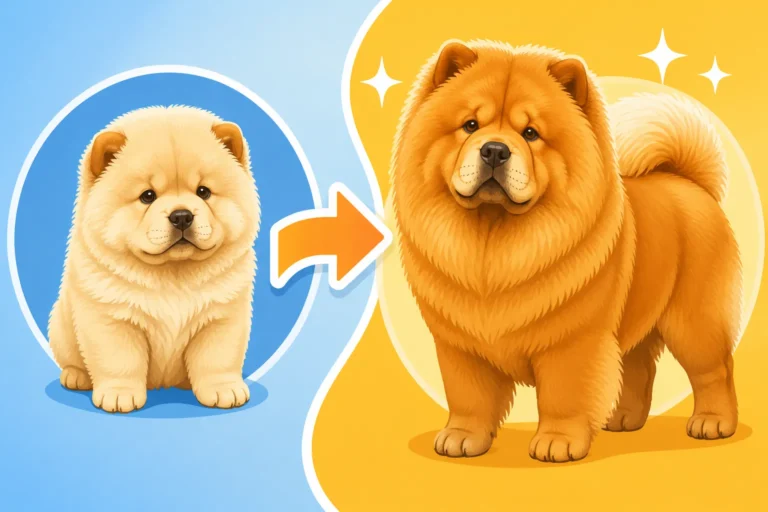
To truly grasp why shaving is detrimental, we first need to appreciate the incredible design of a Chow Chow's coat. It's not just a single layer of fur; it's a sophisticated, dual-purpose system that has evolved over centuries to protect them from a wide range of environmental conditions. This double coat is the Chow Chow's built-in thermostat, raincoat, and sunblock all rolled into one. Understanding its function is key to knowing how to care for it properly.
The Protective Outer Guard Hairs
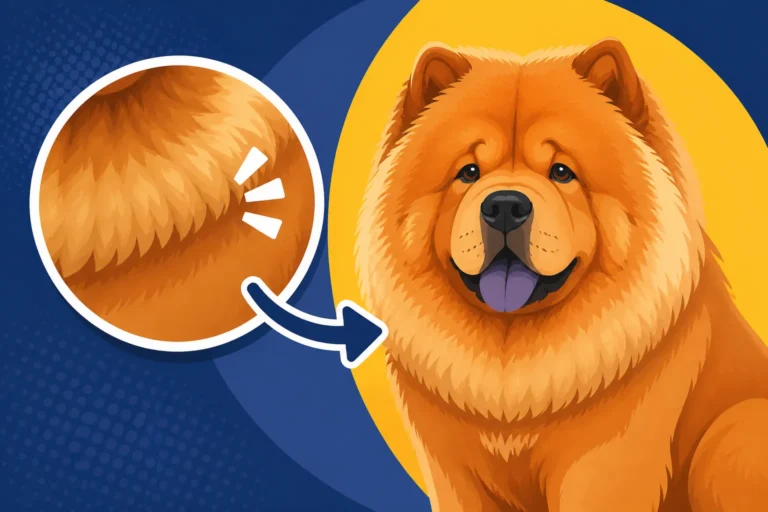
The outer layer of a Chow Chow's coat consists of what we call "guard hairs." These are typically longer, coarser, and somewhat stiffer than the undercoat. Think of them as the roof shingles on a house – they're designed to shed water, dirt, and debris efficiently, preventing moisture from reaching the skin and causing irritation. These guard hairs also act as a crucial barrier against the sun's harmful UV rays, protecting the delicate skin underneath from sunburn, which can be just as painful and damaging for dogs as it is for humans.
Beyond just weather protection, the guard hairs also offer a physical shield. They can help deter insect bites, provide a measure of defense against minor scrapes and abrasions, and generally keep your Chow looking magnificent while protecting them from the elements. This rugged outer layer is surprisingly adept at keeping their underlying skin healthy and free from environmental irritants, provided it's kept clean and free of mats.
The Insulating Undercoat
Beneath those protective guard hairs lies the true marvel of the Chow Chow's coat: a dense, soft, and woolly undercoat. This layer is an incredibly efficient insulator, playing a vital role in thermoregulation – managing your dog's body temperature. In colder climates, this undercoat traps warm air close to the body, acting like a thick, downy blanket to keep them toasty. This is why Chows historically thrived in cooler regions and can tolerate chilly temperatures far better than short-coated breeds.
However, its function isn't limited to just warmth. In warmer weather, this same undercoat works by trapping a layer of cooler air next to the skin, much like a thermos keeps both hot and cold liquids at their desired temperature. It creates an insulating barrier that prevents external heat from easily penetrating to the skin. A properly maintained undercoat allows air to circulate, keeping the dog comfortable and actually helping to dissipate heat from the body when breezes pass through.
How These Layers Work Together
The genius of the Chow Chow's double coat lies in how these two distinct layers cooperate. The guard hairs provide the first line of defense against the elements, channeling away rain and blocking UV radiation. Meanwhile, the undercoat provides the primary insulation, creating a microclimate against the dog's skin. Together, they form an almost impenetrable barrier that keeps the Chow Chow comfortable, regardless of whether it's a scorching summer day or a crisp winter morning. It's a natural, highly effective climate control system.
When these layers are healthy and well-maintained through regular grooming, they prevent overheating by facilitating airflow and preventing direct sun exposure. They also deter skin problems by keeping the skin dry and protected. Think of it like this: a properly cared-for double coat is designed to keep your Chow at an optimal temperature, making them surprisingly adaptable to various climates, as long as appropriate measures are taken to prevent extreme conditions. Why a Chow Chow's Double Coat Traps Heat is a good read to understand the intricacies.
The Damaging Effects of Shaving a Chow Chow
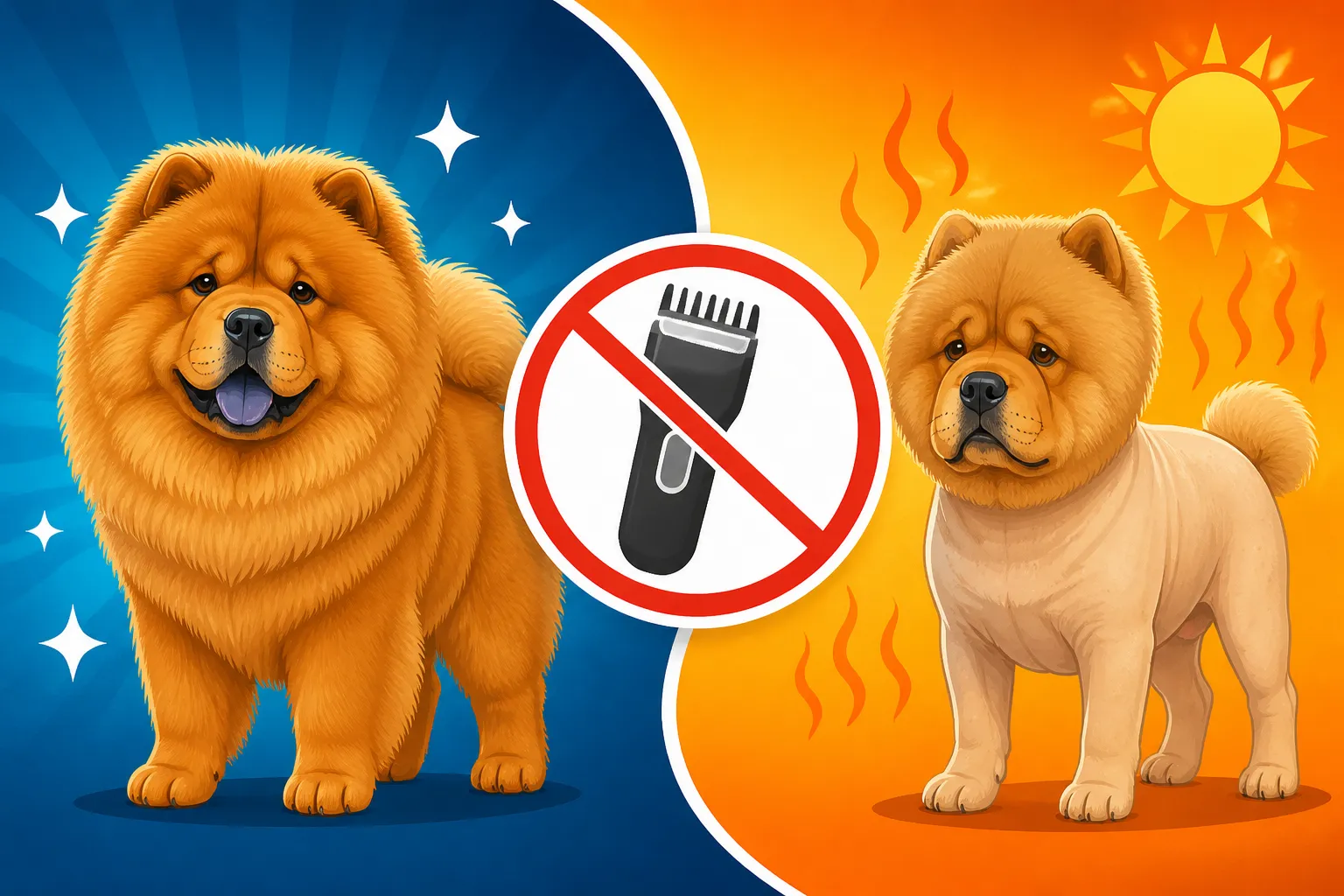
Despite the best intentions, shaving a Chow Chow is akin to dismantling their natural climate control system. The perceived benefits are quickly outweighed by significant downsides that can compromise their health, comfort, and the very integrity of their iconic coat. It’s a choice that often leads to more problems than it solves, and most veterinary and grooming professionals strongly advise against it for double-coated breeds.
Disrupting Natural Thermoregulation
The most critical argument against shaving a Chow Chow, particularly in warm weather, is that it completely disrupts their natural thermoregulation. People often assume that removing all that hair will make their dog cooler, but the opposite is true. By shaving off the dense undercoat, you eliminate the insulating layer that traps cool air against the skin and protects it from direct sunlight. Without this barrier, the sun's rays beat directly onto their delicate skin, absorbing heat rather than reflecting it. This can lead to rapid overheating, making your Chow more susceptible to heat stroke, not less.
Furthermore, the guard hairs, which also play a role in deflecting heat, are often cut in the process. This leaves their body completely exposed. Imagine going outside in direct summer sun without a hat or sunscreen; that's essentially what you're doing to your Chow. Their complex coat system is designed to work as a whole, and removing one part of it throws the entire protective mechanism out of balance. Heat Is the Chow Chow's Most Immediate Danger delves deeper into managing their temperature.
Increased Risk of Sunburn and Skin Damage
When a Chow Chow's coat is shaved, their skin is left utterly exposed to the elements. This is a massive problem, especially considering their pale skin, which is not designed for direct sun exposure. Just like humans, dogs can get severe sunburn, which is not only incredibly painful but can also lead to long-term health issues. Sunburns can cause redness, blistering, peeling, and secondary bacterial infections if the skin barrier is compromised.
Beyond immediate discomfort, chronic sun exposure on unprotected skin increases the risk of various skin cancers, including squamous cell carcinoma and melanoma. While Chows have naturally pigmented skin in some areas, the areas typically covered by their dense coat are vulnerable. Shaving strips away this vital UV protection, essentially leaving them defenseless against potentially cancerous solar radiation. It's a risk that no Chow Chow owner should take lightly.
Coat Regrowth Issues: "Post-Clipping Alopecia"
Perhaps one of the most disheartening consequences of shaving a Chow Chow is the potential for permanent damage to their coat. This phenomenon is often referred to as "post-clipping alopecia" or "coat change." After shaving, especially with clippers that cut very close to the skin, the delicate hair follicles can be damaged or shocked. The guard hairs and undercoat grow back at different rates and with different textures, leading to a coat that is often sparse, patchy, woolly, or even matted and felted.
Instead of growing back thick and lustrous, the new coat might be dull, coarse, or feel more like cotton. In many cases, the original texture and density never return, leaving the dog with a compromised coat that struggles to perform its natural functions. This means the coat might offer less insulation, less protection from the sun, and be more prone to matting and skin issues. It's a long-term consequence that can be incredibly frustrating for owners who only wanted to help their dog feel cooler. Whether a Shaved Chow Chow's Coat Grows Back further details this issue.
Why Shaving Doesn't Solve Shedding or Matting
Many owners consider shaving their Chow Chow as a quick fix for excessive shedding or severe matting. While it might seem like a logical solution on the surface, this approach often misunderstands the underlying issues and can lead to new, equally frustrating problems that actually make coat management harder in the long run.
Shedding Continues, Just Shorter Hair
Let's be clear: shaving your Chow Chow does not stop them from shedding. Dogs shed dead hair from their follicles as part of a natural cycle, and clipping the hair short doesn't change that biological process. What it does do is shorten the hair that sheds. So, instead of finding long, fluffy Chow Chow hair tumbleweeds, you'll find shorter, coarser, spiky hairs that can be even more difficult to vacuum out of carpets and fabrics. These short, stiff hairs can also be more irritating if they embed in skin or clothing.
Furthermore, the process of shedding is crucial for maintaining a healthy coat and skin. It allows new, healthy hair to grow in and helps with ventilation. By shaving, you're not addressing the root cause of shedding (which is a natural, ongoing process for Chows) but merely altering the length of the shed hair. Proper grooming techniques, as we'll discuss, are far more effective at managing shedding by removing the dead undercoat before it has a chance to fall out around your home. How Much a Chow Chow Sheds is a constant challenge for Chow owners, but shaving isn't the answer.
Increased Risk of Matting with Altered Coat
When a Chow Chow is shaved, especially down to the undercoat, the regrowth can be problematic. The soft, cottony undercoat often grows faster than the coarser guard hairs, leading to an unbalanced coat texture. This new, uneven growth is actually more prone to matting and felting tightly against the skin. Instead of having distinct layers that can be brushed through, you can end up with a chaotic tangle of short, woolly hair that forms painful mats much more quickly and closer to the skin than before.
These mats are incredibly difficult to remove and can pull on the skin, causing discomfort, pain, and even skin infections. What started as an attempt to avoid matting can ironically create a worse, chronic matting problem that requires even more frequent and careful grooming, or even repeated painful full body clips under sedation. It's a vicious cycle that can be hard to break once the coat's natural structure has been compromised.
Impaired Airflow and Skin Problems
A healthy, unshaven double coat, despite its density, allows for adequate airflow to the skin when properly brushed and maintained. This airflow is vital for skin health, preventing moisture buildup and keeping the skin dry and cool. However, when a Chow Chow is shaved, and the coat regrows improperly (often becoming thick, cottony, and uneven), this natural airflow can be severely impaired. The altered texture of the regrowing coat can easily become dense and compacted, trapping moisture against the skin.
This trapped moisture, combined with reduced air circulation, creates an ideal breeding ground for bacteria and yeast. This can lead to a host of skin problems, including hot spots, fungal infections, and general skin irritation. These issues are not only uncomfortable for your Chow Chow but can also be costly and time-consuming to treat with veterinary care, medicated shampoos, and oral medications. The very act meant to relieve your dog can inadvertently trigger a cascade of dermatological woes.
Healthier Alternatives to Shaving for Your Chow Chow
So, if shaving is out, what can you do to keep your magnificent Chow Chow comfortable, especially during shedding season or in warmer months? The answer lies in understanding and working with their natural coat, rather than against it. There are numerous effective and humane methods to manage their fur, ensure their comfort, and maintain their health without resorting to clippers.
Regular and Thorough Brushing
This is, without a doubt, the single most important thing you can do for your Chow Chow's coat and overall well-being. Regular and thorough brushing is essential year-round, but it becomes absolutely critical during their twice-yearly "coat blow" when they shed their entire undercoat. Using the right tools, such as a sturdy slicker brush and a high-quality undercoat rake, is key. You'll want to brush in sections, ensuring you get all the way down to the skin to remove loose undercoat and prevent mats. This "line brushing" technique is vital to effectively manage their dense fur.
Consistent brushing achieves several things: it removes dead hair, which is what causes the mess around your home; it prevents mats and tangles, which can be painful and lead to skin issues; and it stimulates circulation in the skin, promoting a healthy coat. Moreover, by regularly removing the dead undercoat, you create space for air to circulate, which is crucial for cooling them down in warm weather. Investing in good grooming tools from a reputable online retailer like Chewy or Amazon and dedicating time to this routine will pay dividends in your Chow's health and happiness. For a deep dive, see How to Line Brush a Chow Chow.
Professional Grooming for Deshedding and Baths
While home brushing is indispensable, professional grooming offers specialized services that can significantly help manage a Chow Chow's coat. A groomer experienced with double-coated breeds will have powerful high-velocity dryers and professional deshedding tools and techniques that are more effective than what most owners have at home. Deshedding treatments involve thorough brushing, specialized shampoos and conditioners, and powerful drying to blast out loose undercoat. This process can dramatically reduce shedding in your home for weeks.
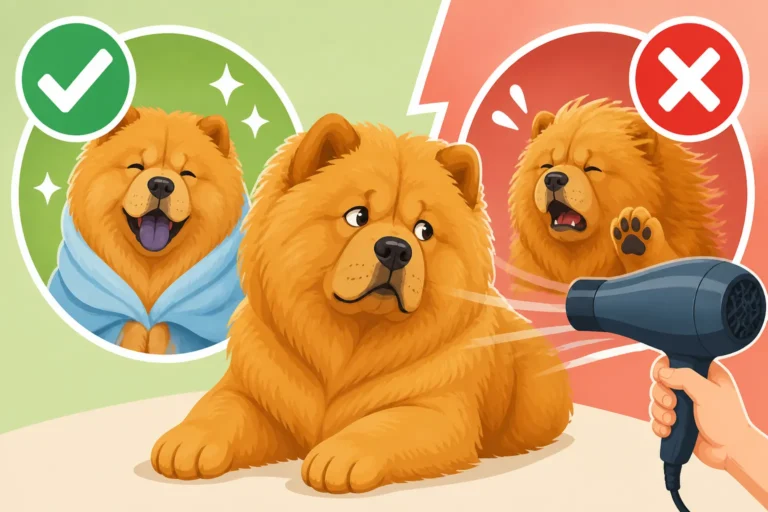
Professional baths are also crucial, especially during coat blows. A groomer will ensure that your Chow's dense coat is thoroughly saturated, cleaned, and most importantly, dried completely down to the skin. Improper drying can lead to skin infections and matting, and getting a Chow Chow completely dry at home can be an arduous task. A good groomer understands the unique needs of a Chow's coat and can perform services like sanitary trims (trimming hair around the private areas for hygiene) or paw pad trims (to prevent slipping and matting between toes) without resorting to a full body shave. What Professional Grooming Costs for a Chow Chow gives you an idea of the investment.
Smart Cooling Strategies in Hot Weather
Instead of shaving, focus on practical strategies to keep your Chow Chow cool and comfortable when temperatures rise. These methods work with their natural coat to prevent overheating.
- Timing Walks: Avoid walking during the hottest parts of the day. Opt for early mornings and late evenings when the air is cooler and asphalt isn't radiating heat.
- Shade and Water: Always provide access to ample fresh, cool water and plenty of shade when outdoors. A kiddie pool with a few inches of water can be a great way for them to cool off their paws and belly.
- Cooling Gear: Consider cooling mats, cooling vests that use evaporative technology, or even a simple damp towel laid over their body. These provide external cooling without interfering with their coat. You can find many options on Amazon.
- Indoor Comfort: On truly hot days, keeping your Chow indoors in an air-conditioned environment is the safest option. For some Chows, central air isn't just a luxury, it's a necessity. Whether a Chow Chow Needs Air Conditioning is a key consideration for owners.
- Frozen Treats: Ice cubes, frozen Kongs, or dog-friendly popsicles can help cool them from the inside out.
These strategies allow your Chow Chow's natural coat to do its job, while you provide supplemental cooling to ensure their comfort and safety. How to Cool a Chow Chow Down Fast offers more detailed advice.
Managing Matting and Extreme Situations
Sometimes, despite best efforts, a Chow Chow's coat can become severely matted. This is often a result of infrequent brushing, improper drying after baths, or neglecting the coat during a heavy shed. When matting reaches an extreme level, it's no longer just an aesthetic issue; it becomes a serious welfare concern that can require intervention.
When Matting Becomes Severe
Severe matting can be incredibly painful for a Chow Chow. Mats pull tightly on the skin, restricting movement and causing discomfort with every step. They can also hide skin infections, parasites, and wounds, preventing proper airflow and creating a humid environment ripe for bacterial and fungal growth. If left untreated, severe matting can lead to skin necrosis (tissue death) due to restricted blood flow. In such cases, the mats are often too tight and extensive to be brushed out safely and humanely.
Attempting to brush out severe mats at home can be torturous for your dog and risks injuring their skin. It's important to recognize when the situation has progressed beyond what regular grooming can handle. Signs of severe matting include large, dense clumps of hair close to the skin, difficulty inserting fingers between the mats and the skin, and your Chow showing signs of pain or irritation when touched.
Working with a Professional Groomer or Vet
When faced with severe matting, the safest and kindest course of action is to seek professional help. A qualified professional groomer or your veterinarian is equipped to handle such situations. They will assess the extent of the matting and determine the most humane way to remove it. In severe cases, this may involve shaving the coat down with clippers underneath the mats, often requiring a very short cut to get under the felted hair. This is not the same as a cosmetic shave; it's a necessary medical procedure to relieve pain and prevent further complications.
It's crucial to find a groomer who understands the unique coat challenges of a Chow Chow and practices "welfare over vanity." They should prioritize your dog's comfort and health, even if it means sacrificing the appearance of their coat temporarily. Sometimes, sedation by a vet is necessary if the mats are extensive and the dog is in extreme pain or stress. While the initial result might be shocking, the relief your Chow will experience is immense.
Preventing Future Matting
Once the mats are removed, the focus must shift to preventing recurrence. This requires a commitment to a consistent and proper grooming routine.
- Daily Brushing: Establish a routine of daily or every-other-day thorough brushing, focusing on areas prone to matting like behind the ears, under the collar, in the "armpits," and on the britches. Even if your Chow has a smooth coat, consistent brushing is still important. How Often a Rough Coated Chow Chow Needs Brushing is an important benchmark.
- Regular Professional Grooming: Schedule regular professional grooming appointments (every 6-8 weeks, or as recommended by your groomer) for baths and deshedding treatments.
- Proper Drying: After baths or swimming, ensure your Chow Chow is dried completely, down to the skin, using a high-velocity dryer if possible, or thorough towel drying followed by brushing.
- Nutrition: A healthy diet can contribute to coat health. Some owners opt for fresh, high-quality dog food delivery services like Ollie that can positively impact skin and coat condition, making it less prone to dryness and brittleness that can lead to matting.
- Awareness: Be vigilant. Check for nascent mats regularly and address them immediately before they become severe. Small mats are much easier and less painful to remove than large, tight ones.
By adopting these preventative measures, you can ensure your Chow Chow maintains a healthy, comfortable, and beautiful coat without ever needing to resort to damaging shaving.
Here's a quick comparison of the two approaches:
| Feature | Shaving a Chow Chow (Generally Discouraged) | Proper Coat Care (Recommended) |
|---|---|---|
| Thermoregulation | Disrupts, increases heat stroke risk, sunburn risk | Maintains natural insulation, aids cooling, UV protection |
| Coat Health & Regrowth | High risk of permanent damage, patchy, woolly coat | Promotes healthy growth, preserves natural texture |
| Shedding Management | Does not stop shedding, just shortens hair | Effectively removes dead undercoat, reduces shedding |
| Matting Risk | Increases matting risk with altered regrowth | Prevents mats, addresses tangles early |
| Skin Health | High risk of sunburn, infections, hot spots | Promotes healthy skin, good airflow |
| Comfort for Dog | Can cause pain, discomfort, stress | Ensures comfort, prevents skin issues |
| Cost | Can lead to vet bills for skin issues/sedation | Regular grooming costs, but preventative |
Disclaimer
This article is for general informational purposes only and does not constitute professional advice. Laws, prices and regulations vary by location and change over time. Consult a qualified professional for guidance on your specific situation.