How Long Brushing a Rough Chow Chow Takes
One of the most common questions and anxieties for new Chow Chow owners, especially those with the majestic rough coat, revolves around grooming: specifically, how long does it really take to brush all that glorious fur? The truth is, it's a significant time commitment, and brushing a rough-coated Chow isn't a five-minute task you can rush through. This guide will walk you through the realistic timeframes, what influences them, and how to approach brushing sessions effectively to keep your Chow's coat healthy and tangle-free.
Understanding the Rough Chow Chow Coat and Its Demands
Before we dive into the clock, it’s crucial to understand why a rough-coated Chow Chow requires such diligent attention. Their coat isn't just fluffy; it's a sophisticated, dual-layer system designed for extreme weather conditions.
The Double Coat's Structure and Purpose
A rough-coated Chow Chow boasts a luxuriant double coat, a defining characteristic of the breed. This isn't just for looks; it served a vital purpose in their ancestral origins, protecting them from harsh weather. What a Chow Chow's Double Coat Is Made Of explains this in detail, but in short, you have a dense, soft, woolly undercoat that acts as insulation, trapping air to keep them warm in winter and cool in summer. Over this lies a coarser, straight outer coat, sometimes called guard hairs, which protects the undercoat from moisture, dirt, and sun.
Imagine trying to brush through two distinct layers of material – one fine and prone to clinging, the other thicker and providing a barrier. That's essentially what you're dealing with. This combination, while beautiful, creates an environment ripe for matting if not properly maintained. The undercoat wants to shed and get tangled in the guard hairs, creating knots and dense clumps that can quickly become painful.
Why the Rough Coat Demands More Time
Compared to their smooth-coated counterparts, rough-coated Chows demand significantly more grooming time because of this voluminous double coat. The longer guard hairs and the sheer density of the undercoat mean there's simply more hair to work through. Every stroke of the brush needs to penetrate both layers, down to the skin, to be truly effective. If you only skim the surface, you'll leave a thick layer of dead undercoat accumulating near the skin, which inevitably leads to mats.
Smooth-coated Chows, while still possessing a double coat, have a shorter, denser outer coat and a less profuse undercoat, making their grooming needs far less intensive. For a rough coat, however, the risk of mats developing is constant, especially in areas of friction like behind the ears, under the legs, around the ruff, and in the "britches" (the long hair on their hindquarters). These mats don't just look bad; they pull on the skin, cause discomfort, restrict movement, and can harbor dirt, moisture, and parasites, leading to skin infections. This necessitates a thorough, time-consuming approach every single time.
Factors Influencing Brushing Time for a Rough Chow Chow
The duration of a brushing session for your rough-coated Chow Chow isn't set in stone. Several factors can either lengthen or shorten the process, making some days feel like a quick tidy-up and others an epic battle against the fur.
Coat Condition and Matting
This is, without a doubt, the biggest determinant of how long you'll be brushing. A coat that is relatively free of tangles and mats will take far less time than one that has been neglected. Even small mats can significantly increase your brushing time, as they require careful, painstaking work to de-tangle or, in worst-case scenarios, safely cut out. When a mat pulls on the skin, your dog is going to be uncomfortable and less cooperative, turning a simple groom into a struggle.
Preventing mats is always easier and faster than removing them. If you allow even small mats to go unchecked, they can quickly grow into large, pelt-like formations that can only be removed by professional groomers, often requiring a full shave-down, which has its own risks for Chows. When a Mat Should Be Cut Out of a Chow Chow offers guidance on dealing with these stubborn tangles, but prevention is truly key.
Age and Coat Development
A Chow Chow puppy's coat is generally softer and less dense than an adult's, making brushing sessions relatively quicker and easier in their early months. This is a prime time to get them accustomed to the grooming process. As they mature, their adult coat comes in, and that's when the real work begins. When a Chow Chow's Puppy Coat Changes details this transition, often around 6-12 months of age, and it's accompanied by increased shedding and a much thicker undercoat.
Senior Chows might experience changes in their coat texture, sometimes becoming drier or more prone to mats due to reduced activity or changes in skin elasticity. While the density might thin a bit with age, the need for regular, thorough brushing remains crucial to their comfort and health. Adapting your technique and patience for an older dog who might have joint pain or less stamina for long sessions is also important.
Brushing Technique and Tools
Your technique is paramount to efficiency. Simply running a brush over the top of the coat accomplishes very little. The gold standard for a rough-coated Chow is "line brushing," a method where you systematically brush small sections of hair, parting the coat down to the skin and working from the bottom up. How to Line Brush a Chow Chow breaks down this method, which ensures you reach the undercoat and remove all dead hair. While it sounds meticulous, it’s the most effective way to prevent mats and genuinely reduces overall brushing time in the long run.
The tools you use also play a massive role. A high-quality slicker brush, a sturdy metal greyhound comb, and a good undercoat rake are essential. A high-velocity dryer, while an investment, can dramatically cut down drying time after a bath and help "blow out" dead undercoat during shedding season, making brushing much faster. Brands like Amazon and Chewy offer a wide range of these specialized grooming tools, making them accessible to any dedicated Chow owner. Don't skimp on quality; cheap tools can be ineffective and even damage the coat or skin.
Frequency of Brushing
This is another huge factor. The more frequently you brush your rough-coated Chow, the less time each individual session will take. If you brush thoroughly once a week, you're likely spending less total time than if you only brush once a month and have to deal with significant matting. Regular, consistent brushing prevents the undercoat from packing down and tangling, making each session more manageable. How Often a Rough Coated Chow Chow Needs Brushing suggests a general guideline, but ultimately, it depends on your Chow's individual coat type and activity level. If your Chow enjoys rolling in the dirt or playing in the brush, you might need to increase frequency.
Realistic Expectations: How Long Brushing Really Takes
Let's get down to the nitty-gritty. How much time should you actually set aside? Be prepared for a commitment. This isn't a quick once-over, and rushing it will only lead to frustration for both you and your Chow.
A Regular Maintenance Session
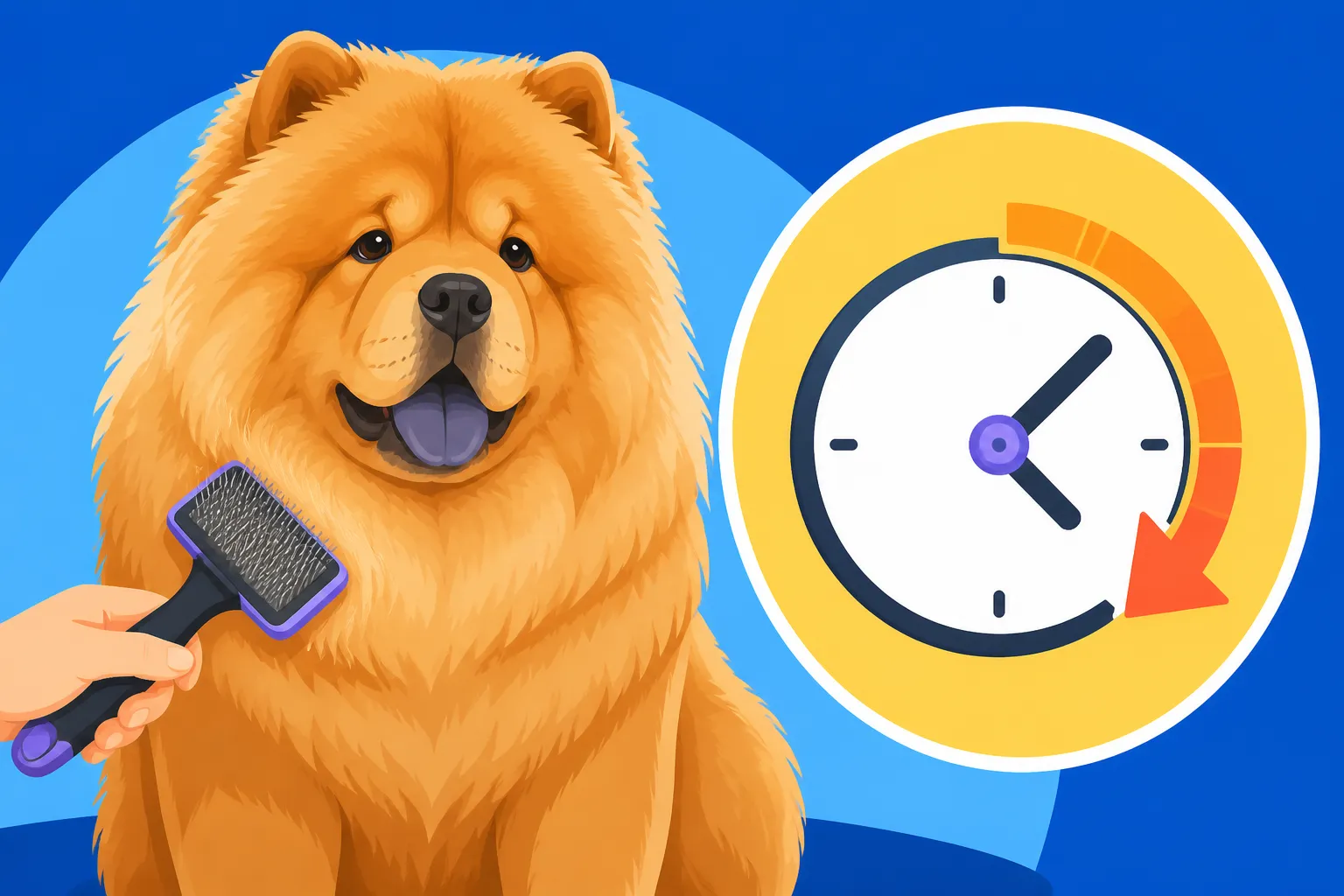
For a rough-coated Chow Chow with a generally good, mat-free coat, a thorough, top-to-bottom line brushing session will typically take between 45 minutes to 1.5 hours. This assumes you are systematically working through the entire coat, section by section, from nose to tail and paws to ears. You'll be using your slicker brush to remove loose undercoat, followed by your comb to check for any missed tangles, especially behind the ears, under the armpits, and in the britches.
This timeframe isn't about speed; it's about being thorough. If you can glide your metal comb through all the fur, from the skin out, without snagging, you've done a good job. If you feel resistance, you need to go back with the slicker brush until the comb moves freely. For Chows who are less cooperative or those still learning to enjoy grooming, these sessions might lean towards the longer end of the spectrum, as you'll need to incorporate breaks and positive reinforcement.
Tackling a Coat Blow
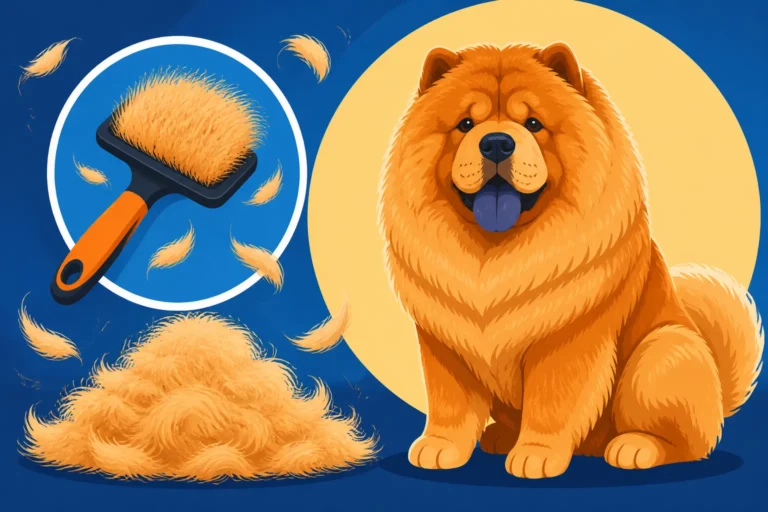
Twice a year, Chow Chows "blow" their coats, shedding their entire undercoat to prepare for a new season. This is where the time commitment truly intensifies. When a Chow Chow Blows Its Coat explains this phenomenon in detail. During a full coat blow, which can last several weeks, your brushing sessions will be significantly longer and more frequent.
Expect to spend 1.5 to 3 hours or more per session, and you might need to do this 2-3 times a week, or even daily, just to keep up with the sheer volume of shedding undercoat. This is where a high-velocity dryer truly shines, as it can blast out huge amounts of dead hair quickly, significantly reducing the amount you need to brush out manually. Without a powerful dryer, you're looking at much longer sessions, as the dead undercoat will pack down and mat almost instantly.
Dealing with Mats and Tangled Sections
If your Chow has developed significant mats or tangles, the brushing time skyrockets. A single, stubborn mat can take 15-30 minutes to carefully work out, using a mat splitter, a dematting rake, and a comb, along with plenty of patience and a detangling spray. If there are multiple mats, or if the coat is severely matted, you might be looking at several hours spread over multiple days to avoid overwhelming your dog.
Sometimes, mats are too tight or close to the skin to safely remove at home. In these instances, professional intervention is necessary, which might involve shaving down the affected areas or even the entire coat. It's a last resort but often the most humane option for a severely matted Chow.
Here's a quick reference table for estimated brushing times:
| Coat Condition / Session Type | Estimated Time | Frequency | Key Goal |
|---|---|---|---|
| Regular Maintenance (Good Coat) | 45-90 minutes | Weekly | Remove loose undercoat, prevent tangles |
| Early Coat Blow (Moderate Shed) | 60-120 minutes | 2-3 times/week | Manage increased shedding, prevent mats |
| Full Coat Blow (Heavy Shed) | 90-180+ minutes | Daily/Every other day | Thoroughly remove shedding undercoat |
| Addressing Minor Tangles/Mats | 15-30 minutes per mat | As needed | Carefully de-tangle or remove small mats |
| Severely Matted Coat | Multiple hours (often professional) | As needed | Restore coat health, may require shaving |
Tips to Make Brushing a Rough Chow Chow More Efficient (Not Faster, But Smoother)
While you can't magically reduce the amount of hair on a rough-coated Chow, you can certainly make the brushing process more manageable and efficient. It's less about cutting corners and more about smart strategies.
Establishing a Routine Early
The absolute best thing you can do for your rough-coated Chow, and your own sanity, is to start a regular grooming routine as early as possible. Even small puppies should be gently introduced to brushes and combs. How to Start Brushing a Chow Chow Puppy emphasizes the importance of making these early experiences positive and brief. Short, positive sessions with lots of praise and treats will build a foundation for a Chow who tolerates, and perhaps even enjoys, being groomed.
As they grow, consistently sticking to your weekly or bi-weekly brushing schedule will prevent mats from forming and make each session quicker than if you let things go too long. A predictable routine also helps your Chow know what to expect, reducing anxiety and resistance.
Investing in the Right Equipment
Having the correct tools makes a world of difference. Don't try to brush a Chow Chow with a cheap pin brush from a big-box store. You'll need:
- Slicker Brush: A sturdy, good-quality slicker brush with firm pins is crucial for pulling out dead undercoat.
- Metal Greyhound Comb: This is your finishing tool, used to check your work and ensure no tangles are left. It should have both wide and fine teeth.
- Undercoat Rake: Especially useful during coat blows, these rakes help get deep into the undercoat without damaging the outer coat.
- Mat Splitter/Dematting Tool: For those inevitable small tangles, these tools can help carefully slice through mats.
- High-Velocity Dryer: As mentioned, this is a game-changer for shedding season and after baths. It physically blows out dead hair.
- Grooming Table (Optional but Recommended): A sturdy grooming table can save your back and help keep your Chow still and in a comfortable position.
You can find excellent options for all these tools on platforms like Chewy or Amazon. Which Brush a Chow Chow Needs provides more detailed recommendations on specific brush types to consider. Remember, quality tools last longer and perform better, ultimately making your job easier.
Making it a Positive Experience
Brushing doesn't have to be a dreaded chore. Your attitude and approach greatly influence your Chow's cooperation. Always be calm and patient. Use a gentle touch, especially when working near sensitive areas or tangles.
- Treats: High-value treats are your best friend. Offer them frequently throughout the session, especially after working through a difficult spot or when your Chow is being particularly cooperative. Treats from brands like Ollie can be excellent motivators.
- Praise: Verbal praise and gentle strokes (in areas not currently being brushed) reinforce good behavior.
- Breaks: If your Chow gets antsy or you hit a particularly stubborn mat, take a short break. Let them walk around for a minute, then restart. Don't push them past their limit, or you risk creating a negative association.
- Environment: Choose a quiet, calm space free from distractions. Put on some soothing music if that helps both of you relax.
Professional Grooming as an Aid
Don't feel like you have to do it all yourself. Professional groomers are experts in handling dense coats like the Chow Chow's. Even if you handle most of the regular brushing, scheduling professional grooming appointments every few months can be incredibly beneficial. They have specialized equipment and techniques (like powerful dryers and professional bathing systems) that can ensure a deep clean and thorough de-shed, taking some of the burden off you. What Professional Grooming Costs for a Chow Chow gives an idea of what to expect financially, but for many Chow owners, it's a worthwhile investment in their dog's comfort and coat health.
A groomer can also help tackle any minor matting that you're finding difficult to manage or provide advice on your home grooming routine. They can be a great partner in keeping your Chow Chow looking and feeling their best.
Disclaimer
This article is for general informational purposes only and does not constitute professional advice. Laws, prices and regulations vary by location and change over time. Consult a qualified professional for guidance on your specific situation.