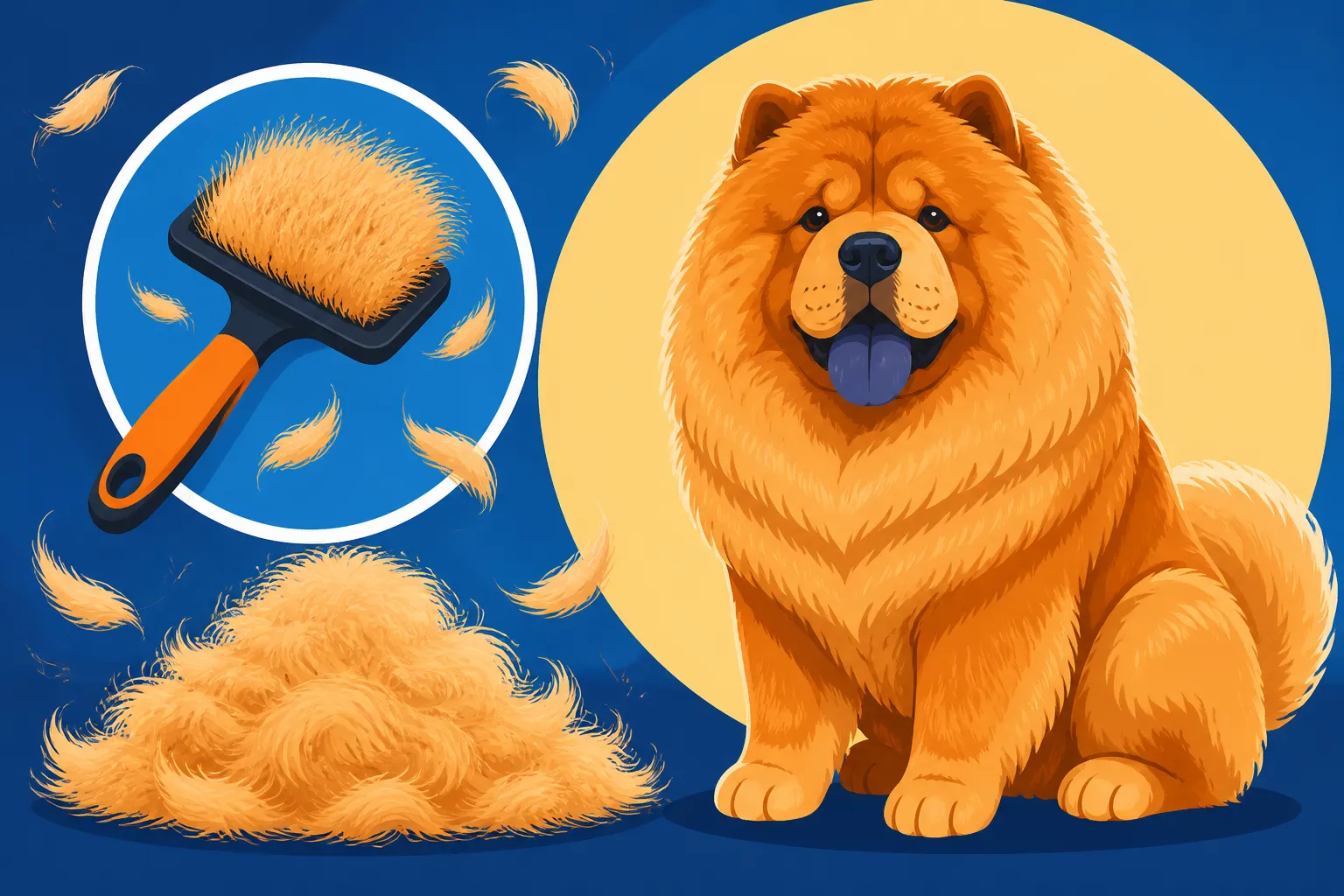
How Much a Chow Chow Sheds
Thinking about bringing a fluffy Chow Chow into your home? It’s a truly unique experience, but let's be realistic: one of the first things you’ll quickly discover is just how much these magnificent, lion-like dogs shed. The idea of living in a perpetual snowstorm of fur can be daunting, but understanding the shedding process and how to manage it is key to a happy, hairy-but-not-overwhelming home. This guide will walk you through everything you need to know about Chow Chow shedding, from its causes to practical solutions.
Understanding the Chow Chow's Double Coat
Before we even talk about shedding, we have to understand what makes a Chow Chow’s coat so unique – and so prone to dropping fur. These aren't just single-coated dogs; they're equipped with a formidable double coat, built for protection and insulation. It’s a remarkable piece of natural engineering, but it's also the primary reason for all that glorious, floating fluff.
The Outer Guard Coat vs. the Inner Undercoat
Imagine wearing a heavy, waterproof winter coat over a plush, down-filled jacket. That’s essentially what your Chow Chow is sporting, year-round. The outer layer is called the guard coat, and it consists of longer, coarser, and straighter hairs. These hairs are designed to protect the dog from elements like rain, snow, and thorny bushes. They're strong, somewhat stiff, and give the Chow Chow its distinctive "rough" or "smooth" appearance. The smooth-coated Chow Chow has a shorter, denser outer coat, while the rough-coated variety boasts a much longer, thicker, and more abundant one, forming that iconic ruff and feathered tail.
Beneath this protective outer layer lies the undercoat. This is where the real insulation magic happens. The undercoat is made up of soft, dense, downy fur, much finer than the guard hairs. Its purpose is to trap air, providing a thermal barrier that keeps the dog warm in winter and surprisingly, helps to keep them cool in summer by protecting their skin from direct sun and allowing air to circulate. When you pet a Chow Chow and your fingers sink into that plush softness, you're feeling the undercoat. Both types of hair shed, but the undercoat is the primary culprit behind the huge volumes of fur you'll find floating around your home.
Why the Double Coat Exists
The Chow Chow's double coat isn't just for show; it's a testament to their ancient origins in cold, harsh climates. Descending from dogs in Northern China, where temperatures could plummet, their coat was essential for survival. It protected them from extreme cold, but also from the biting winds and moisture that came with it. Think of it as a natural, all-weather gear system that they carry with them wherever they go.
The density and texture of the coat are perfectly adapted for this role. The guard hairs repel water and dirt, keeping the undercoat dry and clean, while the undercoat itself provides unparalleled insulation. This natural design means that even today, a Chow Chow's coat requires significant care to remain functional and healthy. If left unmanaged, the undercoat can mat tightly, losing its insulating properties and leading to skin irritation and discomfort for the dog. Understanding this historical purpose helps us appreciate why their shedding is such a crucial, albeit messy, part of their biology. We've gone into detail about this protective coat in What a Chow Chow's Double Coat Is Made Of.
The Normal, Everyday Shedding of a Chow Chow
If you think shedding is just a seasonal event, prepare for a gentle awakening. While Chow Chows do have monumental seasonal "coat blows" (more on that later), they also engage in a steady, year-round shedding process. It might not be as dramatic as the spring explosion, but it’s a constant fact of life with these dogs.
Constant Low-Level Shedding
Even when they're not in a full "blow," Chow Chows continually lose hair. This is entirely normal. Just like humans lose strands of hair every day, dogs naturally shed old, dead hair to make way for new growth. For a Chow Chow, with their immense fur production, "low-level" can still feel like a significant amount compared to a single-coated breed. You'll find short, fine undercoat hairs, as well as longer, coarser guard hairs, dotting your furniture, carpets, and clothing.
This constant shedding means that regular grooming isn't just for coat blows; it's a daily or at least every-other-day commitment. A quick brush-through with the right tools can capture a surprising amount of loose hair that would otherwise end up clinging to your sofa. Think of it as preventative maintenance for your vacuum cleaner and your wardrobe. If you neglect this routine, even the minor daily shed can quickly accumulate and start to form small mats, especially in areas like behind the ears or under the legs. We talk more about this daily routine in How Long Home Grooming a Chow Chow Takes Weekly.
The Impact of Climate and Lifestyle
The intensity of this low-level shedding can be influenced by several factors, including the climate you live in and your Chow Chow’s lifestyle. Dogs living in consistently warm, indoor environments with artificial heating and cooling might experience a more consistent, but perhaps less dramatic, shedding pattern year-round. Their bodies don't get the same strong signals from natural temperature fluctuations that would trigger a massive seasonal change.
Conversely, a Chow Chow that spends more time outdoors, exposed to the natural ebb and flow of seasons, might have more pronounced shedding cycles, even outside the major coat blows. The body responds to changes in light and temperature by adjusting coat growth. Beyond climate, the dog's activity level and general health play a role. A healthy, well-nourished Chow Chow will have a healthy coat that sheds appropriately, whereas a dog with nutritional deficiencies or underlying health issues might shed excessively or have a dull, brittle coat. So, while you can't stop the shedding, you can influence its health and manageability through care.
The Seasonal "Coat Blow" Phenomenon
Ah, the "coat blow." If you own a Chow Chow, these two words conjure images of fur tumbleweeds, lint rollers working overtime, and perhaps even a slight sense of dread. This is when your Chow Chow goes from simply shedding to performing an epic, full-scale fur evacuation. It’s a remarkable, if messy, natural process that every owner must be prepared for.
When a Chow Chow Blows Its Coat
Chow Chows typically blow their coats twice a year, usually in the spring and fall. These periods are triggered by changes in daylight hours and temperature, signaling to their bodies that it's time to adapt their insulation. The spring coat blow, often starting around late winter or early spring, sees them shedding their heavy winter undercoat to prepare for warmer weather. This is usually the more intense of the two, as they are ditching a substantial layer of dense, insulating fur.
The fall coat blow, occurring in late summer or early autumn, is when they shed their lighter summer coat to make way for the growth of a new, thicker winter coat. While still significant, many owners find it slightly less overwhelming than the spring event. The exact timing can vary based on individual dogs, their genetics, and the specific climate they live in. For instance, a Chow Chow living in a perpetually warm climate might have a less defined seasonal blow, or might blow their coat more often in smaller bursts throughout the year. Knowing when these periods hit allows you to mentally and physically prepare for the onslaught of fur. We have a dedicated article on When a Chow Chow Blows Its Coat that dives deeper into the timing.
The Intensity and Duration of a Coat Blow
When a Chow Chow is blowing its coat, it's not just a little extra hair; it's an explosion. You will literally be able to pull out handfuls of soft, fluffy undercoat. It feels like it comes out in endless waves. The amount of fur released is staggering, and it can cover floors, furniture, and clothes with remarkable speed. Imagine brushing your dog and filling a grocery bag with fur—that's not an exaggeration during a peak coat blow.
This intense shedding period can last anywhere from two to six weeks, sometimes even longer for individual dogs or if the process isn't actively managed through consistent grooming. During this time, the undercoat detaches from the skin, becoming loose and trapped within the remaining coat. If not thoroughly brushed out, this loose fur can quickly form dense mats, which not only pull at the dog's skin and cause discomfort but also prevent air circulation, potentially leading to skin infections or "hot spots." The sheer volume of fur is often the biggest surprise for new Chow Chow owners, and it requires a concerted effort to manage.
Managing the Epic Shed: Tools and Techniques
Tackling a Chow Chow's coat blow requires commitment and the right arsenal of tools. This isn't a job for a flimsy wire brush. You'll need specialized equipment designed to penetrate that dense double coat and safely remove the dead undercoat without damaging the guard hairs or irritating the skin.
Firstly, a high-quality undercoat rake is indispensable. Brands like Furminator or other similar de-shedding tools with sturdy metal teeth designed to reach deep into the undercoat are crucial. You'll also want a slicker brush for working through tangles and a wide-toothed comb to check your work and ensure no mats are forming. For the truly committed, a high-velocity dryer can be a game-changer. These powerful dryers blast air through the coat, helping to physically blow out loose undercoat and significantly reduce drying time after baths. You can often find these grooming tools on platforms like Amazon or Chewy.
The technique is as important as the tools. You need to "line brush," systematically working through the coat section by section, starting from the skin and working outwards. Don't just skim the surface; that only removes the top layer of loose hair and leaves the dense undercoat packed in. Regular bathing during a coat blow can also help loosen dead hair, but remember that thoroughly drying a Chow Chow to the skin is absolutely critical to prevent skin issues. Expect brushing sessions to take considerable time, sometimes an hour or more, particularly during the peak of a coat blow. Consistency is key; short, frequent sessions are more effective and less tiring for both you and your dog than infrequent, marathon grooming sessions. We cover more on bathing in Bathing and Drying a Chow Chow's Dense Coat.
Factors Influencing Shedding Beyond Seasons
While seasonal coat blows are the most dramatic shedding events, it’s important to understand that several other factors can influence how much your Chow Chow sheds throughout the year. These aren’t always as obvious as the changing seasons, but they play a significant role in coat health and the amount of fur you’ll find around your home.
Diet and Overall Health
What goes into your Chow Chow's bowl has a direct impact on the quality and health of their coat, and therefore, on their shedding. A diet lacking in essential nutrients, particularly omega fatty acids (like Omega-3 and Omega-6), can lead to a dull, dry, and brittle coat that sheds excessively. Think of it like a poorly nourished head of human hair – it's more prone to breakage and falling out. High-quality dog foods, often those without excessive fillers and with clearly listed protein sources, provide the building blocks for a healthy coat.
Consider talking to your vet about adding supplements like fish oil if your dog's diet doesn't seem to provide enough. Some owners opt for fresh-cooked or raw food diets, with brands like Ollie offering customized meal plans that emphasize coat-supporting ingredients. Conversely, a sudden increase in shedding or a noticeably poor coat condition can sometimes be an early indicator of an underlying health problem, such as allergies, parasitic infestations, or even more serious systemic issues like thyroid imbalances. Signs a Chow Chow's Thyroid Is Low explores this further. If you notice a drastic or unusual change in your Chow Chow's shedding pattern or coat quality, it's always wise to consult your veterinarian to rule out any medical concerns.
Spaying, Neutering, and Hormonal Changes
Hormones play a critical role in regulating hair growth cycles, and this is particularly evident after spaying or neutering a Chow Chow. Many owners observe a significant change in coat texture and shedding patterns after their dog undergoes these procedures. It’s a common phenomenon known as "spay/neuter coat" or "post-neutering coat."
What often happens is that the undercoat can become much softer, denser, and sometimes even woollier. This change in texture can make the coat more prone to matting and can lead to increased, or at least more difficult to manage, shedding. The hormonal shifts disrupt the natural cycle where the undercoat sheds and regrows. Instead, the undercoat might grow continuously without a proper shedding cycle, leading to a massive buildup of dead fur that clings to the new growth. This can make regular brushing even more crucial, as the traditional coat blows might become less defined, replaced by a more constant, heavy shedding throughout the year that requires diligent maintenance to prevent discomfort and skin issues.
Stress and Environmental Factors
Just like humans can experience hair loss due to stress, a Chow Chow’s coat can also react to its emotional and physical environment. High stress levels, whether from changes in routine, separation anxiety, or unfamiliar surroundings, can sometimes trigger increased shedding. This is often a temporary physiological response, as the body reacts to perceived threats. You might notice your dog "blowing" a bit of coat when visiting the vet or during a stressful event like moving homes.
Beyond psychological stress, environmental irritants can also play a role. Allergies, whether to food ingredients, pollen, dust mites, or certain grooming products, can manifest as itchy skin, leading to scratching and biting that damages the coat and results in localized shedding or patchy hair loss. The Chow Chow's dense coat can sometimes mask these skin issues until they become quite advanced. Furthermore, extreme temperatures or humidity can also affect coat health. Prolonged exposure to very dry air can dehydrate the skin and coat, making hair more brittle and prone to shedding. While these factors might not cause a full "coat blow," they can certainly contribute to the overall amount of hair you find in your home.
Practical Strategies for Managing Chow Chow Shedding
Living with a Chow Chow means accepting a certain level of fur in your life, but it doesn't mean you have to surrender your home to canine tumbleweeds. With the right strategies and a consistent approach, you can significantly manage shedding and keep both your Chow Chow and your living space much happier.
The Right Grooming Tools Make All the Difference
You wouldn't try to build a house with a toy hammer, and you shouldn't try to groom a Chow Chow with inadequate tools. Investing in quality grooming equipment is not a luxury; it's a necessity for this breed.
Here's what you absolutely need in your arsenal:
- Undercoat Rake/De-shedding Tool: This is your primary weapon against the dense undercoat. Look for one with long, sturdy teeth designed to reach deep beneath the guard hairs. Brands often found on Chewy or Amazon, such as Furminator (though use with caution to avoid cutting guard hairs) or more traditional undercoat rakes with rotating teeth, are popular choices. The goal is to gently pull out dead undercoat without tugging on the healthy hair or scratching the skin.
- Slicker Brush: Excellent for working through minor tangles and fluffing the coat. A good slicker brush helps to smooth out the topcoat and collect loose hairs closer to the surface.
- Wide-Toothed Comb: Essential for checking your work and ensuring there are no hidden mats. After using the rake and slicker, a comb should be able to glide through the coat from the skin to the ends. If it catches, you know you've still got some work to do.
- High-Velocity Dryer: While an investment, a good dog dryer is invaluable, especially during coat blows or after baths. It blasts loose undercoat out of the coat incredibly effectively and drastically cuts down drying time, which is critical for preventing skin issues in a thick-coated dog. You can find many reliable options on Amazon.
- Nail Clippers/Grinder: While not directly related to shedding, well-maintained nails are part of overall grooming, which makes brushing more comfortable for your dog if they're standing.
Using these tools correctly and consistently will transform the amount of fur you find in your home and on your clothes. What an Undercoat Rake for a Chow Chow Costs can help you budget for these essential items.
Creating a Regular Grooming Routine
Consistency is truly king when it comes to Chow Chow grooming. A sporadic approach will leave you overwhelmed and your dog uncomfortable.
- Daily or Every Other Day Brushing: During normal shedding periods, a 15-20 minute session with your undercoat rake and slicker brush can make a huge difference. Focus on areas prone to matting: behind the ears, the ruff, the "britches" (rear leg feathering), and under the elbows. Don't forget the tail! This regular routine captures loose hairs before they have a chance to spread throughout your home or form dense mats.
- Weekly Full Groom: Once a week, commit to a more thorough session. This might involve line brushing every section of your dog, checking for any developing mats, and perhaps a quick inspection of their ears and paw pads. This helps you stay on top of any changes in their coat health and prevent small issues from becoming big problems.
- Bathing Schedule: How often you bathe your Chow Chow depends on their activity level and coat condition, but generally, once every 4-6 weeks is a good starting point. During a coat blow, a bath can help loosen dead undercoat, but it's crucial to follow up with a thorough blow-dry to the skin, which can take a very long time for a Chow Chow. Never let a Chow Chow air dry, as trapped moisture can lead to serious skin issues.
- Professional Groomer Visits: Even if you do most of the grooming at home, consider professional grooming every few months, or especially during coat blows. A good groomer has powerful equipment and the expertise to get deep into the coat, ensuring all the dead undercoat is removed efficiently and safely. This can provide a "reset" for your home grooming efforts. How Often a Chow Chow Needs a Groomer offers more insights here.
Making grooming a positive experience for your Chow Chow from a young age, with plenty of praise and treats, will make these routines much easier for both of you.
Keeping Your Home Clean: Tips and Tricks
Even with a meticulous grooming routine, living with a Chow Chow means you'll still find some fur. The goal isn't to eliminate it entirely (that’s impossible), but to manage it effectively so it doesn't take over your life.
- High-Quality Vacuum Cleaner: This is your second most important tool after your grooming equipment. Invest in a vacuum specifically designed for pet hair, with strong suction and good filtration. Brands like Dyson or Shark often have models lauded by pet owners for their ability to tackle dense pet fur. You'll be using it frequently, possibly daily during a coat blow, so it needs to be robust. Whether a Chow Chow Owner Needs a Second Vacuum delves into this reality.
- Lint Rollers Galore: Keep lint rollers in every room, by the door, and in your car. They are invaluable for quick clean-ups on clothing, furniture, and car interiors. Consider the washable, reusable types to be more eco-friendly and cost-effective.
- Pet-Friendly Furniture & Bedding: Choose furniture with fabrics that are easier to clean and don't attract fur like a magnet. Leather or tightly woven microfibers can be better than loose weaves or velvet. Using washable throws or blankets on your dog's favorite spots can also help contain the fur and make laundry easier.
- Air Purifiers: While they won't stop the shedding, air purifiers with HEPA filters can help capture airborne fur and dander, improving air quality and reducing the amount of floating hair settling on surfaces.
- Regular Dusting and Wiping: Fur doesn't just stick to carpets; it settles on hard surfaces too. Regular dusting with microfiber cloths (which attract and hold dust and hair) and wiping down surfaces will help keep accumulation at bay.
- Dedicated Grooming Space: If possible, designate a specific area for brushing your Chow Chow, ideally outdoors or in a space that’s easy to clean, like a tiled utility room. This helps to contain the bulk of the shedding to one spot, rather than spreading it throughout the house. A grooming table can also be incredibly helpful for maintaining good posture and keeping your dog still during brushing.
Managing Chow Chow shedding is a lifestyle, not a chore to be done occasionally. By understanding their coat, committing to a consistent grooming schedule, and equipping your home for the reality of pet hair, you can enjoy all the magnificent qualities of a Chow Chow without feeling constantly overwhelmed by the fluff.
Disclaimer
This article is for general informational purposes only and does not constitute professional advice. Laws, prices and regulations vary by location and change over time. Consult a qualified professional for guidance on your specific situation.