Whether a Chow Chow’s Coat Thins After Spaying
It’s a common worry among Chow Chow owners: you’ve heard whispers, perhaps seen a photo or two, of a once majestic, lion-like Chow Chow whose coat seems to have lost its luster, becoming softer, duller, and just… different after spaying. This isn't just hearsay; the impact of spaying on a Chow Chow's dense, glorious coat is a very real, hormonally driven phenomenon, and understanding it is key to managing your beloved companion's post-surgery appearance and health. This guide will explore the ins and outs of "spay coat" in Chow Chows, helping you anticipate changes and provide the best care.
The Hormonal Impact on Your Chow Chow's Glorious Coat
When we talk about a Chow Chow's coat, we're not just talking about superficial fur. We're talking about an intricate, dense double coat that is one of the breed's most defining characteristics. This incredible coat is heavily influenced by hormones, particularly estrogen, which plays a significant role in its growth, texture, and overall health. So, when a female Chow Chow is spayed, it's not just a surgical procedure; it's a profound shift in her endocrine system that can directly impact that magnificent mane.
Understanding the Canine Endocrine System and Spaying
Spaying, medically known as an ovariohysterectomy, is the surgical removal of a female dog's ovaries and uterus. This procedure permanently prevents pregnancy and eliminates heat cycles, along with numerous health benefits like significantly reducing the risk of mammary cancer and uterine infections (pyometra), which can be life-threatening. From a health perspective, spaying is often a very beneficial decision.
However, once the ovaries are removed, the primary source of estrogen in the dog's body is gone. Estrogen isn't just about reproduction; it's a powerful hormone that influences many bodily functions, including skin and coat health. Prior to spaying, a female Chow Chow experiences fluctuating levels of estrogen throughout her heat cycles, and these fluctuations contribute to the natural ebb and flow of her coat's growth and shedding patterns. The abrupt cessation of estrogen production post-spay leaves the body in a new hormonal landscape, and the coat often responds in kind. It’s a systemic change, not just a minor adjustment, and your Chow's body will react accordingly.
Why Estrogen Influences Coat Density and Texture
Estrogen plays a crucial role in regulating the hair growth cycle. Hair follicles go through various phases: anagen (active growth), catagen (transitional), and telogen (resting). Estrogen tends to prolong the anagen phase, meaning hair grows for a longer period before it sheds. It also contributes to the strength and luster of the hair shaft itself. When estrogen levels are high, coats often appear thicker, shinier, and healthier.
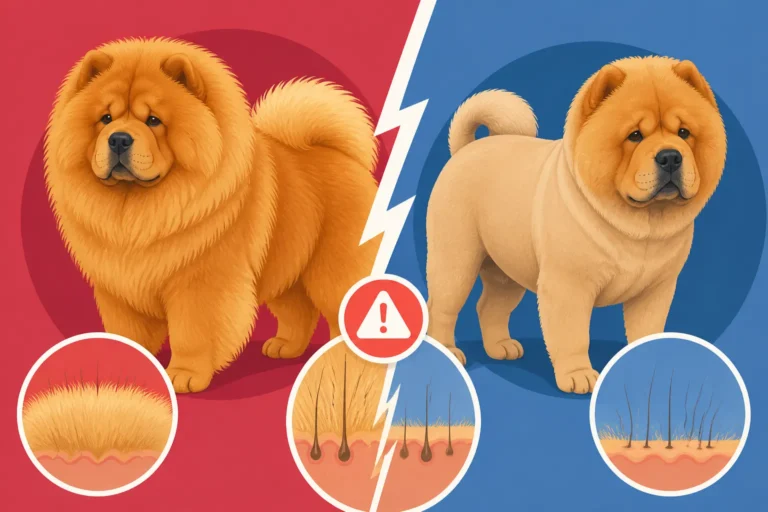
After spaying, with estrogen levels significantly reduced, the hair follicles may spend less time in the anagen phase and more time in the telogen phase. This can result in slower hair growth and an accumulation of dead undercoat that doesn't shed out as efficiently. For a Chow Chow, whose coat is already a masterpiece of dense undercoat and protective guard hairs, this hormonal shift can lead to a phenomenon often called "spay coat" or "post-spay alopecia." It's not true baldness in most cases, but rather a change in the quality and structure of the coat. The outer guard hairs, which give the Chow Chow its characteristic texture and protect the undercoat, might become sparse, while the undercoat continues to grow, often becoming softer, woollier, and more prone to matting. Understanding What a Chow Chow's Double Coat Is Made Of helps to truly appreciate the complexity of these changes.
What "Thinning" Actually Looks Like in a Spayed Chow Chow
When owners first notice changes in their spayed Chow Chow's coat, they might interpret it as "thinning," and in some ways, it is. However, it's not typically a patchy loss of fur like you might see with certain skin conditions. Instead, it's a more generalized, subtle, yet significant transformation in the coat's overall appearance and manageability. It’s important to know what to look for so you can adapt your grooming routine.
The Appearance of "Spay Coat"
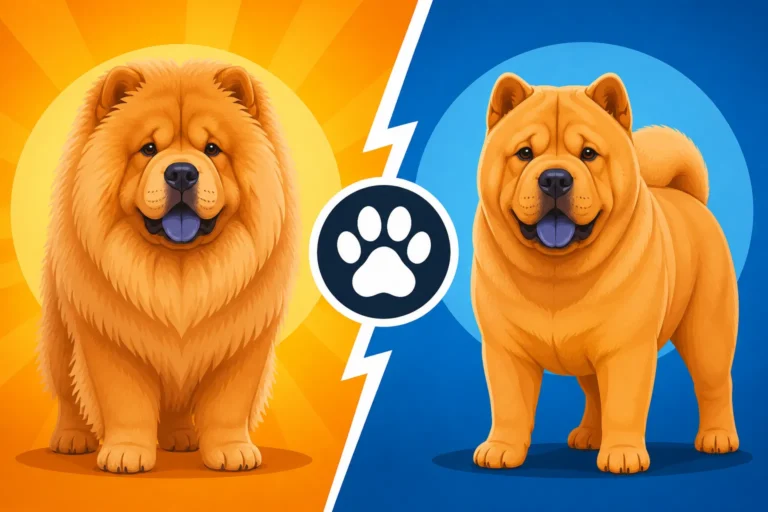
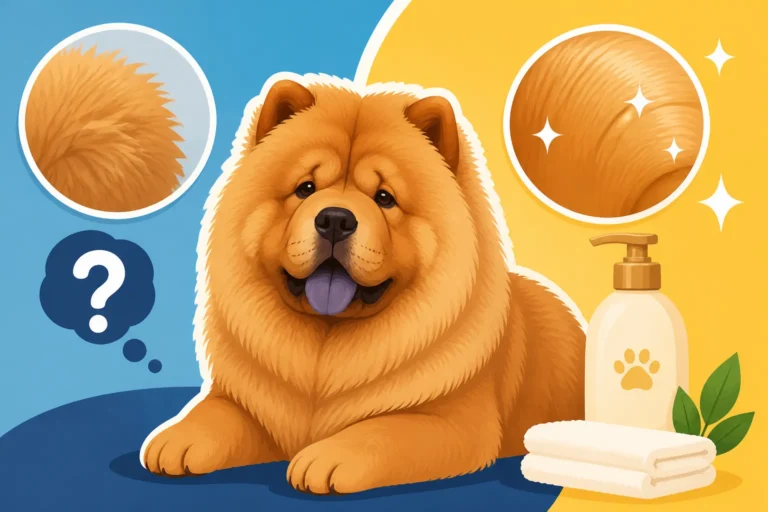
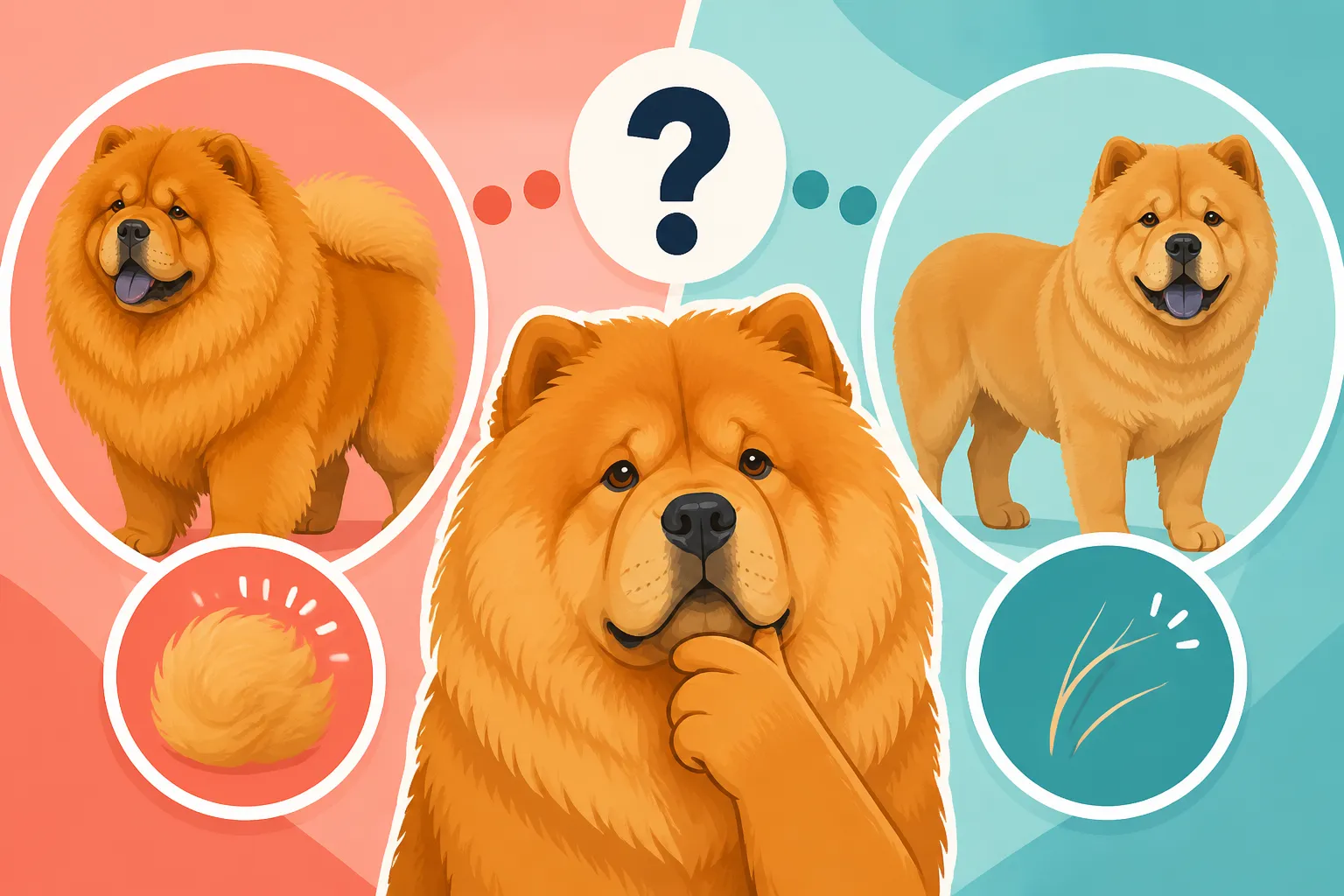
The term "spay coat" generally refers to a coat that becomes duller, softer, and more cottony in texture. Imagine a luxurious, coarse rug gradually transforming into a fluffy, somewhat disheveled cotton ball. The distinctive stiff guard hairs that normally lie over the dense undercoat and give the Chow Chow its lion-like ruff and weather-resistant properties may become sparse or disappear almost entirely. This leaves the soft, insulating undercoat exposed and often overgrowing.
This change in texture and density makes the coat much more prone to matting, especially behind the ears, in the armpits, and around the "britches" (the fur on the hindquarters). What once might have been brushed out with relative ease can now become a tangled nightmare, demanding significantly more time and effort. The overall appearance is less defined, less "crisp," and can even look a bit unkempt, even with regular grooming. It's not usually a complete loss of hair, but rather a profound shift from the robust, weather-proof coat typical of the breed standard to something much less structured and more difficult to maintain.
Distinguishing Normal Shedding from Spay Coat Changes
It's crucial to differentiate between normal seasonal shedding and the long-term changes associated with spay coat. Chow Chows are famous for their "coat blows" – periods, usually twice a year, when they shed a massive amount of undercoat to prepare for the changing seasons. During a coat blow, you'll literally see clumps of fur coming off your dog, and your vacuum cleaner will become your best friend. This is a natural, healthy process, and the coat typically returns to its normal density and texture afterward. You can read more about When a Chow Chow Blows Its Coat to understand this natural cycle.
Spay coat, however, is different. It's not a temporary increase in shedding; it's a permanent alteration of the coat's characteristics. Instead of shedding out old fur efficiently and growing new, strong hair, the post-spay coat tends to retain its undercoat, which keeps growing without the robust guard hairs to protect it. This results in a coat that feels perpetually thick with soft, dead fur, lacking the resilience and sheen it once had. It's a continuous state of textural change rather than a cyclical event. If your Chow Chow consistently has a dull, cottony, mat-prone coat that doesn't improve after a typical shedding cycle, it's highly likely you're dealing with a spay coat.
Here’s a quick comparison:
| Feature | Normal Seasonal Shedding (Coat Blow) | Post-Spay Coat (Spay Coat) |
|---|---|---|
| Timing | Seasonal (usually twice a year), temporary | Continuous, long-term, permanent change after spaying |
| Appearance | Large amounts of undercoat shed, remaining coat healthy | Softer, cottony texture, duller, guard hairs may be sparse |
| Texture | Undercoat sheds out, remaining coat is typical for breed | Coat becomes woolly, dense, prone to matting |
| Growth Cycle | Hair follicles go through normal anagen/telogen cycles | Anagen phase may be shortened, telogen phase prolonged |
| Manageability | Intensive brushing during blow, then normal grooming | Requires constant, diligent grooming to prevent matting |
| Cause | Natural hormonal and environmental cues | Hormonal shift due to removal of estrogen-producing ovaries |
Managing Your Spayed Chow Chow's Changed Coat
Recognizing that your spayed Chow Chow's coat has changed is the first step; the next is adapting your care routine to ensure they remain comfortable and healthy. While you can't reverse the hormonal shift that causes spay coat, you absolutely can manage its effects through consistent grooming, proper nutrition, and regular veterinary check-ups. It requires a bit more dedication, but your Chow Chow is worth it!
Enhanced Grooming Regimens
If your spayed Chow Chow develops a spay coat, your grooming routine will become more critical than ever. The softer, woollier undercoat that tends to accumulate can quickly become a dense, painful mat if neglected. These mats can pull on the skin, cause irritation, and even lead to skin infections underneath the matted fur. You need to commit to regular, thorough brushing, ideally several times a week, if not daily, depending on the severity of the coat change.
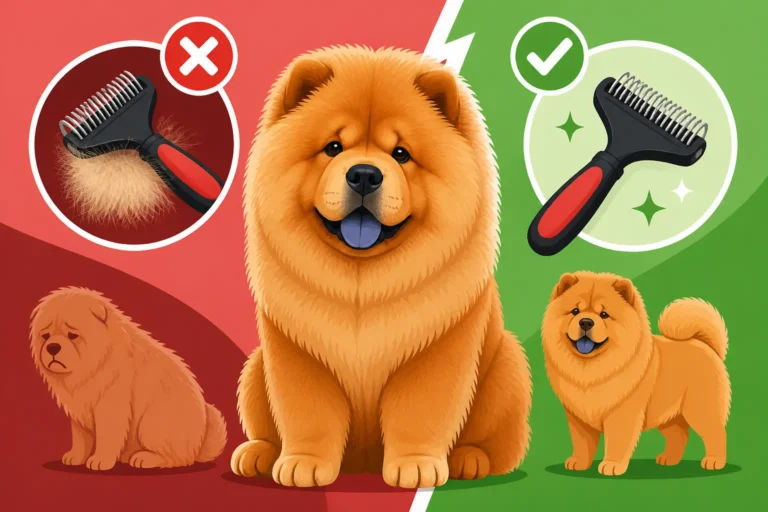
Start with an undercoat rake to gently loosen and remove the dead undercoat without damaging the remaining guard hairs. Follow this with a sturdy slicker brush to work through the softer top layers and a wide-toothed metal comb to check for any hidden mats, especially in those notorious trouble spots like the "britches" and behind the ears. Learning How Long Brushing a Rough Chow Chow Takes can help set realistic expectations. Remember, you're not just skimming the top; you need to line brush down to the skin to truly be effective. You can find high-quality grooming tools on platforms like Amazon or specialized pet supply stores like Chewy. These tools are an investment, but they'll save you a lot of headache (and potentially vet bills for mat removal) in the long run.
Many owners find that professional grooming becomes invaluable after spaying. A professional groomer has the experience, tools, and often a high-velocity dryer to effectively de-shed and manage a spay coat. They can also spot potential skin issues that might be hidden by the dense fur. While it adds to the cost, a regular appointment (perhaps every 6-8 weeks, or even more frequently for some Chows) can make a world of difference in your dog's comfort and coat health. How Often a Rough Coated Chow Chow Needs Brushing really needs to be stepped up.
Nutritional Support for Coat Health
While diet alone cannot completely counteract hormonal changes, providing optimal nutrition can support overall skin and coat health, helping your Chow Chow's fur look its best. Look for high-quality dog foods that list meat as the primary ingredient and are rich in omega-3 and omega-6 fatty acids. These essential fatty acids are vital for healthy skin and a shiny coat.
You might consider supplementing your Chow's diet with fish oil (salmon oil is a popular choice) or other specialized skin and coat supplements. Always discuss any dietary changes or supplements with your veterinarian to ensure they are appropriate for your dog's individual needs and don't interact with any other medications or conditions. Some owners opt for fresh food diets, with brands like Ollie offering customized plans that prioritize whole, nutrient-dense ingredients, which can be beneficial for skin and coat health. While a healthy diet won't bring back the pre-spay coat structure, it can contribute to the vitality of the hair your Chow Chow does have and support skin integrity.
Consulting Your Veterinarian
If you notice significant or unusual changes in your Chow Chow's coat after spaying, it's always a good idea to consult your veterinarian. While "spay coat" is a common and expected side effect, other underlying health issues can also manifest as coat problems. For example, hypothyroidism (low thyroid function) can lead to a dull, dry, and thinning coat, and is a condition that Chow Chows can be prone to. What Autoimmune Thyroiditis Does to a Chow Chow highlights another concern. Your vet can perform blood tests to rule out thyroid imbalances or other dermatological conditions that might be contributing to the coat changes.
They can also offer advice on specific grooming tools, bathing routines, or topical treatments that might help manage the coat. While spay coat is largely a cosmetic concern, ensuring your dog's comfort and preventing painful matting is a health priority. Your vet can confirm that what you're seeing is indeed a spay coat and not something more serious, providing peace of mind and guiding you toward the best management strategies. Remember, preventing matting is not just about aesthetics; it's about preventing discomfort, skin infections, and the need for stressful, sometimes costly, professional dematting or shaving, even though Why a Chow Chow Must Never Be Shaved is a general rule to follow.
The benefits of spaying, such as preventing unwanted litters, eliminating the risk of uterine infections, and significantly reducing the risk of certain cancers, are substantial and often outweigh the cosmetic changes to the coat. With diligent grooming and care, your spayed Chow Chow can still be a happy, comfortable, and beautiful companion.
Disclaimer
This article is for general informational purposes only and does not constitute professional advice. Laws, prices and regulations vary by location and change over time. Consult a qualified professional for guidance on your specific situation.