How Often a Rough Coated Chow Chow Needs Brushing
If you've welcomed a fluffy, majestic rough-coated Chow Chow into your life, you've probably already realized that their incredible double coat is a labor of love – and sometimes, just a labor! The sheer volume of that dense fur can feel overwhelming, and neglecting it can quickly lead to painful mats, skin issues, and even overheating. This guide is going to walk you through exactly how often you should be brushing your rough-coated Chow Chow, why it's so important, and what you can do to keep that magnificent mane healthy and happy.
The Unique Challenge of the Rough Chow Chow Coat
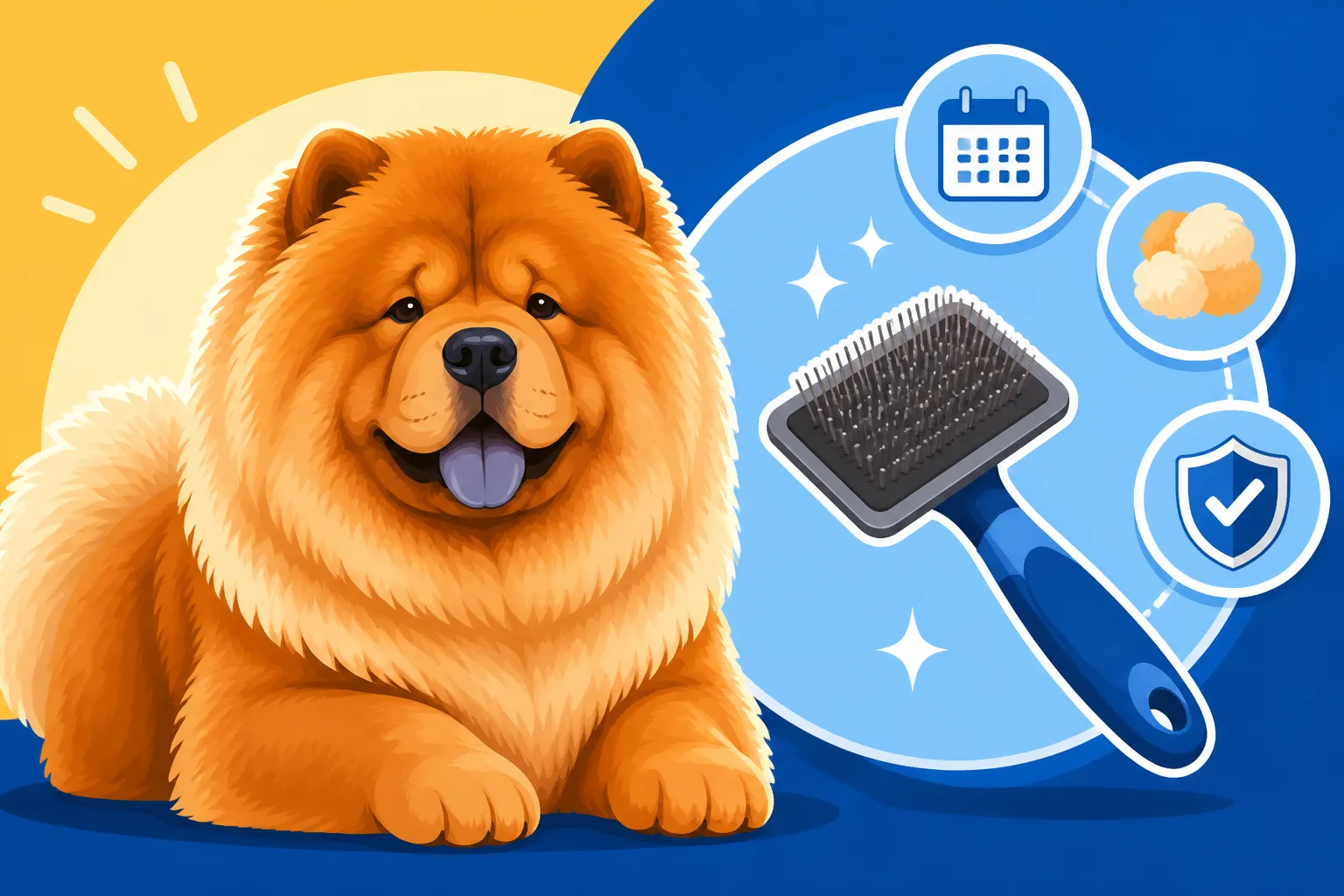
Let's face it, that lion-like mane is one of the most striking features of a rough-coated Chow Chow, but it's also what makes grooming such a big task. Unlike their smooth-coated cousins, rough Chows have a much longer, denser outer coat and a thick, woolly undercoat. This combination, while beautiful, is a magnet for tangles and debris. Understanding what you're up against is the first step in mastering their grooming needs.
What Defines a Rough Coat
A rough Chow Chow's coat is truly a marvel of nature, designed for the colder climates of its ancestors. It features a coarse, straight, and abundant outer coat that stands off the body, giving that iconic ruff around the head and neck. Underneath this protective layer lies a soft, dense, and woolly undercoat. Think of it like wearing a thick wool sweater over a regular shirt – both layers work together for insulation, but they also create plenty of opportunities for friction and matting if not properly maintained. You can learn more about What a Chow Chow's Double Coat Is Made Of.
Why Rough Coats Are Prone to Matting
The combination of a long, coarse outer coat and a plush undercoat is a recipe for matting, especially in areas of high friction or moisture. When loose hair from the undercoat gets trapped within the longer guard hairs, it forms dense clumps. These mats don't just look unsightly; they pull at the skin, causing discomfort and pain, and can lead to skin infections by trapping moisture and preventing air circulation. Imagine a tiny dreadlock forming right on your dog's skin – that's what a mat feels like for them.
The Dangers of Insufficient Brushing
Skipping brushing sessions might seem like a time-saver in the short term, but it inevitably leads to much bigger problems down the line – problems that are far more painful for your Chow Chow and much more expensive for your wallet. It's not just about aesthetics; it's about their health and comfort.
Skin Irritations and Infections
When mats form, especially close to the skin, they create a perfect breeding ground for bacteria and yeast. Moisture, dirt, and dander get trapped, unable to dry or escape. This can lead to hot spots – angry, red, weeping patches of skin that are incredibly itchy and painful. If left untreated, these can quickly escalate into full-blown skin infections requiring veterinary attention and medication. It's a cruel cycle that starts with a simple missed brush stroke.
Pain and Discomfort
Mats are inherently painful. They pull at your Chow Chow's skin with every movement, restricting their ability to walk, lie down, or even turn their head comfortably. Imagine having a tight ponytail pulling at your scalp all day, every day – that's a mild version of what a matted coat feels like. Severe matting can even cut off circulation to certain areas, leading to skin necrosis in extreme cases. Neglecting brushing is a direct route to causing your beloved Chow Chow chronic pain.
Heat Regulation Issues
Believe it or not, that thick double coat is designed to insulate against both cold and heat, but only when it's clean, dry, and free of mats. When the coat becomes matted, it loses its ability to breathe and regulate temperature properly. Instead of allowing air to circulate and help dissipate heat, a matted coat traps warmth against the body, making your Chow Chow far more susceptible to overheating, especially in warmer climates or during exercise. This is a crucial factor to remember when considering Why a Chow Chow Overheats So Easily.
Recommended Brushing Schedule
So, how often do you really need to brush that magnificent rough coat? The short answer is: frequently. But let's dive into the specifics, because consistency is far more important than intensity when it comes to maintaining a Chow Chow's coat.
Daily Spot Brushing
For most rough-coated Chow Chows, a quick daily spot brush is an absolute minimum, especially in high-friction areas. This isn't a full grooming session, but rather a targeted attack on potential trouble spots. Focus on areas behind the ears, under the collar, in the "armpits," and on the britches (the fluffy fur on their rear legs). These are the places Where a Chow Chow Mats First. A few minutes spent each day on these zones can prevent a tiny tangle from becoming a massive, painful mat that requires hours to undo or, worse, professional shaving.
Weekly Full Grooming Sessions
Beyond the daily touch-ups, a rough-coated Chow Chow needs a thorough, full-body brushing at least once or twice a week. During these sessions, you'll want to line brush your Chow Chow down to the skin, ensuring you're removing all loose undercoat and preventing mats from forming deep within the coat. This isn't a quick run-over with a brush; it's a dedicated, methodical process. A typical full session might last anywhere from 30 minutes to an hour, depending on the individual dog and the condition of their coat. These longer sessions are vital for maintaining overall coat health and detecting any potential skin issues early.
Seasonal Adjustments During Coat Blow
Chow Chows, especially rough-coated ones, "blow" their undercoat twice a year, typically in spring and fall. This is when they shed an incredible amount of fur to prepare for the upcoming season – a lighter coat for summer, a denser one for winter. During a coat blow, your Chow Chow's brushing needs will intensify dramatically. You might find yourself needing to perform thorough grooming sessions every other day, or even daily, to keep up with the shedding. If you don't, the sheer volume of dead undercoat will quickly mat against the skin. Investing in a powerful high-velocity dryer can be a lifesaver during these times, helping to push out the loose hair more efficiently. How Long a Chow Chow's Coat Blow Lasts can give you an idea of what to expect.
Essential Tools for Rough Coat Grooming
Having the right tools is half the battle when it comes to grooming a rough-coated Chow Chow. Trying to get by with a flimsy brush or the wrong type of comb will only lead to frustration for both you and your dog. Think of it as investing in your Chow Chow's comfort and your own sanity. You can often find a great selection of these tools on platforms like Amazon or dedicated pet supply sites like Chewy.
Slicker Brushes
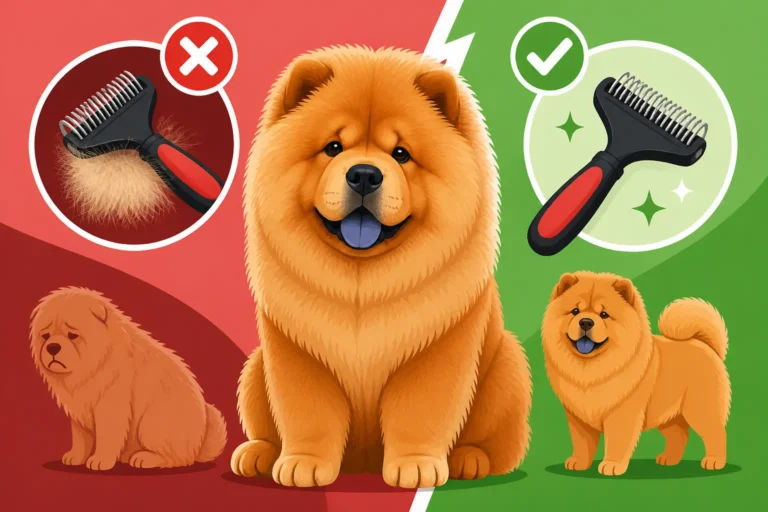
A good quality slicker brush is indispensable for a rough-coated Chow Chow. These brushes have fine, short wires packed closely together on a flat or curved head. They are excellent for de-shedding the undercoat and working through minor tangles. When using a slicker, always be gentle, especially on the more sensitive areas, and make sure you're not scratching the skin. Always use short, quick strokes, working in layers from the skin outward.
Undercoat Rakes
This is where the real work happens for a Chow Chow's dense undercoat. An undercoat rake has long, widely spaced teeth designed to penetrate through the thick outer coat and pull out the loose, dead undercoat without damaging the guard hairs. There are different styles, some with rotating teeth that are gentler on tangles. An undercoat rake is particularly crucial during those heavy shedding periods. It's the tool that truly gets How Much Undercoat Comes Off a Chow Chow.
Wide-Toothed Combs
After you've done the bulk of the brushing with a slicker and rake, a wide-toothed metal comb is essential for checking your work and ensuring you haven't missed any mats. The comb should be able to glide through the coat all the way to the skin without snagging. If it snags, you've found a tangle that needs further attention with your slicker or rake. A good comb can also help you part the fur to ensure you're line brushing effectively.
High-Velocity Dryer
While not strictly a "brush," a high-velocity dryer is a game-changer for Chow Chow owners. This powerful dryer blows air at a high speed, helping to separate the fur and blast out loose undercoat and dander. It significantly speeds up drying time after a bath and is incredibly effective during coat blows. Using a high-velocity dryer regularly can actually reduce the amount of physical brushing you need to do, as it helps prevent mats from even forming by removing loose hair before it gets tangled. You can often find durable options on Amazon.
Effective Brushing Techniques
Brushing a Chow Chow isn't just about dragging a tool through their fur. It's a technique that, when done correctly, makes the process much more pleasant for your dog and much more effective for their coat. Patience and consistency are your best friends here.
Line Brushing Method
This is the gold standard for grooming double-coated breeds like the Chow Chow. Instead of brushing the top layer of fur, you systematically work through the coat in sections, exposing the skin. To do this, use one hand to part the fur horizontally, holding the top section up and out of the way. Then, with your other hand, brush the exposed section of fur downwards, from the skin out, using your slicker or rake. Once that section is tangle-free, drop a little more fur down and repeat the process, working your way across and down the dog's body. This ensures you reach the undercoat and prevent mats from forming against the skin, where they are most painful. This thorough method truly gets How to Line Brush a Chow Chow.
Starting Early and Making It Positive
The earlier you start grooming your Chow Chow puppy, the better. Make brushing a positive experience from day one, using gentle strokes, plenty of praise, and high-value treats (perhaps some delicious freeze-dried protein treats from Ollie as a special reward). Keep sessions short and positive, gradually increasing the duration as your puppy gets more comfortable. If you wait until your Chow Chow is an adult and matted, grooming will be a stressful, potentially painful experience for them, and a battle for you. Introducing them to grooming tools and the process early, even if it's just for a few minutes each day, will make a world of difference. You can also work on Teaching a Chow Chow to Be Brushed from a young age.
Dealing with Mats Safely
If you encounter a mat, resist the urge to just yank at it. This will only cause pain and make your Chow Chow dread future grooming sessions. Instead, try to gently tease the mat apart with your fingers or the end of a metal comb. You can use a detangling spray to help loosen the hair. Work from the outside edges of the mat inward, slowly breaking it up. If the mat is tight and close to the skin, it's safer to use a blunt-nosed scissor to carefully cut into the mat (never across it, as you could cut the skin) to break it into smaller sections, then brush those out. For severe, painful matting, the kind that feels like felt against the skin, it's always best to consult a professional groomer or veterinarian. They have specialized tools and experience to remove severe mats safely, even if it means shaving the area.
Special Considerations for Rough Coat Care
Beyond the regular brushing schedule, there are a few other important aspects of caring for a rough Chow Chow's coat that often get overlooked. These can make a big difference in preventing issues and ensuring their overall well-being.
The Importance of Baths and Drying
While frequent brushing is key, occasional baths are also necessary to keep the coat clean and healthy. However, bathing a rough-coated Chow Chow requires careful attention, especially to the drying process. Due to their dense double coat, a Chow Chow can take a long time to dry naturally, and leaving them damp can lead to skin irritation and matting. Always ensure your Chow Chow is completely dry, down to the skin, after a bath. A high-velocity dryer is invaluable here, helping to push out excess water and separate the hairs. Without thorough drying, you risk not just matting but also potential skin infections, as moisture gets trapped against the skin. How Long a Chow Chow Takes to Dry is a significant consideration.
Nutrition for Coat Health
A healthy coat starts from within. Feeding your Chow Chow a high-quality, balanced diet rich in omega fatty acids can significantly improve the health and luster of their coat, making it easier to manage. Look for dog foods that list real meat as the first ingredient and contain healthy fats. Some owners also opt for supplements like fish oil to boost coat health. While a brand like Ollie focuses on fresh, human-grade ingredients that can contribute to overall health, including coat quality, any well-balanced diet is beneficial. A healthy coat is less prone to excessive shedding and matting, and has a natural sheen that speaks volumes about your dog's internal health.
Professional Grooming When Needed
Even if you're diligent with home grooming, there will likely be times when a professional groomer is invaluable. Perhaps you're going on vacation, or your Chow Chow is going through a particularly heavy coat blow that you just can't keep up with. A professional groomer has the experience, tools, and often the extra set of hands to tackle even the most challenging Chow Chow coats. They can provide a thorough de-shedding treatment, address any stubborn mats you're struggling with, and give your Chow Chow a full bath and dry, ensuring they are pristine. Don't feel guilty about seeking professional help; it's an investment in your dog's comfort and your peace of mind. Many groomers are familiar with the unique needs of double-coated breeds.
Here's a quick look at how grooming needs can vary:
| Coat Condition | Brushing Frequency | Key Tools | Notes |
|---|---|---|---|
| Well-maintained | 1-2 times/week (full) plus daily spot checks | Slicker, Undercoat Rake, Wide-toothed comb | Regular maintenance prevents issues. |
| Minor tangles | Daily (targeted) | Slicker, Detangling spray, Comb | Address immediately to prevent escalation. |
| Heavy shedding (coat blow) | Daily (thorough) | Undercoat Rake, High-velocity dryer, Slicker | Essential to prevent massive matting; can be intense for weeks. |
| Moderate matting | Careful sectioning, gradual removal | Fingers, Comb, Detangling spray, Blunt scissors | Patience is key; consider professional help for difficult mats. |
| Severe matting | Professional intervention required | Professional groomer or vet | Never attempt to brush out severe mats; it's painful and risky. |
Long-Term Coat Health and Happiness
Caring for a rough-coated Chow Chow's fur isn't just a chore; it's an ongoing commitment that deepens the bond between you and your dog. Consistent, gentle grooming sessions provide an opportunity for positive interaction, allowing you to check their skin for any abnormalities, feel for lumps or bumps, and generally ensure they are comfortable and healthy.
Remember that their coat is a critical part of their well-being, influencing everything from skin health to temperature regulation. By understanding the unique demands of their beautiful rough coat, equipping yourself with the right tools from retailers like Chewy or Amazon, and committing to a regular grooming schedule, you'll ensure your Chow Chow remains the majestic, happy, and healthy companion they're meant to be. This dedication to their care can even contribute to a longer, more comfortable life, avoiding issues that arise when a Chow Chow hides pain.
Disclaimer
This article is for general informational purposes only and does not constitute professional advice. Laws, prices and regulations vary by location and change over time. Consult a qualified professional for guidance on your specific situation.