Which Chinese Names the Chow Chow Has Carried
It’s easy to get lost in translation when we talk about a breed as ancient and steeped in history as the Chow Chow. Many new and even experienced owners feel a pang of curiosity about where this magnificent, lion-like dog truly came from, and what it was called by the people who first cherished it. This guide delves into the rich tapestry of names the Chow Chow has carried in its native China, uncovering the meanings and cultural significance behind each one.
The Significance of Naming in Ancient China
In ancient Chinese culture, names were never just arbitrary labels; they were profound descriptors, carrying weight, meaning, and often predicting destiny or reflecting important characteristics. This was no different for animals, especially those as valued and versatile as the Chow Chow. Unlike modern naming conventions, which might simply reflect a pet owner's preference, these historical names painted a picture of the dog's role, appearance, or even its perceived lineage within the fabric of Chinese society.
Names as Descriptors of Function
Imagine a time when dogs weren't just companions but essential working partners. In ancient China, the Chow Chow was known for its incredible versatility, serving in roles that ranged from hunting to guarding, and even as a source of food and fur. Therefore, many of its early names weren't merely affectionate nicknames but practical labels that communicated its primary purpose to an observer. If a dog was called a "bear dog," it immediately conveyed its power and size, suggesting its use in hunting large game. If it was known as a "wagon dog," you understood it was a draft animal. These functional names were crucial in a society where every animal had a place and a job, and the Chow Chow's dense coat and sturdy build made it suitable for diverse tasks. What the Chow Chow Did for a Chinese Emperor often involved these working roles, showing just how integral these dogs were to various aspects of life.
Names Reflecting Appearance
Beyond function, the Chow Chow’s striking and distinctive appearance naturally led to descriptive names. With its unique lion-like mane, deep-set eyes, and unusual blue-black tongue, it certainly stood out from other dogs. These physical traits were so defining that they became part of the breed's identity, woven into the very names it was given. Think of how a child might point out a "fluffy dog" or a "wrinkly dog." In ancient China, these observations were elevated into formal names. The breed's powerful build and regal demeanor would often evoke comparisons to formidable animals, further solidifying names that highlighted its impressive presence. This attention to detail in naming demonstrates the deep respect and observation the Chinese people had for their dogs, particularly this ancient and revered breed. Why a Chow Chow's Deep Set Eye Limits What It Sees is a prime example of a distinct physical trait that also influences how others interact with the dog.
The Most Common Historical Chinese Names
Over centuries, the Chow Chow accumulated several names, each offering a glimpse into how different eras or regions perceived this remarkable breed. These aren't just obscure historical footnotes; they are windows into its enduring cultural significance and the traits that have captivated people for millennia.
Songshi Quan: The Puffy-Lion Dog
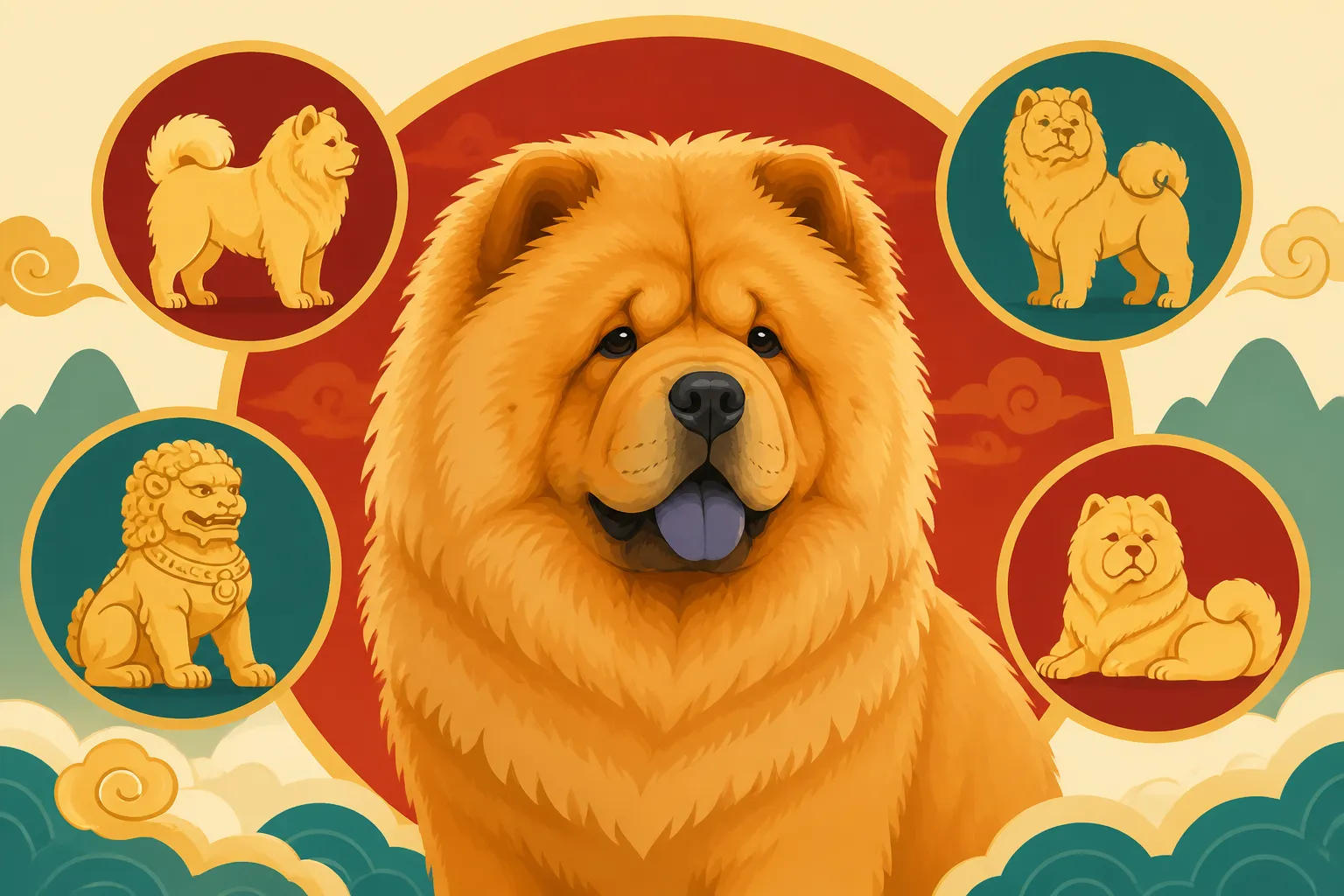
Perhaps one of the most widely recognized ancient Chinese names for the Chow Chow is Songshi Quan (松獅犬). This name translates quite literally to "puffy-lion dog" or "lion-dog," and it perfectly captures the breed's most iconic physical characteristic: its magnificent, dense coat and the distinctive ruff around its neck and head that gives it a leonine appearance. Imagine seeing these powerful, regal dogs walking with their characteristic stilted gait – the comparison to a proud lion is almost inevitable. What Songshi Quan Means isn't just a label; it’s an immediate visual reference, highlighting the breed’s majestic bearing and abundant fur that make it seem larger and more formidable than its actual size. This name speaks to the aesthetic appreciation people had for the Chow Chow, valuing its unique beauty and dignified presence, which made it a favored animal in many Chinese households, from commoners to emperors.
Tang Quan: The Dog of the Tang Dynasty
Another significant name in the Chow Chow's history is Tang Quan (唐犬), which translates to "dog of the Tang Dynasty" or "Tang Dynasty dog." This name directly links the breed to one of the most prosperous and culturally rich periods in Chinese history, the Tang Dynasty (618-907 AD). The Tang Dynasty was a golden age, marked by significant advancements in art, literature, and imperial power. It was a time when large numbers of these dogs were reportedly kept by the emperors and nobility, often used for hunting, guarding, and as symbols of status. To be associated with such a celebrated era speaks volumes about the Chow Chow's standing. What Tang Quan Means implies not just a temporal connection but a mark of quality and prestige. It suggests these dogs were highly valued and perhaps even reached a peak of recognition and breeding during this period. Owning a Tang Quan would have been a clear indicator of wealth and influence, much like how certain luxury items are status symbols today.
Hei She Tou: The Black-Tongued Dog
The Chow Chow possesses a truly singular feature: its blue-black tongue. This distinct pigmentation is so unusual in the canine world that it naturally became a focal point for identification. Hence, the name Hei She Tou (黑舌頭), meaning "black-tongued dog," emerged. This name is perhaps the most straightforward and purely descriptive of them all, focusing on an internal, yet highly visible, trait that sets the Chow Chow apart. What Hei She Tou Means instantly identifies the breed for anyone familiar with this peculiar characteristic. It's a reminder that sometimes the simplest observation leads to the most enduring name. This genetic trait is not shared by many other breeds, making it a reliable identifier and a source of fascination. Understanding Why a Chow Chow's Tongue Is Not Pink delves into the specific pigment cells responsible for this unique coloring, distinguishing it from nearly all other dog breeds. Even today, a blue-black tongue is one of the first things people notice and remember about a Chow Chow, making Hei She Tou a timeless descriptor. If you're looking for toys or dental care items tailored for a dog with unique mouth characteristics, a retailer like Chewy might offer specialized options to keep their oral health in top shape.
Understanding the Meanings Behind the Names
The names themselves are fascinating, but their true depth comes from understanding the cultural and historical context that gave them birth. These aren't just random words; they are reflections of observations, beliefs, and the very environment in which the Chow Chow thrived for centuries.
The Lion-Like Appearance
The Songshi Quan, or "puffy-lion dog," name is a direct homage to the Chow Chow's unmistakable appearance. The heavy, profuse double coat, particularly the majestic ruff around its head and neck, genuinely mimics a lion's mane. This isn't just a casual comparison; lions have held a significant symbolic place in Chinese culture for centuries, representing strength, protection, and auspiciousness. Calling a dog a "lion dog" imbues it with these noble qualities. This regal look meant they were often depicted in art and sculpture, guarding temples and palaces, reinforcing their image as powerful protectors. Owners appreciated not just their guarding instincts but also the sheer visual impact of a dog that looked like a miniature, living lion. This aesthetic appeal made the Chow Chow a cherished breed, and for anyone who has ever seen a well-groomed Chow with its impressive coat, the "lion dog" moniker makes perfect sense. To maintain that magnificent mane, owners often seek out specific grooming tools; you can find a wide range of brushes and rakes suitable for thick coats on Chewy.
Imperial and Dynastic Connections
The name Tang Quan, or "dog of the Tang Dynasty," highlights the Chow Chow’s close ties to imperial power and status. The Tang Dynasty was an era of immense cultural flourishing, and any animal associated with the imperial court automatically gained a heightened level of prestige. During this period, these dogs were reportedly kept in vast numbers, with records suggesting emperors might have owned thousands. This wasn't merely about pet ownership; it was about showcasing wealth, power, and an appreciation for fine animals. The imperial endorsement cemented the Chow Chow's place as a dog of distinction, a breed worthy of the highest regard. This historical connection still lends a certain aura of nobility to the breed today, reminding us of its long and esteemed lineage as The Chow Chow Is One of the Oldest Breeds in the World. The fact that this specific dynasty is called out shows just how prominently the Chow Chow featured in that era's cultural landscape.
The Distinctive Blue-Black Tongue
The Hei She Tou, or "black-tongued dog," refers to what is perhaps the Chow Chow's most unique and enigmatic physical trait. This blue-black pigmentation isn't just on the surface; it extends throughout the mouth, including the gums and roof of the mouth, setting it apart from almost every other canine. While some other breeds, like the Shar Pei, can also exhibit a blue tongue, it is considered a hallmark of the Chow Chow. This trait has even given rise to various legends and folklore in China, some suggesting divine connections or ancient origins for the coloration. It's a genetic marker that has endured for millennia, distinguishing the breed across continents and cultures. This characteristic is so defining that even a Chow Chow mix might inherit this unusual tongue color, leading many to believe that any dog with a blue tongue must have some Chow Chow heritage. It's one of the first things a veterinarian will note during an exam and a curious fact that new owners quickly learn to appreciate.
Regional Variations and Less Common Monikers
While Songshi Quan, Tang Quan, and Hei She Tou are the most commonly cited historical names, it’s important to remember that China is a vast country with a multitude of dialects and regional traditions. It’s highly probable that the Chow Chow would have been known by other, more localized or informal names, reflecting specific roles or characteristics within particular communities.
Local Dialects and Informal Labels
Just like any dog breed in a large geographical area, the Chow Chow would have had countless informal names and dialect-specific labels that never made it into official records or broader circulation. In a small village where a Chow Chow was primarily used for guarding the family home, it might have simply been called "the guardian dog" or "the gate dog" in the local tongue. In another region, where its thick fur was utilized, it could have been referred to as "the woolly dog." These names wouldn't necessarily have been standardized but would have been deeply meaningful within their specific contexts. These informal names often highlight a very practical, everyday relationship between people and their dogs, quite different from the grander, more formal imperial titles. It reflects a grounded reality where the dogs were part of daily life, earning their keep and their names through their actions and utility.
Descriptive Nicknames Beyond Formal Titles
Beyond formal or dialectal names, descriptive nicknames would undoubtedly have been common. Imagine a Chow Chow known for its exceptional hunting prowess being called "the hunter of bears" or one with an particularly stern expression being dubbed "the scowling dog." These nicknames would evolve organically, passed down within families or communities, reflecting anecdotal observations about specific dogs or the breed as a whole. Such names offer a more intimate, personal layer to the Chow Chow's history, showing how deeply individuals connected with these animals on a day-to-day basis. While these are harder to trace historically, they paint a picture of a dynamic relationship, where the dogs were not just commodities but integral members of human society, earning affection and descriptive appellations through their personalities and traits. What a Chow Chow Weighs and How Tall It Stands might contribute to a nickname related to its sturdy build, for instance.
The Transition to the Western Name "Chow Chow"
The journey of the Chow Chow from its native China to the Western world is a fascinating one, and with it came a completely new name that, for all its mystery, has stuck. The origin of "Chow Chow" is not as romantic or descriptive as its Chinese predecessors, but it marks a pivotal moment in the breed's global recognition.
The Journey to the West
The Chow Chow first made its way to Europe, specifically England, during the 18th century, brought back by traders and sailors returning from China. These were exotic times, and anything from the Far East was considered a curiosity and a treasure. These early imports were often displayed in zoos or in the private collections of the wealthy, showcasing their unique appearance to a fascinated public. This introduction to the Western world was the beginning of the breed's global spread, far beyond the borders of China where it had thrived for thousands of years. It was a cultural exchange, where this ancient dog became a symbol of the mysterious East, captivating new audiences with its distinct looks and aloof demeanor. How the Chow Chow Got an English Name From a Ship's Manifest details this intriguing period of transition and cultural adaptation for the breed.
The "Chow Chow" Cargo Theory
The actual origin of the name "Chow Chow" is still somewhat debated, but the most widely accepted theory is surprisingly mundane. It’s believed to have originated from the pidgin English used by sailors in the 18th and 19th centuries. In this context, "chow chow" was a general term used to describe miscellaneous goods or trinkets carried in a ship's cargo hold – anything that wasn't major freight. As the exotic dogs were often part of such miscellaneous cargo on merchant ships returning from China, they simply came to be listed and referred to as "chow chow." The name essentially designated them as "sundries" or "various items" from China. It’s not a noble or descriptive name like Songshi Quan, but rather a pragmatic, almost accidental, label. Regardless of its unromantic origin, the name stuck, and it is how the breed became known to the vast majority of the world, distinguishing it in its new Western context. If you're looking for unique or specialized pet supplies, perhaps even items for dogs with a discerning taste, a platform like Chewy often categorizes items broadly, making it easy to find specific "chow chow" or miscellaneous pet needs.
Why These Historical Names Still Matter Today
Understanding the historical names of the Chow Chow isn't just about satisfying a curious mind; it's about connecting with the very essence of the breed. These names offer profound insights that can enrich our appreciation and even inform our approach to living with these remarkable dogs today.
Preserving Cultural Heritage
Each historical Chinese name for the Chow Chow is a linguistic artifact, preserving a piece of its rich cultural heritage. These names connect us directly to the ancient civilizations that first bred and cherished these dogs, reminding us that the Chow Chow isn't just a pet, but a living piece of history. Knowing that it was once revered as the "puffy-lion dog" or the "dog of the Tang Dynasty" elevates its status beyond a mere companion animal. It encourages a deeper respect for its origins and the thousands of years of human-canine partnership that shaped it. In a world where cultural identities can sometimes be lost, revisiting these original names helps to keep the Chow Chow's unique story alive and celebrated, ensuring that its journey from ancient China to modern homes is understood and honored. For pet parents dedicated to learning about their dog's breed, resources like articles detailing history or behavior, along with quality products found on Chewy, create a holistic approach to care.
Understanding Breed Traits Through History
The meanings embedded in these ancient names also offer invaluable insights into the inherent traits and characteristics of the Chow Chow. When we hear "puffy-lion dog," it helps us understand the importance of its dense double coat, which requires diligent grooming. When we recall "dog of the Tang Dynasty," it reinforces the breed's regal, sometimes aloof, temperament and its strong guarding instincts, traits that were valued in imperial courts. And "black-tongued dog" highlights a genetic distinctiveness that is still a hallmark of the breed today. How a Chow Chow's Gait Wears Its Joints is another physical trait that influences care and understanding, showing how every aspect of the breed's physical makeup has historical roots. These historical names aren't just labels; they are capsules of information, passed down through generations, helping modern owners to better understand why their Chow Chow behaves the way it does, what its physical needs are, and how to best care for a dog with such a profound and storied past.
| Chinese Name | Pinyin Pronunciation | Literal Translation | Cultural Significance / Key Trait |
|---|---|---|---|
| 松獅犬 (Songshi Quan) | Sōngshī Quǎn | Puffy-Lion Dog / Lion Dog | Emphasizes the breed's majestic, lion-like appearance and dense fur. Often seen as regal and powerful. |
| 唐犬 (Tang Quan) | Táng Quǎn | Dog of the Tang Dynasty | Connects the breed to one of China's most prosperous imperial eras, highlighting its historical prestige and association with nobility. |
| 黑舌頭 (Hei She Tou) | Hēi Shétou | Black-Tongued Dog | Directly refers to the Chow Chow's unique blue-black tongue, a distinctive genetic trait not common in other breeds. |
| 熊犬 (Xiong Quan) | Xióng Quǎn | Bear Dog | Less common, but sometimes used to describe the breed's powerful build and hunting capabilities, akin to a bear. |
Disclaimer
This article is for general informational purposes only and does not constitute professional advice. Laws, prices and regulations vary by location and change over time. Consult a qualified professional for guidance on your specific situation.