What a Chow Chow Weighs and How Tall It Stands
It’s easy to look at a majestic Chow Chow with their impressive ruff and deep-set eyes and assume you know their size, but these dignified dogs often surprise new owners with their unique build and how their famous double coat can be quite deceiving. This guide is here to unravel the truth about a Chow Chow's typical height and weight, helping you understand what's considered healthy and why those numbers matter so much for their well-being and longevity.
Understanding the Breed Standard for Chow Chow Size
When we talk about a Chow Chow's size, we're not just throwing out random numbers; we're often referring to the established breed standard. This standard isn't just about aesthetics for the show ring, though it certainly plays a role there. More importantly, it outlines the dimensions and proportions that generally contribute to a Chow Chow's sound health, functional movement, and characteristic appearance. Deviations from these guidelines can sometimes, but not always, hint at underlying issues or potential health concerns down the road.
The standard essentially provides a blueprint for what a healthy, well-developed Chow Chow should look like. It's a balance of bone, muscle, and frame that allows them to move efficiently and carry their luxurious coat without becoming cumbersome. For new owners, understanding these guidelines offers a valuable benchmark to assess their own dog's development and ensure they're growing into a strong, healthy adult. It helps you recognize if your furry friend is veering too far off course, which might prompt a conversation with your vet.
The AKC and Other Registry Standards
While most reputable registries worldwide generally agree on the ideal Chow Chow type, there can be subtle nuances in their published standards. The American Kennel Club (AKC), for instance, provides specific ranges for height and weight that breeders in the United States strive to meet. Other organizations, like The Kennel Club (UK) or the Fédération Cynologique Internationale (FCI), might have slightly different phrasing or emphasize certain proportions, but the overall picture of a robust, medium-sized dog with a distinctive lion-like appearance remains consistent.
These differences are usually minor and often come down to interpretation or historical preference. For example, one standard might put a slightly higher emphasis on bone density, while another focuses more on a squarely built body. However, the core message is universal: a Chow Chow should be a powerful, compact dog, not gangly or overly refined. They should have enough substance to them to appear substantial and imposing, a reflection of their ancient working heritage.
Why the Breed Standard Matters
Adhering to the breed standard, particularly regarding size and proportion, goes beyond just winning ribbons at a dog show. It's fundamentally tied to the health and functional welfare of the dog. A Chow Chow that is significantly oversized might put undue stress on its joints, particularly its elbows and hips, increasing the risk of conditions like Elbow Dysplasia Ranks the Chow Chow Near the Top or Hip Dysplasia in a Chow Chow. Conversely, an undersized Chow Chow might lack the robust bone structure characteristic of the breed, making them more fragile.
The standard also helps preserve the breed's unique traits. For instance, the Chow Chow's characteristic "stilted gait," which is often a result of their rather straight hindquarters, works best when their overall body is compact and balanced. An imbalance in size could affect this movement, leading to inefficient energy use or even discomfort. Reputable breeders work diligently to produce Chows within these parameters not just for looks, but for the inherent health benefits that come with proper structure and conformation. It’s about ensuring your Chow has the best possible start for a long, comfortable life.
Average Weight Ranges for Adult Chow Chows
Let's dive into the numbers themselves. When considering an adult Chow Chow, their weight can vary quite a bit, even within the healthy range. It's not just about a single number, but a range that factors in gender, individual build, and even muscle mass. The key is to remember that these are averages, and your individual dog might naturally sit at one end or the other, or even slightly outside, while still being perfectly healthy – as long as their body condition is good and they're not carrying too much or too little fat.
It’s often surprising to new owners just how much of a Chow Chow’s apparent bulk is their coat. Beneath that magnificent mane, they are solid, but not necessarily enormous dogs. Feeling your Chow’s ribs is far more important than the number on the scale, especially with all that fluff hiding their true physique. Don’t fall into the trap of thinking a bigger Chow is automatically healthier or more impressive; often, a leaner, well-conditioned Chow is a much healthier one.
Male Chow Chow Weight Expectations
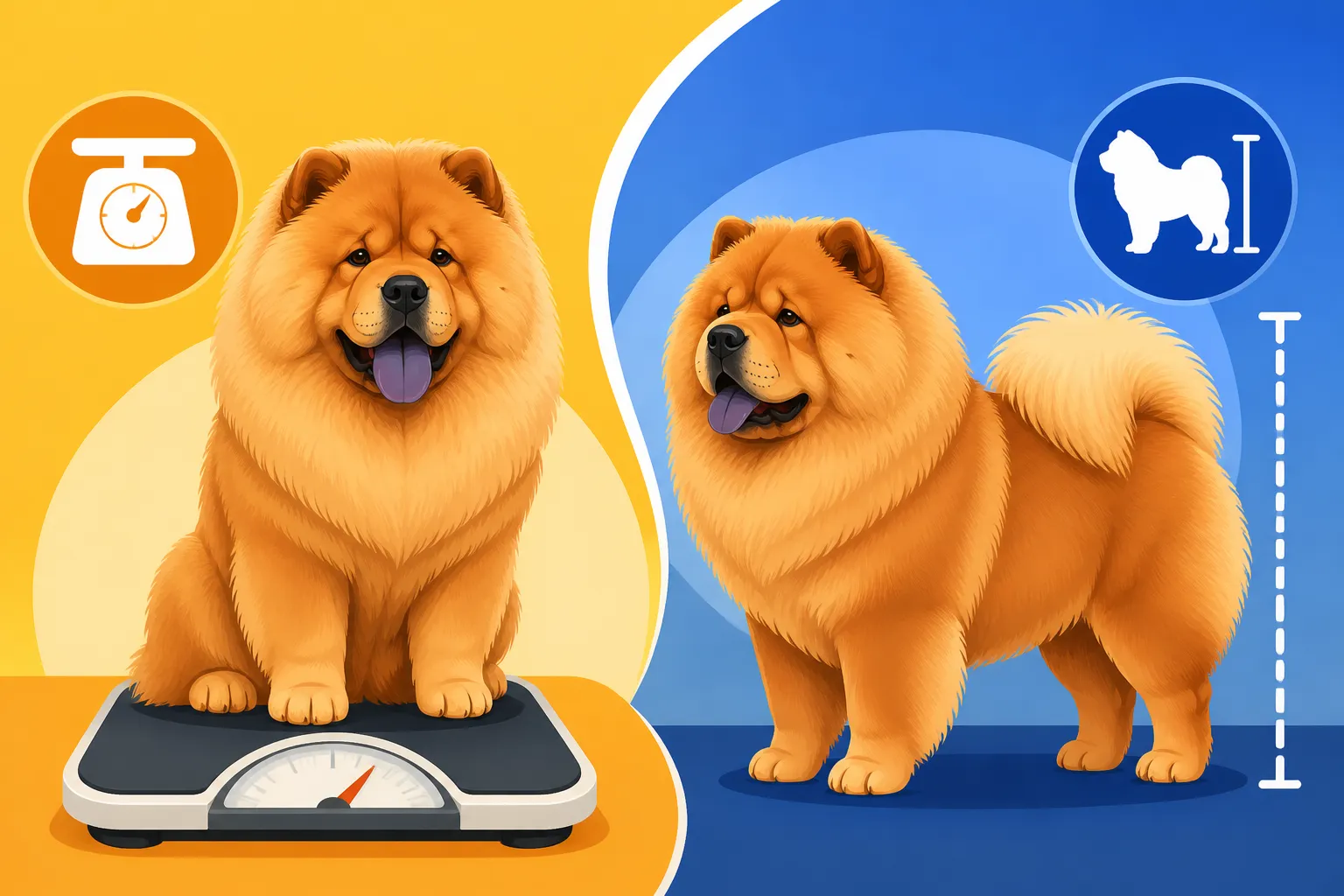
Typically, adult male Chow Chows tend to be heavier and more substantial than their female counterparts. The breed standard generally places male Chows in a weight range of about 55 to 70 pounds (approximately 25 to 32 kilograms). This weight is supported by a solid bone structure and a well-muscled body, giving them that truly impressive, lion-like presence. When you consider a male Chow, you should be looking for a dog that feels sturdy and powerful, with good muscle tone beneath that dense coat.
Factors like genetics, diet, and exercise all play a role in where a male Chow falls within this range. A very active male might be at the leaner, lower end, packed with muscle, while a more sedentary male could drift towards the higher end, especially if his diet isn't carefully managed. It’s important to regularly check their body condition, feeling for ribs and the tuck of their waist, rather than just relying on the scale, especially if you’re concerned about his What an Adult Chow Chow Should Weigh.
Female Chow Chow Weight Expectations
Female Chow Chows are generally a bit daintier and lighter than males, though still possessing the breed's characteristic robustness. Their average weight typically falls between 45 to 60 pounds (approximately 20 to 27 kilograms). They should still have excellent bone and muscle, but often appear slightly less massive overall. The difference isn’t drastic, but it’s usually noticeable when comparing a mature male and female side-by-side.
Just like with males, the exact weight will vary based on individual factors. A female Chow who has had litters might carry a bit more weight or have a slightly different body shape. Nutrition, activity levels, and genetics also play significant roles. It's crucial for female Chows, especially if they are spayed, to maintain a healthy weight, as excess pounds can quickly add strain to their joints and organs. Regular body condition checks are your best friend here, as their thick coat can easily mask a few extra pounds.
Average Height Ranges for Adult Chow Chows
Beyond weight, height is another critical aspect of a Chow Chow's overall conformation and adherence to the breed standard. Height is always measured "at the withers," which is the highest point of the shoulder blades, not the top of their head. This measurement gives an accurate reflection of their skeletal frame size, without the variable influence of their impressive fur. The Chow Chow is considered a medium-sized breed, despite often appearing larger due to their voluminous coat.
Their height, combined with their square body proportion, contributes to their distinctively compact and powerful look. It’s part of what gives them their unique profile and presence. An adult Chow Chow, male or female, should appear well-balanced, not too leggy and not too short-coupled. It’s all part of the package that makes a Chow, well, a Chow!
Male Chow Chow Height at the Withers
For adult male Chow Chows, the typical height at the withers ranges from 18 to 20 inches (approximately 46 to 51 centimeters). This height contributes to their substantial, blocky appearance, making them appear sturdy and imposing. When you're looking at a Chow, you want to see a dog that looks robust and square, rather than tall and slender. The breadth of their chest and the deepness of their body should align well with their height.
A male Chow falling within this height range typically possesses the proportionate bone structure and musculature expected of the breed. While a few individuals might be slightly taller or shorter, significant deviations could indicate a deviation from the breed's intended functional structure. This ideal height ensures they carry their weight and musculature efficiently, supporting their characteristic gait and overall endurance.
Female Chow Chow Height at the Withers
Female Chow Chows generally fall into a similar height range as males, typically between 17 to 19 inches (approximately 43 to 48 centimeters) at the withers. While this is often a bit shorter than males, it maintains the breed's square, compact outline. They should not appear delicate or leggy, but rather possess the same powerful, balanced build as the males, just on a slightly smaller scale.
Their height works in conjunction with their weight to create the iconic Chow Chow silhouette. A well-proportioned female will have a body that is roughly as long as she is tall, contributing to that distinctive compact profile. As with weight, genetics play a strong role in determining a female’s eventual height, so looking at the parents and their lineage can give you a good indication of what to expect for a growing puppy.
Factors Influencing a Chow Chow's Size
It’s easy to think a dog’s size is simply a roll of the dice, but it's actually a complex interplay of several factors. While genetics lay the groundwork, everything from what they eat to how much they move their bodies can influence their final height and weight. Understanding these elements can empower you as an owner to help your Chow Chow grow into the healthiest version of themselves, rather than just hoping for the best.
Sometimes, despite your best efforts, a Chow Chow might end up slightly outside the "ideal" range. This isn't always a cause for alarm, but knowing why it might happen can help you make informed decisions about their care. For instance, sometimes a Chow Chow's growth plates might close later due to certain interventions, subtly altering their mature size. It's all part of the journey of owning these unique dogs.
The Role of Genetics and Lineage
Genetics are, without a doubt, the primary determinant of a Chow Chow's eventual size. Just like in humans, puppies inherit traits from both their parents, including predispositions for height, weight, and overall build. If both parent Chows are on the larger side of the standard, there's a good chance their offspring will follow suit. Conversely, if the parents are smaller, their puppies are likely to be smaller as adults. This is why a responsible breeder will share information about the size of their breeding stock, as it provides a strong indicator of what to expect.
Beyond immediate parents, the entire lineage can influence size. Sometimes a "throwback" gene from a grandparent or great-grandparent might surface, resulting in a puppy that is unexpectedly large or small compared to its direct parents. It's a fascinating aspect of genetics! This genetic blueprint establishes the potential for growth, setting the upper and lower limits of what your Chow Chow can achieve in terms of size and stature.
Impact of Nutrition and Diet on Growth
While genetics provide the framework, nutrition is the building material. During puppyhood, proper diet is absolutely crucial for healthy growth and development. Feeding a high-quality, balanced diet specifically formulated for large breeds or all-breed puppies is important. These foods are designed to support a steady, controlled growth rate, which is vital for breeds prone to joint issues like Chow Chows. Rapid growth, often caused by overfeeding or diets too high in certain nutrients, can put excessive strain on developing bones and joints, increasing the risk of orthopedic problems later in life. This is why Why a Chow Chow Puppy Needs Controlled Growth is so important.
As adults, continued good nutrition helps maintain a healthy weight. The amount and type of food your Chow Chow eats can directly impact their body condition. Overfeeding, even slightly, over months and years, can lead to significant weight gain. Conversely, underfeeding can lead to a lack of muscle mass and overall frailty. Choosing a quality food, measuring portions, and adjusting based on activity levels are key. Brands like Chewy offer a wide variety of formulas that cater to different life stages and dietary needs, making it easier to find the right fit for your Chow.
Exercise Levels and Muscle Development
Exercise isn't just about burning calories; it's about building and maintaining healthy muscle mass, which contributes to overall weight and body composition. A Chow Chow that gets consistent, appropriate exercise will likely have a healthier lean muscle-to-fat ratio than a sedentary one. While Chows aren't typically high-energy dogs, they do need regular, moderate activity to stay fit. Short, brisk walks and some playtime are usually sufficient, keeping in mind their tendency to overheat. How Much Exercise a Chow Chow Actually Needs is often less than new owners expect.
Lack of exercise, especially when combined with overfeeding, can quickly lead to weight gain and a decrease in muscle tone. This can make their joints work harder and reduce their overall vitality. Conversely, excessive, high-impact exercise, particularly during puppyhood when growth plates are still open, can be detrimental to joint development. Finding the right balance is essential – enough activity to keep them fit and toned, but not so much that it stresses their unique skeletal structure.
Spay/Neuter and Hormonal Effects on Growth
The timing of spaying or neutering can also have an impact on a Chow Chow’s final size, though this effect is often subtle and debated. Sex hormones (estrogen and testosterone) play a role in the closure of growth plates in bones. When a dog is spayed or neutered before these growth plates have fully closed, it can sometimes lead to them growing slightly taller and with longer limbs than they might have otherwise. This is because the removal of these hormones delays the signal for the growth plates to stop growing.
While the difference might not be dramatic enough to push a Chow Chow outside of its breed standard range, it's a factor to consider, especially if you're aiming for a specific build. Beyond height, spaying or neutering can also affect metabolism, making some dogs more prone to weight gain if their diet and exercise aren't adjusted accordingly. It's an important conversation to have with your veterinarian to weigh the health benefits of spaying/neutering against potential impacts on growth and metabolism for your individual dog.
Healthy Weight Management for Your Chow Chow
Maintaining a healthy weight is one of the most critical aspects of owning a Chow Chow. These sturdy dogs can be prone to orthopedic issues, and carrying even a few extra pounds can significantly exacerbate strain on their joints, especially their elbows and hips. Plus, being overweight increases the risk of other serious health problems like diabetes, heart disease, and a shortened lifespan. It's not just about looking good; it's about ensuring your Chow lives their longest, most comfortable life.
The challenge with Chows is their glorious double coat, which can act like a masterful camouflage, expertly hiding excess weight. You might think your Chow is perfectly proportioned, only to find a very different story when you get your hands on them. This is why relying on visual cues alone can be misleading and why consistent, hands-on checks are so important.
Recognizing if Your Chow Chow is Under or Overweight
Because of their dense coats, visual assessment alone is often insufficient to determine a Chow Chow's body condition. What looks like a perfectly fluffy, robust dog might actually be an overweight one underneath all that fur. The best way to assess your Chow’s weight is by feeling their body. You should be able to:
- Feel their ribs: With gentle pressure, you should be able to feel your Chow's ribs, almost like feeling the back of your hand. If you have to press hard to feel them, your dog is likely overweight. If you can see their ribs easily, they might be underweight.
- Observe their waist: When viewed from above, your Chow should have a slight tuck or indentation behind their ribs, before their hips. If they look like a continuous "log" or are wider around their middle than their chest, they're carrying too much weight.
- Check their abdominal tuck: When viewed from the side, their belly should tuck up slightly from their chest to their hind legs, not hang low or be straight across.
Veterinarians often use a Body Condition Score (BCS) chart, typically on a scale of 1 to 9, where 4 or 5 is ideal. Familiarizing yourself with these visual and tactile cues is crucial for a Chow Chow owner. Regular checks, perhaps once a month during grooming sessions, can help you catch weight changes early.
Strategies for Achieving and Maintaining a Healthy Weight
Once you've assessed your Chow Chow's body condition, you can implement strategies to achieve or maintain a healthy weight. This isn't usually about drastic measures, but consistent, thoughtful adjustments.
- Portion Control: This is perhaps the most significant factor. Don't free-feed your Chow. Measure their food accurately according to the guidelines on their food bag, adjusted for their ideal weight and activity level. If they are overweight, work with your vet to reduce their daily caloric intake gradually. Remember, How Many Cups a Day an Adult Chow Chow Eats is often less than you might think due to their lower energy levels.
- Quality Diet: Opt for a high-quality dog food. These often have better digestibility and nutrient density, meaning your Chow gets more nutrition from less food and feels more satisfied. You can find excellent options on platforms like Chewy, with various formulas to suit your dog's age and health needs.
- Appropriate Exercise: While Chows aren't marathon runners, regular, moderate exercise is key. Daily walks (avoiding the heat of the day), supervised playtime in a secure yard, or short training sessions can help burn calories and build muscle. Tailor the exercise to your dog's individual fitness level and always be mindful of their susceptibility to overheating.
- Healthy Treats: Treats should be given in moderation and factored into their daily calorie count. Choose low-calorie options like plain green beans, baby carrots, or small pieces of lean cooked meat, rather than high-fat commercial treats.
- Regular Vet Check-ups: Your veterinarian can provide personalized guidance, especially if your Chow Chow has significant weight to lose or gain, or if there are underlying health concerns affecting their metabolism. They can also confirm their ideal What an Adult Chow Chow Should Weigh.
Consistency is key. Small, steady changes over time are far more effective and healthier than crash diets.
The Health Risks of Improper Weight
Carrying too much or too little weight can lead to a host of health problems for a Chow Chow, some of which can severely impact their quality of life and lifespan.
Risks of Being Overweight:
- Joint Problems: This is a major concern. Excess weight puts immense strain on a Chow Chow's joints, accelerating the development and worsening the symptoms of conditions like Elbow Dysplasia Ranks the Chow Chow Near the Top and Hip Dysplasia in a Chow Chow. Arthritis is also likely to set in earlier and be more severe.
- Diabetes: Overweight dogs are at a higher risk of developing insulin resistance and Type 2 diabetes.
- Heart and Respiratory Issues: Extra fat can put a strain on the heart and lungs, potentially leading to cardiovascular disease and breathing difficulties, especially in a breed already prone to overheating due to their thick coat and brachycephalic tendencies.
- Reduced Mobility and Quality of Life: An overweight Chow Chow will be less enthusiastic about walks, play, and general activity, leading to a vicious cycle of further weight gain and decreased enjoyment of life.
- Increased Surgical Risks: Anesthetic risks are higher for overweight dogs, and surgical recovery can be more challenging.
Risks of Being Underweight:
- Weakened Immune System: Dogs that are too thin may have compromised immune systems, making them more susceptible to illness.
- Muscle Wasting: Lack of sufficient calories can lead to muscle loss, making them weaker and more prone to injury.
- Nutritional Deficiencies: Being underweight can sometimes indicate an underlying health issue or inadequate nutrition, leading to deficiencies.
- Lack of Energy: Just like humans, underweight dogs often lack the energy for normal activities and can appear lethargic.
A healthy weight is truly foundational to your Chow Chow's overall well-being and is one of the most proactive steps you can take to ensure they enjoy their The Eight to Twelve Years a Chow Chow Gets to the fullest.
Understanding Chow Chow Puppy Growth
Bringing home a Chow Chow puppy is an incredibly exciting time, but it also comes with the responsibility of nurturing them through their critical growth phases. Unlike some smaller breeds that reach adult size quickly, Chow Chows, being a medium-sized breed, have a more extended growth period. Understanding this timeline and what to expect at different stages is crucial for proper care, particularly regarding nutrition and exercise to support healthy bone and joint development. You want them to grow steadily, not too fast, not too slow, but just right.
It’s often tempting to want your puppy to grow big and strong as fast as possible, but for a Chow Chow, that can actually be detrimental. Controlled, moderate growth is the name of the game to minimize the risk of developmental orthopedic diseases.
Typical Growth Milestones from Puppyhood to Adulthood
A Chow Chow puppy's growth is a journey, not a sprint. Here’s a general overview of what you might expect:
- Birth to 8 Weeks: Puppies grow incredibly fast during this period, doubling and tripling in size. They are largely dependent on their mother's milk, then gradually introduced to puppy food. Their weight will be the primary indicator of healthy development.
- 2 to 4 Months: This is a period of rapid growth in both height and weight. You'll notice significant changes week by week. They’ll start to look less like a chubby little ball of fluff and more like a miniature Chow. This is when What a Chow Chow Puppy Eats at Four Months becomes very important. Their energy levels might be high, but over-exertion should still be avoided.
- 4 to 7 Months: Growth continues, but often at a slightly less explosive rate. They will gain more muscle and start to fill out. Their adult coat may also begin to emerge, though it won't be fully developed for quite some time.
- 7 to 12 Months: By this stage, most Chow Chows will be nearing their adult height, though they may still be filling out in terms of muscle and chest depth. Weight gain will slow down significantly. Many vets suggest transitioning from puppy food to adult food around this time, especially a large-breed specific formula that supports slower growth if you're not already on an all-life stages formula.
- 12 to 18 Months (and sometimes beyond): While they may appear fully grown by a year old, many Chows, especially males, will continue to mature and fill out for several more months. Their chest might deepen, and their muscle mass will increase. They typically reach their full adult weight and physical maturity around 18 months, though some may continue to add a little substance up to two years old.
Remember, every puppy is an individual, and their growth might not perfectly align with these timelines. Always consult with your veterinarian to ensure your puppy is growing at a healthy pace.
When a Chow Chow Reaches Full Size
For most Chow Chows, the majority of their height growth is completed by about 12 months of age. While they might not get significantly taller after their first birthday, they will continue to mature and "fill out" for several more months. This filling out process involves adding muscle mass and broadening through the chest, which contributes to their final adult weight and robust appearance. Many Chow Chows will reach their full adult weight and physical maturity around 18 months of age, though some particularly large individuals might take up to two years to completely finish developing.
This extended period of physical maturation means that patience is a virtue for Chow Chow owners. It's crucial not to rush their growth with excessive food or exercise, especially during the first year, as their bones and joints are still developing. When a Chow Chow Reaches Full Weight is a gradual process, and observing their body condition, rather than just their height, is key to understanding their progress. Once they reach this full maturity, maintaining a consistent healthy weight becomes the focus for the remainder of their adult life.
The Unique Physical Traits Related to Size
The Chow Chow is a breed with several distinctive physical characteristics that set it apart. When discussing their size, it's impossible to ignore how these unique traits play into their perceived stature and functional movement. From their voluminous coat to their unusual gait, everything about a Chow contributes to their impressive, yet sometimes deceptive, overall presence. It’s part of their ancient charm and what makes them such a captivating breed.
Understanding these traits isn't just for appreciating their beauty; it also has practical implications for their care, grooming, and even how people interact with them. What might look like a massive, teddy-bear-like dog from a distance is a complex creature up close, with specific needs tied to its one-of-a-kind physical makeup.
The Impact of the Dense Coat on Perceived Size
Ah, the glorious Chow Chow coat! It's undoubtedly one of their most iconic features, contributing to their lion-like appearance and making them look far more substantial than they often are underneath. A rough-coated Chow Chow, with its abundant, stand-off coat and massive ruff around the head and neck, can easily appear to be a much larger dog than its actual skeletal frame and weight would suggest. It's a clever visual trick of nature.
This thick double coat, composed of a harsh outer guard coat and a soft, woolly undercoat, adds inches to their perceived width and height. For example, a Chow Chow that is 19 inches tall at the shoulder might appear to be 22-24 inches tall when you factor in the loft of their fur. This can be misleading when trying to gauge their true body condition or estimating their size without actually getting your hands on them. When you feel through the coat, you often discover a more compact, muscular dog than you initially anticipated. What a Chow Chow's Double Coat Is Made Of is designed for insulation, not necessarily for making them look bigger, but it certainly has that effect!
How a Chow Chow's Stilted Gait Relates to Its Build
The Chow Chow's movement is as distinctive as its coat. They possess what is often described as a "stilted gait" or a "stiff-legged" movement, particularly noticeable in their hindquarters. This unique gait is directly related to their specific skeletal build, especially their relatively straight hind legs with minimal angulation at the hock joint. Most other dog breeds have more angulation in their rear legs, which provides a spring-like action for powerful propulsion.
For the Chow Chow, this straighter rear limits the reach and drive from the hindquarters, resulting in that somewhat choppy, purposeful, yet less fluid movement. This structural characteristic means that while they are sturdy and capable, they aren't built for sustained, high-speed running or jumping like a German Shepherd or a Border Collie. Why a Chow Chow's Straight Rear Leg Limits Running is a direct consequence of this unique anatomy. Their compact, square body, combined with this specialized hindquarter structure, allows for an efficient, albeit unique, way of moving that is perfectly suited to their original purpose of guarding and working in varied terrain. This build is integral to their identity and impacts how they carry their weight and manage physical exertion.
Why Monitoring Size and Weight is Critical for Health
As we've explored, a Chow Chow's size and weight are far more than just numbers on a scale. They are fundamental indicators of health, deeply intertwined with their quality of life and even their longevity. Neglecting these aspects can lead to a cascade of problems, many of which are preventable with vigilant care and attention. For such a noble and distinctive breed, ensuring they maintain an ideal physical condition is a testament to responsible ownership. It allows them to enjoy every one of their years with maximum comfort and vitality.
It can feel like a lot of responsibility, but remember that consistent monitoring isn't about perfection; it's about being proactive and responsive to your dog's changing needs. Your vet is always your best partner in this journey, offering objective advice and support.
Early Detection of Health Issues Through Weight Changes
Monitoring your Chow Chow's weight and body condition regularly can be a surprisingly effective way to detect early signs of various health issues. A sudden, unexplained weight loss or gain can be a red flag, signaling an underlying problem that might not yet have obvious symptoms.
- Unexplained Weight Loss: If your Chow Chow starts losing weight without changes to their diet or exercise, it could indicate a metabolic disorder, dental issues, gastrointestinal problems, kidney disease (Familial Renal Dysplasia Kills Young Chow Chows), or even certain types of cancer. With their thick coat, gradual weight loss can be incredibly subtle, making regular physical checks even more important.
- Unexplained Weight Gain: Beyond simple overeating, sudden weight gain could point to hormonal imbalances like hypothyroidism (Signs a Chow Chow's Thyroid Is Low), Cushing's disease, or fluid retention related to heart or kidney issues. If you notice your Chow is gaining weight despite appropriate food intake and activity, a vet visit is definitely warranted.
By keeping a close eye on these changes, you can bring potential issues to your veterinarian's attention sooner rather than later, often leading to earlier diagnosis and a better prognosis. This proactive approach can make a significant difference in their treatment outcomes and overall health. Remember, Why a Chow Chow's Dense Coat Hides Skin Disease and other physical changes, making hands-on checks essential.
Long-Term Health Implications of Size Deviations
Allowing a Chow Chow to remain significantly outside its ideal weight and height range, particularly on the overweight side, carries serious long-term health consequences that can shorten their lifespan and diminish their quality of life.
- Increased Orthopedic Problems: This is arguably the most common and impactful issue. Chows are predisposed to conditions like hip and elbow dysplasia. Excess weight places enormous stress on these joints, accelerating degeneration, increasing pain, and worsening arthritis. This can lead to decreased mobility, chronic pain, and a need for costly pain management or even surgery over time.
- Cardiovascular and Respiratory Strain: An overweight Chow Chow's heart has to work harder to pump blood, and excess fat around the chest cavity can restrict lung function. This increases the risk of heart disease and makes them more susceptible to respiratory distress, especially in warmer weather given their double coat and brachycephalic tendencies.
- Diabetes and Other Metabolic Disorders: Obesity is a leading risk factor for canine diabetes, which requires lifelong management with insulin injections and dietary control.
- Reduced Heat Tolerance: Overweight Chows are even more susceptible to Heat Is the Chow Chow's Most Immediate Danger because their body has more insulating fat and a less efficient cooling system.
- Decreased Mobility and Quality of Life: Simply put, an overweight Chow Chow moves less, plays less, and has less energy. This impacts their happiness and ability to engage in activities they once enjoyed, essentially reducing their overall quality of life. As they get older, the impact of these issues becomes even more pronounced, especially when considering The Age a Chow Chow Is Considered Senior.
It’s clear that maintaining an appropriate weight and size is not just about aesthetics; it's about making a conscious commitment to your Chow Chow's long-term health, comfort, and happiness. It’s one of the best gifts you can give them.
Disclaimer
This article is for general informational purposes only and does not constitute professional advice. Laws, prices and regulations vary by location and change over time. Consult a qualified professional for guidance on your specific situation.