Whether a Chow Chow Gets Skin Allergies
It's incredibly frustrating when you notice your beloved Chow Chow constantly scratching, chewing, or developing irritated skin, especially with that magnificent, dense coat making it so hard to see what’s going on underneath. Many owners wonder, "Do Chow Chows even get skin allergies?" The answer, unfortunately, is a resounding yes. This guide will walk you through understanding why Chow Chows are susceptible, how to spot the subtle signs, and what you can do to help your furry companion find relief.
Understanding Skin Allergies in Chow Chows
Chow Chows, with their majestic double coats and unique skin structure, are indeed prone to a variety of skin allergies, much like many other breeds. It’s not just a matter of external irritants; sometimes, their own immune system can overreact to common substances, leading to a miserable experience for your dog and a puzzling challenge for you. The sheer volume of their fur can often mask the early signs of irritation, making diagnosis tricky and delaying much-needed relief.
The Chow Chow's Unique Skin Challenges
One of the biggest hurdles in dealing with skin issues in a Chow Chow is their incredible coat. Both the rough and smooth coated varieties possess a dense double coat designed to protect them from harsh weather, but this very feature can become a double-edged sword when it comes to skin health. The thick undercoat traps moisture and heat, creating a perfect breeding ground for bacteria or yeast when the skin beneath becomes compromised. Furthermore, their characteristic facial wrinkles, while charming, can also harbor moisture and debris, leading to irritation and infection if not meticulously cared for. This combination often means that by the time you notice a problem, it might already be quite advanced. It's a classic example of Why a Chow Chow's Dense Coat Hides Skin Disease so effectively.
Their genetic predisposition also plays a significant role. Like many purebred dogs, Chow Chows can inherit tendencies towards certain health conditions, and allergies are certainly on that list. While not every Chow Chow will suffer from allergies, the breed does have a higher incidence of allergic dermatitis, which can manifest in various ways. This means that even with the best care, some Chows are simply more susceptible to developing sensitivities over their lifetime, demanding a vigilant eye and proactive care from their owners.
Common Types of Allergies Affecting Chow Chows
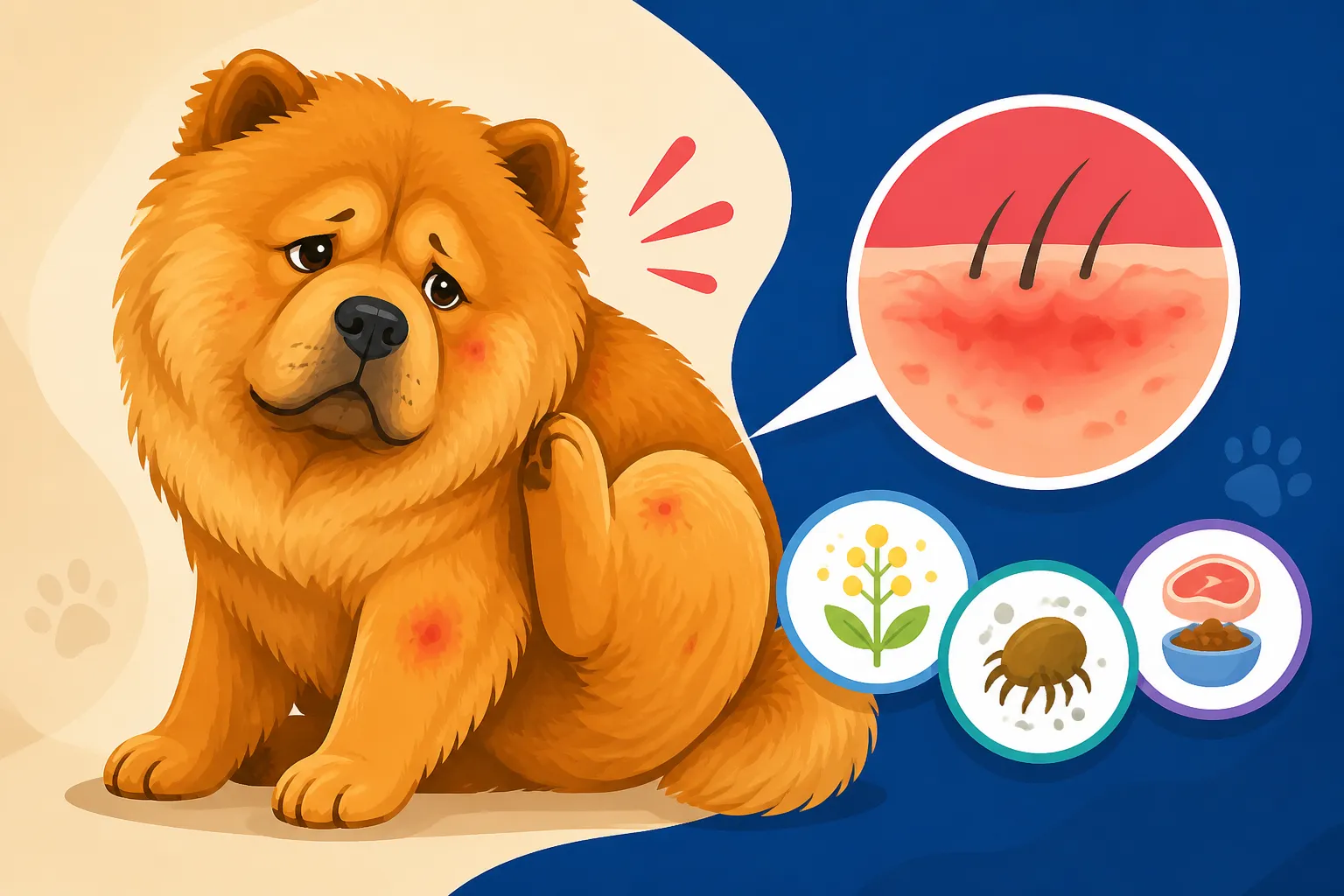
When we talk about skin allergies in Chow Chows, we're generally looking at a few primary culprits. The most common is environmental allergies, known as atopic dermatitis, which can be triggered by things like pollen, dust mites, mold spores, or even certain grasses. Imagine feeling itchy all over your body, day in and day out, simply because the seasons changed or you walked through a field – that's what many Chows experience. Food allergies are another significant category, where specific ingredients in their diet, most often proteins like chicken, beef, or dairy, cause an immune response that manifests as skin irritation. Flea allergy dermatitis, though less common with modern preventative care, is still a potent irritant for many dogs, with even a single flea bite triggering an intense, widespread reaction.
Beyond these, contact allergies are also a possibility, though usually localized. This might occur if your Chow Chow lies on a carpet treated with a harsh cleaner, or if their skin reacts to certain types of bedding or topical products. Identifying the specific allergen can feel like detective work, requiring patience and often the guidance of a veterinary professional. Understanding What a Chow Chow Is Most Often Allergic To is a crucial first step for many owners.
Recognizing the Signs of Skin Allergies in Your Chow Chow
Spotting skin allergies in a Chow Chow can be particularly challenging due to their dense coat. They can be suffering for quite a while before the visible signs become obvious enough for you to notice. Owners often first pick up on changes in behavior before seeing any actual skin lesions, so paying close attention to how your dog acts is paramount.
Visual Cues and Behavioral Changes
The primary indicators of skin allergies in a Chow Chow often start with subtle behavioral shifts. You might notice your dog scratching more frequently than usual, not just an occasional itch, but persistent, sometimes frantic scratching. They might also start chewing or licking excessively at their paws, flanks, or around their tail base. This licking can lead to saliva staining on their typically cream or red fur, which is a tell-tale sign of ongoing irritation. Rubbing their face against furniture or the carpet can also indicate itchiness around their muzzle or eyes, a problem that is often hidden by their facial folds and mane.
As the irritation progresses, you might start to see visible skin changes, despite the thick fur. Look for redness, especially when parting the hair, or bumps and pustules. The skin might become greasy or develop an unpleasant odor due to secondary bacterial or yeast infections, which are very common complications of allergic reactions. In chronic cases, the skin can thicken and darken, a condition known as lichenification, often accompanied by hair loss in the affected areas. These Signs a Chow Chow Has an Autoimmune Skin Disease (or any skin disease, really) are critical to watch for.
Areas Prone to Allergic Reactions
Certain areas on a Chow Chow's body are particularly vulnerable to allergic flare-ups. The paws are a common hot spot, with dogs often licking or chewing them until they become red, swollen, and sometimes infected. The ears are another frequent target; recurrent ear infections, often characterized by redness, discharge, and a yeasty smell, can be a direct result of underlying allergies. Their facial folds, especially under their deep-set eyes, can also become irritated and infected due to trapped moisture and allergens, leading to tear staining and discomfort.
Other areas include the armpits, groin, and abdomen – places where the skin is thinner and more exposed, or where moisture can get trapped. The area around the tail and the hocks (ankles) can also show signs of irritation. Because these areas are often difficult to see without a thorough inspection, it's easy for problems to fester undetected. If you suspect any skin issues, a full body check, even if it requires a little extra effort to part their dense fur, is absolutely essential. Remember, hot spots (How Often a Chow Chow Gets Hot Spots) are a common concern linked to underlying allergies.
Diagnosis and Management Strategies for Allergic Chows
Once you suspect your Chow Chow might be suffering from skin allergies, the next crucial step is to involve your veterinarian. Self-diagnosing and treating can often exacerbate the problem or delay effective relief, especially given the complexity of canine allergies. A proper diagnosis is the cornerstone of a successful management plan.
The Veterinary Diagnostic Process
Your vet will likely start with a thorough physical examination, looking closely at your Chow Chow's skin, coat, and ears. They’ll ask you detailed questions about your dog's symptoms, diet, environment, and any seasonal patterns you've observed. To rule out other causes of itching, they might perform skin scrapings to check for parasites like mites, or fungal cultures to identify ringworm. Cytology, which involves examining samples of skin cells under a microscope, is often used to detect secondary bacterial or yeast infections, which almost always accompany allergic skin disease.
If environmental allergies (atopic dermatitis) are suspected, your vet might recommend either an allergy blood test or intradermal skin testing, performed by a veterinary dermatologist. These tests help pinpoint the specific allergens your Chow Chow reacts to, which is invaluable for developing a targeted management plan. For suspected food allergies, a strict elimination diet is typically recommended, where your dog is fed a novel protein or hydrolyzed protein diet for 8-12 weeks to see if symptoms resolve. This can feel like a long and challenging process, but it's often the most reliable way to identify food triggers.
Long-Term Management and Lifestyle Adjustments
Managing allergies in a Chow Chow is usually a lifelong commitment rather than a quick fix. Once the specific allergens are identified, strategies can be put in place. For environmental allergies, this might involve reducing exposure to known triggers where possible – for example, frequent vacuuming if dust mites are an issue, or wiping down your dog's paws after walks if pollen is the culprit. Medicated shampoos, conditioners, and regular bathing can help soothe irritated skin and remove allergens from the coat, though you'll need to learn How Long Brushing a Rough Chow Chow Takes and how to thoroughly dry them to prevent further issues.
Medications also play a vital role. This could include antihistamines for mild cases, corticosteroids (prednisone) for severe flare-ups, or newer, targeted medications like Apoquel or Cytopoint, which specifically block the itch pathway. These medications can offer significant relief and improve your Chow Chow's quality of life, but their use needs to be carefully monitored by your vet. Additionally, supplements like omega-3 fatty acids can support skin barrier health, reducing inflammation and improving the coat. Many owners also consider pet insurance plans like Healthy Paws, which can help mitigate the ongoing costs associated with managing chronic conditions such as allergies and the frequent vet visits, tests, and medications they often require.
The Role of Diet in Allergy Management
Dietary management is particularly critical for Chow Chows with suspected food allergies, but it can also benefit those with environmental allergies by supporting overall skin health. As mentioned, an elimination diet is the gold standard for diagnosing food allergies. This involves feeding a prescription hydrolyzed protein diet or a novel protein diet (like duck or venison) with a single, uncommon carbohydrate source. During this period, no other treats, chews, or flavored medications can be given, as even a tiny amount of the offending allergen can invalidate the trial. It truly requires dedication, but the results can be life-changing for a food-allergic Chow.
For Chows with environmental allergies or general skin sensitivities, a high-quality, balanced diet rich in essential fatty acids and antioxidants can bolster their skin barrier and immune system. Many premium dog food brands offer formulas specifically designed for sensitive skin or allergies. Consulting with your veterinarian or a veterinary nutritionist can help you choose the best diet for your Chow Chow's individual needs, ensuring they get all the necessary nutrients without exacerbating their allergic symptoms. Transitioning to a Whether a Chow Chow Needs a Limited Ingredient Diet can often make a big difference.
Preventative Measures and Supporting Your Chow Chow's Skin Health
While you can't always prevent allergies from developing, especially if there's a strong genetic component, there are many proactive steps you can take to minimize flare-ups and maintain your Chow Chow's overall skin health. Consistent care and attention to their environment are key.
Grooming Practices to Minimize Allergy Triggers
Regular and thorough grooming is absolutely paramount for a Chow Chow, especially one prone to allergies. Their double coat needs diligent attention to prevent mats, which can trap allergens, moisture, and bacteria, leading to severe skin irritation. Daily brushing, particularly for rough-coated Chows, with tools like an undercoat rake and a slicker brush, is essential to remove loose hair, dead skin, and environmental allergens. Knowing How to Line Brush a Chow Chow is a crucial technique to ensure you're reaching down to the skin. During seasonal shedding periods, or "coat blows," brushing needs to be even more frequent and thorough to prevent a build-up of undercoat that can suffocate the skin and create hot, moist conditions perfect for infections.
Bathing frequency should be discussed with your vet, but regular baths with appropriate hypoallergenic or medicated shampoos can help remove allergens, soothe inflamed skin, and treat secondary infections. After bathing, it is critical to dry your Chow Chow completely, down to the skin, using a high-velocity dryer if possible, as a damp undercoat is an open invitation for yeast and bacteria. Pay special attention to their facial folds, cleaning them daily with a gentle, vet-approved wipe to prevent moisture and debris from accumulating, which can lead to skin fold dermatitis. This diligent grooming routine helps remove potential irritants and supports a healthy skin barrier.
Environmental Controls and Supplements
Controlling your Chow Chow's environment can significantly reduce their exposure to allergens. If pollen is a trigger, try to limit outdoor walks during peak pollen times, and wipe down their paws and coat when they come inside. For dust mite allergies, regular vacuuming with a HEPA filter, washing bedding frequently in hot water, and using dust mite covers for dog beds can make a big difference. Consider an air purifier for your home, especially in rooms where your Chow Chow spends a lot of time, to reduce airborne allergens.
Beyond environmental adjustments, certain supplements can bolster your Chow Chow's skin health. High-quality omega-3 fatty acid supplements (fish oil) are widely recommended for their anti-inflammatory properties, which can help reduce the severity of allergic reactions and improve coat quality. Probiotics can also support a healthy gut microbiome, which is increasingly recognized as being linked to overall immune function and skin health. Always discuss any new supplements with your veterinarian to ensure they are appropriate for your dog and won't interact negatively with any other medications. Investing in preventative care and supplements can also be easier with pet insurance; policies from providers like Healthy Paws can often cover a portion of these ongoing health expenses, making comprehensive care more accessible over your Chow Chow's lifetime.
Disclaimer
The information provided in this article is for educational purposes only and is not intended to be a substitute for professional veterinary advice, diagnosis, or treatment. Always seek the advice of your veterinarian or other qualified health provider with any questions you may have regarding a medical condition.