When a Chow Chow’s Growth Plates Close
It’s a natural worry for any Chow Chow owner, especially when you have a bouncy, playful puppy who seems to be growing by the minute. You want them to explore and be dogs, but you also constantly fret about whether they’re doing too much, or growing too fast, and if you might accidentally cause damage to their delicate, developing bones. Understanding when a Chow Chow's growth plates close is absolutely critical for safeguarding their long-term joint health and ensuring they mature into a strong, healthy adult. This guide will walk you through everything you need to know about your Chow Chow's growth plates, from what they are to how to protect them.
Understanding Your Chow Chow's Skeletal Development
When you look at your Chow Chow puppy, you see a fluffy, adorable bundle of energy. But underneath all that beautiful coat is a skeletal system that's undergoing a remarkable transformation, changing from flexible cartilage into strong bone. This process is complex, and it’s important to appreciate its intricacies to best support your growing companion.
What Exactly Are Growth Plates?
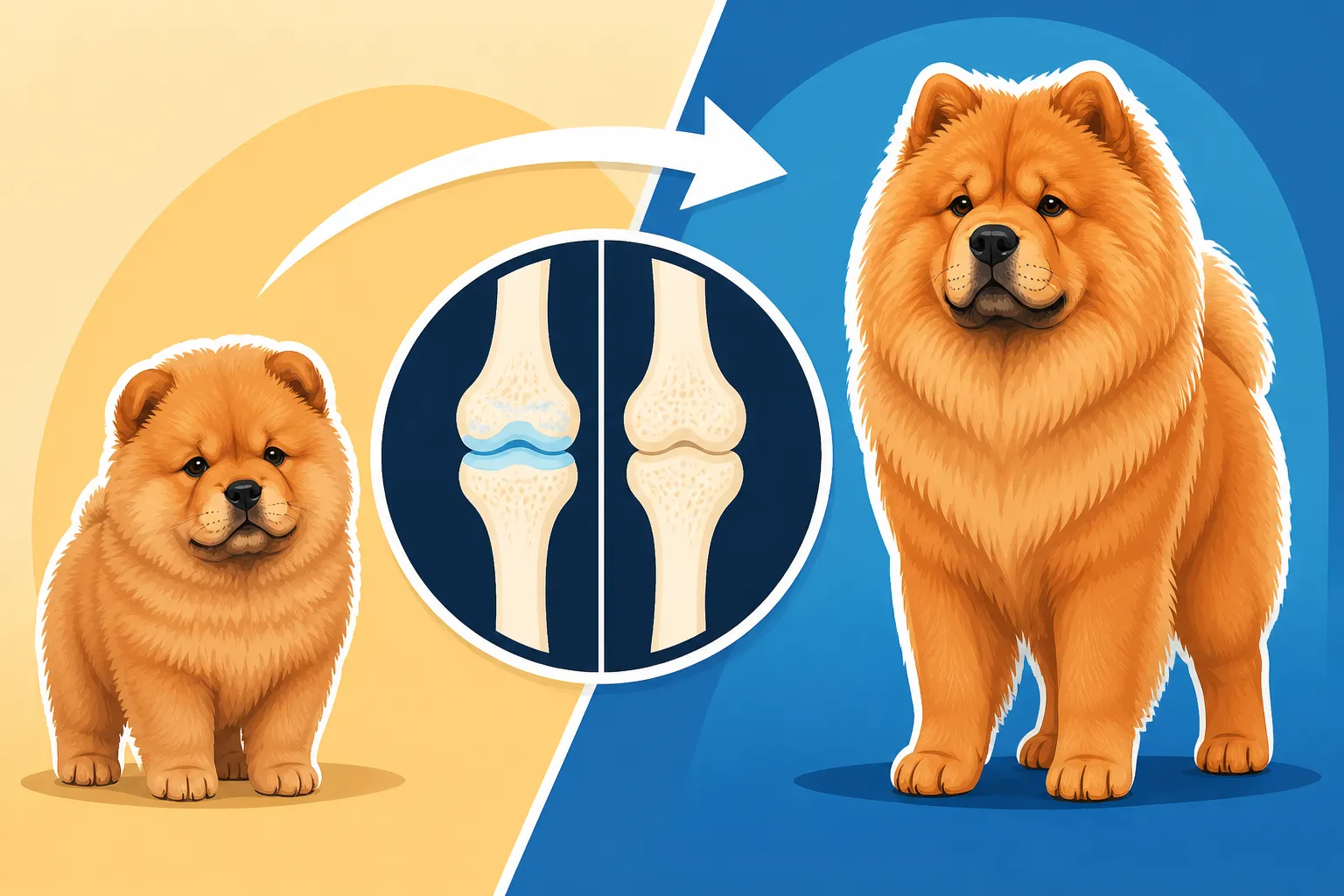
Think of growth plates, scientifically known as epiphyseal plates, as the flexible construction zones at the ends of the long bones in your Chow Chow's legs. Unlike the hard, calcified bone that makes up the majority of their skeleton, these plates are made of cartilage. During puppyhood, this cartilage is constantly producing new cells, which then gradually harden and turn into bone. This is how your Chow Chow’s legs lengthen, and how they go from a tiny, wobbly pup to a stately, full-sized adult.
These cartilaginous plates are weaker than the surrounding bone. Imagine a piece of plywood with a soft, spongy layer in the middle – that soft layer is more prone to damage than the solid wood on either side. Similarly, an open growth plate is much more susceptible to injury than fully ossified bone. A fall, a hard jump, or even just repeated, high-impact activities can cause a fracture or damage to these plates, potentially altering how the bone grows and leading to lifelong issues. It’s a delicate balance during those critical early months, where proper care can make all the difference in preventing complications.
The Chow Chow's Unique Growth Pattern
Chow Chows, while not giant breeds, are still substantial dogs that mature at a relatively steady pace. They don't have the explosive, rapid growth spurts you might see in some larger breeds, which can sometimes put immense stress on developing joints. Instead, their growth tends to be more gradual, but this doesn't mean their growth plates are any less vulnerable. Their distinctive physique, including their somewhat straight rear legs and stilted gait, means that proper bone development is paramount to avoid exacerbating any potential joint problems down the line.
Because of this unique structure, maintaining a slow and steady growth rate is particularly beneficial for a Chow Chow. Overfeeding or allowing too much strenuous, high-impact exercise can accelerate growth or put undue strain on their still-developing joints. This pressure can lead to issues with how their bones align and articulate, impacting their overall mobility and comfort as they age. Understanding Why a Chow Chow Puppy Needs Controlled Growth is a cornerstone of responsible Chow Chow ownership, directly influencing the health of their growth plates and subsequent joint integrity.
The Timeline for Growth Plate Closure in Chow Chows
Knowing when these vital growth plates are expected to close is incredibly helpful for managing your Chow Chow’s activity levels and developmental milestones. It’s not an exact science, as every dog is an individual, but there are general guidelines to keep in mind.
Average Age Ranges for Closure
Generally, most of a Chow Chow's growth plates will close between 12 to 18 months of age, though some smaller plates, especially in the paws, might close earlier, and some larger ones, like those in the hips and elbows, might linger a bit longer. Typically, the plates in the front limbs (radius and ulna in the forearm) tend to close before those in the rear limbs (femur and tibia in the thigh and shin).
Here's a general breakdown, but remember these are averages and can vary:
- Paws/Feet: As early as 4-6 months, these smaller plates are usually among the first to close.
- Front Legs (Radius and Ulna): Often close between 8-12 months.
- Rear Legs (Femur and Tibia): Can remain open longer, often closing between 12-16 months.
- Shoulders, Hips, and Spine: These larger growth areas can take the longest, sometimes not fully closing until 18-24 months.
Until these plates are fully fused, your Chow Chow is considered "growing" and requires careful management to prevent injury. A veterinarian can confirm growth plate closure with X-rays, which is often done in conjunction with health screenings like those for Hip Dysplasia in a Chow Chow.
Factors Influencing Timely Closure
Several factors can influence exactly when your Chow Chow's growth plates decide to call it a day and ossify completely.
- Genetics: This is a big one. The genetic blueprint passed down from your Chow Chow’s parents plays a significant role in their growth rate and the timing of growth plate closure. Dogs from lines with slower, more controlled growth, and good skeletal health tend to have healthier development. This is one of many reasons why choosing a reputable breeder who performs thorough health testing is so crucial, as they can provide insights into the lineage’s growth patterns and overall skeletal soundness.
- Nutrition: Overfeeding a Chow Chow puppy, especially with diets too high in calories or calcium, can lead to accelerated growth, which can be detrimental. Rapid growth puts immense stress on developing bones and joints, increasing the risk of orthopedic problems like Elbow Dysplasia Ranks the Chow Chow Near the Top. The goal is controlled, steady growth, not maximal growth. Feeding a high-quality, large-breed puppy food formulated for slow growth, or an all-life-stages food, is often recommended. Always consult your veterinarian to ensure your puppy's diet is appropriate for their specific needs and growth stage.
- Exercise Intensity: While puppies need exercise, the type and intensity matter immensely while growth plates are open. High-impact activities like repetitive jumping, hard stops, sudden turns, or long, forced runs on hard surfaces can cause micro-traumas or even severe fractures to these vulnerable areas. This is particularly true for a breed like the Chow Chow, whose natural gait already places specific demands on their joints. Instead, focus on shorter, controlled walks and supervised play on soft surfaces.
- Spay/Neuter Timing: There's ongoing debate in veterinary medicine about the optimal age for spaying or neutering, especially in breeds prone to orthopedic issues. Early spay/neuter (before growth plates close) can sometimes lead to longer bones because the sex hormones, which signal growth plates to close, are removed prematurely. This can alter joint angles and potentially increase the risk of certain orthopedic conditions or even some cancers later in life. Discuss the best timing for your individual Chow Chow with your vet, considering both health and behavioral factors.
Protecting Your Chow Chow's Developing Skeleton
The period when your Chow Chow’s growth plates are open is a critical window for intervention and prevention. Thoughtful management during this time can lay the foundation for a lifetime of comfortable mobility. It’s about being proactive and making informed decisions.
Avoiding Injuries to Open Growth Plates
Because growth plates are weaker than mature bone, they are highly susceptible to injury. A seemingly minor fall or an enthusiastic jump off furniture can cause a growth plate fracture, or even a physeal separation, where the cartilage plate detaches from the bone. These injuries can be much more serious than a regular bone fracture because they can disrupt the bone's future growth, leading to angular limb deformities, where a leg grows crooked or shorter than its counterpart.
Here are some crucial considerations to minimize risk:
- Limit High-Impact Activities: Avoid repetitive jumping, especially from heights like beds, couches, or cars. Discourage long sessions of chasing balls with hard stops and starts, or intense agility training. Think about the impact these activities have on their joints. Whether a Chow Chow Puppy Should Climb Stairs, for instance, is a common concern. While a few steps aren't likely harmful, repetitive stair climbing, particularly descending, puts significant strain on developing joints.
- Supervise Play: While play is essential for socialization and mental stimulation, ensure it’s appropriate. Roughhousing with much larger or older dogs can lead to accidental injuries. Keep play sessions short and frequent, rather than long and exhaustive.
- Choose Soft Surfaces: When exercising, opt for grass, dirt, or soft trails rather than concrete or asphalt. These surfaces provide better shock absorption, reducing the impact on delicate growth plates.
- Avoid Forced Exercise: Don't force your puppy to keep up with you on long runs or hikes. Let them set the pace and stop when they're tired. Their enthusiasm might lead them to overdo it, and it's your job to regulate.
A growth plate injury in a Chow Chow puppy often requires immediate veterinary attention. The sooner it's addressed, the better the prognosis for normal bone growth.
The Role of Proper Nutrition and Exercise
Striking the right balance with food and activity is absolutely fundamental for healthy growth plate development in Chow Chows. It’s not about restriction, but about smart management.
- Controlled Growth Through Diet: As mentioned earlier, feeding your Chow Chow puppy a diet specifically formulated for large breeds or "all life stages" helps ensure a slow, steady growth rate. These diets have carefully controlled calcium and phosphorus levels, which are critical for bone development, as well as an appropriate calorie count to prevent excessive weight gain. Excess weight puts additional strain on developing joints and can contribute to orthopedic problems even before growth plates close. Your veterinarian can help you determine What an Adult Chow Chow Should Weigh, and guide you on how to get there safely.
- Appropriate Exercise: Instead of high-impact activities, focus on low-impact forms of exercise. Short, daily walks on a leash, exploring new smells, and gentle play sessions with toys are ideal. Mental stimulation through puzzle toys and training sessions (which also reinforces your bond!) is just as important as physical exercise and won't stress their joints. Allowing free play in a securely fenced yard for short bursts is fine, but always supervise and ensure they don't engage in overly strenuous activity.
When to Be Concerned and Seek Veterinary Advice
Even with the best preventative care, sometimes things happen. Knowing the signs that warrant a trip to the vet is crucial. Chow Chows, with their stoic nature and dense coats, can sometimes be masters at hiding pain, so you need to be extra vigilant.
Look out for these symptoms:
- Persistent Limping or Lameness: Any limping that lasts more than a day, or seems to worsen with activity, needs to be investigated. Pay attention to which leg seems affected.
- Reluctance to Move or Play: If your normally active puppy suddenly doesn't want to play, seems stiff, or avoids certain movements, it could be a sign of pain or injury.
- Swelling, Heat, or Pain Around a Joint: Gently feel your puppy’s legs and joints. If you notice any unusual swelling, warmth, or if they react sensitively to touch, it's a red flag.
- Changes in Gait: Observe how your Chow Chow walks. If their gait seems more stiff or unusual than their typical stilted movement, it could indicate an underlying issue. Remember, their unique gait is normal for them, but sudden changes are not.
- Crying or Whining: While Chow Chows are typically quiet, persistent vocalization when moving or being handled is a clear sign of discomfort.
If you observe any of these signs, don't wait. A prompt visit to your veterinarian is essential. They can perform a physical examination and may recommend X-rays to assess the condition of the growth plates and surrounding bones. Early diagnosis and treatment of growth plate injuries or developmental orthopedic diseases offer the best chance for a good outcome.
Long-Term Implications and Preventative Measures
The choices you make during your Chow Chow's puppyhood regarding their growth plates have a ripple effect, impacting their health and quality of life well into their senior years. Proactive steps now can mitigate significant issues later.
Connecting Growth Plate Health to Adult Joint Issues
The health of your Chow Chow's growth plates directly influences the development of their adult joints. Improper closure, injury, or accelerated growth can contribute to or exacerbate common orthopedic conditions that Chows are unfortunately prone to.
- Elbow Dysplasia: This is a group of developmental abnormalities in the elbow joint, and Chow Chows rank quite high for its incidence. Issues with growth plate formation or injury during the crucial growing period can significantly worsen the development of Elbow Dysplasia. If the growth plates in the forearm bones (radius and ulna) close unevenly or are damaged, it can lead to incongruity of the joint, causing pain, lameness, and early-onset arthritis. Understanding What Elbow Dysplasia Does to a Chow Chow, and knowing the signs, is vital for early intervention. This is why many breeders will have their breeding dogs undergo elbow X-rays to assess for this condition, often through organizations like the Orthopedic Foundation for Animals (OFA).
- Hip Dysplasia: While Chows are less affected than some other large breeds, hip dysplasia can still be a concern. This condition involves the malformation of the hip joint. While primarily genetic, rapid growth and excessive, inappropriate exercise during the puppy phase can worsen its expression, leading to loose joints, pain, and arthritis.
- Arthritis: Any compromise to joint integrity during the growth phase, whether from trauma to growth plates or the development of dysplasia, will likely lead to premature and more severe arthritis later in life. Arthritis is a painful, progressive condition that can significantly impact a Chow Chow's mobility and comfort as they age. Preventing or minimizing these underlying joint issues in puppyhood is the best defense against debilitating arthritis down the road.
The Importance of Breeder Health Clearances
Choosing a responsible breeder is perhaps the single most impactful preventative measure you can take to ensure your Chow Chow has the best chance at healthy growth plate development. Reputable breeders are committed to the health of their lines and perform extensive health screenings on their breeding dogs.
When looking for a Chow Chow puppy, always inquire about the health clearances of both parents. Specifically, for growth-related issues, you want to see:
- OFA Elbow and Hip Certifications: These certifications from the Orthopedic Foundation for Animals indicate that the parents have been X-rayed and evaluated for hip and elbow dysplasia and found to be free of significant signs of these conditions. While not a guarantee for the puppy, it drastically reduces the likelihood of inheriting these genetic predispositions. You should ask to see the official certificates, not just take their word for it. Understanding Which Health Tests a Chow Chow Breeder Should Run, including these, is crucial.
- Eye Clearances: While not directly related to growth plates, certifications from the Canine Eye Registry Foundation (CERF) or the Orthopedic Foundation for Animals (OFA) Eye Certification Registry (CAER) for eye health are important indicators of a breeder's overall commitment to health testing and responsible breeding practices.
- Thyroid Panels: Autoimmune conditions like autoimmune thyroiditis can sometimes influence growth and overall health, so seeing normal thyroid function in breeding dogs is another good sign of robust health.
A breeder who invests in these comprehensive tests demonstrates a commitment to producing healthy puppies with sound structures. They will also typically provide guidance on appropriate nutrition and exercise for their specific lines, which is invaluable. Look for breeders who openly discuss potential health challenges in the breed, not those who claim their dogs are "perfect" or have no issues.
Consider looking into pet insurance providers like Healthy Paws early in your Chow Chow's life. While most policies have waiting periods and don't cover pre-existing conditions, having a policy in place before any signs of orthopedic issues emerge can provide immense financial relief if developmental problems like elbow or hip dysplasia, or even an unfortunate growth plate injury, do arise. The costs associated with diagnostics, specialized treatments, or surgeries for these conditions can be substantial, and having a safety net can allow you to make decisions based on what's best for your dog, rather than your wallet.
The journey of raising a Chow Chow is incredibly rewarding, but it comes with responsibilities. By understanding the critical period of growth plate development, managing their diet and exercise, and choosing a puppy from health-tested parents, you’re providing the best possible foundation for a long, healthy, and happy life together.
Disclaimer
The information provided in this guide is for general informational purposes only and does not constitute veterinary advice. Always consult with a qualified veterinarian for any health concerns or before making any decisions about your Chow Chow's medical care or diet. Individual results may vary.