What a Chow Chow Is Most Often Allergic To
It’s a common scenario: you notice your Chow Chow scratching, perhaps a little more than usual, or licking their paws incessantly, but when you try to investigate, their magnificent, dense coat seems to hide everything. You might feel a lump or a moist patch, but getting a clear visual on inflamed skin underneath all that fur can feel like trying to find a needle in a haystack. This frustration is incredibly real, and it’s a big reason why figuring out what your Chow Chow is allergic to can be such a challenging and often prolonged process. This guide is here to walk you through the most common allergens affecting Chow Chows and equip you with the knowledge to help your stoic companion find relief.
The Hidden World of Chow Chow Allergies: Why They're So Tricky to Spot
Chow Chows, bless their fluffy hearts, are not generally known for being overly demonstrative about their discomfort. This stoic nature, combined with their incredible double coat, creates a perfect storm for allergies to brew undetected for far longer than they might in other breeds. As an owner, it can be incredibly disheartening to realize your beloved companion has been suffering in silence because the signs were so subtle or hidden.
The Double Coat's Deception: Hiding Skin Irritations
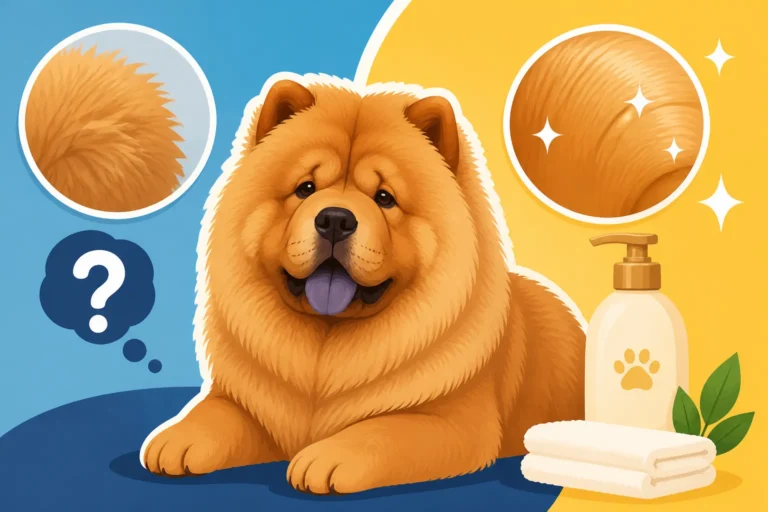
Imagine trying to find a tiny rash on a polar bear. That's often what it feels like trying to spot skin irritations on a Chow Chow. Their thick, plush double coat, while beautiful and iconic, is a fantastic camouflage for underlying skin problems. Redness, bumps, flaky skin, or even pustules can be completely obscured by layers of fur. You might run your hand over their back and feel a slight greasiness or a small scab, but getting a good look at the skin beneath often requires diligent parting of the coat, which isn't always easy if your Chow is already feeling sensitive.
This dense coat also creates a microclimate close to the skin. If moisture gets trapped there from a bath that wasn't thoroughly dried, or from incessant licking due to an itch, it becomes a breeding ground for bacteria and yeast. This can lead to secondary infections, which then compound the original allergic itch, making your Chow Chow even more miserable. By the time you do visually spot something, it’s often a more advanced problem, like a weeping hot spot that has already spread. It's truly a testament to Why a Chow Chow's Dense Coat Hides Skin Disease that owners often struggle with early detection.
The Stoic Nature: Silent Suffering
Beyond the physical barrier of their fur, Chow Chows have a reputation for being independent and, frankly, a bit aloof. While they bond deeply with their chosen person, they aren't typically the type of dog to constantly seek attention or overtly signal distress with whining or dramatic gestures. This can extend to how they express discomfort from allergies. Instead of relentless, obvious scratching or vocalizing their itch, a Chow Chow might exhibit more subtle behavioral changes that are easy to miss in the hustle and bustle of daily life.
You might notice them licking their paws more frequently when they think you’re not looking, or rubbing their face against the carpet or furniture with a little more vigor. Perhaps they're a touch more withdrawn, less eager for their usual walk, or seem a bit grumpier when you try to pet a sensitive spot. These small shifts in behavior are their way of telling you something is wrong, but you have to be attuned to them. It’s important to remember that How a Chow Chow Hides Pain is a characteristic of the breed, so observing these subtle cues is paramount when trying to pinpoint an allergy. They often don't want to bother you, even when they're truly uncomfortable.
The Most Common Culprits: What Your Chow Chow Might Be Allergic To
When your Chow Chow is itching, licking, or just generally miserable, it’s natural to want to know what’s causing it. Pinpointing the exact allergen can feel like detective work, but understanding the usual suspects is the first step in this journey.
Environmental Allergies: The Itch from the Air
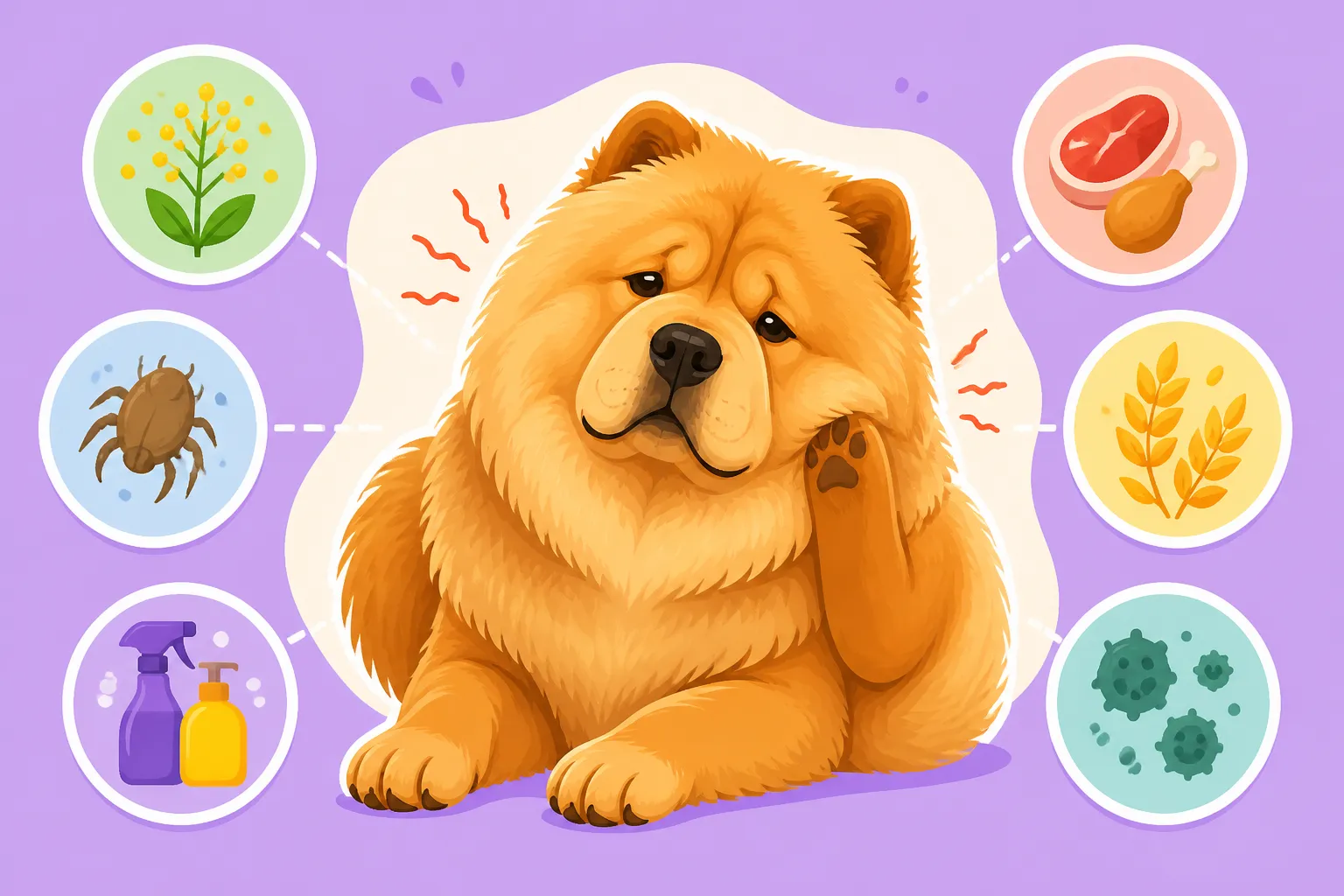
Just like us humans who sniffle and sneeze with seasonal hay fever, dogs can suffer intensely from environmental allergens in the air. This condition is often referred to as atopy or atopic dermatitis, and it's incredibly common in many breeds, including Chow Chows. These invisible enemies can come in many forms and attack all year round or seasonally.
Common environmental allergens include:
- Pollen: From trees, grasses, and weeds, these are typically seasonal, flaring up in spring, summer, or fall depending on what's blooming in your area.
- Dust Mites: These microscopic critters live in household dust, bedding, carpets, and upholstered furniture. They are a common cause of year-round allergies.
- Mold Spores: Found in damp environments, both indoors and out, mold can also trigger allergic reactions.
For a Chow Chow, environmental allergies often manifest as incredibly itchy skin. You might notice them chewing at their paws until they are red and inflamed, rubbing their face along the carpet, or scratching at their ears and flanks. Chronic ear infections are a classic sign of environmental allergies, often presenting as redness, discharge, or a foul odor within the ear canal. Due to their deep-set eyes and facial folds, irritants like pollen can also easily get trapped, potentially leading to more localized irritation or watery eyes. Whether a Chow Chow Gets Skin Allergies is a definite yes, and environmental factors are a leading cause.
Managing environmental allergies often involves a multi-pronged approach. During high pollen seasons, wiping down your Chow Chow’s coat and paws after they’ve been outside can help remove some of the irritants. Regular bathing with a gentle, hypoallergenic shampoo can also wash away allergens clinging to their fur. Inside your home, consider using air purifiers with HEPA filters and vacuuming regularly (especially if you have a powerful vacuum that can handle Chow Chow fur!). Regularly washing their bedding in hot water can help reduce dust mites. For more persistent cases, your vet might suggest medications like antihistamines or more targeted therapies.
| Allergen Type | Common Sources | Typical Chow Chow Symptoms |
|---|---|---|
| Pollen | Trees, grasses, weeds (seasonal) | Itchy paws (chewing, licking), red belly, ear infections, watery eyes |
| Dust Mites | Household dust, bedding, carpets, upholstered furniture | Year-round itching, generalized skin redness, recurring infections |
| Mold Spores | Damp environments, basements, decaying organic matter | Itchy skin, ear infections, sometimes respiratory signs |
Food Allergies and Sensitivities: What's in the Bowl?
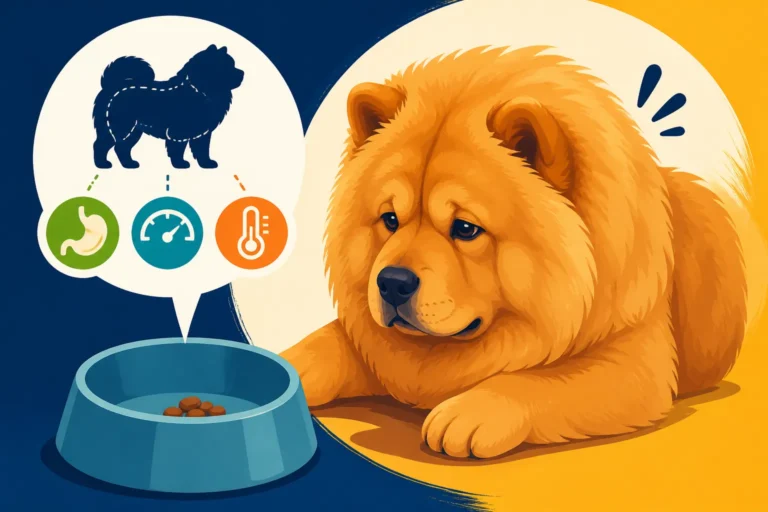
The moment a dog starts itching, many owners' first thought goes straight to their food bowl. While food allergies are indeed a cause of canine itchiness and discomfort, they are actually less common than environmental allergies. However, when they do occur in a Chow Chow, they can be particularly frustrating because diagnosis requires significant dedication.
A true food allergy is an immune system response to a specific protein in the diet, mistakenly identifying it as a threat. This differs from a food sensitivity or intolerance, which is typically a digestive issue (like lactose intolerance) and doesn't involve an immune response. For Chow Chows, the symptoms of food allergies can be similar to environmental allergies—itching, redness, skin infections, and hot spots. But they can also include gastrointestinal signs like chronic diarrhea, vomiting, or excessive gas.
The most common protein culprits for dog food allergies historically include beef, chicken, dairy, and wheat. Some dogs might also react to lamb, soy, or corn. The frustrating part? Your Chow Chow can develop an allergy to an ingredient they've been eating for years without issue.
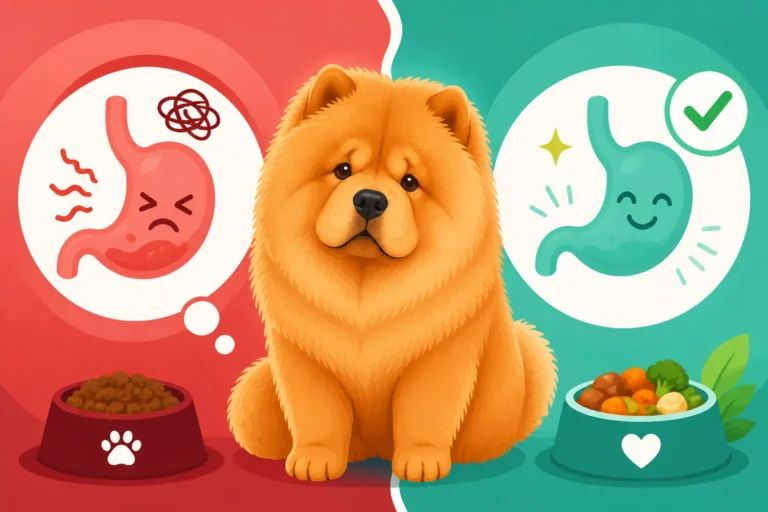
Diagnosing a food allergy requires a strict elimination diet. This isn't just switching brands; it means feeding a novel protein (one your Chow Chow has never eaten before, like venison, duck, or kangaroo) or a hydrolyzed protein diet (where the proteins are broken down into particles too small to trigger an immune response) exclusively for a period of 8-12 weeks. Absolutely no other food, treats, table scraps, flavored medications, or chew toys that could contain allergens are allowed during this time. This takes incredible discipline, but it's the gold standard. After the elimination period, if symptoms improve, ingredients are reintroduced one by one to identify the specific trigger.
You'll need to work closely with your veterinarian to select an appropriate elimination diet. Sometimes, even "limited ingredient" diets available over-the-counter can have trace amounts of common allergens due to cross-contamination during manufacturing. Your vet might recommend a prescription hydrolyzed diet, or if you're open to fresh food options, carefully selected limited ingredient fresh foods (like those offered by Ollie, always with vet guidance) could be considered. For a vast selection of veterinary-prescribed diets, Chewy is a convenient resource, but remember to always have a vet's prescription. Whether a Chow Chow Needs a Limited Ingredient Diet is a question many owners face when navigating food allergies.
Flea Allergy Dermatitis: More Than Just a Bite
Don't underestimate the power of a tiny flea! Flea Allergy Dermatitis (FAD) is one of the most common allergic skin diseases in dogs, and Chow Chows are no exception. For dogs with FAD, it’s not about how many fleas are present on their body; it’s about their extreme allergic reaction to the proteins in flea saliva. Even a single flea bite can trigger an intense, widespread, and prolonged bout of itching.
The typical signs of FAD in a Chow Chow include severe itching, redness, scabs, and hair loss, often concentrated around the base of the tail, the inner thighs, and the belly. These areas are prime spots for fleas to feed. The constant scratching, licking, and chewing can quickly lead to secondary bacterial skin infections or How Often a Chow Chow Gets Hot Spots, which are moist, red, painful lesions that can pop up seemingly overnight.
The sneaky thing about FAD is that you might not even see fleas on your Chow Chow. They could have been bitten, and the flea has since moved on, or your Chow Chow is such an efficient groomer that they remove the fleas before you ever spot them. This is why year-round, consistent flea prevention is absolutely crucial, even if your dog primarily lives indoors or if you don't think you have a flea problem. Effective flea control is the cornerstone of managing FAD.
Diagnosing and Managing Chow Chow Allergies: A Collaborative Approach
Successfully navigating Chow Chow allergies is rarely a quick fix. It's often a journey that requires patience, consistency, and a strong partnership with your veterinarian. You're not just treating symptoms; you're aiming to identify triggers and improve your Chow's overall quality of life.
Working with Your Vet: The Diagnostic Journey
Your first and most important step when suspecting allergies is a comprehensive visit to your veterinarian. They will begin by ruling out other common causes of itching and skin irritation that can mimic allergies. These can include:
- Parasites: Mites (like sarcoptic or demodectic mange), lice, or even internal parasites. Your vet might perform a skin scrape or hair pluck to look for these under a microscope.
- Fungal Infections: Ringworm is a common fungal infection that can cause itchy, scaly patches. A fungal culture might be taken.
- Bacterial Skin Infections: Often secondary to allergies, these can also be a primary cause of irritation. Your vet might take a cytology sample (impressing a slide onto the skin and looking at it under a microscope) to identify bacteria or yeast.
Once these other conditions are ruled out, your vet will likely suspect allergies. To pinpoint specific environmental allergens, they might recommend:
- Serum IgE Blood Tests: These blood tests measure antibodies to various common environmental allergens. While convenient, their accuracy can vary, and results need to be interpreted in conjunction with your Chow Chow's clinical signs.
- Intradermal Skin Testing: This is considered the gold standard for identifying environmental allergens and is typically performed by a veterinary dermatologist. Small amounts of various allergens are injected into the skin, and the reaction (or lack thereof) helps identify triggers.
It’s important to understand that these tests help identify what your Chow Chow is allergic to, but they don't provide a cure. Instead, they guide management strategies, potentially leading to allergen-specific immunotherapy (allergy shots or drops). And remember, Chow Chows can be quite resistant to examination. Why a Chow Chow Is Hard to Examine at the Vet is a common complaint, and sometimes Whether a Chow Chow Needs Sedation for a Checkup becomes a necessity to get a thorough diagnostic workup. Your vet will appreciate your honesty about your Chow's temperament.
Environmental Management Strategies
Once you have an idea of potential environmental triggers, controlling your Chow Chow's exposure is paramount. This can involve several practical steps at home:
- Regular Bathing: Especially during high pollen seasons, bathing your Chow Chow frequently (perhaps every 1-2 weeks, using a vet-recommended hypoallergenic or medicated shampoo) can literally wash allergens off their coat before they have a chance to penetrate the skin and trigger a reaction. How Often a Chow Chow Should Be Bathed often depends on their allergy needs.
- Paw Wipes: After outdoor excursions, wiping down your Chow Chow's paws with a damp cloth or pet-safe wipe can remove pollen and other irritants they might have picked up.
- Home Cleanliness: Investing in a good vacuum cleaner with a HEPA filter (many options available on Amazon) and using it regularly can significantly reduce dust mites and airborne allergens in your home. Washing your Chow Chow's bedding weekly in hot water is also highly effective.
- Air Purifiers: Placing air purifiers in the rooms where your Chow Chow spends the most time can help filter out airborne allergens.
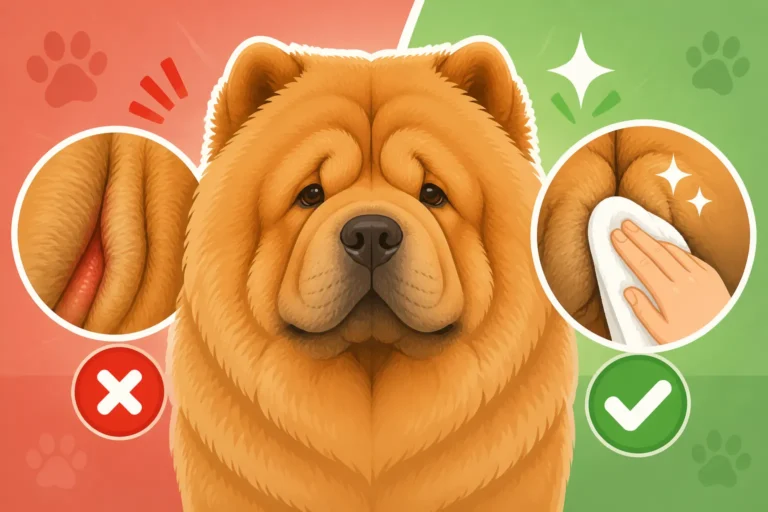
- Face Fold Care: For breeds like Chow Chows with characteristic facial folds, these areas can trap moisture and irritants. Regular, gentle cleaning with a vet-approved wipe or solution can prevent irritation and secondary infections. Why a Chow Chow's Face Folds Need Wiping cannot be stressed enough, especially for allergy sufferers.
Dietary Trials and Specialized Diets
If your vet suspects a food allergy, the elimination diet mentioned earlier is your crucial next step. This isn't a quick fix, and it demands rigorous adherence:
- Strict Novel or Hydrolyzed Protein Diet: For 8-12 weeks, your Chow Chow must eat only the prescribed diet. No treats, no chew toys unless they are single-ingredient and approved by your vet, and absolutely no human food scraps. This allows their system to clear out any existing allergens and for inflammation to subside.
- Monitoring: Keep a detailed journal of your Chow Chow's symptoms, noting any improvements or setbacks.
- Reintroduction (Challenge Phase): If symptoms improve on the elimination diet, your vet will guide you through reintroducing single ingredients (e.g., chicken, then beef, then wheat) one at a time, watching for a return of symptoms. If symptoms reappear, you've likely found a culprit.
This process is challenging, but it’s the most accurate way to diagnose food allergies. Remember, while limited ingredient diets are widely available from retailers like Chewy and Amazon, your vet's guidance on a truly novel or hydrolyzed prescription diet is essential for a proper elimination trial.
Symptomatic Relief and Long-Term Care
While you're working through diagnostics and management strategies, your primary goal is to make your Chow Chow comfortable. Your vet can prescribe medications to relieve their itching and reduce inflammation:
- Antihistamines: Over-the-counter antihistamines (like diphenhydramine or cetirizine) are sometimes recommended, though they are often not strong enough for severe canine allergies. Always check with your vet for proper dosing.
- Steroids: Corticosteroids (oral or topical) are very effective at reducing inflammation and itching, but they come with potential side effects and are usually prescribed for short-term relief or severe flare-ups.
- Targeted Therapies: Newer medications like Apoquel and Cytopoint injections specifically target the itch pathway in dogs and can provide significant relief with fewer side effects than steroids for many dogs.
- Antibiotics/Antifungals: If secondary bacterial or yeast infections have developed due to constant scratching and licking, your vet will prescribe appropriate medications to clear these up, often orally or topically.
Long-term management also often includes supplements like omega-3 fatty acids (fish oil), which can improve skin barrier health and reduce inflammation. Regular grooming, including thorough brushing to prevent matting and allow skin to breathe, and keeping an eye on their overall health through routine check-ups, including What a Chow Chow's Yearly Bloodwork Should Cover, will be key to helping your Chow Chow live a happy, less itchy life.
Finding out what your Chow Chow is allergic to, and then managing those allergies, is a marathon, not a sprint. It requires dedication, patience, and a close working relationship with your veterinarian. But seeing your magnificent Chow Chow finally comfortable and free from incessant itching is a reward worth every effort. By understanding the common culprits and being proactive in their care, you can significantly improve their quality of life.
Disclaimer
This article is for general informational purposes only and does not constitute professional advice. Laws, prices and regulations vary by location and change over time. Consult a qualified professional for guidance on your specific situation.