Whether Renal Dysplasia Runs in Chow Chow Lines
It’s a heartbreaking reality for any Chow Chow owner to learn that the majestic, seemingly robust companion they adore might be carrying a silent, inherited health problem. The thought of a young dog succumbing to an illness that could have been prevented through careful breeding is truly devastating. This comprehensive guide will delve deep into renal dysplasia in Chow Chows, exploring whether this serious kidney condition is indeed hereditary and what it means for responsible ownership and breeding.
Understanding Renal Dysplasia in Chow Chows
The world of dog health can often feel like a minefield, especially when faced with complex medical terms. Renal dysplasia is one such term that can send shivers down a Chow Chow parent's spine. It's a condition that directly impacts the kidneys, vital organs responsible for filtering waste and maintaining the body's delicate fluid balance. When these don't work right, serious problems follow.
What is Renal Dysplasia and How it Affects the Kidneys?
Simply put, renal dysplasia refers to the abnormal development of the kidneys, occurring before birth. Instead of forming into fully functional, mature kidney tissue, parts of the kidneys remain in an immature, disorganized state. Imagine building a house, but some of the walls are made of play-doh instead of bricks – they simply can't do the job of supporting the structure. That's essentially what happens with the kidney tissue in dogs affected by renal dysplasia.
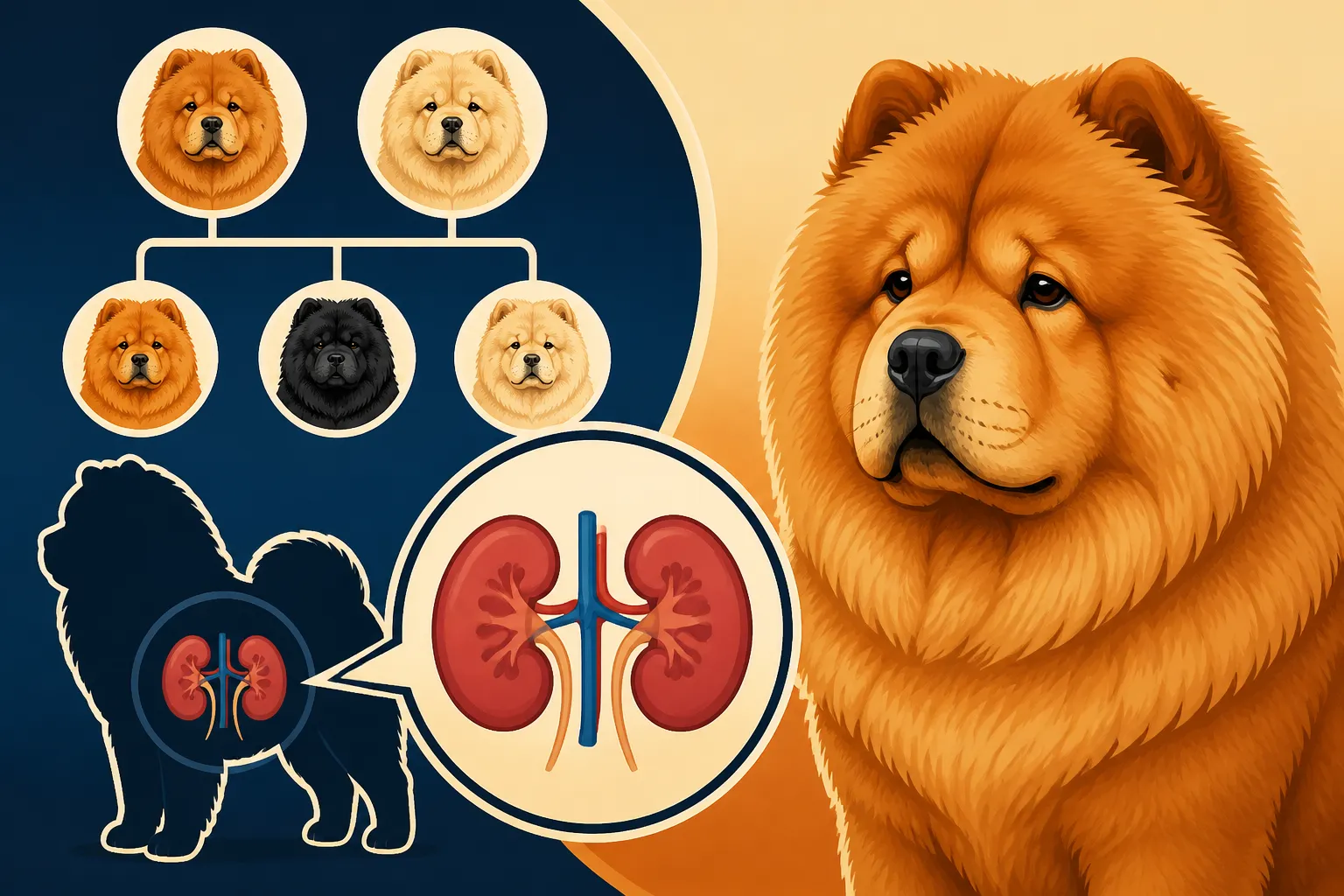
These improperly formed kidneys are unable to carry out their essential tasks. They struggle to filter toxins from the blood, leading to a buildup of waste products in the body. They also can't properly concentrate urine, which means the dog loses excessive amounts of water, leading to dehydration. The condition is progressive, meaning it tends to worsen over time, as the few functional parts of the kidney are overworked and eventually fail. This can lead to chronic kidney disease, which, tragically, often progresses to end-stage renal failure, often at a very young age for Chow Chows afflicted with it. If you're wondering more about this, you can explore in detail What Renal Dysplasia Does to a Chow Chow Puppy.
Recognizing the Early Signs of Kidney Trouble
Identifying renal dysplasia can be incredibly challenging, especially in a breed as stoic and reserved as the Chow Chow. They're not always keen on showing weakness or discomfort, which means symptoms can be quite advanced before they become obvious. However, certain signs, particularly in puppies and young adults, should never be ignored.
One of the most common early indicators is excessive thirst, known as polydipsia, coupled with excessive urination, or polyuria. You might notice your Chow Chow puppy drinking from unusual places, emptying their water bowl rapidly, or having more accidents in the house than expected for a dog that's usually so quick to housetrain. Lethargy, a general lack of energy, and a decrease in appetite are also red flags. While a Chow Chow might naturally be a bit less enthusiastic about food than some breeds, a persistent refusal to eat or a significant loss of interest in meals is concerning. Weight loss, despite appearing to eat normally or even more, can also signal that the kidneys aren't processing nutrients effectively. Vomiting or diarrhea can occur as toxins build up in the system, irritating the gastrointestinal tract. In very young puppies, a failure to thrive—meaning they don't grow as quickly or seem as vigorous as their littermates—can be a heartbreaking early sign. Because Chow Chows are so good at masking discomfort, any of these subtle changes warrant immediate veterinary attention. Keeping a close eye on your Chow Chow, particularly if you notice Signs a Chow Chow Puppy Is Drinking Too Much, is paramount.
The Hereditary Link: Does Renal Dysplasia Run in Chow Chow Lines?
This is the crucial question that often keeps potential and current Chow Chow owners up at night. The answer, unfortunately, is yes; renal dysplasia is indeed considered a hereditary condition in Chow Chows, meaning it can be passed down through family lines. Understanding the genetic underpinnings is vital for breeders and owners alike to try and prevent its occurrence.
The Genetic Basis of Renal Dysplasia
In many breeds, including the Chow Chow, renal dysplasia is believed to be inherited, often following an autosomal recessive pattern. This means that a dog needs to inherit two copies of the faulty gene (one from each parent) to actually develop the disease. Dogs that inherit only one copy of the gene are carriers; they don't show any symptoms themselves but can pass the gene on to their offspring. This silent carrier status is what makes managing and eradicating genetic diseases so incredibly difficult. A seemingly healthy parent can unknowingly contribute to affected puppies.
While the exact genes responsible are still under active research in Chow Chows, the strong familial clustering of cases points unequivocally to a genetic component. This isn't just a random occurrence; it's a predisposition woven into certain family lines. This hereditary aspect underscores the importance of careful pedigree analysis and health testing in breeding programs. Without this understanding, breeders risk perpetuating a devastating condition, adding to the heartache for future puppy owners.
Identifying Affected Lines and Responsible Breeding
Given the hereditary nature of renal dysplasia, identifying and avoiding affected breeding lines becomes paramount. This is easier said than done, as there isn't currently a specific DNA test widely available for renal dysplasia in Chow Chows to definitively identify carriers. This absence of a clear genetic marker means that breeders must rely heavily on diligent pedigree research and transparency.
A responsible breeder will be intimately familiar with the health history of their breeding stock, going back several generations. They should be able to openly discuss any instances of kidney disease in the lineage of both the sire and dam. The challenge lies in the fact that carrier dogs appear perfectly healthy and can pass the gene without anyone knowing until affected puppies surface. This is why it's not enough to just know the parents are healthy; knowledge of grandparents, great-grandparents, and their siblings is also critical. If the condition has appeared in a line, even if it skips a generation, that line carries the risk. This often leads to difficult decisions for breeders, as it may mean retiring otherwise excellent dogs from breeding programs to prevent further spread of the disease. The goal is always to improve the health of the breed, and this often involves hard choices.
Managing the Risk and Supporting Affected Chows
For anyone invested in the well-being of Chow Chows, managing the risk of renal dysplasia and providing the best possible care for affected dogs is a critical responsibility. It encompasses everything from the choices made by breeders to the daily care provided by owners.
Health Screening and Breeder Responsibilities
When considering bringing a Chow Chow into your home, especially a puppy, due diligence is non-negotiable. Always ask prospective breeders specific questions about the health history of their dogs, particularly regarding kidney disease. A reputable breeder should be transparent and willing to discuss any known cases in their lines. As mentioned, there isn't a widely available DNA test for renal dysplasia in Chow Chows, making the conversation about family history even more vital.
Instead, screening often involves looking at general kidney health indicators. For breeding dogs, this might include regular blood work to check kidney values (BUN, creatinine, phosphorus) and urinalysis to assess kidney function. While these tests won't diagnose renal dysplasia directly in an apparently healthy adult, they can flag underlying issues or indicate potential problems in lines with a history of the disease. For puppies, a vet might recommend When a Chow Chow Puppy Needs Kidney Bloodwork if symptoms appear or if there's a strong family history. The key is vigilance and an understanding that even with the best intentions, some genetic conditions are insidious. Reputable breeders should also be familiar with Which Health Tests a Chow Chow Breeder Should Run and be ready to share those results. While organizations like the Orthopedic Foundation for Animals (OFA) provide certifications for conditions like hip and elbow dysplasia, a similar centralized database for renal dysplasia is not as standardized for Chows, making individual breeder transparency even more important.
Living with a Chow Chow Diagnosed with Renal Dysplasia
Receiving a diagnosis of renal dysplasia for your beloved Chow Chow can be devastating, but it's important to remember that a diagnosis doesn't mean immediate despair. While there's no cure for the abnormal kidney development, supportive care can significantly improve your dog's quality of life and potentially extend it. The focus shifts to managing the symptoms and slowing the progression of kidney damage.
This often involves a specialized diet, typically low in protein and phosphorus, which reduces the workload on the kidneys. Your veterinarian might also recommend specific medications to control symptoms like nausea, manage blood pressure (which can often be elevated in kidney disease), or stimulate appetite. Fluid therapy, such as subcutaneous fluids given at home, can help prevent dehydration and flush toxins, providing immense relief. It's a journey that requires commitment, patience, and close collaboration with your vet.
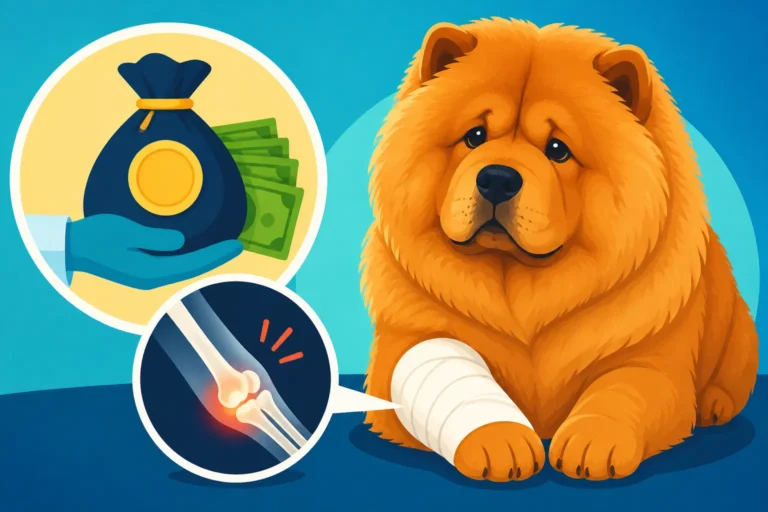
The financial burden of managing a chronic condition like renal dysplasia can quickly become significant, encompassing vet visits, specialized foods, and ongoing medications. This is where pet insurance, like a policy from Healthy Paws, can become an absolute lifeline. Many pet parents find peace of mind with a robust pet insurance plan. Companies like Healthy Paws often cover a percentage of diagnostic tests, treatments, and even prescription diets for chronic conditions, especially if the condition wasn't pre-existing before coverage began. This can ease the stress of making critical medical decisions based on cost. For more details on budgeting for such expenses, consider researching What an Aging Chow Chow's Bills Look Like. Ultimately, the goal is to ensure your Chow Chow maintains the best possible quality of life for as long as possible, prioritizing their comfort and happiness.
The Impact on the Chow Chow Community
Renal dysplasia's presence in the Chow Chow breed extends beyond individual dogs and owners, casting a long shadow over the entire community. It necessitates introspection, ethical decision-making, and a collective commitment to the breed's future health.
Ethical Considerations for Breeders and Owners
The hereditary nature of renal dysplasia places a significant ethical responsibility on breeders. It's crucial for them to not only be aware of the condition but to actively work towards reducing its incidence. This means refraining from breeding dogs known to be affected or to have produced affected offspring, even if those dogs possess other desirable traits. The long-term health of the breed must take precedence over short-term gains or individual preferences. Transparency is key; a breeder should never try to hide a known genetic condition in their lines, as this only perpetuates the problem.
For owners, discovering that their Chow Chow has a hereditary condition like renal dysplasia can be incredibly distressing. The emotional toll of watching a beloved pet suffer, especially at a young age, is immense. It can also lead to feelings of anger or betrayal if they feel the breeder was not forthcoming or responsible. This highlights the importance of asking detailed questions and choosing a breeder who prioritizes health and openly discusses potential issues. It's a reminder that while the lifespan of a Chow Chow averages The Eight to Twelve Years a Chow Chow Gets, genetic conditions can tragically shorten this. Supporting rescue organizations that often take in dogs with various health issues also becomes an ethical consideration, offering these Chows a chance at a loving home.
Advocating for Future Generations
The fight against genetic diseases like renal dysplasia is an ongoing one, requiring a concerted effort from everyone involved with the Chow Chow breed. Breed clubs play a vital role in this, by promoting health testing, funding research into genetic markers, and educating members on responsible breeding practices. When new information or screening methods become available, these organizations are often at the forefront of disseminating that knowledge.
Owners also have a part to play by reporting cases to their breeders and, with their vet's help, contributing to veterinary research databases. This collective data helps researchers understand the prevalence, inheritance patterns, and ultimately, find solutions. While the journey can be challenging, there is always hope for advancements in genetic testing and treatments that can improve the health and Whether a Chow Chow Is a Healthy Breed in the future. By advocating for rigorous health standards and supporting ethical breeding, we can work towards a future where fewer Chow Chows and their families face the heartbreak of renal dysplasia.
| Symptom Category | Potential Sign of Renal Dysplasia | Typical (Normal) Chow Chow Puppy Behavior |
|---|---|---|
| Thirst/Urination | Excessive, constant thirst; frequent, large volume urination; accidents indoors after being housetrained; drinking from unusual sources. | Drinks regularly, urinates after waking/playing/eating, gradually masters housetraining. |
| Energy Levels | Persistent lethargy, reluctance to play or engage, unusual stillness, sleeps much more than typical for age. | Has bursts of playfulness followed by long naps, shows curiosity and engagement. |
| Appetite/Weight | Decreased appetite, picky eating, significant weight loss despite eating, failure to gain weight or grow at a normal rate compared to littermates. | Shows healthy appetite, eager for meals, steady weight gain and growth appropriate for age. |
| Digestive Issues | Recurrent vomiting, chronic diarrhea, poor coat quality, bad breath (uremic breath). | Occasional upset stomach (e.g., from new food), firm stools, healthy, dense coat. |
| Overall Demeanor | Unusually withdrawn, quiet, less responsive to interaction; signs of discomfort like hunching. | Alert, curious, independent but attentive to family, might be a bit aloof but not withdrawn due to illness. |
Disclaimer
The information provided in this article is for educational and informational purposes only and does not constitute veterinary advice. Always consult with a qualified veterinarian for any health concerns or before making any decisions about your Chow Chow's health or treatment plan.