The Eight to Twelve Years a Chow Chow Gets
It's heartbreaking to hear about the potential for a beloved family member to have a shorter life, and for many Chow Chow owners, the concern about their relatively shorter lifespan compared to some other breeds is a very real source of anxiety. This comprehensive guide aims to shed light on the typical longevity of a Chow Chow, explore the factors that influence their health and lifespan, and equip you with the knowledge to give your furry companion the best possible chance at a long, fulfilling life, celebrating every one of those precious eight to twelve years.
Understanding the Typical Chow Chow Lifespan
When you bring a Chow Chow into your life, you're signing up for a commitment, and naturally, you want to know how long you can expect that bond to last. It’s a common question, and one that often comes with a bit of a grim feeling because, let's be honest, Chows aren't known for living as long as some of the smaller breeds out there. However, understanding the typical range and what truly influences it can bring a lot of clarity and peace of mind.
The "Average" Versus the Reality
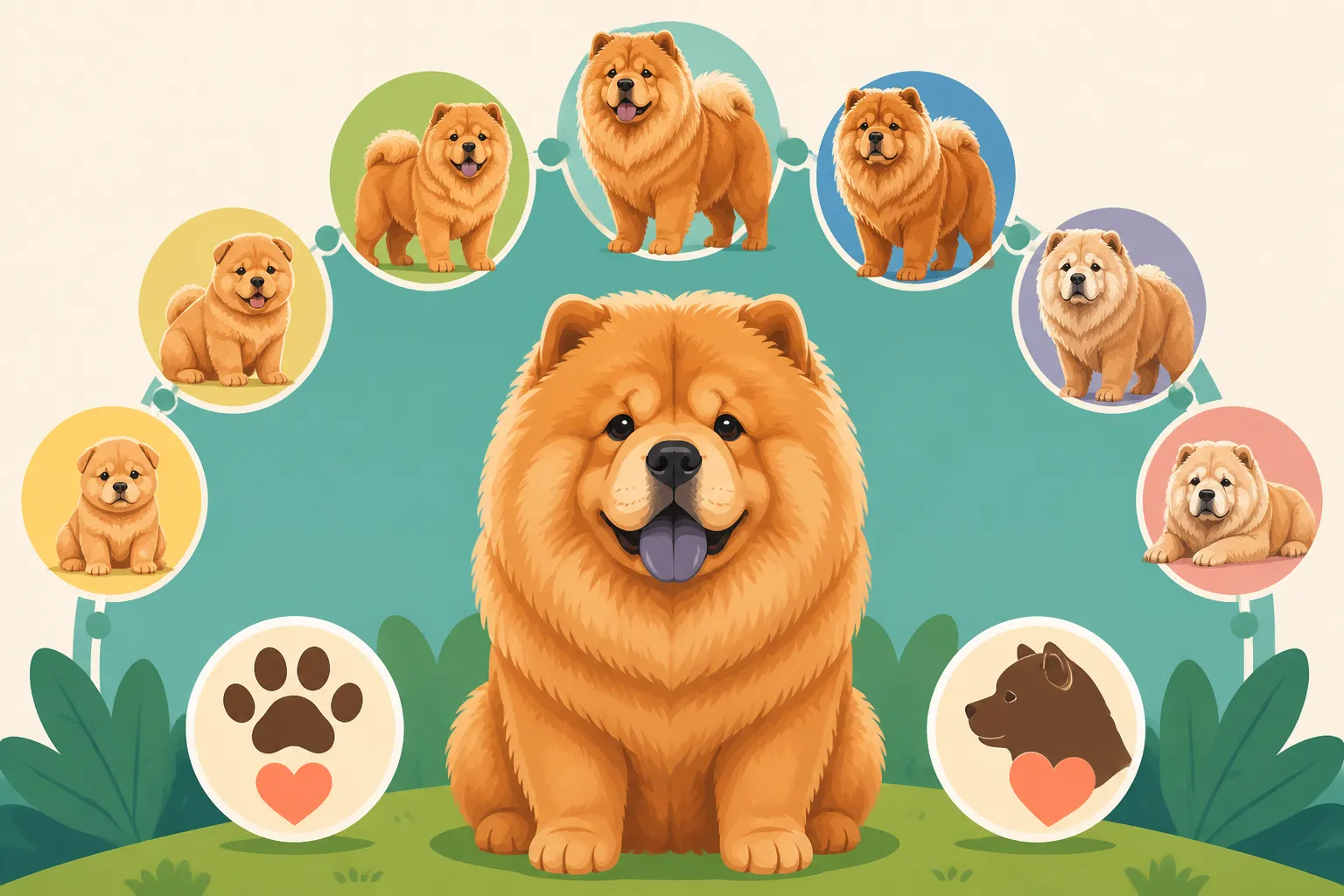
The widely accepted average lifespan for a Chow Chow is typically quoted as 8 to 12 years. Now, that's a pretty broad range, isn't it? It means some Chows might only make it to eight, which feels far too soon for many of us, while others can happily trot into their early teens, sometimes even pushing past 13 or 14 years with excellent care and a bit of luck. It's easy to get caught up in the lower end of that spectrum, fearing the worst, but it's crucial to remember that averages are just that – averages. They account for dogs with excellent genetics and care, as well as those who might have faced more health challenges or less ideal circumstances. The reality for your individual Chow Chow will depend on a myriad of factors, and focusing on what you can control is far more empowering than dwelling on statistics.
Think of it like human lifespan; while there's an average, individual lives vary wildly due to lifestyle, genetics, and access to healthcare. The same applies to our Chows. While 8 to 12 years might feel short, many devoted owners are successfully extending that upper limit through diligent care and modern veterinary advancements. So, while it’s not an inherently long-lived breed, it’s not a death sentence either; it’s a call to action to be proactive in their health.
Factors Influencing Longevity
Several key elements play a critical role in how long your Chow Chow will be by your side. Genetics, of course, are a huge piece of the puzzle, essentially laying the foundation for their potential health. A Chow Chow from a reputable breeder who screens their dogs for common hereditary conditions starts with a significant advantage. Beyond genetics, however, environmental factors and daily care contribute immensely. A balanced, high-quality diet that meets their nutritional needs without overfeeding helps maintain a healthy weight, which is paramount for joint health and overall well-being. Regular, appropriate exercise, even though Chows aren't endurance athletes, keeps their muscles strong and helps prevent obesity. Crucially, consistent veterinary care, from puppy vaccinations to annual check-ups and prompt attention to any health concerns, can detect and manage issues early, often extending their healthy years significantly.
Even things like dental hygiene, often overlooked, can impact systemic health and longevity. Chronic infections from poor dental health can strain organs like the heart and kidneys. Furthermore, a stable, loving home environment with minimal stress and plenty of mental stimulation contributes to a dog's overall happiness and resilience, which, while harder to quantify, certainly plays a part in a longer, more vibrant life. For instance, a dog that feels secure and loved is often more resilient to minor health setbacks.
Common Health Challenges in Chow Chows During Their Prime (Up to 8 Years)
Even in their prime, Chow Chows are unfortunately predisposed to several health conditions that can significantly impact their quality of life and potentially shorten their lifespan if not managed properly. Being aware of these common issues allows you to be vigilant and seek veterinary attention at the first sign of trouble, giving your Chow Chow the best possible outcome. It’s a part of owning this beautiful breed that no one really enjoys, but it’s crucial to face head-on.
Eye Conditions
Chow Chows are renowned for their distinctive, deep-set eyes, but this very trait, combined with their facial structure, makes them particularly susceptible to certain eye conditions. The most common and widely known is entropion, where the eyelid rolls inward, causing the eyelashes and fur to rub painfully against the cornea. Imagine having a constant irritant in your eye – it’s incredibly uncomfortable and, if left untreated, can lead to chronic pain, corneal ulcers, and even vision loss. Early detection, often observable when Signs a Chow Chow Has Entropion begin to appear in puppyhood, and surgical correction are usually necessary.
Beyond entropion, another serious eye condition that can strike Chows is glaucoma. This condition involves increased pressure within the eye, which, if not relieved quickly, can lead to irreversible damage to the optic nerve and rapid blindness. Glaucoma Can Blind a Chow Chow in Days, underscoring the urgency of veterinary intervention. Because of their unique eye structure, Chows are predisposed to a type of glaucoma called primary closed-angle glaucoma. Regular eye exams, especially as they get older, are vital for catching these issues early.
Orthopedic Concerns
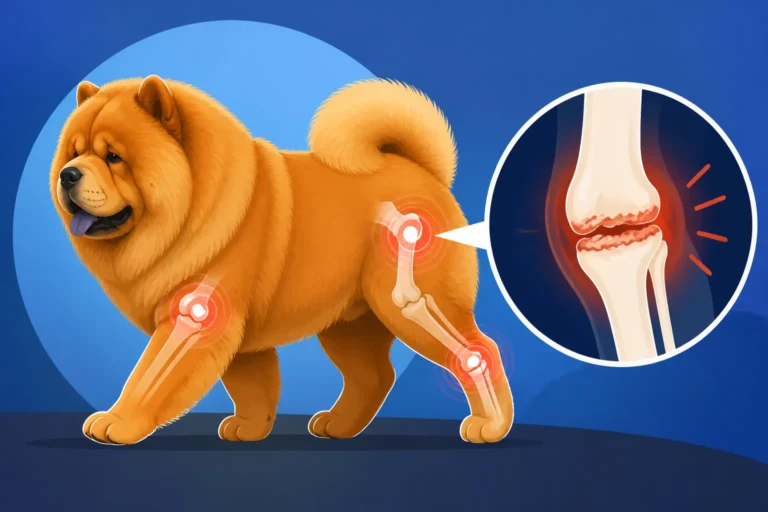
Just like many larger, heavier breeds, Chow Chows are prone to orthopedic problems, particularly those affecting their hips and elbows. Hip dysplasia and elbow dysplasia are unfortunately quite common. These are genetic conditions where the joints don't form correctly, leading to arthritis, pain, and lameness. Elbow Dysplasia Ranks the Chow Chow Near the Top for this particular issue, highlighting how prevalent it can be. Symptoms often include stiffness, reluctance to exercise, and a noticeable change in their gait, which is already distinctive due to their relatively straight rear legs.
While genetics play a significant role, environmental factors during growth, such as excessive exercise or rapid weight gain in puppies, can exacerbate these conditions. Responsible breeders will screen their breeding stock using certifications from organizations like the Orthopedic Foundation for Animals (OFA) to minimize the risk, but it's never a guarantee. Managing these conditions often involves pain medication, anti-inflammatory drugs, weight control, and in some severe cases, surgery. Understanding What Elbow Dysplasia Does to a Chow Chow can prepare you for the potential challenges and the importance of early diagnosis and management.
Autoimmune Diseases
Chow Chows also have a genetic predisposition to various autoimmune diseases, where their immune system mistakenly attacks its own healthy cells. One of the more common manifestations is autoimmune thyroiditis, leading to hypothyroidism. This condition can cause a range of symptoms, including weight gain, lethargy, hair loss, a dull coat, and even skin infections. Catching Signs a Chow Chow's Thyroid Is Low through regular blood tests is crucial, as it’s often manageable with daily medication.
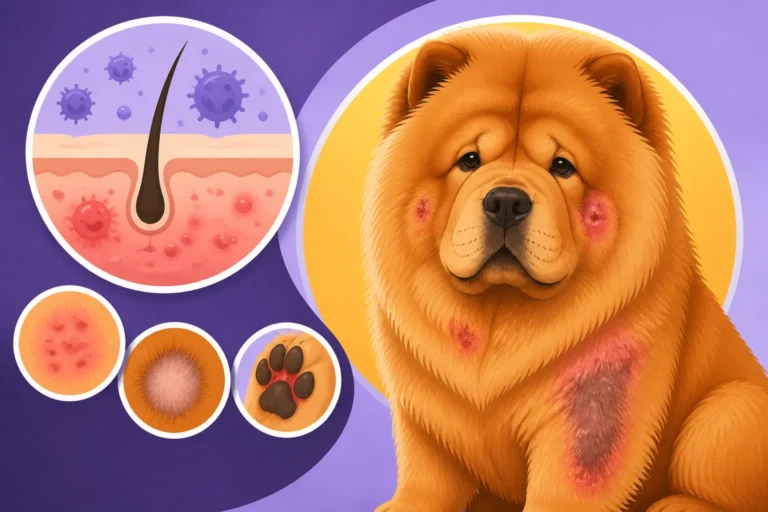
Another autoimmune condition seen in Chow Chows is pemphigus foliaceus, a skin disease that causes crusting, scaling, and pustules, often starting on the face, ears, and paw pads. What Pemphigus Foliaceus Does to a Chow Chow can be quite distressing for both the dog and owner, as it often requires lifelong management with immunosuppressive drugs. It’s important to distinguish these autoimmune issues from typical allergies, which Chow Chows can also be prone to, as the treatments differ significantly. Always consult your veterinarian for proper diagnosis and treatment protocols.
Heat-Related Illnesses
With their incredibly dense double coat, Chow Chows are not built for hot climates or strenuous activity in warm weather. They are highly susceptible to overheating and heatstroke, which can be fatal if not addressed immediately. Why a Chow Chow Overheats So Easily comes down to their thick insulation, combined with their somewhat short muzzle (brachycephalic tendency, though less pronounced than true brachycephalic breeds) which makes panting, their primary cooling mechanism, less efficient.
Even on moderately warm days, a brisk walk can quickly become dangerous. Signs a Chow Chow Is in Heat Stroke include excessive panting, drooling, weakness, stumbling, bright red gums, vomiting, and collapse. Preventing heatstroke is paramount: avoiding walks during the hottest parts of the day, providing plenty of fresh water, ensuring access to shade or air conditioning, and never, ever leaving them in a car, even for a few minutes. Understanding these risks and taking proactive measures is not just about comfort; it's about survival for your Chow Chow.
Navigating the Senior Years (8-12 Years and Beyond)
As your Chow Chow enters their golden years, typically around the age of eight, their needs and challenges will naturally shift. This period, from eight to twelve years and potentially beyond, is a precious time, but it also demands a more attentive and tailored approach to their care. It’s when you really see Caring for a Chow Chow Past Eight take on a new meaning, moving from general wellness to managing age-related changes.
Age-Related Changes
Just like humans, senior Chow Chows experience a variety of physical and behavioral changes. Physically, you might notice their once vibrant coat starting to thin or grey around the muzzle and eyes. They may become stiffer, slower on their walks, and less eager to jump or play as they once did. Their senses, too, can diminish; hearing loss and cloudy eyes, sometimes indicative of cataracts, are common. It's not uncommon for an aging Chow Chow to become a bit more aloof or even irritable if they are in pain or if their senses are failing, making them more easily startled.
Behaviorally, some Chows might experience cognitive dysfunction, similar to dementia in humans. This can manifest as disorientation, altered sleep-wake cycles (waking up more at night), decreased interaction, or even house-soiling accidents in a previously perfectly trained dog. It’s a challenging time for both the dog and the owner, as these changes can be gradual and sometimes difficult to attribute solely to age without veterinary consultation. The key is to recognize these changes as potential signs of aging and not simply bad behavior, prompting a visit to your vet to rule out treatable conditions.
Senior Health Issues
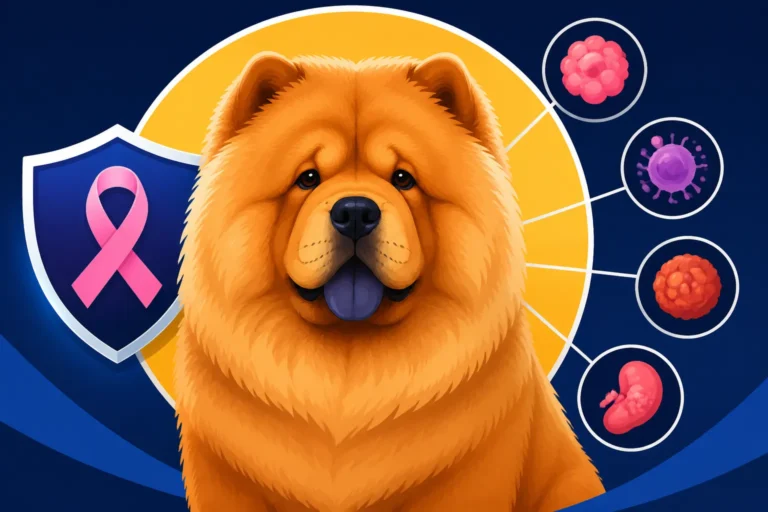
Beyond the general signs of aging, senior Chow Chows are more prone to specific health issues that require careful management. Arthritis, often a progression of earlier orthopedic problems like hip or elbow dysplasia, becomes a much more prominent concern. The stiffness and pain can significantly impact their mobility and comfort. Other organ systems can also begin to decline; kidney disease, heart conditions, and certain cancers become more prevalent. Regular blood work and urinalysis become even more critical during this stage to catch any internal issues early.
Dental disease, if not addressed throughout their life, can also become severe in old age, leading to pain, difficulty eating, and systemic infections. Monitoring their eating and drinking habits is important; a sudden increase in thirst can be a sign of kidney disease or diabetes. Vision and hearing impairments can also lead to secondary problems, such as increased anxiety or difficulty navigating familiar spaces. This is where the wisdom of a trusted veterinarian, combined with your keen observation skills, truly becomes invaluable.
Proactive Senior Care
Proactive care is the cornerstone of ensuring a good quality of life for your aging Chow Chow. This means more frequent veterinary check-ups, often every six months instead of annually, to monitor for age-related conditions. Dietary adjustments are frequently necessary; senior formulas are often lower in calories to prevent weight gain (as activity decreases) and may contain joint-supporting supplements like glucosamine and chondroitin. Maintaining a healthy weight is paramount for alleviating stress on aging joints.
Exercise should be gentle but consistent. Shorter, more frequent walks can replace longer, strenuous ones. Mental stimulation, through puzzle toys or gentle training sessions, can help keep their minds sharp and engaged. Making your home senior-friendly by adding non-slip mats on slick floors, providing easily accessible orthopedic beds, and possibly ramps for stairs or car access can greatly improve their comfort and mobility. Don't underestimate the power of comfort and routine during these years; consistency can be very reassuring to an aging dog.
The Role of Preventative Care and Early Detection
When we talk about How Long a Chow Chow Lives on Average, preventative care and early detection are arguably the most impactful factors within an owner's control. It's not just about reacting to problems when they arise; it's about actively working to prevent them and catching any nascent issues before they become severe. This proactive approach is a true testament to responsible pet ownership, especially with a breed like the Chow Chow that has known predispositions.
Regular Veterinary Check-ups
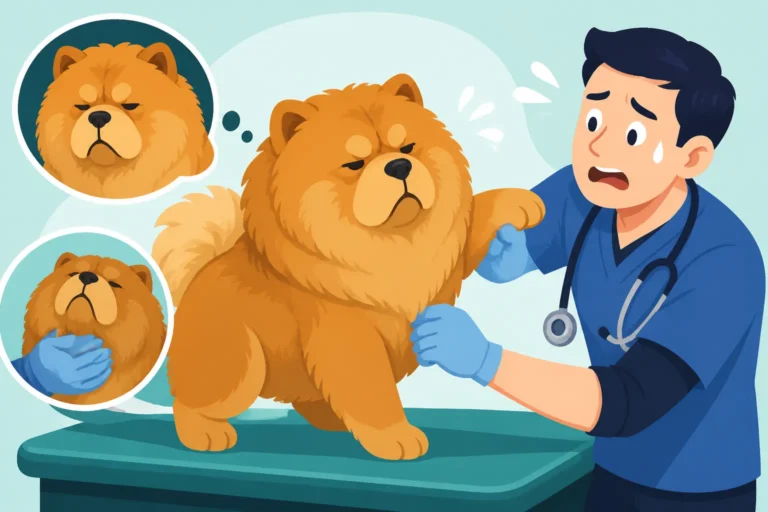
The importance of routine veterinary check-ups cannot be overstated. For a young, healthy Chow Chow, an annual exam is usually sufficient. However, as they approach their senior years (around 7-8 years old), biannual visits are often recommended. These appointments are more than just shots; they involve a thorough physical examination, dental checks, weight assessment, and a discussion about any changes in behavior or habits you might have observed. Your vet might recommend regular blood work, urinalysis, and potentially even special screenings like eye pressure checks for glaucoma.
These regular visits are your best line of defense. They allow your veterinarian to establish a baseline for your Chow Chow's health, making it easier to spot subtle changes that could indicate a brewing problem. For example, a slight increase in liver enzymes on a blood test might not be alarming in isolation, but coupled with other findings, it could prompt further investigation. Investing in pet insurance, such as from Healthy Paws, early in your Chow's life can also make these crucial preventative and diagnostic tests more accessible, easing the financial burden of extensive care if a serious condition arises. It ensures you can make health decisions based on medical need, not just your budget.
Nutrition and Weight Management
What you feed your Chow Chow and how much directly impacts their overall health and longevity. A high-quality, balanced diet appropriate for their life stage (puppy, adult, senior) is essential. For Chow Chow puppies, controlled growth is key to preventing orthopedic issues; large breed puppy formulas are often recommended to ensure they don't grow too quickly. As adults, maintaining a healthy weight is critical. An overweight Chow Chow puts immense strain on their joints, exacerbates conditions like arthritis and dysplasia, and increases their risk for diabetes and heart disease.
Because of their dense coats, it can sometimes be challenging to tell if a Chow Chow is overweight just by looking at them. You should be able to feel their ribs easily without pressing hard, and they should have a discernible waist when viewed from above. If you're struggling to keep their weight in check, consult your veterinarian for dietary recommendations and portion control advice. They can help you calculate the right caloric intake based on your Chow's age, activity level, and body condition.
Exercise and Mental Stimulation
While Chow Chows are not known for being high-energy dogs, regular, appropriate exercise is still vital for their physical and mental well-being. Daily walks, tailored to their age and physical condition, help maintain muscle tone, joint flexibility, and a healthy weight. Remember their sensitivity to heat; always plan walks during cooler parts of the day and keep them short during warmer months. How Much Exercise a Chow Chow Actually Needs might be less than you think, but it needs to be consistent.
Mental stimulation is just as important. Chow Chows are intelligent and can become bored if not given outlets for their minds. Puzzle toys, interactive games, and short training sessions can keep them engaged and prevent destructive behaviors that often stem from boredom. Even simple activities like exploring new scents on a walk or learning a new trick can provide valuable mental enrichment. A mentally stimulated Chow Chow is generally a happier, more resilient dog, which contributes to a higher quality of life.
Genetic Predispositions and Responsible Breeding
Understanding the genetic lottery your Chow Chow has won, or perhaps, hasn't, is a significant part of appreciating The Eight to Twelve Years a Chow Chow Gets. Many of the health issues commonly seen in the breed have a strong hereditary component. This isn't to say every Chow Chow from excellent lines will be perfectly healthy, nor that every Chow from questionable origins will be riddled with problems, but the odds are certainly stacked one way or the other. This makes choosing a responsible breeder absolutely critical.
Health Testing for Parents
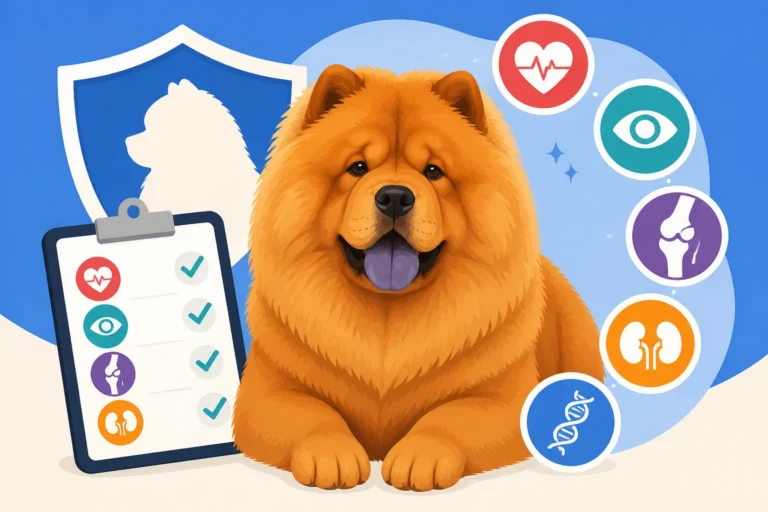
A hallmark of a truly responsible Chow Chow breeder is their commitment to extensive health testing their breeding stock. This isn't just a casual vet check; it involves specific, often expensive, screenings for conditions known to plague the breed. For instance, hip and elbow evaluations through organizations like the Orthopedic Foundation for Animals (OFA) are standard. These tests provide a scientific assessment of joint health and help ensure that parents are not passing on debilitating forms of dysplasia to their puppies. Similarly, eye examinations by a board-certified veterinary ophthalmologist, often certified by the Canine Eye Registry Foundation (CERF), are crucial to screen for hereditary eye conditions like entropion and glaucoma.
Thyroid panels are also important, given the breed's predisposition to autoimmune thyroiditis. Some breeders might also screen for patellar luxation or even certain cardiac conditions, although these are less commonly mandatory than hips, elbows, and eyes. Which Health Tests a Chow Chow Breeder Should Run is a critical question to ask any potential breeder. They should be transparent about these results and willing to show you the certifications for both the dam and sire. Don't settle for "the vet said they're healthy;" demand proof of specific, official health clearances.
Choosing a Reputable Breeder
Finding a reputable Chow Chow breeder is perhaps the single most important step you can take to positively influence your puppy's potential lifespan and health. A good breeder prioritizes the health and temperament of their dogs above all else. They will breed only healthy, temperamentally sound adults that meet the breed standard, and they will be transparent about their breeding practices, health testing results, and the health history of their lines.
Look for a breeder who is an active member of the Chow Chow Club of America or local breed clubs. They will likely have waiting lists for puppies, demonstrate a deep knowledge of the breed, and be eager to educate prospective owners. They will ask you as many questions as you ask them, ensuring their puppies go to loving, appropriate homes. A reputable breeder will also provide a written health guarantee, often covering hereditary conditions like entropion or hip dysplasia for a certain period. Be wary of breeders who have multiple litters available, don't health test, or are unwilling to let you visit their premises and meet the puppy's parents. Remember, a cheap puppy often comes with exponentially higher vet bills down the line.
Providing Comfort and Quality of Life in the Later Years
As your Chow Chow enters their senior years, ensuring their comfort and maintaining their quality of life becomes the paramount goal. This isn't just about managing illnesses; it's about making their daily existence as joyful and pain-free as possible. It's about recognizing that What Changes in a Chow Chow After Eight extends beyond physical ailments to their entire experience of the world around them.
Environmental Adjustments
Making your home senior-friendly can significantly enhance your aging Chow Chow's comfort and safety. If they're struggling with mobility due to arthritis or other joint issues, consider adding non-slip rugs or runners on slick floor surfaces like hardwood or tile. This can prevent painful slips and falls, which can be devastating for an already compromised dog. Providing orthopedic beds with good support can alleviate pressure on aching joints and promote better sleep.
Ramps can be invaluable for helping them access elevated surfaces they once managed easily, such as getting onto the couch, into the car, or navigating a few steps. It minimizes strain and helps preserve their remaining mobility. Ensure their food and water bowls are easily accessible, perhaps elevated if bending down becomes uncomfortable. Soft lighting and consistent layouts can also help dogs with declining vision or cognitive function navigate their environment more easily, reducing anxiety and disorientation. Small changes can make a huge difference in their daily comfort and independence.
Pain Management and Supportive Therapies
Managing pain is often a critical component of senior Chow Chow care. If your vet diagnoses arthritis or other chronic pain conditions, they may recommend various treatments. Non-steroidal anti-inflammatory drugs (NSAIDs) are commonly prescribed to reduce inflammation and pain, but careful monitoring of liver and kidney function is necessary with long-term use. Other medications, like gabapentin or amantadine, might be added for neuropathic pain or to enhance the effects of NSAIDs.
Beyond pharmaceuticals, supportive therapies can be incredibly beneficial. Joint supplements containing glucosamine, chondroitin, and MSM can help support cartilage health. Omega-3 fatty acids, often found in fish oil, have anti-inflammatory properties that can aid joint comfort and overall health. Physical therapy, including gentle massage, range-of-motion exercises, and even hydrotherapy (under professional guidance), can improve mobility, strengthen muscles, and reduce pain. Acupuncture and chiropractic care are also options that some owners explore, often with positive results, for managing chronic pain. The goal is to create a multi-modal pain management plan tailored to your Chow Chow's specific needs.
Emotional Well-being
An aging Chow Chow’s emotional well-being is just as important as their physical health. While they might slow down, their need for companionship and routine remains. Maintain a consistent daily schedule for feeding, walks, and bedtime; this predictability can be very reassuring, especially for dogs experiencing cognitive decline. Continue to engage with them through gentle petting, soft vocalizations, and short, positive interactions. Even if they seem less interactive, your presence and gentle touch are still profoundly comforting.
Be patient with any changes in behavior, such as accidents in the house or increased irritability. Understand that these are often symptoms of aging, not defiance. Providing a quiet, secure space where they can retreat if they feel overwhelmed or tired is important. Their world might be shrinking due to sensory loss or pain, so maintaining their routine and showering them with understanding and affection is crucial for keeping their spirits up. Celebrating every good day and focusing on their comfort and happiness makes all the difference during these precious twilight years.
When to Say Goodbye: Making Difficult Decisions
One of the hardest parts of owning any pet, but particularly a Chow Chow you've poured your heart into for perhaps eight to twelve years, is knowing when it's time to say goodbye. This decision is emotionally agonizing and often fraught with guilt and self-doubt. There's no single right answer, and it's a deeply personal journey, but understanding how to recognize declining quality of life can help guide you when faced with this unbearable choice.
Recognizing Declining Quality of Life
The most crucial factor in making this decision is assessing your Chow Chow's quality of life. This isn't about one bad day, but a consistent trend of more bad days than good. Ask yourself: Is your Chow Chow still enjoying things they once loved, like short walks, eating, or interacting with the family? Are they experiencing chronic pain that can no longer be adequately managed with medication? Are they able to perform basic functions like eating, drinking, eliminating, and moving around without significant distress or assistance?
Tools like the HHHHHMM scale (Hurt, Hunger, Hydration, Hygiene, Happiness, Mobility, More Good Days Than Bad) can provide a structured way to evaluate their well-being. Look for signs of severe pain, persistent nausea or vomiting, inability to stand or walk, extreme lethargy, or a complete loss of interest in food, water, or their surroundings. Sometimes, their breath becomes labored, or they simply seem to be "giving up." It's a cumulative assessment, and often, your Chow Chow will show you when they're truly ready. Trust your gut instinct, as you know your dog better than anyone.
Support Systems
Making this decision alone is incredibly difficult, and you don't have to. Your veterinarian is your most valuable resource during this time. They can provide an objective assessment of your Chow Chow's condition, discuss prognosis, and help you understand the extent of their pain or discomfort. They can also offer options for humane euthanasia, including in-home services that allow your Chow to pass peacefully in their familiar surroundings, surrounded by loved ones. Many vets are skilled in guiding owners through this process, providing both medical and emotional support.
Lean on your family and friends for emotional support. Talking about your feelings, sharing memories, and grieving openly can be a vital part of the process. There are also numerous pet loss support groups and hotlines available, offering a safe space to connect with others who understand your pain. Remember, the pain of grief is a testament to the depth of love you shared. Choosing to end their suffering is the ultimate act of kindness and love, even though it feels like the hardest thing you'll ever have to do. It’s a final act of devotion, ensuring their dignity and peace.
| Age Range | Common Health Concerns | Preventative Measures | Care Considerations |
|---|---|---|---|
| 0-2 Years | Entropion, Elbow Dysplasia, Hip Dysplasia, Heatstroke | Health-tested parents, controlled growth diet, early socialization, avoiding heat, regular vet checks. | Surgical correction for entropion/dysplasia, puppy classes, careful exercise, cooling strategies. |
| 2-7 Years | Glaucoma, Autoimmune Thyroiditis, Skin issues, Dental disease | Annual vet checks, dental care, appropriate exercise, balanced diet, monitor for subtle changes. | Manage weight, eye pressure checks, specific diets for thyroid, grooming for skin issues. |
| 8-12+ Years | Arthritis, Kidney disease, Heart conditions, Cancer, Cognitive decline | Biannual vet checks (bloodwork/urinalysis), senior diet, joint supplements, mental enrichment. | Pain management, home modifications, orthopedic beds, gentle exercise, emotional support. |
Disclaimer
The information provided in this article is for general informational purposes only and does not constitute veterinary advice. Always consult with a qualified veterinarian for any health concerns or before making any decisions related to your Chow Chow's health and treatment.