Whether the Chow Chow Is a Healthy Breed
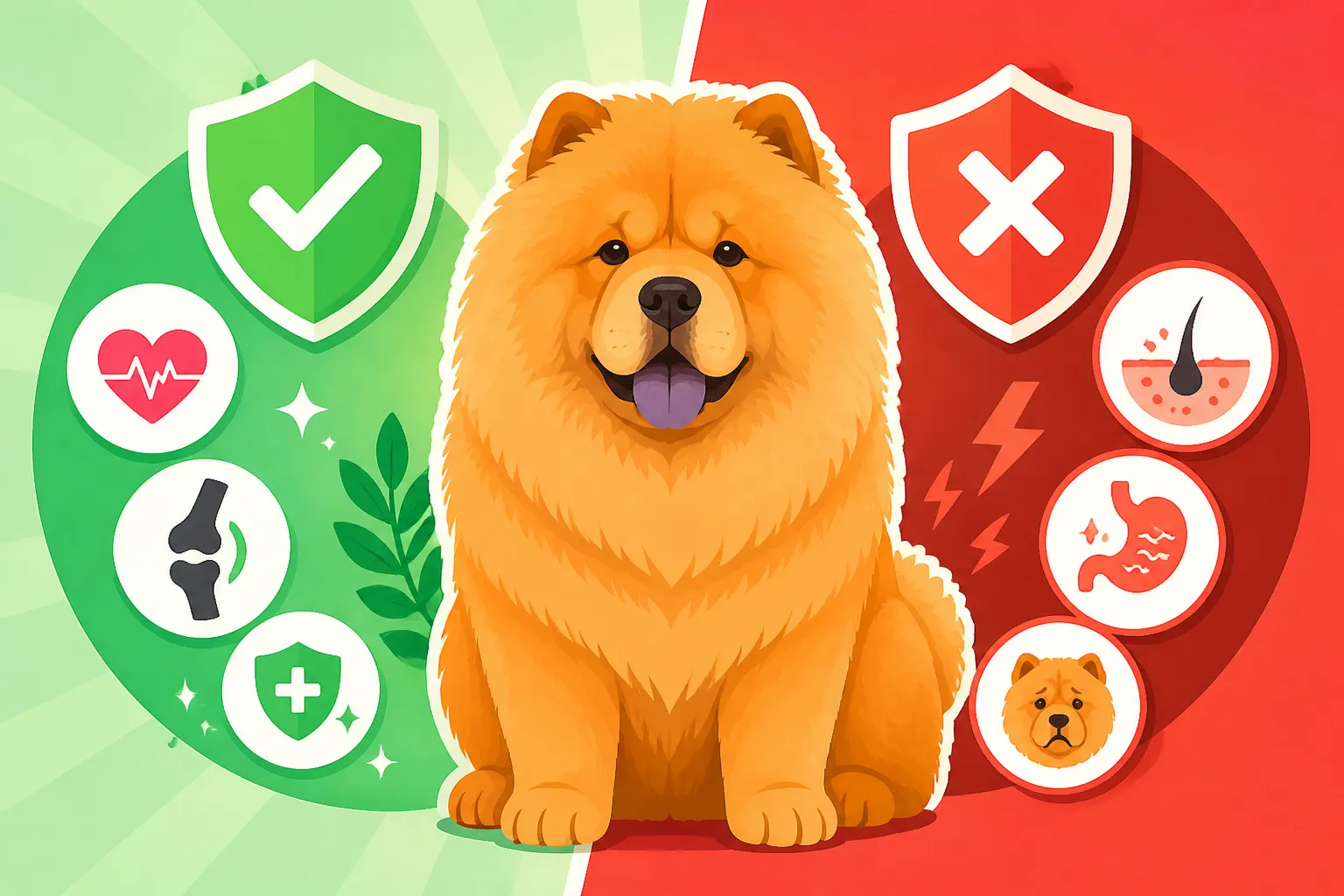
It’s a natural question to ask, isn’t it, when you’re considering bringing a regal, fluffy Chow Chow into your life: "Is this a healthy breed?" You want to give your companion the best life possible, and understanding their typical health landscape is absolutely crucial. This guide will walk you through the real picture of Chow Chow health, addressing common misconceptions and preparing you for the breed-specific considerations that come with loving these magnificent dogs.
The Chow Chow's Unique Physical Traits and Inherited Health Concerns
Chow Chows are undeniably striking, with their lion-like mane, deep-set eyes, and distinct "stilted" gait. However, many of these very features, which give them their unique charm, also predispose them to certain health challenges. It's not about them being inherently "unhealthy," but rather about having a distinct set of genetic predispositions that responsible owners need to be aware of and actively manage.
Eye Issues: More Than Just a Cute Scowl
One of the most defining characteristics of a Chow Chow is their seemingly scowling expression, largely due to their deep-set eyes and surrounding facial folds. While adorable, this conformation makes them particularly susceptible to certain eye conditions that can range from irritating to vision-threatening.
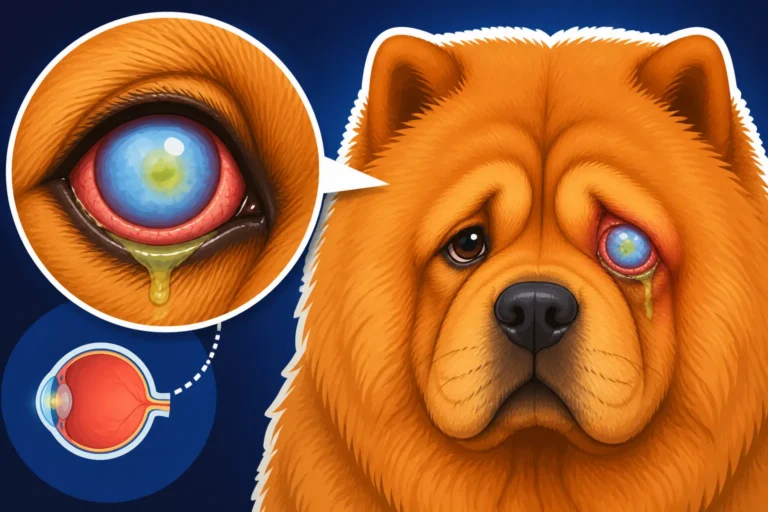
The most notorious of these is entropion, where the eyelid rolls inward, causing eyelashes and fur to rub constantly against the delicate surface of the eye. Imagine having a tiny brush constantly irritating your eyeball – it's incredibly painful for your dog and can lead to serious corneal ulcers, scarring, and even blindness if left untreated. Many Chow Chow puppies show signs their eyes are sore early on, and it's something you need to be vigilant about from day one. You might notice excessive tearing, squinting, or a cloudy appearance to the eye. For a deeper dive into this issue, you might want to read our article on Entropion Is the Chow Chow's Signature Problem. Early veterinary intervention is key, sometimes involving temporary eyelid tacking in puppies or corrective surgery in adulthood. It’s an investment, but a necessary one for your Chow’s comfort and vision.
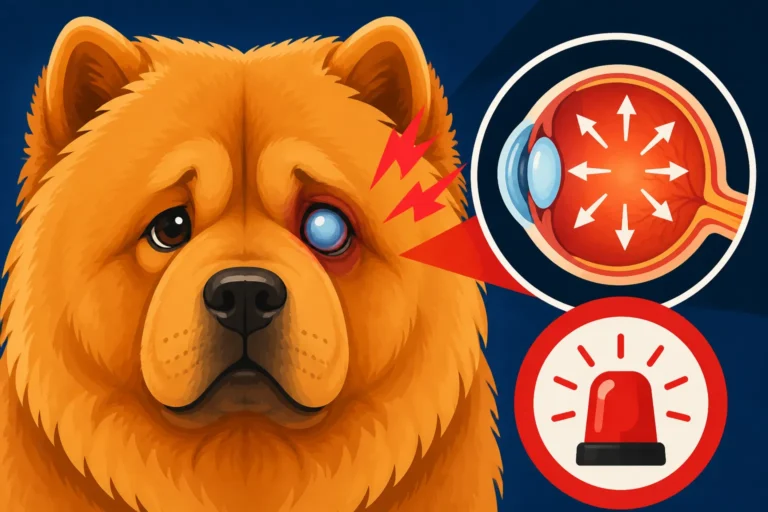
Beyond entropion, Chow Chows are also prone to glaucoma, a condition where pressure builds up inside the eye. Unlike entropion, which can develop over time, glaucoma can strike suddenly and aggressively. Why the Chow Chow's drainage angle is narrow is a genetic predisposition that makes them a closed-angle glaucoma breed, meaning fluid doesn't drain properly. If left unchecked, this rapidly increasing pressure can cause excruciating pain and lead to irreversible blindness, sometimes in a matter of days. That’s why it's so important to recognize the signs a Chow Chow's eye pressure is rising and seek emergency veterinary care. Having a robust pet insurance plan like one from Healthy Paws can be incredibly helpful when facing these unexpected and often costly emergency treatments, as the cost of saving a Chow Chow's eye can quickly add up.
Joint Problems: The Price of a Unique Gait
Chow Chows possess a distinctive "stilted" gait, a result of their unusually straight rear legs. While fascinating to observe, this unique angulation means their joints experience different stresses compared to breeds with more typical leg structures. This often translates to a higher incidence of orthopedic issues, particularly in their hips and elbows.
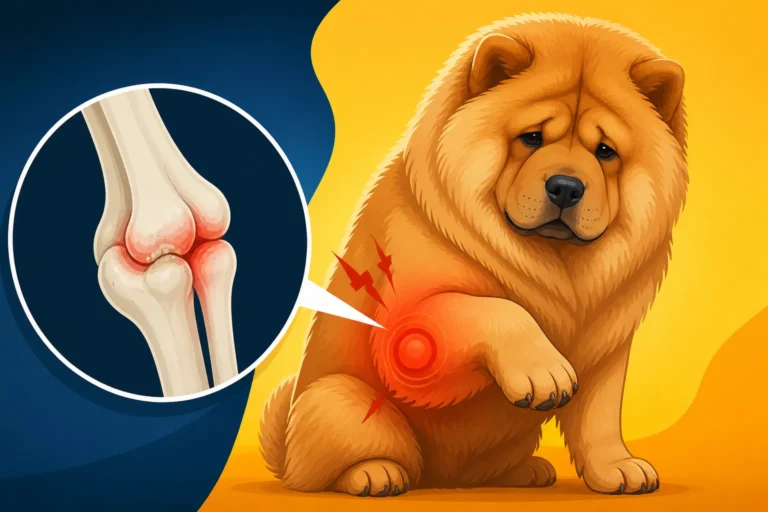
Elbow dysplasia ranks the Chow Chow near the top of breeds affected by this condition, which is a developmental abnormality of the elbow joint. It can manifest as lameness, pain, and arthritis, significantly impacting a dog's quality of life. Similarly, hip dysplasia in a Chow Chow is a concern, where the hip joint doesn't form correctly, leading to a loose joint and degenerative joint disease. These conditions are often inherited, which is why it’s absolutely critical to choose a breeder who performs proper health testing on their breeding dogs. What a Chow Chow breeder should have tested includes certifications from organizations like the Orthopedic Foundation for Animals (OFA) for both hips and elbows. Seeing these certifications for the parents can give you much-needed peace of mind, though it never guarantees a puppy will be perfectly clear.
Managing joint problems in a Chow Chow often involves a combination of weight management, appropriate low-impact exercise, joint supplements, and sometimes even surgery. It's not uncommon for a Chow Chow to limp after rest, especially as they get older, which can be a sign of developing arthritis from these underlying joint conditions. Maintaining a healthy weight is paramount for these dogs, as every extra pound adds strain to already compromised joints.
Common Health Challenges Beyond Genetics
While genetic predispositions are significant, Chow Chows also face health challenges that aren't solely inherited but are exacerbated by their unique anatomy and coat. Being aware of these can help you provide better daily care and preventative measures.
Heat Sensitivity: A Critical Concern
If there's one immediate danger for a Chow Chow, it's heat. Their magnificent, dense double coat, which served them well in colder climates of their origin, becomes a significant liability in warmer temperatures. This breed simply does not tolerate heat well. Why a Chow Chow's double coat traps heat is a matter of insulation – it’s designed to keep heat in, not let it out. Their somewhat brachycephalic (short-muzzled) structure also contributes to their poor ability to cool efficiently through panting.
This means you, as a Chow Chow owner, must be hyper-vigilant about preventing overheating. Even moderate temperatures can be dangerous, and prolonged exposure to heat or strenuous exercise on a warm day can quickly lead to heatstroke. Signs a Chow Chow is in heat stroke include excessive panting, lethargy, bright red gums, and stumbling. This is a life-threatening emergency, and knowing how to cool a Chow Chow down fast is essential. Provide plenty of shade, access to fresh, cool water, and consider cooling mats or vests in warmer months. Air conditioning isn't a luxury for many Chows; it's a necessity in many climates. Always remember, why a Chow Chow should never wait in a car, even with windows cracked, is because temperatures inside can skyrocket in minutes.
Skin and Coat Issues: Hidden Troubles
The Chow Chow's dense coat, while beautiful, can be a double-edged sword when it comes to skin health. It's incredibly efficient at hiding skin issues, making it difficult for owners to spot problems until they become severe.
Regular grooming is not just about keeping them looking good; it's a critical health check. Hot spots, fungal infections, and bacterial skin infections can fester underneath the thick fur if moisture gets trapped or if mats develop. The facial folds around their eyes and muzzle can also trap moisture and debris, leading to irritation or infection, especially when entropion is present. You'll need to know how to clean around a Chow Chow's eyes and folds regularly.
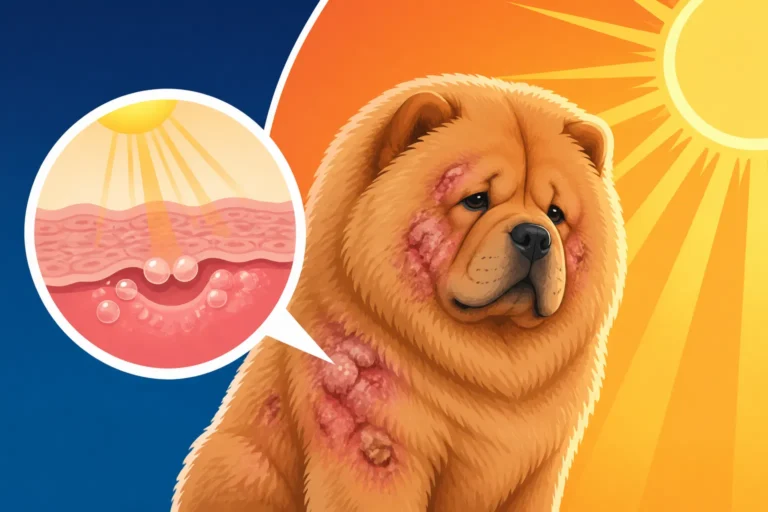
Furthermore, Chow Chows are susceptible to certain autoimmune skin diseases, like Pemphigus Foliaceus. Signs a Chow Chow has an autoimmune skin disease can include crusting, scaling, and hair loss, often starting on the nose, ears, or paw pads. Diagnosing these conditions can be challenging, often requiring biopsies, and treatment can involve long-term medication. Maintaining a consistent grooming routine, ensuring their coat is thoroughly dried after baths, and being alert to any changes in their skin are crucial preventative measures.
Proactive Care and Lifespan Considerations
Understanding a Chow Chow’s predispositions isn’t meant to scare you, but to empower you. Being proactive about their health and working closely with your veterinarian are the best ways to ensure your Chow Chow lives the longest, happiest life possible.
The Importance of Regular Health Screenings and Preventative Care
For any breed, preventative care is the cornerstone of good health, but for Chow Chows, it's especially vital given their genetic predispositions. Regular veterinary check-ups, even when your dog seems perfectly fine, are incredibly important. Your vet can perform routine eye exams, listen for heart murmurs, and monitor their weight and overall condition.
For a purebred Chow Chow, it's highly recommended to inquire about the health testing of the parents. Responsible breeders will willingly provide documentation for hip and elbow evaluations, and often eye certifications. This doesn't mean your puppy will be entirely free of issues, but it significantly reduces the risk of inheriting severe genetic conditions. Regular professional grooming, or dedicated home grooming if you're up to the task, also serves as a critical opportunity to examine your dog's skin, check for lumps, and ensure their ears and eyes are clean. Healthy Paws is a pet insurance provider that emphasizes wellness plans, which can help cover the costs of routine exams, vaccinations, and even some preventative screenings, making it easier to stay on top of your Chow Chow's health needs from the start.
Here's a quick overview of key health concerns to watch for:
| Health Concern | Common Symptoms | What to Watch For |
|---|---|---|
| Entropion | Squinting, excessive tearing, redness, discharge | Puppyhood onset, rubbing eyes, vision impairment |
| Glaucoma | Red eye, cloudy eye, dilated pupil, pain, sudden blindness | Rapid onset, emergency |
| Elbow Dysplasia | Lameness (especially after rest), stiffness, reluctance to move | Early signs in growing puppies, worsening with age |
| Hip Dysplasia | "Bunny hopping" gait, difficulty rising, pain, lameness | Can show in puppies or develop later |
| Heatstroke | Excessive panting, lethargy, red gums, stumbling, collapse | Any warm weather, exercise in heat, confinement in heat |
| Skin Infections | Redness, itching, odor, discharge, hair loss | Often hidden under coat, requires thorough grooming |
| Hypothyroidism | Lethargy, weight gain, coat changes, cold intolerance | Can affect middle-aged Chows, often masked by coat |
Managing an Aging Chow Chow
As Chow Chows mature, their health needs naturally evolve. The age a Chow Chow is considered senior typically starts around 7-8 years, and this is when many age-related conditions can become more apparent. The joint issues they might have been managing can worsen with arthritis. Their eyesight and hearing may decline, and they might become stiffer or slower.
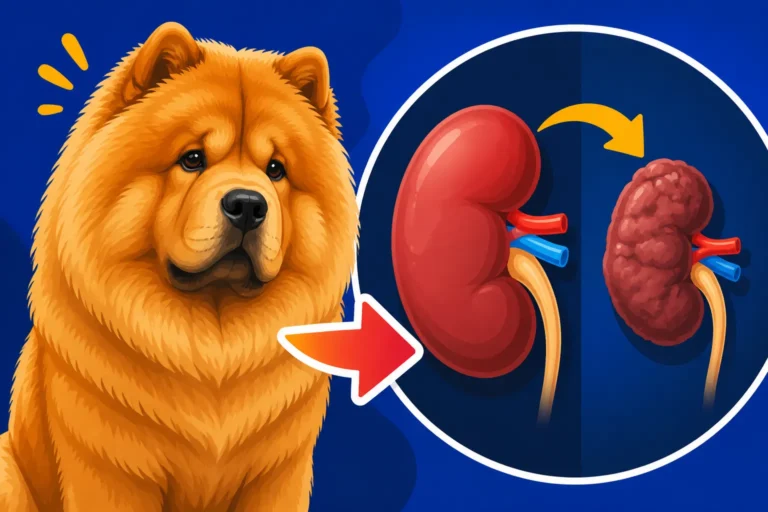
Caring for a Chow Chow past eight means adjusting their routine to accommodate their changing physical abilities. This might involve shorter, more frequent walks, ramps to help them get into cars or onto furniture, and softer bedding to ease pressure on their joints. Regular senior wellness exams become even more crucial, often including more extensive bloodwork to monitor organ function, especially kidneys and thyroid. For instance, signs a Chow Chow's thyroid is low might be mistaken for normal aging, but it's easily treatable with medication. Discussing pain management strategies with your vet is also important. Pet insurance plans from Healthy Paws can be particularly valuable for senior Chows, helping to cover unexpected illnesses, chronic conditions, and ongoing medications that can become a significant financial burden as they age. While the Chow Chow may not be the longest-lived breed, providing diligent care throughout their life can ensure their golden years are as comfortable and joyful as possible.
Conclusion: A Healthy Breed, With the Right Care
So, whether the Chow Chow is a healthy breed isn't a simple yes or no. They are a robust breed with a long history, but their unique physical characteristics and genetic lineage mean they come with specific health considerations. With a responsible breeder, diligent preventative care, awareness of breed-specific issues, and a proactive approach to their well-being, a Chow Chow can absolutely lead a full, healthy, and wonderfully happy life. Being a Chow Chow owner means embracing their distinctive needs and committing to providing the dedicated care that allows their true, magnificent spirit to shine.
Disclaimer
This article is for general informational purposes only and does not constitute professional advice. Laws, prices and regulations vary by location and change over time. Consult a qualified professional for guidance on your specific situation.