Which Health Tests a Chow Chow Breeder Should Run
Finding a responsible Chow Chow breeder can feel like an overwhelming task, often leaving prospective owners wondering how to differentiate between someone genuinely committed to the breed's health and a less scrupulous operation. It's a daunting prospect when you consider the potential heartache and financial burden of inherited conditions. This comprehensive guide is designed to empower you with the knowledge of essential health tests that reputable Chow Chow breeders absolutely must run on their breeding stock, equipping you to ask the right questions and make an informed decision for your future furry family member.
Orthopedic Health: Guarding Against Joint Dysplasia
One of the most significant concerns for any large or medium-sized breed, including the majestic Chow Chow, is the prevalence of orthopedic issues, particularly hip and elbow dysplasia. These conditions can lead to chronic pain, costly surgeries, and a diminished quality of life for your beloved companion. A responsible breeder understands the genetic component of these diseases and actively works to reduce their incidence in their lines.
Hip Dysplasia Screening via OFA or PennHIP
Hip dysplasia is a malformation of the hip joint, where the ball and socket don't fit together properly, leading to grinding and eventual deterioration of the joint. It's a painful condition that can severely impact a dog's mobility and overall comfort. For a Chow Chow, whose sturdy build and somewhat stilted gait already place unique stresses on their joints, strong, healthy hips are paramount. Breeders should perform screening exams to assess the structural integrity of the hips of their breeding animals.
The most widely recognized methods for screening hip dysplasia are through the Orthopedic Foundation for Animals (OFA) and PennHIP evaluations. OFA requires X-rays to be taken once the dog is two years old, after which board-certified veterinary radiologists evaluate them and assign a rating (Excellent, Good, Fair are passing; Borderline, Mild, Moderate, Severe are failing). PennHIP, on the other hand, can be performed as early as 16 weeks and measures the laxity (looseness) of the hip joint, which is a key indicator of future dysplasia. A truly dedicated breeder will not only have these tests done but will be transparent about the results, often providing the actual certificates. Looking into the hip health of a Chow Chow's ancestors can offer even more insight into the long-term health prospects of a puppy, reducing the chances of dealing with issues like Hip Dysplasia in a Chow Chow down the line.
Elbow Dysplasia Screening
Just as critical as hip health is elbow health. Elbow dysplasia is a complex condition encompassing several developmental abnormalities of the elbow joint, resulting in lameness, pain, and arthritis. Unfortunately, elbow dysplasia ranks high among health concerns for the breed, and it's a condition where Elbow Dysplasia Ranks the Chow Chow Near the Top. Given the Chow Chow's robust frame, ensuring sound elbows is non-negotiable for a breeding dog.
Similar to hips, elbow evaluations are typically performed by OFA, usually after the dog reaches two years of age. X-rays are submitted to OFA, and radiologists examine them for signs of ununited anconeal process, fragmented coronoid process, osteochondrosis, or incongruity. The elbows are then graded as normal or assigned a grade of dysplasia (Grade I, II, or III). A clear "normal" rating is what a breeder aims for, and they should be able to show you the certifications for both parents. Understanding How Common Elbow Dysplasia Is in Chow Chows really underscores the importance of a breeder performing these vital screenings. The costs associated with treating severe elbow dysplasia can be substantial, making breeder transparency on this front invaluable.
Ocular Health: Addressing Characteristic Eye Concerns
The Chow Chow's characteristic deep-set eyes, while contributing to their unique and often scowling expression, unfortunately predispose them to several inherited eye conditions. These aren't just cosmetic issues; they can cause chronic pain, vision impairment, or even blindness if left untreated. Responsible breeders prioritize eye health to ensure their puppies lead comfortable lives.
Entropion and Eyelid Abnormalities
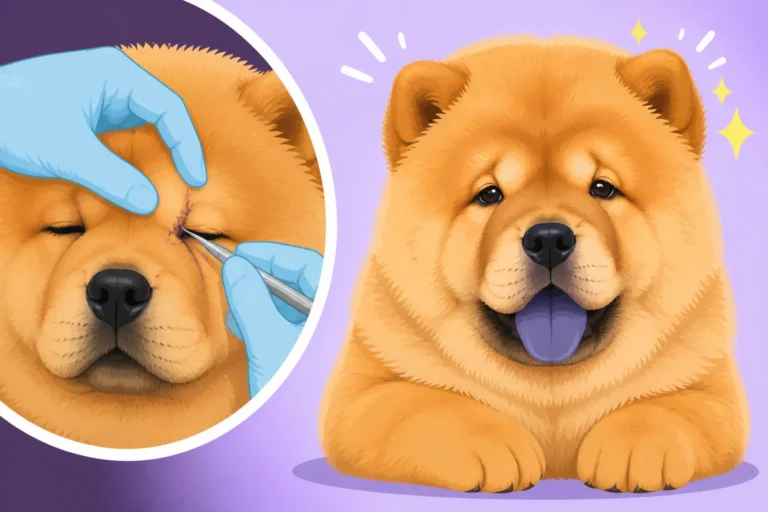
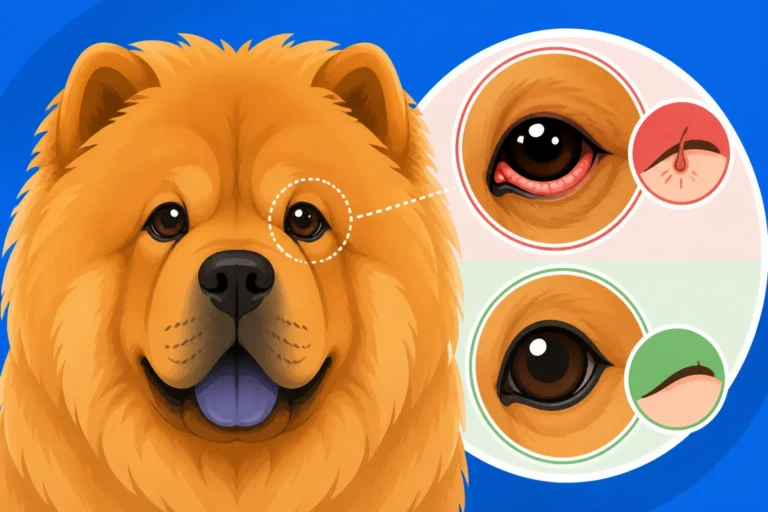
Entropion is probably the most well-known eye condition in the Chow Chow. It's where the eyelid rolls inward, causing the eyelashes and fur to rub against the cornea. This constant irritation leads to pain, excessive tearing, conjunctivitis, and potentially corneal ulcers or scarring, which can permanently affect vision. It's a painful problem, and it's sadly true that Entropion Is the Chow Chow's Signature Problem.
Breeders should have their breeding Chows examined by a board-certified veterinary ophthalmologist. This examination is part of the OFA Eye Certification Registry (CAER), previously known as CERF. These eye exams are usually done annually to ensure the breeding dog remains free of detectable inherited eye diseases. The ophthalmologist will specifically look for entropion, ectropion (eyelid rolling outward), distichiasis (extra eyelashes growing from the eyelid margin), and other structural abnormalities. A breeder should be willing to provide current CAER certificates for both parents. If a puppy does develop entropion, treatment is available, but it often involves surgery, which can be expensive and stressful for a young dog. Understanding What Entropion Does to a Chow Chow's Eye makes it clear why this testing is so crucial for breeding dogs.
Glaucoma Risk Assessment
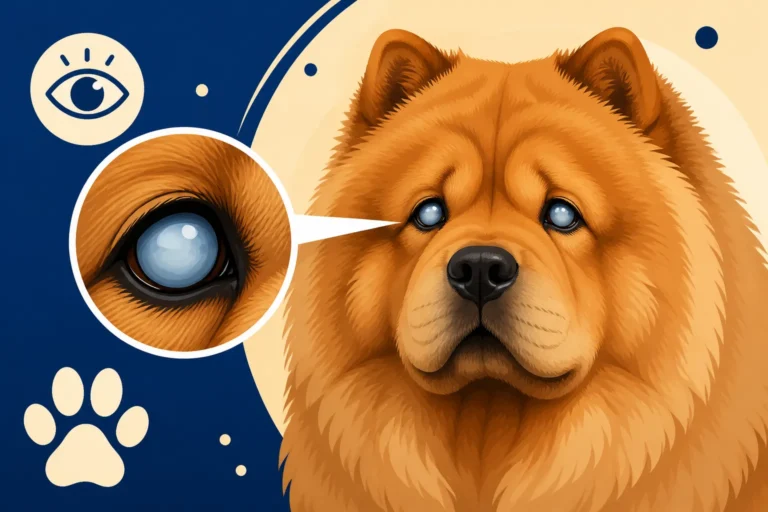
Another severe eye condition that can affect Chow Chows is glaucoma, a disease characterized by increased pressure within the eye. This elevated pressure damages the optic nerve and retina, leading to irreversible vision loss and often intense pain. Glaucoma can progress incredibly rapidly, meaning Glaucoma Can Blind a Chow Chow in Days.
While there isn't a single genetic test for primary glaucoma in Chow Chows yet, regular intraocular pressure (IOP) checks by a veterinary ophthalmologist as part of the annual CAER exam are vital. The ophthalmologist can assess the eye's drainage angle and other structural factors that might predispose a Chow Chow to glaucoma. Breeders should be actively selecting against lines known to produce glaucoma. It’s a devastating disease, and knowing What Glaucoma Does to a Chow Chow's Eye will impress upon you the importance of a breeder taking every precaution. Early detection and management are key, but the best approach is prevention through careful breeding.
Metabolic and Autoimmune Health: Thyroid and Kidney Considerations
Chow Chows, like many purebred dogs, can be predisposed to certain metabolic and autoimmune conditions. These are often less immediately obvious than orthopedic or eye issues but can profoundly impact a dog's health and longevity. Responsible breeders proactively screen for these hidden dangers.
Autoimmune Thyroiditis Testing
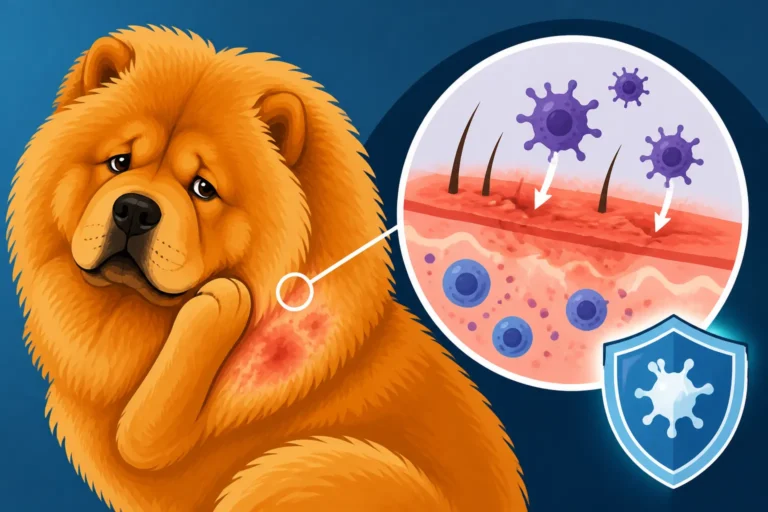
Autoimmune thyroiditis is a condition where the dog's immune system mistakenly attacks and destroys its own thyroid gland, leading to hypothyroidism (underactive thyroid). Symptoms can be vague, ranging from lethargy, weight gain, and poor coat quality to skin problems and even behavioral changes. It's a frustrating diagnosis, and it's an important aspect of Autoimmune Disease in a Chow Chow.
OFA offers a thyroid registry, which evaluates thyroid function and screens for autoimmune thyroiditis. Blood samples are taken and sent to a specialized laboratory (like those at Michigan State University) to measure thyroid hormone levels and the presence of autoantibodies. Dogs should be tested annually from a young age (typically two years old) until they are six or seven, as the condition can develop later in life. Breeders should be able to provide clear OFA thyroid certifications, ensuring their breeding animals have healthy thyroid function and are not carriers for the autoimmune form of the disease. Knowing What Autoimmune Thyroiditis Does to a Chow Chow can help owners recognize symptoms early, but breeder testing is the best preventative measure.
Familial Renal Dysplasia Screening
Familial Renal Dysplasia (FRD) is a severe, inherited kidney disease that unfortunately affects Chow Chows. It's a developmental defect of the kidneys that can cause them to fail prematurely, often tragically cutting short the life of an otherwise healthy-looking puppy. It's a heartbreaking condition, and Familial Renal Dysplasia Kills Young Chow Chows.
There isn't a definitive OFA certification for FRD in Chow Chows, but responsible breeders should be acutely aware of this devastating condition and track it in their pedigrees. This often involves careful monitoring of puppies for signs of kidney issues, such as excessive thirst, frequent urination, poor growth, or lethargy. Breeders may also perform routine blood work (checking BUN, creatinine, phosphorus levels) and urinalysis on breeding stock to catch any early indicators of kidney dysfunction. While not a "test" in the same vein as OFA hips, a dedicated breeder will openly discuss the kidney health of their lines and take all necessary precautions, which might include ultrasound screening of adult dogs if there's any family history of the disease. This is where a knowledgeable breeder becomes invaluable.
Patellar Luxation and Cardiac Health
While less frequently highlighted than hips, elbows, and eyes for Chows, patellar luxation and certain cardiac conditions are still important considerations for any responsible breeding program. Overlooking these can lead to unexpected health issues for puppies and significant veterinary expenses for owners.
Patellar Luxation Examination
Patellar luxation, or "slipping kneecap," occurs when the patella (kneecap) dislocates from its normal position in the groove of the femur. While it's more commonly associated with smaller breeds, Chow Chows can also be affected. It can range from a mild, occasional skip to a severe, constant lameness requiring surgical correction. Given the Chow Chow's unique movement, ensuring sound stifles (knees) is important for their long-term comfort.
OFA offers patellar evaluations, which involve a physical examination by a veterinarian to assess the stability of the kneecaps. The veterinarian manually manipulates the patella to determine if it luxates and, if so, to what degree (graded from 0, normal, to 4, severe luxation). This examination can be done once the dog is 12 months old. A breeder should ensure their breeding Chows receive a clear patellar certification. This simple, non-invasive test can prevent a lifetime of discomfort for a puppy and potentially costly surgical interventions for owners. These are the kinds of proactive steps that a good pet insurance plan, like one from Healthy Paws, can help mitigate if an unexpected issue arises, even with healthy parents.
Cardiac Evaluations
While not as prevalent as some other issues, certain cardiac conditions can affect Chow Chows. These can range from congenital heart defects (present at birth) to adult-onset heart diseases like dilated cardiomyopathy or various arrhythmias. Identifying these conditions in breeding stock is crucial to avoid passing them on.
For a comprehensive cardiac evaluation, breeders should have their breeding dogs examined by a board-certified veterinary cardiologist. This typically involves an auscultation (listening to the heart with a stethoscope) to check for murmurs or abnormal rhythms, and potentially an echocardiogram (an ultrasound of the heart) to assess its structure and function. The OFA also maintains a cardiac database, allowing cardiologists to submit findings and certify dogs as free from congenital cardiac disease. While not every breeder may routinely conduct full echocardiograms unless there's a specific concern or known lineage issue, at minimum, a thorough physical exam by a regular vet and an OFA-certified cardiologist's auscultation should be part of the health screening protocol. These tests contribute significantly to the overall picture of a dog's health and can influence How long a Chow Chow lives on average.
Beyond the Certifications: Holistic Breeder Practices
While formal health certifications are undeniably important, a truly responsible Chow Chow breeder goes far beyond simply checking boxes. They embrace a holistic approach to their breeding program, considering the overall well-being, longevity, and temperament of their dogs and their ancestors. This involves careful record-keeping, mentorship, and a commitment to transparency.
Understanding Pedigrees and Longevity
A good breeder isn't just concerned with the parents of a litter; they know the health history of the entire pedigree stretching back generations. They'll be able to discuss the causes of death for grandparents and great-grandparents, the incidence of specific diseases in their lines, and their strategies for improving health outcomes. This deep understanding of genetics is critical. If a breeder consistently produces puppies that face health challenges early in life, even if the immediate parents have passed their tests, it might indicate a broader genetic predisposition within that line.
Asking about the typical lifespan of their dogs and their ancestors can provide valuable insights. While a specific number isn't guaranteed, a line known for longevity generally suggests good overall health. The Eight to Twelve Years a Chow Chow Gets is often a good average, but some lines may show tendencies towards even longer lives due to careful breeding choices. A breeder should be able to share these details openly and honestly, demonstrating their long-term commitment to the breed's health.
Temperament and Behavioral Screening
While not strictly a "health test" in the medical sense, screening for sound temperament is just as vital as physical health, especially in a breed like the Chow Chow, which has a distinct personality. A dog that is physically healthy but temperamentally unsound can pose significant challenges for owners. A responsible breeder will breed for stable, confident, and typical Chow Chow temperaments, avoiding extremes of shyness or aggression.
This involves observing the parents' behavior, interactions with people and other dogs, and general disposition. A breeder should be able to describe the parents' personalities in detail and explain how they assess temperament in their puppies. They might use puppy aptitude tests or simply spend extensive time observing their litter's interactions. A puppy from parents with excellent temperaments is more likely to grow into a well-adjusted adult, reducing the likelihood of behavioral issues that might require costly training or even pose safety concerns. This comprehensive approach to breeding contributes greatly to the positive reputation of the breed. It also makes for a better companionship experience, reducing potential issues that pet insurance like Healthy Paws can't cover.
Transparency and Support
Perhaps the most telling sign of a responsible breeder is their transparency and the level of support they offer. They should welcome questions, provide copies of all health certifications, and be eager to discuss their breeding philosophy. They won't shy away from discussing potential health challenges in the breed, but rather, they'll explain how they mitigate those risks.
A good breeder acts as a lifelong resource, ready to offer advice and support throughout your Chow Chow's life. They will also typically have a strong contract, which often includes a health guarantee for certain genetic conditions. This demonstrates their confidence in the health of their puppies and their commitment to the welfare of the dogs they produce. They will also want to know about any health issues that arise in their puppies so they can use that information to refine their breeding program. This collaborative relationship is crucial for the continuous improvement of the breed's health.
Here's a quick overview of the key health tests a reputable Chow Chow breeder should perform:
| Health Condition | Test/Certification | Minimum Age for Test | Frequency | OFA Database Available | Why It Matters |
|---|---|---|---|---|---|
| Hip Dysplasia | OFA Hip Evaluation / PennHIP | 24 months (OFA) / 16 weeks (PennHIP) | Once (OFA) / Once (PennHIP) | Yes | Prevents pain, arthritis, and costly corrective surgeries. |
| Elbow Dysplasia | OFA Elbow Evaluation | 24 months | Once | Yes | Addresses lameness, pain, and degenerative joint disease. |
| Entropion & Eye Diseases | OFA Eye Certification (CAER) | 12 months | Annually | Yes | Prevents chronic irritation, corneal damage, and vision loss. |
| Glaucoma Risk | Ophthalmic Exam (part of CAER) | 12 months | Annually | Yes | Early detection/prevention of a rapid, blinding, and painful eye disease. |
| Autoimmune Thyroiditis | OFA Thyroid Evaluation | 24 months | Annually (until 6-7 years) | Yes | Prevents hypothyroidism, affecting metabolism, coat, skin, and energy. |
| Patellar Luxation | OFA Patella Evaluation | 12 months | Once | Yes | Prevents "slipping kneecaps" causing lameness and pain. |
| Cardiac Health | OFA Cardiac (Auscultation/Echo) | 12 months | Annually (Auscultation) | Yes | Screens for congenital and acquired heart diseases, ensuring heart health. |
| Familial Renal Dysplasia | Pedigree/Clinical Monitoring | N/A (Genetic tracking) | Ongoing | No (Pedigree-based) | Identifies risk for severe, early-onset kidney failure. |
Disclaimer
The information provided in this article is for general informational purposes only and does not constitute veterinary advice. Always consult with a qualified veterinary professional for any health concerns or before making any decisions about your pet's health or treatment.