What Keeping a Chow Chow Cool Costs in Summer
Summer with a Chow Chow isn't just about enjoying the sunshine; it's a constant battle against the heat, and let's be honest, that battle comes with its own set of expenses. Many of us know the anxiety of watching our Chows pant, wondering if they're too hot, and then the inevitable scramble to cool them down. This guide will dive deep into the various costs involved in keeping your majestic Chow Chow comfortable and safe when the temperatures rise, from everyday adjustments to potential emergency care.
Understanding Why Chows Get So Hot
Before we talk about the costs, it’s crucial to understand why Chow Chows are so susceptible to heat. It’s not just about their floof; it’s a combination of unique breed characteristics that make them little heat-traps. Ignoring these inherent traits can lead to serious health consequences, and ultimately, higher bills.
The Chow Chow's Double Coat and Trapped Heat
Ah, that glorious, abundant double coat! It’s one of the most defining features of a Chow Chow, giving them that iconic lion-like appearance. But what makes them so beautiful and resilient in cold climates becomes their Achilles' heel when the mercury rises. This coat consists of a dense, woolly undercoat and a coarser outer coat. The undercoat acts as an incredible insulator, holding in body heat, which is fantastic in winter but disastrous in summer. It's like wearing a down jacket to the beach.
Many well-meaning owners mistakenly believe shaving their Chow Chow will solve the problem. Unfortunately, Why Shaving Does Not Cool a Chow Chow explains why this can actually make things worse. The double coat also provides protection from the sun's harsh UV rays and helps regulate body temperature by trapping a layer of cooler air next to the skin – if it's properly maintained and not matted. When it's not well-maintained, that insulating layer just traps hot air. The cost here isn't just about grooming; it's about the vigilance required to prevent overheating despite their natural attire.
Why a Chow Chow's Short Muzzle Cools Poorly
Take a good look at your Chow's face – that dignified, somewhat scowling expression is largely due to their brachycephalic (short-nosed) structure. While not as extreme as a Bulldog or Pug, their shorter muzzle means they have a less efficient cooling system than longer-nosed breeds. Dogs cool themselves primarily by panting, a process that allows moisture to evaporate from their tongue and respiratory tract, taking heat with it.
A Chow Chow's shorter, narrower airways make this process less effective. They have less surface area for evaporation, and the anatomical structure can restrict airflow, making it harder for them to move enough air to cool down effectively. This means they have to work harder to pant, which in turn generates more body heat, creating a dangerous cycle. This inefficiency directly impacts how much you might need to spend on artificial cooling methods to compensate for their natural limitations. You're essentially paying to help their bodies do a job they're not naturally optimized for in warm weather. You can read more about this in Why a Chow Chow's Short Muzzle Cools Poorly.
Their Activity Level and Heat Generation
Chow Chows are not known for being high-energy, marathon runners. In fact, they have a fairly moderate activity requirement, preferring dignified strolls to intense sprints. However, even moderate exercise in warm weather can quickly lead to overheating. Their dense coat and less efficient panting mean that even a short walk around the block on a humid day can elevate their body temperature to dangerous levels. Why a Chow Chow Overheats So Easily delves into this further.
The cost associated with their activity level isn't about expensive dog park memberships (they're often not suitable for dog parks anyway). Instead, it's about the deliberate effort and resources required to keep their limited exercise safe. This means planning walks for cooler times of day, investing in specific gear for walks, and recognizing when an indoor play session is a much safer, albeit less vigorous, alternative. It also means the potential cost of having to cut a walk short and quickly cool them down, or worse, an emergency vet visit if they push themselves too far.
Essential Investments for Beating the Heat Indoors
For a Chow Chow, their home often becomes their summer sanctuary. Creating a cool, comfortable indoor environment is paramount, and it often involves adjusting your own living situation and incurring some specific costs. This isn't just about your comfort; it's a vital health measure for your furry family member.
Air Conditioning Usage and Utility Bills
Let's face it: for many Chow Chow owners, air conditioning isn't a luxury in summer; it's a necessity. Their dense coats and brachycephalic structure mean that even what feels like a pleasant indoor temperature to us can be too warm for them. Running the AC, especially in regions with hot, humid summers, can significantly impact your electricity bill. You might find yourself setting your thermostat lower than you typically would, or running the AC for longer durations, purely for your Chow's well-being.
The costs here are variable, depending on your home's insulation, the efficiency of your AC unit, and local electricity rates. Some owners choose to install smart thermostats to better manage temperature settings and optimize energy use, but even then, the constant cooling demand for a Chow Chow will be noticeable. What Air Conditioning Costs a Chow Chow Owner in Summer explores this in detail. This isn't just a comfort expense; it's an investment in preventing serious, life-threatening heatstroke, which would lead to far greater financial and emotional costs.
Cooling Mats and Elevated Beds
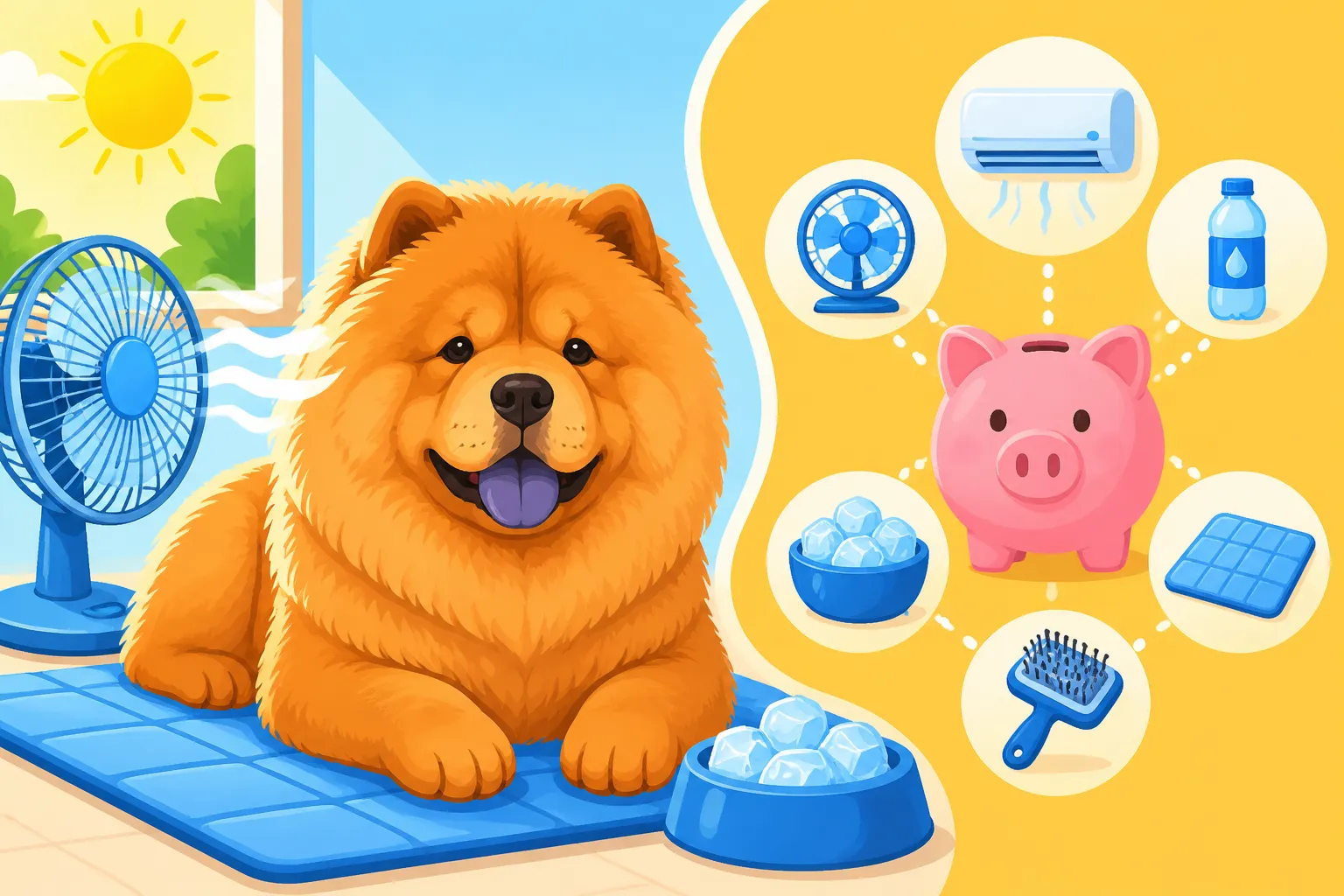
Beyond whole-house air conditioning, individual cooling aids can make a big difference in your Chow's comfort, and they come with their own price tags. Cooling mats, often filled with a gel that activates when pressure is applied or simply by being cooler than body temperature, offer a personal cool-down spot. These mats come in various sizes and qualities, with costs varying significantly. They can be particularly useful in specific areas where your Chow likes to rest, or for travel.
Elevated dog beds, often made with breathable mesh fabric, allow air to circulate underneath your dog, preventing heat from getting trapped. While they don't actively cool, they provide a much cooler resting surface than a traditional flat dog bed or the floor, especially if the floor itself is warm. These beds are usually sturdy and can last for years, representing a one-time or infrequent purchase. When shopping for these items, you might find a good selection on sites like Chewy, offering various brands and price points.
Indoor Environment Adjustments
Sometimes, keeping your Chow cool indoors involves smaller, but still impactful, adjustments that might have an initial cost. For instance, investing in blackout curtains or blinds for windows that receive direct sunlight can drastically reduce indoor temperatures. While these aren't specifically "dog products," they are purchased with your Chow's comfort in mind.
Similarly, strategic placement of fans – oscillating pedestal fans or even ceiling fans – can help move air and create a more comfortable environment. While a fan alone isn't enough to cool a Chow Chow in extreme heat (as they primarily cool by moving air over evaporating moisture, which Chows are less efficient at), they certainly help with air circulation and making the ambient temperature feel more tolerable. The initial purchase of these items, plus the slight increase in electricity use, are part of the seasonal budget for a Chow Chow owner. These small measures can prevent you from having to crank the AC even lower, providing a balanced approach to indoor cooling.
Outdoor Heat Management: Gear and Practices
Even with the best indoor setup, your Chow Chow will need to go outside. Managing their exposure to heat and providing them with appropriate gear for brief outdoor excursions is another layer of cost and responsibility. It's about making those necessary potty breaks or short, early morning walks as safe as possible.
Cooling Vests and Bandanas
When a short walk is unavoidable, or you're just stepping out into the yard, specialized cooling gear can offer a temporary reprieve. Cooling vests work by holding water which slowly evaporates, drawing heat away from the dog's body. They come in various designs and materials, and their effectiveness can vary. Similarly, cooling bandanas, often soaked in water and then worn around the neck, provide a more localized cooling effect.
The cost of these items varies widely based on brand, size, and technology. It’s worth noting that these are aids, not solutions for prolonged heat exposure. They require re-wetting and careful monitoring. While they add to the initial investment for summer gear, they are crucial for allowing your Chow to safely conduct basic outdoor activities when the weather isn't scorching. You can find options like these at pet supply stores or online retailers. For more on this, see What a Chow Chow's Cooling Vest Costs.
Hydration Stations and Portable Water Bowls
Keeping your Chow Chow well-hydrated is non-negotiable, especially in warm weather. This means not just having a water bowl indoors, but considering multiple water sources and ensuring fresh, cool water is always available. Outdoors, this translates to investing in several robust, easy-to-clean water bowls for different areas of your yard. Some owners opt for pet water fountains, which encourage drinking by providing circulating, filtered water, though these come with an initial cost and ongoing filter expenses.
For walks, a portable water bottle with an attached bowl is essential. You'll never want to be caught without fresh water for your Chow, even on a quick trip around the block. These portable solutions are relatively inexpensive but represent a critical part of your summer preparedness. The cost here is low compared to the potential vet bills from dehydration or heat-related issues, making them a wise investment.
Adjusting Walk Times and Routes
While not a direct monetary cost, the necessity of adjusting walk times and routes for your Chow Chow represents a significant investment of time and planning. You'll need to commit to walking your Chow only during the coolest parts of the day – often very early morning or late evening after the sun has set and the asphalt has cooled. The Hour of Day a Chow Chow Should Be Walked is a must-read. During peak summer, midday walks are simply out of the question, even if it's inconvenient for your schedule.
Choosing shaded routes, walking on grass rather than scorching pavement, and keeping walks short are all non-negotiable practices. If your usual walking path involves a lot of sun exposure or hot surfaces, you might incur the cost of driving to a cooler park or a shaded trail. This isn't a direct product cost, but it's an adaptation that impacts your lifestyle and indirectly, your finances (gas, time, etc.), all to ensure your Chow's safety. This meticulous planning is part of responsible Chow Chow ownership during warmer months.
Preventative Care and Emergency Costs
Despite all your best efforts, sometimes things go wrong. Chows are particularly vulnerable to heat-related illnesses, which can escalate rapidly. Understanding the potential costs of preventative care and, more critically, emergency treatment is vital for any Chow Chow owner.
Vet Visits and Health Monitoring
Regular veterinary check-ups are always important, but they take on an added dimension for a Chow Chow heading into summer. Your vet can assess your dog's overall health, discuss any underlying conditions that might exacerbate heat sensitivity (such as respiratory issues or obesity), and offer personalized advice on heat management. These preventative visits incur standard consultation fees.
Beyond annual check-ups, being vigilant about Signs a Chow Chow Is in Heat Stroke is crucial. If you suspect your Chow is overheating, a rapid vet visit is an absolute necessity. Even if it's a false alarm, the cost of an urgent care visit is a small price to pay for peace of mind and to avoid a potentially fatal situation. Your vet might also recommend specific supplements or dietary adjustments to support overall health during warmer months, adding to the ongoing costs.
The Cost of Treating Heat Stroke
This is where the costs can become truly staggering. Heat stroke in a Chow Chow is a life-threatening emergency that requires immediate and aggressive veterinary intervention. Symptoms can progress rapidly, leading to organ damage, neurological issues, and even death. Treatment typically involves intravenous fluids, active cooling methods, monitoring vital signs, and potentially medications to address secondary complications. Your Chow may need to be hospitalized for several days.
The cost of treating heat stroke can easily run into thousands. This is not a "wait and see" situation; every minute counts. What Heat Stroke Costs to Treat in a Chow Chow highlights the financial burden of this emergency. It’s a sobering reminder that all the preventative measures, while seemingly costly, are far less expensive than a single heat stroke incident. Prompt treatment, though expensive, offers the best chance of survival, making it an unavoidable cost if the worst happens.
Pet Insurance Considerations for Heat-Related Issues
Given the Chow Chow's propensity for overheating and the high cost of emergency care like heat stroke treatment, pet insurance becomes a serious consideration for many owners. A good pet insurance policy can help offset the financial shock of unexpected veterinary bills. However, it's important to understand what policies cover and what they exclude. Pre-existing conditions are almost always excluded, so it's best to get insurance early in your Chow's life.
When researching providers, look for plans that offer comprehensive accident and illness coverage. Some policies might have specific clauses or higher deductibles for certain breeds or conditions, so read the fine print carefully. Companies like Healthy Paws are known for their comprehensive coverage, but it's essential to compare different providers and plans to find one that best suits your needs and budget. While pet insurance adds a monthly premium to your ownership costs, it acts as a financial safety net against the potentially devastating expenses of heat-related emergencies.
| Cooling Method | Initial Cost Shape | Ongoing Cost Shape | Pros | Cons |
|---|---|---|---|---|
| Air Conditioning | High (if installed) | High (utility bills) | Most effective for whole-house cooling, consistent | Significant utility cost, not portable, may not be an option for renters/older homes, power outages are a risk. |
| Cooling Mats | Moderate | Low (replacement) | Portable, provides immediate cool spot, no electricity | Can be punctured, may not stay cool indefinitely, some dogs don't like texture, limited coverage area. |
| Elevated Beds | Moderate | Low (replacement) | Promotes air circulation, durable, no electricity | Doesn't actively cool, limited use on very hot days, takes up space, some dogs prefer soft beds. |
| Fans (Ceiling/Box) | Low to Moderate | Low (electricity) | Aids air circulation, inexpensive, easy to use | Doesn't truly cool a dog effectively on its own (moves hot air), only helps if air is cooler than body temp, can circulate allergens, electricity use. |
| Cooling Vests/Bandanas | Low to Moderate | Low (replacement) | Portable, aids short outdoor excursions, targeted | Requires re-wetting, limited cooling duration, some dogs dislike wearing them, not for prolonged heat, can make mats worse if not used carefully on coat. |
| Multiple Water Stations | Low | Low | Essential for hydration, easy to implement | Requires frequent refilling/cleaning, can be knocked over, if left outside water can heat up or attract insects. |
| Blackout Curtains | Moderate | None | Reduces solar heat gain, improves human comfort | Can make rooms dark, specific aesthetic, only works on windows with direct sun exposure. |
| Vet Check-ups | Moderate | Moderate | Proactive health assessment, peace of mind | Annual or biannual cost, does not directly cool, not an emergency treatment. |
| Pet Insurance | Low (monthly premium) | High (deductibles) | Financial safety net for emergencies | Ongoing monthly cost, doesn't cover pre-existing conditions, may have deductibles/co-pays, not immediate relief for a hot dog. |
Ongoing Costs and Seasonal Budgeting
Keeping a Chow Chow cool isn't just about one-time purchases; it's about ongoing vigilance and adjustments throughout the warmer months. This requires a dedicated budget and a commitment to practices that prioritize their comfort and safety.
Special Diets and Hydration-Supporting Foods
Believe it or not, what your Chow Chow eats can also play a role in their heat management, and this can impact your monthly food bill. Some owners opt for fresh or fresh-frozen diets, which can have a higher moisture content than traditional kibble. Brands like Ollie offer human-grade, fresh dog food options that are naturally more hydrating. While these types of foods typically cost more than standard dry kibble, the added moisture can contribute to overall hydration, which is crucial in summer.
Beyond the type of food, some owners incorporate hydrating toppers or snacks, such as low-sodium bone broth, plain yogurt, or specific fruits and vegetables (in moderation and after checking with your vet for safe options). These small additions, while beneficial, do add to your overall grocery budget for your Chow. It’s all part of ensuring they stay as comfortable and well-hydrated as possible from the inside out.
Grooming for Heat Management
Proper grooming is absolutely non-negotiable for a Chow Chow, especially in summer, and it definitely contributes to the cost. That thick double coat needs regular, thorough brushing to remove dead undercoat. If the undercoat isn't regularly shed out, it forms a dense, matted layer that prevents air circulation and traps even more heat against the skin. This isn't just uncomfortable; it's dangerous.
Whether you tackle this at home or rely on professional groomers, there are costs involved. Home grooming requires an investment in quality tools: slicker brushes, undercoat rakes, and a high-velocity dryer are essential. If you go to a professional groomer, expect to pay a premium for a Chow Chow due to their dense coat and often wary temperament. What a Rough Coated Chow Chow Costs at the Groomer can give you an idea of these expenses. A professional groomer can effectively "blow out" the undercoat, which is incredibly beneficial for summer cooling. This isn't about shaving them, but rather about thinning the undercoat to allow air to flow. This regular grooming is a critical, ongoing expense that directly impacts their ability to stay cool.
Long-Term Investments for a Cooler Home
For dedicated Chow Chow owners, some costs might be larger, one-time investments aimed at making their home permanently more comfortable for their furry companion. This could include upgrading insulation in attics or walls to improve overall cooling efficiency, or replacing old, inefficient windows to reduce heat gain. These are significant home improvement projects, but for someone living in a hot climate with a heat-sensitive breed, they can be seen as long-term investments in their dog's well-being.
Another consideration might be landscaping choices. Planting shade trees strategically around the house can reduce direct sunlight exposure and lower ambient temperatures around the home, indirectly reducing the load on your air conditioning. While these costs might seem extreme to some, they reflect the deep commitment owners have to their Chows' health and comfort. Ultimately, preventing a heat emergency is always more cost-effective and certainly less heartbreaking than treating one, making these investments justifiable for many.
Disclaimer
This article is for general informational purposes only and does not constitute professional advice. Laws, prices and regulations vary by location and change over time. Consult a qualified professional for guidance on your specific situation.