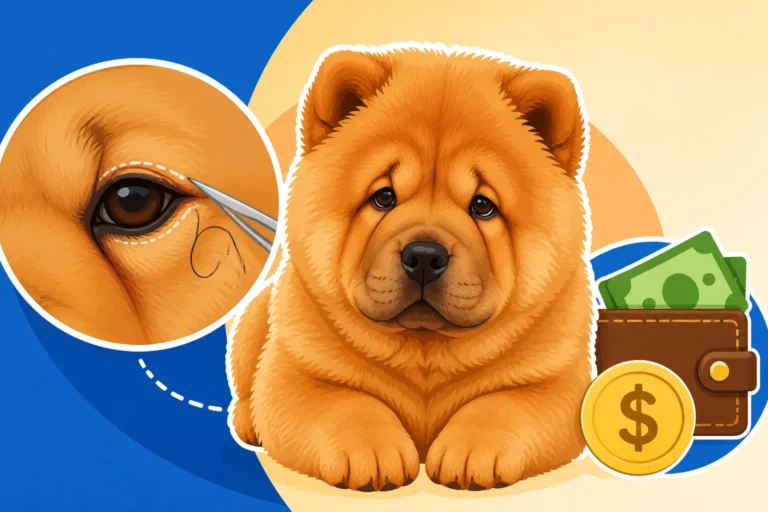
What a Chow Chow’s Cooling Vest Costs
The dense double coat and unique physiology of a Chow Chow make them incredibly susceptible to overheating, turning even a mild day into a potential health crisis. Many owners find themselves grappling with the challenge of keeping their beloved companion cool, often wondering if there's a practical, affordable solution beyond simply staying indoors. This comprehensive guide will explore the world of Chow Chow cooling vests, delving into their costs, effectiveness, and how they can be a crucial part of your strategy to protect your furry friend from the dangers of heat.
Why Cooling a Chow Chow Isn't a Luxury, It's a Necessity
For many dog breeds, a hot day means a bit more panting and maybe a slower walk. But for a Chow Chow, heat is a serious, immediate threat that can escalate rapidly. It’s not about being pampered; it’s about preventing a life-threatening emergency. The specific characteristics of the breed make effective cooling an essential aspect of their care.
The Unique Challenges of a Chow Chow's Coat and Anatomy
Imagine wearing a heavy winter coat in the middle of summer – that's somewhat what your Chow Chow experiences. Their signature double coat, while beautiful and protective in cold climates, acts like a dense insulator, trapping heat close to their body. This isn't just a surface issue; the undercoat is incredibly thick, making it difficult for air to circulate and for body heat to dissipate naturally. Even with regular grooming, that magnificent fur is designed to keep warmth in, not let it out.
Compounding this challenge is the Chow Chow's brachycephalic, or short-nosed, facial structure. Unlike long-nosed breeds that can pant more efficiently to exchange heat, a Chow Chow’s compressed airways make panting a less effective cooling mechanism. Their shorter muzzle and narrower trachea mean they have to work harder to breathe and cool themselves, which can paradoxically generate more heat. This anatomical reality means that they struggle to regulate their body temperature, placing them at significant risk in warmer conditions. You can read more about this in Why a Chow Chow's Short Muzzle Cools Poorly.
These two factors — the dense, insulating coat and the less efficient cooling system from their brachycephalic face — create a perfect storm for overheating. What might be a comfortable temperature for you could be dangerously hot for your Chow Chow. This isn't a breed that can simply "get used to" the heat; their biology is working against them. This is precisely why supplemental cooling methods, like vests, become so critical, acting as a vital line of defense against the elements.
Recognizing the Signs of Overheating
One of the biggest frustrations for Chow Chow owners is how quickly a situation can turn from slightly warm to genuinely dangerous. Early signs of overheating can be subtle, and it's easy to miss them if you're not constantly vigilant. Look for excessive panting that seems more labored than usual, drooling that is heavier than normal, and a noticeable decrease in energy, with your Chow seeking shade or refusing to move. They might also appear restless, trying to find a cooler spot, or have slightly glazed eyes. These are your dog's first cries for help, indicating that their internal thermostat is struggling.
As overheating progresses, the signs become more severe and alarming. Your Chow Chow might start to stagger or appear disoriented, their gums might turn a dark red or even bluish, and they could vomit or have diarrhea. At this point, they are in serious trouble, and their body's systems are beginning to shut down. This is when you're no longer just dealing with an uncomfortable dog but a medical emergency that requires immediate intervention. Ignoring these signs can lead to organ damage, seizures, or even death.
Consider a real-life scenario: you take your Chow Chow for what you think is a perfectly reasonable walk on a beautiful spring afternoon. The sun isn't blazing, but there's an unexpected spike in humidity. Within minutes, your Chow starts panting heavily, slowing down, and then suddenly seems wobbly. What felt like a pleasant outing quickly becomes a terrifying dash to find water and shade, or worse, an emergency trip to the vet. This rapid onset of symptoms is why preparedness, including a cooling vest, is so important. For a deeper dive into these critical indicators, check out Signs a Chow Chow Is in Heat Stroke. Understanding these warning signs is the first step in ensuring your Chow Chow's safety.
Understanding Different Types of Cooling Vests and Their Costs
When you start looking for a cooling vest, you'll quickly discover that not all vests are created equal. The technology and materials used can vary significantly, directly impacting their effectiveness and, of course, their price. It's not just about picking any vest; it's about choosing the right vest for your Chow Chow's specific needs and the climate you live in.
Evaporative Cooling Vests
Evaporative cooling vests are often the most straightforward and budget-friendly option. Their principle is simple: you soak the vest in cold water, wring it out, and then put it on your dog. As the water slowly evaporates from the fabric, it draws heat away from your Chow Chow's body, creating a cooling effect. These vests typically use absorbent materials that hold a good amount of water without feeling excessively heavy.
You can expect to find these vests ranging anywhere from under two dozen dollars to perhaps fifty or sixty dollars. The price usually depends on the brand, the quality of the fabric, and the design features. Some popular options you might see online at a retailer like Chewy or even at your local pet store often fall into this category. They are lightweight, easy to use, and don't require any pre-freezing or special inserts, making them convenient for spontaneous outings.
However, evaporative vests have their limitations. They work best in dry, arid climates where evaporation happens quickly. In humid environments, where the air is already saturated with moisture, the evaporation process slows down dramatically, making the vest much less effective. You'll also need to re-wet them periodically, sometimes every hour or two, depending on the temperature and humidity. Plus, they can leave your Chow Chow feeling damp, which some dogs don't enjoy, and in heavily soiled areas, it can lead to additional grooming needs. Despite these drawbacks, for many owners, they offer an accessible entry point into active cooling for their Chow Chow.
Gel Pack or Phase Change Material (PCM) Vests
Stepping up from evaporative vests, you'll find vests that utilize gel packs or phase change materials (PCMs). These vests typically have pockets where you insert special cooling packs that have been pre-chilled in a freezer or refrigerator. The packs contain a material that absorbs heat as it slowly thaws or "melts" at a specific temperature, providing a more consistent and prolonged cooling effect without making your dog wet.
These types of vests tend to be in the mid-range to higher-end price bracket, often starting around fifty or sixty dollars and going up to well over a hundred. The cost reflects the more advanced cooling technology, the materials used in the vest itself, and the durability of the gel or PCM packs. Brands like those sometimes seen for active dogs might offer vests with more robust and longer-lasting PCM inserts. The advantage here is sustained cooling that isn't dependent on ambient humidity, making them a better choice for muggy summer days or for extended periods outdoors.
The main downsides are that these vests are often heavier and can feel bulkier on your Chow Chow due to the inserts. You also need to plan ahead by chilling the packs, and if you're out for a long time, you'll need replacement packs or a cooler to re-cool the existing ones. Despite the added bulk and need for preparation, for owners who need reliable cooling for longer durations or in challenging climates where What Temperature Is Too Hot for a Chow Chow is a frequent concern, these vests offer a significant improvement in performance over simple evaporative options.
Hybrid and Advanced Cooling Vests
At the top end of the market are hybrid and advanced cooling vests, which often combine features from both evaporative and PCM technologies, or incorporate innovative materials and designs. Some might feature reflective outer layers to deflect sunlight, coupled with evaporative inner layers and strategically placed pockets for optional gel packs. Others might use highly engineered fabrics designed for maximum airflow and rapid moisture wicking, ensuring comfort and efficient heat transfer.
These premium vests can easily range from a hundred dollars upwards, sometimes reaching two hundred dollars or more, depending on the brand, materials, and specialized features. This higher price point is justified by advanced research and development, superior materials that offer enhanced durability and breathability, and often a more refined fit tailored for canine anatomy. These vests are typically designed for serious outdoor enthusiasts, working dogs, or owners who live in extremely hot environments and need the absolute best in cooling performance for their Chow Chow.
The benefits include optimized cooling efficiency, greater comfort for the dog due to lighter or more ergonomic designs, and often superior durability, meaning the vest will stand up to repeated use and washing. For an owner deeply concerned about Why a Chow Chow Overheats So Easily and wanting to maximize their dog's comfort and safety, the investment in a hybrid or advanced vest can be well worth it. While the initial outlay is higher, the extended lifespan and superior performance might make it a more cost-effective solution in the long run, especially if you consider the alternative of frequent, less effective purchases or, worse, emergency vet bills.
| Vest Type | How It Works | Pros | Cons | Typical Price Range |
|---|---|---|---|---|
| Evaporative | Soaked in water; evaporation cools. | Lightweight, simple, affordable, easy to use. | Less effective in humidity, needs re-wetting, can be damp. | $20 – $60 |
| Gel Pack/PCM | Pre-chilled packs absorb heat. | Sustained cooling, no dampness, better in humidity. | Heavier, requires chilling, bulkier. | $50 – $120 |
| Hybrid/Advanced | Combines features, reflective materials, airflow. | Optimized performance, durable, often more comfortable. | Highest initial investment. | $100 – $200+ |
Factors Influencing a Cooling Vest's Price Tag
Beyond the core cooling mechanism, several other elements contribute to the final price you'll pay for a Chow Chow cooling vest. Understanding these factors can help you make a more informed decision, ensuring you get good value for your money and a product that truly meets your needs.
Material Quality and Durability
Just like human clothing or gear, the quality of materials used in a cooling vest significantly impacts its price. A cheaper vest might be made with thin, generic polyester that rips easily or loses its shape after a few washes. Higher-priced vests often feature specialized technical fabrics, such as ripstop nylon, breathable mesh designed for maximum airflow, or even antimicrobial linings that resist odors. These materials are chosen not just for their appearance but for their ability to withstand wear and tear, resist fading, and maintain their cooling properties over time.
Think about the stitching: a well-made vest will have reinforced seams, especially around stress points like the buckles and leash attachment rings. Zippers and buckles on more expensive vests are typically higher quality, less prone to breaking, and designed for easier use, even with thick Chow Chow fur. A vest with cheap plastic buckles that snap after a few uses, or Velcro that stops sticking, becomes a frustration and a false economy.
While a low initial cost might seem appealing, a vest made from flimsy materials that only lasts one summer or tears easily isn't actually saving you money in the long run. Investing in a durable, well-constructed vest means it can survive countless adventures, washes, and the general robustness of a Chow Chow. Consider a scenario where a vest that costs twice as much lasts three or four times longer – suddenly, the more expensive option becomes the better value, especially when you factor in the critical role it plays in your dog's health.
Fit, Design, and Sizing for a Chow Chow
Chow Chows have a very distinctive build: broad chests, deep bodies, and that magnificent, often expansive ruff around their neck. This means that a generic "large dog" vest might not fit your Chow Chow well at all. A poorly fitting vest isn't just uncomfortable; it can be ineffective. If it's too loose, it won't make good contact with the body to transfer heat. If it's too tight, it can restrict movement or cause chafing, especially under the armpits or around the neck where their coat is densest.
Higher-priced vests often feature more sophisticated designs with multiple adjustment points – straps around the chest, belly, and even sometimes the neck – to allow for a customized, snug, yet comfortable fit. Some brands even offer breed-specific sizing charts or designs that account for the unique proportions of dogs like Chow Chows. This attention to detail ensures that the cooling elements are positioned correctly against your dog's torso, where they can do the most good, without hindering their natural gait.
Before buying, it's absolutely crucial to measure your Chow Chow accurately according to the manufacturer's guidelines. Don't just guess based on weight or assume a "large" will fit. Take measurements of their chest girth, neck, and back length. A good fit means better cooling, greater comfort, and ultimately, a more willing participant in wearing the vest. Spending a little extra on a vest with superior adjustability or a design that truly accommodates your Chow's unique shape can save you the headache of returns and the disappointment of an ineffective product.
Brand Reputation and Features
The brand behind a cooling vest often plays a role in its price. Established brands with a reputation for quality, innovation, and good customer service might charge more, and often for good reason. They invest in research and development to create more effective cooling technologies, test their products rigorously, and stand behind what they sell with warranties or responsive support. When you see names like Ruffwear or Kurgo, often carried by retailers like Chewy, you're usually paying for that assurance of quality and performance.
Beyond the core cooling function, many vests come with additional features that can add to the cost. Reflective strips or piping enhance visibility during evening walks, a crucial safety feature. Integrated harness points or leash attachments can make the vest multi-functional, eliminating the need for a separate harness. Some vests incorporate antimicrobial treatments to prevent odor and mildew, while others might offer UV protection for exposed skin.
Consider your Chow Chow's lifestyle and your specific environment. If you frequently walk in low light conditions, reflective elements are invaluable. If your Chow has sensitive skin, a breathable, antimicrobial lining might be a wise investment. While these extra features can inflate the price, they often contribute to overall safety, comfort, and convenience. Evaluating which features are "must-haves" versus "nice-to-haves" will help you decide if a higher-priced, feature-rich vest is truly worth the extra cost for you and your furry companion.
Beyond the Vest: Other Cooling Costs and Considerations
While a cooling vest is an excellent tool, it's just one piece of the puzzle when it comes to keeping a Chow Chow safe and comfortable in warm weather. Understanding the broader costs and considerations is essential for truly proactive care.
Related Cooling Accessories
Cooling mats are another popular accessory, and Whether a Cooling Mat Actually Helps a Chow Chow is a question many owners ask. These typically come in gel-filled versions that activate with pressure or water-filled mats that require chilling. They provide a cool surface for your Chow to lie on, effectively drawing heat away from their body. Prices vary from twenty dollars for a basic gel mat to upwards of fifty or sixty for larger, more durable, or water-filled options. While they don't offer active cooling on the go like a vest, they are fantastic for use indoors, in crates, or in the car.
For shorter cooling bursts or less extreme conditions, cooling bandanas or collars are a more affordable option, usually ranging from ten to thirty dollars. These can be soaked in water or contain small gel inserts that go around your dog's neck. They target a key area for heat dissipation, but their limited coverage means they're not a substitute for a full vest in really hot weather. They can be a good supplement to a vest, however, or for quick trips outside when a full vest isn't practical.
Finally, we can't forget the big guns: fans and air conditioning. For many Chow Chow owners in warm climates, these aren't accessories; they're non-negotiable. What Air Conditioning Costs a Chow Chow Owner in Summer can be a significant line item in your monthly budget. Portable fans, sometimes designed specifically for crates or outdoor areas, can add another twenty to sixty dollars to your cooling arsenal. Misters for outdoor use, though they can make your dog damp, can also provide a refreshing spray. The costs associated with these environmental controls often far outweigh the price of any single vest or mat, highlighting the comprehensive approach required for this breed.
Health and Insurance Implications
This is where the true cost of not cooling your Chow Chow becomes starkly clear. The ultimate, and often most expensive, consequence of insufficient heat management is a trip to the emergency veterinary clinic for heatstroke. Treatment for heatstroke can be incredibly costly, involving intravenous fluids, cooling protocols, blood work, and potential overnight stays, easily running into hundreds or even thousands of dollars, depending on the severity and complications. This expense overshadows the cost of any cooling vest many times over. You can find more details on potential treatment costs in What Heat Stroke Costs to Treat in a Chow Chow.
Cooling vests, mats, and other proactive measures are investments in prevention. They are tools to help you avoid that terrifying, expensive, and potentially fatal emergency vet visit. While pet insurance providers like Healthy Paws exist to help manage unexpected veterinary bills, they typically operate on a reimbursement model, meaning you still pay upfront. Furthermore, if heatstroke is a recurring issue or a pre-existing condition, some policies might not cover it fully. It's always best to check your specific policy with any provider if you have concerns about coverage for heat-related illnesses.
Beyond the financial implications, there's the emotional toll of seeing your beloved companion suffer. The anxiety, guilt, and fear that come with a heatstroke emergency are immense. Investing in proper cooling gear is not just about saving money in the long run; it's about safeguarding your Chow Chow's well-being and your peace of mind. It’s about being a responsible owner who understands the breed's vulnerabilities and takes every possible step to mitigate risk.
Where to Buy and Potential Savings
When it comes to purchasing a cooling vest for your Chow Chow, you have a few main avenues. Large online retailers like Chewy and Amazon offer a vast selection, often with competitive pricing and customer reviews that can be incredibly helpful. You'll also find vests at specialized pet supply stores, both physical and online, which might carry higher-end or more niche brands. Outdoor gear stores that cater to hikers and active dogs can also be a good source for durable, high-performance options.
To potentially save some money, keep an eye out for seasonal sales. Pet retailers often have end-of-summer clearances or promotions as the weather starts to cool down. Black Friday or Cyber Monday events can also yield significant discounts. Sometimes, you might find bundles that include a cooling vest with other accessories like a cooling mat or a collapsible water bowl. While the initial investment for a quality vest can feel substantial, these sales can make them more accessible.
However, sometimes you can't wait for a sale. If a heatwave is imminent or your Chow Chow is showing signs of struggling with even moderate temperatures, the immediate need for a cooling solution often outweighs the desire for a discount. In such cases, prioritizing your dog's health and comfort means buying the best available option right away. Remember that the long-term cost of an emergency vet visit far exceeds the price of even the most expensive cooling vest. Making a wise choice now can prevent a much larger and more distressing expense down the road.
Disclaimer
This article is for general informational purposes only and does not constitute professional advice. Laws, prices and regulations vary by location and change over time. Consult a qualified professional for guidance on your specific situation.