Why a Chow Chow Overheats So Easily
It's a familiar panic for any Chow Chow guardian: that moment when the temperature climbs even a little, and you see your fluffy companion start to struggle, panting heavily, looking utterly miserable. Their majestic coats and unique build, while stunning, also make them incredibly susceptible to overheating, turning a pleasant afternoon into a potential emergency. This guide will meticulously break down the many reasons why Chow Chows overheat so easily, helping you understand their vulnerabilities and equip you with the knowledge to keep them safe and comfortable.
The Chow Chow's Magnificent, Yet Problematic, Double Coat
The Chow Chow is renowned for its lion-like mane and dense, plush fur. While incredibly beautiful and a fantastic insulator against bitter cold, this double coat becomes a serious liability when temperatures rise. It’s like wearing a heavy winter parka in the middle of summer, but for a dog that can’t just take it off.
Understanding the Outer and Undercoat
A Chow Chow’s coat isn't just one layer; it’s a sophisticated system designed for extreme temperatures. They have a harsh, straight outer coat that acts as a protective barrier, shedding dirt and moisture. Beneath this lies a soft, dense, woolly undercoat, which is the primary insulator. This undercoat is incredibly effective at trapping air, creating a thermal layer that keeps them warm in cold climates.
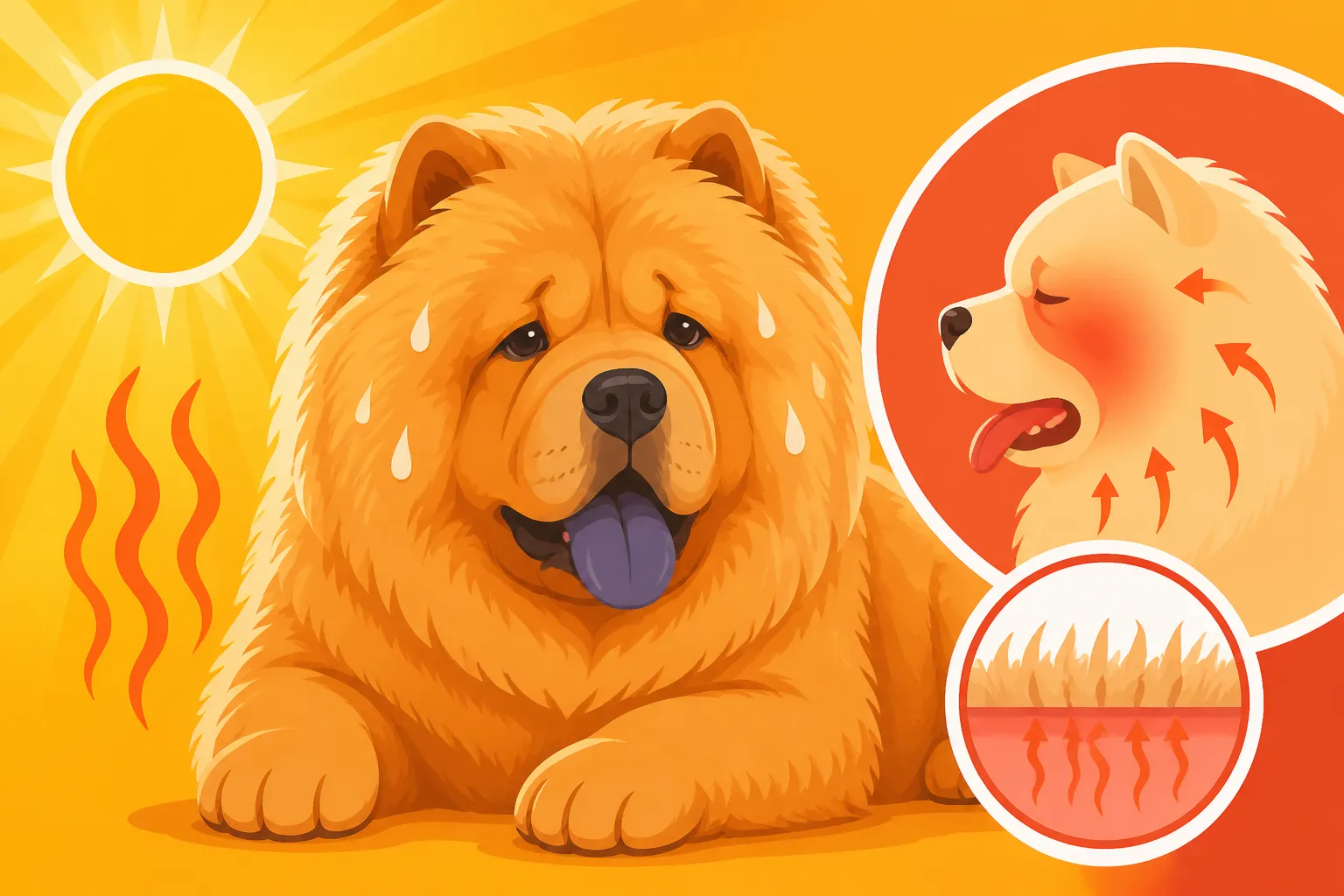
However, this design works both ways. That very same undercoat that holds warmth in during winter effectively traps heat against their body during summer. It prevents cool air from reaching their skin and acts as a barrier, making it much harder for their body to dissipate excess heat. It’s a marvel of canine evolution for chilly Northern climates, but a major challenge in warmer environments, making it abundantly clear Why a Chow Chow's Double Coat Traps Heat
The Insulating Effect and Heat Retention
Imagine wrapping yourself in a thick wool blanket on a hot day. That's essentially what a Chow Chow experiences. The thick undercoat, particularly around their neck (the "ruff") and hindquarters, acts like a dense thermal blanket. This trapped layer of warm air means that as their body temperature rises, that heat has nowhere to go. It can't escape through their fur effectively because the undercoat holds it close to their skin.
This insulating effect is compounded by their lack of sweat glands across most of their body. Unlike humans who sweat to cool down, dogs primarily rely on panting to release heat through evaporation from their tongues and respiratory tracts. If their main avenue for heat dissipation (panting) is already compromised (which we'll discuss next), and their coat is actively preventing heat from escaping the rest of their body, it creates a dangerous situation where their core temperature can spike rapidly.
Why Shaving a Chow Chow Doesn't Help
Many well-meaning owners, desperate to help their Chow Chow in the heat, consider shaving them. However, this is often counterproductive and can actually make matters worse. The double coat isn't just for warmth; it also provides natural sun protection. Shaving removes this protective layer, exposing their sensitive skin to harmful UV rays, which can lead to sunburn and increased risk of skin cancer.
Furthermore, shaving can damage the intricate structure of the double coat, leading to a condition known as "post-clipping alopecia" where the coat grows back unevenly, patchy, or with a different texture, sometimes never fully recovering its original density or protective qualities. The outer guard hairs and the undercoat grow at different rates, potentially making the insulation problem even worse rather than better in the long run. It's a common misconception, but for a Chow Chow, Why Shaving Does Not Cool a Chow Chow
The Unique Challenges of Their Brachycephalic Anatomy
Beyond their coat, the Chow Chow's very facial structure — specifically their short muzzle — plays a significant role in their susceptibility to overheating. They are what's known as a "brachycephalic" breed, a term that refers to dogs with shortened heads, squashed noses, and often constricted airways.
The Short Muzzle and Breathing Difficulties
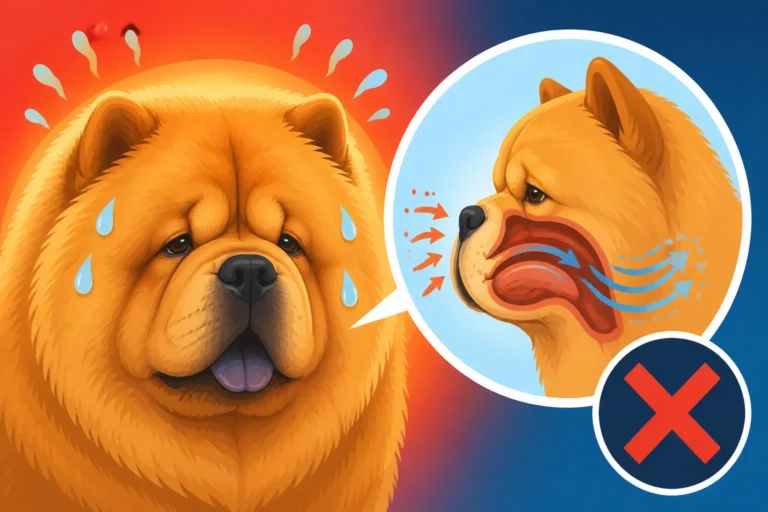
Chow Chows, like Bulldogs or Pugs, have a distinctly flat face and short snout. This characteristic, while giving them a somewhat "scowling" or "bear-like" appearance that many find endearing, comes with serious respiratory challenges. Their compressed facial structure means that their nasal passages are often narrower, their soft palate can be elongated and partially obstruct the airway, and their nostrils (stenotic nares) can be pinched.
These anatomical quirks make breathing less efficient even under normal circumstances, forcing them to work harder to take in air. When they're trying to cool down through panting, this inefficiency becomes a critical issue. They simply cannot move enough air across the moist surfaces of their mouth and throat quickly enough to facilitate the rapid evaporative cooling their body needs. This is a primary reason Why a Chow Chow's Short Muzzle Cools Poorly
Inefficient Panting as a Cooling Mechanism
Panting is a dog's most effective way to regulate body temperature. When a dog pants, air flows rapidly over the moist surfaces of the tongue and mouth, causing water to evaporate. This evaporation carries heat away from the body, much like how sweat cools humans. However, for a Chow Chow, this process is significantly impaired.
Because of their constricted airways and the anatomical obstructions inherent in their brachycephalic structure, they cannot achieve the same high rate of airflow and evaporation as a dog with a longer muzzle and open airways. Their panting might sound more labored, louder, or faster, but it's not necessarily more effective. They are working overtime just to get basic oxygen, let alone dissipate excess heat. This means their internal temperature climbs faster and drops slower than other breeds, even with moderate exertion or environmental heat.
Narrow Airways and Associated Risks
The problems don't stop at the nostrils and soft palate. Many brachycephalic breeds, including Chow Chows, can have other upper respiratory abnormalities collectively known as Brachycephalic Obstructive Airway Syndrome (BOAS). This can include a hypoplastic trachea (narrow windpipe) and everted laryngeal saccules (tissue that is pulled into the airway). Each of these conditions further restricts airflow.
When a Chow Chow tries to pant intensely, the increased negative pressure in their chest can exacerbate these issues, causing the already compromised tissues to swell, further narrowing the airway. This creates a dangerous positive feedback loop: they pant harder because they're hot, but panting harder makes it even harder to breathe and cool down. This can quickly escalate to respiratory distress and heatstroke, turning a simple walk into a life-threatening emergency.
Chow Chow Physiology and Exercise Tolerance
It’s not just their coat and face; the Chow Chow’s overall build and inherent characteristics contribute to their low heat tolerance and predisposition to overheating. Their unique physique, combined with their dense muscle and bone structure, means they generate and retain heat differently from many other breeds.
The Stilted Gait and Energy Expenditure
Chow Chows are known for their distinctive "stilted" gait, a result of their unusually straight rear legs and hocks. While it gives them a somewhat regal, almost stiff appearance as they move, this gait isn't as efficient as the springy, athletic movements of other dog breeds. Each step requires more energy, as they lack the typical angulation that provides shock absorption and propulsive power.
More energy expenditure means more metabolic heat production. Even a leisurely stroll on a warm day can cause a Chow Chow to generate significant internal heat that a more agile, less stilted breed wouldn't. This inefficiency means they get "hotter" faster during activity, even if the activity level seems low to a human observer. Understanding this is key to managing How Much Exercise a Chow Chow Actually Needs
Weight and Body Mass
Chow Chows are medium to large dogs, typically weighing between 45 and 70 pounds, with a sturdy, heavily boned build. This substantial body mass contributes to their heat regulation challenges. Larger bodies generally have a smaller surface area-to-volume ratio compared to smaller animals, making it harder for them to dissipate heat efficiently. Imagine a small teacup Chihuahua versus a hefty Chow Chow; the Chihuahua has more surface area relative to its body mass to shed heat.
Furthermore, any excess weight dramatically exacerbates the problem. An overweight Chow Chow has an additional layer of fat acting as insulation, further trapping heat. The extra weight also puts more strain on their cardiovascular and respiratory systems, making breathing harder and cooling even more challenging. Maintaining a lean body condition is paramount for their comfort and safety in warmer weather.
Underlying Health Conditions
While not exclusive to Chow Chows, certain health conditions can make them even more vulnerable to overheating. Conditions affecting the heart, lungs, or endocrine system can impair their body's ability to cope with heat stress. For example, a dog with an undiagnosed heart murmur or early-stage respiratory disease might struggle disproportionately in warm conditions compared to a healthy Chow Chow.
Thyroid issues are also relatively common in Chow Chows. Hypothyroidism, where the thyroid gland doesn't produce enough hormones, can lead to a lower metabolic rate, weight gain, and sometimes impact circulation. While often associated with cold intolerance, an improperly managed hypothyroid Chow could have a compromised system that struggles with any physiological stressor, including heat. This highlights the importance of regular veterinary check-ups and being aware of What a Chow Chow's Yearly Bloodwork Should Cover
Environmental Factors and Management Strategies
Beyond their inherent physical traits, external environmental factors play a massive role in how easily a Chow Chow overheats. Understanding these factors is crucial for creating a safe environment for your furry friend.
The Role of Humidity
Temperature isn't the only concern; humidity is a silent killer for dogs, especially brachycephalic breeds like the Chow Chow. When a dog pants, they cool themselves through the evaporation of moisture from their respiratory tract. High humidity means there's already a lot of moisture in the air, making it difficult for additional moisture (from panting) to evaporate.
Think of it like trying to dry clothes in a humid environment versus a dry one. Evaporation is much slower. This dramatically reduces the efficiency of panting, meaning the Chow Chow is working harder to pant with less cooling effect. A moderately warm but humid day can be far more dangerous than a very hot but dry day for a Chow Chow. This is why paying attention to the "heat index" (which accounts for humidity) is so important, as even a seemingly mild temperature can become dangerous when combined with high humidity. You must be aware of What Temperature Is Too Hot for a Chow Chow
Asphalt and Other Hot Surfaces
Many owners underestimate the danger of hot surfaces. On a sunny day, asphalt, concrete, and even sand can become scorching hot, reaching temperatures far exceeding the ambient air temperature. While the air might be 85°F (29°C), asphalt can easily hit 135°F (57°C) or more, hot enough to cook an egg in minutes and cause severe burns to a dog's paw pads.
Chow Chows, with their relatively stocky build, have their bodies closer to these radiating surfaces. The heat from the ground radiates upwards, adding to their overall heat load. Walking on hot pavement not only risks painful burns but also contributes significantly to their core body temperature rising, making them overheat faster. Always check the pavement with the back of your hand; if it's too hot for you to hold your hand there for five seconds, it's too hot for your Chow's paws.
Confined Spaces and Cars
This is perhaps one of the most critical and dangerous environmental factors. Leaving a dog in a car, even with the windows cracked, is a recipe for disaster, and for a Chow Chow, it's a death sentence in minutes. The interior of a car heats up incredibly rapidly, often reaching lethal temperatures in less than 10-15 minutes, even on a day that doesn't feel particularly hot to humans.
The confined space, lack of airflow, and direct sunlight create a superheated environment where a Chow Chow's already compromised cooling system stands no chance. The same applies to leaving them in a small, unventilated room or a hot kennel without proper cooling. There's simply no escape from the radiating heat, and their body temperature will climb uncontrollably. This is why it’s unequivocally advised that Why a Chow Chow Should Never Wait in a Car
Recognizing and Preventing Overheating
Knowing why Chow Chows overheat is the first step; the next is being able to recognize the signs and, more importantly, prevent it from happening in the first place. Early intervention can be life-saving.
Signs of Overheating and Heatstroke
It's crucial to be vigilant and recognize the early signs of overheating before it progresses to full-blown heatstroke, which is a severe medical emergency. Early signs can be subtle and include:
- Excessive Panting: Much heavier and faster than usual, possibly with an open-mouthed, noisy respiration.
- Bright Red Gums or Tongue: Indicating increased blood flow as the body tries to cool.
- Thick, Ropy Saliva: Due to dehydration and the body’s inability to keep up with moisture loss.
- Seeking Shade or Cool Surfaces: A desperate attempt to find relief.
- Reluctance to Move: Becoming sluggish or stopping on a walk.
As overheating progresses to heatstroke, the signs become much more severe and alarming:
- Stumbling or Disorientation: The brain is affected by the extreme temperature.
- Vomiting and Diarrhea: Often with blood, due to organ damage.
- Collapse or Loss of Consciousness: A critical stage indicating severe physiological distress.
- Seizures: Brain damage due to extreme heat.
- Dark Red or Purple Gums: Indicating poor circulation and oxygenation.
Recognizing Signs a Chow Chow Is Overheating on a Walk means you need to act immediately.
Immediate Cooling Measures
If you suspect your Chow Chow is overheating, time is of the essence. You need to act quickly to lower their core body temperature.
- Move to a Cooler Area: Immediately get your Chow into shade, an air-conditioned space, or near a fan.
- Apply Cool Water: Wet their coat thoroughly with cool (not ice-cold) water, focusing on their paws, belly, neck, and inner thighs where blood vessels are close to the surface. You can use a hose, a wet towel, or even a kiddie pool.
- Offer Small Amounts of Water: If they are conscious and able to drink, offer cool (not ice-cold) water in small amounts. Don't force them to drink.
- Use a Fan: Direct a fan towards them to aid evaporative cooling.
- Get to the Vet: Even if your Chow seems to be recovering, heatstroke can cause organ damage that isn't immediately apparent. Seek veterinary attention immediately. Call ahead so they can prepare for your arrival. Your vet can monitor for complications and provide intravenous fluids and other supportive care. Understanding How to Cool a Chow Chow Down Fast is a critical life skill for any Chow Chow owner.
Long-Term Management Strategies
Prevention is always better than cure, especially with a breed as susceptible to heat as the Chow Chow. Proactive management can keep your Chow safe and comfortable.
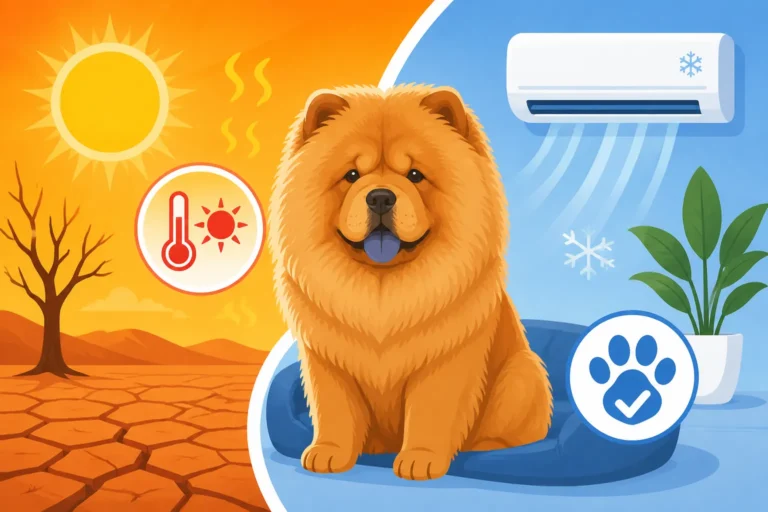
- Indoor Living: For most of the year, especially in temperate or warm climates, Chow Chows should primarily be indoor dogs, with access to air conditioning during warmer months. Seriously consider Whether a Chow Chow Needs Air Conditioning
- Timing Walks: Walk your Chow Chow during the coolest parts of the day – early mornings and late evenings – avoiding the midday sun entirely. Adjust the length and intensity of walks according to the weather.
- Cooling Aids: Invest in cooling mats, cooling vests (that are soaked in water), or even a small kiddie pool for them to splash in during hot days. These can provide a much-needed respite from the heat.
- Hydration: Always have fresh, cool water available, and consider adding ice cubes to their water bowl or bringing a portable water bottle and bowl on walks.
- Grooming: Regular, thorough brushing is essential to remove loose undercoat, which can reduce some of the insulating effect. However, remember the rule about not shaving their coat entirely. Professional groomers specializing in double-coated breeds can perform a "deshedding" treatment to help manage the undercoat.
- Vet Consultations: Discuss your Chow Chow's heat tolerance with your veterinarian. They can offer personalized advice and check for any underlying health issues that might increase their risk. For serious conditions, having pet insurance like Healthy Paws can be a tremendous help in covering unexpected emergency vet bills, which can easily run into thousands for heatstroke treatment.
- Awareness: Always be mindful of the ambient temperature and humidity. If it feels too hot for you to be comfortable, it's definitely too hot for your Chow. Learning how to navigate Getting a Chow Chow Through an American Summer is a journey of constant vigilance.
Here's a quick reference table for recognizing overheating:
| Symptom Category | Early Signs (Overheating) | Severe Signs (Heatstroke Emergency) | Action Required |
|---|---|---|---|
| Breathing | Excessive, rapid panting; loud breathing | Labored, gasping breaths; open-mouthed breathing | Move to cool, apply water, vet ASAP |
| Appearance/Gums | Bright red gums/tongue; thick, ropy saliva | Dark red, purple, or pale gums; sunken eyes | Move to cool, apply water, vet ASAP |
| Behavior | Seeking shade; reluctance to move; lethargy | Stumbling, disorientation; collapse; seizures; unconscious | Move to cool, apply water, vet ASAP |
| Body Temperature | Noticeably warm to the touch | Extremely hot to the touch; rectal temp >104°F (40°C) | Move to cool, apply water, vet ASAP |
| Gastrointestinal | Nausea; drooling | Vomiting (possibly bloody); diarrhea (possibly bloody) | Move to cool, apply water, vet ASAP |
Living with a Chow Chow means embracing their unique characteristics, which definitely includes their susceptibility to heat. By understanding the combined impact of their double coat, brachycephalic features, and specific physiology, you can take proactive steps to ensure your Chow Chow enjoys a long, healthy life, even when the mercury rises. Remember, if you ever find yourself in a heat-related emergency, prompt action and veterinary care are crucial, and pet insurance from providers like Healthy Paws can alleviate the financial stress of these often costly treatments.
Disclaimer
This article is intended for informational purposes only and does not constitute veterinary advice. Always consult with a qualified veterinarian for any health concerns or before making any decisions about your pet's medical care.