Signs a Chow Chow Is in Heat Stroke
The moment you realize your fluffy companion isn't quite right in warmer weather is terrifying. Chow Chows, with their magnificent double coats and distinctive snouts, are particularly vulnerable to overheating, and identifying the signs of heat stroke quickly can literally be the difference between life and death. This guide will walk you through everything you need to know, from the subtle early indicators to the critical emergency signs, ensuring you're prepared to act swiftly and protect your beloved Chow.
Why Heat Stroke Is a Chow Chow's Silent Threat
It's no secret that Chow Chows are simply not built for sweltering temperatures. Their ancient lineage hails from much colder climates, and their unique physical characteristics, while stunning, also make them incredibly susceptible to heat-related illness. Understanding these predispositions is the first step in prevention and early detection.
The Double Coat: A Thermal Blanket
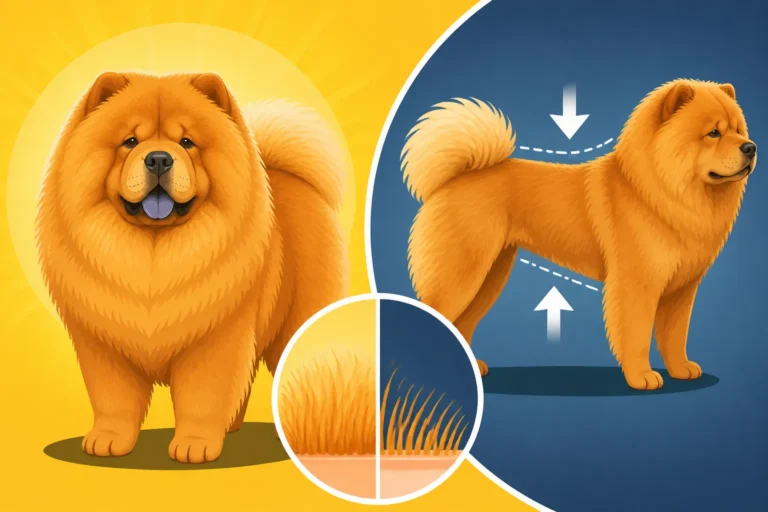
Your Chow Chow’s luxurious double coat, whether rough or smooth, acts as an incredibly efficient insulator. While fantastic for keeping them warm in winter, it becomes a severe liability in summer. This dense fur traps heat close to their body, making it incredibly difficult for them to cool down. It’s like wearing a heavy wool coat on a hot day – uncomfortable for us, but potentially lethal for them. Many owners mistakenly believe that shaving their Chow Chow will solve this problem, but in reality, shaving can actually hinder their natural cooling process and expose their delicate skin to sunburn. For more on this, you might be interested in Why Shaving Does Not Cool a Chow Chow.
This thick barrier means that the heat generated by their own body, combined with ambient environmental heat, has nowhere to go. Unlike dogs with single coats, who can release some heat through their skin, a Chow Chow’s undercoat effectively blocks this. It's a continuous internal oven that can quickly spiral out of control if not managed. Even a light breeze struggles to penetrate their dense fur to reach the skin and facilitate evaporative cooling.
Brachycephalic Tendencies: Compromised Cooling
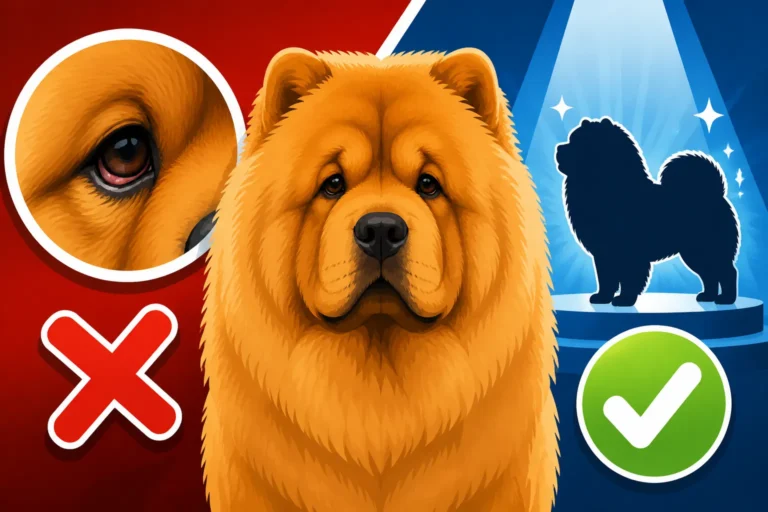
While not as extreme as a Bulldog or a Pug, many Chow Chows possess a somewhat flattened or "brachycephalic" muzzle compared to longer-nosed breeds. This seemingly small anatomical difference has huge implications for their ability to cool down. Dogs primarily regulate their body temperature through panting. As they pant, air passes over the moist surfaces of their tongue and respiratory tract, and the evaporation of that moisture helps to cool their blood.
A shorter muzzle means a smaller surface area for this evaporative cooling to occur, making the process much less efficient. Think of it like a smaller radiator trying to cool a powerful engine. They have to work much harder, panting more rapidly and strenuously, just to achieve a fraction of the cooling effect a longer-nosed dog might. This strenuous panting can also quickly lead to swelling in their airways, further obstructing airflow and creating a vicious cycle where they get hotter and pant harder, but cool less effectively. You can learn more about this specific challenge in Why a Chow Chow's Short Muzzle Cools Poorly.
Stilted Gait: Less Efficient Movement in Heat
Another unique characteristic of the Chow Chow is their relatively straight rear leg angulation, which gives them a distinctive "stilted" gait. While this is part of their breed standard, it means their movement is less fluid and energy-efficient than dogs with more angulated hindquarters. When exercising, even moderately, this unique gait requires more effort.
More effort means more internal heat generation. Combine this with their inability to dissipate heat effectively due to their coat and muzzle, and even a short walk on a warm day can push a Chow Chow into dangerous territory. Owners need to be acutely aware that what might be a comfortable stroll for another breed could be a perilous exertion for a Chow Chow, especially as temperatures climb. It's a key reason why timing walks is so crucial, as highlighted in Signs a Chow Chow Is Overheating on a Walk.
Early and Subtle Signs of Heat Stress
Recognizing the very first, subtle signs of heat stress is paramount. These early warnings are your opportunity to intervene before the situation becomes a full-blown emergency. Don't wait for dramatic symptoms; by then, it might be too late. Pay close attention to changes in your Chow Chow's normal behavior and physical cues.
Excessive Panting and Rapid Breathing
Normal panting is how a dog cools down. But with a Chow Chow, "excessive" panting is a red flag. What does it look like? It's panting that seems disproportionate to their activity level or the ambient temperature. If your Chow is panting heavily after a short walk on a mild day, or if their panting sounds unusually loud, forced, or raspy, it's time to pay attention. They might also be breathing very rapidly, with quick, shallow breaths, even when at rest. Their nostrils might be flared, and their chest visibly heaving more than usual. This isn't just "working hard"; it's a sign their body is struggling to regulate its temperature.
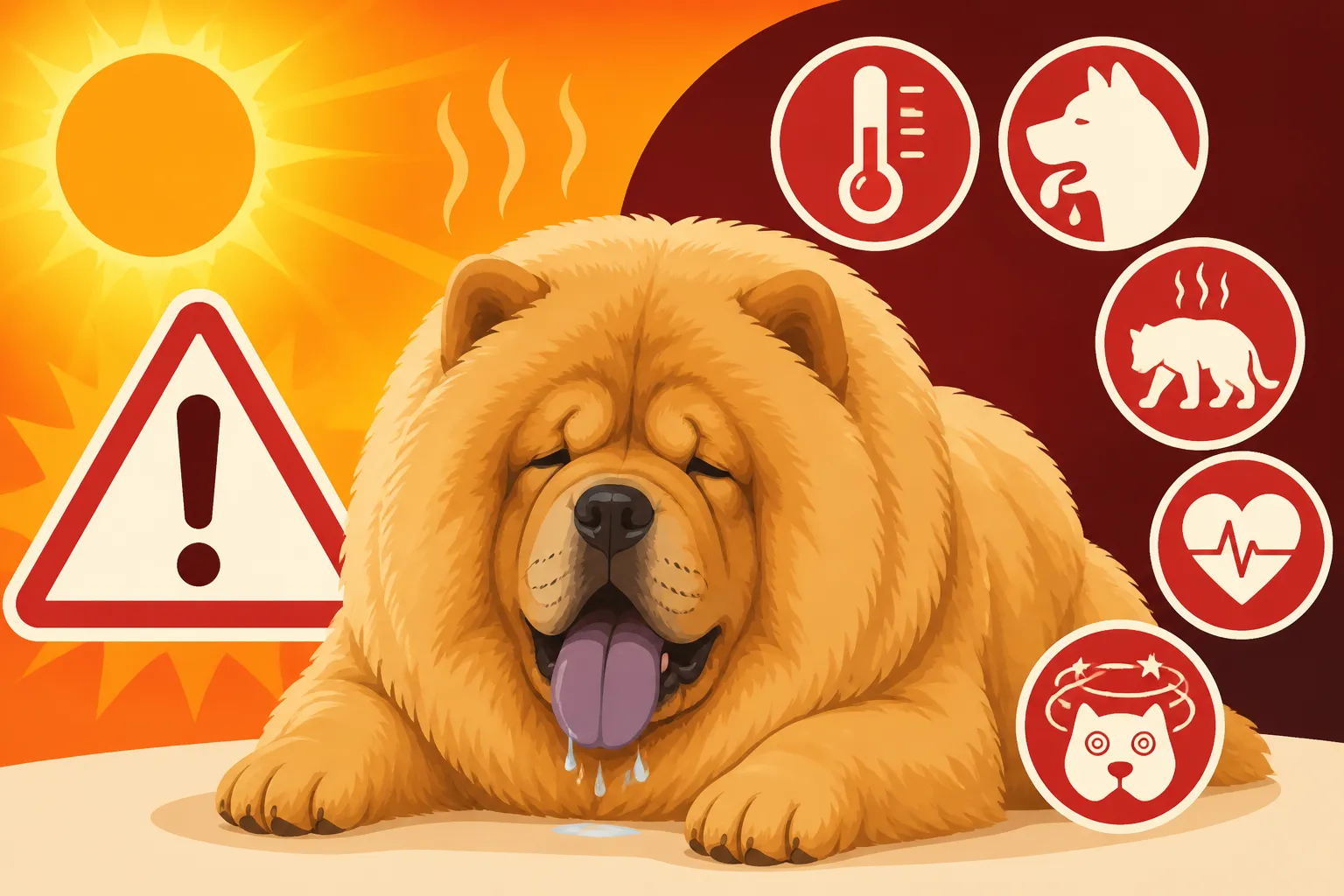
This heavy, exaggerated panting is their body's desperate attempt to expel heat. If you notice their tongue is fully extended and wider than usual, possibly even curling at the edges, and the panting seems relentless without any cooling relief, consider it a serious warning. It's a clear signal that their usual cooling mechanisms are being overwhelmed and they're entering a state of distress.
Bright Red Gums and Tongue
A quick check of your Chow Chow's gums can provide valuable insight into their circulatory system. Normally, a dog's gums should be a healthy bubblegum pink. When a Chow Chow is starting to overheat, their gums and the visible parts of their tongue (which, remember, are often blue-black in Chows, but you can still assess the underlying vascularity or the pinker inner parts) might appear unusually bright red, almost scarlet. This is due to vasodilation – the blood vessels expanding to try and radiate heat away from the body.
While the famous blue-black tongue of a Chow Chow can make this assessment a little trickier, you can still observe the overall color of the mucous membranes inside their mouth, including the roof of their mouth and around their teeth. If these areas are intensely red, it indicates their core body temperature is rising dangerously. Don't confuse this with the normal dark pigmentation; you're looking for a change to a vivid, almost angry red hue in the pinker tissues.
Lethargy and Reluctance to Move
Chow Chows are generally a calm and somewhat independent breed, so a certain level of aloofness isn't unusual. However, a marked change towards lethargy or an unusual reluctance to move is a critical early sign of heat stress. If your Chow, who normally enjoys a leisurely wander in the yard, suddenly seems completely uninterested in going outside, or if they struggle to get up, seem disoriented, or just want to lie down in a shady spot and not be bothered, it's time to be concerned.
This isn't just them being "lazy"; it's their body conserving energy because it's working overtime to fight the rising heat. They might seem weaker than usual, stumble slightly, or show an uncharacteristic disinterest in their favorite toys or treats. Pay close attention if they ignore you or seem "out of it." This reduced energy is their physiological response to the stress their body is under, a warning sign that needs immediate action.
Escalating and Moderate Signs Requiring Immediate Action
If the early signs are missed or ignored, your Chow Chow's condition can rapidly worsen. These escalating signs indicate that heat stroke is firmly taking hold, and immediate, decisive intervention is absolutely crucial. At this point, you're not just trying to prevent heat stroke; you're actively working to mitigate its severe effects.
Vomiting or Diarrhea
Gastrointestinal upset, such as vomiting or diarrhea, is a common and concerning sign of moderate heat stroke. As a Chow Chow's core body temperature rises, it can disrupt normal bodily functions, including the digestive system. The intense heat can cause blood to be shunted away from the stomach and intestines to help cool vital organs, leading to ischemia (lack of blood flow) and damage to the gut lining.
The vomiting might be foamy, or they might bring up undigested food. Diarrhea can range from soft stools to watery, explosive episodes. Both can quickly lead to dehydration, further compounding the problem and making it even harder for their body to cool itself. This is a clear indicator that their internal systems are being compromised, and professional veterinary attention is needed without delay.
Drooling and Thick Saliva
While some drooling can be normal for a panting dog, an excessive amount of thick, ropey saliva is a definite red flag. As a Chow Chow struggles with heat, their body attempts to increase evaporative cooling through their mouth, leading to more saliva production. However, as dehydration sets in and their body tries to conserve fluids, this saliva can become thick, sticky, and even foamy.
You might notice strings of saliva hanging from their mouth, or a visible accumulation of foamy drool around their lips. This thick, viscous saliva is less effective at cooling them because it doesn't evaporate as readily as thinner, watery saliva. It also contributes to their discomfort and difficulty breathing, especially for a breed already prone to respiratory challenges due to their shorter muzzle. This sign indicates significant dehydration and worsening heat stress.
Uncoordinated Movement or Stumbling
When the body's systems begin to fail under severe heat stress, neurological signs can emerge. You might notice your Chow Chow becoming disoriented, stumbling, or exhibiting uncoordinated movements. They might sway when standing, walk with a drunken gait, or have trouble maintaining their balance. Their legs might seem weak, or they could collapse unexpectedly.
This happens because the brain and nervous system are extremely sensitive to elevated temperatures. Cellular function is impaired, leading to a loss of control over motor skills. If your Chow Chow is struggling to walk in a straight line, bumping into objects, or seems generally confused about their surroundings, it's a critical sign. This unsteadiness is not just a sign of physical weakness but a dangerous indication that their brain is being affected by the heat, demanding immediate emergency care.
Critical Emergency Signs Requiring Immediate Veterinary Intervention
These are the absolute emergency signals. If your Chow Chow exhibits any of these, it's no longer about at-home remedies; it's a race against time to get them to the nearest emergency veterinarian. Heat stroke at this stage is life-threatening and can cause irreversible organ damage or death within minutes.
Collapse, Seizures, or Loss of Consciousness
At the most severe end of the spectrum, a Chow Chow suffering from advanced heat stroke may collapse, experience seizures, or lose consciousness entirely. This is a terrifying and dire situation. Collapse indicates that their circulatory system is failing, unable to maintain adequate blood pressure to their brain and other vital organs.
Seizures are a direct result of severe brain swelling and dysfunction due to extreme hyperthermia. Their body temperature is so high that the brain cells can no longer function normally, leading to uncontrolled electrical activity. If your Chow Chow is seizing, unresponsive, or has completely collapsed and cannot be roused, there is no time to waste. You need to initiate emergency cooling while simultaneously transporting them to a veterinary hospital. This is where having pet insurance like Healthy Paws can truly make a difference, allowing you to focus on your pet's immediate care rather than worrying about the initial bill.
Gums Turning Dark Red, Purple, or Bluish
While bright red gums were an early warning, gums turning a dark brick red, purple, or even bluish are a sign of circulatory collapse and oxygen deprivation. The dark red color often indicates stagnant, deoxygenated blood pooling in the capillaries, or it can signify widespread damage to blood vessels. Bluish (cyanotic) gums specifically point to a severe lack of oxygen in the blood.
If you can safely check your Chow Chow's gums and they have transitioned to these alarming colors, it means their body is in profound shock. The blood isn't circulating properly, and oxygen isn't reaching tissues effectively. This stage often accompanies other critical signs like collapse or unresponsiveness. It's a clear indicator that their organs are shutting down, and their life is in immediate peril.
Glassy Eyes and Increased Body Temperature
While you might not have a rectal thermometer handy (and shouldn't try to use one if your dog is distressed), observing their eyes and feeling their body can give you clues. A Chow Chow's eyes might appear glassy, unfocused, or sunken, indicating severe dehydration and shock. Their pupils might be dilated and unresponsive.
Crucially, if you can safely feel your dog, their skin will feel extremely hot to the touch, especially in areas with thinner fur like the inner thighs or belly. While a normal dog's temperature is around 101-102.5°F (38.3-39.2°C), a Chow Chow in heat stroke can easily reach 106°F (41°C) or higher. Such extreme temperatures cause rapid cell death and multi-organ failure. If your dog feels oven-hot and looks disoriented with glassy eyes, it's an emergency. For more on preventative measures, consider Whether a Chow Chow Needs Air Conditioning.
Immediate Actions to Take When You Suspect Heat Stroke
Knowing the signs is only half the battle; knowing what to do in the moment is equally critical. If you suspect your Chow Chow is experiencing any stage of heat stroke, every second counts. Your actions can significantly impact their outcome.
Move to a Cooler Environment Instantly
The very first thing you must do is get your Chow Chow out of the heat source. This means moving them indoors to an air-conditioned space, into the shade, or even into a cool, tiled bathroom. Any delay in removing them from the hot environment will only worsen their condition. Do not force them to walk if they are struggling; if necessary, carry them.
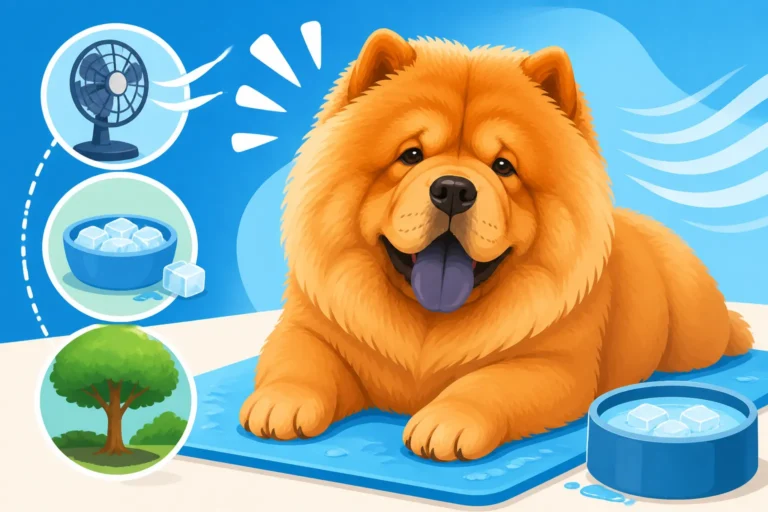
Once inside, position them near a fan or an air conditioning vent to maximize airflow over their body. The goal is to immediately stop the ongoing heat absorption and begin the process of dissipating the heat already accumulated in their body. This initial step is non-negotiable and provides the foundation for all subsequent cooling efforts.
Offer Water and Apply Cool Water to the Body
Once in a cool environment, offer your Chow Chow small amounts of cool (not ice-cold) water to drink. Do not force them to drink, especially if they are struggling to swallow or are disoriented, as they could aspirate it. If they are willing to drink, it can help with rehydration.
Simultaneously, begin cooling their body externally. Use a hose, wet towels, or even a bathtub to apply cool, not freezing, water to their coat and skin. Focus on areas where blood vessels are close to the surface, such as the armpits, groin, belly, and paw pads. Avoid using ice-cold water or ice packs, as this can cause the blood vessels to constrict, trapping heat inside their body and potentially leading to shock. Instead, cool water combined with evaporation is most effective. Keep applying water and gently fanning them until you can get them to the vet. For more detailed instructions on active cooling, see How to Cool a Chow Chow Down Fast.
Contact Your Veterinarian or Emergency Clinic Immediately
As soon as you notice moderate or severe signs, or even if you're just unsure, call your veterinarian or the nearest emergency veterinary clinic while you are performing initial cooling measures. Do not wait. Explain your Chow Chow's symptoms and that you suspect heat stroke. They can guide you through immediate first aid over the phone and prepare their team for your arrival.
Time is of the essence, and pre-alerting the clinic means they can have staff ready to receive your dog and begin treatment the moment you arrive. Remember, heat stroke is a medical emergency that requires professional care, including intravenous fluids, oxygen therapy, and close monitoring of organ function. Relying solely on at-home cooling for severe cases is incredibly risky. This is where pet insurance, like a plan from Healthy Paws, can offer peace of mind, knowing that vital emergency care costs are covered when every second counts. The expenses for treating severe heat stroke can be substantial, as explored in What Heat Stroke Costs to Treat in a Chow Chow.
Preventing Heat Stroke in Your Chow Chow
An ounce of prevention is worth a pound of cure, especially when it comes to heat stroke in a Chow Chow. Being proactive and mindful of their unique needs can save you and your beloved companion from a life-threatening ordeal.
Timing Walks and Outdoor Activities
This is perhaps the most straightforward and effective preventative measure. During warmer months, drastically adjust the timing of your Chow Chow's walks and outdoor playtime. Avoid the hottest parts of the day entirely. This means sticking to early mornings before the sun gets too intense, and late evenings after the sun has begun to set and the pavement has cooled down.
Even on seemingly mild days, remember that asphalt and concrete can absorb and retain heat, becoming dangerously hot and burning your dog's paw pads. A simple test is to place the back of your hand on the pavement for five seconds; if it's too hot for your hand, it's too hot for their paws. Keep outdoor excursions short and focused on potty breaks, prioritizing indoor activities for exercise when the temperature rises. This is critical because of Why a Chow Chow Overheats So Easily.
Providing Ample Shade and Fresh Water
Whenever your Chow Chow is outdoors, even for a short period, ensure they have constant access to ample shade. A dog house, a large umbrella, or a shady tree can provide crucial refuge from direct sunlight. Direct sun exposure rapidly increases their body temperature, even on cooler days.
Equally important is a constant supply of fresh, cool water. Have multiple bowls available indoors and outdoors, and consider adding ice cubes to their water to keep it cool longer. A kiddie pool filled with a few inches of water in a shaded area can also provide a safe place for them to cool off, but always supervise them. Dehydration makes them even more vulnerable to heat stroke, so hydration is key.
Utilizing Cooling Aids and Air Conditioning
For Chow Chows, air conditioning isn't a luxury; it's often a necessity, especially during summer months. If you live in a warm climate, ensuring your home is adequately air-conditioned can be a lifesaver. Keep indoor temperatures comfortable for them, typically below 75°F (24°C). For more on this, consider reading Whether a Chow Chow Needs Air Conditioning.
Beyond AC, there are various cooling aids designed to help keep dogs comfortable. Cooling mats, cooling vests that you wet and wring out, and even bandanas soaked in cool water can offer temporary relief. These tools work by providing a cool surface or by facilitating evaporative cooling. Remember to rotate these aids and ensure they remain cool and effective. Never leave your Chow Chow unattended in a car, even with the windows cracked, as car interiors heat up rapidly to fatal temperatures.
Understanding the Long-Term Impact and Recovery
Even if a Chow Chow survives a heat stroke episode, the effects can be long-lasting and require careful management. The damage caused by extreme temperatures can have significant health implications, impacting their quality of life for years to come.
Potential for Organ Damage
Heat stroke doesn't just make a dog hot; it can cause widespread cellular damage throughout the body, particularly to organs most sensitive to heat and oxygen deprivation. Kidneys, liver, heart, and brain are all at risk. Even after initial recovery, your Chow Chow may suffer from acute kidney failure, liver dysfunction, or neurological deficits.
Some Chow Chows might experience a permanent decrease in kidney function, requiring special diets and medication for the rest of their lives. Others might develop chronic liver issues. The brain damage can manifest as persistent behavioral changes, seizures, or a permanent decline in cognitive function. Regular follow-up veterinary appointments and ongoing blood work are often necessary to monitor these vital organs and manage any emerging complications. This is a severe consequence that even robust pet insurance like Healthy Paws can help cover the ongoing costs of.
Increased Susceptibility to Future Heat Episodes
A Chow Chow that has experienced heat stroke once is unfortunately more prone to developing it again. Their body's thermoregulatory system may be compromised, making them less efficient at handling heat in the future. Their tolerance for even moderate temperatures might be significantly reduced.
This means owners must be even more vigilant with preventative measures. Strict adherence to cool environments, carefully timed and short outdoor excursions, and constant access to cooling aids become even more critical. It’s not just about getting them through one crisis, but understanding that their vulnerability has increased, requiring a lifelong commitment to protecting them from heat. This is especially true as they age, as discussed in Caring for a Chow Chow Past Eight.
The Emotional and Financial Toll
Recovering from heat stroke can be a long, arduous, and emotionally draining process for both the Chow Chow and their owner. The intensive care required can include extended stays in veterinary hospitals, specialized medications, and potentially costly therapies. The financial burden can be immense, often running into thousands of dollars, making a strong case for proactive pet insurance coverage.
Beyond the financial aspect, witnessing your beloved pet in such distress and navigating their recovery can take a significant emotional toll. There might be guilt, anxiety, and the stress of continuous monitoring. However, with vigilant care, a supportive veterinary team, and a deep understanding of their ongoing needs, many Chow Chows can go on to live full, albeit carefully managed, lives after a heat stroke incident. It's a sobering reminder that a Chow Chow's needs are unique and demand a dedicated approach to care. This overall commitment impacts What a Chow Chow Costs Over Its Lifetime.
Conclusion
Understanding the unique vulnerabilities of your Chow Chow to heat stroke is not just good ownership; it's a life-saving skill. Their magnificent coats, distinctive muzzles, and unique gait all conspire to make them incredibly susceptible when temperatures rise. By recognizing the early, subtle signs like excessive panting and red gums, intervening immediately when symptoms escalate to vomiting or uncoordinated movement, and rushing them to emergency care if critical signs like collapse or seizures appear, you can make a profound difference. More importantly, consistent prevention through careful planning of outdoor activities, ensuring constant access to shade and water, and utilizing cooling aids and air conditioning will go a long way in protecting your cherished companion from this silent, deadly threat.
Disclaimer
The information provided in this article is for general informational purposes only and is not a substitute for professional veterinary advice, diagnosis, or treatment. Always seek the advice of your veterinarian or other qualified animal health provider with any questions you may have regarding a medical condition.