Whether a Chow Chow’s Nails Need a Vet
Oh, the infamous Chow Chow nail trim! If you're a Chow Chow parent, you know the struggle is real. It’s not just about a dog being a bit fidgety; with our Chows, it often feels like you’re trying to wrestle a fluffy, immovable, and sometimes opinionated lion bear into submission, all while wielding sharp objects near sensitive paws. Many of us find ourselves wondering if it's truly a battle we need to fight alone, or if our veterinary team should step in. This guide will help you navigate the complexities of Chow Chow nail care and determine when a trip to the vet is genuinely the best course of action.
The Unique Challenges of Chow Chow Nails
Let's be honest, everything about a Chow Chow seems to come with its own unique set of instructions, and their nails are no exception. Their dense coats, stoic personalities, and deep-set eyes often contribute to a situation where a simple nail trim becomes an epic saga. Understanding these inherent challenges can help you decide if professional intervention is necessary.
The Temperamental Hurdles
Chow Chows are known for their independent, often aloof nature. They bond fiercely with their chosen person but can be quite wary of strangers and even members of their own family if not properly socialized from a young age. This inherent reserve means they often don't take kindly to being handled, especially in sensitive areas like their paws. Imagine trying to explain to a regal, sometimes stubborn, canine that you're about to trim their nails for their own good. It's often met with a hard stare, a stiff body, or a quick withdrawal.
Puppyhood is a critical time for desensitization. If a Chow Chow puppy wasn't regularly handled, had their paws touched, and introduced to nail trimming early and positively, they can develop a strong aversion. This isn't out of malice, but simply a lack of understanding and trust, combined with their breed's natural inclination to guard their personal space. Many owners find that attempting a nail trim at home leads to a wrestling match, growling, or even a snap, which is terrifying for everyone involved and can severely damage the bond of trust. Teaching a Chow Chow to Have Its Feet Handled early can make a world of difference, but if that ship has sailed, you're not alone in seeking help.
Anatomy Matters: Thick Nails and Furry Feet
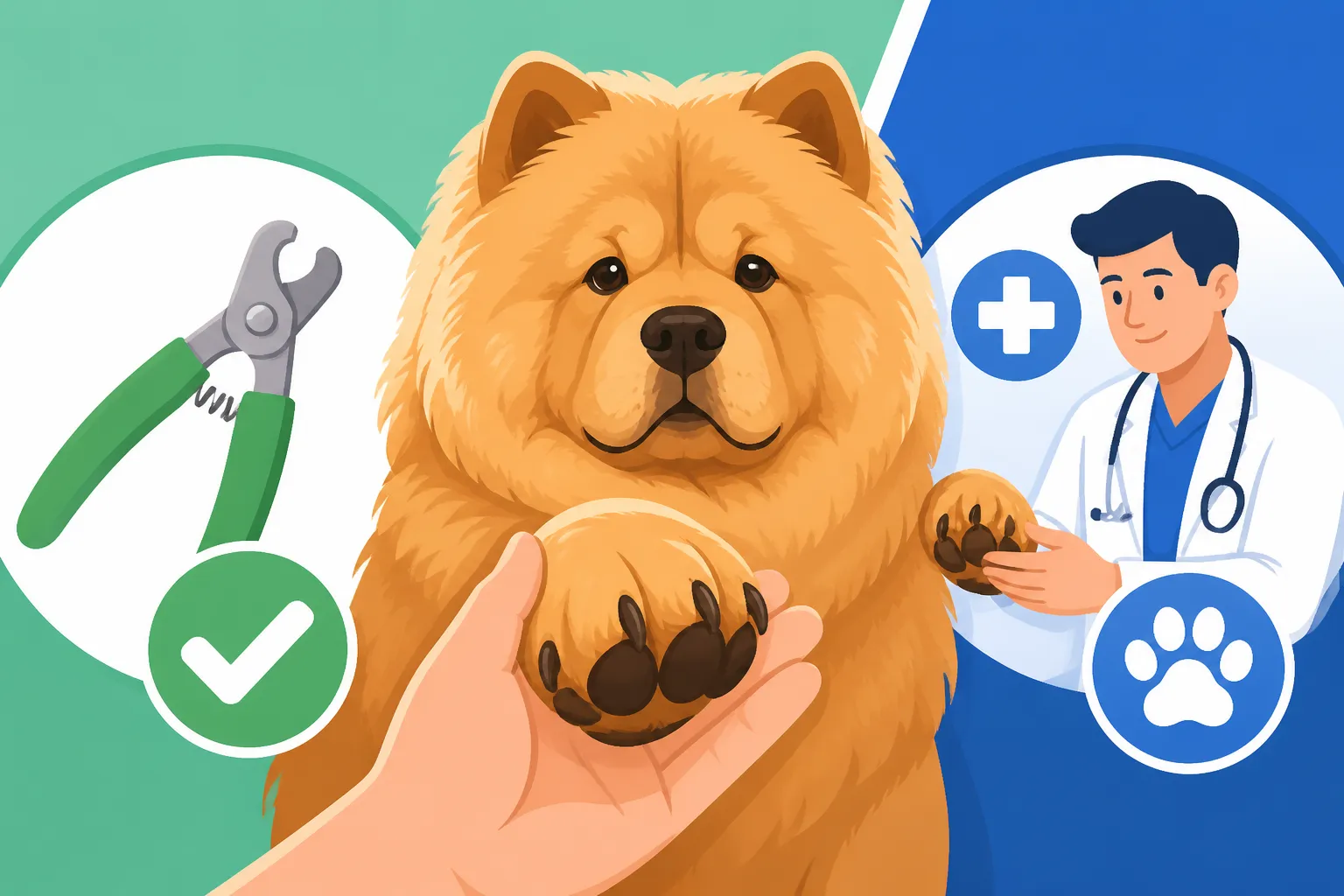
Beyond temperament, the physical characteristics of a Chow Chow's paws and nails add another layer of difficulty. Their nails are often quite thick and strong, making them harder to clip with standard clippers, particularly if they've become overgrown. To make matters worse, their luxuriant double coat extends right down to their feet, creating furry "slippers" that often obscure the nails themselves. This makes it incredibly hard to see where the quick (the sensitive, blood-rich part of the nail) ends, leading to a constant fear of cutting too short and causing pain and bleeding.
If you've ever tried to trim a Chow Chow's nails, you've probably experienced the struggle of parting thick fur, trying to get a good angle, and then realizing you can barely see the nail bed. This isn't just frustrating; it’s a recipe for accidental quicking, which can be a traumatic experience for both you and your Chow Chow. When you can't see what you're doing, the risk of injury skyrockets, and the dog learns to associate nail trims with pain, exacerbating the temperamental hurdles.
The Risk of Long Nails: What Happens if You Don't Trim Them
While the challenges of trimming nails are significant, ignoring them is not an option. Long nails pose serious health and comfort risks for your Chow Chow. Just like humans, overgrown nails can make walking painful, putting undue stress on their paw pads and joints. Chows, with their unique straight rear leg structure and often stilted gait, are already prone to joint issues like Elbow Dysplasia Ranks the Chow Chow Near the Top, so adding further strain from neglected nails is something to avoid at all costs.
When nails get too long, they can curl under and grow into the paw pad, causing painful infections and making every step agony. Even if they don't curl, long nails change how your dog distributes their weight, pushing their toes up and out of alignment. This can lead to chronic pain, arthritis, and even permanent structural damage over time. Imagine walking around constantly wearing shoes that are too small and have rocks inside them – that's what long nails can feel like. It's a silent source of discomfort that your stoic Chow Chow might not overtly complain about, but it impacts their quality of life. Regularly addressing the question of How Often a Chow Chow's Nails Need Trimming is vital for their long-term well-being.
When a Vet Visit Becomes Necessary
There are definitely times when attempting a nail trim at home or even relying on a regular groomer just isn't enough. In these situations, your veterinarian becomes an invaluable resource. They have the expertise, equipment, and sometimes, the necessary pharmaceuticals to ensure your Chow Chow's nails are properly cared for.
Overgrown Nails and Quicking: The Painful Reality
If your Chow Chow's nails have become severely overgrown, it's often best to let a professional handle the initial trim. When nails are too long, the quick grows along with them, making it almost impossible to trim them back significantly without causing bleeding and pain. A vet can often trim them back as far as safely possible, and then advise you on a schedule for more frequent, smaller trims to gradually encourage the quick to recede. This process takes time and consistency but is essential for restoring comfort.
Moreover, if an accidental quicking has happened at home, or if you're too fearful to attempt a trim because of this risk, a vet visit removes that immediate stress. They have styptic powder readily available, understand how to manage bleeding, and can quickly assess if any further complications, like infection, have arisen. The cost of a sedated nail trim at the vet, while higher than a quick clip at home, pales in comparison to the discomfort and potential medical bills associated with an infected paw or a dog in chronic pain from overgrown nails. What Sedating a Chow Chow for a Nail Trim Costs is a real budget item many Chow owners face.
Injuries and Infections: When Health Issues Arise
Sometimes, the nail issue goes beyond mere length. Your Chow Chow might have torn a nail, developed an infection in the nail bed, or have a growth under the nail that's causing discomfort. These situations absolutely require veterinary attention. A torn nail can be incredibly painful and may need to be trimmed back, cleaned, or even removed under sedation to prevent further injury and infection.
Infections, often signaled by swelling, redness, discharge, or a foul odor around the nail, need to be diagnosed and treated by a vet. This could involve antibiotics, anti-inflammatory medications, or specialized cleaning. Your vet can accurately identify the problem, which might be a fungal infection, a bacterial issue, or even something more serious like a tumor. Chow Chows have dense coats that can hide a lot, so you might not even notice an issue until it's quite advanced. How a Chow Chow's Dense Coat Hides Skin Disease isn't just about skin; it applies to paw health too. If you notice your Chow licking their paws excessively, limping, or showing any signs of discomfort around their feet, a vet visit is paramount.
Fear and Aggression: When Your Chow Chow Says "No Way"
This is perhaps the most common reason Chow Chow owners turn to their vets for nail trims. If your dog becomes overly stressed, fearful, or even aggressive during nail trims, it's not safe for either of you to continue the battle at home. Attempting to force the issue can lead to bites, scratches, and a complete breakdown of trust. For breeds like the Chow Chow, known for their reserved nature and sometimes low tolerance for invasion of personal space, pushing them past their comfort zone can have serious behavioral consequences. Why a Chow Chow Gives Little Warning means it's crucial to respect their boundaries.
In these cases, your vet has several options. They might recommend using a muzzle for safety, but more importantly, they can offer sedation or anesthesia for the procedure. This ensures your Chow Chow is relaxed and feels no pain or stress, making the experience much less traumatic. A vet office, especially one that practices "Fear Free" techniques, is equipped to handle anxious or aggressive dogs in a way that minimizes stress and maximizes safety. While it’s an added cost, the peace of mind knowing your dog isn't traumatized and you aren't at risk of injury is often worth every penny.
Alternative Solutions and Preventative Care
While a vet visit is sometimes unavoidable, it's not the only solution. There are other professionals who can help, and steps you can take at home to reduce the frequency of needing veterinary intervention for basic nail care.
The Groomer's Role: Professional Help from a Non-Vet
For many Chow Chows who tolerate some handling but are just too much for their owners to manage alone, a professional groomer is an excellent middle-ground. Groomers are experienced in handling a variety of breeds and temperaments, and they often have specialized equipment like high-velocity dryers (which can help desensitize to noise) and grooming tables that make the process easier and safer.
Many groomers offer "walk-in" nail trim services or can incorporate it into a full grooming session. The key is finding a groomer who has experience with Chow Chows specifically, as their dense coats and reserved personalities require a particular touch. Ask about their approach to handling strong-willed or anxious dogs. Some groomers are even certified in low-stress handling techniques. While a groomer can't sedate your dog, they can often manage cooperative but difficult Chows. Be aware that Why Some Groomers Refuse a Chow Chow is a legitimate concern, so finding the right one is crucial. Services like Chewy often list local groomers, and you can always call ahead to ensure they are equipped to handle your unique companion.
Desensitization at Home: Making Nail Trims Less Scary
If your Chow Chow isn't yet at the point of needing sedation, or if you want to reduce the frequency of vet visits, consistent desensitization at home is your best friend. This involves gradually introducing your Chow Chow to nail trims in a positive, low-stress manner. Start small: simply touch their paws gently, offer a high-value treat (like those from Ollie), and praise them. Do this several times a day, slowly increasing the duration and intensity of the touch.
Once they tolerate paw handling, introduce the clippers or Whether a Dremel Suits a Chow Chow's Nails by simply having them in the room. Let your Chow Chow sniff them, then offer a treat. Gradually progress to touching the clippers to their nails without actually clipping, then doing one nail, and so on. Always end on a positive note, even if you only manage one nail. This process takes patience, consistency, and a lot of positive reinforcement. It's about building trust and creating a positive association with the tools and the process. Remember, for a Chow Chow, consistency in gentle handling from puppyhood is key to preventing later issues.
Tools and Techniques: What Works for Chow Chows
Choosing the right tools can make a significant difference. For thick Chow Chow nails, sharp, high-quality clippers are essential. Dull clippers crush the nail, which is painful. Many Chow Chow owners also find success with a Dremel or other rotary tool. These grind the nail down instead of clipping, which can be less startling for some dogs, and allows for more gradual removal, reducing the risk of quicking.
Regardless of the tool, technique matters. Ensure you have good lighting to see the quick. If you're using clippers, aim to take off small amounts frequently rather than large chunks. For a Dremel, hold the nail firmly and grind for only a few seconds at a time to prevent heat buildup. Always have styptic powder on hand, just in case. Consistency is paramount. Regular, short sessions (even just doing one or two nails a day) are far better than infrequent, stressful marathon sessions. Think of it as part of your routine, like brushing their magnificent coat.
Making the Decision: DIY, Groomer, or Vet?
Deciding who should trim your Chow Chow's nails is a personal choice that balances your dog's temperament, your comfort level, and your budget. There's no single right answer, but by weighing these factors, you can find the best approach for your unique companion.
Cost Considerations: Weighing the Financial Aspects
Let's talk money, because these decisions often come down to what's feasible for your household.
| Option | Pros | Cons | Typical Scenario |
|---|---|---|---|
| DIY at Home | Most cost-effective, builds bonding | Requires training/patience, risk of quicking/injury | Cooperative Chow Chow, owner confident with tools |
| Professional Groomer | Experienced handler, specialized tools, less stress for owner | Costlier than DIY, may not take all Chows, no sedation | Chow Chow tolerates handling but difficult for owner |
| Veterinarian (Routine) | Safe, knowledgeable, can spot health issues | Higher cost, often requires appointment | Chow Chow difficult or aggressive, owner uncomfortable |
| Veterinarian (Sedated) | Stress-free for dog, safest for difficult dogs | Highest cost, risks of anesthesia | Severely fearful/aggressive Chow, medical necessity |
While DIY is the cheapest upfront, remember that poor nail care can lead to costly vet bills for infections or orthopedic issues down the line. A professional groomer will charge per trim or as part of a full grooming package. What Professional Grooming Costs for a Chow Chow can add up, but it might be less than repeated vet visits. Vet visits, especially sedated ones, are the most expensive, but sometimes they are truly the only safe option. It's wise to budget for this, and if you have pet insurance like Healthy Paws, check if routine sedation for grooming or medically necessary nail procedures are covered.
Your Chow Chow's Personality: Tailoring the Approach
Above all else, consider your Chow Chow's individual personality and stress levels. Some Chows, particularly those well-socialized and accustomed to handling from a young age, might tolerate home trims with minimal fuss. Others, even with the best intentions, simply cannot cope. Pushing a fearful or aggressive Chow Chow past its limit can result in serious behavioral issues, increasing their reactivity not just to nail trims, but to all forms of handling or new experiences.
If your Chow Chow shows significant signs of stress – panting, trembling, lip-licking, whale eye, growling, or snapping – during home trims, it's a clear signal that they need professional help. Prioritizing their emotional well-being and safety, as well as your own, is key. Don't feel like a failure if you need to defer to a vet or groomer; you're being a responsible pet parent by recognizing their limits. Understanding How a Chow Chow Hides Pain is also critical here, as they might tolerate pain silently until it becomes unbearable, making the trim even harder.
The Long-Term Plan: Consistency Is Key
Whatever route you choose – DIY, groomer, or vet – consistency is the most important factor. Nails grow continuously, and neglect will only lead to greater problems and potentially more expensive interventions. If you opt for professional help, establish a regular schedule. If you're doing it yourself, make it a consistent part of your routine.
For Chows that require sedation, work with your vet to determine the ideal frequency to minimize the need for heavy sedation while keeping nails at a healthy length. If you use a groomer, inquire about setting up standing appointments. Building a positive association over time, even with professional help, can gradually make the process less stressful for your Chow Chow. Remember, the goal is always to ensure your Chow Chow lives a comfortable, healthy life, free from the pain and complications of neglected nails.
Disclaimer
This article is for general informational purposes only and does not constitute professional advice. Laws, prices and regulations vary by location and change over time. Consult a qualified professional for guidance on your specific situation.