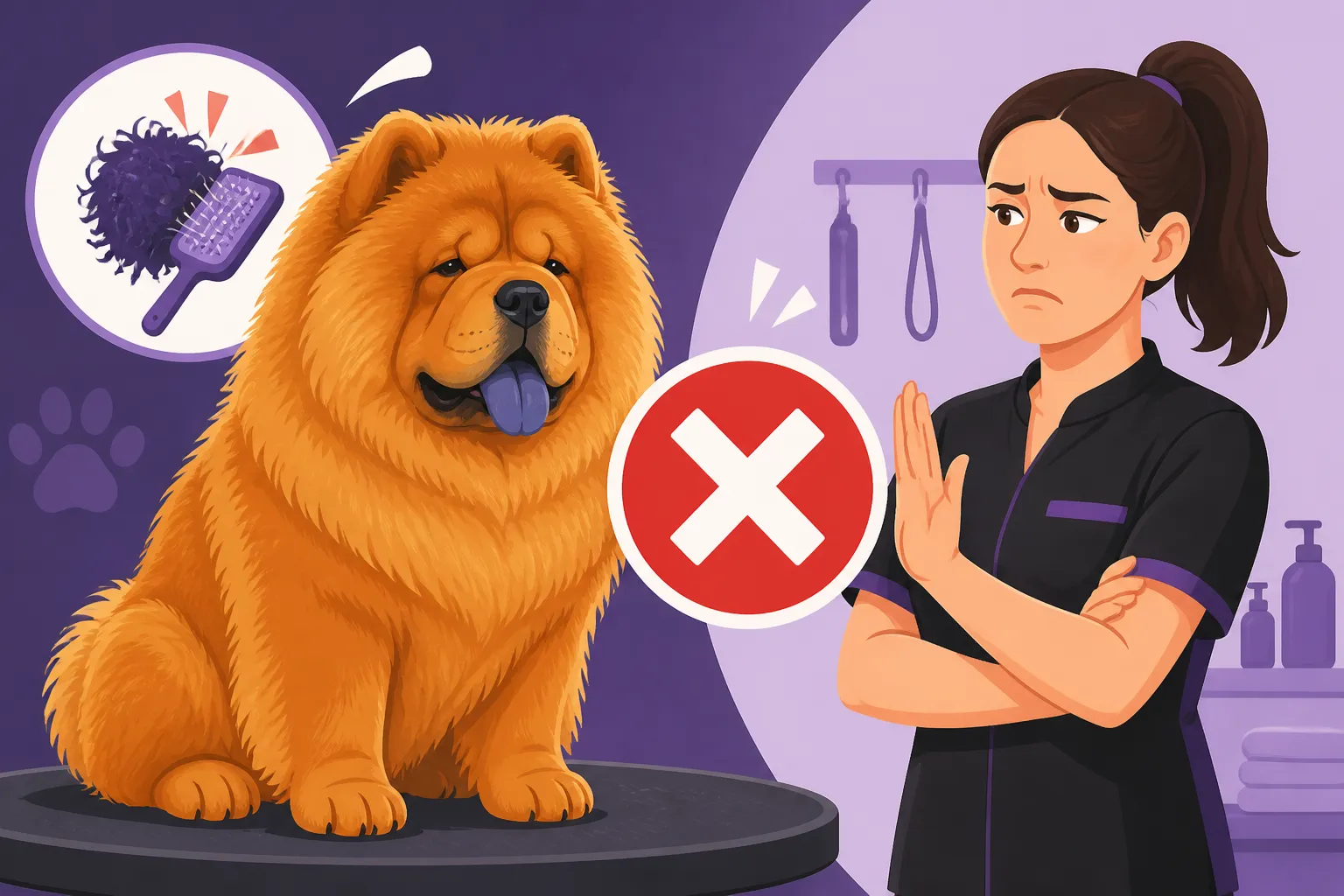
Why Some Groomers Refuse a Chow Chow
It can be incredibly disheartening when you’re looking for a professional groomer for your beloved Chow Chow, only to be met with hesitation, sky-high prices, or an outright refusal. You're left wondering why your sweet, fluffy companion is seen as such a challenge, and you might even feel judged. This guide will delve deep into the many reasons why some groomers are reluctant to take on Chow Chows, offering you insight into their perspective and empowering you to find the right care for your distinctive dog.
The Chow Chow's Unique Coat Challenges for Groomers
Let's be honest, that glorious, abundant double coat that makes our Chows so distinctive is also their most demanding feature when it comes to grooming. It's not just "more hair"; it's a specific type of hair that requires a different approach than most breeds. Groomers who are accustomed to poodles, labs, or even Shih Tzus often find themselves unprepared for the sheer density and texture of a Chow's fur.
The Sheer Volume and Density of the Double Coat
A Chow Chow's coat isn't just one layer; it's a magnificent fortress of two. You have that thick, harsh outer coat that stands off the body, providing protection from the elements, and underneath, a soft, incredibly dense, woolly undercoat that acts as insulation. When a Chow comes in for grooming, it's not just getting wet; that water has to penetrate all the way through both layers, down to the skin. And then, it all has to be thoroughly dried, strand by strand, to prevent skin issues.
Imagine trying to wash and dry a giant wool blanket that's wrapped around a dog who might not be thrilled about the process. It takes immense physical effort to work shampoo through, rinse it completely, and then, the drying process is a whole other beast. Many groomers simply don't have the time slot available, the specific drying equipment, or the physical stamina required to do a proper, health-conscious job on a Chow Chow's coat in a standard grooming appointment. It’s a labor of love, and it’s a lot of labor.
Matting: A Common and Painful Problem
If you've ever owned a Chow, you know the struggle is real when it comes to matting. Those luxurious locks, particularly in areas like behind the ears, in the armpits, around the collar, and in the "britches" (the dense fur on their rear legs), are incredibly prone to tangling and forming tight, painful mats. These aren't just cosmetic issues; mats can pull on the skin, cause irritation, restrict movement, and hide underlying skin problems like hot spots or infections.
For a groomer, dealing with a matted Chow Chow is a monumental task. It can be incredibly time-consuming, requiring specialized tools and a gentle, patient hand. De-matting is not only difficult but can also be very uncomfortable or even painful for the dog, potentially leading to a negative experience and making future grooms harder. Many humane groomers operate under a "humanity before vanity" principle, meaning they will not inflict pain on a dog to save its coat. Instead, they will often recommend a shave-down, which can be upsetting for owners who aren't prepared for it. This is also why you'll often find that Why a Groomer Charges More for a Matted Chow Chow is a point of contention for both owners and groomers.
The Infamous "Coat Blow" Season
If you've never experienced a Chow Chow blowing its coat, prepare yourself – it's an event! This happens roughly twice a year, usually in spring and fall, when they shed their entire undercoat to prepare for the change in seasons. During a coat blow, the amount of fur coming off your dog can feel endless. It's not just shedding; it's a massive release of dead, loose hair that, if not properly removed, can quickly become impacted, leading to matting, overheating, and skin issues.
For a groomer, a Chow Chow undergoing a coat blow is an even bigger undertaking. The process involves extensive brushing, often called "de-shedding," which aims to remove all that loose undercoat. This requires even more time, specialized high-velocity dryers, and a lot of patience. Imagine having to clean up after a small blizzard of fur, knowing that you need to get every last bit out to ensure the dog's comfort and skin health. It's physically demanding, messy, and extends the grooming time significantly, making it less feasible for a groomer on a tight schedule. Understanding The Twice a Year a Chow Chow Blows Its Coat is key to appreciating the groomer's challenge during these periods.
Temperament and Handling Considerations
Beyond the formidable coat, a Chow Chow's distinct temperament is another major factor in why some groomers might be hesitant. These aren't your typical happy-go-lucky, eager-to-please Golden Retrievers. Chows have a unique personality that demands respect, understanding, and a very specific handling approach.
The Chow Chow's Aloof and Independent Nature
Chow Chows are often described as cat-like in their independence and aloofness. They tend to bond fiercely with one person, or a select few, and can be quite reserved and wary of strangers. This isn't aggression, but rather a strong sense of self-preservation and a natural distrust of the unfamiliar. Imagine being a groomer, a stranger to the dog, trying to handle them for an extended period in an unfamiliar environment with strange noises and smells.
A Chow Chow who feels uncertain or threatened is not likely to cooperate cheerfully. They won't just stand there and let you do what you need to do. Their patience can be limited, and their tolerance for being poked, prodded, and held by a stranger is often quite low. This can make the grooming process incredibly stressful for both the dog and the groomer. Many groomers prioritize a stress-free experience for their clients, and if they anticipate a Chow will be too overwhelmed, they may decline service for the dog's well-being and their own safety. If you've ever wondered How Aloof a Chow Chow Really Is, you'll understand why this trait presents unique challenges in a busy grooming salon.
Limited Vision and Sensitivity to Touch
One often-overlooked aspect of the Chow Chow's physical makeup that affects grooming is their deep-set eyes. While beautiful, these eyes, combined with their facial structure, can limit their peripheral vision. This means a Chow Chow might not see someone approaching from the side or behind, leading to them startling easily. A sudden movement or touch by a groomer, even well-intentioned, could trigger a defensive reaction simply because the dog didn't perceive it coming. This is exactly Why a Chow Chow Snaps at Someone It Did Not See.
Furthermore, Chows can be quite particular about being touched in certain areas. Their feet, rear end, and even their face folds can be sensitive. For grooming, these are all critical areas that need attention – nail trims, sanitary shaves, and cleaning around the eyes and muzzle. If a dog hasn't been desensitized to these touches from a young age, they can become points of contention and potential conflict during a groom. A professional groomer understands these sensitivities and recognizes when a dog's discomfort could escalate into a safety issue.
The Importance of Early Socialization and Training
The truth is, a well-socialized and well-trained Chow Chow is far more likely to have a positive grooming experience. Unfortunately, many Chow Chows don't receive the extensive early socialization and consistent handling exposure that would prepare them for the bustling environment of a grooming salon. A Chow puppy that isn't regularly handled, introduced to new people in a positive way, and exposed to different sights and sounds can grow into an adult who finds these situations overwhelming and scary.
Groomers often encounter Chows who haven't learned to tolerate restraint or accept strangers touching their bodies. Without this foundational training, it becomes nearly impossible to perform necessary services safely. A groomer's priority is the safety of both themselves and the dog. If a Chow is too fearful, anxious, or reactive, it poses a significant risk. This is why it's so important for owners to prepare their Chows from a young age, by making experiences like visits to the vet or groomer positive and routine, even if it's just for a happy visit and not a full service. Just like Why a Chow Chow Fails at the Vet Without Practice, a lack of preparation can sabotage a grooming appointment. Considering Whether a Chow Chow Needs a Professional Trainer Early is often a wise investment for Chow Chow owners, not just for obedience but for cooperative care.
Time, Equipment, and Safety Demands
Grooming a Chow Chow isn't just about skill; it's also about resources – specifically, time and the right tools. When a groomer decides to take on a Chow, they are committing to a significant investment that goes beyond a standard appointment.
The Extended Time Commitment for a Proper Groom
Let's break down a Chow Chow's grooming session. It typically begins with a thorough pre-brush to remove loose hair and minor tangles. Then comes the bath, which involves multiple shampoos and rinses to penetrate that dense coat. After bathing, there's the monumental task of drying, which often requires a high-velocity dryer and takes hours to ensure the dog is completely dry to the skin. Only then can the final brush-out, de-shedding, nail trim, ear cleaning, and any necessary tidy-ups (like sanitary trims or paw pad trimming) begin.
This entire process, when done correctly and humanely, can easily take anywhere from 3 to 6 hours, sometimes more, depending on the coat condition and the dog's cooperation. Compare this to many other breeds that might be in and out in an hour or two. For a groomer running a busy salon, dedicating such a large block of time to one dog means they can't take on other appointments, significantly impacting their earnings and schedule. This extended duration means they might not even be able to fit a Chow into a standard workday. For a clearer picture, understanding How Long a Chow Chow Takes to Dry alone can explain a huge chunk of that time.
Specialized Equipment and Techniques
Grooming a Chow Chow isn't just about using a brush and shampoo; it requires specific, often heavy-duty equipment. High-velocity dryers are essential, as regular blow dryers simply won't penetrate the undercoat effectively and would take an impossibly long time. These powerful dryers are expensive to purchase and maintain, and they consume more electricity. Groomers also need a range of robust brushes and combs designed for thick, dense coats – slicker brushes, undercoat rakes, and wide-toothed combs are all part of the arsenal. You can find many of these specialized grooming tools on platforms like Chewy, which makes it easier for dedicated groomers to stock up.
Beyond the tools, the techniques themselves are specialized. Line brushing, for example, is crucial for Chows, where the groomer parts the hair and brushes small sections from the skin out, ensuring every bit of undercoat is addressed. This technique is labor-intensive and requires skill and experience, not just brute force. A groomer might also need to use a grooming table with specialized restraints to ensure the dog's safety and stability throughout the long process, especially if the dog is initially uncooperative.
Groomer Safety and Liability Concerns
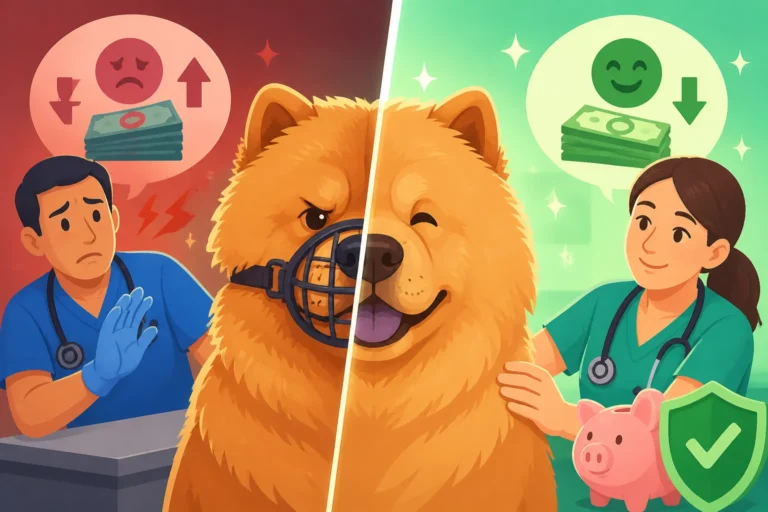
Perhaps the most critical factor for groomers is safety – both their own and the dog's. As mentioned earlier, a Chow Chow's reserved nature, combined with potential anxieties or sensitivities, can lead to defensive behaviors. A nervous or uncomfortable Chow Chow can snap or bite without much warning, especially if they feel trapped or misunderstood. Grooming involves sharp tools and close contact, making a bite a serious incident that could result in significant injury to the groomer.
Beyond physical injury, there's also the emotional toll and the potential liability. A groomer who gets bitten might need medical attention, miss work, and even face emotional trauma. If a dog is injured during the grooming process (for example, if a mat is too tight and the skin nips when shaved), the groomer could be held liable for vet bills. It's an unspoken pressure that weighs heavily on professionals. This is where pet insurance, like plans offered by Healthy Paws, can be incredibly valuable for owners, covering unexpected vet costs should an accident occur. The risk associated with handling a potentially uncooperative or anxious Chow Chow is a very real deterrent for many grooming businesses, who must prioritize the safety of their staff and the animals in their care.
Finding the Right Groomer for Your Chow Chow
So, with all these challenges, what's a Chow Chow owner to do? It's not about giving up; it's about being informed and proactive in finding a professional who is not only willing but also equipped and experienced enough to handle your magnificent companion.
Seeking Experienced and Fear-Free Professionals
The first step is to actively seek out groomers who have specific experience with Chow Chows or similar double-coated, independent breeds known for their strong personalities, such as Akitas or Samoyeds. Don't be afraid to ask direct questions during your initial consultation:
- "How many Chow Chows have you groomed?"
- "What is your approach if a dog becomes stressed or reactive during grooming?"
- "Do you use a 'Fear Free' approach?"
A Fear Free certified groomer or a groomer who practices similar low-stress handling techniques understands how to make the experience as positive as possible for your dog. They focus on minimizing stress, using gentle handling, positive reinforcement (like tasty treats, perhaps from a high-quality brand like Ollie, that your Chow loves), and taking breaks when needed. They'll recognize the subtle signs of discomfort a Chow Chow might exhibit before it escalates. Understanding Whether a Chow Chow Needs a Fear Free Practice can really guide your search.
Building a Relationship with a Dedicated Groomer
Consistency is absolutely vital for a Chow Chow. Once you find a groomer who you and your dog feel comfortable with, stick with them! Your Chow Chow is much more likely to relax and cooperate if they see the same familiar face each time. This builds trust over repeated visits, slowly dissolving their natural wariness of strangers.
Consider starting with "happy visits" – short trips to the groomer just for a treat, a quick brush, or a nail trim, without the pressure of a full groom. This helps your Chow associate the grooming salon and the groomer with positive experiences. Let the groomer spend a few minutes just chatting with your dog, offering praise and rewards, before attempting any actual grooming. This patient approach is key to helping your Chow accept the process and for the groomer to build that vital bond of trust. Why a Chow Chow Does Better With One Groomer isn't just a preference; it’s a critical component of successful grooming for this breed.
Understanding Grooming Costs and Expectations
Because of the extensive time, specialized equipment, and skill required, grooming a Chow Chow will invariably cost more than grooming many other breeds. Be prepared for this reality. Don't let cost be the sole determining factor; instead, prioritize the quality of care and the groomer's experience. A higher price often reflects the extra time and expertise dedicated to ensuring your Chow's comfort and safety. You can get a general idea from What Professional Grooming Costs for a Chow Chow, but remember that Chows often fall into the higher end of the scale.
Be completely transparent with your chosen groomer about your Chow Chow's temperament, any known sensitivities, and their history with grooming. If your Chow tends to be reactive, disclose it upfront. This allows the groomer to prepare, allocate extra time, and ensure they can accommodate your dog safely. Trying to hide behavioral issues only puts everyone at risk. A good groomer will appreciate your honesty and work with you to make the experience as smooth as possible. Regular home brushing sessions, especially teaching your Chow Chow to be brushed, can also significantly reduce matting and make the groomer's job easier, potentially saving you money in the long run.
Here's a quick comparison of what groomers face:
| Aspect | Standard Breed Grooming Expectation | Chow Chow Grooming Reality |
|---|---|---|
| Coat Density | Moderate to light, easily penetrated. | Extremely dense double coat, hard to saturate and dry. |
| Matting Risk | Varies, often manageable with regular brushing. | Very high, especially in specific areas; requires careful de-matting or shaving. |
| Time Needed | 1-3 hours for a full groom. | 3-6+ hours for a thorough, safe groom. |
| Temperament | Generally cooperative, eager to please, tolerates strangers. | Reserved, can be wary of strangers, may startle easily due to limited vision. |
| Physical Effort | Moderate. | High – significant brushing, lifting, and drying required. |
| Equipment | Standard brushes, combs, dryers. | High-velocity dryer, specialized rakes, brushes, and potentially larger tubs. |
| Safety Concerns | Lower risk of bites/reactivity with proper handling. | Higher risk due to independence, wariness, and potential for sudden reactions. |
| Cost | Standard pricing based on size/coat type. | Often higher pricing due to increased time, effort, and risk. |
Disclaimer
This article is for general informational purposes only and does not constitute professional advice. Laws, prices and regulations vary by location and change over time. Consult a qualified professional for guidance on your specific situation.