Teaching a Chow Chow to Have Its Feet Handled
Getting your Chow Chow to tolerate, let alone enjoy, having their feet handled can feel like an Olympic sport. Many Chow Chow owners struggle with this essential part of their dog's care, facing everything from gentle resistance to outright growling and snapping. This guide is here to walk you through a calm, consistent, and positive approach to teach your Chow Chow to accept having their paws touched, making routine nail trims and vet visits a far less stressful experience for both of you.
Why Foot Handling Is a Challenge for Chow Chows
Let's be real: your Chow Chow probably isn't lining up for a pedicure. This isn't usually due to malice, but a complex mix of genetics, instincts, and their unique temperament. Understanding why they resist is the first step toward helping them overcome it.
The Chow Chow's Innate Wariness and How It Impacts Touch
Chow Chows are a very ancient breed, and their independent, sometimes aloof, nature is hardwired. They often bond deeply with one person but can be reserved, even suspicious, of strangers or new situations. This natural wariness extends to handling, especially when it involves sensitive areas like their paws. To a Chow Chow, an unexpected touch on their foot might feel like an invasion of personal space, rather than an act of care. They aren't inherently submissive and often require a lot of trust-building before they'll willingly offer up a paw. This means you can't just expect them to tolerate it; you have to earn their cooperation, one slow step at a time. It’s a bit like trying to teach a Chow Chow to sit: they’ll do it, but on their terms and when they understand the benefit.
Furthermore, Chow Chows are known for giving little warning before reacting. Their deep-set eyes and dense ruff can make their facial expressions harder to read compared to other breeds, meaning subtle signs of discomfort might be missed until they've escalated to a growl or a snap. This makes proactive, gentle handling even more crucial, allowing you to gauge their comfort level long before they feel the need to escalate their communication. If you're not sure how to interpret their reactions, learning how to read a Chow Chow's face can be incredibly helpful.
The Physical Structure of Their Paws and Nails
Beyond their temperament, the physical aspects of a Chow Chow’s paws can also contribute to their aversion to handling. Their nails, like those of all dogs, contain a quick – a blood vessel and nerve ending – that can be incredibly painful if cut. Many Chow Chows have dark nails, making the quick notoriously difficult to see, increasing the risk of an accidental nick. One bad experience, even a minor one, can set back your training significantly, reinforcing their fear of having their paws touched.
Their sturdy, compact "cat feet" are designed for endurance, not necessarily for being manipulated. If a Chow Chow's nails are allowed to grow too long, they can shift the way the dog walks, leading to discomfort or even pain in their joints. This chronic discomfort can make them extra sensitive to any touch around their feet. Regular, careful nail trims are therefore not just a cosmetic issue but a vital part of their overall health and mobility, especially as they age and may start to stiffen. Understanding how often a Chow Chow's nails need trimming is paramount to preventing these issues.
The Importance of Early and Consistent Training
The single most impactful factor in teaching a Chow Chow to accept foot handling is starting early and being relentlessly consistent. A puppy's "socialization window" closes relatively quickly, typically between 8 and 16 weeks of age. During this critical period, positive experiences with handling, new people, and different environments are crucial. If a Chow Chow puppy isn't routinely handled, including their paws, they are far more likely to develop a strong aversion as adults.
Even if you adopt an older Chow Chow, consistency remains key. It might take longer, and require more patience, but daily, positive interactions will gradually chip away at their resistance. Think of it not as a one-time training session, but as an ongoing conversation you're having with your dog every single day. Skipping days or only attempting handling when it's absolutely necessary will only prolong the process and reinforce their negative associations. This dedication is similar to what's required for teaching a Chow Chow to be brushed, another essential but often challenging grooming task.
Understanding Your Chow Chow's Natural Instincts and Body Language
Before you even think about touching their paws, you need to understand what your Chow Chow is telling you. They communicate constantly, and ignoring their subtle cues can lead to escalating resistance.
Reading Their Signals: From Subtle Cues to Clear Warnings
Chow Chows, while stoic, will give signals. You need to learn to interpret them. It might start with a slight stiffening of the body, a quick flick of the ears back, or a widening of the eyes. These are early signs of discomfort. As their unease grows, you might see lip licking, yawning (when not tired), or turning their head away. They might try to pull their paw back gently.
If you push past these signals, you'll likely encounter more explicit warnings: a low growl, a snarl, a tense body, or even a snap without contact. The mistake many owners make is waiting for the growl or snap before backing off. At that point, your Chow Chow is already highly stressed and feeling cornered. The goal is to always stop before they feel the need to give these stronger warnings. Pay close attention, especially if you have a Chow Chow with a very dense coat, as their fur can sometimes mask body language, making it harder to discern subtle cues. Recognizing signs a Chow Chow is uncomfortable is vital for their safety and yours.
The Impact of Past Negative Experiences
Just like humans, dogs remember negative experiences vividly. If your Chow Chow has had a painful nail trim, a rough handling at the vet, or even an accidental stepping on their paw as a puppy, they will associate touch around their feet with discomfort or fear. This isn't them being "stubborn" or "dominant" – it's a learned response rooted in self-preservation. These past experiences can be incredibly difficult to undo, requiring immense patience and a consistent, positive counter-conditioning approach.
Sometimes, a dog's general wariness towards new situations or people, especially if they weren't well-socialized as a puppy, can make foot handling more difficult. If your Chow Chow shows signs a Chow Chow puppy is already wary, it’s even more important to proceed slowly and with abundant positive reinforcement. Rebuilding trust means proving, over and over again, that handling their paws will not hurt them.
Why They Resist: Protection, Pain, or Personality?
The reason for your Chow Chow's resistance can be multifaceted. It might be:
- Protection: Their natural instinct to guard their body, especially sensitive areas, from perceived threats. This is especially true if they feel vulnerable when you are trying to lift or manipulate their paws.
- Pain: Underlying medical conditions like arthritis, a sore paw pad, an ingrown nail, or even a minor injury can make them incredibly sensitive to touch. If the resistance suddenly appears or worsens, always rule out pain first with a vet visit. Chows are known to [hide pain], so a thorough check is essential.
- Personality: Their independent, strong-willed Chow Chow nature, where they simply prefer not to be fussed with. They might tolerate other forms of touch but draw a firm line at their feet. For these dogs, patience and making it their idea (through positive reinforcement) are crucial.
Understanding the root cause, if possible, can help tailor your approach. A dog resisting due to pain requires veterinary attention first, whereas a dog resisting due to personality will benefit most from gradual desensitization and high-value rewards.
The Step-by-Step Desensitization and Counter-Conditioning Process
This isn't a quick fix. It's a journey, a process of gradually changing your Chow Chow's emotional response from fear or aversion to neutrality, or even enjoyment. The key is small steps, consistency, and positive reinforcement.
Phase 1: Building Positive Associations with Touch
Start small, incredibly small. The goal here is to create a positive association with any touch near their feet, without actually touching their paws yet.
- Find a quiet time: Choose a moment when your Chow Chow is relaxed, perhaps lying down and sleepy.
- Pet their shoulder or chest: Gently pet a non-sensitive area they enjoy, like their shoulder or chest.
- Introduce touch near the leg: While still petting them, briefly touch their leg, moving closer to the paw, but not the paw itself. Do this for just a second.
- Immediately reward: The instant you remove your hand, give a high-value treat. Something truly irresistible.
- Repeat, repeat, repeat: Do this multiple times a day, for very short sessions (1-2 minutes). The pattern is: touch (briefly, non-threatening area) -> remove hand -> treat. The goal is for them to associate your hand near their leg with a delicious treat.
The key is to keep these initial touches so brief and non-invasive that your Chow Chow doesn't even have a chance to react negatively. You are building a foundation of trust and positive expectation. If they show any signs of tension, you’ve gone too far, too fast. Back off and try an even gentler touch next time.
Phase 2: Gradually Increasing the Intensity and Duration
Once your Chow Chow is happily accepting brief touches to their leg and associating it with treats, you can slowly, incrementally increase the "intensity" – meaning getting closer to, or briefly touching, the paw itself.
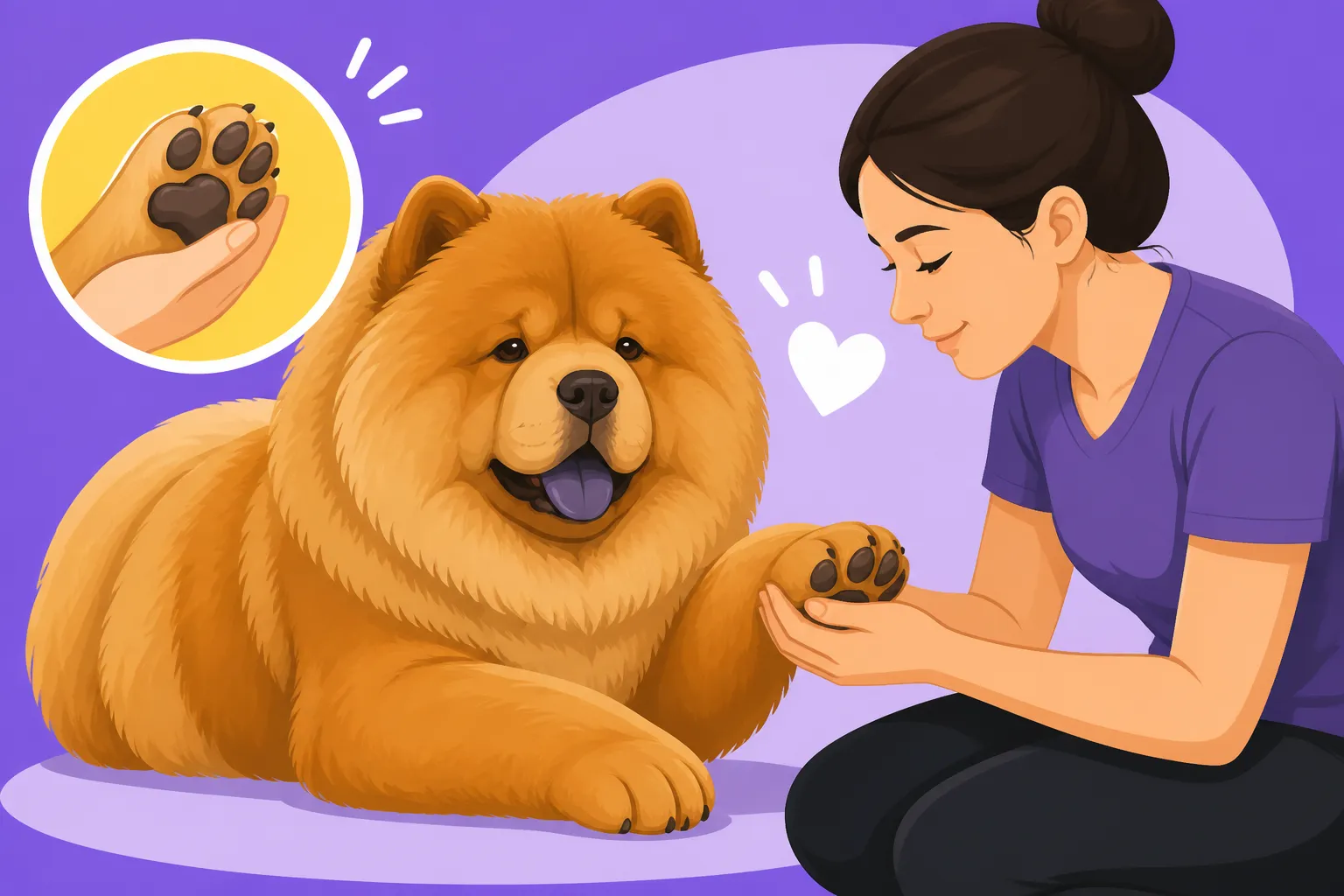
- Touch the paw: Instead of just touching the leg, briefly touch the top of their paw (the least sensitive part).
- Reward immediately: Remove your hand and give a treat.
- Increase duration: Over days and weeks, gradually increase the duration of the touch from a fleeting second to two seconds, then three, always rewarding after you remove your hand.
- Work on different areas: Once they're comfortable with the top of the paw, move to the side, then the bottom, then gently touching between the pads. Each new location is a step that requires its own set of repetitions and rewards.
- Use a release word: When you remove your hand, say a positive word like "All done!" or "Good release!" This helps them understand the interaction is over and creates a clear signal.
Remember, the moment you see tension, stop. You need to end every session on a positive note, even if it means only achieving a very small step that day. For a Chow Chow, consistency often trumps speed. This methodical approach is similar to how you might teach a Chow Chow to accept a dryer – breaking a potentially scary experience into manageable, rewarding steps.
Phase 3: Introducing Tools and Simulating Real-World Scenarios
This is where many owners hit a wall. Your Chow Chow might be okay with you touching their feet, but the moment the nail clippers or dremel appear, all progress vanishes. This is normal. You need to desensitize them to the tools as well.
Desensitizing to the Tools:
- Introduce the tool visually: Start by simply having the clippers or dremel visible in the room, far away, while you're giving treats or doing other positive activities.
- Bring it closer: Gradually bring the tool closer during your positive touch sessions. Place it on the floor next to you, then in your hand, then touch it to their leg (not paw yet) while giving treats.
- Mimic the action: For clippers, gently tap them closed near their paw (without touching them). For a dremel, turn it on far away and gradually bring it closer, associating the sound and vibration with treats.
- Introduce the actual trim: Once they are comfortable with the tool's presence, sound, and feel against their leg, you can try trimming just one tiny, tiny tip of a nail, or even just touching the dremel to a single nail for a fraction of a second. Immediately follow with a jackpot of treats. You might only do one nail per day initially.
Simulating Real-World Scenarios:
- Vary the person: If your Chow Chow is primarily bonded to you, have another trusted family member try some of the basic touch-and-treat exercises (after they've practiced). This is especially important for vet visits.
- Vary the location: Practice in different rooms, or even briefly outside if it’s a calm environment.
- Practice position: While nail trims often involve lifting a paw, start by just touching the paw while they are standing or lying comfortably. Gradually work towards lifting the paw for a second, then longer.
Consistency is your best friend here. Don't rush. One step backward means two steps forward if you take the time to reinforce the basics.
Essential Tools and Techniques for Successful Foot Handling
Having the right equipment and a calm, consistent approach makes all the difference when tackling Chow Chow paw care.
Choosing the Right Nail Trimmers or Dremel
This is crucial. The wrong tool can make the process more difficult and even painful.
- Guillotine vs. Scissor-style Clippers: Guillotine clippers can be good for small to medium nails, but for thick Chow Chow nails, scissor-style clippers (like Miller's Forge or Safari) often offer better leverage and a cleaner cut. Make sure they are sharp! Dull clippers crush the nail, which is painful.
- Dremel/Grinder: Many Chow Chow owners find a dremel to be a game-changer, as it grinds the nail down rather than cutting. This eliminates the sharp "snapping" sensation that some dogs dislike and allows for more gradual removal, reducing the risk of hitting the quick. However, the sound and vibration can be intimidating. You’ll need to how to desensitize a Chow Chow to clippers or a dremel separately. Look for cordless, quiet models like the Dremel PawControl. You can often find a good selection on Amazon.
- Styptic Powder: Always, always have styptic powder (like Kwik Stop) on hand. Even with the utmost care, accidents happen, and you might nick the quick. Styptic powder will stop the bleeding quickly and prevent panic.
| Tool Type | Pros | Cons | Best For |
|---|---|---|---|
| Scissor Clippers | Precise cuts, no power needed | Easy to quick, can crush dull | Owners comfortable with quick identification |
| Dremel/Grinder | Smooth finish, less risk of quicking | Noise/vibration can scare, takes longer | Dogs sensitive to clipping, dark nails |
| Styptic Powder | Stops bleeding fast | Can sting, must be on hand | Essential for any nail trimming |
Creating a Calm and Safe Environment
The environment you choose for your foot handling sessions is just as important as the technique itself.
- Quiet and Private: Pick a calm, familiar room where there are no distractions – no other pets, no loud noises, no bustling family members. Your Chow Chow needs to feel secure and able to focus on you.
- Comfortable Surface: A non-slip surface is essential. If your dog is on a slippery floor, they might feel unstable and become more resistant. A rug, a mat, or even a specialized grooming table with a non-slip surface can help. This also makes it easier for you to position them without them sliding around.
- Positive Atmosphere: Speak in a calm, soothing voice. Keep your movements slow and deliberate. Your stress will transfer to your Chow Chow, so take a deep breath yourself before you begin. Creating a positive association with the entire process starts with a relaxed atmosphere.
Some owners find success by doing these sessions while their Chow Chow is naturally sleepy, perhaps after a walk or in the evening. This can make them more amenable to being handled without much fuss.
The Power of High-Value Treats and Rewards
For a Chow Chow, motivation is everything. They aren't always eager to please, so you need to make it worth their while. This means pulling out the absolute best treats you have.
- What is "High-Value"? This isn't your everyday kibble. Think small pieces of cooked chicken, cheese, hot dogs, liverwurst, or commercial soft training treats (like the ones from BAXTER & Bella). Experiment to find which treat a Chow Chow will work hardest for. The smellier and softer, the better!
- Timing is Everything: The treat must be delivered immediately after the desired behavior (even if it's just tolerating a light touch). The faster the reward, the clearer the connection between the touch and the delicious outcome.
- "Jackpot" Rewards: For particularly significant breakthroughs (e.g., the first time they let you touch a nail with the clippers), give a "jackpot" – a handful of treats all at once. This super-charges the positive association.
- Continuous Reinforcement: Especially in the beginning, treat every single time your hand moves towards or touches their paw, even if it's just for a split second. As they get more comfortable, you can start to phase this out slightly, but always keep treats handy.
Using positive reinforcement isn't about bribing your dog; it's about teaching them that handling is a positive experience. It builds trust and makes them a willing participant, rather than a forced one.
Troubleshooting Common Roadblocks and When to Seek Professional Help
Even with the best intentions and the most patient approach, you might hit some snags. It's okay, every dog is an individual, and every Chow Chow has their own unique quirks.
When Progress Stalls: Identifying and Addressing Resistance
It's common for progress to plateau or even regress. If your Chow Chow suddenly becomes resistant again, don't despair or get frustrated. Instead, ask yourself:
- Am I going too fast? You might have skipped a step or rushed the progression. Go back to an earlier step where they were comfortable and build up again, even more slowly this time.
- Are my treats high-value enough? Maybe they're bored with the current reward. Try something new and even more enticing.
- Am I consistent enough? Did you skip a few days? Even short, daily sessions are more effective than infrequent, long ones.
- Is something hurting them? Have you checked their paws for thorns, cuts, irritation, or joint pain? How a Chow Chow hides pain means you need to be extra vigilant. A vet check might be in order to rule out any underlying discomfort.
- Is my own mood affecting them? Dogs are incredibly perceptive. If you're stressed or impatient, they'll pick up on it. Take a break, regroup, and try again when you're both in a better headspace.
Sometimes, simply changing the approach – using a dremel instead of clippers, or trying a different handler – can break through a plateau. Remember to break down the steps even further if needed. If they won't let you touch their paw, go back to touching their leg. If they won't let you touch their leg, go back to just being near their leg while you treat.
Dealing with Biting, Growling, or Excessive Fear
If your Chow Chow growls, snaps, or attempts to bite when you try to handle their feet, stop immediately. This is a serious warning sign and means they are feeling genuinely threatened and fearful. Pushing through this can lead to a bite and severely damage your trust bond.
- Do not punish: Punishing a growl or snap will only teach your Chow Chow to suppress their warnings, making them more likely to bite without warning next time.
- Re-evaluate your approach: You are moving too fast, or their fear is too deep-seated for your current method.
- Consider a muzzle: If you absolutely must handle their feet (e.g., for an injury or vet visit) and they are showing aggression, a well-fitted basket muzzle can provide safety for everyone involved. However, the muzzle itself needs to be desensitized through positive association, just like the clippers. Teaching a Chow Chow to wear a muzzle is a good skill to have for situations like this.
- Safety First: If you cannot safely perform essential foot care without fear of being bitten, it's time to call in professional help.
Knowing When to Call a Certified Professional
There are times when DIY simply isn't enough, and that's perfectly okay. Don't feel like a failure if you need to bring in a professional.
- When to seek help:
- Your Chow Chow consistently shows aggression (growling, snapping, biting) during handling attempts.
- You've tried consistent positive reinforcement for weeks or months with no progress.
- Their fear or anxiety levels are very high, leading to trembling, hiding, or extreme avoidance.
- You feel unsafe or unable to provide essential nail care.
- Who to call:
- Certified Professional Dog Trainer (CPDT-KA): Look for trainers who use positive reinforcement and fear-free methods. They can guide you through the desensitization process, help you read your dog's body language, and offer hands-on coaching. They can often provide insights on whether a Chow Chow needs a professional trainer early in their life.
- Veterinary Behaviorist (Dip ACVB): For severe fear, anxiety, or aggression, a board-certified veterinary behaviorist is the most qualified professional. They can address underlying behavioral issues and sometimes prescribe medication to help manage extreme anxiety during training.
- Fear Free Certified Veterinarian/Groomer: These professionals are specifically trained to make vet visits and grooming sessions less stressful. They use techniques like gentle handling, positive reinforcement, and sometimes sedatives to perform necessary procedures safely. If regular handling is impossible, they might be able to help with essential care, though you should still work on desensitization at home. Sometimes, the vet might even recommend a sedated nail trim if the dog's stress is too high, but this can be costly, as what a Chow Chow's sedated exam costs can vary greatly.
A professional can offer an objective perspective, identify subtle issues you might be missing, and provide a tailored plan to help your Chow Chow become more comfortable.
Maintaining Positive Foot Handling Habits Throughout Their Life
Once you've made progress, the work isn't over. Maintaining those positive habits is key to ensuring your Chow Chow remains cooperative and comfortable with foot handling for years to come.
Consistency Is Key: Integrating Handling into Daily Routine
Just like any learned skill, if you don't use it, you lose it. Regular, brief handling sessions are far more effective than sporadic, long ones.
- Short and Sweet: Aim for 30 seconds to a couple of minutes of gentle paw touching and praising every day. This reinforces the positive association without overwhelming your Chow Chow. It doesn't have to be a full grooming session; just a few touches, followed by a treat.
- Vary the Paws: Make sure you touch all four paws. Some dogs might be more sensitive on certain paws, or even specific toes. Consistent, gentle handling of all areas ensures well-rounded comfort.
- Make it a Habit: Integrate it into an existing daily routine. Perhaps while you're watching TV, or when they're getting their evening belly rub. The more natural it feels, the less of an "event" it becomes. This continuous reinforcement mirrors the ongoing effort needed to ensure a Chow Chow needs a yearly eye exam or other routine care.
Making It a Positive Experience, Every Time
Even once your Chow Chow is "good" with paw handling, never take it for granted. Every interaction should still be positive.
- Continue with Rewards: You don't necessarily need a jackpot every time, but a small, high-value treat should still follow cooperative behavior. It maintains the positive emotional response.
- Praise and Affection: Verbal praise ("Good boy/girl!"), gentle petting on a non-sensitive area, and a happy tone of voice reinforce their good behavior.
- Respect Their Limits: Even if they're generally comfortable, there might be days when they're tired, grumpy, or slightly sore. Always watch their body language and be prepared to stop if they show any signs of discomfort. Ending on a positive note, even if it's just one brief touch, is always better than pushing too far.
Remember, the goal isn't just compliance, it's comfort. You want your Chow Chow to view foot handling as a benign, even pleasant, part of their day.
Monitoring for Changes and Addressing New Issues Promptly
Your Chow Chow's comfort level can change over time due to age, injury, or developing health conditions.
- Age-Related Changes: As Chow Chows get older, they can develop arthritis or other joint pain, which can make paw handling painful. How an aging Chow Chow stiffens is a real concern, and a previously tolerant dog might become sensitive. Be extra gentle and consider more frequent vet check-ups to manage pain.
- Sudden Resistance: If a previously cooperative Chow Chow suddenly starts resisting foot handling, it's a red flag. This often indicates pain or discomfort. Schedule a vet visit to rule out injuries, infections, or underlying health issues that might be making their paws sensitive. This is another situation where understanding how a Chow Chow hides pain becomes incredibly important.
- Maintain Grooming Habits: Keeping their nails at a healthy length prevents many issues. Long nails are more prone to tearing, causing pain, and can make their paws extra sensitive. Regular trims or dremeling are preventative care.
By staying vigilant, consistent, and empathetic, you can ensure that foot handling remains a manageable and positive part of your Chow Chow's life, contributing significantly to their overall health and well-being.
Disclaimer
This article is for general informational purposes only and does not constitute professional advice. Laws, prices and regulations vary by location and change over time. Consult a qualified professional for guidance on your specific situation.