How Often a Chow Chow’s Nails Need Trimming
One of the most common struggles Chow Chow owners face isn't just grooming that magnificent coat, but tackling those thick, often dark nails. It feels like a never-ending battle, trying to keep them short without causing discomfort, especially when that dense fur makes it so hard to even see what you're doing! This guide is here to walk you through the ins and outs of Chow Chow nail care, from understanding their unique paws to creating a stress-free trimming routine, ensuring your fluffy companion stays comfortable and healthy.
Understanding the Chow Chow's Unique Nail Structure
Before we even talk about how often to trim, it’s really helpful to understand what makes a Chow Chow's nails, and their feet in general, a bit different from many other breeds. You might think "a nail is a nail," but with a Chow, there are some specific characteristics that can make nail care a real challenge if you're not prepared. Knowing these nuances can help you approach the task with more confidence and less frustration for both you and your beloved Chow.
The Anatomy of a Chow Chow's Nail
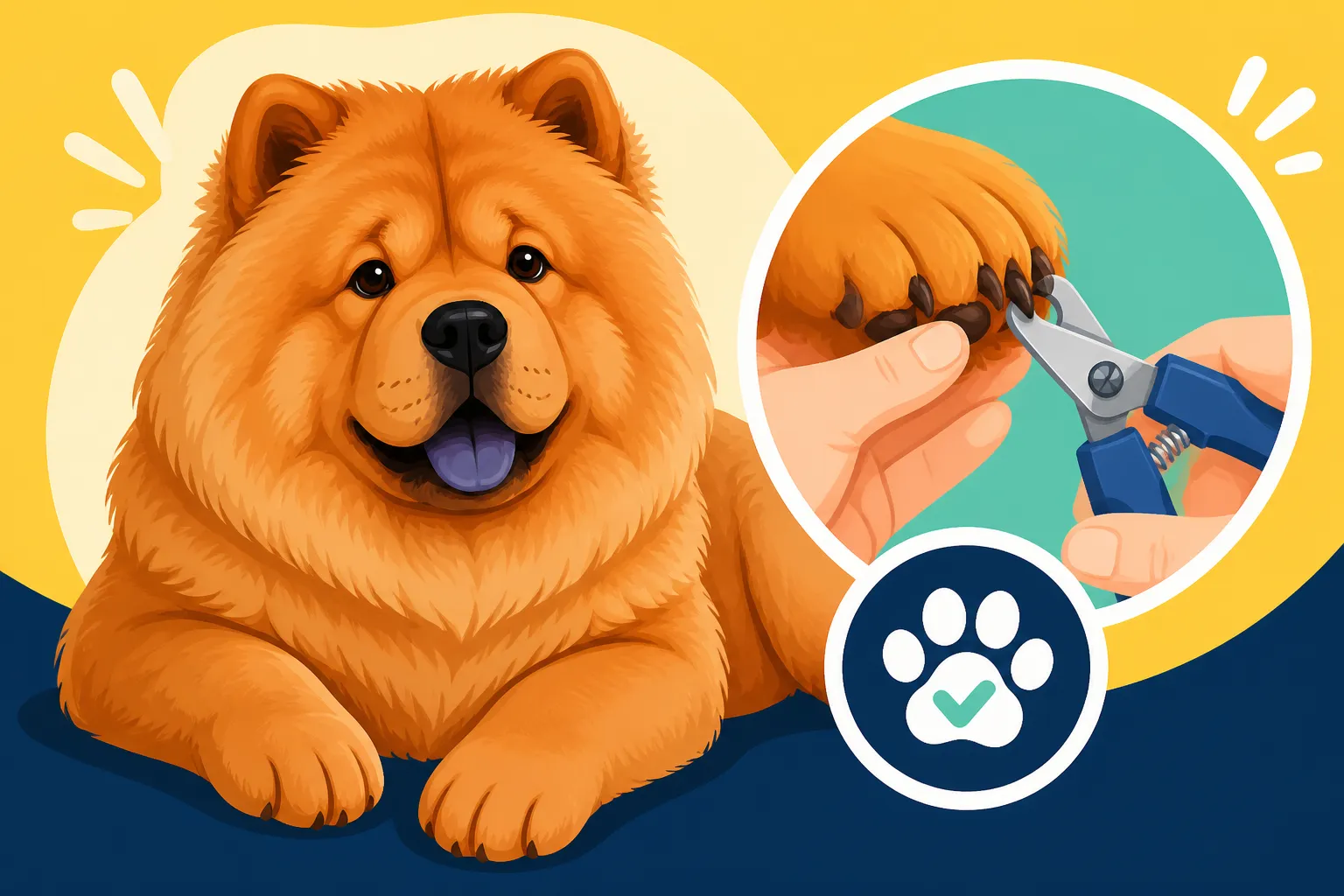
Chow Chows tend to have incredibly sturdy, often very dark nails. This isn't just a cosmetic detail; it significantly impacts how you approach trimming. Unlike dogs with translucent nails where you can often see the pink "quick" — the living tissue with blood vessels and nerves — a Chow's dark nails make that quick invisible. This means every clip is a bit of a guess, or at least a very careful estimation. Hitting the quick isn't just painful for your Chow; it causes bleeding, and if it happens repeatedly, it can make them deeply fearful of nail trims, creating a negative association that’s really hard to undo. Imagine constantly worrying you’re going to hurt your dog with every snip – it’s a genuine concern for many Chow owners. Their thick coat often grows over their feet, creating what some call "grinch feet," which further obscures the nails and makes them even harder to access and evaluate.
It's this combination of thick, opaque nails and sometimes copious fur that makes even a simple visual assessment difficult. You might think the nails look fine, only to discover they're quite long once you part the hair and get a good look. This is why consistent, gentle handling of their feet from a young age is so crucial, even if you’re just checking, not trimming.
The Impact of the Straight Rear Leg
Now, here's a detail that often gets overlooked but can significantly influence how your Chow Chow’s nails wear naturally: their unique angulation. Chow Chows possess what's known as a "straight hock" or "stilted gait" due to their relatively straight rear legs. This is a hallmark of the breed, giving them that distinctive, somewhat stiff-legged movement. While it's part of their charm and history, it does have implications for their joint health and, you guessed it, their nails.
Because of The Straight Rear Leg No Other Breed Has, a Chow Chow's rear feet may not engage with the ground in the same way as a dog with more angled hocks. This can lead to less natural wear on their rear nails, meaning they might grow longer, faster, or wear unevenly compared to their front nails. You might find that the inner nails on their rear paws, or even the dewclaws if present, become particularly lengthy. Why a Chow Chow's Straight Rear Leg Limits Running means they might not gallop around as much as other breeds, reducing overall nail abrasion. It's a subtle point, but understanding this anatomical difference helps explain why you might need to pay extra attention to those back paws.
How Often is "Often Enough"? Setting a Trimming Schedule
So, with all these unique Chow Chow features, how do you figure out the right frequency for nail trimming? It's not a one-size-fits-all answer, unfortunately. Just like with humans, some dogs' nails grow faster than others, and their lifestyle plays a huge role. But there are some clear guidelines and observations that can help you establish a routine that works for your individual Chow. The goal is always prevention and comfort.
The "Rule of Thumb" for Nail Length
The golden rule for any dog's nails is simple: they shouldn't touch the ground when your dog is standing normally. If you can hear a distinct "click-click-click" as your Chow Chow walks across hard surfaces like hardwood floors or pavement, their nails are definitely too long. When a dog's nails constantly hit the ground, it pushes their toes up, putting pressure on the paw bones and joints, which can be incredibly uncomfortable and even lead to long-term structural issues. Imagine trying to walk with shoes that are too small, constantly jamming your toes – that’s essentially what it feels like for them.
For a Chow Chow, however, just looking at the nail length can be deceiving due to their fluffy paws. You really need to part that dense fur to see the nail clearly. Have your Chow stand naturally on a flat, hard surface. Gently lift their paw and look at the nails from the side. If they extend beyond the paw pad and touch the ground, it’s time for a trim. For those thicker, more robust nails on a Chow, this often means aiming for trims every two to four weeks. Some Chows might need it even more frequently, especially if they aren't very active or have particularly fast-growing nails.
Factors Influencing Trimming Frequency
The ideal trimming frequency is truly dynamic and depends on several individual factors unique to your Chow Chow and their daily life. Firstly, consider their activity level. A Chow that enjoys frequent walks on abrasive surfaces like concrete or asphalt will naturally wear down their nails more than a couch-potato Chow who primarily spends time on soft carpets or grass. While Chows aren't typically high-energy, some enjoy longer, leisurely strolls, which can contribute to natural nail filing.
Beyond activity, age plays a role. How an Aging Chow Chow Stiffens often means they might be less active, move slower, or spend more time resting, leading to less natural nail wear. This means senior Chows might require more frequent manual trimming. Diet can also subtly influence nail health and growth, with some dogs on certain nutritional plans experiencing faster or harder nail growth. Even genetics can play a part; some Chows just naturally have thicker, faster-growing nails that demand more attention. It’s about becoming an expert observer of your Chow, rather than sticking rigidly to a generic schedule.
Tools and Techniques for a Less Stressful Trim
Once you’ve got a handle on how often those nails need attention, the next hurdle is actually doing it. This can be one of the most dreaded tasks for both owners and Chows, often because of past negative experiences or simply not having the right approach. With the right tools and a positive, patient technique, you can transform nail trimming from a wrestling match into a manageable, even calm, routine.
Choosing the Right Trimming Tools
For a Chow Chow's thick, often sturdy nails, the choice of tool can make a significant difference. There are generally two main types of clippers: guillotine-style and scissor-style. Guillotine clippers work by inserting the nail into a hole and squeezing the handle, which brings a blade down to snip the nail. Scissor-style clippers, as the name suggests, operate like scissors, with two blades coming together. Many owners find scissor-style clippers, especially those with sharp, heavy-duty blades, more effective for the density of a Chow's nails. You can find a good selection of durable scissor-style clippers on platforms like Chewy or Amazon, where you can read reviews to ensure they're up to the task for thick-nailed breeds.
Beyond clippers, a Dremel, or rotary tool, is an excellent option, particularly for Chows with dark nails where the quick is hard to see. A Dremel grinds the nail down slowly, allowing you to remove small layers at a time, making it much less likely you'll hit the quick. It also creates a smoother finish, which can be more comfortable for your dog. Many Chow owners swear by Dremels, finding them less intimidating for their dogs than the "snip" of clippers, once the dog is desensitized to the vibration and sound. If you’re considering this, check out Whether a Dremel Suits a Chow Chow's Nails for more detailed information on making that choice. Always have styptic powder on hand, no matter which tool you choose, just in case of a quick accident.
Desensitization and Positive Reinforcement
Let’s be honest: most dogs, and definitely many Chows, aren’t thrilled about having their paws handled, let alone their nails trimmed. This is where desensitization and positive reinforcement become your superpowers. The key is to start early, ideally when they are puppies, and make every interaction with their paws a positive one. Begin by simply touching their paws gently, praising them, and immediately offering a high-value treat. Don’t even bring out the clippers yet. Just touch, treat, release. Repeat this many times a day for short sessions. You can find more tips on this process in Teaching a Chow Chow to Have Its Feet Handled.
Gradually, introduce the clippers or Dremel into the environment, letting them see and sniff the tools without doing anything. Then, touch the tools to their paws without clipping, followed by a treat. Once they are comfortable with that, make tiny, almost imperceptible clips, only taking off the very tip, or just touching the Dremel to one nail for a second. The goal is to build up their tolerance slowly, always associating the experience with something wonderful (like cheese, peanut butter, or boiled chicken). Never force it, as a negative experience can set you back significantly. Consistency, patience, and a pocket full of irresistible treats are your best allies here.
The Professional Option
Despite your best efforts with desensitization and positive reinforcement, some Chow Chows simply draw a hard line at nail trimming. They might become too anxious, too resistant, or you might feel too unsure about trimming those dark, thick nails yourself. This is where professional help is not just an option, but often the best solution. Don’t feel like a failure if you need to call in the cavalry; it means you’re putting your Chow’s well-being first.
Professional groomers are highly experienced in handling all types of dogs and nails, including the often-challenging Chow. They have specialized equipment, a confident touch, and can often work quickly and efficiently. Look for a groomer who has specific experience with Chows, as their temperament and coat can be unique. You might find that Why a Chow Chow Does Better With One Groomer holds true for nail trims, too, as a consistent professional relationship builds trust. Your veterinarian or vet tech is another excellent resource, especially if your Chow is particularly anxious or aggressive, or if you’ve had a bad experience hitting the quick. They can trim nails, offer advice, and in some cases, might recommend mild sedation if the stress is too great for your dog. While professional services do come with a cost — you can get an idea of What Nail Trims Cost on a Chow Chow or What Sedating a Chow Chow for a Nail Trim Costs — it’s an investment in your dog’s comfort and your peace of mind.
Common Challenges and Troubleshooting
Nail trimming, especially with a Chow Chow, isn't always smooth sailing. There will be bumps, doubts, and sometimes outright resistance. Knowing what challenges to expect and having some strategies to troubleshoot them can make the process less daunting. It’s all about anticipating problems and having a plan, rather than reacting in a panic when things go sideways.
Dealing with Dark Nails and the Quick
This is, without a doubt, the biggest headache for most Chow Chow owners. Those dark, opaque nails mean you can't see the quick, which is terrifying for owners trying to avoid pain and bleeding. The key here is to take off very small amounts at a time. Think "many small clips" rather than one big one. After each tiny clip, look at the cut surface of the nail. You'll see a dull, chalky white or grey ring around the center of the nail. As you get closer to the quick, this center will start to look more like a dark, solid circle – this is often called the "bullseye." Stop immediately when you see this, as the quick is just beyond that point.
Another strategy is to trim more frequently, ensuring the quick naturally recedes over time. When nails are very long, the quick often grows out with them. By consistently taking off just the very tips, you encourage the quick to recede further back into the nail bed, making future trims safer. And always, always have styptic powder (you can easily find this on Amazon or at local pet stores) or a styptic pencil readily available. If you do accidentally nick the quick, don't panic. Apply the styptic powder firmly to the bleeding nail and hold for a few moments. It stops the bleeding quickly and minimizes discomfort.
Managing Resistance and Fear
If your Chow Chow views nail trimming as a personal affront, it’s understandable. Their independent nature combined with the potential for discomfort means you might face a fair bit of resistance. The first step is to recognize the signs of stress: lip licking, yawning, turning the head away, freezing, or even growling. A good resource for understanding these subtle cues is How to Read a Chow Chow's Face. Never punish these signs; they are your dog’s way of saying they’re uncomfortable.
Instead, revert to simpler steps. Go back to just handling their paws with treats, without any tools. Practice only touching the clippers to their paw, then treating, with no clipping. If necessary, break the task down into even smaller components: one nail a day, or even just touching one paw a day. Consistency is more important than speed. If the fear is deeply ingrained, consider working with a professional dog trainer who specializes in cooperative care or a veterinary behaviorist. They can provide tailored guidance and techniques to help your Chow feel safer and more comfortable. Remember, Whether a Chow Chow Should Be Restrained or Released is a crucial decision; often, gentle, cooperative methods yield better long-term results than force.
The Risk of Overgrown Nails
Ignoring overgrown nails in any dog is a recipe for disaster, and Chow Chows are no exception. Long nails don't just click annoyingly on the floor; they can cause significant pain and health problems. When nails get too long, they push up into the nail bed, distorting the alignment of the paw. This can lead to splayed toes, discomfort when walking, and can even change your Chow's natural gait as they try to compensate for the pain. This altered gait, over time, can put undue stress on their joints, potentially worsening conditions like Hip Dysplasia in a Chow Chow or contributing to How a Chow Chow's Gait Wears Its Joints.
Extremely long nails can also curl under and grow into the paw pad, causing excruciating pain, infection, and making every step agonizing. It's like having a sharp splinter constantly digging into your foot. Furthermore, long nails are more prone to splitting or tearing, which can be very painful and often requires veterinary intervention. Regular, consistent nail maintenance is not just about aesthetics; it's a fundamental part of keeping your Chow Chow comfortable, healthy, and happy throughout their life.
Long-Term Nail Care and Overall Foot Health
Nail trimming isn't just an isolated task; it's an integral part of your Chow Chow's overall health and grooming routine. By adopting a holistic approach that includes regular inspection, proper nutrition, and awareness of common issues, you can ensure your Chow's paws remain healthy and strong throughout their lives. It's about looking at the big picture, beyond just the clipper blades.
Incorporating Paw Care into Grooming Routines
Making paw care a regular part of your general grooming routine, rather than a dreaded, standalone event, is incredibly beneficial. When you’re brushing your Chow’s magnificent coat, take a few extra minutes to gently inspect their paws. This means looking at the nails, feeling between the paw pads for debris, checking for cracks or dryness on the pads, and ensuring there are no mats between their toes – an issue that can be particularly prevalent with their dense fur. This is especially important for Caring for an Old Chow Chow, as senior dogs may be less tolerant of sudden handling.
Regular inspection helps you catch problems early. For instance, you might notice that Why a Chow Chow's Rear Nails Wear Unevenly means one specific nail is consistently longer, prompting you to focus on that one. If your Chow has long hair between their paw pads, gently trimming this can prevent mats and improve traction, making their footing more secure, particularly on slippery floors. After walks, a quick wipe of their paws can remove dirt, allergens, or potential irritants, preventing skin issues between their toes. It’s these consistent, small acts of care that add up to significant long-term benefits.
Diet and Supplements for Nail Health
While direct links between specific foods and nail growth speed aren't always clear-cut, overall nutrition plays a vital role in the strength and integrity of your Chow Chow's nails, skin, and coat. A high-quality, balanced diet provides the essential vitamins, minerals, and proteins needed for healthy cell growth, which includes strong nails that are less prone to brittleness, chipping, or splitting. Think of it as building blocks – good nutrition provides good blocks.
Brands like Ollie, which focus on fresh, whole ingredients, can be a great option for supporting overall health, and you should check their product offerings to see what might suit your Chow's needs. If your Chow Chow is experiencing particularly brittle or unhealthy nails, a vet check-up is always recommended to rule out underlying health issues. Sometimes, supplements like omega-3 fatty acids (fish oil) can be beneficial for skin and coat health, and by extension, may contribute to healthier nails. You can explore Whether a Chow Chow Needs Fish Oil for Its Coat for more insights on this. However, always consult with your veterinarian before introducing any new supplements to your Chow's diet to ensure they are appropriate and correctly dosed.
Disclaimer
This article is for general informational purposes only and does not constitute professional advice. Laws, prices and regulations vary by location and change over time. Consult a qualified professional for guidance on your specific situation.