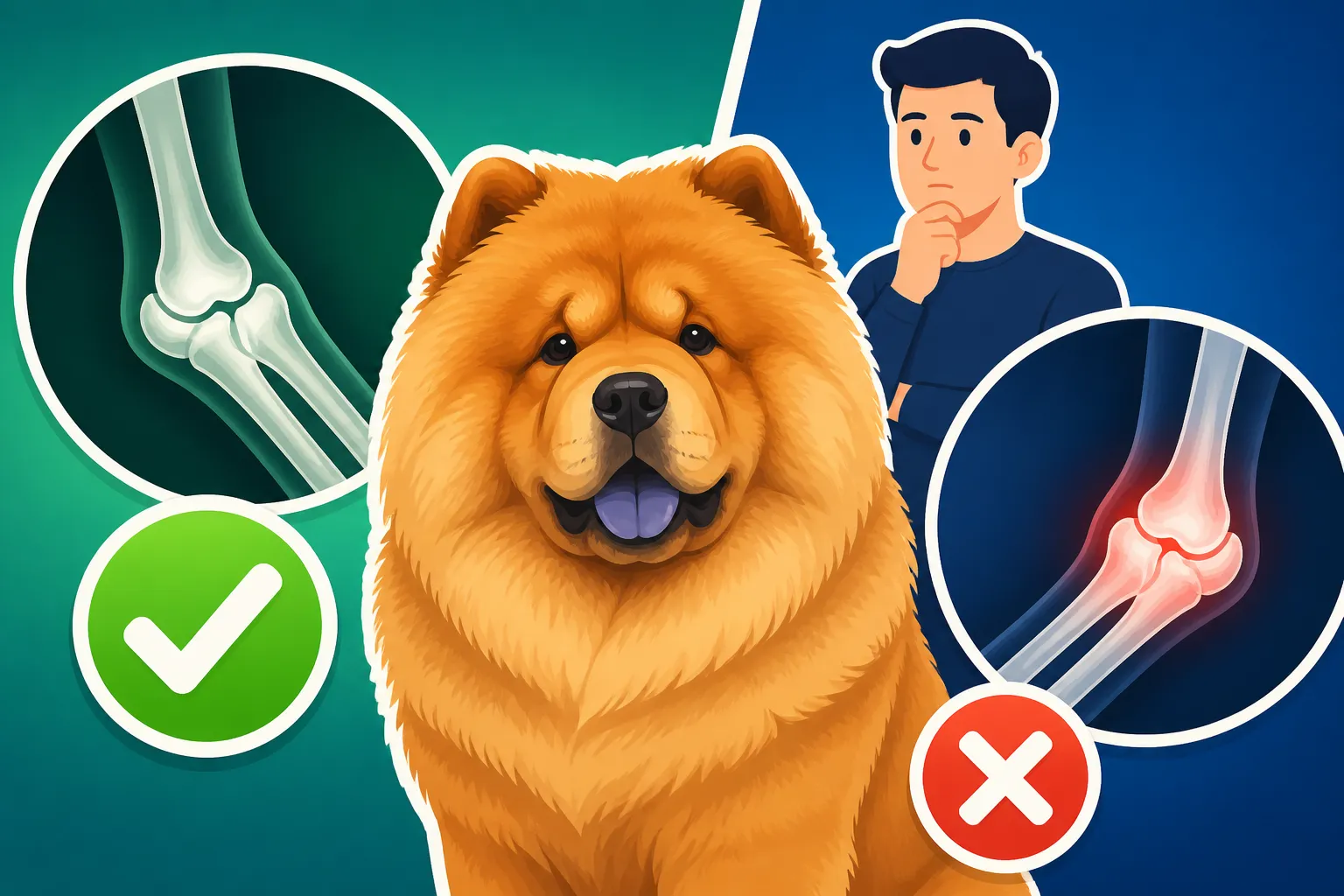
Whether a Chow Chow Breeder Shows the Elbow Score
One of the most disheartening experiences for a prospective Chow Chow owner is the discovery that a beautiful, fluffy puppy comes with hidden health issues that could lead to a lifetime of pain and expensive veterinary care. When you’re looking for a new family member, you want reassurance that you're making a responsible choice, and that often means asking breeders about health clearances. This guide will walk you through why elbow scores are crucial for Chow Chows, what responsible breeders should be doing, and how to empower yourself with the right questions to ensure you bring home the healthiest puppy possible.
Understanding Elbow Dysplasia and Why Scores Matter
Bringing a Chow Chow into your life is a commitment to a unique and often strong-willed companion. You want them to live a full, active, and comfortable life. That's why understanding potential health challenges, like elbow dysplasia, is so incredibly important. It's not just a fancy term; it's a real issue that can significantly impact a dog's well-being and your wallet.
What Elbow Dysplasia Is in a Chow Chow
Elbow dysplasia isn't a single condition, but rather a catch-all term for several developmental abnormalities that can occur in the elbow joint of growing dogs. For a breed like the Chow Chow, with its distinctive bone structure and often sturdy build, these issues can be particularly painful and debilitating. Imagine waking up every day with a joint that just doesn't quite fit right, causing grinding, stiffness, and chronic discomfort. That's the reality for many dogs afflicted with elbow dysplasia. The bones in the elbow—the humerus, radius, and ulna—don't develop properly or fit together as they should, leading to wear and tear, inflammation, and ultimately, arthritis. What Elbow Dysplasia Does to a Chow Chow dives deeper into the specific mechanics.
The unfortunate truth is that elbow dysplasia has a significant genetic component, meaning it can be passed down from parents to their puppies. While environmental factors like rapid growth from overfeeding, excessive exercise, or injury can influence its severity, the underlying predisposition is often inherited. This is why screening breeding dogs is not just a good idea, but an ethical imperative. If parents have poor elbow conformation, their puppies are at a much higher risk of developing the condition. This makes checking the parents' health records absolutely essential when you're considering a puppy. You're not just buying a cute face; you're investing in a lifetime of health, and elbow health is a major piece of that puzzle for Chows.
The Importance of Elbow Scores for Breeders
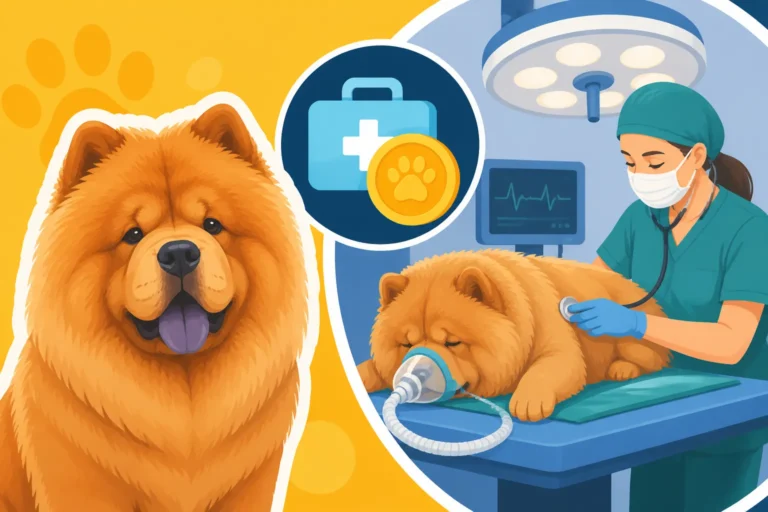
For any responsible breeder, the health of their lineage is paramount. They’re not just producing puppies; they're safeguarding the future of the breed. This is where elbow scores become an indispensable tool. Organizations like the Orthopedic Foundation for Animals (OFA) in North America, or the British Veterinary Association (BVA) in the UK, provide standardized evaluations of elbow joints. Vets take X-rays of a dog's elbows, and these images are then assessed by a panel of experts who assign a grade based on the presence and severity of any abnormalities.
A breeder using these scoring systems isn't just taking a picture; they're committing to an objective assessment of their breeding stock. These scores allow them to identify dogs with healthy elbows that are suitable for breeding, and, just as crucially, to avoid breeding dogs with dysplastic elbows. By selectively breeding only those dogs with excellent or good elbow scores, they actively work to reduce the incidence of this painful condition in future generations. It's a proactive step that demonstrates a profound commitment to the health and welfare of the Chow Chow breed, ensuring that puppies born into their care have the best possible start to life without the shadow of inherited joint disease. Without this crucial information, breeders are essentially guessing, and that’s a gamble no responsible owner wants to take with their future companion's health.
Breeder Transparency and Showing Elbow Scores
When you’re seeking a Chow Chow puppy, the experience can sometimes feel overwhelming. There’s so much to learn, so many questions to ask, and it can be hard to know if you're getting straight answers. A key indicator of a reputable breeder is their openness and willingness to share health screening results, particularly concerning hereditary conditions like elbow dysplasia. This transparency isn't just about sharing good news; it's about being honest and accountable for the health of their breeding program.
The Ethical Breeder's Approach to Health Testing
An ethical breeder views health testing not as an optional extra, but as a fundamental part of their breeding program. They understand that bringing healthy puppies into the world requires a significant investment of time, money, and scientific rigor. For Chow Chows, this means routinely screening their breeding dogs for a range of conditions common to the breed. What a Chow Chow Breeder Should Have Tested provides a comprehensive list of what to expect. This isn't just about elbow dysplasia, though it's a major one; it includes hip dysplasia, eye conditions like entropion and glaucoma, and sometimes thyroid issues.
When it comes to elbow scores specifically, an ethical breeder will proactively have their dogs evaluated by a recognized orthopedic registry like OFA or BVA. They will then readily provide you with copies of these official certifications. This isn't something you should have to beg for; it should be part of their standard practice, often displayed on their website or presented without hesitation during your initial conversations. They understand that these documents are proof of their dedication to improving the breed and are a vital piece of information for you as a prospective puppy owner. They're proud of the effort they put into health and want you to be informed.
How to Interpret Elbow Score Documentation
So, a breeder has handed you a piece of paper (or, more likely, an electronic document) with "OFA" or "BVA" at the top. What exactly are you looking at? These documents are formal certifications of a dog's orthopedic health, and understanding them is crucial. For elbow scores, the most common systems use a grading scale.
In the OFA system, elbows are graded as:
- Normal: Grade I, II, or III. These indicate no evidence of elbow dysplasia. A dog with normal elbows is suitable for breeding.
- Elbow Dysplasia: Grade I, II, or III. These indicate mild, moderate, or severe elbow dysplasia, respectively. Dogs with any grade of elbow dysplasia are generally not recommended for breeding by OFA guidelines.
The BVA/KC Elbow Scheme (used in the UK) assigns a score to each elbow, ranging from 0 to 3, where 0 is excellent and 3 is severe. The sum of the two elbow scores (e.g., 0/0 or 1/1) gives an overall score. A total score of 0 is ideal, and generally, breeders aim for parents with scores of 0/0 or 0/1. The BVA also publishes breed mean scores, allowing breeders to compare their dogs' scores against the average for the breed.
You want to see scores indicating normal or low/clear for both parents. Don’t be afraid to ask the breeder to explain the scores if you're unsure. They should be able to walk you through the report and what it means for the health of their dogs and, consequently, your potential puppy. A breeder who truly understands and values these tests will be happy to educate you.
When a Breeder Might Hesitate to Show Scores
This is where things can get a little tricky, and your Spidey-sense needs to be on high alert. While a reputable breeder will be open, you might encounter situations where scores aren't immediately forthcoming. There can be legitimate reasons, but also major red flags.
A legitimate reason might be that the tests were very recently performed, and the official certification hasn't arrived yet. In this case, the breeder should be able to provide proof that the X-rays were submitted and might even share preliminary vet interpretations. They should have a clear timeline for when the official results are expected. Another possibility is that the dog is very young, as elbow certifications are typically done at 24 months of age or older to ensure full skeletal maturity. If you are looking at a very young dam for a future litter, the breeder may simply not have had her tested yet – but they should be able to explain this plan clearly.
However, a breeder hesitating or refusing to show scores, or offering vague excuses like "the vet said they looked fine," is a major cause for concern. Remember, "looked fine" isn't a certified score. It's an opinion, not an objective evaluation by a panel of experts. Similarly, if they claim the tests are too expensive or unnecessary for their lines, that’s a huge red flag. This often signals either a lack of commitment to health, or, worse, that they know the scores aren't good and are trying to hide it. Don't be shy about pushing for this information. Your future Chow Chow's quality of life could depend on it.
Protecting Yourself as a Prospective Chow Chow Owner
Navigating the world of dog breeders can feel like a minefield, especially when you're emotionally invested in finding the perfect puppy. But remember, you are in the driver's seat when it comes to making informed decisions. Your responsibility is to your future companion, and that means being diligent, asking tough questions, and being prepared to walk away if something doesn't feel right. This due diligence is the best way to protect both yourself and the health of your future Chow Chow.
Essential Questions to Ask About Elbow Scores
Asking the right questions can make all the difference. Don't just ask, "Are the parents healthy?" That's too vague. Here are some specific questions you absolutely need to ask any Chow Chow breeder you're considering:
- "Can I see the OFA (or BVA) elbow certifications for both the dam (mother) and sire (father) of this litter?" Ask for the official documents, not just verbal assurances. Make sure the names on the certificates match the parents.
- "What were their specific elbow scores/grades?" You're looking for "Normal" or "Good" in OFA, or low scores like 0/0, 0/1 in BVA.
- "At what age were these elbow clearances obtained?" Remember, official clearances are typically done at 24 months or older. Anything younger might be a preliminary read, which is less definitive.
- "Have any siblings or previous offspring from these parents developed elbow dysplasia?" A good breeder tracks the health of dogs they've produced and will be transparent about any issues that have arisen in their lines.
- "What is your policy or health guarantee regarding elbow dysplasia?" A responsible breeder will have a written health guarantee that addresses hereditary conditions like elbow dysplasia, often offering some form of recourse if an issue arises within a specified timeframe. Whether a Health Guarantee Covers Chow Chow Entropion explores these kinds of guarantees in another common Chow Chow health issue.
These questions aren't intrusive; they're vital. A good breeder will welcome them and be prepared to provide clear, documented answers. If you feel like you're pulling teeth to get this information, that’s a major warning sign.
| Breeder Type | Approach to Elbow Scores | What to Expect | Implications for You |
|---|---|---|---|
| Ethical Breeder | Proactively tests and openly shares official results. | Official OFA/BVA certificates, clear scores (e.g., 0/0, Normal). | Higher confidence in puppy's health, reduced risk of expensive future vet bills for elbow issues. |
| Vague Breeder | Offers verbal assurances, avoids showing documents. | "Vet said they were fine," "Don't bother with those tests." | Significant risk of inherited elbow dysplasia, potential for high vet costs and lifelong pain for your Chow Chow. |
| New Breeder | May have submitted tests but awaiting official results. | Proof of submission, vet's preliminary notes, clear timeline. | Acceptable with transparency, but confirm official results once available. |
The Role of Health Guarantees and Contracts
Once you've found a breeder who seems promising, the next step often involves reviewing a contract and understanding their health guarantee. This is another critical layer of protection for you and your future Chow Chow. A health guarantee isn't just a nicety; it's a reflection of the breeder's confidence in their breeding program and their commitment to the puppies they produce.
Most reputable Chow Chow breeders will include a clause in their contract specifically addressing genetic health conditions like elbow dysplasia. This might state that if your puppy is diagnosed with severe elbow dysplasia by a certain age (often 24-30 months, which is when definitive diagnosis can be made), they will offer a partial refund, a replacement puppy, or other forms of support. It's crucial to read this section very carefully. Understand the terms, what conditions are covered, and what actions you need to take (e.g., getting a second veterinary opinion, providing veterinary records). While no guarantee can completely eliminate the risk of any health issue, a strong, clear guarantee shows a breeder stands behind their dogs. It also signals that they've done their utmost to breed healthy dogs and are prepared for the rare instance where something unexpected arises. This kind of safety net can provide immense peace of mind. Some owners even consider pet insurance from providers like Healthy Paws to help cover unexpected health issues, as even the best breeding practices can't guarantee a completely problem-free life.
What to Do If a Breeder Doesn't Provide Scores
You've asked the questions, you've looked for the documentation, and the breeder just isn't delivering. What now? This is the point where you need to listen to your gut and be prepared to make a difficult decision.
If a breeder outright refuses to provide official, verifiable elbow scores for both parents, or if their excuses are vague and unconvincing, that should be an immediate dealbreaker. It's a huge red flag that suggests they either haven't done the testing, or the results weren't favorable and they're trying to hide it. Walking away from a cute puppy is hard, but it’s infinitely easier than facing years of managing a dog with chronic pain and potentially exorbitant veterinary bills for joint surgeries and ongoing medication.
Instead, consider seeking out breeders who are transparent and eager to share their health clearances. You can also explore reputable Chow Chow rescues. Many rescue organizations, like those found through Adopting a Chow Chow From Rescue, often have dogs that have already had initial health evaluations, and their adoption counselors can provide detailed information about known health histories. While a rescue dog's full lineage might be unknown, their immediate health status is often thoroughly assessed before placement. Additionally, consider companies like Chewy or Ollie for your future puppy's needs, as they offer quality food and supplies that support overall health and can be especially beneficial for dogs with joint concerns, helping with weight management and nutrient intake, regardless of their background. Your commitment to finding a healthy companion means prioritizing transparency and verifiable health over convenience or a slightly lower initial price.
Disclaimer
This article is for general informational purposes only and does not constitute professional advice. Laws, prices and regulations vary by location and change over time. Consult a qualified professional for guidance on your specific situation.