Whether a Chow Chow Breeder Certifies Eyes Yearly
One of the most concerning aspects for any prospective Chow Chow owner is ensuring the health of their future furry family member, and eye health is particularly critical for this breed. Many people assume a breeder might get a puppy's eyes checked once, but the reality for adult breeding Chows, and the ongoing responsibility of a truly dedicated breeder, can be much more complex. This guide will walk you through why annual eye certifications for breeding Chow Chows are not just a good idea, but a fundamental expectation, and what you need to know to make an informed choice.
Understanding Chow Chow Eye Health and Common Concerns
The Chow Chow is a magnificent breed, but with its unique physical characteristics come specific health predispositions, especially when it comes to their eyes. It’s not just about what you see on the surface; the underlying structure of their eyes can make them prone to certain conditions that require diligent monitoring.
The Chow Chow's Unique Eye Structure and Predispositions
Chow Chows are known for their deep-set eyes, often giving them that characteristic "scowl" or thoughtful expression. While this contributes to their distinctive look, it also creates a particular anatomical challenge. The way their eyelids are supported by the facial structure can make them prone to a condition called entropion, where the eyelid rolls inward. This isn't just a cosmetic issue; it means the eyelashes and fur can constantly rub against the delicate surface of the eyeball, causing irritation, pain, and potentially serious damage. It's a deeply uncomfortable problem for the dog, making them squint or tear up constantly.
Beyond entropion, the very structure of the Chow Chow's eye also predisposes them to other issues, most notably glaucoma. This breed is known to be prone to "closed-angle glaucoma," a condition where the eye's drainage angle is naturally narrow, making it difficult for fluid to exit the eye. Pressure builds up rapidly, leading to severe pain and irreversible vision loss if not addressed immediately. Understanding these breed-specific risks is the first step in appreciating why breeders need to be so vigilant with eye health. You can learn more about Why a Chow Chow's Deep Set Eye Causes Trouble.
Critical Eye Conditions in Chow Chows
Let's delve a little deeper into the two most critical eye conditions that Chow Chow owners and prospective owners should be aware of: entropion and glaucoma. Entropion typically manifests early in life, sometimes even in puppyhood, and can range from mild irritation to severe corneal damage. The constant rubbing of hair on the cornea can lead to painful ulcers, scarring, and even blindness if left untreated. Imagine having a piece of grit in your eye that you can never get out – that's essentially what a Chow Chow with entropion experiences. Early detection and surgical correction are usually necessary to alleviate pain and prevent permanent damage. For more on this, check out What Entropion Does to a Chow Chow's Eye.
Glaucoma, on the other hand, is often an emergency. Unlike entropion, which might be a chronic irritation, glaucoma is an acute, blinding condition that can develop incredibly quickly. The rapid increase in intraocular pressure causes immense pain and damages the optic nerve. Without immediate veterinary intervention, often within hours, the affected eye can lose vision permanently. Many Chow Chow owners have faced the heartbreaking reality of needing emergency treatment for glaucoma. Breeders must be aware of this genetic predisposition and take steps to reduce its prevalence in their lines. It truly highlights why Glaucoma Can Blind a Chow Chow in Days.
Breeder Responsibilities and Eye Health Certifications
A responsible Chow Chow breeder isn't just breeding for pretty faces; they are breeding for health, temperament, and longevity. This commitment to health is nowhere more evident than in their approach to eye certifications. It’s a process that goes far beyond a quick glance from a general practice veterinarian.
What "Eye Certification" Actually Means
When we talk about eye certification for breeding dogs, we're not referring to a standard wellness check at your local vet. We're talking about a thorough examination performed by a board-certified veterinary ophthalmologist. In North America, this typically involves an examination certified by the Orthopedic Foundation for Animals (OFA) through their Eye Certification Registry (formerly the Canine Eye Registry Foundation or CERF). During this exam, the specialist uses various instruments, including an ophthalmoscope and slit lamp, to examine every part of the eye – from the eyelids and conjunctiva to the cornea, lens, retina, and optic nerve. They are looking for any signs of inherited eye diseases, such as entropion, glaucoma, cataracts, progressive retinal atrophy, and other anomalies.
The results of this examination are then submitted to the OFA, which registers the findings. A dog is either found to be "clear" of observable inherited eye disease at the time of examination, or specific conditions are noted. It's important to understand that this certification is a snapshot in time; it confirms the dog's eye health on that particular day. This is why reputable breeders don't just do it once and consider it done, especially for conditions that can manifest later in life. This rigorous process helps breeders identify and avoid passing on genetic predispositions to their puppies.
The Importance of Annual Eye Exams for Breeding Chows
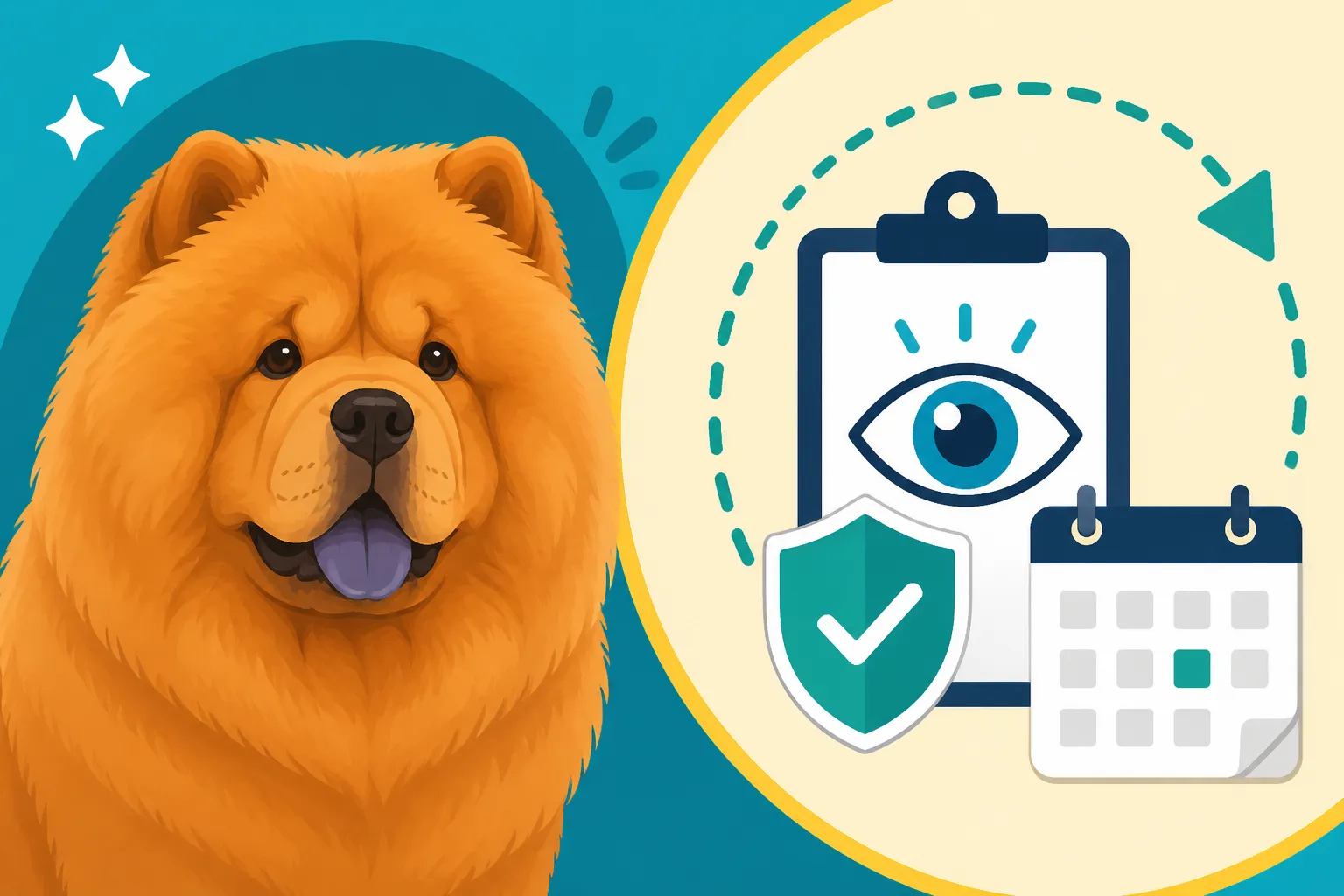
This brings us directly to the core question: should a Chow Chow breeder certify eyes yearly? The answer, for any truly conscientious breeder, is a resounding yes. Many inherited eye conditions, particularly those that can severely impact a Chow Chow's quality of life, may not be present when a dog is a puppy or even a young adult. Some conditions can develop or progress over time. For example, late-onset cataracts or certain forms of glaucoma might not show up until a dog is several years old. If a breeder only certifies their dogs once as young adults, they could unknowingly be breeding from a dog that develops a serious inherited eye condition later, thereby passing that predisposition to future generations.
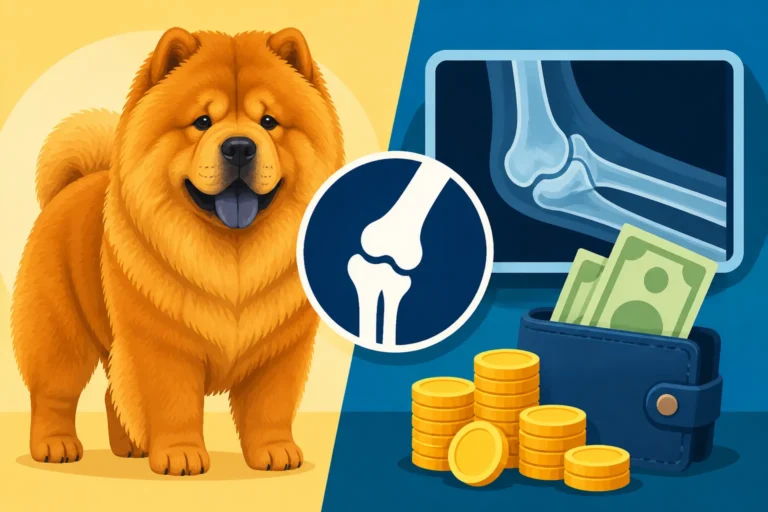
Annual re-certification by a veterinary ophthalmologist ensures that the breeding stock remains clear of observable inherited eye disease throughout their breeding careers. This practice minimizes the risk of producing puppies that will suffer from painful or blinding conditions. A breeder who commits to yearly eye exams demonstrates a deep commitment to the health of the breed and their individual dogs. It's a key part of the comprehensive health testing program that breeders should undertake, alongside things like hip and elbow evaluations. You really want to know What a Chow Chow Breeder Should Have Tested.
Interpreting Breeder Claims and Asking the Right Questions
Navigating the world of Chow Chow breeders can feel overwhelming, especially with so much conflicting information out there. Knowing what to look for and what questions to ask regarding eye health can empower you to choose a responsible breeder.
Red Flags: What to Watch Out For in a Breeder's Claims
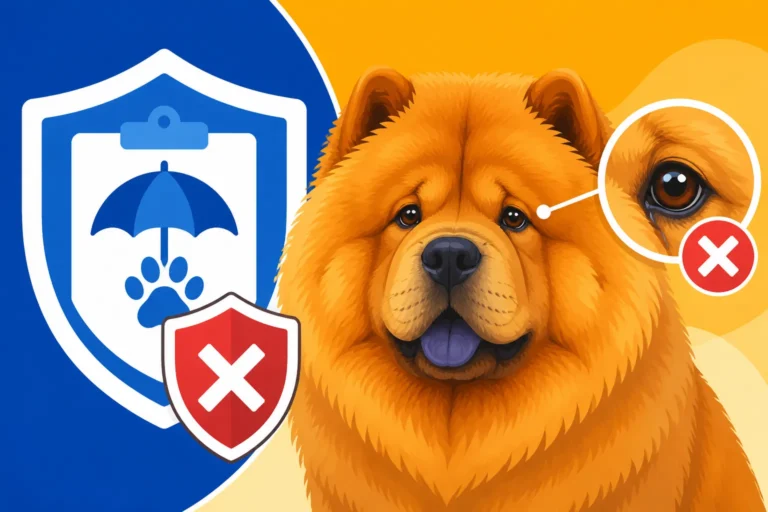
Beware of breeders who make vague claims about eye health or dismiss the need for rigorous certification. A common red flag is a breeder who says their veterinarian "checked the eyes" and they're fine. While your general vet is excellent for routine care, they are not a board-certified veterinary ophthalmologist, and their examination is not equivalent to an OFA Eye Certification. A general vet might catch obvious issues, but they aren't trained to detect the subtle early signs of inherited conditions or officially certify the eyes for breeding purposes.
Another warning sign is a breeder who only has eye certifications for the parents from when they were puppies, or only for one parent. Reputable breeders will have current eye certifications for both parents. If a breeder can't produce these documents, or seems evasive when you ask, it's a strong indication they may not be performing the necessary health screens. A breeder who claims their dogs "have never had problems" without providing verifiable documentation is also a concern; absence of evidence is not evidence of absence, especially with conditions that can be late-onset. This diligence is precisely why asking Whether a Chow Chow Breeder Certifies Eyes Yearly is so important.
Essential Questions for a Prospective Chow Chow Breeder
When you're speaking with a prospective Chow Chow breeder, don't be shy about asking direct questions regarding eye health. Start by asking to see the OFA Eye Certification documents for both the dam (mother) and the sire (father) of the litter. Look for the dates of the examinations – they should be recent, ideally within the last 12 months, demonstrating annual certification. Don't accept excuses about "the vet just looked them over." The certification should be from a veterinary ophthalmologist and registered with the OFA.
Beyond the current parents, ask about the eye health history of their previous litters and the parents' own lineage. Have any puppies from their lines developed entropion or glaucoma? A transparent breeder will openly discuss potential health challenges in their lines and what they are doing to mitigate them. They should be able to show you a full range of health testing results, including hips, elbows, and thyroid, in addition to eyes. This level of transparency is what differentiates a dedicated breeder from someone just looking to sell puppies. For more on this, be sure to ask Which Health Results a Chow Chow Breeder Must Show.
| Eye Health Certification Aspect | General Vet Check-up | Veterinary Ophthalmologist Exam (OFA/ECR) |
|---|---|---|
| Performer | General Practice Vet | Board-Certified Veterinary Ophthalmologist |
| Scope | Basic visual inspection | Thorough, specialized exam of all eye structures |
| Detection | Obvious issues only | Subtle and early signs of inherited diseases |
| Record Keeping | Internal clinic record | Publicly verifiable registry (e.g., OFA) |
| Validity for Breeding | Not sufficient | Required for responsible breeding practices |
| Annual Requirement | Not typically annual for breeding | Essential annually for active breeding stock |
The Impact of Eye Health on a Chow Chow's Life and Your Budget
Choosing a Chow Chow isn't just about the initial purchase price; it's about a commitment to their health and well-being for their entire lifespan. Neglecting the importance of proper eye health screening in breeding dogs can lead to significant emotional and financial strain down the road.
Lifetime Implications of Inherited Eye Conditions
Imagine bringing home a beautiful Chow Chow puppy, only to discover a few months or years later that they are developing a painful eye condition like entropion. This often means multiple veterinary visits, specialized eye drops, and potentially surgery. The cost of entropion surgery, especially if it affects both eyes or needs to be repeated (which can happen, as discussed in Whether a Chow Chow Needs Entropion Surgery Twice), can quickly add up. Beyond the financial burden, there's the emotional toll of seeing your beloved companion in discomfort or pain. If your Chow develops glaucoma, the emergency nature of the condition means high-stress decisions and potentially very expensive treatments, including medication for life or even surgical removal of the eye if vision is lost.
Ongoing management of chronic eye conditions can involve daily medications, special diets, and regular check-ups. These expenses become part of your regular budget for the dog. Having a robust pet insurance plan, such as those offered by Healthy Paws, can be incredibly beneficial in these situations, helping to cover a significant portion of unexpected veterinary bills. However, most insurance plans do not cover pre-existing conditions, which is why starting with a healthy puppy from a responsible breeder is paramount. Even daily prescription eye drops, which can be ordered conveniently through services like Chewy, contribute to the ongoing cost. It truly paints a picture of What a Chow Chow's Lifetime Eye Bill Runs.
Why Investing in a Reputable Breeder Pays Off
While a puppy from a reputable breeder who performs all recommended health clearances, including annual eye certifications, might have a higher initial price tag, consider it an investment in your dog's future health. This upfront cost can save you thousands of dollars and countless heartaches in veterinary bills over the dog's lifetime. A breeder who is diligent about screening their breeding stock for inherited eye conditions significantly reduces the likelihood that you'll face these painful and expensive problems. They are actively working to improve the health of the breed.
Furthermore, a responsible breeder provides peace of mind. They stand behind their puppies, often offering health guarantees against severe inherited conditions. This shows confidence in their breeding program and their commitment to the puppies they produce. While no breeder can guarantee a dog will never have any health issue, those who perform comprehensive health testing, including yearly eye certifications for their breeding Chows, are doing everything in their power to ensure you bring home a healthy companion. Opting for a breeder focused on health and ethics means you're less likely to be surprised by unexpected costs and more likely to enjoy a long, happy, and healthy life with your Chow Chow.
Disclaimer
This article is for general informational purposes only and does not constitute professional advice. Laws, prices and regulations vary by location and change over time. Consult a qualified professional for guidance on your specific situation.