Adopting a Chow Chow From Rescue
Bringing a Chow Chow into your home is a significant decision, and for many, the dream is to find a puppy from a reputable breeder. However, the sad reality is that countless Chow Chows, through no fault of their own, find themselves without a home, waiting in shelters and rescues. This guide will walk you through the often-overlooked but incredibly rewarding process of adopting a Chow Chow from rescue, helping you understand the challenges and joys that come with giving one of these magnificent dogs a second chance.
The Heartbreaking Reality of Chow Chows in Rescue
It’s a tough truth that for every perfectly placed purebred puppy, there are many beautiful, deserving dogs in shelters across the country. Chow Chows are no exception. Their unique temperament, formidable appearance, and specific care requirements often lead to situations where owners are simply unprepared, and the dog ends up in the rescue system. It's a cycle that dedicated rescue volunteers work tirelessly to break.
Why So Many Chows End Up in Shelters
There are myriad reasons why a Chow Chow might find itself in a shelter, and very rarely is it because the dog is inherently "bad." More often, it's a mismatch of expectations, a change in family circumstances, or a lack of understanding of the breed's needs. For example, a common reason is the Chow Chow's protective nature. If not properly socialized and trained from a young age, their natural guarding instincts can become problematic for owners who expected a more outgoing or compliant companion. This isn't aggression for aggression's sake; it's often a misunderstanding of their inherent drive to protect their family and territory.
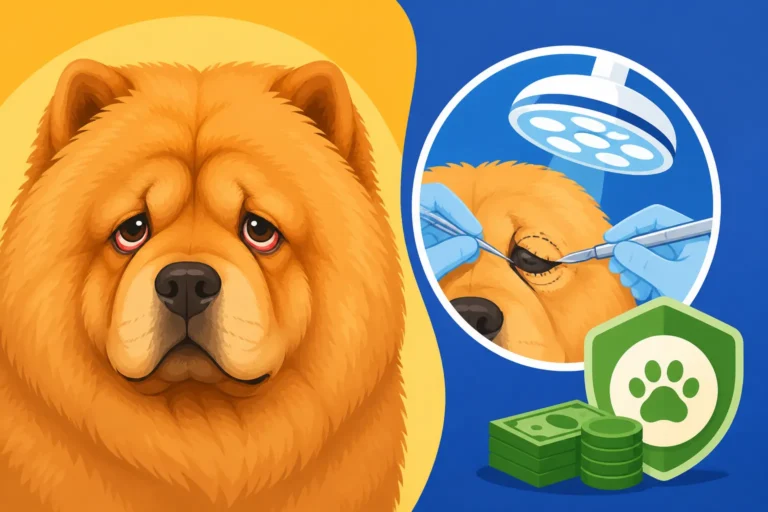
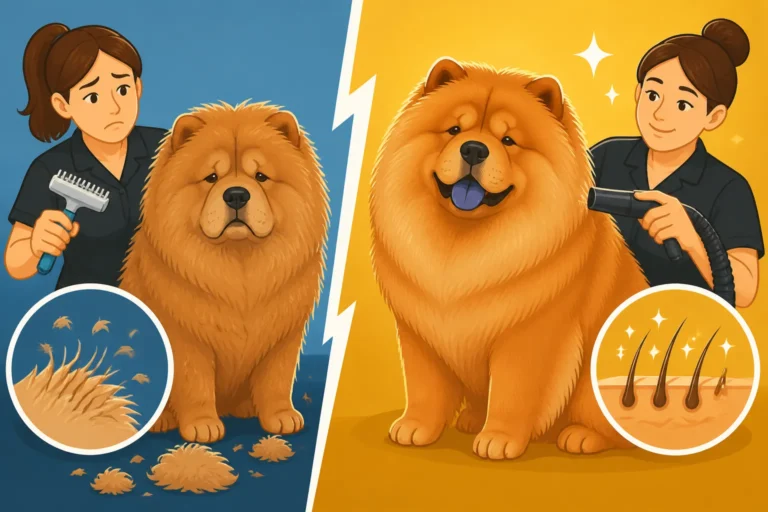
Another significant factor can be the sheer commitment required for their care. Their dense double coat demands regular and thorough grooming, which many owners underestimate. When mats become severe or shedding becomes overwhelming, some owners feel they can no longer cope. Then there are health issues; Chows are prone to certain conditions like entropion, where the eyelid rolls inward, causing immense discomfort. Surgical correction can be expensive, and an owner unprepared for such costs might make the difficult decision to surrender their dog.
Common Misconceptions That Lead to Surrender
The Chow Chow’s majestic, lion-like appearance can be deceptive. Many people are drawn to their regal look but fail to research their temperament before bringing one home. They might expect a dog that is eager to please and easily trained, like a Labrador or a Golden Retriever. However, a Chow Chow trains by agreement, not obedience. They are independent thinkers, highly intelligent, and will often assess a command before deciding if it's worth their while. This isn't stubbornness, but a strong sense of self-preservation and dignity. An owner who isn't prepared for this distinct personality might become frustrated, labeling the dog as "untrainable."
Furthermore, their perceived aloofness is frequently misunderstood. The Chow Chow bonds to one person and tolerates the rest, which can be a shock to families expecting a universally affectionate pet. They are not typically lap dogs, nor do they often revel in constant petting or enthusiastic greetings from strangers. This reserved nature, often seen as a virtue by breed enthusiasts, can lead to disappointment for those seeking a more demonstrative companion, especially if children are involved who don't understand the dog's boundaries. They also often miss signs a Chow Chow is uncomfortable due to their subtle body language.
The Emotional Toll on a Rescued Chow Chow
Imagine being plucked from everything familiar, perhaps a home you've known your whole life, and suddenly finding yourself in a noisy, unfamiliar shelter environment. For a breed as sensitive and particular as the Chow Chow, this experience can be incredibly traumatic. They are creatures of habit and routine, and disruptions can lead to significant stress. A Chow Chow’s proud demeanor often masks deep emotional sensitivity. They might become withdrawn, refuse to eat, or display fear-based behaviors that were never present in their previous home.
Some Chows, especially those who haven't had adequate early socialization decides what a Chow Chow becomes, may find the shelter overwhelming and react defensively to staff or other dogs. This can unfairly label them as "aggressive," making them harder to place. It takes immense patience, understanding, and a calm, predictable environment to help a rescued Chow Chow decompress and begin to trust again. Their past experiences, whether neglect, abuse, or simply a lack of appropriate care, will shape their initial reactions to a new home, and it’s up to their adopter to provide the safe space needed for healing.
Finding the Right Rescue Organization for Your Chow Chow
Adopting a rescue Chow Chow isn't like picking up a puppy from a breeder. It requires careful consideration of the organization you work with, their screening process, and their commitment to the dogs in their care. The right rescue will be a partner in your adoption journey, ensuring a good match and providing support long after you bring your new family member home.
Breed-Specific Chow Chow Rescues vs. All-Breed Shelters
When seeking to adopt a Chow Chow, you generally have two main avenues: a breed-specific Chow Chow rescue or a general all-breed animal shelter. While you might find a Chow Chow in an all-breed shelter, a breed-specific rescue often offers significant advantages, especially for first-time Chow owners or those with limited experience with the breed's nuances. These rescues are typically run by dedicated volunteers who live and breathe Chow Chows. They understand the breed's unique temperament, health predispositions, and grooming needs, and are adept at evaluating a Chow's personality and potential issues.
Breed-specific rescues often place their dogs in foster homes, where they can be observed in a home environment rather than a kennel. This allows the rescue to gain invaluable insights into the dog's behavior around children, other pets, and various household routines, leading to a much better match. They can tell you whether a particular Chow Chow has shown signs of Hip Dysplasia in a Chow Chow or whether they tend to get hot spots due to coat matting. While an all-breed shelter does wonderful work, their staff may not have the specialized knowledge to truly understand a Chow Chow's specific needs and quirks, which can sometimes lead to misplacement or an adoption that doesn't work out.
What to Look For in a Reputable Rescue
Choosing a reputable rescue organization is paramount. A good rescue will prioritize the well-being of its dogs above all else. Here are some key indicators:
- Thorough Screening Process: They should have a comprehensive application, conduct phone interviews, and often require a home visit. This isn't to judge your home, but to ensure it's a safe and suitable environment for a Chow Chow. They want to know your lifestyle, your experience with dogs, and your understanding of the breed.
- Transparency About Health and History: A reputable rescue will be open about a dog's known health issues, past vet records (if available), and any behavioral concerns. They should have already provided basic veterinary care, including vaccinations, spay/neuter, and microchipping. Many will also have had entropion surgery done if needed.
- Post-Adoption Support: Do they offer advice, resources, or even training tips after adoption? A good rescue cares deeply about the long-term success of their placements.
- Clear Adoption Contract: The contract should outline responsibilities, expectations, and what happens if the adoption doesn't work out (e.g., the dog must be returned to the rescue, not rehomed independently).
- Reasonable Adoption Fees: While rescues are non-profits, they have significant costs. Their fees help cover vet care, food, and other expenses. They should be able to explain what the adoption fee covers.
Avoid any "rescue" that seems too eager to hand over a dog without proper screening or asks for exorbitant fees without clear explanations. Always verify their non-profit status and check reviews or references from other adopters.
Navigating the Application and Screening Process
The rescue application and screening process might seem daunting, but remember, it’s all in the best interest of the Chow Chow. Rescues want to ensure their dogs go to forever homes where they will thrive. Be prepared for detailed questions about your living situation, your experience with dogs (especially Chows or similar breeds), your lifestyle, and your plans for training and exercise. They might ask about your yard, fencing, and how much time the dog will be left alone.
If you have other pets or children, expect questions about their temperaments and how you plan to introduce them. The rescue may want to speak with your current veterinarian to verify you are a responsible pet owner. The home visit, if required, is a chance for them to see the environment firsthand, discuss any potential safety concerns (like an unfenced pool or toxic plants), and answer your questions in person. Be honest and open throughout the process. It’s better to clarify any doubts now than to face difficulties later. Remember, they are looking for a commitment to responsible Chow Chow ownership, which includes understanding What a Chow Chow Costs Over Its Lifetime and being prepared for all the responsibilities that come with it.
Understanding the Rescue Chow Chow: What to Expect
Adopting a rescue Chow Chow often means taking on a dog with a past, and that past can influence their health and behavior. It’s crucial to approach this with an open mind, patience, and a willingness to provide the care and understanding they need to flourish in their new home.
Age and Health Considerations of Rescue Chows
Rescue Chow Chows come in all ages, from puppies to seniors. While it might be tempting to seek out a younger dog, older Chows often make wonderful companions, bringing with them a calmer demeanor and often being already housetrained. However, with age can come specific health concerns. An older rescue Chow might have arthritis, dental issues, or require medication for chronic conditions. It's important to ask the rescue for all available veterinary records. Many rescues will have performed a full veterinary check-up, including bloodwork and addressing any obvious issues like severe matting or ear infections.
Common breed-specific health problems to be aware of in a rescue Chow include entropion, glaucoma can blind a Chow Chow in days, and hip or elbow dysplasia. While many rescues will treat or disclose these issues, ongoing management might be your responsibility. For instance, a Chow with a history of entropion might have already had surgery, but it’s still good to know the potential for recurrence or if they require special eye care. Being prepared for potential medical needs is part of adopting a rescue, and it ties into understanding Whether a Chow Chow Is Expensive to Own in the long run.
Behavioral Challenges and How to Address Them
Behavioral challenges in rescue Chows are often a result of their past experiences or a lack of proper training and socialization. Common issues can include fear, anxiety, resource guarding, or reactivity towards strangers or other dogs. A Chow Chow’s naturally reserved nature can be exacerbated by stress, leading them to be more guarded or even snappish if they feel threatened or overwhelmed. It is vital to teach a child to approach a Chow Chow with respect, and for adults to understand their body language.
Patience is key. Your new Chow may need time to decompress and learn to trust. Avoid overwhelming them with too much activity or too many new people at once. Consistent, positive reinforcement training is essential. Since a Chow Chow trains by agreement, not obedience, harsh corrections will be counterproductive and can damage their trust. Instead, focus on building a strong, respectful relationship. If you encounter significant behavioral challenges, don't hesitate to seek professional help from a certified positive reinforcement trainer or a veterinary behaviorist. Many rescues offer advice or can recommend professionals experienced with the breed.
The Adjustment Period: Bringing Your Rescue Chow Home
The first few days, weeks, or even months with a rescue Chow Chow are a critical adjustment period for everyone involved. Your new dog has been through a lot, and they need time to understand their new environment, routines, and family members. It’s often referred to as the "3-3-3 rule":
- 3 Days: Expect your Chow to be overwhelmed, possibly withdrawn, or even "shut down." They might not eat much, drink little, or seem uninterested in interacting. This is normal; they are processing an immense amount of change. Keep things quiet and predictable.
- 3 Weeks: At this point, your Chow will start to settle in. They’ll begin to understand the routine, show more of their personality, and feel more comfortable. This is when some behavioral issues might start to emerge as they gain confidence. Consistency in training and rules is vital here.
- 3 Months: By now, your Chow Chow should feel truly at home. They will have formed bonds, understood expectations, and their true personality will shine through. This is when you'll really see the dog they're meant to be.
During this time, provide a safe, quiet space for them, like a crate or a designated bed, where they can retreat. Stick to a consistent schedule for feeding, potty breaks, and walks. Avoid inviting a parade of visitors immediately. Let them come to you on their own terms. Introducing a Chow Chow to a stranger should always be done calmly and respectfully. Every Chow is an individual, and some may adjust faster or slower than others. The most important thing you can offer is patience, love, and a stable environment.
The Financial Side of Adopting a Rescue Chow Chow
While adopting a rescue dog is generally less expensive than purchasing a purebred puppy, it’s crucial to understand that there are still significant financial commitments involved. A rescue adoption fee is just the beginning; you'll need to budget for ongoing care and potential health issues throughout your Chow's lifespan.
What a Rescue Adoption Fee Covers
A rescue adoption fee typically ranges from a couple of hundred dollars to a bit more, depending on the organization, the dog's age, and the extent of veterinary care provided. This fee is rarely a profit-maker; rather, it helps the rescue offset the substantial costs they incur in saving and rehabilitating dogs. These costs often include:
- Veterinary Care: This is usually the biggest expense. It covers initial health checks, vaccinations (including rabies, distemper, parvo), deworming, flea/tick treatment, and microchipping. Many rescues also cover the cost of spaying or neutering, which is a significant upfront expense. If a Chow Chow required extensive treatment for conditions like entropion, or a serious infection, these costs are also factored into the overall operational expenses that adoption fees help to cover.
- Food and Supplies: While the dog is in foster care, the rescue provides food, toys, bedding, and other necessities.
- Behavioral Assessment and Training: Some rescues invest in professional trainers to help with behavioral issues, especially for dogs with troubled pasts.
- Administrative Costs: This includes things like insurance, facility overhead (if they have a physical shelter), and marketing.
When you adopt, ask the rescue for a breakdown of what their fee covers. It's an opportunity to understand the good work they do and why the fee is necessary for their mission. It also helps you appreciate that the initial investment ensures you're bringing home a dog that has received foundational care.
Unexpected Costs Even With a Rescue Dog
Even with a comprehensive adoption fee, owning a Chow Chow comes with a range of unexpected and ongoing costs. It's a long-term commitment, and while your initial adoption might be lower than a breeder price, the lifetime expenses can be substantial. For example, What a Chow Chow Costs Over Its Lifetime is far more than just the purchase or adoption price.
Beyond the basics, think about potential health issues. A rescue Chow might have chronic conditions that require ongoing medication, special diets, or regular veterinary check-ups. Older Chows, in particular, may need more frequent vet visits. Dental care, for instance, can be surprisingly expensive, with a What a Chow Chow's Sedated Dental Costs potentially running high. There's also pet insurance to consider. Companies like Healthy Paws offer coverage for accidents, illnesses, and emergencies, which can be a lifesaver for unexpected vet bills. While it's an added monthly expense, it can provide peace of mind, especially with a breed prone to certain health concerns like hip dysplasia or autoimmune diseases.
Budgeting for Ongoing Care and Potential Health Issues
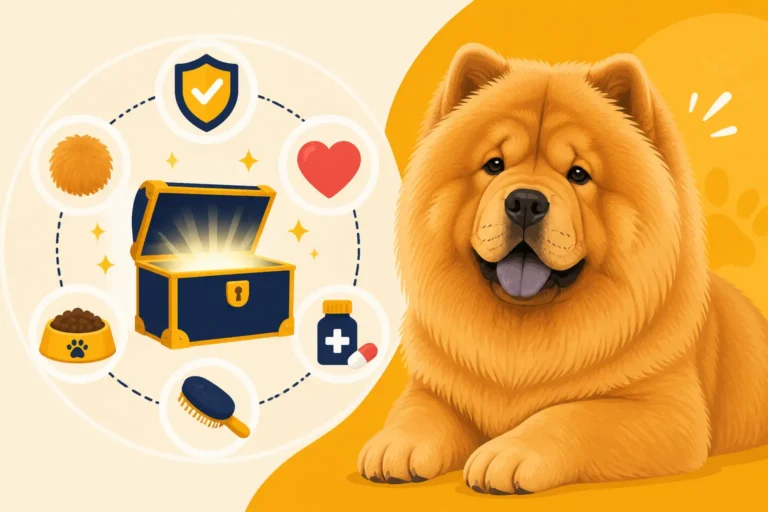
Creating a detailed budget for your Chow Chow is essential for responsible ownership. Here's a table to help you think through the categories:
| Category | Description | Estimated Frequency |
|---|---|---|
| Food | High-quality kibble or fresh food. Chows are not always big eaters, but good nutrition is key. Consider options like Ollie for fresh, customized meal plans delivered to your door. | Monthly |
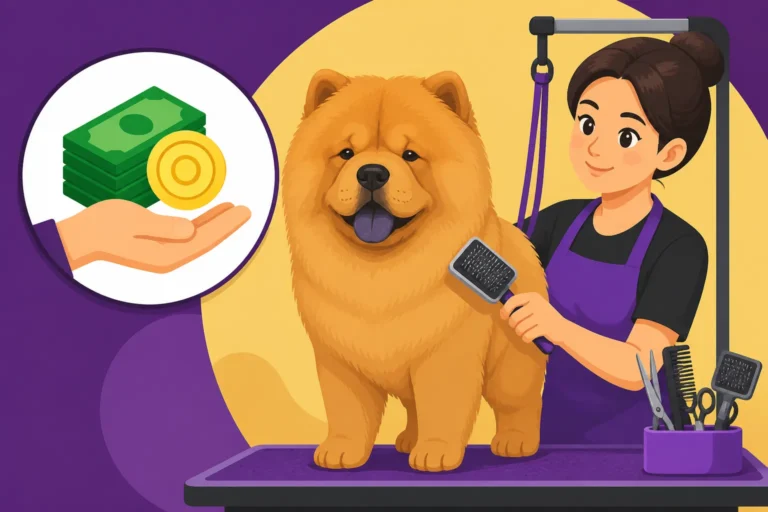
| Grooming | Professional grooming, especially for rough-coated Chows, is crucial every 6-8 weeks to prevent matting. Even if you do it yourself, you'll need tools like an undercoat rake for a Chow Chow and a high-velocity dryer. | Monthly/Bi-Monthly |
| Vet Visits | Annual wellness exams, vaccinations, heartworm, and flea/tick prevention. More frequent visits for older dogs or those with chronic conditions. | Annually/Bi-Annually |
| Pet Insurance | Monthly premiums for accident and illness coverage (e.g., Healthy Paws). Highly recommended for Chows to mitigate costs of potential genetic conditions or emergencies. | Monthly |
| Training & Supplies | Treats, toys, leashes, collars, a sturdy crate, beds. If professional training is needed for behavioral issues, this can be a significant cost. | Ongoing/As Needed |
| Miscellaneous | Dog walker, pet sitter/boarding, unexpected emergencies, licensing fees, waste bags. Consider a cooling mat for a Chow Chow in summer to help with their heat sensitivity. | As Needed/Annually |
Remember to factor in emergency savings. A sudden illness or injury can cost thousands, and having a buffer or robust pet insurance coverage like that offered by Healthy Paws can prevent tough decisions down the line. Don't forget that a Chow Chow's needs don't just stop; they're a commitment for the full The Eight to Twelve Years a Chow Chow Gets.
Preparing Your Home and Family for a Rescue Chow Chow
Bringing a rescue Chow Chow into your home is a big transition for everyone. Thoughtful preparation can significantly ease their adjustment and set the stage for a successful, lifelong bond. This goes beyond just buying dog food; it’s about creating an environment of safety, predictability, and understanding.
Creating a Safe and Calm Environment
When your rescue Chow Chow first arrives, they will likely be overwhelmed. Their entire world has just been turned upside down, and they'll need a quiet, secure space to decompress. Designate a specific "safe zone" for them, such as a large crate in a quiet corner of the house, a utility room, or a spare bedroom. This space should be equipped with a comfortable bed, water, and perhaps a puzzle toy to keep them occupied. Avoid high-traffic areas where they might feel constantly disturbed or cornered.
Ensure your home is truly dog-proofed. Chow Chows are typically not destructive chewers like some breeds, but curiosity can still lead to trouble. Secure any medications, cleaning supplies, and toxic plants. Check your yard thoroughly for escape routes, as a nervous Chow might try to find a way out. A secure fence is non-negotiable for this breed, which can be independent and prone to wandering if not contained. Also, consider the temperature in your home; why a Chow Chow overheats so easily is due to their dense coat, so a cool environment, especially in warmer months, is crucial for their comfort and health.
Introducing Your Rescue Chow to Existing Pets and Children
This can be one of the most delicate parts of bringing a rescue Chow Chow home, and it requires careful planning and supervision.
-
Other Dogs: If you have existing dogs, introductions should always be done on neutral territory, preferably outdoors, on leash. Keep the initial interaction short and positive. Watch for signs of stress or aggression from all dogs involved. Never force interactions. Once home, keep the dogs separated initially, using gates or crates, and supervise all interactions closely. Feed them separately, and don't leave high-value items like toys or bones lying around to prevent resource guarding. Two same sex Chow Chows, especially females, may not cohabitate peacefully, so always discuss this with the rescue.
-
Cats: Many Chow Chows have a strong prey drive, and living with cats can be challenging. If the rescue knows the Chow has lived successfully with cats before, that’s a good sign. Introductions should be slow and supervised, allowing the cat to have escape routes and high perches. Never leave them unsupervised until you are absolutely certain they can coexist peacefully.
-
Children: Chow Chows can be excellent family dogs, but they are not always tolerant of typical child behavior like loud noises, sudden movements, or invasive petting. Children need to be taught how to interact respectfully with a Chow Chow, understanding their need for personal space and reading their subtle body language. Always supervise interactions, especially in the initial stages. The reserved nature of a Chow means they may not give much warning before reacting if their boundaries are crossed.
Remember, the goal is gradual integration, not instant friendship. Patience and careful management are your best tools.
Setting Realistic Expectations for Bonding and Training
It's natural to want an immediate, deep bond with your new rescue Chow, but it's important to set realistic expectations. For a breed that often bonds to one person and tolerates the rest, forming that connection takes time and effort. Don't expect your rescue Chow to instantly shower you with affection or be perfectly behaved. They might be aloof, reserved, or even wary at first.
Training will also require patience and consistency. A Chow Chow is an intelligent breed, but they are not generally eager to please in the way some other breeds are. They will often choose to obey if they see the benefit or if you’ve established a strong, respectful relationship. Positive reinforcement methods work best, building trust rather than demanding submission. Avoid harsh corrections, which can cause a Chow to shut down or become defensive. Focus on basic obedience, leash manners, and continued socialization. Remember, an adult rescue Chow Chow can change, but it's a process, not an overnight transformation. Celebrate small victories, and understand that every step forward is a testament to your patience and their resilience.
The Long-Term Commitment to a Rescue Chow Chow
Bringing a rescue Chow Chow into your life is more than just an adoption; it's a profound commitment to their well-being for the rest of their days. This commitment extends through continued training, consistent health management, and appreciating the unique bond that grows over time.
Continuing Training and Socialization
Many rescue Chow Chows arrive with an unknown history regarding training and socialization. Even if they had some foundation, the stress of their past experiences can cause them to regress. It’s crucial to treat your rescue Chow as if they are starting from scratch, reinforcing good behaviors and gently addressing any undesirable habits. This isn't about dominance; it's about clear communication and building trust. Because a Chow Chow trains by agreement, not obedience, consistency is paramount. Short, engaging training sessions using high-value treats will be far more effective than long, repetitive drills that can bore them quickly.
Continued socialization is equally important, especially if your Chow Chow has had limited exposure to the outside world. This doesn't mean dog parks, which can be overwhelming and unsuitable for many Chows. Instead, focus on controlled, positive experiences: quiet walks in varied environments, meeting calm, friendly people one-on-one, and supervised interactions with well-behaved dogs. The goal is to build confidence and positive associations, helping them navigate the world calmly. Remember, their socialization window may have closed years ago, but an adult rescue Chow Chow can change and learn to cope, even if their inherent personality remains reserved.
Managing Health Throughout Their Lifespan
A Chow Chow's lifespan can range from How Long a Chow Chow Lives on Average of 8 to 12 years, and managing their health proactively is vital for a long, happy life. Regular veterinary check-ups are non-negotiable, and your vet will be your best partner in identifying and addressing potential health concerns early. Chow Chows are prone to several breed-specific conditions, including various eye issues beyond entropion, such as Glaucoma Can Blind a Chow Chow in Days, and orthopedic issues like Elbow Dysplasia Ranks the Chow Chow Near the Top.
As your rescue Chow ages, their needs will shift. Caring for an old Chow Chow might involve more frequent vet visits, joint supplements, special diets, or medication for arthritis or other age-related ailments. You might also notice changes in their vision or hearing. Maintaining a healthy weight is crucial, as extra pounds can exacerbate joint problems. Their dense coat also requires diligent grooming throughout their life; neglected coats can lead to skin infections and discomfort. Be vigilant for any changes in appetite, activity level, or behavior, as these can be subtle indicators of underlying health issues. Companies like Chewy can be a great resource for getting specialized food or medications delivered right to your door.
The Unconditional Love a Rescue Chow Gives Back
The journey with a rescue Chow Chow can sometimes be challenging, requiring immense patience and understanding. But for those who commit, the rewards are immeasurable. A rescue Chow Chow, having experienced uncertainty and perhaps hardship, often forms an incredibly deep and loyal bond with their chosen person or family. Their affection might not be demonstrative or overt, but it's steadfast and profound. They become silent, watchful companions, always present, always protective of their inner circle.
There's a unique satisfaction that comes from seeing a rescue dog, once withdrawn or fearful, slowly blossom into a confident, loving member of the family. You witness their true personality emerge as they learn to trust and feel safe. The gratitude and devotion they show are unlike anything else. You’re not just providing a home; you’re offering a second chance at life, and in return, you receive a love that is truly unconditional and a friendship that will enrich your life in countless ways. Adopting a Chow Chow from rescue isn't just about saving a dog; it's about discovering the extraordinary capacity for love and resilience within these magnificent creatures.
Disclaimer
This article is for general informational purposes only and does not constitute professional advice. Laws, prices and regulations vary by location and change over time. Consult a qualified professional for guidance on your specific situation.