How Often a Chow Chow Needs a Groomer
One of the biggest eye-openers for new Chow Chow owners, beyond their independent nature and profound loyalty, is just how much effort goes into maintaining that magnificent coat. It’s not just a quick brush here and there; their dense double coat is a glorious but demanding masterpiece that, if neglected, quickly turns into a matted, uncomfortable mess for your beloved companion. This guide will walk you through exactly how often a Chow Chow needs a groomer, diving deep into the nuances of their unique coats, seasonal changes, and how to strike the perfect balance between professional care and diligent home maintenance.
The Unique Demands of the Chow Chow Coat
Let’s be honest, that fluffy, lion-like mane is probably what first drew you to the Chow Chow, right? But what looks like a cloud of softness is actually a complex, multi-layered defense system designed to protect them from harsh weather. Understanding this intricate coat is the first step in knowing how often your Chow will need professional attention.
Decoding the Double Coat: Rough vs. Smooth
Every Chow Chow boasts a double coat, meaning they have a soft, dense undercoat for insulation and a coarser, longer outer coat (often called guard hairs) that provides protection from elements like rain and snow. It's truly a marvel of natural engineering. However, there are two distinct varieties: the rough coat and the smooth coat. The rough coat is the one most people picture – a thick, profuse, and very dense coat with a prominent ruff or mane around the head and neck, feathering on the legs, and a heavily plumed tail. It’s absolutely stunning, but it’s also a magnet for debris and mats.
Then there's the smooth coat, which is often a surprise to those unfamiliar with the breed. This coat is shorter, denser, and lacks the extensive ruff and feathering of the rough coat. While it might seem easier to manage, don't be fooled into thinking it's low-maintenance. That dense undercoat is still there, just compacted, and it still sheds and can mat if not properly cared for. Many new owners mistakenly think a smooth coat is a 'wash and wear' dog, but it still requires regular, albeit perhaps less time-intensive, grooming. For a deeper dive into these differences, you might want to read our article, Rough or Smooth: the Two Chow Chow Coats and What Each Needs.
The Critical Role of Daily Brushing
Regardless of whether your Chow has a rough or smooth coat, daily brushing is absolutely non-negotiable for optimum coat health and to reduce the frequency of professional grooming. I know, "daily" sounds like a lot, but hear me out. Chows are prone to mats, especially in areas like behind the ears, under the legs, in their "britches" (the feathering on their hindquarters), and under their collar. These mats don't just look bad; they pull on the skin, causing discomfort, pain, and even skin infections if left unchecked.
Daily brushing, even if it's just a quick 10-15 minute session, helps to remove loose undercoat before it can tangle, distributes natural oils, and keeps the skin healthy by allowing it to breathe. Think of it as preventative medicine for their coat. It also serves as a wonderful bonding opportunity, provided you've introduced brushing positively from a young age. Without this consistent home care, you'll find yourself needing a professional groomer much more frequently – and often for costly de-matting services.
Preventing Mats and Skin Issues
Mats are a Chow Chow owner's nemesis. They form quickly when shed undercoat gets trapped in the outer coat, twisting into tight clumps that can be incredibly difficult to remove. When mats become severe, they can restrict movement, cause painful skin irritation, and create a breeding ground for bacteria, leading to hot spots or other dermatological problems. It's heartbreaking to see a Chow Chow arrive at a groomer in such a state, often requiring a full shave-down, which has its own risks, like post-clipping alopecia.
The key to prevention is consistent, thorough line brushing, ensuring you get right down to the skin, not just skimming the top of the coat. This is especially important for the rough-coated Chows. Our guide on Brushing a Chow Chow's Mane Down to the Skin offers excellent techniques for this. Investing in high-quality tools, such as a sturdy slicker brush, an undercoat rake, and a metal comb (I've found great options on Chewy), is crucial for making home grooming effective and less frustrating for both you and your Chow. Remember, prevention is always easier, cheaper, and kinder than trying to fix a matted mess.
Navigating the Chow Chow's Seasonal "Coat Blow"
Beyond the regular maintenance, there are specific times of the year when your Chow Chow's grooming needs will skyrocket. This is largely due to a phenomenon aptly named "coat blow."
Understanding the Shedding Cycles
Chow Chows, like many double-coated breeds, experience significant seasonal shedding, often referred to as "blowing coat." This typically happens twice a year, usually in spring to shed their heavy winter coat and prepare for warmer weather, and again in the fall to shed their lighter summer coat and grow in a denser winter one. During these periods, you will notice an alarming amount of loose hair seemingly appearing out of nowhere. It's normal, but it's also incredibly messy and requires a serious ramp-up in grooming effort. Our article, The Twice a Year a Chow Chow Blows Its Coat, delves into this in more detail.
While these are the primary shedding seasons, it's important to remember that indoor Chows, living in temperature-controlled environments, might shed more moderately year-round. This is because their bodies don't get the same distinct cues for seasonal changes as dogs who spend a lot of time outdoors. Even then, you'll still notice peaks in shedding activity.
Intensified Grooming During the Blow
When your Chow Chow is blowing coat, daily brushing isn't just recommended; it's essential, and often you'll need to do it for longer periods. This is when an undercoat rake becomes your best friend, working to gently pull out the dead, loose undercoat that would otherwise cause massive mats. If you skip these intensive brushing sessions, the shed undercoat will quickly compact and mat, especially close to the skin. This can make your dog incredibly uncomfortable and can hinder their natural temperature regulation.
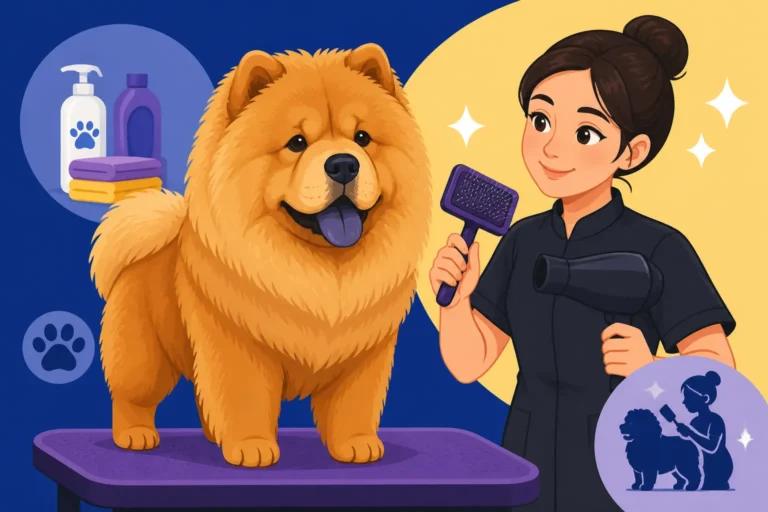
During a coat blow, many owners opt for more frequent professional grooming visits, or at least a specialized "deshedding" service. A professional groomer has high-velocity dryers and specialized tools that can blast out an incredible amount of loose undercoat, doing in one session what might take you several hours over multiple days at home. This can significantly reduce the amount of hair floating around your house and help prevent those stubborn mats.
Tools and Techniques for Effective Deshedding
For managing a coat blow at home, you'll need more than just a basic brush. A good quality undercoat rake, a sturdy slicker brush, and a wide-toothed metal comb are indispensable. The undercoat rake helps to pull out the vast quantities of dead undercoat. The slicker brush can then be used to smooth the outer coat and remove any remaining loose hairs. Finally, the metal comb is crucial for checking for any missed tangles or mats, especially in sensitive areas.
Many dedicated Chow Chow owners also invest in a high-velocity dog dryer. These aren't just for drying after a bath; they are incredibly effective at blowing out loose undercoat from a dry coat, especially during a coat blow. This process, often done outdoors (because trust me, the hair will fly!), can save you hours of brushing and really get to the root of the shedding problem. When used correctly, it’s a game-changer. Remember, the goal is to remove the dead hair, not to cut or damage the living coat. You should never shave a Chow Chow, as our article Why a Chow Chow Must Never Be Shaved explains, as it can permanently damage their coat and affect their ability to regulate temperature.
Professional Grooming: When and Why it's Essential
Even with the most diligent home grooming routine, there are times when a professional groomer is not just a luxury, but a necessity for your Chow Chow.
Identifying the Need for a Professional
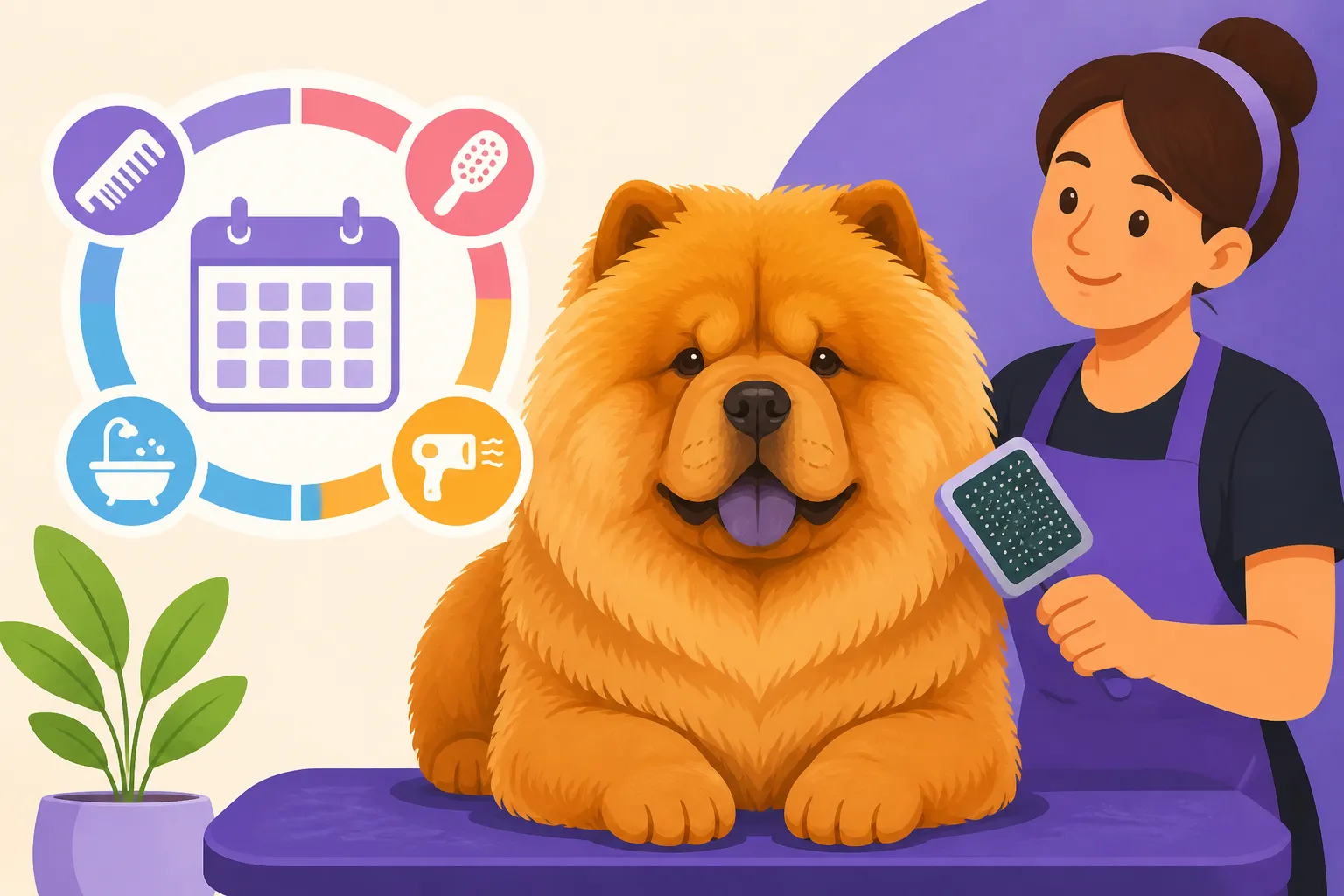
So, how often do you really need to send your Chow Chow to the professionals? For most Chow Chows with a well-maintained rough coat, a professional grooming every 4-8 weeks is a good baseline. Smooth coats might get away with every 8-12 weeks, assuming consistent home care. However, this frequency can shift based on several factors:
- Matting: If you find mats forming that you can't comfortably and safely remove yourself, it's time for a professional. Don't wait until they become pelts.
- Shedding Season: During a heavy coat blow, a professional deshedding treatment can make a world of difference and prevent weeks of constant vacuuming at home.
- Skin Issues: If your Chow develops any skin irritation, hot spots, or excessive flaking, a professional groomer can often spot these early and provide a thorough cleansing and drying that aids healing. Our article on Why a Chow Chow's Dense Coat Hides Skin Disease highlights how important this is.
- Lack of Time or Skill: Let's be honest, life gets busy. If you can't commit to the daily brushing, or if you're not confident in your grooming skills, a professional is crucial to prevent suffering for your dog.
It's about proactive care, not just reactive fixes. Scheduling regular appointments ensures their coat remains healthy and manageable, reducing the chance of discomfort or expensive emergency grooming.
The Benefits of a Specialized Groomer
Not all groomers are created equal, especially when it comes to a breed as unique as the Chow Chow. Finding a groomer who has experience with Chows is incredibly beneficial. They understand the coat type, the temperament, and the specific challenges involved. A specialized groomer will:
- Have the Right Tools: They possess industrial-strength high-velocity dryers, specialized deshedding tools, and expert bathing systems that can penetrate the Chow Chow's dense undercoat.
- Understand Chow Temperament: Chows are often reserved and can be sensitive to handling by strangers. An experienced groomer knows how to approach them calmly and confidently, making the experience less stressful. Our article Finding a Groomer Who Will Take a Chow Chow is a must-read if you're struggling to find one.
- Spot Health Issues: They often notice subtle changes in skin, coat, or body condition that you might miss, such as a brewing skin infection, ear issues, or unusual lumps, which you can then discuss with your vet.
- Ensure Proper Drying: One of the most critical aspects of Chow Chow grooming is ensuring they are dried completely to the skin after a bath. A damp undercoat can quickly lead to skin infections and mildew. Professional groomers have the equipment and expertise to dry them thoroughly, preventing these common issues.
What to Expect from a Professional Grooming Session
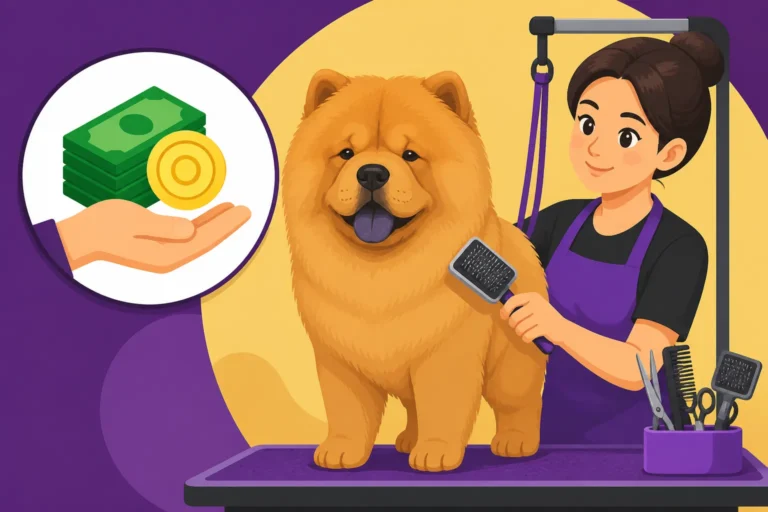
A typical professional grooming session for a Chow Chow involves much more than just a quick bath. It's a comprehensive process designed to maintain their unique coat and overall hygiene. You can expect:
- Thorough Brushing and Deshedding: The groomer will use specialized tools to remove as much loose undercoat as possible. This is often the most time-consuming part.
- Bathing: They'll use professional-grade shampoos and conditioners formulated for dense coats, ensuring the water penetrates right to the skin.
- High-Velocity Drying: This is where the magic happens for Chow Chows. Powerful dryers force water out of the coat and help to blow out any remaining loose undercoat, leaving the coat fluffy and completely dry. This is especially vital given how long a Chow Chow's thick coat takes to dry properly.
- Nail Trimming: Chow Chows' nails can be thick and grow quickly, and many are sensitive about their feet. A professional can trim them efficiently and safely.
- Ear Cleaning: They'll clean the outer ear and check for any signs of infection.
- Sanitary Trim: Light trimming around the paw pads and sanitary areas helps with cleanliness, but remember, a professional groomer should never shave your Chow Chow unless medically necessary.
It's a lengthy process, often taking several hours, which is why What Professional Grooming Costs for a Chow Chow can be quite a bit more than for other breeds. It's truly an investment in their comfort and health.
Factors That Influence Grooming Frequency
Beyond the basic coat type and seasonal blows, several other elements can play a significant role in how often your Chow Chow will need grooming, both at home and professionally.
Lifestyle, Environment, and Activity Level
Your Chow Chow's daily life can significantly impact their grooming needs. Consider these scenarios:
- Outdoor Adventures vs. Couch Potato: A Chow Chow who spends a lot of time outdoors, exploring trails, or rolling in the park will pick up more burrs, twigs, and dirt in their coat. This means more frequent brushing and potentially more baths. A Chow who enjoys a more leisurely, indoor-focused life will likely stay cleaner longer, but their coat still needs regular attention to prevent shedding and matting.
- Climate: Living in a humid climate can make mats form more quickly, as moisture can cause hair to clump. Drier climates might mean less matting, but also potentially drier skin that needs conditioning. Extreme heat, as covered in Heat Is the Chow Chow's Most Immediate Danger, also makes proper coat maintenance for insulation even more critical.
- Home Environment: Do you have carpets that trap hair, or hard floors that make it easier to sweep up? Are there kids or other pets that might interact with your Chow's coat (e.g., pulling on it, getting things tangled)? These factors, while seemingly small, contribute to the overall grooming burden and how often you'll need to reach for the brush or the phone to call the groomer.
Health Conditions and Skin Sensitivities
A Chow Chow's health is intrinsically linked to their coat and skin condition. Any underlying health issues can drastically change their grooming requirements.
- Allergies: Chows can develop skin allergies, which might manifest as itching, redness, or hot spots. In such cases, specialized shampoos or more frequent therapeutic baths (often prescribed by a vet) might be necessary. This means more frequent bathing and drying, either at home or by a professional. Whether a Chow Chow Gets Skin Allergies is a useful read here.
- Autoimmune Diseases: Some Chows can suffer from autoimmune skin conditions like Pemphigus Foliaceus, which require delicate handling and specific grooming routines to manage their symptoms.
- Thyroid Issues: Hypothyroidism, common in Chow Chows, can lead to a dry, brittle coat, hair loss, or skin infections. While medication treats the root cause, gentle, regular grooming is still essential to support skin and coat health. Knowing Signs a Chow Chow's Thyroid Is Low can help you be proactive.
- Mobility Issues: An older Chow Chow or one with conditions like elbow dysplasia might find it painful to stand for long grooming sessions. This might necessitate shorter, more frequent sessions, or even sedated grooming at the vet, which can add to the cost and complexity.
If you suspect any health-related skin or coat issues, always consult your veterinarian first. They can recommend specific treatments or products that a groomer can then incorporate into your Chow's care plan. Having pet insurance like Healthy Paws can be a real lifesaver if chronic skin conditions or accidental injuries requiring specialized grooming arise.
The Impact of Age on Grooming Routines
Just like people, a Chow Chow's grooming needs change as they age.
- Puppyhood: A young Chow Chow puppy needs early and consistent exposure to grooming. Short, positive daily brushing sessions, handling of paws, and even trips to the groomer for a "happy visit" (no actual grooming, just positive exposure to the environment and sounds) are critical. This desensitization makes future grooming much easier. Without this foundational training, grooming can become a battle.
- Adulthood: This is typically when their coats are at their most dense and demanding. The bi-annual coat blow is most pronounced, and consistent daily brushing and regular professional grooming are vital.
- Senior Years: As Chows enter their senior years, typically around age eight, their energy levels might decrease, and they might develop arthritis or other mobility issues. This can make standing for long grooming sessions uncomfortable. You might need to adjust your approach, opting for shorter, more frequent home sessions, or discuss with your groomer if they can accommodate a more gentle approach, perhaps even on the floor if the dog cannot stand on a table. Their skin might also become more delicate, requiring softer brushes and gentler products. Our guide Caring for a Chow Chow Past Eight provides valuable insights into this life stage.
Balancing Home Grooming with Professional Care
The truth is, for a Chow Chow, it's not an either/or situation between home grooming and professional grooming. It’s a delicate dance where both play crucial roles in maintaining their health and happiness.
Building an Effective Home Grooming Routine
A solid home grooming routine is the cornerstone of Chow Chow coat care. It's what keeps them comfortable between professional visits and ensures that when they do see a groomer, it's for maintenance, not for an emergency de-matting.
Here’s what a robust home grooming routine typically looks like:
- Daily Brushing: As mentioned, this is paramount. Dedicate 10-20 minutes, depending on coat length and density, to thoroughly line brush your Chow, especially targeting mat-prone areas. For rough coats, this can truly be a workout. Check out How Long Brushing a Rough Chow Chow Takes for a realistic expectation.
- Weekly Check-ins: Beyond daily brushing, do a thorough weekly check of their paws (nails, pads), ears (for cleanliness and smell), and eyes (for discharge or irritation in their deep-set eyes).
- Regular Baths (as needed): Unless your Chow Chow gets particularly dirty, they don't need frequent full baths. Every 4-8 weeks is usually sufficient, coinciding with professional grooming. More frequent bathing without proper drying can actually lead to skin issues. When bathing at home, ensure you have the right shampoo, conditioner, and most importantly, a high-velocity dryer to ensure they are 100% dry to the skin. This is the part most owners struggle with, and why professional baths are often preferred.
- Positive Reinforcement: Make grooming a positive experience from puppyhood with treats and praise. I often keep a bag of small, high-value treats (like those from Ollie, which my Chow loves) on hand for grooming sessions. This helps build trust and makes the process much smoother for everyone.
- Consistency is Key: A little bit of grooming every day is far more effective and less stressful than trying to tackle a massive, matted coat once a month.
Investing in the Right Equipment
You wouldn't try to bake a cake without the right ingredients, and you shouldn't try to groom a Chow Chow without the right tools! Investing in quality equipment is not an expense, it's a necessity that will save you money in professional grooming costs down the line.
Here’s a breakdown of essentials:
- Slicker Brush: A large, sturdy slicker brush with pins that are long enough to reach the undercoat.
- Undercoat Rake: Absolutely essential for removing shed undercoat. Look for one with rotating teeth to prevent snagging.
- Metal Comb: A wide-toothed comb for detangling and a finer-toothed end for checking for mats in delicate areas.
- High-Velocity Dryer: If you plan to bathe your Chow at home, this is a game-changer. It dramatically reduces drying time and helps blast out loose hair.
- Grooming Table (optional but recommended): A sturdy grooming table with a non-slip surface and a grooming arm can make home grooming much more comfortable and safer for both you and your dog.
- Nail Clippers or Dremel: Keep nails trimmed regularly. If your Chow is sensitive, a Dremel (nail grinder) might be less stressful.
- Shampoo and Conditioner: Choose professional-grade products designed for double coats.
You can find many of these high-quality grooming tools on sites like Chewy, making it convenient to stock up. The initial outlay for What Home Grooming Equipment Costs for a Chow Chow might seem significant, but it quickly pays for itself.
Budgeting for Your Chow Chow's Grooming Needs
Let's talk finances – because let's face it, Chow Chow grooming isn't cheap. Understanding the costs and planning for them is a crucial part of responsible ownership.
Here's a general idea of how to budget:
| Grooming Service | Rough Coat Chow Chow (Frequency) | Smooth Coat Chow Chow (Frequency) | Key Considerations |
|---|---|---|---|
| Professional Full Groom | Every 4-8 weeks | Every 8-12 weeks | Includes bath, deshed, nails, ears, light trim. Price varies by location & groomer expertise. |
| Professional Deshedding | Every 2-4 weeks during coat blow | Every 4-6 weeks during coat blow | Focuses on removing undercoat; no bath. Can be a cost-effective alternative to a full groom during heavy shedding. |
| Home Grooming Supplies | Initial investment, then ongoing replacement of shampoos/conditioners/blades for clippers | Initial investment, then ongoing replacement of shampoos/conditioners/blades for clippers | Costs include brushes, combs, dryer, table, nail tools, shampoo. Good quality lasts longer. |
| Emergency De-matting | As needed (avoid if possible!) | As needed (avoid if possible!) | Significant extra cost, often requiring a full shave-down if severe. Can be painful for the dog. |
(Note: Specific prices and fees vary widely based on location, groomer experience, the dog's temperament, and the condition of the coat. Always check with your local groomers for current rates.)
When you compare What a Chow Chow Costs Over Its Lifetime, grooming is a substantial, non-negotiable part of that budget. Think of it as preventative healthcare. Neglecting grooming can lead to expensive vet bills for skin infections, hot spots, or even sedation for severe mat removal. By embracing both consistent home care and regular professional assistance, you're not just ensuring your Chow Chow looks magnificent, you're ensuring they are comfortable, healthy, and happy. It's a commitment, but one that's truly worth it for these regal and endearing companions.
Disclaimer
This article is for general informational purposes only and does not constitute professional advice. Laws, prices and regulations vary by location and change over time. Consult a qualified professional for guidance on your specific situation.